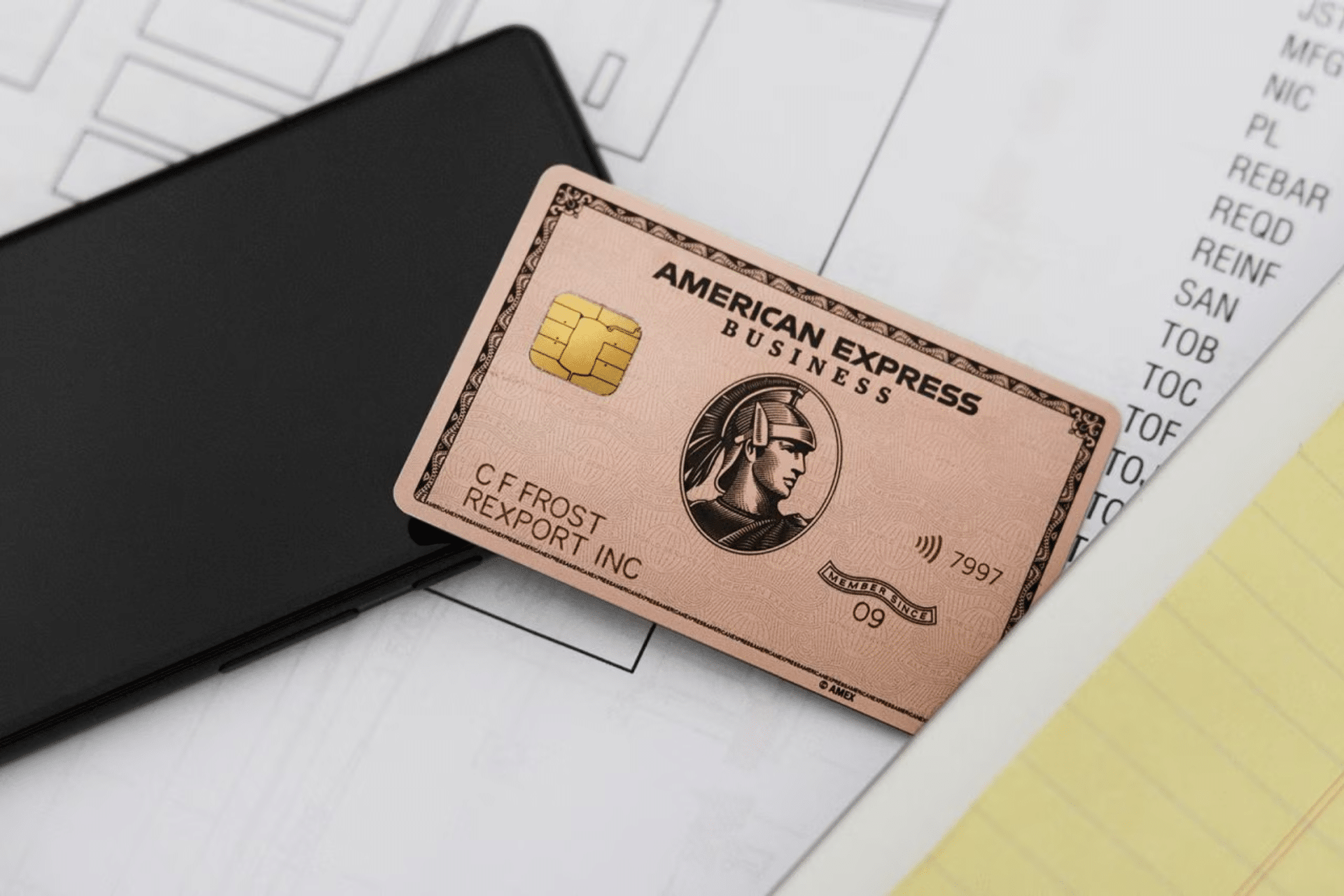
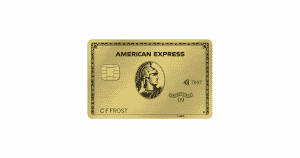
American Express has refreshed its benefits for the U.S. Business Gold Card. The Amex U.S. Business Gold amplified benefits include new spending categories, statement credits, and a new design option. In addition, cardholders get access to useful tools for small business owners and entrepreneurs. Here’s what you need to know.
Amex Business Gold Card Refresh – New Categories, Statement Credits, and Design
The newly refreshed U.S. American Express Business Gold Card holds the value cardholders seek. According to an American Express survey, 86% of small businesses surveyed expressed they find the most value in flexibility, convenience, or a wide array of benefits. The recently added enhanced benefits check off every box for the most sought-out business credit card qualities.
“The refreshed Business Gold Card helps our Card Members spend more time on what’s important: running their business,” said Anna Marrs, Group President of Global Commercial Services and Credit & Fraud Risk at American Express. “Whether they’re making purchases for business needs like advertising, wireless bills, technology expenses, or on office supplies, booking travel, or dining with clients, the refreshed Business Gold Card will help small businesses unlock value.”
Earn Rewards with Versatility for Your Business Spending
With the U.S. American Express Business Gold Card, small business owners can earn 4X Membership Rewards® points for necessary business spending. Part of the reward enhancement includes two new reward categories. In addition to earning 4X Membership Rewards points on advertising, gas station purchases, and dining, cardholders can now earn maximum rewards for three new categories.
The new reward categories include U.S. purchases made from electronic goods retailers and software and cloud system providers. Cardholders can also earn 4X Membership Rewards points on wireless telephone service charges from a wireless service provider in the U.S. The third new category is a transit category for travel via trains, taxicabs, rideshare services, ferries, tolls, parking, buses, and subways. All other eligible items will earn 1x point.
(NEW) U.S. purchases made from electronic goods retailers and software & cloud system providers
(NEW) Monthly wireless telephone service charges made directly from a wireless telephone service provider in the U.S.
(NEW) Transit purchases including trains, taxicabs, rideshare services, ferries, tolls, parking, buses, and subways
Purchases at U.S. media providers for advertising in select media (online, TV, radio)
U.S. purchases at gas stations
U.S. purchases at restaurants, including takeout and delivery
Statement Credits and More!
Earning reward points for additional business spending is exciting. However, there are more benefits to be thrilled about, such as the two new statement credits. U.S. Business Gold Card members can access. Cardholders get a $240 Flexible Business Credit, which earns them $20 in statement credit each month for purchases at FedEx, Grubhub, and Office Supply Stores.
Additionally, card members can take advantage of the new Walmart+ membership credit, valued at $155 a year. Members will receive a monthly statement credit to cover the Walmart+ subscription. A Walmart+ membership has many benefits. Such as cash back on travel, free Walmart grocery delivery, free shipping, gas savings, video streaming with Paramount+, and more.
Furthermore, there is a new way to earn points for travel. When cardmembers make an eligible purchase through AmexTravel.com, they will earn 3X Membership Rewards points. So, if your small business requires lots of travel, this would be a great way to rack up points. Moreover, Amex has added the popular rose gold design to the mix. Cardholders can opt for the gold card or the rose gold color.
Valuable Protection
The Amex U.S. Business Gold Card has additional existing features and tools for small business owners, including built-in digital payment services, cashflow tools, and more. Part of the new set of amplified benefits includes cell phone protection, which is the equivalent of cell phone insurance. Cardholders can get reimbursed for repairs or replacement costs due to damage or theft. The maximum reimbursement is $800. Terms apply.
About American Express
American Express is a global integrated payments company, that provides customers access to products, insights, and experiences that enrich lives and build business success.
Do you have a rewards credit card that earns bonus points (or cash back rewards) on streaming services? Figuring out which services qualify can be confusing – but no more! Here is everything you need to know about streaming services and credit cards, including what banks/ issuers allow what streaming servcies:
This post may contain links from partner offers, and we may receive compensation when you click on links to these offers. Please see our advertiser and editorial disclosures above for more information. Citi is an advertising partner.
How Do Banks Classify Purchases?
Amazon Music
Fubo TV
Luminary
Paramount+
Spotify
Apple TV/ Music
HBO Max
MLB.tv
Peacock
Sticher
Audible
Standalone HBO
NBA League Pass
Prime Video
Tidal
DirecTV Stream
Hulu
Netflix
Showtime
YouTube Premium
Disney+
iHeartRadio
NHL.tv
Sling TV
YouTube Music
ESPN+
Kindle Unlimited
Pandora
SiriusXM
YouTube TV
Apple TV/ Music
FuboTV
SiriusXM
Bandcamp
HBO Now
Sling TV
DirecTV
Hulu
Spotify
Disney+
Netflix
Starz
ESPN+
Peacock
Tidal
Apple Music
HBO Max
Showtime
YouTube TV
Apple TV
Hulu
SiriusXM
Vudu
Disney+
Netflix
Sling
ESPN+
Paramount+
Spotify
FuboTV
Peacock
YouTube Premium
Amazon Music
Fubo TV
MLB.tv
Prime Video
Apple Music
HBO Max
NBA League Pass
Showtime
Apple TV+
YouTube (Music/TV)
Netflix
Sling TV
Audible
Hulu
NHL.tv
SiriusXM
DirecTV Stream
iHeartRadio
Pandora
Spotify
Disney+
Kindle Unlimited
Paramount+
Sticher
ESPN+
Luminary
Peacock
TIDAL
Amazon Music
DirecTV Stream
Pandora
Spotify
Amazon Prime Video
FUBO
Paramount Plus
Starz
AMC+
Google Play
Peacock
Vudu
Apple Music
HBO Max
Showtime
YouTube Music
Apple TV
iHeartRadio
SiriusXM
YouTube Premium
Audible
MLB.TV
Sling TV
YouTube TV
Disney+
Vudu
Google Play Music
FandangoNOW
YouTube Premium
Pandora
Hulu
Amazon Music
SiriusXM
Netflix
Apple Music
Slacker Radio
Sling TV
YouTube Music
Spotify
Apple Music
Apple News
Apple TV
Amazon Music Unlimited
Audible
Disney+
ESPN+
fuboTV
HBO Now
Headspace
Hulu
Kindle Unlimited
Netflix
NHL.tv
Pandora
Prime Video
Sirius XM Radio
Spotify Premium
Many rewards credit cards offer enhanced earnings in select categories. These categories are defined by what is known as an MCC – a Merchant Category Code.
A merchant category code is a four-digit number used to classify a business by the type of goods or services it provides. An MCC is a denomination that all merchants need in order to operate, whether they provide goods or services if they accept credit cards in exchange for their products.
This code can denote anything from “Eating Places” to “Drug Stores and Pharmacies,” “Fast Food Restaurants” to “Sporting Goods Stores.” The MCC is assigned to a business by the credit card processing networks when the business in question begins to accept credit cards as a form of payment and is often used by card issuers to classify the types of purchases cardholders make.
What Counts as a Streaming Service?
According to PC Magazine, a streaming service is “an online provider of entertainment (music, movies, etc.) that delivers the content via an Internet connection to the subscriber’s computer, TV, or mobile device.” Netflix, Hulu, Spotify, and Apple Music are high-profile examples of streaming services used by millions of Americans.
Many streaming platforms qualify as a “streaming service” through all banks (think Netflix, Hulu, Apple Music, etc.), while others are only allowed by select issuers.
Here is how each of the major credit card issuers classifies a streaming service:
American Express
American Express provides a generous selection of eligible streaming services, including live TV, music, radio, and more:
Amazon Music
Fubo TV
Luminary
Paramount+
Spotify
Apple TV/ Music
HBO Max
MLB.tv
Peacock
Sticher
Audible
Standalone HBO
NBA League Pass
Prime Video
Tidal
DirecTV Stream
Hulu
Netflix
Showtime
YouTube Premium
Disney+
iHeartRadio
NHL.tv
Sling TV
YouTube Music
ESPN+
Kindle Unlimited
Pandora
SiriusXM
YouTube TV
Some American Express personal cards come with statement credits for streaming and other digital entertainment purchases. The Platinum Card from American Express, for example, provides up to $240 annual digital entertainment statement credit for select providers ($20 monthly statement credits).
Citi
Citibank also provides a helpful list of the streaming services that count towards the 5% back categories with the Citi Custom Cash℠ Card. Those 5% back categories include fitness clubs, travel (including select local transit), gas, groceries, and yes, streaming. Keep in mind that the 5% bonus categories are limited to $500 spent every billing period, and any rewards earned after that threshold will be 1% back. All other purchases with the card earn unlimited 1% cash back, with no caps on that earning.
Here is the list of eligible streaming services according to Citi:
Amazon Music
Fubo TV
MLB.tv
Prime Video
Apple Music
HBO Max
NBA League Pass
Showtime
Apple TV+
YouTube (Music/TV)
Netflix
Sling TV
Audible
Hulu
NHL.tv
SiriusXM
DirecTV Stream
iHeartRadio
Pandora
Spotify
Disney+
Kindle Unlimited
Paramount+
Sticher
ESPN+
Luminary
Peacock
TIDAL
For those seeking a credit card that offers unlimited rewards, a card like the Citi® Double Cash Card may make more sense. Every purchase with the card earns 2% back in total. This 2% back works out as follows: 1% back when you make an eligible purchase with the card, and an additional 1% back when you pay off the corresponding balance. There is no limit to the amount of cash back earned.
Chase
Chase has a robust selection of credit cards that provide everyday value, with streaming services being one of the most popular categories. Select Chase cards, such as the Sapphire Preferred, earn impressive rewards on streaming (3X in the case of the Preferred).
Here is the current list of eligible streaming services for JP Morgan Chase:
Apple Music
HBO Max
Showtime
YouTube TV
Apple TV
Hulu
SiriusXM
Vudu
Disney+
Netflix
Sling
ESPN+
Paramount+
Spotify
FuboTV
Peacock
YouTube Premium
Special, Limited-Time streaming Bonus
Chase often provides special savings for select cardmembers, with the bank’s proprietary Freedom credit cards often enjoying significant value through these promotions. For example, through June 30, 2022, Chase Freedom and Freedom Flex cardmembers can receive 5% cash back on Amazon.com and Select Streaming Services purchases.
Keep in mind that only subscription services paid for with the listed selected merchants will quality for this offer: Disney+, Hulu, ESPN+, Netflix, Sling, Vudu, Fubo TV, Apple Music, Sirius XM, Pandora, Spotify, YouTube TV, HBO Max, Paramount+, Peacock, or Showtime.
Like Chase, Citi, and Amex, Capital One also features credit cards that are ideal for streaming. The bank’s Savor line of credit cards are excellent at this purpose, providing up to 4% cash back on eligible streaming subscriptions.
Capital One offers several versions of the Savor range, including a no annual fee version (the SavorOne, which earns 3% back on streaming) and the student version (also 3% back on streaming).
Here is the list of Capital One’s eligible streaming services:
Apple TV/ Music
FuboTV
SiriusXM
Bandcamp
HBO Now
Sling TV
DirecTV
Hulu
Spotify
Disney+
Netflix
Starz
ESPN+
Peacock
Tidal
Keep in mind that Some services, such as Prime Video, AT&T TV and Verizon FIOS On Demand, are excluded, as well as audiobook subscription services and fitness programming.
U.S. Bank
U.S. Bank offers streaming services as a bonus category on several credit cards, with the most prominent being the U.S. Bank Cash+® Visa Signature®. That card earns 5% back on two select categories you choose, 2% back on one “everyday” category a user selects, and 1% back on all other purchases.
Other cards that offer streaming points are the full line-up of the Altitude credit cards:
Altitude Reserve: 3X points on mobile wallet purchases (not streaming, but a great way to get around the issue)
Altitude Go: 2X points on streaming, plus a $15 annual streaming statement credit
Here is what U.S. Bank classifies as a streaming service:
Disney+
Vudu
Google Play Music
FandangoNOW
YouTube Premium
Pandora
Hulu
Amazon Music
SiriusXM
Netflix
Apple Music
Slacker Radio
Sling TV
YouTube Music
Spotify
Are There Other Options for Earning Rewards on Streaming with Your Credit Card?
While the above-mentioned credit cards and issuers prioritize streaming services as a bonus category, there are other ways to improve your rewards earning when it comes to streaming. Unlimited cash back credit cards are a great way to maximize your savings – regardless of what you spend your money on.
Here is a quick list of some of the leading unlimited cash back credit cards:
Remember, this list of unlimited cash back credit cards is not exhaustive. There are dozens of other competitive offers from regional banks and credit unions.
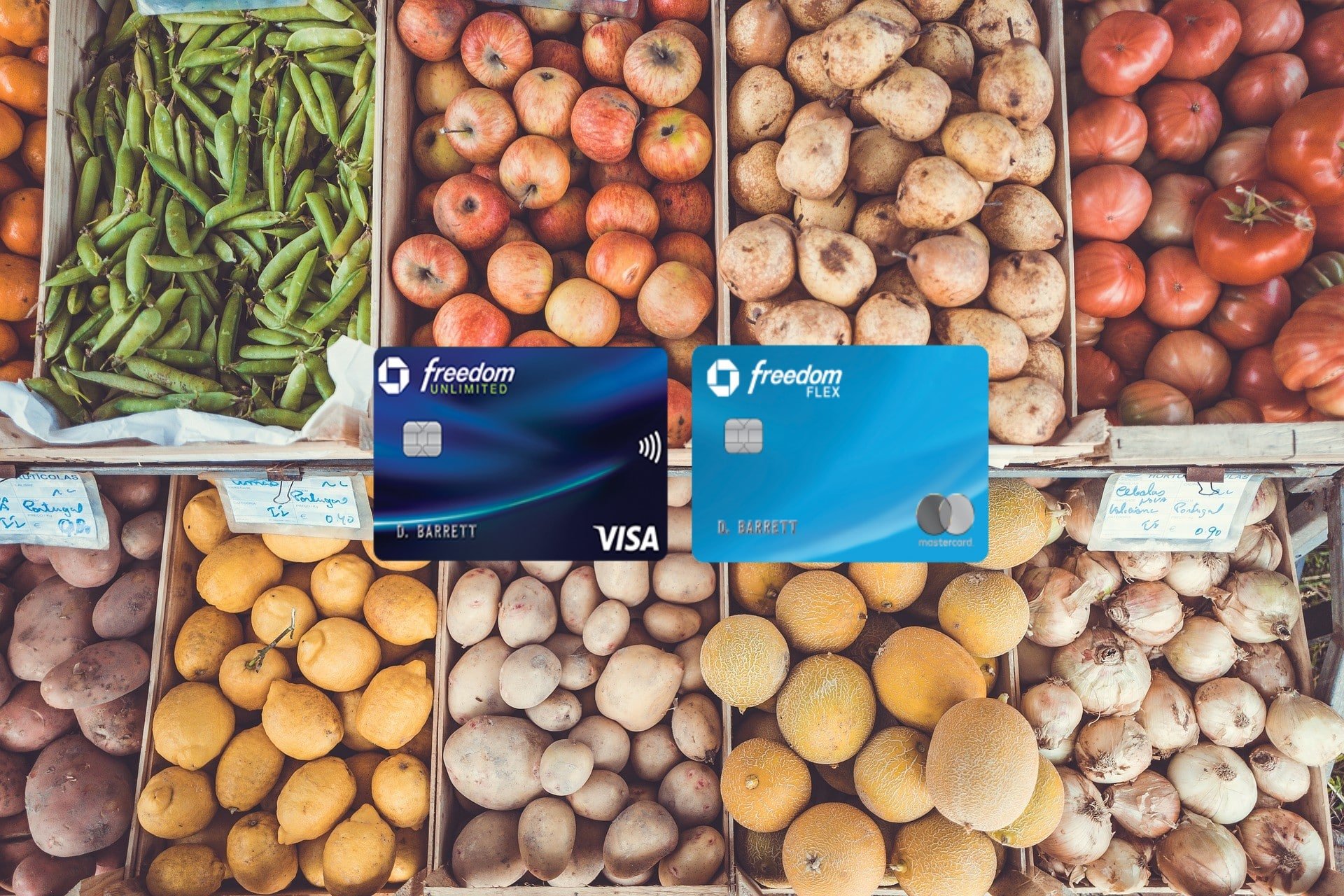
Are you tired of overspending during the holiday season? Do you find it difficult to save money while still getting everything you need? Well, Chase has good news for you! With the holiday season fast approaching, Chase is looking to help save consumers money with new, lucrative Chase Freedom welcome offers on its popular Freedom Unlimited and Freedom Flex credit cards, including $200 back and additional 5% cash back categories.
Chase Adds New Welcome Bonuses for Freedom Credit Cards
Chase is looking to help its cardholders accelerate holiday rewards with a new welcome offer on its popular Freedom credit cards. Effective immediately, this new acquisition offer is really three bonuses in one, with new Chase Freedom Flex and Freedom Unlimited cardmembers earning a $200 bonus after spending $500 on purchases in the first three months from account opening. Plus, they’ll earn 5% cash back on combined gas station and grocery store purchases (excluding Target and Walmart) at a cap of up to $12,000 spent in the first year of card membership.
With inflation continuing to impact Americans’ wallets, this new sign-up bonus is a welcome relief for anyone looking for a lucrative cash back credit card to boost their holiday season funds. This introductory offer is worth up to $800 in cash back on grocery and gas purchases.
Earn Everyday Rewards with Chase Freedom
Both cards also provide lucrative rewards every day. Chase Freedom Unlimited, for example, earns an unlimited 1.5% cash back or more on all purchases, like 3% on dining and drugstores and 5% on travel purchased through Chase. The Freedom Flex, Chase’s rotating cash back credit card, earns 5% cash back on up to $1,500 on combined purchases in bonus categories each quarter you activate. Plus, earn 5% cash back on travel purchased through Chase, 3% on dining, including takeout and drugstores, and 1% on all other purchases.
2023 Chase Freedom Calendar
The Chase Freedom 5% Cash Back Calendar for 2023 is as follows:
Date
5% Cash Back Category
Q1
January - March 2024
Grocery stores (excluding Walmart), self-care and spa services, plus fitness and gym memberships
Q2
April - June 2024
Restaurants, hotels, and Amazon.com and Whole Foods purchases
Q3
July - September 2024
Gas, EV charging, select live entertainment, and movie theatres
Q4
October - December 2024
PayPal, McDonald’s, pet shops and veterinary services, plus select charities
For Q4 2023, eligible Chase Freedom cardmembers earn 5% back on the first $1,500 on combined purchases at wholesale clubs, with select charities, or by using their card through PayPal. As always, there are caveats and fine print with these bonus categories, explained below:
Category
Explanation
Merchants in this category operate warehouse-style retail stores, sell in bulk, and concentrate on price appeal. These merchants sell a full range of household goods and merchandise, groceries, furniture, electronics, appliances, and auto supplies. These merchants may or may not have membership requirements. Gas, fuel, wholesale specialty service purchases such as travel, insurance, cell phone and home improvement will not qualify in this category. Delivery service merchants will be included if they classify as a wholesale club merchant. Mastercard not accepted at Costco warehouses or at gas stations.
Purchases made using PayPal at merchants in the current 5% quarterly categories will be awarded a total of 5% Cash Back rewards. Payments made through the Xoom transfer service are not eligible for 5%. Must have/open a PayPal account. Please note, Person-to-Person (P2P) transactions made with your Chase Freedom card on PayPal may be prohibited or not eligible for 5%.
Eligible charities include the American Red Cross, Equal Justice Initiatives, Feeding America, Habitat for Humanity, International Medical Corps, International Rescue Committee, Leadership Conference Education Fund, NAACP Legal Defense and Educational Fund, National Urban League, Thurgood Marshall College Fund, United Negro College Fund, UNICEF USA, United Way, World Central Kitchen, GLSEN, Out and Equal, and Sage.
Lengthy 0% Introductory APR Periods
The Chase Freedom Unlimited and Freedom Flex cards also come with lengthy introductory APR periods. Qualified new cardmembers can enjoy a 0% intro APR for 15 months from account opening on purchases and balance transfers, then a variable APR based on creditworthiness and the Prime Rate. Other notable features of the cards include no annual fee and rewards that don’t expire as long as the account is open. Here’s how the two cards compare:
Earn 5% on up to $1,500 on combined purchases in bonus categories each quarter you activate. Plus, earn 5% back on Chase travel, 3% on dining and drugstores, and 1% on everything else
Earn 5% back on Chase travel, 3% on dining and drugstores, and 1.5% on everything else
Intro APR
0% for 15 months on purchases and transfers
0% for 15 months on purchases and transfers
Payment Network
Mastercard
Visa
These new welcome offers are worth considering for anyone searching for a rewarding credit card. With a generous spending bonus and 5% cash back on gas and groceries for the first year, plus 0% intro APR – it’s a deal that’s hard to pass up.
We’re almost sure it wouldn’t be such a terrible thing if we could all save money on rent. Today, we share a few practical tips that can save money on your monthly housing, including strategies you can try for better rental rates.
Practical Tips to Save Money on Rent
According to Statista, as of March of 2022, rents increased across all U.S. states. In February of 2023, the average rent of a two-bedroom apartment was 1,320 U.S. dollars, up from 1,282 U.S. dollars the prior year. For the average American, rent accounts for their highest monthly expense.
In the world of personal finance, the general rule is that at max, 30% of your income should go towards rent. For example, if your monthly income is $4,000, according to the 30% rule, rent should be a maximum of $1,200. However, following the 30% rule does not apply to everyone’s financial situation and may not necessarily apply to every person due to outside factors like inflation or job wages.
Due to rents taking up a major chunk of income for the average American, the benefits of reducing rental expenses are sought after. It can free up additional cash to be used elsewhere for saving and investing or as expendable income for fun experiences like travel and dining. With that said, there are a few actions you can take to help you save money on rent.
Do Your Research and Make a Plan
Negotiating Rent With Your Potential Landlord
Cost-Saving Strategies
Be Flexible
Building Good Credit and Rental History
Explore Discounts and Incentives
Do Your Research and Make a Plan
Rent is nothing to gamble with. After all, it’s typically one of the largest expenses the average citizen may have. For this reason, research and planning are crucial when trying to save money on your rent. First and foremost, we recommend you determine your budget and financial goals.
Understanding where your finances stand plays a major role because it informs you how much money you can realistically spend on housing a.k.a. rent. Essentials like housing, transportation, food, health, and clothing are the things you need to survive in a modern society. Making a plan to distribute your income accordingly will help you keep an affordable lifestyle to enjoy life.
During your research and planning phase, take note of rental market trends and average prices in your area. The more informed you are on your finances and the rental market, the better your decision on where to live. For extra savings on rent, consider alternative housing options like having a roommate or opting for shared housing.
Negotiating Rent With Your Potential Landlord
If you don’t ask, the answer will always be no. Before approaching your potential landlord (or landlady), do your research. Gather information on comparable rental properties in the area, then politely bring your findings to your landlord and express a reasonable request to negotiate down your rent. During your negotiation, highlight your positive rental history and willingness to sign a longer lease to entice a lowered monthly rental rate. While this strategy is not a sure win, it’s still worth the try for possible savings on rent.
Tip💡Explore Discounts and Incentives
Look for move-in specials or promotional offers from landlords
Consider renting during off-peak seasons for potential discounts
Explore rental assistance programs or subsidies if applicable
Cost-Saving Strategies
If your current rent is on the rise, evaluate your space and downsize if possible. Maybe you opted for a two-bedroom apartment to use the extra space for guests, a home office, or a home gym. Spare bedrooms may be a luxury you can live without. Downsizing to a 1-bedroom apartment or loft might be lower on rent and can save you a couple of hundred dollars a month. Additionally, stay mindful of your energy consumption to help keep a low utility bill for extra savings.
Be Flexible
Be open to relocating. Rental costs vary depending on the neighborhood or town. Moving to a more affordable city can make a huge difference. Big cities and downtown skyrises with convenient amenities tend to come with a heavy monthly rent.
Relocating to a suburb can save you money. However, moving away is not for everyone due to factors like a permanent job location or child care. It’s worth considering if you have a remote job and if you don’t mind a major change to a different city, county, or state with lower rent markets.
Building Good Credit and Rental History
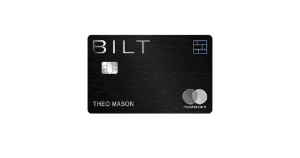
Lastly, build a good credit and rental history to ensure you always snatch up the best deal on a potential home for rent. A good credit history will show landlords you are reliable and responsible. To the same effect, a prime credit score also shows you’re trustworthy enough to make your monthly rental payments. Why not pay rent and build credit at the same time? With the Bilt Credit Card, it is possible.
With Bilt, you can pay your monthly rent and earn rewards. The Bilt card earns 1x points on rent payments, 2x points on travel, and 3x points on dining. Additionally, it features no annual fee and no foreign transaction fees. There are many ways to redeem points. For example, you can use your earned points towards rent or a future down payment. Other ways to redeem rewards include travel, statement credits, and more.
How Will You Save Money on Rent?
There are plenty of strategies to choose from to save money on rent. Remember, rent prices vary widely across states and cities and with some creative thinking and flexibility, you may come across affordable rents that won’t break the bank. Whether you choose to move away to a more affordable neighborhood or decide on getting a roommate, there are always ways to improve your situation with a little bit of sacrifice. You just have to think outside the box.
Amazon’s Prime Day is one of the most hotly-anticipated shopping events of the year. For 2023, the online shopping extravaganza takes place over two days in July – and also two extra days in October – giving savvy consumers even more time to snag a bargain. But what are the best credit cards for maximizing your savings on Prime Day 2023?
Amazon Prime Day is a multi-day event exclusively for Amazon Prime members. During the event, Amazon offers doorbuster deals on everything from televisions and appliances to home furnishings, clothing, and more.
Amazon’s flagship event already took place over the summer, but it will now run for two additional days this month and labeled as “Prime Big Deal Days”. The sales will from October 10 at 3 a.m. EDT to October 11, 2023. The event is open to Amazon Prime members in Austria, Australia, Belgium, Brazil, Canada, China, France, Germany, Italy, Japan, Luxembourg, Mexico, the Netherlands, Portugal, Singapore, Spain, the U.K., the U.S., and for the first time in Poland and Sweden.
Prime customers can shop products from top national brands and more third-party sellers than on last year’s Prime Day, including many small and medium-sized businesses. New deals – from fashion and electronics to toys and home goods – will go live throughout Prime Big Deal Days, offering savings on products across categories, including from Customers’ Most Loved, Internet Famous, and a selection of Climate Pledge Friendly products.
What are the Best Credit Cards for Amazon Prime Big Deal Days 2023?
Here are some of the top picks for credit cards to use on Prime Big Deal Days:
BestCards refers to a variation of FICO Score 9, which is one of many different types of credit scores. A financial institution may use a different score when deciding whether to approve you for a credit card. Please note that the range shown here is our own estimation and not a guarantee of credit needed to be approved for any given card.
Recommended Credit:Excellent / Good
VisaProcessing Network
NoneAnnual Fee
Prime Visa
18.74% to 26.74% variableRegular Purchase APR
18.74% to 26.74% variableBalance Transfer APR
29.49% variable based on the Prime RateCash Advance APR
At a
Glance
The Prime Visa offers cardholders impressive rewards on all Amazon.com and Whole Foods purchases, as well as elevated cash back at gas stations, drug stores, restaurants, transit, commuting, and more.
Best Benefits
Rates & Fees
Why Should You Apply?
Instant Amazon.com gift card on approval
Earn 5% Back at Amazon.com and Whole Foods Market with an eligible Prime membership, plus 5% Back on purchases made through Chase Travel.
Earn 2% Back at restaurants, gas stations, and drugstores, plus 2% Back on local transit and commuting, including rideshare.
Earn 1% Back on all other purchases
No foreign transaction fees
No annual fee
Regular Purchase APR:
18.74% to 26.74% variable
Intro Balance Transfer APR:
N/A
Balance Transfer APR:
18.74% to 26.74% variable
Balance Transfer Transaction Fee:
Either $5 or 5% of the amount of each transfer, whichever is greater
Cash Advance APR:
29.49% variable based on the Prime Rate
Cash Advance Transaction Fee:
Either $10 or 5% of the amount of each cash advance, whichever is greater
Late Payment Penalty Fee:
Up to $39
Return Payment Penalty Fee:
Up to $39
Minimum Deposit Required:
N/A
You frequently shop at Amazon or Whole Foods
You have an existing Amazon Prime membership
You want a card with no foreign transaction fees and Visa concierge services for your travel plans
You want a flexible rewards program, including savings at gas stations dining
You want the excellent customer service Amazon is known for
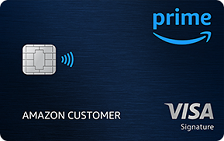
The Amazon Prime Rewards Visa Signature® Card is seemingly designed for Prime Day and Prime Big Deal Days. The card earns up to 5% back at Amazon.com and Whole Foods, making it a great option for getting groceries shipped directly to your door via either Whole Foods or Amazon Fresh.
What makes the Prime Visa such a robust Prime Day and Big Deal Days credit card are the unique features it offers cardmembers, both new and old:
New cardmember welcome offer: New Prime members can get a $150 Amazon Gift Card instantly upon approval for Prime Visa.
6% back on Prime Day: Cardmembers earn unlimited 6% back on Prime Day at Amazon.com, Amazon Fresh, and Whole Foods Market with an eligible Prime membership (5% back year round). Plus, with daily rewards, earnings can be redeemed at Amazon.com or Chase as soon as the next day.
Extra rewards with No-Rush Shipping on Prime Day: Prime cardmembers can also earn an additional 1% back on eligible Amazon purchases with No-Rush Shipping (for a total of 6% back with an eligible Prime membership).
The card requires a Prime membership to maximize rewards. Having Prime, for instance, bumps up the cash back to 5% at Amazon and Whole Foods. No Prime membership means cardholders earn just 3% back at Wholefoods and Amazon – not great, but better than average.
BestCards refers to a variation of FICO Score 9, which is one of many different types of credit scores. A financial institution may use a different score when deciding whether to approve you for a credit card. Please note that the range shown here is our own estimation and not a guarantee of credit needed to be approved for any given card.
Recommended Credit:Excellent / Good
MastercardProcessing Network
$0Annual Fee
Citi® Double Cash Card – 18 month BT offer
18.99% - 28.99% (Variable)Regular Purchase APR
18.99% - 28.99% (Variable)Balance Transfer APR
29.99% (Variable)Cash Advance APR
At a
Glance
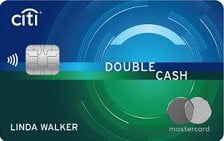
The Citi® Double Cash Card is one of the most versatile cash back credit cards on the market today, thanks to impressive, flat-rate cash back, lucrative introductory 0% APR offers, and more. Cardholders earn 2% back on every eligible purchase: 1% back at the time of sale and an additional 1% back when they pay their statement balance. Cash back is redeemable for statement credits, direct deposits, checks, or converted as ThankYou® points.
Best Benefits
Rates & Fees
Why Should You Apply?
Earn 2% on every purchase with unlimited 1% cash back when you buy, plus an additional 1% as you pay for those purchases.
To earn cash back, pay at least the minimum due on time.
Balance Transfer Only Offer: 0% intro APR on Balance Transfers for 18 months. After that, the variable APR will be 18.99% - 28.99%, based on your creditworthiness.
Balance Transfers do not earn cash back. Intro APR does not apply to purchases.
If you transfer a balance, interest will be charged on your purchases unless you pay your entire balance (including balance transfers) by the due date each month.
There is an intro balance transfer fee of 3% of each transfer (minimum $5) completed within the first 4 months of account opening. After that, your fee will be 5% of each transfer (minimum $5).
Regular Purchase APR:
18.99% - 28.99% (Variable)
Intro Balance Transfer APR:
0% for 18 months on Balance Transfers
Balance Transfer APR:
18.99% - 28.99% (Variable)
Balance Transfer Transaction Fee:
3% of each transfer (minimum $5) completed within the first 4 months of account opening. A balance transfer fee of 5% of each transfer ($5 minimum) applies if completed after 4 months of account opening.
Cash Advance APR:
29.99% (Variable)
Cash Advance Transaction Fee:
5% of each cash advance; $10 minimum
Penalty APR:
Up to 29.99% (Variable)
Annual Fee:
$0
Foreign Transaction Fee:
3%
Late Payment Penalty Fee:
Up to $41
Return Payment Penalty Fee:
Up to $41
You prefer earning cash back at a flat rate rather than in rotating categories
You're looking to either consolidate existing balances or pay down a large purchase with no interest charges for an extended period of time
You like to have the flexibility of converting cash back into lucrative rewards points
You're considering a credit card without an annual fee
Prime Day has shifted its date over the years. Despite that, the sales event usually fell into the 5% bonus cash back category of at least one rotating cash back credit card – but not so this year. Unlimited cash back cards offer cash back at an elevated rate – typically between 1.5% and 2% back – on every eligible purchase.
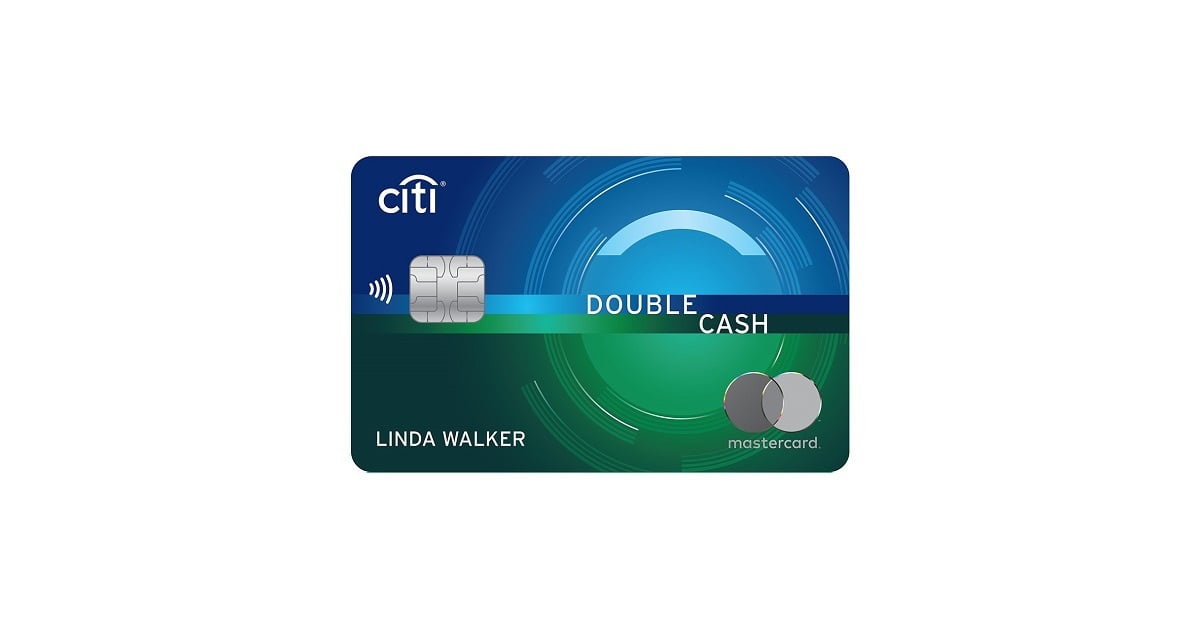
The Citi® Double Cash Card earns a flat-rate 1% cash back on all eligible purchases – and another 1% back when the account holder pays off those purchases. Additionally, the card features no annual fee and a lengthy 18-month 0% intro APR offer for new accounts.
The lack of an annual fee, the prospect of 2% back, and the 0% introductory APR on balance transfers for the first 18 months make the Citi Double Cash Card the perfect everyday credit card for looking to save the Prime Day or hoping to pay down an existing card balance.
The Double Cash from Citi earns rewards as ThankYou Points. Cardmembers can opt for statement credits, gift cards, merchandise, or other award options or use their points to book travel through Citi ThankYou® Rewards.
BestCards refers to a variation of FICO Score 9, which is one of many different types of credit scores. A financial institution may use a different score when deciding whether to approve you for a credit card. Please note that the range shown here is our own estimation and not a guarantee of credit needed to be approved for any given card.
Recommended Credit:Excellent / Good
VisaProcessing Network
NoneAnnual Fee
Chase Freedom Unlimited®
18.24% to 27.74% VariableRegular Purchase APR
18.24% to 27.74% VariableBalance Transfer APR
28.49% VariableCash Advance APR
0% for 15 months from account opening dateIntro Purchase APR
At a
Glance
The Chase Freedom Unlimited® credit card is a reliable option for customers looking to pair an attractive cash back rewards program with generous introductory interest rates. Cardholders can redeem for cash, travel, and more.
Best Benefits
Rates & Fees
Why Should You Apply?
Earn a $200 Bonus after you spend $500 on purchases in your first 3 months from account opening
Enjoy 5% cash back on travel purchased through Chase Travel℠, our premier rewards program that lets you redeem rewards for cash back, travel, gift cards and more; 3% cash back on drugstore purchases and dining at restaurants, including takeout and eligible delivery service, and 1.5% on all other purchases.
No minimum to redeem for cash back. You can use points to redeem for cash through an account statement credit or an electronic deposit into an eligible Chase account located in the United States!
Enjoy 0% Intro APR for 15 months from account opening on purchases and balance transfers, then a variable APR of 18.24% - 27.74%.
No annual fee – You won't have to pay an annual fee for all the great features that come with your Freedom Unlimited® card
Keep tabs on your credit health, Chase Credit Journey helps you monitor your credit with free access to your latest score, alerts, and more.
Member FDIC
Intro Purchase APR:
0% for 15 months from account opening date
Regular Purchase APR:
18.24% to 27.74% Variable
Intro Balance Transfer APR:
0% for 15 months from account opening date
Balance Transfer APR:
18.24% to 27.74% Variable
Balance Transfer Transaction Fee:
Either $5 or 5% of the amount of each transfer, whichever is greater.
Cash Advance APR:
28.49% Variable
Cash Advance Transaction Fee:
Either $10 or 5% of the amount of each transaction, whichever is greater
Penalty APR:
Up to 29.99% Variable
Foreign Transaction Fee:
3% of the transaction amount in U.S. dollars
You are looking for a low-rate credit card to perform a balance transfer
You prefer straightforward rewards earnings rather than quarterly categories requiring activation
You'll make at least $500 in purchases in the first 90 days
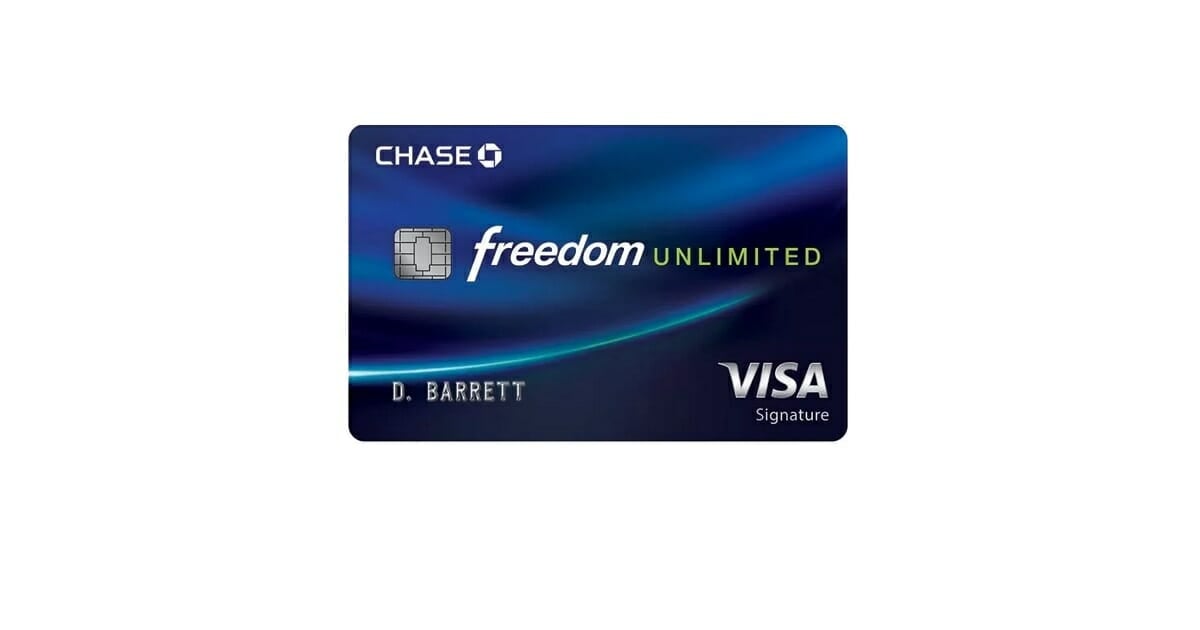
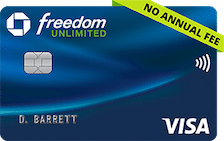
The Chase Freedom Unlimited earns an unlimited 1.5% cash back on all purchases except for extra enhanced categories. The card also earns 3% back on bonus categories of dining and restaurant purchases, including take-out orders and deliveries through eligible delivery services like GrubHub and Uber Eats. That 3% back also applies to drugstore purchases.
For Prime Day, new cardmembers can enjoy 0% Intro APR for 15 months from account opening on purchases and balance transfers – perfect for paying off big purchases over time.
BestCards refers to a variation of FICO Score 9, which is one of many different types of credit scores. A financial institution may use a different score when deciding whether to approve you for a credit card. Please note that the range shown here is our own estimation and not a guarantee of credit needed to be approved for any given card.
Recommended Credit:Excellent / Good
American ExpressProcessing Network
$0 for the first year. Then $95Annual Fee
Blue Cash Preferred® Card from American Express
19.24% to 29.99% variable based on creditworthiness the Prime RateRegular Purchase APR
19.24% to 29.99% variable based on creditworthiness the Prime RateBalance Transfer APR
29.99% variable based on the Prime RateCash Advance APR
0% for 12 months from account opening dateIntro Purchase APR
At a
Glance
Through the Blue Cash Preferred® Card from American Express, you can earn sizable cash back rewards on purchases in common categories, including 6% cash back at U.S. supermarkets on up to $6,000 in annual purchases (then 1%), 3% cash back at U.S. gas stations and select U.S. department stores, and 1% on all other purchases. You can also earn $300 back in the form of a statement credit after you make $3,000 in purchases using your new card in the first six months of the account being open.
Best Benefits
Rates & Fees
Why Should You Apply?
Earn a $300 statement credit after you spend $3,000 in purchases on your new Card within the first 6 months.
$0 intro annual fee for the first year, then $95.
Buy Now, Pay Later: Enjoy $0 intro plan fees when you use Plan It® to split up large purchases into monthly installments. Pay $0 intro plan fees on plans created during the first 12 months from the date of account opening. Plans created after that will have a monthly plan fee up to 1.33% of each eligible purchase amount moved into a plan based on the plan duration, the APR that would otherwise apply to the purchase, and other factors.
Low Intro APR: 0% on purchases and balance transfers for 12 months from the date of account opening. After that, your APR will be a variable APR of 19.24% - 29.99%. Variable APRs will not exceed 29.99%.
6% Cash Back at U.S. supermarkets on up to $6,000 per year in purchases (then 1%).
6% Cash Back on select U.S. streaming subscriptions.
3% Cash Back at U.S. gas stations and on transit (including taxis/rideshare, parking, tolls, trains, buses and more).
1% Cash Back on other purchases.
Cash Back is received in the form of Reward Dollars that can be redeemed as a statement credit
Get up to $120 in statement credits annually when you pay for an Equinox+ membership at equinoxplus.com with your Blue Cash Preferred® Card. That's $10 in statement credits each month. Enrollment required.
Thinking about getting The Disney Bundle which includes Disney+, Hulu, and ESPN+? Your decision made easy with $7/month back in the form of a statement credit after you spend $12.99 or more each month on an eligible subscription with your Blue Cash Preferred Card. Enrollment required.
Terms Apply.
Intro Purchase APR:
0% for 12 months from account opening date
Regular Purchase APR:
19.24% to 29.99% variable based on creditworthiness the Prime Rate
Intro Balance Transfer APR:
0% for 12 months from account opening date
Balance Transfer APR:
19.24% to 29.99% variable based on creditworthiness the Prime Rate
Balance Transfer Transaction Fee:
Either $5 or 3% of the amount of each transfer, whichever is greater
Cash Advance APR:
29.99% variable based on the Prime Rate
Cash Advance Transaction Fee:
Either $10 or 5% of the amount of each cash advance, whichever is greater
Penalty APR:
29.99% variable based on the Prime Rate
Annual Fee:
$0 for the first year. Then $95
Foreign Transaction Fee:
2.7% of the transaction amount in U.S. dollars
Late Payment Penalty Fee:
Up to $40
Return Payment Penalty Fee:
Up to $40
You budget for family spending and want a credit card that earns significant cash back
You'll spend a lot of money on groceries to take advantage 6% cash back at U.S. supermarkets on up to $6,000 in annual purchases (then 1% after that)
You're excited at the prospect of earning 6% cash back with select streaming services
You want to capitalize on your commute with 3% cash back at U.S. gas stations (and select U.S. department stores)
You'll take advantage of 3% cash back on transit (taxis/rideshare, parking and tolls, trains, buses and more), and 1% on all other purchases
You're likely to make $3,000 in purchases within the first six months of the account opening to qualify for a one-time $300 statement credit
You cook at home often and commute to work and school regularly, or make use of public transit regularly
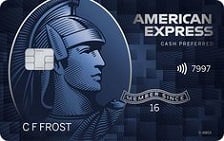
The Blue Cash Preferred® Card from American Express is an excellent option for Prime Day and Prime Big Deal Days 2023. Amazon offers a vast assortment of services, including groceries (Amazon Fresh / Whole Foods Market), music (Amazon Music Unlimited), and streaming (Amazon Prime Video).
The Blue Cash Preferred earns 6% back on streaming services and 6% back on U.S. groceries (up to $6,000 per year), making it an excellent option for anyone planning to stock up on provisions or maybe add a new premium channel to their Prime Video viewing lineup.
The Capital One® Savor® Cash Rewards Card is another great option at a similar price point (both cards feature a $95 annual fee). The Savor earns unlimited 4% back on streaming and groceries, making it a great choice for someone who wants the enhanced earning of the Preferred, but not the caps on earning it.
BestCards refers to a variation of FICO Score 9, which is one of many different types of credit scores. A financial institution may use a different score when deciding whether to approve you for a credit card. Please note that the range shown here is our own estimation and not a guarantee of credit needed to be approved for any given card.
Recommended Credit:Excellent / Good / Fair
VisaProcessing Network
NoneAnnual Fee
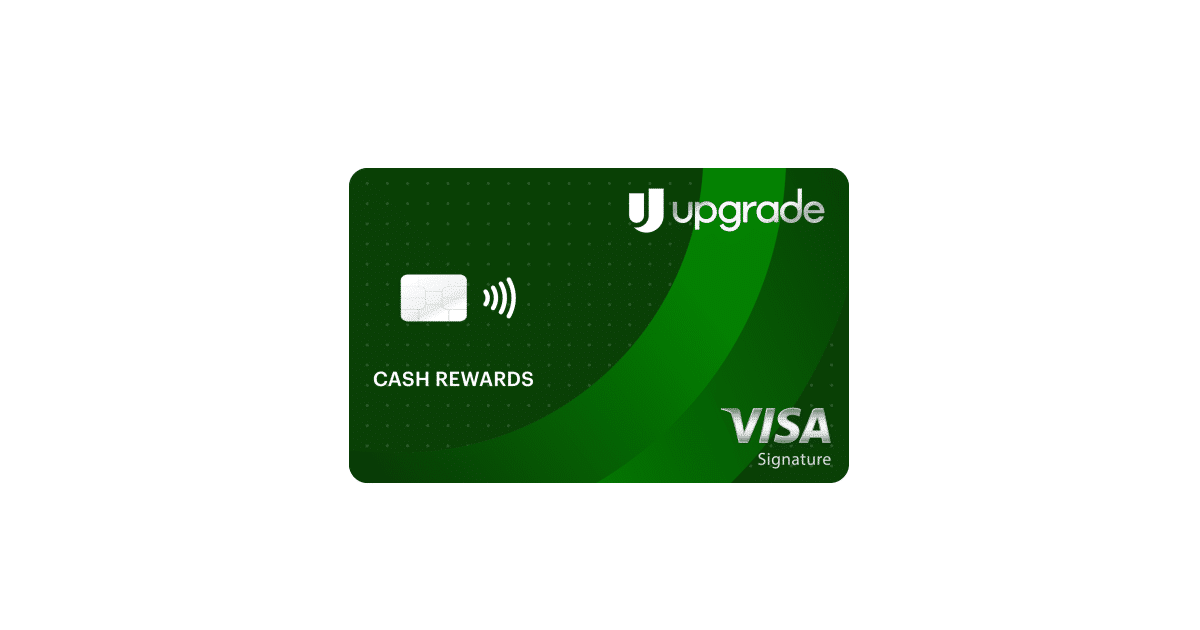
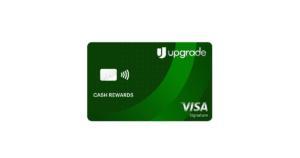
Upgrade Cash Rewards Visa®
14.99%-29.99% variable based on creditworthiness and the Prime RateRegular Purchase APR
14.99% to 29.99%Balance Transfer APR
At a
Glance
The Upgrade Cash Rewards Visa® offers no fees, low rates, cash back, and credit lines from $500 to $25,000 in one unique package. The card provides consumers the flexibility and predictability to quickly pay down balances and get debt-free. The Upgrade credit card is one of the lowest regular APR credit cards on the market for those with excellent credit scores, putting it firmly on any list of the best balance transfer credit card deals – or any list of the best credit cards in the U.S.
Best Benefits
Rates & Fees
Why Should You Apply?
$200 bonus after opening a Rewards Checking Preferred account and making 3 debit card transactions*
1.5% unlimited cash back on every purchase
No annual fee
See if you qualify in seconds with no impact to your credit score
Combine the flexibility of a card with the predictability of a personal loan
Enjoy Visa Signature benefits, like Roadside Dispatch, Price Protection, Extended Warranty Protection, and more
Shop smarter with Upgrade Shopping! Get exclusive savings at stores, restaurants, and more
Contactless payments with Apple Pay® and Google Wallet™ bull; Mobile app to access your account anytime, anywhere
Use your card anywhere Visa is accepted
Relax knowing that you are protected in case of unauthorized transactions with Visa’s Zero Liability Policy
Regular Purchase APR:
14.99%-29.99% variable based on creditworthiness and the Prime Rate
Balance Transfer APR:
14.99% to 29.99%
Balance Transfer Transaction Fee:
Up to 5%
Foreign Transaction Fee:
Up to 3%
Late Payment Penalty Fee:
May apply
You struggle to pay off your credit card balances
You want a structured repayment plan
You can reliably pay off your statement balances to earn cash back for your purchases
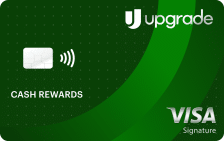
The Upgrade Cash Rewards Visa® provides a great mix of unlimited cash back and an exceptional APR. That APR on purchases and balance transfers starts as low as 9% for applicants with excellent credit.
Instead of 0% APR Upgrade prioritizes a great rate along with a unique repayment plan that is more akin to a personal loan than a traditional credit card account. Cardholders pay off balances significantly faster with Upgrade versus other low APR credit cards. According to research from Upgrade, paying off a $10,000 balance takes just a few years with the Upgrade Visa, compared with other traditional credit cards that can take up to 20 years – or more.
Add to that great rate simplified cash back rewards, and you have the makings of an excellent low APR credit card. Even better, that 1.5% cash back applies to every purchase, making the Upgrade Cash Rewards Visa a versatile credit card suitable for Prime Day, Black Friday, Arbor Day – or any day.
BestCards refers to a variation of FICO Score 9, which is one of many different types of credit scores. A financial institution may use a different score when deciding whether to approve you for a credit card. Please note that the range shown here is our own estimation and not a guarantee of credit needed to be approved for any given card.
Recommended Credit:Excellent / Good
MastercardProcessing Network
NoneAnnual Fee
BankAmericard® Credit Card
16.24% to 26.24% variable based on creditworthiness and Prime RateRegular Purchase APR
16.24% to 26.24% variable based on creditworthiness and Prime RateBalance Transfer APR
19.24% to 29.24% variable based on the Prime RateCash Advance APR
0% for 18 months from account opening dateIntro Purchase APR
At a
Glance
The BankAmericard Mastercard is the balance transfer card designed for those who want a special intro rate and little else. The card features 0% intro APR on purchases and balance transfers for the first 18 months. The card also boasts no penalty APR and no annual fee.
Best Benefits
Rates & Fees
Why Should You Apply?
No interest charges on purchases and balance transfers for the first 18 months from the date of account opening
No penalty APR for late payments
No annual fee
Access your FICO® Score for free
Intro Purchase APR:
0% for 18 months from account opening date
Regular Purchase APR:
16.24% to 26.24% variable based on creditworthiness and Prime Rate
Intro Balance Transfer APR:
0% for 18 months for any balance transfers made within 60 days from account opening date
Balance Transfer APR:
16.24% to 26.24% variable based on creditworthiness and Prime Rate
Balance Transfer Transaction Fee:
Either $10 or 3% of the amount of each transfer, whichever is greater
Cash Advance APR:
19.24% to 29.24% variable based on the Prime Rate
Cash Advance Transaction Fee:
Either $10 or 5% of the amount of each transaction, whichever is greater
Foreign Transaction Fee:
3% of the transaction amount in U.S. dollars
Late Payment Penalty Fee:
Up to $40
Return Payment Penalty Fee:
Up to $29
You plan to make a large purchase and use the card to pay off the balance over time
You have existing credit card balances to combine and pay down
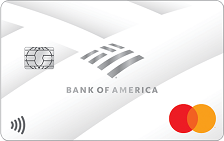
You would think that the list of best credit cards for Prime Day would be exclusively rewards – but that’s not the case. After all, earning points is great, but being able to finance a big Prime Day purchase over 12, 15, or even 18 months interest-free should sound like a great deal to anyone. And that’s where the BankAmericard® from Bank of America comes in.
The BankAmericard offers two exceptional introductory periods: 0% intro APR for 21 months on purchases and balance transfers made within the first 60 days of account opening, with a highly competitive, low variable APR after that. That 21 months of interest-free financing on purchases is among the longest 0% APR periods for any card – and adding 21 months of 0% APR on transfers just sweetens the pot.
While the BankAmericard might not have many flashy features, like the Double Cash or Freedom Unlimited, it is a solid card for people who can appreciate no annual fee, no penalty APR, and no nonsense.
Looking to find the best credit cards for bad credit? The BestCards team has you covered with our guide to the top choices for rebuilding a damaged credit score.
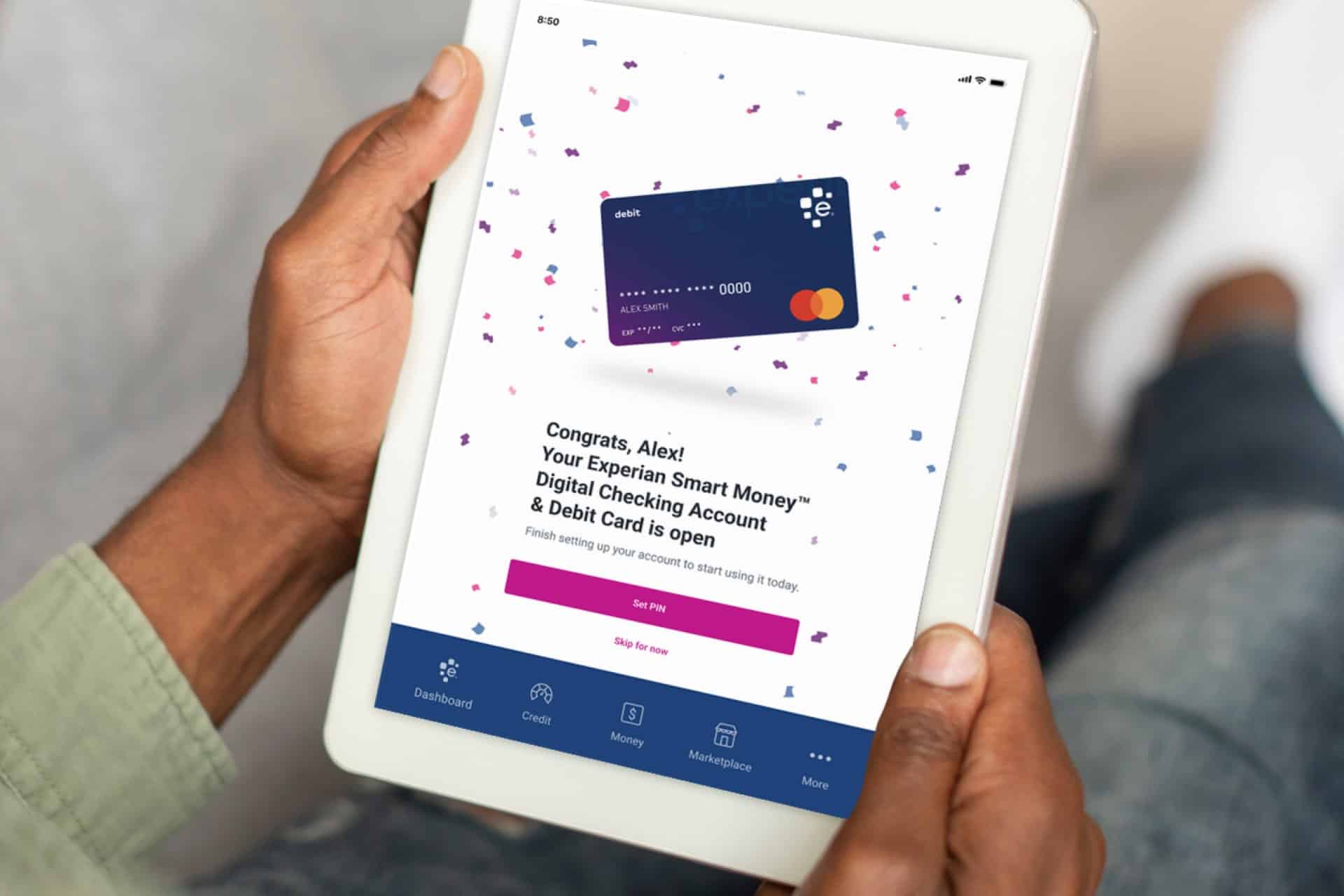
Experian has a new digital checking and debit card program for those looking to build credit. The new Experian Smart Money™ Digital Checking Account comes with Experian Boost built in, providing even more ways to give consumers credit for paying regular bills like utilities, rent, phone plans, and more.
Experian Launches New Debit Card and Checking Account
The Experian Smart Money™ debit card and checking account is designed by the credit experts at Experian, one of the leading consumer credit reporting agencies. Instead of operating like a charge card – where cardholders purchase with their debit card and then Experian automatically debits the purchase price and counts that as a card transaction – Experian Smart Money™ works by automatically linking with Experian Boost.
What is Experian Boost?
Experian Boost is a free tool designed to help consumers improve their FICO® Score with everyday expenses. The program lets customers link monthly utility bills and other recurring transactions and then reports positive credit actions, such as on-time payments, to the credit bureaus – thereby helping them build credit.
The program works for utility, telecom, rent, and certain streaming service payments. What’s more, Experian does not look for negative payment histories, and the boost benefits are immediate.
This regular reporting can help to quickly raise your credit score after a series of on-time payments. This benefit is often under-appreciated, as payment history is the biggest determining factor in calculating your credit score (35% of a FICO Score and 30% for VantageScore). According to Experian’s data, the average credit score increase from Experian Boost is around 19 points – with some users reporting more significant gains while others reporting little-to-no FICO Score movement.
One of the great features of the new Experian Smart Money™ debit card is the addition of a welcome bonus – something normally not seen with non-credit card products. New accounts receive a $50 bonus after setting up a direct deposit – a very easy reward to attain.
No Hidden Fees
The card contains no hidden fees of any kind. This means there are no account minimums or monthly maintenance fees. Some credit builder debit cards charge a monthly maintenance fee or a surcharge for access to credit-building features or elite rewards. Not so with Experian Smart Money, however.
Reload at Thousands of Merchants
Equally enjoyable is loading funds via cash at select retailers nationwide. Cash reloads are accepted through specified third-party money transfer services that participate in the Mastercard rePower Load Network, including Green Dot, MoneyGram, and Vanilla. Those wishing to deposit funds the traditional way can also do so, with users able to add money by transferring from another bank account or setting up direct deposit.
Other Card features
There’s more, too. Cardholders enjoy access to over 55,000+ no-fee ATMs worldwide. That feature is exceptional – as anyone who has spent hours on vacation looking for an overseas ATM that won’t charge an astronomical surcharge can tell you. The card is also FDIC-insured for up to $250,000 thanks to a partnership with Community Federal Savings Bank – the card’s issuer.
The Experian Smart Money™ debit card is a Mastercard debit product, meaning cardholders can also expect the following protections and benefits:
ID Theft Protection
Zero Fraud Liability
Mastercard Global Service customer support
Purchase Protection
Extended Warranty Protection
Mastercard Hotel Stay Guarantee
“We’ve Made it More Seamless”
“With Experian Boost and Experian Go, we enabled millions of people who pay bills regularly to leverage their positive payment history to build their credit profiles. Now, we’ve made it more seamless to have those positive payments reflected with the Experian Smart Money™ Digital Checking Account so more consumers can reach their fullest financial potential,” said Jeff Softley, Group President of Experian Consumer Services at Experian, in a press release. “We have been revolutionizing the way credit and everyday finances mingle, and this offering is a natural next step in how we are using our technology to provide consumers greater credit-building power and financial control.”
Experian Taps Travis Kelce for Assistance
To highlight the launch of the new Experian Smart Money Card, the reporting agency has joined up with two-time professional football champion Travis Kelce of the Kansas City Chiefs. This campaign seeks to generate awareness about the new Experian Smart Money™ Digital Checking Account and debit card. “When it comes to finances, it’s better to work smarter rather than harder,” said Kelce. “This is a great opportunity for me to spread the word about the resources available, like Experian’s new digital checking account to help fans become the champion of their finances.”
“The passion that fans have for Travis and football is a great way to think about your finances – we want consumers to have that same passion for their financial health,” adds Dacy Yee, Chief Marketing Officer, Experian Consumer Services at Experian. “Experian is here to help every consumer take control of their finances, and the excitement around football reaches a diversity of people from college students to seasoned professionals. This new digital checking account can help everyone along their financial journey, including building their credit strength.”
If you have bad credit, you may feel like there are limited options for obtaining new credit to help repair your credit score This confusing process is particularly problematic if you need to make a large purchase or are trying to rebuild your credit score. Fortunately, credit card options are available for individuals with bad credit, including “second chance” credit cards.
A “second chance” credit card is a special type of credit card designed specifically for anyone with a bad credit score. These credit cards help you rebuild your credit score by offering credit with lower limits and higher interest rates. These credit cards are called “second chance” because they give you a second chance to obtain credit after experiencing financial hardship or adverse financial events.
How Does a "Second Chance" Card Work?
“Second chance” credit cards work much like traditional credit cards. You apply for the credit card, and if approved, you receive a credit limit. You can use the credit card to make purchases like any other credit card. The most significant difference is that these credit cards often have higher interest rates and fees vs. traditional credit cards.
One of the benefits of a “second chance” credit card is that it can help you rebuild your credit score. Using your credit card responsibly by making on-time payments and keeping your balance low can help improve your credit score. However, misusing the card by making late payments or maxing out your credit limit can harm your credit score.
What are the Best "Second Chance" Credit Cards?
One of the biggest challenges consumers face when applying for a credit card is the credit check. While secured credit cards require a cash deposit to open, they aren’t always a guaranteed approval – which can deter many people from applying. Fortunately, there are several excellent secured cards that don’t require a credit check.
BestCards refers to a variation of FICO Score 9, which is one of many different types of credit scores. A financial institution may use a different score when deciding whether to approve you for a credit card. Please note that the range shown here is our own estimation and not a guarantee of credit needed to be approved for any given card.
Recommended Credit:Poor / No Credit Required
VisaProcessing Network
$35Annual Fee
opensky® Secured Visa® Credit Card
23.89% (variable)Regular Purchase APR
23.89% (variable)Cash Advance APR
At a
Glance
The opensky® Secured Visa® is a secured credit card that offers requires a low minimum deposit and features no credit checks for approval. The card, issued by Capital Bank, provides an easy route to better credit by offering credit limits as low as $200, a moderate fixed-rate APR, and a reasonable $35 annual fee.
Best Benefits
Rates & Fees
Why Should You Apply?
Earn up to 10% cash back on everyday purchases
No credit check required – 89% approval rate with zero credit risk to apply!
Boost your credit score fast—2 out of 3 opensky® cardholders see an average increase of 47 points after 6 months
Track your progress with free access to your FICO® score in our mobile app
Build your credit history with reporting to all three major credit bureaus: Experian, Equifax, and TransUnion
Seamless payments—add your card to Apple Pay, Google Pay, and Samsung Pay
Start with just $200—secure your credit line with a refundable deposit
Fast and easy application—apply in minutes with our mobile-first experience
Flexible payment options—pick a due date that works for you
More time to fund—spread your security deposit over 60 days with layaway
Join 1.6 million+ cardholders who have used opensky® to build better credit!
Regular Purchase APR:
23.89% (variable)
Cash Advance APR:
23.89% (variable)
Cash Advance Transaction Fee:
Either $6 or 5% of the amount of each cash advance, whichever is greater.
Annual Fee:
$35
Foreign Transaction Fee:
3% of each transaction in U.S. dollars
Late Payment Penalty Fee:
Up to $41
Return Payment Penalty Fee:
Up to $25
Minimum Deposit Required:
$200
You're struggling to get accepted for other secured credit cards
You don’t have a credit history
You have bad credit and want to improve your credit score
You have a large deposit and want a quick pick-me-up for their credit score
You want access to a useful knowledge base of credit information and resources
The OpenSky Visa is one of the best secured credit cards on the market – and it is just as good as a “second chance” card if you find yourself striking out elsewhere. One reason why is that OpenSky requires no credit check. The card application process is straightforward and takes just a few minutes. Decisions are equally quick, making the entire process fast and painless.
The OpenSky credit education hub offers a range of articles on building credit, making it a useful partner in building up your credit knowledge as your payments build up your credit score. These topics include how to receive a free copy of your credit score, how credit scores are calculated, tips on boosting credit, and other advice related to the OpenSky card.
BestCards refers to a variation of FICO Score 9, which is one of many different types of credit scores. A financial institution may use a different score when deciding whether to approve you for a credit card. Please note that the range shown here is our own estimation and not a guarantee of credit needed to be approved for any given card.
Recommended Credit:Fair / Poor / No Credit Required
VisaProcessing Network
$25Annual Fee
Self Visa® Credit Card
27.49% (Variable)Regular Purchase APR
At a
Glance
The Self Visa® Credit Card is a secured credit card that pairs with an existing Self Credit Builder Account. The card has no formal approval process. Instead, hopeful consumers simply need to open a Self account and save over $100 to fund the secured Visa account.
Best Benefits
Rates & Fees
Why Should You Apply?
Apply Now: Intro No Annual Fee with the secured Self Visa® Credit Card^ • If you have an active Credit Builder Account, $100 or more in savings progress and satisfying income requirements you may be eligible to receive the secured Self Visa® Credit Card*, without a hard credit check. Criteria subject to change. • Build credit and savings at the same time. • Start with a Credit Builder Account* that reports monthly payments to all 3 major credit bureaus. • At the end of your plan, unlock the savings you built - minus interest and fees. • The secured Self Visa® Credit Card is accepted at millions of locations in the U.S. *Credit Builder Accounts & Certificates of Deposit made/held by Lead Bank, Sunrise Banks, N.A., First Century Bank, N.A., each Member FDIC. Subject to credit approval. The secured Self Visa® Credit Card is issued by Lead Bank or First Century Bank, N.A., each Member FDIC. See Self.inc for details. Subject to ID Verification. Individual borrowers must be a U.S. citizen or permanent resident and at least 18 years old. Valid bank account and Social Security Number are required. All loans are subject to consumer report review and approval. The Secured Self Visa® Credit Card requires an active Self Credit Builder Account and qualification based on other eligibility criteria including income & expense requirements. Criteria subject to change. ^$0 annual fee for the first year only, $25 annual fee thereafter. Variable APR of 28.24%. Offer valid for new customers only.
Regular Purchase APR:
27.49% (Variable)
Annual Fee:
$25
Late Payment Penalty Fee:
Up to $15
Return Payment Penalty Fee:
Up to $15
You're serious about raising your credit score
You already have a Self Credit Builder Account
You don’t mind the card's $25 annual fee
You plan to pay your card balance in full every month
Building credit is difficult without the correct tools. Fortunately, the Self Secured Visa makes the practice much easier. The Self Visa Credit Card is a secured card designed to help build credit – fast, with no credit check required.
Because Self is a credit builder startup, the process involves a potential applicant getting their hands dirty with the company and growing their credit portfolio. This process begins with opening a Self Credit Builder Account. Self’s Credit Builder Account is a unique loan product ideal for you if you have no credit history or poor credit. Just open a loan account to “pay off” the loan into a certificate of deposit (CD) account.
The Self Visa reports to the major credit bureaus every month. This regular reporting to Equifax, Experian, and TransUnion allows users to quickly raise their credit score through a series of on-time payments. Because the card is linked to a Self Credit Builder Account, cardholders can increase their secured card credit limit as they continue to build their FICO Score with on-time payments. As your Credit Builder Account grows, that money can be moved toward your credit line with additional deposits.
BestCards refers to a variation of FICO Score 9, which is one of many different types of credit scores. A financial institution may use a different score when deciding whether to approve you for a credit card. Please note that the range shown here is our own estimation and not a guarantee of credit needed to be approved for any given card.
Recommended Credit:Fair / Poor / Good
MastercardProcessing Network
$175 the first year; $49 thereafter. Monthly fee: $0 the first year (billed $0 each month); $150 annually thereafter (billed $12.50 each month)Annual Fee
Destiny Mastercard®
See termsRegular Purchase APR
See termsCash Advance APR
At a
Glance
The Destiny Mastercard is an ideal credit card for those with bad or fair credit who want the purchasing power of Mastercard but without the security deposit requirement of a secured credit card. With a modest annual fee and manageable initial credit limit, the Destiny Card doesn’t care about your credit past – instead, it helps you focus on your everyday expenses.
Best Benefits
Rates & Fees
Why Should You Apply?
A guaranteed $700 credit limit to help get your financial goals on track, if approved.
Apply with Confidence! There is no impact to your credit score if you’re not approved. See terms.
No security deposit, and a path to better credit.
Zero Fraud Liability - Peace of mind that comes with having a Mastercard.
Get the credit you deserve, even with less-than-perfect history.
An unsecured card great for everyday purchases
Regular Purchase APR:
See terms
Cash Advance APR:
See terms
Cash Advance Transaction Fee:
See terms
Annual Fee:
$175 the first year; $49 thereafter. Monthly fee: $0 the first year (billed $0 each month); $150 annually thereafter (billed $12.50 each month)
Foreign Transaction Fee:
1% of each transaction in U.S. dollars
Late Payment Penalty Fee:
See terms
Return Payment Penalty Fee:
See terms
Over Limit Penalty Fee:
See terms
You have an imperfect credit history, which may include a past bankruptcy
You have less-than-perfect credit
You want a Mastercard but don’t want to pay a security deposit
You want a credit card with the versatility to make foreign purchases
You plan to pay your statement in full every month
The Destiny Mastercard is a versatile “second chance” credit card thanks to its modest APR and initial unsecured $700 credit limit. While the Destiny Mastercard is all about repairing your credit, the card is still a fully-fledged Mastercard credit card.
The card compares favorably to both the Indigo Mastercard and the Milestone Mastercard – two other quality credit repair credit cards serviced by Concora Credit, Inc. And since those cards are always two of the most popular unsecured credit cards for bad credit, the Destiny is in great company.
Repairing your credit takes patience, persistence, and the right tools. While Destiny can’t force you to spend responsibly, it provides you with the right tools for the job of boosting your credit score. If you use your card to make small purchases, keep your credit utilization low, and pay your bill in full and on time each month, the Destiny Mastercard will do the rest.
Other Cards to Consider
Another type of “second chance” credit product is a merchandise card. Also known as a “catalog card,” merchandise cards offer an unsecured line of credit that is usable at specialty online stores.
An example of a merchandise card is the Boost Platinum Card from Horizon Card Services. The Boost Card offers successful applicants a $750 merchandise line of credit for use at the Horizon Outlet. What makes the card such a popular choice for credit builders, however, is the lack of hard inquiries when applying. Horizon Card Services does no credit checks when you apply, nor do they conduct an employment check. However, Horizon requires an active U.S. credit card, debit card, or checking or savings account to take part.
How to Choose the Best "Second Chance" Credit Card for Rebuilding Your Credit Score
When choosing a “second chance” credit card, there are a few key factors to consider. Here are some tips to help you choose the best credit card for rebuilding your credit score:
Check Your Credit Score: Before you apply for a “second chance” credit card, it’s a good idea to check your credit score. You can check your credit score for free online from reputable credit bureaus like Equifax or Experian. This basic credit information will give you an idea of where you stand and what credit cards you may qualify for.
Here are some helpful tips for finding your next credit repair credit card:
① Compare interest rates and fees
“Second chance” credit cards often come with a higher APR and more fees than traditional credit cards. It’s important to compare these rates and fees among different credit cards to find the best option. Look for a credit card with a low APR and reasonable fees.
② Get a credit card for subprime credit
Part of boosting your credit score is increasing your use of credit. For those with bad credit, this may seem counter-intuitive. Fortunately, there are many unsecured credit cards for poor credit and secured cards that can help you repair your credit score.
③ Pre-qualify to boost your approval odds
“Second chance” credit cards may have lower credit limits than traditional credit cards, so consider how much credit you need. Additionally, some credit cards may have higher approval odds than others, so consider your chances of being approved before applying – check out our guide to pre-qualifying for a credit card before applying
④ Always read the fine print
Before applying for a “second chance” credit card, read the fine print. Look for any hidden fees or terms that could impact your credit score or financial situation. Make sure you understand the terms and conditions before accepting and activating your new credit card.
Summing It Up
A “second chance” credit card can be a helpful tool for rebuilding your credit score. Using your credit card responsibly and making on-time payments can improve your credit score. With the right credit card and responsible credit use, you can rebuild your credit score and achieve your financial goals.
If you have a business, then you know getting organized can really help run things smoothly. Most importantly, coordinating your company finances in an orderly manner is of great benefit to any entrepreneur or business venture. Consider these tips to stay organized with your business’ finances.
Stay Organized With Your Business Finances
Running a business has various moving parts and amongst the many entrepreneurial duties, your business finances should absolutely be a priority. Stay organized and be on top of your business investments with a few tips.
Research and Plan
Get a good start on your business finances with a few simple actions. Use your business plan as a compass to guide you in the right direction. Include a section dedicated to your business finances such as in-depth figures and your financial goals.
In your research be sure to seek business resources. There are a variety of business programs that offer grants and guidance for business owners. These resources can be an excellent way to gain additional funding for your business, therefore assisting you in your finances.
In addition to preparing a business plan and seeking resources, prepare yourself to contribute a considerable sum of finances to your business. According to Shopify, business owners with zero employees spent $18,000 in their first year.
Create a Budget for Your Business
Similar to how you might have a budget for your personal finances, you will want to do the same for your business. Creating a budget for your business is a way to keep your spending in check. A budget prevents your from overspending and will help you as a business owner stays in control of your finances.
Ask yourself these important questions when creating a budget for your business:
How much capital do you have now and coming in soon?
What are your business’s fixed and variable costs?
Do you have funds set aside for future expenses or emergencies?
It is also recommended to create a financial statement that summarizes revenue, costs, and expenses, aka profit and loss (P&L) or income statement. The document is typically issued quarterly and annually for every business. Most importantly, if you plan on accessing resources via a business loan, the lender will request your business P&L statement.
Use Accounting Software
Maintain your business budget with the right accounting software. Using tools, like accounting software, to assist your business processes can help you save time and money. These kinds of software can help manage finances across the different areas of your business, such as:
cash flow
payroll
invoices
paying vendors on schedule
preparing you for tax time
Start a Business Bank Account
In similarity to creating a separate budget for your personal life and business, the same applies when opening a bank account for your business. A separate bank account from your personal savings is a good way to organize your business finances. Firstly, a separate bank account for your business will aid you in staying aware of your business cash flow.
Secondly, having a separate bank account for your business protects your personal assets from any legal action like lawsuits against your company. Additionally, you can also open several accounts under the same bank to keep your cash organized for different purposes like costs, salary, and taxes.
Pick the Best Business Credit Card for You
Not only do you need a separate bank account for your business, but you will also need a separate business credit card. Personal credit cards can be rewarding for personal purchases. However, business credit cards tend to offer a unique set of benefits and features for company expenses. Business credit card features may include the following:
Free expense management tools
Free employee cards
Helps build business credit score – essential for accessing future financing, insurance, etc.
Earn up to 7X points with seamless software integrations and no fees
Manage employee spending easily while earing 1.5% back on all purchases and paying no hidden fees
Don't let no credit keep your business from earning 3% back on all purchases
Make Reviews a Routine
Set your financial reviews as a priority. Devoting time to regular reviews will aid in keeping your finances in control and within budget. Although running a business can get hectic, you don’t want to leave your business financial reviews on the back burner. Set yourself at least a monthly reminder to get it done. Preferably on a more frequent basis, such as bi-weekly.
Don’t Have Time for Finances? Hire.
If you find yourself to be pressed for time when it comes to your business finances, it may be time to hire. Seek a professional or delegate the task to a trustworthy qualified person. If the amount of work your business requests of you is too much pressure, you may also want to ask for additional help.
Dining credit cards are just that – cards that offers savings, rewards, and discounts when dining out at a restaurant or ordering takeout. Dining or restaurant credit cards can help you save money on your next takeaway, earn points towards a vacation, or even get you an exclusive reservation that all your friends keep missing out on. Here’s everything you need to know about dining credit cards – from how they work, how to use them, how to find the best one for your lifestyle, and everything in between:
Table of Contents
At a Glance
Dining credit cards typically provide versatile rewards across multiple everyday spending categories.
Avoid paying an annual fee unless the rewards and bonuses surpass your average spending habits.
Subprime dining card options include bad credit, secured, and debit card products.
Dining programs can accelerate your earnings and provide access to exclusive restaurant experiences.
What is a Dining Credit Card?
Dining credit cards are among the most popular rewards credit cards available. A dining rewards credit card is a type of credit card that offers special incentives, rewards, or benefits for spending money on dining-related expenses. These cards are designed to cater to individuals who frequently dine out, order takeout, or enjoy food-related experiences.
Types of Dining Cards
Like any other type of credit card, there are countless options for dining rewards. This wide breadth of features, perks, and payment networks means there is likely a card to fit your foodie needs. Here are several examples of different types of dining cards:
Type
Explanation
Cash back
Cash back is the most common type of dining credit card. These cards offer cash back rewards on dining expenses, which can be applied as a statement credit or deposited into your account.
Travel
Like a cash back card, travel dining cards provide reward points on eligible purchases that can then be applied towards award travel. Travel dining cards also feature no foreign transaction fees, making them ideal for overseas dining.
Co-branded
Co-branded cards are affiliated with specific restaurant chains, food delivery services, or dining establishments. Examples of these cards include the DoorDash Mastercard and the Instacart Mastercard. These types of dining cards often offer enhanced rewards and benefits when you use the card at those partner locations.
Rotating category
Rotating category cards offer enhanced rewards on dining expenses during specific periods, often as part of rotating quarterly bonus categories. These cards are usually cash back rewards cards but may offer the option of converting to points.
Premium
Premium cards typically come with higher annual fees but offer generous rewards and a range of luxury dining perks. These may include access to exclusive dining experiences, concierge services, and travel benefits, with notable examples including the Capital One Savor and American Express Gold Card.
Student
Student cards are specially designed for students, meaning lower credit requirements, smaller credit limits, and tools to help build credit. Some great student cards offer dining rewards, which is a great perk both off and on campus.
Secured
Secured cards are great for individuals building or rebuilding their credit. Some secured cards offer rewards, including dining rewards, while requiring a security deposit as collateral. Discover is one such issuer of secured dining cards, along with Capital One.
Business
Business cards offer rewards and benefits that cater to business-related dining expenses. They might include features like expense tracking and employee card management. These business dining cards usually provide complimentary employee cards, making it easy for companies to save money.
Are there Dining Store Cards?
Technically, yes. Cards like the Costco Anywhere Visa® Card by Citi and the Sam’s Club® Mastercard® from Synchrony have closed-loop store card equivalents. These stores feature restaurants, making the store cards dining cards by default.
Yes! As noted above, several quality choices regarding dining rewards and subprime credit exist. There are student dining cards, secured dining credit cards, and versatile cash back cards for subprime and near-prime credit scores.
Here are a few of the best picks for subprime and student dining rewards credit cards:
2% cash back at restaurants or gas stations on up to $1,000 in combined purchases each quarter. Plus 1% cash back on all other credit card purchases
Unlimited 3% cash back on dining, entertainment, popular streaming services and at grocery stores (excluding superstores like Walmart® and Target®), with 1% on all other purchases
3% cash back in the category of your choice: gas and EV charging, online shopping, cable, phone, and internet plans, select streaming, dining, travel, drug stores, or home improvement/furnishings, 2% cash back at grocery stores and wholesale clubs, and 1% back on all other purchases
Annual fee
$0
$0
$0
Minimum deposit required
$200
N/A
$300
Business Dining Cards
Businesses can benefit greatly from dining credit cards – and especially if they plan to issue multiple employee cards. Business credit cards differ significantly from personal credit cards, however. Here are the biggest key differences:
Bigger sign-up bonuses
Many business credit cards come with more significant signup bonuses than personal credit cards. Some of the best business cards offer bonuses of 100,000 points or more after meeting a minimum spending requirement.
Unique spending categories
Business credit cards occasionally earn bonus points or miles for purchases in categories that personal cards don’t offer. Common bonus categories for business cards include office supplies, internet and telecommunications, advertising, shipping, and more. These categories may align better with your spending habits than other personal bonus categories.
Higher credit limits
Most small business credit cards come with substantially higher limits than personal cards. According to Experian, the average credit limit for a personal card is about $30,000; for a small business credit card; however, the average credit limit is $56,000.
Expense and spend management tools
Business cards come with a variety of business monitoring tools. These can help streamline your finances, track purchases, and even assist in writing off spending as a business expense.
Travel benefits
Some business cards do not charge foreign transaction fees, include a signup bonus worth a free flight after you spend a certain amount within the first few months of card membership, and more.
Business owners should carefully assess their specific requirements and choose a card that aligns with their business’s dining and financial needs. However, they will find many great options from American Express, Chase Ink, Capital One Spark, and more.
Are There Dining Debit Cards?
While there are no dedicated dining debit cards, there are travel and rewards debit and prepaid cards that can offer savings on dining purchases. The Disney Visa Debit Card, for example, is a Chase debit card with $0 maintenance fees and select savings at Disney locations, including dining:
10% savings when using the card while shopping at Disney Stores or online at ShopDisney.com.
Save 15% on select Disney guided tours, including Walt’s Main Street Story Tour.
10% off select merchandise purchases of $50 or more at select locations at Walt Disney World® Resort and the Disneyland® Resort.
Special photo op access at private Chase Cardmember locations at Walt Disney World® Resort and the Disneyland® Resort.
10% off the non-discounted price of select recreation experiences at Walt Disney World® Resort.
10% off select dining locations most days at Walt Disney World® Resort and the Disneyland® Resort, including the Golden Horseshoe and Goofy’s Kitchen.
Exclusive character meets for cardholders in Disney California Adventure Park and Disneyland Park.
Other examples of debit cards that provide savings or offer rewards on dining include:
Choosing a dining rewards credit card can be challenging. After all, there are tons of options available. At BestCards, for example, we currently have over 140 reviews for credit cards that full under the dining category, so your options are vast.
Despite this, choosing your ideal restaurant credit card can cause headaches for numerous reasons, including confusing welcome offers and sign-up bonuses, application restrictions, and annual fees to consider. Dining rewards can also be tricky, as each issuer defines restaurants, dining, and other related categories.
However, this guide will help you navigate all the intricacies. Here is a quick rundown of how each major credit card issuer classifies dining and restaurant transactions:
American Express
As one of the largest credit card issuers in the world, you might expect American Express to have strict rules regarding dining categories – and you would be right. Amex divides dining into two categories: U.S. Dining and Global Dining. The locations that fit into those categories are quite tight, including restaurants, cafes, and other typical places. Remember that not all dining purchases made at a restaurant located within another establishment may qualify. Check your Amex mobile app for a more detailed classification.
Not everything qualifies as dining at Amex, however. The below categories will not earn dining rewards with Amex cards:
Bars
Cafeterias
Convenience stores
Breweries
Grocery stores
Nightclubs
Clubs
Theaters
Bank of America
Bank of America is another major issuer with a fairly limited view of what constitutes as “dining.” Here is what the issuer considers a dining purchase, according to its website:
Restaurants (full service)
Fast food
Bars
Taverns
Like other issuers, Bank of America does not provide an extensive list of what purchases do not qualify as dining. Specialist shops, like bakeries, cafes, or other small stores, may not qualify.
Capital One
One of the more popular dining credit card issuers is Capital One, and it is easy to see why. The bank issues some of the best dining cards available, including the premium Capital One® Savor® Cash Rewards Card. This $95 annual fee credit card earns an impressive unlimited 4% cash back on dining, entertainment, and popular streaming services – an earning rate that is tough to match. Still, it’s a trick the bank is good at, with near-prime, and subprime versions available for students and those new to credit.
Capital One is somewhat vague in its terminology, defining qualifying “dining” purchases as follows:
Bakeries
Cafes
Restaurants (full service)
Bars
Fast food
Taverns
Again, the issuer is vague. Check with your Capital One cardmember agreement, contact customer service, or check out the bank’s mobile app to get the full details on where you may or may not earn rewards.
According to Chase, the dining category itself is limited to regular sit-down restaurants and fast-food establishments. Despite that, there is evidence that some Chase proprietary cards (and especially Sapphire cards) allow select transactions as dining. Here is a helpful table highlighting the types of dining purchases Chase usually permits:
Bars
Cafes
Fast food
Juice shops
Reasturants
Diners
Cafeterias
Vending machines
That said, plenty of transactions may not qualify as a dining purchase. Here is what Chase states is not allowed as dining, though what qualifies for dining rewards varies based on the specific merchant category codes (MCC). Here is a quick breakdown of what likely isn’t allowed:
Amazon dining
Bakeries
Catering
Food & drinks with larger merchants
Groceries
In-flight purchases
Meal kits
Citi
Unlike Chase, Citi is much more upfront with its dining categories. Citi clarifies that “merchants in the dining category include fast food restaurants to fine dining establishments” in their terms and conditions. These establishments primarily prepare food and drinks for immediate consumption by consumers, either on the merchant’s premises or packaged for take-out, and include the following:
Bars
Cocktail lounges
Discos
Nightclubs
Taverns
Fast food
Restaurants
Cafes
Please note that some merchants that sell food and drinks located within larger merchants that sell other goods and services may not be included in this category. For example, department store cafeterias or discount store food counters will likely not qualify as dining purchases.
Discover
Discover is very straightforward with its merchant categories. The card issuer offers several cash back credit cards, including unlimited rewards and gas and dining options, like the Discover it® Chrome Gas & Restaurants and the secured and student versions of the same card. Those cards earn 2% cash back at gas and restaurants on up to $1,000 in combined purchases each quarter, with the following categories eligible:
Restaurants
Cafes
Cafeterias
Fast food
Despite that openness, there is no dedicated list of Discover MCCs. Because of this, you might have difficulties with some transactions. Your best bet is to consult the Discover mobile app or a Discover Card Services customer service agent if you have more specific questions.
U.S. Bank
U.S. Bank is exceptional in communicating to customers with information regarding its MCC classifications. The issuer provides a basic understanding of the types of establishments that qualify for dining purchases and a list of sample services, restaurants, and apps that qualify. These include:
Applebee’s
Bob Evans
Buffalo Wild Wings
Cracker Barrel
DoorDash
Famous Dave’s BBQ
GrubHub
IHOP
Longhorn
Olive Garden
PF Chang’s
Perkins
Pizza Hut
Red Lobster
Skyline Chili
Sizzler
Smashburger
TGI Fridays
Uber Eats
Village Inn
U.S. Bank provides a wide range of credit cards that offer lucrative dining rewards, including its proprietary Altitude credit card range, its U.S. Bank Cash+® Visa Signature® Card, and co-branded hotel, travel, and retail cards from major brands.
Wells Fargo
A final major issuer with dining rewards credit cards is Wells Fargo. The bank’s popular Wells Fargo Autograph Card earns 3X points per $1 on dining, travel, gas, transit, streaming, and phone plans. It also earns 1X points per dollar on everything else and comes with 0% intro APR for 12 months on purchases – all for no annual fee.
Wells Fargo also issues the popular Bilt Mastercard®. This unique “rent credit card” earns a mighty 3X points on dining with no annual fee. Cardholders can also double their rewards on Bilt Rent Day on the first of each month.
Wells Fargo relies on payment networks to determine dining. For example, Wells Fargo defines dining as “eating places and restaurants, drinking places, fast food restaurants, and/or caterers.” Here is how Visa and Mastercard classify these categories:
Merchants that contract with consumers to prepare and deliver food and drinks for immediate consumption
5811
What to Look for in a Dining Credit Card
Choosing any reward credit card requires time and careful consideration. There are multiple factors you need to take into account before selecting a new dining credit card.
Rewards Structure
How the credit card earns rewards should be number one on your list. Check the card’s rewards rate and what purchases earn additional points or cash back per dollar. Do these categories fit into your overall spending habits or what you want from a new credit card? For instance, a card might offer 3% cash back on dining while another may earn only 1%.
Also, explore how you can redeem the rewards you earn. For example, are there restrictions or blackout dates for flights booked through travel portals? Ensure the redemption options align with your preferences. Some cards offer flexible redemption, while others may limit you to specific dining partners or airlines.
Welcome Offer
The sign-up bonus is another important consideration. Most cash back credit cards come with a statement credit offer after meeting minimum spending requirements, but other cards may provide bonus loyalty points in airline or hotel programs. Compare these bonuses to maximize your initial rewards.
Other cards might provide differing welcome bonuses, such as additional points for a set period or an extended free trial of delivery services (like DoorDash DashPass or Uber Eats) for becoming a card member. These bonuses can really help you save money – especially when stacked with the existing rewards on the card.
Acceptance
Card acceptance is a bigger consideration than you might think. Some credit cards can’t be used outside of the United States, for instance, meaning you won’t be able to take the credit card on a vacation abroad. This is common with some second-chance credit cards for rebuilding credit.
Cards that are accepted internationally may charge a fee for use overseas. This charge is known as a foreign transaction fee and typically runs around 3% of the transaction amount in U.S. dollars. If you plan to travel, look for a card with no foreign transaction fees. These cards can help you save some bucks while racking up rewards as you hit all the trendy restaurants.
Rates and Fees
Be wary of other fees, including annual fees, charges for late or returned payments, and penalty APRs. Pay attention to the card’s regular purchase APR (Annual Percentage Rate), too, especially if you plan to carry a balance month-over-month. A low APR can save you money on interest charges over time.
What are the Best Dining Credit Cards?
So, what are our best bets for dining credit cards? We’ve broken down more than 140 dining offerings to find the most versatile, rewarding, and exciting dining rewards cards currently available:
Here’s a quick breakdown of what we like about each card:
DoorDash Rewards Mastercard®: The DoorDash Rewards Mastercard® makes ordering out a breeze thanks to up to 4% cash back earned on DoorDash purchases, 2% back on groceries, a free year of DashPass (a $96 value), and a selection of Mastercard perks and protections.
Costco Anywhere Visa® Card by Citi: If you’re a Costco member and want to start earning some serious cash back rewards, the bonuses available via the Costco Anywhere Visa® Card by Citi – including 4% on gas and EV charging and 2% on your Costco purchases – may be just what you’re looking for.
Citi Custom Cash℠ Card: The Citi Custom Cash Card is a generous cash back credit card that does not charge an annual fee and rewards 5% back on the top spending category each month, with options including transit, travel, gas, groceries, dining, and more.
American Express® Gold Card: Foodies, rejoice! The American Express® Gold Card grants you the ability to earn 4X Membership Rewards® points at restaurants worldwide and U.S. supermarkets, and 3X Membership Rewards® points on flights booked directly with airlines or via amextravel.com.
Capital One® Savor® Cash Rewards Credit Card: Make memories while funding future adventures with the Capital One® Savor® Cash Rewards Credit Card. This exclusive entertainment credit card boasts an unlimited 4% cash back on streaming, dining, and entertainment is a great card for couples, families, and social butterflies.
There are several competitive rewards cards are out there, meaning many excellent cards miss out on the top honors – and therefore don’t get the praise they deserve.
The Bilt Mastercard is probably the most noteworthy card in this list, as it’s the first credit card of its kind to earn rewards on rent. The card earns 3X points per dollar on dining, 2X on travel, and 1X on all other purchases. Cardholders also earn 1X points on rent payments (up to 50,000 points each calendar year).
There’s even more value thanks to Bilt Dining, a dedicated dining program that allows Bilt Rewards members to earn points on select dining using the Bilt Wallet in the company’s mobile app. Cardholders can earn up to 5X points per $1 spent with these partners – a great haul you can then apply towards rent – or even a down payment.
Those points on dining are only the start, however. That rewards rate doubles on the 1st of every month, thanks to Bilt’s Rent Day promotion. Cardholders can earn double the points on all eligible purchases (excluding rent). Here’s how the Bilt Rent Day promotion works out:
Dining programs are an offshoot of dining credit cards, providing additional ways to save money and access difficult-to-find reservations at the hottest restaurants. These programs (also known as dining clubs) are a lesser-known credit card hack that allows you to earn airline miles or hotel points with any current credit card.
Airline Frequent Flyer and Hotel Dining Programs
These free programs are made up of partnered restaurants, cafes, and other establishments and can earn diners airline miles towards the affiliated airline carrier. In addition, some hotel loyalty programs feature the same scheme, where you can earn points towards future stays just for dining or carrying out.
Several banks and credit card issuers feature dedicated dining programs.
Bilt Dining
Bilt Dining is one of the newer issuer dining programs. The program lives within the Bilt mobile app interface under the “Dining” tab. There, members will find a list of eligible restaurants, which are sortable by Bilt’s top picks or filtered by location, cuisine type, and price range. The program is currently limited to Atlanta, Boston, Chicago, Dallas, and New York City, although Bilt plans to add new locations continuously.
Bilt Dining works through Bilt digital wallet, Bilt Wallet. This aspect of the Bilt Dining program means adding any credit card and maximizing your rewards. So even if your credit card doesn’t earn rewards, you can still earn 5X points on the dining purchases – just for being a Bilt Rewards member. But there’s even more value – up to 11X points on dining on the first of the month thanks to Bilt’s Rent Day Promotion.
Capital One Dining
Capital One launched a new dining program with the launch of the premium Capital One Venture X Rewards Card. Capital One Dining offers exclusive reservations, special events, experiences, and more, featuring 350 restaurants across a selection of major cities.
Through the Capital One mobile app or on desktop, eligible cardmembers can reserve tables from those set aside for Capital One Dining members exclusively. Cardmembers can also update their profiles to include dietary preferences and special dates such as birthdays and anniversaries. These details will be automatically flagged to participating restaurants.
Chase Dining Experiences
Chase Dining is a program that offers cardholders access to exclusive dining experiences, priority reservations, chef’s tables, and special menu items. The biggest benefit for Chase Dining is that Chase Sapphire Reserve cardholders earn a huge 10X Ultimate Rewards points on Chase Dining purchases (and Sapphire Preferred cardholders earn a decent 3X points). The program is also open to Chase Freedom credit cards.
One of the best features of Chase Dining is the access to exclusive card member events. These exclusive events, such as the Infatuation’s EEEEEATSCON, get you into hard-to-get-into events and eateries plus invitations to private dining events and exclusives.
If you’re here to learn everything there is to know about secured credit cards, you have come to the right place. Let’s break down the ins and outs of secured credit cards. In this ultimate guide to secured credit cards, we will define what it means to have one and how it works. We cover everything from its benefits and drawbacks to whether or not you should get one and why.
Table of Contents
At a Glance
Secured credit cards are an excellent alternative to traditional credit cards for anyone who struggles with no credit or a subprime credit score.
If you opt to go for a secured credit card stay educated on its requirements like security deposits and common fees.
Secured cards share similarities with other types of credit cards and there are also alternative credit cards to secured cards for anyone who wants to improve their credit.
Raise your credit score with a secured credit card through responsible use and with a goal in mind like graduating to an unsecured credit card.
What Is A Secured Credit Card?
A secured credit card is a type of credit card that requires a deposit to serve as a credit line. The deposit secures or ensures your repayment. As a result, the bank or credit card lender knows it will get paid. Therefore, your deposit determines how much you can spend. However, some issuers may set limits on your credit line based on a percentage of the deposit, typically between 50 to 100 percent.
Do secured credit cards build credit? The answer is yes. Seeking a credit builder card can be challenging when you have no credit or subprime credit. Secured cards can help you fulfill the steps in your credit journey. Furthermore, it is common to encounter secured cards with annual fees, although there are options without.
Secured Credit Cards vs. Traditional Credit Cards
A security deposit is required for secured cards
Interest rates and fees are typically lower for unsecured credit cards
Secured credit cards usually do not conduct credit checks during application review processes.
Unsecured credit cards traditionally have higher credit limits.
How are secured credit cards different from unsecured credit cards? For starters, traditional cards never require a deposit. The collateral requirement is the main difference between secured and unsecured credit cards. Additionally, unsecured cards have lower rates, lower fees, and higher credit limits when compared to secured cards.
Also, it is not typical for secured credit cards to offer ways to earn rewards, but there are a few that do, usually accompanied by a modest annual fee. In contrast, in the world of unsecured credit cards, you will find numerous card options that offer rewards and no annual fee.
Earn unlimited 5% cash back on hotels and rental cars booked through Capital One Travel
Unlimited 1.5% cash back on all purchases
Earn unlimited 1.5% cash back on every other purchase
While there are a few unsecured credit cards for bad credit, most require a minimum, a fair credit score or better. On the other hand, approval for a secured card can require little to no credit. Applicants for unsecured credit cards should also be aware that applying for a new card will usually result in a hard inquiry on their credit report. Whereas, secured credit cards typically perform soft pulls on an applicant’s credit history.
Hard inquiries a.k.a. hard pulls, affect your credit scores. They occur when lenders and card issuers check an applicant’s credit report when making underwriting decisions. Each hard pull knocks off a few points on your credit score and may take up to two years to roll off a credit report.
On the contrary, most secured credit card applicants won’t experience a hard inquiry. Instead, applicants may notice a soft inquiry, or soft pull and no impact to their credit scores. Soft inquiries show lenders limited credit report information, used to make special promotional offers or used for application screenings.
Similarities Between Secured and Prepaid Cards
Secured and prepaid cards share a similar concept. Both require a deposit to act as your source of cash, except that for prepaid card’s it’s called reloading funds. Prepaid cards can usually be reloaded at participating retail stores or through a linked checking account. Prepaid cards also don’t require credit checks and they have an easy application process. Most financial institutions have a form of prepaid card products. Similar to unsecured credit cards, there are co-branded prepaid cards too like the PayPal Prepaid Mastercard®.
There are also similarities between secured credit cards and debit cards. Debit cards of course, do not require credit checks and can be found via financial institutions or co-branded affiliations. A good example is the Walmart MoneyCard®. It’s a debit card provided by Walmart. It earns up to 3% cash back on purchases made at Walmart.com, Walmart stores, and gas stations (up to $75 per year). The Walmart debit card also features overdraft protection and new account promotional offers. Similar to secured cards, debit cards also require a deposit to function.
Prepaid Card
Debit Card
Preloaded with funds
Connected to checking account
Must be reloaded
Funds replenish with direct deposits
No overdraft
Overdraft available
What Fees Can You Expect for Secured Credit Cards?
We briefly mention that secured credit cards may have annual fees and higher rates when compared to unsecured credit cards. Interest rates are typically higher for secured credit cards because issuers run a high risk lending to a cardholder with poor credit. Consequently, many secured cards might have an annual fee – usually a fairly modest one. Some secured card issuers may break up the annual fee into smaller, more manageable monthly payments. And there are few secured credit cards that feature no annual fee at all with the possibility of a credit line increase in as little as 6 months without an additional deposit.
How much can a secured credit card raise your credit score?
The health of a credit score varies from person to person. For this reason, there is no exact timeline for how much your credit score will improve by using a secured credit card. However, with responsible use of your card, you may begin to see improvement in as little as one to six months. Remember, Rome was not built in a day, and neither is your credit score. Although you may see an improved score in a few months, it can take years to build up to a consistently good or excellent credit score. Let’s be honest, secured credit cards work best as a stepping stone to better credit.
The goal should be to graduate to an unsecured credit card for higher credit limits and better rates. A high credit limit is extremely beneficial to the health of your credit score because it factors into your credit utilization ratio, which determine 35% your score. There are secured credit cards that can help graduate you to an unsecured card in as little as six months. See below.
The Benefits of Secured Credit Cards
Some of the benefits of a secured credit card have been sprinkled throughout this article. Furthermore, we have gathered a few other secured cardholder advantages.
Access to Credit
No Risk to Lenders
Graduation to Unsecured Cards
Learning Financial Responsibility
Convenience and Usability
Fraud Protection
Rental Car and Hotel Bookings (entities may require a credit card for service)
Establishing Relationships with Creditors
Worldwide Acceptance
Access to credit: It can be difficult to access credit if you have no credit history or, when you have a subprime credit score. Secured credit cards create an opportunity for anyone who might find themselves in such credit situations. As long as you save up enough for a minimum deposit, you can be on your way to building credit while staying within your means.
No risk to lenders: The safety of the deposit as collateral will be sure to sweeten card issuers and their underwriters during your application review. The deposit helps card issuers and banks see you as less of a risk when opting to grant you a line of credit.
Graduation to unsecured cards: The ultimate goal when using a secured card is to build enough credit to qualify for an unsecured credit card. Unsecured cards usually have higher credit limits, better rates and rewards, and extra benefits. Expanding your credit limit will only help lower your credit utilization if used responsibly. A higher credit limit can also help you manage payments for larger purchases, from car down payments, to home renovations or an unplanned trip to the mechanic. When you graduate to an unsecured card, it opens the door to explore other types of credit cards like travel credit cards, business credit cards, and more.
Rental car and hotel bookings: In today’s modern world, you may need to have a credit card on hand to acquire special services. For example, when renting a car, the service provider typically requires a credit card to hold for your rental. Booking hotel stays sometimes is the same way too. That’s where a secured card comes in handy. Not to mention, it is better than carrying around loads of cash that can easily get lost or damaged or may be too bulky to store.
Fraud protection: Credit cards in general come with certain protections that will help shield you from credit fraud. You can keep peace of mind whenever you use your secured credit card at your favorite retail stores, online, or when running your weekly errands like grocery shopping or fueling your car.
Establishing relationships with creditors: Whichever secured credit card you opt for will help you establish a relationship with creditors, which can prepare you for other credit opportunities like mortgage loans, car loans, insurance, and more.
Acceptance worldwide: Having a credit card on hand when traveling is convenient because it can help pay for emergencies or unexpected purchases. Best of all, a credit card, depending on the payment network, is commonly accepted worldwide and may be your best option if you don’t have foreign currency on hand.
Up to 5% in Earnings on eligible GM dealership purchases, gas, dining, and more
Earn up to 2 miles per $1 spent on United® purchases, gas, commuting, and more
Earn up to 3X points on dining, travel, and rent payments!
Earn 1.5% unlimited cash back on card purchases every time you make a payment
What are the Drawbacks of a Secured Credit Card?
Security Deposit
Annual Fees and Other Charges
Limited Rewards and Benefits
High-Interest Rates
Limited Credit-Building Opportunities
Risk of Losing the Deposit
Difficulty Transitioning to Unsecured Cards
Do All Banks Offer Secured Credit Cards?
Not all banks offer secured credit cards. However, most do. Secured credit cards are also not exclusively issued through banks. There are other financial institutions like major banks, credit unions, online lenders, and local and regional banks. The major banks typically offer a wide range of products, including secured credit cards.
Similarly, credit unions will also offer a range of financial products on a smaller scale, including secured credit cards. The difference between secured cards offered through credit unions, versus a major bank is the rates. Credit unions typically have lower rates because they are member-owned financial institutions. Online lenders may provide specialized secured cards catered to a specific niche, such as credit building like the Self Visa® Credit Card or the Chime credit card a.k.a. Chime Credit Builder Secured Visa® Credit Card. As for local and regional banks, they may offer secured credit cards, although availability depends on locations.
The Best Secured Credit Cards
The best-secured credit cards should help you improve subprime credit or build credit. For this reason, finding a secured credit card with credit checks is essential. Lucky for you, credit checks are not common among secured cards. For example, the OpenSky® Secured Visa® has a low minimum deposit and does not require a credit check to qualify. OpenSky has had an 85% average approval rate for the past five years.
If you have excellent credit, you likely don’t have use for a secured credit card. You’re better off applying for an unsecured credit card offering better rates, better rewards, and the best benefits. A secured card is best for anyone with bad credit and needs credit access or for someone who has no credit and is in the process of building credit.
Other Types of Secured Cards
There are other types of secured credit cards for those who struggle with their credit. A good example is secured business credit cards. Sometimes entrepreneurs may need help getting a business credit card if they haven’t established a business credit or they don’t have the best credit score. As a result, it can take time to begin the journey of building business credit. Luckily, there are secured business credit cards like the First Bank Business Edition® Secured Mastercard® or Bank of America’s Business Advantage Unlimited Cash Rewards Secured Credit Card.
There are also charge cards, which are not a type of secured credit card but have a similar feel to them because you must pay that balance back in full at the end of each month. In other words, you must have enough funds in your savings or checking account to pay back the charge card. Secured cards are different because you must give a deposit upfront, which will be used as your credit limit. For instance, the Ramp Card is a corporate charge card that provides businesses with the purchasing power they may need.
Other Secured Credit Card Alternatives
A secured credit card might not be right for you. The good news is that there are alternatives. Consider a credit builder debit card or an unsecured card for bad credit, maybe even a catalog card. Whatever card tool you choose, take careful consideration of the following factors:
Does the card fit your lifestyle?
Will you be able to manage a new card responsibly?
Can you afford a deposit if you go the secured credit card route?
What is the health of your credit score?
Have you educated yourself enough about credit and how it works?
How To Build Credit
It is super important to stay educated on how credit works and where your credit stands. Here are a few tips that can help you stay on your toes when it comes to building credit.
1. Check your credit report regularly
2. Never miss a credit card payment
3. Pay your bills on time
4. Be mindful of your credit utilization ratio
5. Limit credit card and loan applications
How Can You Close a Secured Card Account?
If you have had a secured credit card for a couple of years, your credit is looking healthier, and you have graduated to an unsecured card, you may consider closing the account. Keep in mind, that closing a credit card account will lower your credit limit which affects your credit utilization ratio. As a result, you may see a dip in your credit score.
However, if you continue responsible use of your unsecured credit card and eventually apply and qualify for others, you can expand your credit limit. Also, consider that your secured credit card might have a smaller credit limit anyway. So, closing the account may not affect your credit score significantly. Especially, if your new unsecured card has a much higher credit limit.
With that said, let’s go through the steps on how to close out your secured credit card account.
Step 1: Pay off your card balance before closing it out. Otherwise, an outstanding balance will prevent the account from closing.
Step 2: Contact the card issuer and request the account closure. You can typically reach out by phone or through the issuer app. Don’t forget to confirm that your account balance is at $0 and that all accrued interest is paid and up to date.
Step 3: Make sure to verify your deposit refund with the card issuer. Clarify the process and timeline to ensure you’re in the know on what to look out for.
Step 4: Verify the account closure by checking your credit report to ensure it has been reported.
Step 5: Once the account is confirmed closed, you can destroy the card by cutting it and continue to monitor your credit for any persisting issues.
Should You Get a Secured Credit Card?
The bottom line is that you should only get a secured credit card if you are in the infancy of your credit journey or if you have subprime credit and have a hard time qualifying for an unsecured card. Secured cards can be used as a stepping stone to better credit by using them as a financial tool and not as a means to spend your credit on non-essentials. With a secured card, you can set a manageable credit limit and learn to budget and build credit responsibly.
Co-branded credit cards exist for almost every type of retail merchant, including grocery stores and wholesale clubs. Before you apply for your next credit card, make sure you understand all the ways to maximize your rewards with grocery store credit cards.
Table of Contents
At a Glance
Co-branded grocery store credit cards are a great option to consider if you frequently shop at one chain and know how to maximize your savings with every trip.
If you live in a more rural location, services like Amazon Fresh and Walmart+ provide significant value for money when paired with the correct rewards credit card.
Credit cards that focus on delivery services like Uber Eats, Instacart, and DoorDash are great if you aren’t brand-loyal and live in a big city, as these services typically cover other areas of business, including retail, home, and pet supplies.
Always ensure you read the terms and conditions of your credit card rewards program and any loyalty programs you may join. Fully understand all aspects of the rewards scheme, the program’s limitations, and how to best streamline your spending habits to maximize your earnings.
What are Credit Cards for Groceries?
The term “grocery credit card” is vague, as it can apply to any credit card that earns points or offers discounts at grocery stores. Because of this broad definition, everything from the Chase Sapphire Reserve and American Express Gold Card to the Revvi Card fits this description.
For the sake of this guide, we are defining a grocery credit card as any card that is co-branded with a grocery store brand or with another retailer that provides grocery deliveries. While this guide excludes everyday cash back credit cards like the Citi Double Cash Card or the Chase Freedom Flex, it helps to better study these brand-specific credit card offers.
Other Rewards Cards with Grocery Store Benefits
Because the definition of grocery credit card is fairly strict in this article, it is worth noting some of the best cash back and general rewards credit cards for grocery store purchases that are currently available. Almost every major issuer has an everyday rewards credit card that earns on categories like dining, travel, and groceries.
Here’s a quick overview of our top picks for the best everyday credit cards for buying groceries:
Like any other type of rewards credit card, cards for groceries have great features and also disadvantages. On the good side, most grocery credit cards feature no annual fee and earn rewards on other “everyday” categories like dining, travel, streaming, and more. And since almost everyone buys groceries weekly, it’s an easy way to rack up rewards fast.
The main drawback with grocery credit cards is that they often have exclusions for the biggest stores. Large retailers like Target, Walmart, BJ’s, and others are often blocked from “grocery store purchases” category. This omission can make earning rewards on groceries at these locations difficult – unless you have a card that is co-branded with that particular chain.
These cards also sometimes feature caps on rewards. These restrictions typically apply to more lucrative earning rates, such as for fuel purchases at gas stations connected to supermarkets. Always read the terms and conditions for your credit card before applying – this can help ensure you don’t miss out on any bonuses you may be due.
What to Look for in a Grocery Rewards Credit Card
Deciding on the best grocery store credit card for your family is like picking the juiciest apple from an orchard. With the abundance of options out there, it’s essential to consider various factors before you take a bite. Here are some of the most important things to look at when evaluating a rewards credit card for groceries:
Feature
Explanation
Availability
Check to see if your local grocery chains have their own credit cards. Some cards may be limited to specific regions or grocery chains, so ensure that the card you’re eyeing is accessible at your favorite local supermarket. If not, you might be better off with a basic cash back rewards credit card.
Rewards
Look at the rewards categories offered by the credit card. While your primary focus is groceries, some cards offer bonus rewards on other spending categories, like gas, dining, or travel. If you frequently spend on other things besides groceries, a card with versatile rewards can really sweeten the deal. Choose the card that aligns with your preferences for rewards redemption.
Welcome offers
Keep an eye out for introductory offers. Many grocery store credit cards entice new customers with juicy welcome bonuses, like additional cash back on initial purchases or a generous stash of reward points. Just be sure to review the terms and conditions, such as spending requirements or time limits, to make the most of these promotions.
Annual fee
Always aim to avoid an annual fee on a good everyday rewards card. That’s not to say that a grocery card with an annual fee is bad – far from it. Doing the math on your average monthly grocery expenses will help you see which card gives you the most bang for your buck.
What’s the Best Grocery Credit Card Based on Your Location?
With so many different grocery store brands across the United States, choosing a co-branded grocery credit card can seem like a puzzle. But it makes to start by considering both the stores you shop at most frequently and the stores that are most common in your area. Here’s how the major grocery credits cards stack up geographically:
Kroger locations by state
Walmart & Sam's Club locations by state
Costco locations by state
Whole Foods locations by state
And here’s the same data on locations from the map in a table format:
wdt_ID
State
Kroger
Walmart*
Costco
Whole Foods
1
Alaska
0
9
4
0
2
Delaware
0
10
1
0
3
North Dakota
0
17
2
0
4
South Dakota
0
17
1
0
5
Vermont
0
6
1
0
6
West Virginia
46
44
0
0
7
Idaho
14
27
7
1
8
Iowa
0
69
4
1
9
Maine
0
25
0
1
10
Mississippi
32
86
1
1
Given all this, we can try to sum up an “ideal” grocery store card for each state. Here’s the breakdown:
wdt_ID
State
Best Card
1
Alabama
Sam’s Club® Mastercard®
2
Alaska
Instacart Mastercard®
3
Arizona
Smith’s REWARDS World Mastercard®
4
Arkansas
Sam’s Club® Mastercard®
5
California
Instacart Mastercard®
6
Colorado
King Soopers REWARDS World Mastercard®
7
Connecticut
Prime Visa
8
Delaware
Prime Visa
9
Florida
Capital One® Walmart Rewards™ Card
10
Georgia
Capital One® Walmart Rewards™ Card
These choices were decided by weighing the number of physical locations of each market per state, along with other considerations such as urban vs. rural communities, transportation links, and more. We have also carefully considered the merits of each program and how those merits compare with other competitive cards.
What’s the Best Service for Grocery Delivery?
One of the easiest ways to rack up grocery rewards is by ordering your goods through a service – be it the store’s own delivery service or a third-party provider. This process lets you bypass merchant coding issues that disqualify bigger box stores like Target, Walmart, Sam’s Club, and more. Here are comprehensive guides for some of the biggest grocery delivery services that provide credit cards rewards.
Kroger
Kroger is one of the largest grocery brands in the United States, with over 2,700 stores across its various brands. Like many large supermarket chains, Kroger offers various goods and services, including groceries, bakery items, prescriptions, and more.
Why Choose Kroger for Your Groceries?
Kroger, while a supermarket and not a box store brand like Walmart or Costco, offers free grocery deliveries should you reach a minimum spending threshold. Buy at least $35 in groceries, and you’ll qualify to have it sent over to you at no extra charge.
Even better, Kroger’s grocery delivery service is actually cheaper than Instacart’s across the board. The prices in the Kroger app or at Kroger.com are the same online as they are in-store. By comparison, Instacart prices are sometimes 20% higher than store prices as stores try to recoup all the fees associated with Instacart deliveries.
Where Is Kroger Grocery Delivery Available?
While Kroger is a nationwide company, it does not have a presence across the entire United States. Some 20 states don’t have any Kroger locations, with most stores scattered across California and the Pacific coast, Texas, the Midwest, and other regional hotspots. There may be other limitations with Kroger grocery deliveries, such as:
Less availability to people in rural communities
Reliance on few locations, meaning you might struggle to get in-demand or hard-to-find items.
High delivery fees if you don’t meet the $35 minimum spending threshold. Kroger charges a $9.95 to $11.95 delivery fee.
Kroger Credit Cards
The Kroger Family of Brands consists of many different grocery chains, like Kroger, Pick N’ Save, Ralphs, and more. With all that variety, you would expect a unifying credit card across all brands. That’s sort of the case, but there are more nuances than that.
Kroger currently offers ten co-branded credit cards issued by U.S. Bank. These cards all feature the logo of the particular Kroger brand and offer specialized rewards and welcome offers based on your location. Here are the Kroger Family of Brands credit cards from U.S. Bank:
Kroger also offers a co-branded prepaid debit card with U.S. Bank. This prepaid card also earns rewards on Kroger purchases without needing a credit check. Cardholders earn 3X points on Kroger Family of Brands own brand purchases, 2X when shopping at any Kroger-owned chain, and 1X points on all other purchases. The card is available either through the Visa or Mastercard network.
Kroger makes a lot of sense for grocery delivery if you live within the service area and you plan to maximize your savings. There are plenty of ways to increase your value for money with Kroger, including the following:
Get the Kroger App
Just like Kroger’s credit cards, each of Kroger’s various brands has its own unique mobile app. Get the local version (available in the Apple App Store and Google Play), and you can manage all aspects of your Kroger life in one place. The app lets you create shopping lists, check the status of your prescriptions and more. You can even access digital coupons, activate special bonus cash back categories, and, of course, order groceries.
Save More at the Pump
Kroger operates not only supermarkets but also fuel stations. The Kroger Fuel Points program makes it easy to save money on something else that significantly impacts family budgets — filling up your gas tank. Every dollar you spend at a Kroger store is normally worth one fuel point. There is no limit to how many points you can earn, but remember that points reset every month, and you can only use points for up to 35 gallons of gas.
Walmart
Few brands in America are as omnipresent as Walmart. Walmart is a multinational retail giant that operates a chain of supercenters, discount department stores, and grocery stores in the United States, Canada, and the United Kingdom, among others. These services include retail goods, bulk orders, prescriptions and other medical services, and groceries.
What are the Benefits of Walmart Grocery Delivery?
One of the biggest benefits of Walmart is the sheer scale of its presence across the United States. Every U.S. state features at least one Walmart location, meaning you likely have access to Walmart+ and Walmart’s best features in your location.
Walmart+
Walmart+ is $12.95 per month, although Walmart provides a one-month free trial and often provides membership discounts. For that membership fee you gain access to several additional services, including:
Online Ordering: Customers can place grocery orders through Walmart’s website or the Walmart app. They can add items to their virtual cart, choose a delivery time slot, and proceed to checkout.
Deliveries: For Walmart+ subscribers, eligible grocery orders can be delivered as part of the membership benefits without an additional delivery fee, assuming they meet any order minimums.
In-Store Pickup: Customers can also choose the option to pick up their groceries from a nearby Walmart store at a scheduled time. This service, known as “Walmart Grocery Pickup,” allows customers to avoid delivery fees and interact with a Walmart associate who would bring the groceries to their vehicle.
Paramount+: Walmart+ members receive a complimentary Paramount+ Essential Plan Subscription.
Non-Walmart+ members can also order groceries for pickup or delivery, but these purchases may incur additional fees. It’s also worth noting that if you have The Platinum Card from American Express you can receive monthly statement credits for the service’s $12.95 fee – meaning you essentially get free Walmart+ as long as you remain a cardmember.
Where Is Walmart Grocery Delivery Available?
Walmart grocery deliveries are available in all 50 U.S. states. Despite this, some states have a much smaller representation of Walmart and Sam’s Club (which is owned by Walmart) than others. For example, the southeastern United States has far more Walmart and Sam’s Club locations than the Great Plains.
Walmart Credit Cards
Walmart currently issues a co-branded credit card through Capital One Bank, the Capital One® Walmart Rewards™ Card. That card provides Walmart shoppers with competitive buying power within the Walmart brand and impressive flexibility in points redemption.
BestCards refers to a variation of FICO Score 9, which is one of many different types of credit scores. A financial institution may use a different score when deciding whether to approve you for a credit card. Please note that the range shown here is our own estimation and not a guarantee of credit needed to be approved for any given card.
Recommended Credit:Excellent / Good
MastercardProcessing Network
NoneAnnual Fee
Capital One® Walmart Rewards™ Card
17.99% or 29.74% variable based on creditworthiness and the Prime RateRegular Purchase APR
17.99% or 29.74% variable based on creditworthiness and the Prime RateBalance Transfer APR
29.74% variable based on the Prime RateCash Advance APR
At a
Glance
Capital One has partnered with one of the world’s top retailers to bring shoppers the Capital One® Walmart Rewards™ Card. Boasting up to 5% back on Walmart purchases (including those from the online site, the Walmart app, Walmart delivery services, and Walmart gas stations) shoppers can enjoy additional savings on already low prices and redeem their earnings towards future purchases, statement credits, gift cards, or travel.
Best Benefits
Rates & Fees
Why Should You Apply?
Unlimited 5% back at Walmart.com including Grocery Pickup and Delivery
Unlimited 2% back at Walmart stores and at Walmart and Murphy USA Fuel Stations
Unlimited 2% back at restaurants and on travel
Unlimited 1% back everywhere else Mastercard® is accepted
Points never expire
No annual fee
No foreign transaction fee
Regular Purchase APR:
17.99% or 29.74% variable based on creditworthiness and the Prime Rate
Balance Transfer APR:
17.99% or 29.74% variable based on creditworthiness and the Prime Rate
Balance Transfer Transaction Fee:
3% of each transfer at the promotional APR. None for balances transferred at the regular transfer APR
Cash Advance APR:
29.74% variable based on the Prime Rate
Cash Advance Transaction Fee:
Either $10 or 3% of the amount of each cash advance, whichever is greater
Late Payment Penalty Fee:
Up to $39
You primarily shop at Walmart for your groceries or household items
You shop frequently, but not enough to warrant a wholesale club membership
You want rewards for travel and dining
You have a good or excellent credit score
You prefer a Walmart credit card to a store card or a Walmart MoneyCard debit card
There is another Walmart-family credit card issued by Synchrony Bank, the Sam’s Club® Mastercard®. While Sam’s Club isn’t the same as Walmart, it is owned by the same parent company. Because of this, Sam’s Club cardholders can use their Mastercard at Walmart locations to enjoy 5% back on purchases.
BestCards refers to a variation of FICO Score 9, which is one of many different types of credit scores. A financial institution may use a different score when deciding whether to approve you for a credit card. Please note that the range shown here is our own estimation and not a guarantee of credit needed to be approved for any given card.
Recommended Credit:Excellent / Good / Fair
MastercardProcessing Network
NoneAnnual Fee
Sam’s Club® Mastercard®
20.9% or 28.9% variable based on creditworthiness and the Prime RateRegular Purchase APR
20.9% or 28.65% variable based on creditworthiness and the Prime RateBalance Transfer APR
25.90% or 31.65% variable based on creditworthiness and the Prime RateCash Advance APR
At a
Glance
The Sam’s Club® Mastercard® offers Sam’s Club members everywhere up to 5% cash back on gas purchases, 3% back on dining, and more – all for no annual fee. From Synchrony Bank, the card also features no foreign transaction fees, Mastercard’s near-global acceptance, and special savings when shopping at Sam’s locations nationwide.
Best Benefits
Rates & Fees
Why Should You Apply?
Earn 5% cash back on gas anywhere Mastercard is accepted (on first $6,000 per year, then 1%)
Earn 3% cash back on Sam’s Club purchases for Plus members. Club members earn 1% cash back
Earn 3% cash back on dining and takeout
Earn 1% cash back on other purchases at Sam’s Club and wherever Mastercard is accepted
No annual fee
Regular Purchase APR:
20.9% or 28.9% variable based on creditworthiness and the Prime Rate
Balance Transfer APR:
20.9% or 28.65% variable based on creditworthiness and the Prime Rate
Balance Transfer Transaction Fee:
Either $10 or 4% of the amount of each transfer, whichever is greater
Cash Advance APR:
25.90% or 31.65% variable based on creditworthiness and the Prime Rate
Cash Advance Transaction Fee:
Either $5 or 3% of the amount of each cash advance, whichever is greater
Late Payment Penalty Fee:
Up to $40
You’re a current Sam’s Club or Sam’s Club Plus member
You frequently purchase gasoline with a credit card
You do’t want to pay an annual fee or foreign transaction fee
If you buy in bulk, the Sam’s Club credit card is a great way to save big bucks on grocery runs. The box store is ideal for prepping for holidays, summer cookouts, graduation parties, work events, and more.
Other Things to Consider with Walmart
Like other grocery delivery services, there are several potential limitations when using Walmart or Walmart+ to deliver your food. Here are some drawbacks you may run into:
Delivery fees: Many grocery delivery services charge additional fees for delivery, which can increase the overall cost of your groceries. While some offer free delivery for orders above a certain amount, smaller orders may incur delivery charges.
Limited delivery areas: Grocery delivery services may not be available in all areas or regions. You might not have access to this service if you live in a rural or remote location. Additionally, certain grocery items might be out of stock or unavailable for delivery. The delivery time slots might also be limited, making it challenging to get groceries delivered exactly when needed.
Quality control: There’s a chance that the quality of perishable items (such as fruits and vegetables) may not meet your expectations. Some customers have reported receiving items that were not as fresh as they would have liked. When an item you’ve ordered is out of stock, the delivery service may substitute similar products. While they usually aim to find suitable replacements, it may not always match your preferences.
It’s important to note that not all customers will experience these drawbacks, and many find grocery delivery services to be highly convenient and useful. However, it’s essential to be aware of these potential issues when considering using Walmart+ or any other grocery delivery service.
How to Save Even More with Walmart Groceries
Are you looking to maximize your savings when buying groceries through Walmart or Sam’s Club? Here are a few secret hacks to save even more:
Free Trial: Tons of food delivery services offer free trials to new users – and Walmart+ is no different. Walmart offers new accounts a free 30-day trial for their Walmart+ subscription that you can cancel anytime, meaning you can try the delivery service out (and all of Walmart’s other features) for free.
First order bonus: New Walmart grocery delivery customers can use a one-time promo code to save even more on groceries. Simply use the promo code WOWFRESH during checkout and save $10 on your first order of at least $50.
Walmart InHome: Walmart InHome is an upgrade to the basic Walmart+ subscription. This elevated tier, at a $19.95 monthly charge, allows Walmart couriers to put your groceries in the fridge for you. This service also applies to Walmart returns, meaning you won’t have to worry about mobility issues hampering your shopping.
Amazon Fresh
Amazon Fresh is an online and physical grocery store. The service was launched in 2007 and now covers over 2,000 locations across the United States.
Where Can You Use Amazon Fresh Grocery Delivery?
One of the biggest drawbacks of the Amazon Fresh delivery service is that it is not universal across the United States. Currently, Amazon Fresh is available in over 2,000 cities across 24 states, however. Here is a list of states where Amazon operates its Amazon Fresh delivery service:
Where is Amazon Fresh available?
Arizona
Illinois
Nevada
Oregon
California
Indiana
New Hampshire
Pennsylvania
Connecticut
Kentucky
New Jersey
Tennessee
Delaware
Maryland
New York
Texas
Florida
Massachusetts
North Carolina
Virginia
Georgia
Michigan
Ohio
Washington
Physical Store Locations
Amazon also offers standalone, physical Amazon Fresh locations in 8 states and the District of Columbia (DC). These locations include over 15 locations in California, 10+ in Illinois, 5 locations in Virginia, and more. All Amazon Fresh stores are open 8 AM – 10 PM daily.
Amazon Fresh offers far more than just same-day grocery delivery or free grocery pickup with your Amazon Prime membership. Prime customers enjoy free in-store pickup and returns of Amazon packages, they can save time with Order Ahead and Alexa Shopping List in the Amazon app, and can skip checkout with the Amazon Dash Cart and Just Walk Out shopping.
Other Things to Consider with Amazon Fresh
While Amazon Fresh offers convenience and a wide selection of groceries delivered right to your doorstep, there are caveats to using the service. Here are a few considerations to consider before using Amazon Fresh:
Delivery Fees: Amazon Fresh typically charges a delivery fee for orders below a certain minimum purchase amount. This fee can add up, especially if you use the service frequently or mainly for smaller purchases. Always make sure the delivery fees justify the costs of placing an order and waiting (if possible) to order.
Subscription Requirement: In some areas, Amazon Fresh may require a subscription to Amazon Prime or Amazon Fresh itself to access the grocery delivery service. This additional cost might not be ideal if you are an occasional shopper or if you prefer to shop in physical stores.
Product Selection: While Amazon Fresh offers a wide variety of groceries, it might not have every item available at your local grocery store, particularly for local or specialty items. There is no ability to check produce or meats, for example.
Packaging Waste: Grocery delivery services like Amazon Fresh often use additional packaging materials to protect products during transportation. This can result in increased waste compared to shopping in physical stores, where you can use reusable bags.
Substitutions and Freshness: Like any online grocery service, Amazon Fresh may face challenges in fulfilling specific items in your order. If an item is out of stock, they might substitute it with a similar product, which might not always suit your liking. Additionally, concerns about the freshness of perishable items may arise, as you don’t have the opportunity to choose them yourself.
Delivery Time Slots: Popular delivery time slots can get booked quickly, especially during peak hours or busy days. Securing a convenient delivery time might require planning ahead or being flexible with your schedule.
Delivery Issues: Despite Amazon’s efforts to provide a reliable service, there can be occasional delivery hiccups, such as delays or missing items. Dealing with these issues can be time-consuming and frustrating – especially if your ice cream melts in the summer heat!
Dependency on Technology: Using Amazon Fresh relies heavily on technology and internet connections. If you experience technical difficulties or lack internet access, this can disrupt your grocery shopping plans.
Lack of Personal Touch: Online grocery shopping eliminates the personal interaction and experience of shopping in a physical store. Some people enjoy the social aspect of grocery shopping or appreciate the assistance of store staff. Fortunately, Amazon offers in-person shopping, but these locations are not as widespread.
Amazon Fresh Credit Cards
There are multiple co-branded credit cards for Amazon shopping. These cards include consumer and small business credit cards issued by Synchrony, Chase, and American Express. Here’s an overview of the two Chase credit cards:
Amazon has dozens of services, which means tons of ways to save even more when shopping for groceries. Here are a few of our favorite ways to maximize your savings while using Amazon Fresh:
Subscribe & Save
One of the easiest ways to save even more with Amazon Fresh is by using Amazon’s Subscribe & Save feature. It’s a handy subscription service that saves up to 15% on your repeat delivery orders at Amazon. For example, using Subscribe & Save can save you time, money, and peace of mind if you frequently purchase toilet paper or baby formula.
With Subscribe & Save, you can shop from thousands of eligible household items like tissues, laundry detergent, pet food, cleaning products, and more. The service is incredibly flexible, and you can cancel it anytime.
Amazon Outlet
Amazon has many overlooked services that can save you significant money. One of the best services for savings is the Amazon Outlet. The outlet is Amazon’s overstocked section, where returns, overstocked items, and other clearance discounts are available.
Amazon Outlet also offers exclusive deals unavailable on the main Amazon platform, including discontinued and open-box items across many categories, including computers and electronics, paper goods, office supplies, clothing, beauty and health, pet supplies, books, and more. You can even find grocery items in the Outlet, including things like canned goods, condiments, coffee, pet food, and more.
Prime Day
Amazon Prime Day is a multi-day event exclusively for Amazon Prime members. During the event, Amazon offers doorbuster deals on everything from televisions and appliances to home furnishings, clothing, and even grocery items.
Prime Day was created to celebrate Prime members, with the first event launched in 2015. Now, the company is applying greater savings across all departments, including grocery items. Just some examples of recent grocery deals during Prime Day include:
20% off in-store purchases at Whole Foods locations.
30% on early Prime Day deals Amazon Fresh
$20 off purchases of $100 or more online during the event
6% cash back to members who use their eligible Amazon credit card at Amazon Fresh stores.
Pay attention to the items you are ordering regularly. When Prime Day arrives, check for special savings on those products, and if so, buy in bulk.
Instacart provides access to many local, regional, and national brands. In Florida, for example, you can expect the normal names you’d see everywhere, including Publix, Aldi, Petco, Total Wine, and more.
Where Can You Use Instacart?
Instacart is available in all U.S. states, as well as the District of Columbia, Puerto Rico, and many other territories.
What are the Benefits of Instacart?
Using a service like Instacart for your groceries has several benefits. For starters, there’s the convenience the service provides.
Instacart allows you to shop for groceries from the comfort of your home or on-the-go through their mobile app. This eliminates the need for travel, parking, and waiting in long checkout lines. Additionally, by outsourcing the shopping to Instacart shoppers, you save time that can be better spent on other activities, like work, hobbies, or exercise – or spending quality time with family and friends.
Another benefit of Instacart is the huge number of options available. Unlike Amazon Fresh, which relies on Amazon warehouses to operate, Instacart is a third-party service that works with local supermarkets. This local cooperation means you can access the same groceries and goods as other local shoppers.
In addition, using Instacart for grocery deliveries gets you real-time updates on your shopping (and delivery). As your shopper picks and packs your items, you can track the progress and get real-time updates on your order status, including substitutions and produce options.
Finally, Instacart offers various delivery options, including same-day delivery in many areas. You can choose a convenient delivery window that fits your schedule. The service even provides contactless delivery options, ensuring safety during times of health concerns or when you prefer minimal interaction.
Drawbacks and Limitations of Instacart
Like Amazon Fresh, Walmart+ and others, Instacart has its disadvantages and limitations. Here are some of the key ones to consider:
Service Fees and Tipping: Instacart charges service fees on each order, and customers are encouraged to tip their shoppers separately. These additional costs can add up, making the service more expensive than traditional grocery shopping. Pay close attention to things like surge pricing during peak times, resulting in higher delivery fees. This can catch customers off guard and lead to increased expenses.
Product Quality and Substitutions: Instacart offers better product selection vs. Amazon Fresh or Walmart+. Still, shoppers may need to make substitutions for out-of-stock items, which might not always align with the customer’s preferences. The shopper’s choice may not be the exact brand or product the customer wanted, leading to potential disappointment.
Delivery: Instacart may not be available in all parts of your state, particularly in rural or less populated regions. Popular delivery time slots can also fill up quickly, especially during peak hours or busy days. This could result in customers scheduling deliveries further in advance or at less convenient times.
Inconsistent Delivery Experience: Instacart relies on a network of independent shoppers so the delivery experience can vary significantly. Some shoppers may be attentive and communicative, while others may not meet customer expectations. While Instacart strives for accuracy, mistakes can happen.
Packaging Waste: Grocery delivery services like Instacart often use additional packaging materials to protect products during transportation. This can result in increased waste compared to shopping in physical stores, where you can use reusable bags.
Instacart Credit Card
Perhaps the easiest way to maximize savings with Instacart grocery deliveries is by getting the Instacart Mastercard®. The no annual fee credit card from Chase earns 5% back on Instacart purchases, offers a one-year free Instacart+ membership, and more.
BestCards refers to a variation of FICO Score 9, which is one of many different types of credit scores. A financial institution may use a different score when deciding whether to approve you for a credit card. Please note that the range shown here is our own estimation and not a guarantee of credit needed to be approved for any given card.
Recommended Credit:Excellent / Good
MastercardProcessing Network
NoneAnnual Fee
Instacart Mastercard®
19.49% to 28.24% VariableRegular Purchase APR
19.49% to 28.24% VariableBalance Transfer APR
29.49% VariableCash Advance APR
At a
Glance
The Instacart Mastercard® is a cash back card that offers big savings on food and grocery deliveries. The no annual fee credit card from Chase earns 5% back on Instacart purchases, offers one-year free ofInstacart+ membership, and more.
Best Benefits
Rates & Fees
Why Should You Apply?
Best Offer: Get a free year of Instacart+ and a $100 Instacart credit automatically upon approval. Membership auto-renews. Terms apply.
Earn 5% cash back on Instacart app and Instacart.com purchases
Earn 5% cash back on Chase Travel℠ purchases, including flights, hotels, and more
Earn 2% cash back at restaurants, gas stations and on select streaming services
Earn 1% cash back on all other purchases
No annual card fee
Regular Purchase APR:
19.49% to 28.24% Variable
Balance Transfer APR:
19.49% to 28.24% Variable
Balance Transfer Transaction Fee:
Either $5 or 5% of the amount of each transfer, whichever is greater
Cash Advance APR:
29.49% Variable
Cash Advance Transaction Fee:
Either $10 or 5% of the amount of each transaction, whichever is greater
Penalty APR:
Up to 29.99% Variable
You get your groceries or food delivered through Instacart
You have wanted to try out Instacart+
You want a $100 Instacart credit to start chowing down today
Chase Bank issues the Instacart Mastercard. The bank also provides Instacart benefits on several of its other credit card products. These benefits can include statement credits and other special savings. Other discounts for Instacart may be available from your credit card’s payment network, including Visa or Mastercard (which is the network through which the Instacart Mastercard is available).
How to Save Even More with Instacart
Instacart provides additional ways to save money on deliveries. For example, if you prefer to avoid delivery fees altogether, Instacart Pickup allows you to order groceries online and collect them from the store at a designated time.
Here are a few other great ways to save even more money when using Instacart for your groceries:
Instacart+
The easiest way to save extra money with Instacart is by joining Instacart+, the app’s membership service. This premium service is currently $9.99 per month or $99 when billed annually and offers free delivery on eligible orders over $35+, special discounts, and buy one, get one (BOGO) offers.
Add Your Loyalty Programs
If you are a loyal customer of a particular grocery chain, you can save even more with Instacart. If your chosen grocery store has a loyalty program, provide your account information to the Instacart shopper to take advantage of store-specific discounts and rewards.
Compare Prices Before Buying
Instacart works with hundreds of different brands across many different industries. While shopping on Instacart, you can easily compare prices between different grocery stores to find the best deals on the items you need. Simply create multiple carts and compare the overall costs to see which market provides the best value for you.
DoorDash
DoorDash is another delivery service that has branched out into grocery deliveries. Like Instacart, DoorDash offers delivery of items from convenience, pet, health & beauty, electronic, liquor, and grocery stores in your neighborhood. The DashPass membership offers a $0 delivery fee on orders over $12, special member’s-only discounts, and more. Subscriptions cost $9.99 per month, or $99 when billed annually.
Where Can You Use DoorDash?
DoorDash is available in all U.S. states, as well as the District of Columbia, Puerto Rico, and many other territories.
BestCards refers to a variation of FICO Score 9, which is one of many different types of credit scores. A financial institution may use a different score when deciding whether to approve you for a credit card. Please note that the range shown here is our own estimation and not a guarantee of credit needed to be approved for any given card.
Recommended Credit:Excellent / Good
MastercardProcessing Network
NoneAnnual Fee
DoorDash Rewards Mastercard®
19.49% to 28.24% variableRegular Purchase APR
19.49% to 28.24% variableBalance Transfer APR
29.49% variable based on the Prime RateCash Advance APR
At a
Glance
The DoorDash Rewards Mastercard® makes ordering out a breeze thanks to up to 4% cash back on DoorDash purchases, 2% back on groceries, a free year of DashPass (a $96 value), and a selection of Mastercard perks and protections.
Best Benefits
Rates & Fees
Why Should You Apply?
With the DoorDash Rewards Mastercard get a FREE year of DashPass ($96 value).
4% cash back on DoorDash and Caviar orders. Enjoy this benefit on every type of DoorDash order, including restaurants, groceries, pet supplies, retail items, and more. No earning caps.
3% cash back on dining when purchased directly from a restaurant. No earning caps.
2% cash back on purchases from grocery stores, online or in person. 1% cash back on all other purchases. No earning caps.
Get a complimentary DashPass membership ($96 value) every year with $10k in annual card spend. DashPass members enjoy $0 delivery fees & reduced service fees on every eligible order.
No annual card fee, just cash back on every purchase.
As an exclusive Cardmember benefit, get 10% off one Convenience, Grocery, Alcohol, Retail or DashMart order every month. Maximum discount of $15 per order. Offer expires 12/31/2024.
Member FDIC
Regular Purchase APR:
19.49% to 28.24% variable
Balance Transfer APR:
19.49% to 28.24% variable
Balance Transfer Transaction Fee:
Either $5 or 5% of the amount of each transfer, whichever is greater
Cash Advance APR:
29.49% variable based on the Prime Rate
Cash Advance Transaction Fee:
Either $10 or 5% of the amount of each transaction, whichever is greater
Penalty APR:
Up to 29.99% variable based on the Prime Rate
Late Payment Penalty Fee:
Up to $40
Return Payment Penalty Fee:
Up to $40
You love to order in and want to save money
You can make use of the many services DoorDash offers, including groceries
You want a $100 cash bonus after spending $500 on purchases in the first three months
Again, like Instacart, many Chase credit cards also enjoy DoorDash benefits like statement credits and free DashPass membership. Many premium travel cards also provide DoorDash benefits, including the Gold Card from American Express and Chase’s Sapphire Reserve and Sapphire Preferred credit cards. Always check the benefits information in your credit card welcome pack to fully understand your benefits.
How to Save Even More with DoorDash
Here are a few handy tips for maximizing your savings with DoorDash:
① Order during off-peak hours
Many restaurants on DoorDash offer discounts and incentives during off-peak hours to attract customers. Avoiding peak ordering hours can save you money – and you might get your food more quickly, too.
② Wait to place larger orders
DoorDash is a great tool for anyone who wants food, groceries, or other goods delivered to them, same day. With DashPass, you’ll get free delivery on orders over $12, so waiting to order groceries can save you money. Additionally, many restaurants offer discounts on larger orders, so you can save even more money.
③ Check for exclusive deals
DashPass offers access to exclusive discounts and promotions. Before ordering, check the “DashPass Deals” section of the app to see if any of your favorite restaurants are offering any discounts.
④ Refer friends
DoorDash offers an incentive for referring friends or family to the service. You can earn $10 in credits for every friend you refer – a great way to score a free meal, just for showing DoorDash some love.
⑤ Use a rewards credit card
When ordering your DoorDash meal, make sure to pay using a rewards credit card. Consider a dining rewards card, including the DoorDash Mastercard.
Costco
Costco is a multinational box store and wholesaler based in Washington state. With hundreds of locations worldwide, Costco provides a wide selection of merchandise, plus the convenience of specialty departments and exclusive member services – all designed to make your shopping experience pleasurable. These services also include delivery and grocery services.
Where is Costco Available?
Costco, like Kroger, is a national brand that lacks a uniform presence across the United States. Only Maine lacks a single Costco location, but most locations are centered in the southwest, specifically Texas, California, Arizona, Washington, and Colorado.
There are other restrictions to consider as well, such as not all areas qualifying for CostcoGrocery, the brand’s on-demand grocery service. In those locations, same-day delivery is available through Instacart, while Costco offers free 2-day shipping on non-perishable goods like coffee, bath tissue, laundry detergent, snacks, and more. However, these 2-day orders require a minimum purchase amount of $75 to qualify for free shipping.
Why Get Your Groceries at Costco?
Getting your groceries at Costco can offer several benefits, which have made it a popular shopping choice for many people:
Cost savings: Costco is renowned for offering bulk quantities of products of every variety at discounted prices. Purchasing in bulk can mean significant cost savings over time, especially for non-perishable items and household essentials you frequently go through – or if you often shop for a large family or group of people.
Range and quality of products: Costco carries a wide selection of products, ranging from groceries and fresh produce to electronics, clothing, and household items. This variety lets you consolidate your shopping needs and find everything in one place.
Membership perks: While Costco requires a membership to shop, the benefits can outweigh the cost for many shoppers. Membership perks may include access to special discounts, exclusive services, and cash back rewards on purchases. Many Costco locations also have gas stations offering discounted gas prices to members, leading to additional savings.
Free samples: Arguably the best part of Costco is the free samples on offer inside every Costco location. Additionally, Costco often has a variety of prepared foods, making it convenient for quick meals and entertaining guests.
Despite these benefits, it’s critical to consider your house’s storage capacity and individual shopping preferences before shopping for groceries at Costco. While buying in bulk can save money, it may not be suitable for everyone, especially for smaller households.
Costco Credit Cards
Costco offers two co-branded credit cards, one business and one personal, issued by Citi:
The Costco Anywhere Visa® Cards by Citi provide lucrative cash back rewards on purchases like gas, travel, and dining, with the best rewards coming from Costco purchases and travel bookings. The cards both feature no annual fee with your paid Costco membership – and the card even acts as your Costco membership card.
Beyond no annual fee, cardholders also enjoy no foreign transaction fees on purchases and receive an annual credit card reward certificate, which is redeemable for cash or merchandise at Costco warehouses in the U.S. as well as in Puerto Rico.
Other delivery apps also provide grocery deliveries, though their popularity is much lower than Amazon Fresh, Walmart+, or Instacart.
Uber Eats
Uber Eats is something you typically associate with dining delivery and not groceries, but the service provides access to dozens of local and national stores. These services now include groceries, with similar costs, benefits, and issues found with other delivery services.
Barclays used to offer the Uber Visa Signature Card, but that card has been closed to new applicants for some time now. Despite this, one of the great things about Uber Eats is that so many credit cards offer special discounts with Uber. Cards like the Amex Gold and Platinum Cards, the Chase Sapphire Reserve, and several other cards offer Uber statement credits that can apply towards Uber Eats dining and grocery deliveries. Always check the benefits information in your credit card welcome pack to fully understand your benefits.
Other Services
Other services, which are more of a cross between a meal delivery service and a grocery delivery service, include:
Costco will no longer accept Discover Cards for online payments at Costco.com. The wholesale giant revealed the news in a message to members about the changes – which will take effect after November 15, 2023 – and seeks to streamline further which credit cards you can use at its locations.
Costco Makes Changes to Online Payment Options
Costco is notorious for its strict rules regarding credit cards – specifically which ones you can use at its stores. Now, customers will feel the pinch even more thanks to an upcoming restriction to the Discover payment network.
Effective November 15, 2023, Discover credit cards will no longer be accepted as a payment method for purchases made at Costco.com, the wholesale club’s online presence. The website previously accepted Mastercard, Visa, and Discover credit cards, leaving just two networks. Further, Costco physical stores and gas stations don’t accept Mastercard, with Visa and the Costco Store Card as your only real credit card payment options.
Here are the payment methods currently accepted across Costco locations:
Costco stores
Costco gas
Costco.com
Visa
✅
✅
✅
Mastercard
❌
❌
✅
American Express
❌
❌
❌
Discover
❌
❌
❌
Debit
Most PIN-based cards
Most PIN-based cards
Most PIN-based cards
Check
Current member
❌
❌
Cash
✅
❌
❌
Other
Traveler's checks, mobile payments, EBT, store card
Store card
Store card, Visa click-to-pay
Why Costco Prefers Visa Over Others
Costco uses the Visa payment network for a few reasons. First, because Visa charges the lowest interchange fees for a card payment network. These fees are charged between banks for accepting card-based transactions, with Visa charging around $1.50 in fees on a $100 Visa credit card purchase. But Costco likely has a deal even better than this – about $0.40 on $100 purchases – and it passes those savings on to you, the customer.
Second, by removing the other expensive payment networks, the wholesale club and retailer can reduce the prices it charges to its members – already lower than average thanks to these clubs’ wholesale/bulk buying practices.
Finally, Visa is the preferred payment network of Costco stores because Costco offers a few co-branded retail credit cards backed by the Visa network. The cards, issued by Citi, are the following:
4% cash back on eligible gas and EV charging purchases for the first $7,000 per year and then 1% thereafter, 3% back on eligible travel and dining, 2% back on all other Costco purchases, and 1% on all other purchases
4% cash back on eligible gas and EV charging purchases for the first $7,000 per year and then 1% thereafter, 3% back on eligible travel and dining, 2% back on all other Costco purchases, and 1% on all other purchases
The Costco Visa credit cards also act as your membership card, meaning you don’t need to worry about extra plastic in your pocket or purse.