Overview of Lounge Amenities from Popular U.S. Airline Carriers 

Overview of lounge amenities from popular us airline carriers

Last updated on April 12th, 2023

Need a breather from airport madness before you head over to your gate? Showers, private rooms, complimentary cocktails, and more await you – if you know how to get in, of course. Discover the lounge amenities these airlines have to offer and how to get access to these hidden airport treasures.

Alaska Airlines Lounges

Alaska Lounge 

Alaska Airlines is new to the airport lounge game and currently only has five locations in Seattle, Los Angeles, New York (JFK), Portland, and Anchorage. There are future lounges in the works, however, passengers can access over 90 lounges worldwide through their partnership with American Airlines, Qantas Club, and other partnerships through United Club and more. As such, Admirals Club members can visit Alaska lounges freely. Décor is reminiscent of a Northwestern lodge and features a mix of rustic and industrial styles. However, the airline has recently renovated and expanded lounges by adding more seating, more lounges, and even added a new patio space at one of its locations. While the amenities aren’t extravagant, travelers will find themselves with complimentary snacks, beverages (including alcoholic drinks), and other amenities to hold them over until their flight:

  • Breakfast, salad bar, soups, salads, and more
  • Full-sized bar with local wine and beer (limit 3 drinks per passenger)
  • Starbucks coffee and other hot beverages
  • Wi-Fi
  • Concierge service

Alaska Lounges are accessible to those with a lounge membership ($400+) or with the purchase of a day pass ($60). Memberships are a great option for those who regularly travel with their family, as membership benefits include access for yourself and up to two guests or any immediate family members.  Discounts are available for Alaska Airlines Visa cardholders, who get 50% off on all-day passes (not valid at partner lounge locations), and lounge access is always complimentary for active duty military traveling on orders and departing within 3 hours.

American Airlines Lounges

Admirals Club 

There are over 50 lounges worldwide with locations at all major U.S. airports; décor and additional amenities like spas and business centers can vary widely between lounges. This is American Airlines’ most accessible lounge and travelers can gain access by being an Admirals Club member, purchasing a day pass ($59), 5,900 AAdvantage® miles, or owning the Citi / AAdvantage Executive World Elite™ Mastercard® (the only co-branded American Airlines credit card that automatically provides complimentary lounge access). Passengers can enjoy several complimentary amenities, including:

  • Buffet-style snacks and salad bar
  • Cocktail bar
  • Made-to-order specialties (where available)
  • Private shower suites
  • Business center cubicles
  • Free access to digital magazines and newspapers

Flagship Lounge 

This is the premium American Airlines lounge for international and transcontinental passengers flying First or Business class. Qualifying flights include those between the U.S. and Asia, Australia, Central America, Europe, the Middle East, New Zealand, and South America. There is no guest access allowed except by first-class passengers. Alongside these premium lounge experiences is Flagship First Dining, a new complimentary sit-down dining experience that’s available in select Flagship lounges. First-class visitors can enjoy curated, regionally inspired dishes along with signature wines and beers. Décor is crisp and modern with ample seating and outlets – perfect for the traveling executive. Premium amenities include:

  • Buffet-style, chef-inspired meals
  • Sit-down service
  • Self-serve wine and cocktail bar
  • Shower suites

As if this lounge wasn’t exclusive enough already, there are only a handful of locations. Open daily starting at 4:30 AM until 11 PM (depending on the location), lounges can be found at:

  • Chicago (ORD) – Terminal 3
  • Dallas/Fort Worth (DFW) – Terminal D
  • Los Angeles (LAX) – Terminal 4
  • Miami (MIA) – Concourse D
  • New York (JFK) – Terminal 8
  • Philadelphia (PHL) – Coming Soon
  • London Heathrow (LHR) – Terminal 3

Delta Airlines Lounges

Delta Sky Club 

Delta’s 50+ lounge locations (250 when including lounges from partner airlines) have been commended for their consistency and the regional touches like local beers on tap or a regionally made cheese. While lounge food isn’t usually anything to write home about, Delta’s health-conscious menu of veggie bowls, build-your-own pasta and soup, is commendable for re-imagining standard airport fare. Aside from making tummies happy, the Delta Sky Club offers convenient (and complimentary) amenities that are useful for those traveling for business or pleasure:

  • Buffet-style refreshments
  • Complimentary alcoholic beverage
  • Showers
  • Reservable conference rooms

Access is only available to Delta Sky Club members (individual membership starts at $695 a year), Medallion Members of the Delta SkyMiles Program, select co-branded Delta credit cardholders,  or when flying on a same-day Delta One itinerary. For more info on who can access the lounge learn here.

Hawaiian Airlines

Plumeria Lounge 

This simple lounge may not be as fancy or expansive as others from larger airlines, but what it lacks in size it makes up for with a cozy atmosphere, plenty of plush seating, and regional treats (free Hawaiian coffee!). While you won’t find more than standard buffet-style complimentary refreshments, this out-of-the-way retreat offers a peaceful place to relax. First and Business Class passengers of Hawaiian Airlines can enjoy complimentary access to the Plumeria Lounge, but day passes are available for purchase ($40 for non-club members) either at the entrance or via LoungeBuddy.  Complimentary lounge amenities are simple, they include:

  • Self-serve snacks (including regional cookies)
  • Hot food
  • Beer and wine
  • Wi-Fi

This lounge does not include premium food or liquors for sale, meaning you may need to venture out into the terminal for something more substantial than snacks.

JetBlue Lounges

JetBlue doesn’t offer doesn’t offer lounge access. In the past, they had partnered up with two existing airport lounges in what they used to call “JetBlue Cities.” Today, these lounges are still located in Club Mobay (Montego Bay – MBJ) and Club Kingston (Kingston – KIN) and are managed by VIP Attractions, a local airport and concierge lounge service. Unlike most other airline lounges, access is available for both departing and arriving flights – and both types of lounge tickets will provide expedited check-in, customs, and security access. Although lounges do not provide transportation, they still make for a peaceful and hassle-free travel experience in an otherwise boisterous airport.  These lounges are not and have never been managed by JetBlue, so travelers of several major airlines have access to them (unfortunately, only flights from international carriers provide automatic entrance to their clubs). If you’re flying to a Caribbean destination from the U.S., you can either purchase a day pass (prices start at $33 for adults and $23 for children) or provide proof of one of the following memberships:

  • VIP Lounge Membership
  • Priority Pass
  • Diners Club
  • Dragon Pass
  • Digicel VIP Card
  • Sagicor Select Card
  • Lounge Club
  • TAV Lounge Cards

Both lounges offer a bundle for arrival and departure lounge access. There is a great benefit to purchasing arrival lounge access prior to your landing, as the admission includes a VIP greeting service where a team member will guide you through customs.

Club Mobay 

Arrival Lounge 6 AM to 8 PM / $50 per adult; $25 per child Departure Lounge Hours: 6 AM to 10 PM / $33 per adult; $25 per child / Located in Montego Bay, Jamaica, this stylish 11,000 sq. ft multi-room lounge and cherry backdrop while you wait for your flight or pick-up service. Exclusive features of this lounge are the adults-only lounge and spa – ideal for honeymooners and anyone else who’d like to an extra bit of pampering. is the largest of the two lounges and offers a bright  The complete list of amenities includes:

  • Complimentary cocktails
  • Buffet-style refreshments (complimentary)
  • Regionally inspired meals
  • Children’s play area
  • Business center
  • Spa (at an additional cost)
  • Free Wi-Fi
  • Complimentary calls

Club Kingston 

Arrival Lounge: 7 AM to 8:30 PM / $40 per adult; $20 per child Departure Lounge Hours: 3 AM to 7 PM / $33 per adult; $23 per child / Designed with traveling business professionals in mind, this lounge features a conference room outfitted with a projector and screen (reservation required). This lounge is about half the size of its peer and has slightly lower admission prices.

  • Complimentary cocktails
  • Buffet-style refreshments (complimentary)
  • Regionally inspired meals
  • Children’s play area
  • Conference room
  • Free Wi-Fi
  • Complimentary calls
  • Newspaper & Magazine
  • Shower Facilities
  • Private Restrooms

Southwest Airlines Lounges

Southwest does not operate its own lounges or have partnerships with other airlines that do, so passengers will have to rely on airport-specific lounges.

United Airlines Lounges

United Club 

This lounge is accessible by all United Airlines passengers and requires either a United Club membership ($650), a purchasable one-time pass ($59), or owning a United Airlines credit card. There are no cabin requirements – however, all entrants will need a same-day boarding pass for a United Airlines flight or a Star Alliance partner flight.  Located at their self-proclaimed “busiest” airports, United Airlines offers over 45 lounge locations in addition to the lounges from Star Alliance partners. Although primarily located at prominent U.S. airports within the United States, international lounge access is available at Guam (GUM), Hong Kong (HKG), London (LHR), and Mexico City (MEX). Lounge amenities include complimentary:

  • Travel assistance
  • Wi-Fi
  • Free magazines
  • Private phone booths
  • Beverages (including alcohol)
  • Buffet style snacks
  • Showers (select locations)
  • Family rooms (select locations)
  • Conference rooms (select locations)

United Airlines is revamping their United Club lounges, however, so even existing Club members may find a delightful surprise during their next visit. Improvements include an expanded bar selection with premium options; a full buffet with breakfast items, soups, salads, and an array of deli meats; and improved waiting spaces with newly added workstations, more power outlets, and new seating.

United Polaris Lounge 

An exclusive lounge offering from United Airlines, Polaris lounge access is only available to international premium cabin passengers. These beautifully designed lounges offer a stylish respite for business and first-class passengers and offer thoughtful amenities ranging from plush seating to private relaxation rooms:

  • Private seating stations with pull-out desks
  • Charging stations at every seat
  • Table-mounted laps at each desk
  • Multi-course meal with table service
  • Buffet-style dining
  • Full-service bar with premium wines and spirits
  • Private quiet rooms
  • Rest pods with beds, pillows, and sheets
  • Individual shower facilities with Saks Fifth Avenue towels
  • Showers
  • Sunday Riley toiletries
  • Valet service for pressing your clothing

For now, there are only a handful of United Polaris locations available at the country’s more prominent airports, but there are several future locations in the works. If a United Polaris lounge isn’t available at your departure airport, you can enjoy full access to United Club and partner lounge locations. United Polaris lounges can currently be found at:

  • Los Angeles (LAX)
  • Houston (IAH)
  • Newark/NYC (EWR)
  • San Francisco (SFO)
  • Chicago (ORD)
  • Washington D.C. (IAD)
  • London (LHR)
  • Hong Kong (HKG) – Temporarily closed
  • Tokyo (NRT)

The Easiest Way to Get Free Lounge Access

What good is knowing all the fun (and free!) things inside an airport lounge if you never get to go inside and enjoy it for yourself? Paying for lounge access per trip can be pricey (if that lounge even accepts day passes), so the easiest way to ensure you can enjoy the finer things the airport has to offer is with a co-branded airline card. Explore the latest offers via BestCards and swipe your way toward free airport lounge access today!

Advice for Avoiding Last-Minute Hotel Cancellation Fees Over the Holidays 

last minute hotel cancellation fees over the holidays

Last updated on November 17th, 2023

In today’s fast-paced world, plans can change at the drop of a hat. Whether due to unexpected emergencies, sudden shifts in schedules, or simply a change of heart, last-minute hotel cancellations can sometimes become inevitable. However, navigating the murky waters of hotel cancellation policies and late fees can be confusing, to say the least. Fear not, though, as there are smart strategies and insider tips to sidestep late fees and minimize the financial impact of last-minute hotel cancellations.

Table of Contents

At a Glance

  • Most hotels require at least 24 to 48 hours’ advance notice for cancellations.
  • Elite-tier status in hotel loyalty programs can extend your cancellation windows.
  • Consider a credit card with trip interruption or trip cancellation insurance to enjoy added protections.
  • Always read the terms and conditions before booking any hotel reservation.

Understanding Hotel Cancellation Policies

In the past, some hotel chains offered guests the option of cancelling their bookings anywhere up to almost the time of the reservation. As the hospitality industry has grown, however, many chains have begun changing their cancellation policies to protect their bottom line and ensure their rooms are fully booked.

Now, hotel cancellation policies vary widely across hotel brands and individual properties, involving factors such as the time you cancel, whether the rate is non-refundable, and the specific penalties for last-minute cancellations. It’s imperative to carefully review the cancellation policy when booking, as it lays the groundwork for understanding your rights and potential liabilities in the event of a cancellation.

48 Hours Cancellation Policies are Common

Most larger hotel chains currently opt for a 48-hour cancellation policy before check-in for bookings. Some major chains operating with this policy include Hilton, Marriott, and Hyatt. These chains generally allow individual properties to determine their cancellation policies; however, some opt for 24 hours, and others select 72 hours for guests to cancel without penalty. The time required for a cancellation usually depends on the property’s location and how easy it is to re-book the hotel room.

Is Your Rate Refundable?

It’s also worth noting that non-refundable rates are becoming increasingly prevalent in the hotel industry. These rates typically offer a discounted price in exchange for a commitment to the reservation, with no option for refunds or cancellations. When booking a non-refundable rate, it is essential always to weigh the potential savings against the risk of financial loss in the event of a cancellation.

Does Elite Status Help You Cancel a Hotel Reservation?

You might think having elite status in a hotel loyalty program – such as Hilton Honors, World of Hyatt, Radisson Rewards, or any other – will automatically protect you during a last-minute cancellation. Unfortunately, however, that may not be the case.

While there may not be provisions within these loyalty programs for hotel cancellations by themselves, being an elite-tier member opens up the possibility of receiving reimbursement for a last-minute cancellation. Hotels may even waive the fee for re-booking, if you end up going that route. As the name implies, these programs reward loyalty: part of that comes with excellent customer service. While your results may vary, gaining elite status in a hotel chain’s loyalty program can be as easy as applying for and receiving a co-branded hotel credit card and paying the annual fee (if there is one). 

Cancellation Policies for Major Hotel Brands

So, what are the last-minute cancellation policies of the largest hotel chains? Here are the current last-minute policies for some of the biggest chains and brands worldwide:

Hotel Chain Policy
Best Western Best Western features differing cancellation policies based on your Best Western Rewards status, the brand you book with, and the room type booked. This policy usually allows for cancellations up to 24 hours before the reservation. If you do not cancel online reservations in accordance with the individual hotel’s cancellation policy, you will be charged for one night’s hotel stay, unless your online hotel reservation required a full payment in advance or a minimum length of stay.
Caesars Entertainment Caesars requires at least 48 hours’ notice before your check-in date for cancellations.
Choice Hotels Choice Hotels has different cancellation rules depending on the hotel brand and type of stay. Despite this, most guests must cancel their reservation at least 48 hours before the stay. Choice Privileges members will only require 24 hours of advance notice for cancellations.
Drury Hotels Drury Hotels’ cancellation policy varies by the reservation, rate, hotel and dates, so refer to your booking confirmation for details. Despite that, Drury Hotels offers you the flexibility to cancel most reservations until 12:00pm the day prior to arrival.
Hilton Hotels You can modify or cancel your reservation with Hilton after you’ve booked before 11:59 p.m. prior to the day of arrival. Reservations made through third-parties cannot be modified with Hilton.
Hyatt Last-minute cancellation policies differ based on your elite tier. Reservations confirmed or changed by World of Hyatt Explorist or Globalist members can be cancelled until 11:59 pm the day before arrival, when the hotel’s stated cancellation period is not more than 48 hours.
IHG Like other brands, IHG’s last-minute cancellation policies differ based on elite tier and type of room booked. In most cases, IHG allows cancelling a reservation from 24 hours up to 72 hours before the reservation.
Marriott Marriott requires at least 48 hours’ notice before your check-in date for cancellations.
MGM Resorts MGM Resorts require at least 48 hours’ notice before your check-in date for cancellations.
Radisson Hotels Radisson requires at least 90 days’ advance notice of a reservation cancellation without a penalty fee. If you book rooms in bulk your cancellation times may differ, but all free cancellations must be made at least 15 days prior to the reservation date.
Sonesta Sonesta typically requires at least 24 hours’ notice for last-minute cancellations. With the best unrestricted rate, however, you can cancel by 6 p.m. (local hotel time) on the day of arrival to avoid any cancellation fees.
Wyndham Wyndham Rewards has differing rules regarding cancellation polices, depending on your elite status and the room rate/type. For a reservation made within 15 days or less prior to check-in, you have 24 hours to cancel your reservation without forfeiting your points. For a reservation made the same day as check-in, you must cancel by 11:59 p.m. ET to avoid points forfeiture.

Late Fees and Penalties for Last-Minute Cancellations

Late fees and penalties for last-minute cancellations can vary widely depending on the hotel’s specific policy and the timing of the cancellation. In many cases, hotels reserve the right to charge a fee equivalent to one night’s stay or a percentage of the total booking cost for cancellations made within the penalty window. This can result in substantial financial repercussions, particularly for high-end or long-duration bookings.

In addition to fixed late fees, some hotels may enforce more stringent penalties for cancellations during peak seasons or reservations involving special events or promotions. These elevated penalties are designed to mitigate the potential revenue loss incurred by the hotel due to the unanticipated cancellation. As a result, travelers must exercise caution when making reservations for peak periods and take proactive measures to safeguard themselves against exorbitant late fees.

Tips for Avoiding Last-Minute Cancellation Fees

Once you understand hotel cancellation policies and the potential monetary consequences of delaying a cancellation, you can learn how to avoid late or cancellation fees. The most effective way to bypass last-minute cancellation fees is to stay on top of your travel plans and act quickly as soon as something changes. By being aware of any changes in your schedule, group size, or itinerary, you can examine the possibility of keeping your reservation or starting the cancellation process before a penalty period begins.

Some hotels provide flexible booking choices that allow you to secure a reservation without putting in a date or room type immediately. These bookings are often free to change or cancel the reservation within a more generous time frame, protecting against last-minute adjustments to your travel agenda.

Perhaps the best tip for bypassing last-minute cancellation fees is communication. If unforeseen circumstances require you to cancel, promptly contact the hotel’s customer service or reservations department. By politely and respectfully explaining the reason for your cancellation, you may find that certain hotels are willing to be lenient and waive the fees, especially if the reasons are beyond your control. And if that doesn’t work, try talking with a manager, as they might have final say on what is – and isn’t – considered a penalty.

Use the Right Credit Card to Protect Against Last-Minute Cancellation Losses

The best way to protect yourself from losing money on a last-minute hotel cancellation is by paying with a credit card that offers trip cancellation insurance, trip interruption insurance, or both.

Trip Cancellation Insurance

Trip cancellation insurance protects cardholders and travelers from the unexpected. These unplanned occurrences include illness, injury, or death to the primary holder and immediate family member of the cardholder or someone else on the travel itinerary. Travel cancellation helps recoup the losses from costs associated with the trip that can’t typically be refunded, including last-minute hotel cancellations.

Trip Interruption Insurance

Trip interruption insurance, like trip cancellation insurance, offers protection if a trip is disrupted and all planned reservations must be cancelled or postponed. Trip interruption protection via credit cards typically applies to the primary cardholder and anyone else on the same travel itinerary.

Credit Cards That Offer Insurance for Last-Minute Emergencies

Here are a few credit card options to consider if you want protection from last-minute changes to your travel itineraries:


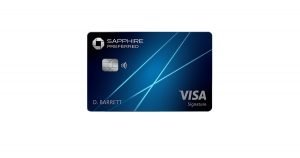
Chase Sapphire Preferred

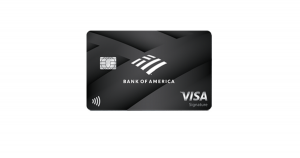
Bank of America Premium Rewards Credit Card

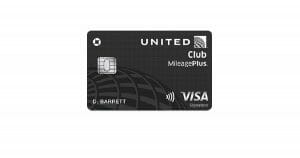
United Club Infinite Card
Issuer Chase Bank of America Chase
Annual fee $95 $95 $525
Insured amount Up to $10,000 in coverage per trip, up to $40,000 per year. Up to $5,000 in coverage per trip, up to $10,000 per year. Up to $10,000 in travel coverage per trip, up to $20,000 per year.

Conclusion

Navigating last-minute hotel cancellation fees requires you to think strategically, proactively, and most importantly, effectively.  By understanding hotel cancellation policies, familiarizing yourself with potential late fees and penalties, and implementing smart strategies to avoid or minimize cancellation costs, you can safeguard your reservations and maintain flexibility in navigating unforeseen changes to your itinerary. Remember to prioritize flexibility in your hotel reservations, including considering booking travel with a credit card that offers insurance with trip cancellation coverage.

Related Article: The Best Credit Cards for Holiday Travel (and Making It Less Miserable)

The 5 Best Credit Cards That Offer Trip Cancellation Insurance 

5 best credit cards that offer trip cancellation insurance

Last updated on April 3rd, 2024

With the holidays approaching, millions of Americans have already begun making their travel plans to visit friends and family. What happens, however, whethese plans fall through due to unforeseen circumstances?

Travel insurance is one of the most popular methods of protecting against the unexpected, ensuring that policyholders receive compensation for their travel-related losses. Two popular forms of travel protection are travel interruption insurance and travel cancellation insurance. What many people don’t realize, however, is that several travel rewards credit cards offer these protections as a perk of membership. But what are these two types of travel insurance, and which credit cards provide them to customers?

What Is Trip Cancellation Insurance?

Trip cancellation insurance is a credit card protection that offers reimbursement for the cost of a trip, should the cardholder need to postpone or cancel their travel plans. While the specifics of what is covered through trip cancellation insurance differ depending on the credit card issuer, these insurance policies protect both the cardhotheir immediate family. Typically, card issuers offer insurance and reimbursement for any of the following events: lder and

  • Illness, injury, or death of the cardholder, traveling companion, or a cardholder’s immediate family member
  • Jury duty or court subpoena
  • Terrorist attacks or flight hijackings
  • Severe weather resulting in the cancellation of the flight or trip
  • Financial insolvency of a company directly affecting the trip

Trip cancellation insurance covers all non-refundable expenses related to the trip, including flights, hotels, and other such costs. If, however, a cardholder is eligible for a refund, that portion of the trip expenses won’t be covered through insurance.

What is Trip Interruption Insurance?

Trip interruption insurance is similar to trip cancellation insurance in that it offers protection to the primary cardholder, their travel companions (on bookings with the same card), and their immediate family should something occur to cause an interruption or delay in their ongoing travel plans. Unlike trip cancellation insurance, which covers the costs of canceling a trip before departure, trip interruption insurance covers the cost when a trip must be canceled or halted during travel. Commonly cited reasons for making a travel interruption claim include:

  • Sudden illness or injury to the cardholder or a family member
  • Conflicts with work schedules (suddenly being called back to work)
  • Financial issues with the travel company (including insolvencies or bankruptcy)
  • Mandatory evacuations due to severe weather
  • Terrorist attacks
  • Labor strikes in the destination

Credit Cards That Offer Trip Cancellation Insurance or Trip Interruption Insurance

Travel insurance, such as trip cancellation or trip interruption insurance, isn’t something offered by every credit card on the market. Some issuers do not offer any cards that provide these benefits, including Discover cards or Citi credit cards. Here are some of the best travel rewards credit cards that protect you should your holiday flight plans change at the last minute:

United Explorer Card from Chase

Chase is the leading credit card issuer in the United States and offers several cards that offer protection for last-minute changes through both trip interruption insurance and trip cancellation insurance. One such rewards card is the United Explorer Card. The United Explorer Card is co-branded airline rewards credit card from Chase and U.S. carrier United Airlines. The card offers quite a few impressive perks for cardholders, including TSA Precheck or Global Entry application fee statement credits, two complimentary United Club lounge passes each year, priority boarding, and United in-flight discounts – all for an annual fee of $95 (waived for the first year). What we’re here to talk about, however, is the Trip Cancellation and Trip Interruption Insurance that the card provides cardholders. The United Explorer Card covers travelers with up to $1,500 of insurance per trip – up to a maximum of $6,000 per year. While $1,500 might not cover an entire trip (especially should it involve multiple individuals), it still allows cardholders to claw back a sizeable chunk of their potential losses.

Chase Sapphire Reserve and Chase Sapphire Preferred

The Chase Sapphire Reserve and the Chase Sapphire Preferred are two of the most popular general travel rewards cards on the market today, and both offer impressive perks – including travel interruption and travel cancellation insurance. The Chase Sapphire Preferred offers cardholders double points on travel-related costs, including dining, airfare, hotels, and more – plus a 25% bonus on redeeming points through the Chase Ultimate Rewards portal. The Chase Sapphire Reserve, on the other hand, earns triple points on travel-related costs and offers huge travel perks, including complimentary lounge access through Priority Pass and a 50% bonus on redeeming points through the Chase Ultimate Rewards portal. Both cards have annual fees: $95 for the Preferred and $450 for the Reserve. Both cards offer the same level or trip cancellation and trip interruption insurance: up to $10,000 per trip and up to $40,000 per year. These protections are the pinnacle of trip insurance in the Chase travel credit card program, meaning they both offer the best bet for receiving reimbursement for the entirety of the cost of a trip – should the unexpected occur.

U.S. Bank Altitude Reserve Visa Infinite

Like the Chase Sapphire Reserve, the U.S. Bank Altitude Reserve Visa Infinite is an ultra-premium travel credit card with a high annual fee. For the $400 yearly charge, cardholders receive Priority Pass lounge access, complimentary in-flight Wi-Fi vouchers, TSA Precheck statement credits, and discounts on premium rental car and chauffeur services. Cardholders are also protected with up to $2,000 of travel cancellation or travel interruption insurance per trip, with no maximum limit per year. While $2,000 is well below what is offered by the Chase Sapphire cards, for those that frequently travel for work or pleasure, having a card that doesn’t limit how many times you can claim each year is a nice perk.

Bank of America Premium Rewards Card

The Bank of America Premium Rewards Card is another credit card that offers solid travel perks, including up to $5,000 in travel insurance per trip, up to a maximum of $10,000 per year. Beyond the trip interruption insurance and trip cancellation coverage, however, the card also offers 2x points on every dollar spent on travel purchases, plus a very healthy 1.5x points on all other purchases. Cardholders also receive a $100 statement credit towards TSA Precheck or Global Entry application fees and an additional $100 credit for airline incidentals – all for an annual fee of $95.

Always Research Credit Card Protections and Perks Before Applying

The above list of credit cards that offer trip cancellation or trip interruption coverage is in no way comprehensive. Indeed, many other great travel credit cards offer these protections, including the World of Hyatt Card, the IHG Rewards Club Premier Card, and more. Credit cards that offer insurance protections like travel cancellation insurance almost always carry an annual fee. While paying an annual fee may deter many potential applicants, the protections these cards provide more than make up for the cost associated with card ownership. For even the most casual traveler, a $95 annual fee is more than worth it if it helps them recoup their losses after an incident disrupts their travel. As with all credit cards, however, you must do your homework carefully before applying for a credit card so that you get exactly what you need – and nothing less.

How to Prepare for Black Friday Spending (Without Taking a Part-Time Job)

how to prepare for black friday shopping

Last updated on March 2nd, 2023

Black Friday is still two weeks away, but that hasn’t stopped retailers from pulling out all the stops. Fortunately, there are few simple steps shoppers can take to protect their credit scores from taking a hit this holiday season. Here’s how to prepare for Black Friday:

Can Your Wallet Handle the Upcoming Haul?

The holiday shopping season seems to be starting sooner each year and retailer antics are leaving painfully little time for shoppers to prepare their finances for the impending assault on their wallets. Just as store doors have been opening for holiday shoppers earlier and earlier, retailers have been sneakily upping their Black Friday ad release dates a few days at a time – successfully building up anticipation for the country’s biggest shopping day of the year. In 2016, Target launched its Black Friday deals on November 11th. This year they’ve come out almost one week earlier (November 6th).

But those aren’t the only tricks retailers have up their sleeves this holiday season. Many major retailers have already begun teasing shoppers with Black Friday previews and sneak peeks with prices being slashed on hot appliances, tech, and toys. Not only are these deals hard to resist, but they’re also drawing out the holiday shopping season to be even longer – meaning you might end up pulling out your wallet far more often than you did a few years ago.  Of last year’s 67 million holiday shoppers, nearly a third of them admitted that they would not be able to pay off their debt from holiday-related purchases within five months. Pair this with the surging APRs of credit cards and you’ve got a recipe for a financial disaster. Your likelihood of getting a loan, being approved for a mortgage, or even a new job, could find themselves at risk if your finances aren’t insulated enough to absorb the shock of the impending holiday season.

(Non-Cliché) Tips for Handling Your Black Friday Spending

When it comes to preparing for holiday shopping, common suggestions involve increasing your income (i.e. a part-time job), paying down your existing debt, and setting a budget (yawn). Technically, those suggestions could work but with the crunch-time of Black Friday nearly upon us, there are only so many things one can do to prepare last-minute. Sometimes, trying to “be responsible” just doesn’t cut it and you need outside help. You don’t have to worry about any money management lectures here, instead, BestCards has your cheat sheet to maintain your credit score through the holiday season. Here are four painless ways to get your wallet ready for the impact and prepare your credit score for Black Friday shopping (all without ever leaving your couch).

Ask for a credit limit increase

While doing this may not directly save you money, having more available credit to your name is always better. A credit limit increase will help your credit score feel less impact when those Black Friday payments hit and protect your precious credit utilization ratio (which makes up 30% of your credit score). Spending $1,000 will hurt the credit utilization ratio of a $5,000 credit limit (20%) far more than it would a $7,500 limit (13%). You should only ask for a credit limit if (1) your credit score could handle the inquiry and (2) you’ve held your credit card with that issuer for at least six months. The ideal number of credit card inquiries is two or fewer (although, realistically, lenders still consider those with up to six to still be in good standing) and inquiries take two years to fall off your credit report. If you have any big financial plans coming up in the next two years – mortgage, car loan, etc. – you may want to hold off on this non-essential inquiry.

Take advantage of layaway

This seemingly antiquated shopping option is alive and well and could be the solution to buying your wallet a little more time to pay things off. If you’re looking for a short-term fix, layaway allows you to purchase items but only requires a percentage of the purchase price upfront. This is a great alternative to relying on credit cards if your current credit limit is already maxed out or close to it. The primary downside of this option is that you won’t be able to actually take the item home with you until it’s been fully paid off – not ideal if you were hoping to have a present wrapped in time. But if you’re not purchasing time-sensitive gifts, layaway is a great option for taking advantage of limited availability items or markdowns and paying for them later. Depending on the retailer, layaway will allow anywhere from 30 days to 12 weeks for shoppers to pay for their desired merchandise.

Get a 0% Intro APR card

Opening a credit card with an introductory 0% APR has the benefit of a credit limit increase with the added bonus of allowing for interest-free payments. These types of cards have always been praised for their ability to take on large purchases, and your Black Friday shopping spree is no exception. Your credit score may take an initial ding, but this option could save you hundreds of dollars in interest payments. These no-interest periods can range up to 18 months and depending on the card, you could very well earn bonuses on your purchases – cha-ching.

Get a balance transfer card

The next best thing to 0% APR, a balance transfer credit card allows you to consolidate your credit card debt while giving you extra breathing room for paying it off. This is a great option if you’d like to shop using your rewards credit cards (like the one card that offers 5% at department stores) and then later invoke the no interest perk once your transfer your balance to the new card. There are some compelling options out there, with cards offering 0-interest balance transfers for up to 21 months.

Be a Credit Savvy Black Friday Shopper

As you prepare for Black Friday weekend, it’s important to keep your long-term financial goals in mind. Whether you prefer to browse Black Friday sales in-store or as online, using any sort of spending tracking app is a great way to prevent yourself from paying unnecessary credit card fees (despite the steep discounts that retailers dangle over consumers with their holiday sales, those savings could easily cost you if you end up paying out the nose in interest or commit long-term damage to your credit score). Be careful that their pursuit of a good deal doesn’t leave you financially stranded later down the road.

What Does a Federal Rate Cut Mean for Consumers?

what does a federal rate cut mean for consumers

Last updated on April 21st, 2023

There have been three consecutive federal rate cuts from the Fed in 2019 so far. What does a drop in the federal funds rate mean for the average joe?

The Federal Open Market Committee (FOMC) meets regularly with the goal of discussing what decisions should be made regarding short-term interest rates, and their latest meeting was just last week before Halloween. This meeting occurs eight times a year, and typically results in an announcement about changes to the federal fund’s target rate, also know as the federal funds rate. The federal funds rate is a monetary policy tool that is used to achieve the Fed’s stated goals: price stability and low inflation, sustainable economic growth, moderating long-term interest rates, and promoting maximum employment. Whether the FOMC raises or lowers interest rates, a change to the federal funds rate can have an impact on every consumer in ways that may not be immediately apparent. What can be expected from a federal rate cut?

The Federal Funds Rate Has Seen its Ups and Downs

Historically, the federal funds rate has seen periodic hikes and cuts in response to varying economic factors. In 1980 and 1981, to counter inflation that resulted from Nixon’s move to remove the United States from the gold standard, it hit historic highs of nearly 20%. In contrast, After Obama’s fiscal policies began to take effect after the economic woes at the beginning of his first term, the Fed saw historically low rates.

From December of 2015 through December of 2018, there were nine consecutive rate increases announced, based on a variety of economic factors. Before October’s meeting, the FOMC – led by Fed Chairman Jerome Powell – made its first cut to the federal funds rate since the Great Recession in 2008, in late July of 2019. This cut, of 25 basis points, was quickly followed by a second rate cut in September of 2019 that lowered the federal funds rate by an additional 25 basis points. Note: A basis point is a unit used to represent a portion of a percentage point when discussing the federal funds rate. 100 basis points are equal to 1 percent, so a change of 25 basis points equals a reduction or increase of 0.25% to the rate in question. In October, after much speculation, a third rate cut was announced, leaving the federal funds target rate at a historic low. Currently sitting at 1.50-1.75% as of this writing, the federal fund’s target rate is a guideline for the actual rate that banks charge each other on overnight reserve loans; the rate that a lending bank charges does not have to be the exact rate set by the fed, and is determined through negotiations between the two banks. The FOMC influences this transaction by setting the target rate as a guideline, and as such the Fed’s target rate is essentially the basis for bank-to-bank lending.

Why Does the Fed Lower Interest Rates?

There are several reasons for lowering federal interest rates, and the decision to hike the federal funds rate or cut it is not made lightly. The market is typically a volatile place – speculation alone can lead to changes as the stock market trades, for example. Trade tensions between the U.S. and China have also led to significant changes, along with speculation of an impending recession, like the recession of 2008. In order to stave off this sort of economic depression, the Fed acts by cutting the federal funds rate. When the Fed lowers these rates, it can encourage borrowing and investing; lower financing costs often stimulate economic growth. In an economy with low rates, businesses and companies can borrow money more cheaply, which in turn allows them to grow their businesses at a faster rate, boosting the economy further. On the other hand, when rates are too low, this can encourage excessive growth which leads to inflation, undermining the sustainability of economic expansion by reducing purchasing power. There is always uneasiness about the economic outlook – both domestic and global. This uneasiness is a big factor when it comes to when, how, and why the federal funds rate is raised or lowered.

How Does a Rate Cut Affect Consumers?

A drop in the federal funds rate can have a ripple effect; there will be short-term changes, as well as long-term effects. Typically, a cut to this rate would affect the following:

  1. Credit Card Rates

    The majority of credit cards have variable interest rates, which are tied to the rate that banks charge to their customers with good credit, known as the prime rate. The prime rate, in turn, is based on the federal funds rate – so when the Fed raises or lowers its benchmark interest rate, the prime rate follows accordingly – and a credit card with a variable rate would see interest rates follow suit. A fixed-rate credit card would see no changes due to a cut from the Fed; however, the credit issuer can still change the interest rate at their discretion, provided they give advanced notice. What Does This Mean? Whatever the Federal Reserve does in regards to its benchmark rate directly affects short-term interest rates, which is reflected in the rates that people pay on credit cards.

  2. Mortgages

    As with credit cards, the impact that a rate cut can have on home financing depends on the type of mortgage a consumer has: fixed-rate, or adjustable-rate. A fixed-rate mortgage does not fluctuate with short-term rates; most adjustable-rate mortgages are linked to short-term Treasury yields which move with the Fed, or to the London Interbank Offered Rate, which does not follow the Fed precisely and can move independently of the Fed. What Does This Mean? A rate cut will not impact the amount of the monthly payment of a fixed-rate mortgage since fixed-rate mortgages do not move directly with the Fed’s rates. A rate cut by the Fed changes the short-term lending rate; most fixed-rate mortgages are based on long-term rates and as such are not affected. In other words, mortgage rates are not likely to show a quick response to an adjustment to the Fed. Alternatively, adjustable-rate mortgage payments often see a decrease when the Fed has issued a rate cut.

  3. Financing

    We know that the Fed’s target rate is used as the basis for bank-to-bank lending – but what about lending for consumers? Banks charge their most creditworthy customers a specific rate that is usually pegged at 300 basis points (3%) above the Fed’s target rate, known as the prime rate (as mentioned above). A consumer who has taken out a loan, or opened a credit line, can expect to pay interest at a rate reflected by the prime rate plus a premium. The total premium a consumer will pay depends on a variety of factors that the bank uses to determine this rate, based on the consumer’s assets, liabilities (existing debt, for example), creditworthiness, and income. What Does This Mean? Since the rate at which banks lend to consumers, the prime rate, is tied directly to the Fed’s target rate it stands to reason that a cut to the Federal funds rate would be reflected by a reduction to consumer interest payments on financing that is linked to prime. This could help consumers save money since they would have lower interest payments.

  4. Savings and CD Rates

    When the Fed cuts interest rates, banks typically lower the annual percentage yields (APYs) that are offered on their consumer products, including savings accounts and certificates of deposit (CDs). When it comes to savings, there are broad conditions that can dictate what moves each bank makes – in June of 2019, banks chose to lower their yields in anticipation of a rate cut, for example. Broader economic conditions affect CDs as well, including the 10-year Treasury yield. What Does This Mean? If you are looking to your high-yield savings account after a cut to the federal funds rate, you may not see any benefits because banks typically lower the APY they offer in tangent with the Fed’s interest rates. This doesn’t mean disaster, if you notice your yields rates have dropped – odds are, your annual returns will still outpace inflation, particularly if you have a high-yield savings account. When it comes to CD yields, these typically fall when the Fed cuts rates as well. If you are looking for a certificate of deposit and are worried about this latest rate cut impacting your annual returns, it’s a good idea to lock down a CD rate now, if you find one with a competitive rate that suits your financial goals.

  5. Auto Loan Rates

    The Fed, for lack of a better word, drives auto loan rates; even though the federal funds rate is a short-term rate and auto loan terms are more long-term, auto loans are still affected by the prime rate, which in turn is tied directly to the Fed. What Does This Mean? If you’re in the market to purchase a new car, you might notice slight relief on your auto loan rate after the Fed cuts the federal funds rate. This impact will be modest, however – usually it is less than 100 basis points, on average.

In Conclusion

After a rate cut from the Fed, it’s easy to fall into the mindset that lower interest rates discourage savings since there is a lower yield when these interest rates fall. Essentially, these cuts are meant to incentivize borrowing and spending, to get money out of peoples’ bank accounts and into the economy; basically, it reduces the cost of money. That does not mean that the average consumer should not build their savings after a rate cut; there is never a “bad time” to save, and building an emergency savings cushion – as well as saving your money, be it for purchase or retirement – is a responsible financial step. The federal funds target rate is used as a monetary policy tool; changes to the target rate affect consumers in a variety of ways, and its effects particularly differ between consumers who borrow and consumers who save. A good rule of thumb: If the Fed cuts interest rates, it helps consumers who are borrowing money – and the impact will depend on the type of loan and interest rates (fixed or variable) that are in play; folks who are more interested in savings will not see significant benefits.

The New Uber Credit Card: Barclays Relaunches Card with Massive Changes

The new uber credit card barclays relaunches card with massive changes

Last updated on July 21st, 2020

The Uber Credit Card from Barclays (formerly known as the Uber Visa Card) recently underwent a top-to-bottom overhaul with huge changes to the reward system, including the bonus categories and redemption methods. Earlier this week, Barclays released a revamped Uber Credit Card that has left very few of the initial offerings intact. To describe the changes in a single word: they’re drastic – with the most significant difference being the form of rewards themselves (spoiler: kiss cash back goodbye). Virtually every aspect of the card was changed, down to the name of the card itself, which was updated from “Uber Visa Card” to “Uber Credit Card”. Even the physical card was unable to escape the redesign and has emerged with a sleek new card face. As a credit card fanatic who was initially singing the praises of this card to anyone who would listen, I have a lot of mixed feelings about these updates.

Initial Thoughts on the Original Uber Card

The original Uber credit card caused a frenzy when it was first launched back in November of 2017. It was quickly touted as one of the best cash back credit cards available – and one of the most accessible. Boasting up to 4% back on popular categories, this card could compete toe-to-toe with some of the hottest credit cards on the market (including the premium ones). In 2019, their most notable rivals would be the uber-popular Chase Sapphire Preferred and the Capital One Savor cards. On top of the Uber card’s incredibly generous and well-rounded rewards structure, Uber also had no annual fee (both the Sapphire Preferred and the Savor card have annual fees of $95) and was eligible to those with imperfect credit scores (below 670) – which was previously unheard of for such comprehensive rewards.

Changes to the Uber Credit Card Rewards Program (Big Ones)

Hands down, the single largest update to the Uber Credit Card is the removal of cash back earnings (cue the waterworks). Previously, owners of the Uber Credit Card would earn their respective returns in the form of Uber Cash, which could then be converted into actual cash (a statement credit) once you reached $25 worth of rewards. Instead, rewards will now be earned in the form of Uber Cash which can only be used in the Uber app and can no longer be converted. Here’s why that’s less than ideal:

  1. Cash back rewards cards are inherently more user-friendly than other types of rewards cards because they typically offer the most straightforward redemption methods. If anything, the comfort of knowing you could put a little bit of money back in your pocket offers some peace of mind when you’re swiping your credit card for your latest clothes or tech haul.
  2. If you don’t use Uber all that often (ride shares or food delivery), you could end up with a bunch of rewards in a form that you can’t make use of. It’s like having millions in an ancient and long-defunct currency – it’s not going to do you much good, is it? Granted, if you’re even considering applying for the Uber Credit Card then you must partake in their services with some level of regularity – but I’m not certain that I use it often enough to be willing to sink all my earnings into their app.
  3. A combination of the above reasons: At the end of the day, I prefer flexibility with my credit card reward options. Say, for instance, that I moved to a country that didn’t have Uber. Then what? I either close the card since I can’t use the rewards I would earn through purchases, thus, losing all the credit history I’ve accumulated with them (not to mention the loss of ‘total available credit’ and the hit on my ‘average age of credit’). Or, I could continue to keep the card open for credit score purposes, but then sink my rewards into an unusable format.

Changes to the Uber Credit Card Bonus Categories

When I first heard about the Uber card, my first thoughts were that it was too good to be true, and sadly, it looks like I was right. The new Uber Credit Card rewards structure has been altered so greatly that the only thing reminiscent of the good ol’ Uber card are the dining and travel rewards. While the changes haven’t been all negative (some were definitely warranted) I find they have made this card less of a must-have and more of a “we’ll see.” So how do these changes fare for the future of the Uber Credit Card? Here are my thoughts on the good, the great, and the maybe-not. Here’s a breakdown of the old Uber bonuses vs new Uber bonuses:

Original Uber Visa Bonuses New Uber Credit Card Bonuses
  • 4% back on dining & Uber Eats
  • 5% back on Uber, Uber Eats, & Uber JUMP
  • 3% back on airfare & hotels
  • 3% back on restaurants, bars, airfare & hotels
  • 2% back on Uber & online shopping
  • 1% back on everything else
  • 1% back on everything else

5% Bonus Categories: All-Things Uber

The new 5% back on all Uber-related purchases makes a lot of sense – so much so that it’s questionable as to why Barclays didn’t have Uber as the top rewards category in the first place. In truth, the original, somewhat strangely-skewed, rewards structure was one of the main reasons why the original Uber card was so alluring in the first place: It didn’t matter how frequently (or infrequently) you used ride-shares or Uber Eats; literally any person could’ve made use of the card. Now, the card’s current state requires potential cardholders to be frequent Uber-ers in order to really squeeze the maximum rewards out of this card.

Uber Rideshares

Previously only earning 2% on its own services, ordering Ubers has become a much more lucrative way to score big bonuses through the Uber Credit Card. No complaints here. This new bonus is a win that will handsomely reward those routinely rely on Uber. Looking for more ways to earn that top 5% bonus? Use Uber as your go-to for drop-offs and pick-ups at airports, when you’re out on the town and responsibly avoiding drinking and driving, or if you simply can’t be bothered to deal with the hassle of finding parking to wherever you’re headed.

Uber Eats

Uber Eats has also gotten a boost from the revamped bonuses and now earns 5% compared to 4% when it was lumped in with the dining category. If you’re the type of person who orders delivery on the regular, this is obviously a huge gain. If you’re a person that tends to dine out more than you order in, the new Uber will have lost just a tad of its edge as a dining rewards credit card. Unless you love paying for delivery fees, I wouldn’t recommend relying on Uber Eats as your primary way of earning points.

Uber JUMP

JUMP is Uber’s relatively new bike-sharing program that allows users to rent electric bikes through the Uber app (similar to those Lyme scooters you’ve been seeing everywhere). It’s currently only available in major cities in the United States, with much more limited availability in Europe, Asia, Canada, and Mexico. Unless you live in a major metropolitan area such as Miami, New York, or Austin, you’ll be hard-pressed to score any rewards from this redemption method.

3% Bonus Categories: Dining & Travel Rewards

If you were a fan of the previous Uber Visa setup, you can breathe a tiny sigh of relief as the majority of this category remained unchanged. Major travel, hotel, and airfare purchases will still net you 3% back – which is suitable if you don’t already have a designated travel credit card in your wallet but are still looking to cash in on those travel-related purchases.

Dining Category Takes a Hit

The one adjustment that was made, however, is one that will hit most credit card lovers the hardest: The dining category, which includes restaurants and bars, that dropped from a 4% return to 3%. Technically, 3% percent on restaurants is still a very decent bonus for a credit card with no annual fee. But after taking into account the other monumental changes of the new rewards format, it adds just another kink in the Uber card’s crumbling establishment as one of the best credit cards of the year, succinctly removing the edge the Uber Credit Card had over its closest credit card rival, the Capital One SavorOne. I eat out a lot (much more frequently than I order delivery) and would much rather have my rewards in the form of cash back than tied up as Uber Cash.

Uber Credit Card, No Longer Considered a Dining Card

In short, Uber’s change to the dining category is both good and bad news. The bad is obvious: Those who are looking to score the most for dining out aren’t going to find it with the Uber Credit Card any longer. The good? It’s made it that much easier to decide between the Uber Credit Card and the Capital One SavorOne card.

R.I.P., Bonuses for Online Shopping (and Other Perks)

One of the most disappointing changes is the loss of the 2% return on online shopping. I can say with certainty that I (and probably the majority of you out there) do a lot more online shopping than the ordering of Ubers. While 2% isn’t terribly significant, knowing that I could’ve had it hurts. The loss of this bonus category makes the new Uber card much less well-rounded for everyday use and no longer viable to serve as a default payment method for shopping. Unfortunately, the online shopping bonus category wasn’t the only thing to get the axe. Uber no longer offers a $50 credit for streaming services such as Apple Music, Netflix, and Amazon Prime. In lieu, they have added a $69.95 pay-per-use roadside dispatch feature and retained the $600 in mobile phone protection.

The Updated Uber Credit Card – Is It Still Worth Getting?

The revamped Uber rewards card has positioned itself strategically with a heavy push for cardholders to use Uber services. And while many others are viewing the change as an improvement on the card, I say otherwise. It has made Uber purchases more lucrative but at the cost of the card’s versatility. It is no longer a suitable fit within the wallet of most consumers. Whereas I previously considered the Uber Credit Card as an outstanding catch-all card, the new 5% bonus category has made it more of a niche card to be used for very specific buying needs. Now, the Uber card will no longer have to compete with your designated travel and credit cards and can instead be used solely for all your Uber-related transactions. If you don’t currently have a card specifically for eating out or getting around, this card will do will in the interim, but there are other cards with similar rewards for those things that offer much more flexible redemption methods. For better or for worse, others like me who were torn between several credit cards (that had equally impressive rewards structures) will find that the updates to the Uber Credit Card make it much easier to make a choice. If you’re looking to earn rewards on ride-sharing, the Uber card offers an unrivaled earning potential (many other travel cards offer a measly 2% return) and there’s truly no equal for the Uber card any longer. Fortunately, there is still no annual fee, so those who aren’t sure how they feel about the new card can try it out with minimal commitment.

What to Do if You’re an Existing Uber Card Holder

For those lucky enough to have owned the original Uber card in all of its 4/3/2/1 cash back glory, you’ll be able to hold onto your current product until mid-2020. If you’re an avid Uber-taker and itching to cash in on the 5% bonuses, you can contact customer service to transfer to the new product immediately, but all customers will be moved to the new card structure in 2020.

Final Thoughts

It should go without saying that I was crestfallen to see that the Uber Credit Card had been relaunched with several dramatic changes. Fortunately, there were perks that remained intact (the welcome bonus, $100 in Uber Cash for spending $500, no annual fee, and no foreign transaction fee) that helped to ease the surprise but still could not salvage my interest in this card. While it is no longer on my personal want list, I can admit that it still makes for a lucrative rewards card (it just requires a more specific type of person to make use of it now). You might expect a boyfriend or girlfriend to break your heart eventually, but a credit card? Nothing could’ve prepared me for changes of this magnitude. With the old Uber Visa, I felt like there was nothing you couldn’t do—or buy—that wouldn’t end up scoring a bonus of some sort. Those days are long gone and I’m kicking myself for not having applied for the card earlier. Lyft, don’t you hurt me too.

American Express Relaunches the Green Card as Travel Card

American express relaunches the green card as travel card

Last updated on April 14th, 2023

American Express caused something of a stir earlier this year when they stopped offering their iconic Green Card to new applicants. For several months American Express told BestCards that there would be changes made to the Green Card before its relaunch later in the year. Last week, AMEX finally unveiled the new Green Card. Here’s what you need to know about the updated Green Card – along with its new introductory offer and benefits.

Story at a Glance:

  • New Green from Amex card launched last week as a travel credit card
  • The card earns 3x points on dining, plus 3x points on travel and transit, including flights, hotels, taxis, rideshares, and more
  • New sign-up bonus of 45,000 points after spending $2,000 i9nj purchases win the first 2 months – a $900 value
  • Green Card offers statement credits for lounge access and expedited security screening

The New American Express Green Card

The American Express® Green Card is turning 50 years old, so AMEX decided the card needed an overhaul. Initially closed to new applicants, the newly re-branded Green Card from Amex (The branding has not changed on the official American Express site as of publishing) was relaunched on the 24th of October, just days after image leaks from current Green Card holders hinted at the new card. So, what is the new Green Card from Amex? The card is a travel reward credit card that looks to target the frequent flyer who wants great airport perks but without the hefty fees associated with American Express Gold and Platinum cards. That’s not to say that Green Card comes without an annual fee, however. The Green has an annual fee of $150, which, while expensive, is still considerably cheaper than the $250 and $550 of the Gold and Platinum cards, respectively. Notice, too, that we said the card is a credit card. One of the other major changes with the Green Card is the shift from it being a charge card to a full-on travel rewards credit card.

Improved Travel Perks

For $150, however, cardholders get some pretty great travel perks, including lounge access and expedited security screening. These perks come in the form of statements credits: $100 each for LoungeBuddy and CLEAR. LoungeBuddy is an app that provides one-off lounge access to users for $25 a pop. This means that using the Green Card to pay for lounge access through the app essentially earns four free lounge visits – which is impressive. CLEAR is a service that offers fast-track security screening at about 60 airports and stadiums across the United States. While membership is typically $179 per year, using the Green Card to purchase membership grants a $100 statement credit, providing the cardholder with expedited security at many of the nation’s busiest airports. These two perks offer a value that likely makes up for the $150 annual fee for frequent travelers – especially as lounge access for times without a discounted rate costs somewhere around $200. In addition, without expedited security screening, the countless hours stuck in winding security lines may cost a traveler their sanity. This value is further increased with the addition of $100 back on Away luggage purchases for new cardholders – also through statement credits.

But What About the Sign-Up Bonus?

AMEX has also beefed up the introductory offer for new Green Card applicants. New cardholders receive 45,000 Membership Rewards® points after spending $2,000 in purchases within the first three months. AMEX rewards points have a value of around two cents per point, meaning that for just $2,000 in spending, cardholders receive a bonus points haul of $900 in value – not bad at all! AMEX rewards points are also extremely versatile, meaning that users don’t have to be hemmed into restrictive redemptions, as is the case with other rewards programs.

So, is the New AMEX Green Card Worth It?

With all the excitement that’s been generated by the relaunch of the Green Card, what matters to potential new applicants is not the new card art, but whether the new card is worth it. So, is it?  The Green Card is a great travel card for those who frequently fly within the United States, given access to CLEAR security screening. The card boasts no foreign transaction fees, meaning it is a capable world traveler, but expedited security is only available in the U.S., meaning clearing the lines abroad may become a burden. The Green Card earns triple membership points on travel and restaurants, which compares very favorably with the Gold Card. While Gold AMEX customers earn 4x points on flights, these need to be booked directly through Amextravel.com. The Green Card, on the other hand, earns 3x points on travel and transit of all types, including flights and hotels, as well as taxis, rideshares, and mass transit. This comparable – and more varied – points earning rate also comes with $100 in savings on the annual fee.  Overall, the American Express® Green Card is a very versatile travel card. It offers significant value beyond its $150 annual fee – and has the looks and prestige of the AMEX Green Card behind it, to boot.

Read The BestCards AMEX Green Card Review Today

Check out BestCards’ review of the Green from Amex Card and decide for yourself if the new American Express offering is right for you. While you’re there, look at a few of our other reviews. We have comprehensive – and impartial – reviews of hundreds of credit cards from major issuers, regional banks, and local credit unions. Our team constantly scours the web to find the latest news and provides insightful analysis of credit cards of all types. We’re always adding new articlesreviews, and news to our site, so make sure you bookmark and check back often! So, what are you waiting for – your ideal credit card is just a few clicks away.

What Can We Expect From the FOMC’s October 2019 Meeting?

What can we expect from the fomc october 2019 meeting

Last updated on April 21st, 2023

In September of 2019 the Federal Reserve cut federal funds rates by 25 basis points, and it now sits at 1.75 – 2%. It is now October and the Federal Open Markets Committee is meeting again from the 29th until the 30th – what can we expect to see?

On October 29th and 30th, 2019, the Federal Open Market Committee (FOMC) is set to meet to discuss federal interest rates, and a decision on whether or not to further lower these rates – which have already seen cuts twice this year – is expected. As ever, the financial sector is rife with speculation as to what the verdict will be after the Fed meeting. Rumors have been circulating since the last announcement that committee members are evenly split – some in favor of further cuts, and others cautioning against. According to Yahoo! Finance, “Two weeks before the Fed’s Interest rate decision, and policymakers still haven’t budged from their September meeting positions.” It is widely expected that the market will see a further quarter-point reduction from the last cut, bringing the target range for the U.S. funds rate down to 1.5% to 1.75%. Jerome Powell, Chairman of the FOMC, has said that these cuts are part of the central bank’s “mid-cycle adjustment” despite a modest de-escalation in the trade war with China.
Fed officials have previously asserted that the two cuts we’ve seen thus far in 2019 are in response to fears of global slowing, U.S.-China tariffs, and are an effort to tame inflation rather than an indication that the economy of the United States may be in trouble. Some experts have been forecasting another recession reminiscent of the Great Recession of 2008. Whether the economy will show signs of growth rather than decline will be determined by several factors, including inflation, the global economy, and the U.S.-China trade relations. Powell has been firm, however, staving off this speculation – and San Francisco Fed President Mary Daly affirmed this, saying, “Right now, I see the economy in a good place, and policy accommodation in a good place.” Fed leaders have pointed to progress on Brexit, as well as some progress on trade negotiations between the United States and China, as signals that the situation is not as dire as some doomsayers might indicate. As of this writing, the latest probability of a 25-basis point FOMC rate cut is 75.4% according to the CME Fedwatch Tool. According to Goldman Sachs, the probability of a rate cut is 95%. Here at BestCards.com, our team is dedicated to bringing you the latest news in the world of credit. Check back at the end of next week for our analysis of the October FOMC meeting.

Which Credit Cards Offer Anniversary Bonuses?

which credit cards offers anniversary bonuses

Last updated on November 17th, 2021

Credit card issuers face fierce competition and often look for ways to draw in (and keep) new cardholders. There are a LOT of credit cards on the market, and each come with their pro’s and con’s; an anniversary bonus is one thing that separates a credit card offer from the rest of the pack. How elusive is the anniversary bonus, and what does it mean?

Anniversaries are often things to be celebrated; as each year passes, milestone life events like weddings, birthdays, job hire dates, and more become nostalgic and worthy of memorialization and merriment. After all, these are important moments in our lives! Most often, we focus on familial and personal achievements – the anniversary of a first date or a lifetime commitment to a partner, or reaching a milestone at work. This tradition dates back to medieval times; Germanic tribes were known to commemorate 25 years of marriage with a silver wreath, for example. Who doesn’t like getting a gift or two as an acknowledgment of an achievement or the passing of a significant occasion?

What is an Anniversary Bonus?

As a modern nod to these traditions, many credit card companies now offer exclusive perks and bonuses to their cardholders that are only available once their account has reached a full calendar year after opening. These credit cards feature gifts like free hotel stays, bonus points, and even free flight vouchers for cardholders who reach an important milestone with their card, as a thank you to loyal customers. When looking at credit card offers, it’s a good idea to consider cards that offer anniversary bonuses – and to double check the fine print, as some bonuses have requirements that must be met in order to qualify. Let’s look at the types of bonuses available on the market today, and which cards offer them:

Anniversary Bonuses and Credit Cards

In the world of co-branded credit cards, an anniversary bonus typically takes one of five forms:

  • Flight Voucher
  • Free Hotel Stay
  • Bonus Points
  • Airline Lounge Access Pass
  • Complimentary Room Upgrade

Other cards will automatically boost you to an elite tier status within the loyalty program paired with the credit card offer.

Hotel Card Anniversary Bonuses

Hoteliers know that offering their most loyal customers exclusive perks can give them a leg up on the competition when it comes to attracting old and new customers – after all, who doesn’t like earning a free night at their favorite hotel? Joining a hotel loyalty or rewards program is a great idea for anyone who plans to book multiple stays with a hotel throughout the year – it’s usually free to join, and offers the opportunity to open the door to lucrative rewards, discounts, and VIP treatment at some of the most luxurious hotel properties in the world. An anniversary bonus is like the mint on your pillow – it’s a detail that may set one hotel above the rest, especially when it means a free night at your favorite establishment.

Hotel cards that offer a free night as an anniversary bonus:

Hotel cards that offer airport lounge access:

Airline Card Anniversary Bonuses

Like hotels, airlines have become savvy when it comes to attracting customers old and new. While many airline rewards cars offer lucrative programs that earn miles towards a free flight, some airlines have upped the ante when it comes to pleasing their customers and now offer an anniversary bonus for cardholders who are in good standing. That anniversary bonus can take the form of a companion fare, airport lounge access, bonus points, and more: Airline cards that offer annual companion fare (flight voucher):

Airline cards that offer airport lounge access:

Airline cards that offer bonus points:

How Can I Get An Anniversary Bonus From My Card?

It’s important to read the fine print when considering a credit card for its anniversary bonus. There are so many options out in the wild that it can make your head spin, so it pays to pay attention here. Things to consider: – Some cards, like the Southwest Rapid Rewards Priority Credit Card, offer several annual bonuses that can be collected on the anniversary of opening an account with the card issuer; this card in particular showcases 7,500 bonus points alongside an annual travel credit with Southwest Airlines of $75 and four (4) upgraded boardings each year. – The Southwest Rapid Rewards Performance Business Card is another offer from Chase that proffers not only bonus points each year but also four upgraded boardings for your cardmember anniversary; the LATAM Visa card offers one 10% discount on LATAM airfare each year in addition to annual bonus points, while the LATAM Visa Signature card offers a one-time 20% discount for the same each year along with three coupons for a free upgrade and bonus points. – When comparing and contrasting anniversary bonuses, it’s a good idea to pay attention to the card’s annual fee, as well as the interest rates you will be subject to. Depending on the perks offered, the bonuses and benefits may not outweigh the price to renew your account each year. Remember, in order to qualify for an anniversary bonus, your credit card account must be in good standing as you pass your anniversary; if you have repeatedly made late payments or missed one or more payments, there’s a chance the card issuer will flag your account and possibly close it, at which point you’d forfeit that free weekend stay or companion flight voucher. Demonstrating financial responsibility is an important part of this process; if your credit score falls due to negligence, you may see one or more of your credit lines closed and, if it gets low enough, you may have to apply for a secured credit card in order to repair your credit score before you can apply for a card with an anniversary bonus again. BestCards.com is here to answer the questions you have about credit scores, credit cards, and how to maximize your credit card usage to score free hotel stays, free flights, merchandise, and more. Check out our informative blogs for insight into the world of credit from our editors, and read our impartial reviews – we break down all the info you’ll need to decide which credit card is best for your needs!

Retail & Auto Rewards Credit Cards to Help You Save Money This Fall

Retail auto rewards credit cards to help you save money this fall

Last updated on September 19th, 2023

Fall and winter are among the best times of the year to explore everything Mother Nature has to offer. Ensuring you – and your vehicles – are up to the task, however, requires time, planning, and the right equipment. Fortunately, auto rewards credit cards can help you save money while gearing up for outdoor fun. Here’s what you need to know to save money when getting ready this fall:

Can a Credit Card Offer Hot Savings as the Weather Gets Cold?

Now that summer is over, it’s time to bust out the sweaters, dust off the boots, and explore the beautiful outdoors. Sure, the summer is also a great time to enjoy mother nature, but when the chilly weather arrives, is there anything better than hitting the road and taking in the beauty of America? With tree-lined boulevards turning distinct shades of orange, red, and brown, golden sunsets, and crisp autumn breezes, making the most of everything autumn requires ensuring your vehicle is in tip-top condition. Fortunately, if you want to explore this fall, auto rewards credit cards are the perfect way to help you save money while you are fine-tuning your car, truck, or 4×4 vehicle!

Why Choose an Auto Rewards Credit Card?

There is a wide variety of rewards credit cards. These cards offer savings on any number of categories, whether they be entertainment purchases, groceries, or even hotel stays. Auto rewards credit cards operate in the same way, though the categories they reward cardholders in differ. Typically, auto cards, such as the DrivePlus Mastercards offered through First Bankcard, offer savings for purchases made with dealerships, plus cash back on gas and travel purchases. The Dodge DrivePlus Mastercard, for example, earns an impressive 5% cash back on purchases at FCA dealerships, which include names such as Fiat, Jeep, Dodge, Ram, and Chrysler. The Dodge Card also earns 2% back on gas and travel purchases, as well as 1% back on all other purchases. This 1% cash back rate puts it in line with many other cash back rewards cards, but the ability to earn 5% back at dealerships is what makes cards like this ideal for those who want to hit the road.  There are several other FCA DrivePlus Mastercard options available, including the Jeep DrivePlus Mastercard, the Ram DrivePlus Mastercard, the Chrysler DrivePlus Mastercard, the Fiat DrivePlus Mastercard, and the Mopar DrivePlus Mastercard. While these cards vary little beyond their branding, they all offer exceptional value – especially for those who want to soup up their rides with aftermarket parts, such as raised suspensions, off-road packages, etc.

Enjoy Nature – And Earn Rewards!

Enjoying the fall – and everything it brings – requires more than just a vehicle to get you out into nature. You also need to be prepared for what you’ll find out in the wild, and that starts with visiting your local sporting goods and outdoors retailers. Getting yourself ready to explore Mother Nature may sound expensive – especially when you factor in the costs of clothing, boots, and any sporting equipment you might need (such as fishing rods, camping gear, etc.). Much like auto cards, fortunately, there are retail cards that can save you quite a bit of money when you are kitting out your next expedition. The REI Co-Op Mastercard, for example, earns 5% cash back at the outdoor superstore, with the added bonus of an REI gift card upon application approval and first purchase. REI is one of the best places to get kitted out for the great outdoors, and the REI Mastercard makes you feel great doing it, as the company will donate to the National Forest Foundation for every purchase made on the card. Other great outdoorsman credit card options include the Sportsman’s Guide Buyer’s Club Rewards Visa, which earns 5x points at Sportsman’s Warehouse (plus a $50 gift card after an initial $500 spend), 2x points at gas stations, campgrounds, and home improvement stores, and single points everywhere else; the Sportsman’s Guide Buyer’s Club® Rewards Visa®; the Lands’ End Visa, which also earns 5x points with Lands’ End and 2x points on gas, travel, and restaurants; and two excellent cards from the Bass Pro Shops and Cabela’s family: The Cabela’s CLUB Card and the Bass Pro Shops CLUB Card. Both cards offer great savings in-store, with no annual fee.

Save Time & Money This Fall with BestCards

If you want to make the most out of the great outdoors this fall and winter, now is the perfect time to explore credit card offers that can help you earn cash back or rewards points for the items you need most. At BestCards, our team of credit card experts continuously researches and reviews credit cards of every variety, including auto rewards cards and retail cards. Whether you are a Jeep enthusiast looking to save up for a newer model, or a hunter that needs to pick up supplies before the season gets underway, we have a comprehensive collection of impartial reviews and a detailed run-down of all the key facts and figures to help you make an informed decision.  Whether you are looking for an airline rewards card, a hotel rewards card, a cash back credit card, or even a secured credit card to help boost your credit score, at BestCards we are here to help you choose the ideal card.

Related Article: The Ultimate Guide to Credit Cards for Groceries & Delivery Services

ANA’s Exclusive Limited-Time Amex Bonus Offer

Ana exclusive limited time amex bonus offer

Last updated on April 13th, 2023

American Express cardholders have a limited time to take advantage of a potentially profitable targeted Amex bonus opportunity, exclusively available from All Nippon Airways. Here’s what you need to know about the ANA exclusive Amex bonus offer.

Story at a Glance:

  • Spend $1,000 or more directly with ANA before December 1, 2019 and get 20,000 Membership Rewards® Points.
  • In order to qualify for this generous deal, cardholders must use their eligible American Express card to book travel that originates in the U.S.
  • The transaction must be completed online with ANA.
  • This limited-time deal is only available to Amex cardholders who qualify. If you have an American Express card, check your account summary page to see if you are eligible.

Limited-Time Points Bonus from ANA and Amex Offers

Japan, Land of the Rising Sun, is home to sushi, ramen, Mount Fuji, and All Nippon Airlines (ANA). ANA has faithfully served passengers traveling to and from Japan since the early 1950’s and more recently has launched a lucrative credit card rewards program for loyal customers who fly with them frequently. Partnered with First Bankcard, ANA offers the ANA Card U.S.A. Visa® Credit Card, which is the only ANA Mileage Club credit card for U.S. Residents. The ANA Visa card allows cardholders to earn Membership Rewards® points when they make purchases, but that’s not the only way that you can earn bonus points to redeem for travel with ANA: American Express cardholders have a window of opportunity to earn 20,000 points when they spend $1,000. ANA has also partnered with American Express (Amex) through the lucrative Amex Offers program; Amex Offers is available for all American Express cards and brings exclusive discounts – and bonus point offers – to the table for a limited time. At times, these offers are targeted, meaning they only apply to certain cards. Amex cardholders may see an exclusive deal targeted to their credit card:

Details: Get 20,000 additional Membership Rewards points one-time by using your enrolled Card to spend a minimum of $1,000+ USD in one or more eligible transactions online at www.fly-ana.com by 12/1/2019. Flights must originate in the U.S. See terms. Terms: ENROLLMENT/ELIGIBLE CARDS Enrollment limited. Must first add offer to Card and then use same Card to redeem. Only U.S.-issued American Express® Cards that are enrolled in the Membership Rewards® program at the time of purchase are eligible. Limit 1 enrolled Card per Card Member across all American Express offer channels. Your enrollment of an eligible American Express Card for this offer extends only to that Card.

This offer is targeted to certain cards, so if you’re lucky enough to see it and you travel to Japan often or are planning a trip to Japan soon, you should take advantage. To check if you’ve been targeted, log into your American Express account and find the Amex Offers portal at the bottom of the page. Double-check each of your American Express cards to see which, if any, are eligible for the offer – for example, if you see this offer for your Platinum Card from American Express, you may be able to maximize your rewards, since it earns you 5x points for purchases made directly with airlines. You may qualify for this deal on more than one American Express card, too. See which of your cards qualify and then decide which offers the best return on spending. Unfortunately, if you don’t have an American Express card, you will not be able to take advantage of this offer; consider adding an Amex card to your wallet so you don’t miss out on exclusive offers like this one in the future. The Amex EveryDay® Credit Card, or the Cash Magnet® Card, are American Express card offers to consider and help get your foot in the door. The beauty of this offer is that 20,000 Membership Rewards® points can go a long way with ANA – but they can also be redeemed for travel with other members of the Star Alliance, which is the airline alliance which ANA belongs to. Code-share agreements ensure that the bonus points earned from this Amex Offer can be used towards flights with the following Star Alliance partner airlines in addition to ANA:

  • Adria Airways
  • Aegean Airlines
  • Air Canada
  • Air China
  • Air India
  • Air New Zealand
  • Asiana Airlines
  • Austrian Airlines
  • Avianca
  • Brussels Airlines
  • Copa Airlines
  • Croatia Airlines
  • EgyptAir
  • Ethiopian Airlines
  • EVA Air
  • LOT Polish Airlines
  • Lufthansa
  • Scandinavian Airlines
  • Chenzhen Airlines
  • Singapore Airlines
  • South African Airways
  • Swiss International Air Lines
  • TAP Air Portugal
  • Thai Airways
  • Turkish Airlines
  • United Airlines

Find Your Ideal Credit Card Today

Here at BestCards.com, we provide impartial reviews for every credit card under the sun and scour the web to find the latest news and updates on all major rewards and loyalty programs so that our readers can make an informed decision when it comes to choosing a credit card, as well as how best to spend with one. Check back often for updates like this one, as well as the latest credit card reviews, helpful credit how-to guides, and much more. Whether you’re looking for information regarding airline rewards cards, hotel rewards cards, or simply want to read the latest credit card industry news – the BestCards team has you covered.

Citi Introduces New Citi® Double Cash Card Redemption Option 

Citi introduces new citi double cash card redemption option

Last updated on April 13th, 2023

The Citi® Double Cash Card – 18 month BT offer is one of the most popular cash back rewards cards. Citi® has just rolled out a new Citi® Double Cash Card redemption, with the option of transferring to Citi ThankYou® points. Here’s what you need to know.

Story at a Glance:

  • Citi now allows select Double Cash Cardholders to trade in cash back for ThankYou® points
  • Offer open to Citi Double Cash Cardholders with the 18-month balance transfer offer
  • ThankYou® points transfer at a 1:1 ratio to many airlines, including JetBlue and Avianca
  • Those transferring ThankYou® points to JetBlue by 10/19/19 receive a 25% TrueBlue points bonus

New Cash Back Redemption Offer from Citi

The Citi® Double Cash Card – 18 month BT offer is a great cashback rewards credit card. It offers unlimited 2% cash back on all purchases: 1% back when making purchases and another 1% back after the purchase is paid off via the customer’s account. Recently, Citi rolled out a long-awaited upgrade to their cash back program, with Double Cash cardholders now able to trade in their cash back rewards for Citi ThankYou® Points.  The new redemption, currently available to those taking advantage of Citi’s 0% introductory APR for 18 months offer on balance transfers, is a great option – especially given the value for money that the ThankYou rewards program offers.

ThankYou rewards points transfer at an excellent rate for many external programs, with the best value being in airline miles. JetBlue TrueBlue is one of the premier frequent flyer programs in the United States, and ThankYou points transfer at a one-to-one (1:1) ratio with JetBlue. Typically, airline rewards require a minimum of around 5 rewards points per airline mile, making this redemption value exceptional.  What makes this reward even better is that for an extremely limited time (ending Saturday, October 19, 2019) Citi ThankYou members get an additional 25% bonus TrueBlue points when transferring their ThankYou points to JetBlue. Since redemption of TrueBlue points for award flights start as low as 3,500 points, we recommend not missing this offer!  Citi ThankYou points also transfer at a 1:1 ratio for several other airlines, with a minimum of 1,000 points required. These airlines include:

  • Avianca
  • Air France
  • Cathay Pacific
  • Etihad
  • EVA Air
  • KLM
  • Malaysia Airlines
  • Qantas
  • Singapore Airlines
  • Thai Airways
  • Turkish Airlines
  • Virgin Atlantic

While transferring to JetBlue is currently the best deal – especially for U.S. travelers, once the 25% bonus points offer expires – Avianca LifeMiles offer the best transfer value to those looking to exchange their Citi cash back for frequent flyer miles. Avianca LifeMiles has terrific value for money and are applicable to any Star Alliance carrier, including United Airlines, Turkish Airlines, Air Canada, Lufthansa, and more.

Summing It All Up

What, then, should people make of the new Citi Double Cash Card redemption option? Overall, the card is a reliable, everyday cash back rewards credit card that benefits from no annual fee, a modestly competitive variable APR, and the 0% introductory APR on balance transfers for 18 months offer. The card also benefits from a selection of nice Citi perks, including exclusive access to entertainment ticket pre-sales.  Depending on how you choose to redeem your cash back (either as a statement credit, towards a deposit with your bank, for gift cards, etc.), the Double Cash Card may be ideal – especially for those looking to use their cash back bonuses for travel. This is especially true for those who like to shop around before transferring their points, as Citi’s ThankYou program is continuously offering new deals for points-to-miles transactions, with JetBlue’s offer being the latest.

Find Your Ideal Credit Card Today

Before deciding on your next cash back rewards credit card, make sure you check out the impartial reviews on BestCards.com. Our team of industry experts consistently scour the web to find the latest news and updates on all the major rewards and loyalty programs, so readers can make an informed decision on their credit card choices. No matter what type of card you are looking for, be it an airline rewards card, a hotel rewards card, a balance transfer card, or anything else, we have the resources you need to find your ideal credit card. Check out some of the newest reviews or latest news in the industry today.

Advertiser Disclosure

BestCards is an independent, Florida-based credit card comparison platform. Many of the card offers that appear on this site are from companies from which BestCards receives compensation. This compensation may impact how and where products appear on this site (including, for example, the order in which they appear). BestCards does not include all card companies or all card offers available in the marketplace.