How to Use An EIN to Get a Business Credit Card

How to Get a Business Credit Card With an EIN Only

Last updated on August 24th, 2023

Applying for a credit card is usually straightforward. First, you gather the necessary information and then apply for your desired card. But what about applying for a business credit card when you don’t want to provide a personal guarantee to your company and be left at risk? An Employer Identification Number (EIN) protects your personal assets while giving issuers an idea of your business’s credit health. But can you apply for a business credit card with only an EIN?

At a Glance

  • An EIN acts as a tax identification marker by the IRS. An EIN is comparable to a Social Security Number for companies.
  • Many banks require a SSN to act as a personal guarantee for the businesses’ line of credit.
  • Businesses can apply for a credit card with only an EIN, but the options are limited.

How to Apply for a Business Credit Card

When you apply, your Social Security Number acts as your identification and gives the lender access to your credit report to gauge your suitability for the credit card product. But what if you are a company without a U.S. location, you’re a foreign citizen, or you just don’t want to leave yourself financially exposed to your company’s potential debts? In these cases, an EIN can help you obtain credit for your business.

First, a quick primer. Here’s the step-by-step process for applying for a business credit card:

Info Explained
① The legal name and contact address of your business Even if you don’t provide your personal information, you will need to provide all relevant contact information for your business, including the company’s legal name, any names your company is doing business under, and the mailing and phone contact information.
② Basic information about your business Most banks and lenders want to know some basic facts about your company. These facts include your industry type, the structure of your company and number of employees, and your annual revenue.
③ Tax ID number Most business card applications require a tax ID number, which is the number the IRS uses to designate your company when you file your taxes.

Many sole proprietorships have no employees – and never plan to hire additional help. Still, business credit card applications often ask for an Employer Identification Number (EIN). An EIN is basically an SSN for a business – it is the same as a tax ID. If you are a freelancer, tutor, run an online shop, or run some other solo venture, chances are you won’t need your EIN or tax ID. The IRS stipulates that an EIN is only necessary for those companies that:

  • Have employees
  • Operate as a partnership or corporation
  • Withhold taxes on income (other than wages) paid to a non-resident alien
  • Have a Keogh plan
  • Are involved with trusts, estates, real estate mortgage investments, non-profits, farmer’s co-ops, or plan administrators.
④ Estimated monthly spend on the card Lenders want to ensure that your business’ finances aren’t stretched too thin, so expect to answer basic questions about how much you – and your employees – typically place on credit cards each month.
⑤ Personal credit history If you need to provide a personal guarantee, expect to provide all relevant credit information for the primary account holder. This information includes full legal name, home contact information (phone number, mailing address, e-mail), and your Social Security Number.

What is an EIN Number?

An Employer Identification Number (EIN) is a unique nine-digit identifier that the Internal Revenue Service (IRS) assigns to document business entities for tax purposes. It is a business equivalent of a Social Security Number and is essential for businesses, partnerships, corporations, estates, trusts, and other entities. An EIN also protects your personal assets from the liabilities of your business.

Any business entity that operates as a sole proprietorship, corporation, partnership, or limited liability company (LLC) generally requires an EIN. However, there are some exceptions. Consult the IRS guidelines or a tax professional to determine if your business needs an EIN.

Why EINs are Helpful

Why do you need an EIN for a business credit card? Financial institutions typically require a business to have an EIN when applying for a business credit card as it allows them to verify your business’s identity and separate your personal and business finances. Your company also needs an EIN if you have employees, file and withhold certain taxes on your business return, and operate as either a corporation or partnership.

How to Obtain an EIN

Companies can obtain an EIN by contacting the IRS and applying in one of four ways:

  1. Online on the IRS’ dedicated website,
  2. Via fax by sending a completed Form SS-4:
    • Fax 1-855-641-6935 if your company is located in any of the 50 U.S. states or District of Columbia, or
    • Fax 1-855-215-1627 (within the U.S.) or 1-304-707-9471 (outside the U.S.) if you have no legal residence, principal place of business, or principal office or agency in any state, or
  3. Via mail by sending a completed Form SS-4, or
  4. By calling 1-267-941-1099 (non-toll-free) and providing information from the SS-4

The IRS provides the following information regarding the application process for an Employer Identification Number (EIN):
Determining Your Eligibility You may apply for an EIN online if your principal business is located in the United States or U.S. Territories.
The person applying online must have a valid Taxpayer Identification Number (SSN, ITIN, EIN).
Fill Out the Application You must complete this application in one session, as you will not be able to save and return at a later time.
Your session will expire after 15 minutes of inactivity, and you will need to start over.
Submit Application After all validations are done you will get your EIN immediately upon completion. You can then download, save, and print your EIN confirmation notice.

Can You Get a Business Credit Card with Just an EIN?

So, can you get a business credit card with only an EIN? Yes, but your options may be limited. Realistically, only having an EIN limits companies to two distinct types of credit card products: corporate cards and secured credit cards.

Secured and business cards for poor credit are rare, but a few examples are available for application. Remember, however, that applying for a secured credit card for your company requires either a Social Security Number or Individual Taxpayer Identification number.

The other type of credit available to companies with only an EIN is a corporate card. These are cards where the business entity, rather than the business owner, is legally responsible for any charges made with the card. As the name implies, corporate cards are typically available to large corporations with an established credit history and millions of dollars in revenue.

So, what are your options regarding corporate cards – especially if your revenue isn’t at the Fortune 500 level yet? The Brex Mastercard, BILL Divvy Corporate Card, and Ramp Card are three popular options. Here’s how they compare:

Ramp Card Brex Mastercard® BILL Divvy Corporate Card
Annual Fee $0 $0 $0
Payment Network Visa Mastercard Visa
Rewards Earn unlimited 1.5% cash back on every purchase Earn 7X points on rideshares, 4X through Brex Travel, 3X on dining, 2X on recurring software, and 1X on all other purchases Earn up to 7X points on dining, 6X on hotels, 2X on recurring software, and 1.5X on all other purchases with weekly payments (see review for full details)
Designed for SMBs? Yes No Yes
Personal guarantee? No No No
Employee cards Free Free Yes
ACH payments $0 $0 $0
Easy bookkeeping? Yes Yes Yes

FAQs About Employer Identification Numbers (EINs)

Still have questions about Employer Identification Numbers? Here are some commonly asked questions regarding EINs, and the answers:

Your EIN is a useful number that can be used for many business needs, such as opening deposit accounts, obtaining business permits and licenses, or filing tax returns.

If you misplace or forget your EIN, call the IRS Business & Specialty Tax Line at 1-800-829-4933.

Unfortunately, no. The easiest way to find your EIN is by looking at your business documents from the IRS or calling the above number.

The EIN is a 9-digit number, with a dash separating the first two digits: XX-XXXXXXX. The EIN is located in “Box B” of the W-2 form, right above the employer’s name and address.

Featured image by StartupStockPhtots/PixaBay

Chase Freedom Rise Vs. Other Credit Builder Cards

shoulfd you apply for the chase freedom rise or another credit builder card?

Last updated on January 22nd, 2024

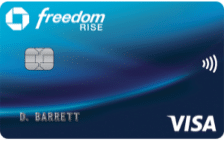
The Chase Freedom Rise Credit Card is a unique new offering from Chase Bank. The card provides enhanced approval odds for Chase deposit account holders, the chance at a credit limit increase, and impressive cash back rewards on all purchases. But is this new product right for you? Here is everything you need to learn about the Chase Freedom Rise Visa credit card vs. its biggest rivals:

The Chase Freedom Rise Credit Card Vs. Other Credit Builder Cards

Before jumping into a discussion of similar credit cards for building credit, let’s take a quick look at the Freedom Rise itself.

Chase Freedom Rise

Chase Freedom Rise
Fair-Poor
BestCards refers to a variation of FICO Score 9, which is one of many different types of credit scores. A financial institution may use a different score when deciding whether to approve you for a credit card. Please note that the range shown here is our own estimation and not a guarantee of credit needed to be approved for any given card. Recommended Credit: Fair / Poor
Visa Processing Network
None Annual Fee

Chase Freedom Rise

  • 26.24% variable based on the Prime Rate Regular Purchase APR
  • 26.24% variable based on the Prime Rate Balance Transfer APR
  • 29.49% variable based on the Prime Rate Cash Advance APR

At a Glance

The Chase Freedom Rise Visa is a credit builder card that can help you earn cash back rewards and double your credit line fast. The card works best with an eligible Chase checking account, as having one can greatly improve your approval odds.

  • Best Benefits
  • Rates & Fees
  • Why Should You Apply?
  • Earn 1.5% in cash back for all of your purchases
  • Earn a $25 bonus for enrolling in in the first three months
  • $0 annual fee
  • Increase your credit line with 6 on-time payments
  • Regular Purchase APR: 26.24% variable based on the Prime Rate
  • Balance Transfer APR: 26.24% variable based on the Prime Rate
  • Balance Transfer Transaction Fee: Either $5 or 5% of the amount of each transfer, whichever is greater
  • Cash Advance APR: 29.49% variable based on the Prime Rate
  • Cash Advance Transaction Fee: Either $10 or 5% of the amount of each transaction, whichever is greater
  • Penalty APR: Up to 29.99%
  • Foreign Transaction Fee: 3% of the amount of each transaction in U.S. dollars.
  • Late Payment Penalty Fee: Up to $40
  • Return Payment Penalty Fee: Up to $40
  • You have a Chase checking account with a $250 balance
  • You want to earn unlimited 1.5% cash back on all purchases
  • You are new to credit cards
  • You don't want to pay an annual fee

The Chase Freedom Rise is Chase’s newest credit card. It’s the entry-level option in the Chase Freedom family – replacing the old Chase Freedom Student credit card – and offers basic rewards, a simple welcome bonus, and the chance for a credit increase in as few as six months from opening an account.

Apply In-Branch

Interestingly, the Freedom Rise is only available to apply for in branch at Chase. Fortunately, Chase currently operates over 4,700+ branches across 48 U.S. states. But why does the card require in-person applications? The reason is that it is a credit-builder product, and as such, it’s marketed towards those newer to credit. The Freedom Rise Visa is designed to help Chase customers who are new to credit and provides opportunities to help guide them on a strong path to financial health and building credit.

Double Your Credit Line

One of the most popular features of credit builder credit cards is the chance to double your credit line with on-time payments. Make at least the first six monthly payments on time, and you may earn a limit increase.

Solid Rewards & More

Chase Freedom Rise Credit Card account holders also earn solid rewards on all eligible purchases, namely an unlimited 1.5% cash back rate on all eligible purchases. Rewards never expire and are applicable to award options through the Chase Ultimate Rewards® portal. Redemption options include gift cards, Amazon or Apple purchases, or products bought through the Ultimate Rewards shopping portal. There’s even a simple welcome bonus, no annual fee, and Visa Platinum features and protections.

How Does the Chase Freedom Rise Credit Card Compare to Its Competitors?

Are you thinking about applying for the Chase Freedom Rise Visa? While the card could give great value, here is how it compares to some of its main competitors in the sub-prime and credit building market:

Capital One Platinum Credit Card

Capital One Platinum Credit Card
Good-Fair
BestCards refers to a variation of FICO Score 9, which is one of many different types of credit scores. A financial institution may use a different score when deciding whether to approve you for a credit card. Please note that the range shown here is our own estimation and not a guarantee of credit needed to be approved for any given card. Recommended Credit: Good / Fair
Mastercard Processing Network
None Annual Fee

Capital One Platinum Credit Card

  • 30.74% variable based on the Prime Rate Regular Purchase APR
  • 30.74% variable based on the Prime Rate Balance Transfer APR
  • 30.74% variable based on the Prime Rate Cash Advance APR

At a Glance

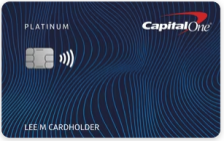
Anyone looking to build up their credit should consider the Capital One Platinum Credit Card, which grants cardholders with average credit access to a higher credit line after showing they’re responsible by making their first 5 monthly payments on time. The card’s interest rate encourages paying down one’s balance every month, creating the habits that will help users attain that better credit score they’re striving for.

  • Best Benefits
  • Rates & Fees
  • Why Should You Apply?
  • No annual or hidden fees. See if you're approved in seconds
  • Be automatically considered for a higher credit line in as little as 6 months
  • Help build your credit through responsible use of a card like this
  • Enjoy peace of mind with $0 Fraud Liability so that you wo't be responsible for unauthorized charges
  • Monitor your credit score with CreditWise from Capital One. It's free for everyone
  • Get access to your account 24 hours a day, 7 days a week with online banking from your desktop or smartphone, with Capital One's mobile app
  • Check out quickly and securely with a contactless card, without touching a terminal or handing your card to a cashier. Just hover your card over a contactless reader, wait for the confirmation, and you're all set
  • Pay by check, online or at a local branch, all with no fee - and pick the monthly due date that works best for you
  • Regular Purchase APR: 30.74% variable based on the Prime Rate
  • Balance Transfer APR: 30.74% variable based on the Prime Rate
  • Balance Transfer Transaction Fee: 3% of the amount of each transferred balance that posts to your account at a promotional APR that we may offer you. None for balances transferred at the Transfer APR.
  • Cash Advance APR: 30.74% variable based on the Prime Rate
  • Cash Advance Transaction Fee: 3% of the amount of the cash advance, but not less than $3
  • Late Payment Penalty Fee: Up to $40
  • Over Limit Penalty Fee: None
  • You do not want to pay an annual fee
  • You want to build up your credit quickly
  • You enjoy the freedom and convenience of mobile banking

In the credit builder space, few cards are as visible as the Capital One Platinum Credit Card. The Platinum Card’s purpose – helping to build and improve credit scores – is also its greatest strength, offering a well-trodden route towards credit health improvement and progression to more exciting rewards credit cards.

The Platinum Card from Capital One offers no annual fee, a variable APR, and the credit monitoring tools you need to get your score and credit health on track. And, like Chase, Capital One provides an opportunity for a credit limit increases.

Capital One guarantees that after five months of on-time payments, you would automatically become eligible for a credit limit increase. As long as your spending stays the same, this boost can positively impact your credit utilization, which plays a critical role in calculating (and maintaining) your credit score.

Our credit cards content is not loading right now. Please try again or contact the BestCards team.

The Merrick Bank Double Your Line® Secured Mastercard instantly compares to the Chase Freedom Rise Credit Card thanks to its “double your line” feature. The card requires an initial security deposit of $200, which acts as the credit limit with the new account. Make on-time payments for each of the first seven months, and Merrick Bank will double the credit line – in this case to $400 if you put down a $200 deposit – without the need to add more funds through additional deposits.

The biggest difference between Merrick and Chase here are the types of credit cards involved. The Freedom Rise is an unsecured credit card, while the Merrick Bank Double Your Line Card is secured. This means the Merrick Bank credit card offers better approval odds if you aren’t an existing Chase Bank customer.

Another difference is the annual fee. The Freedom Rise Credit Card charges no annual fee, while the Merrick Secured Card has a $26 annual fee for the first year, billed at $3 per month after that. That annual fee is low for a secured credit card but still less appealing than the $0 fee with Chase.

Self Visa® Credit Card

Self Visa® Credit Card
Fair-Poor-No Credit Required
BestCards refers to a variation of FICO Score 9, which is one of many different types of credit scores. A financial institution may use a different score when deciding whether to approve you for a credit card. Please note that the range shown here is our own estimation and not a guarantee of credit needed to be approved for any given card. Recommended Credit: Fair / Poor / No Credit Required
Visa Processing Network
$25 Annual Fee

Self Visa® Credit Card

  • 27.49% (Variable) Regular Purchase APR

At a Glance

The Self Visa® Credit Card is a secured credit card that pairs with an existing Self Credit Builder Account. The card has no formal approval process. Instead, hopeful consumers simply need to open a Self account and save over $100 to fund the secured Visa account.

  • Best Benefits
  • Rates & Fees
  • Why Should You Apply?
  • Apply Now: Intro No Annual Fee with the secured Self Visa® Credit Card^ • If you have an active Credit Builder Account, $100 or more in savings progress and satisfying income requirements you may be eligible to receive the secured Self Visa® Credit Card*, without a hard credit check. Criteria subject to change. • Build credit and savings at the same time. • Start with a Credit Builder Account* that reports monthly payments to all 3 major credit bureaus. • At the end of your plan, unlock the savings you built - minus interest and fees. • The secured Self Visa® Credit Card is accepted at millions of locations in the U.S. *Credit Builder Accounts & Certificates of Deposit made/held by Lead Bank, Sunrise Banks, N.A., First Century Bank, N.A., each Member FDIC. Subject to credit approval. The secured Self Visa® Credit Card is issued by Lead Bank or First Century Bank, N.A., each Member FDIC. See Self.inc for details. Subject to ID Verification. Individual borrowers must be a U.S. citizen or permanent resident and at least 18 years old. Valid bank account and Social Security Number are required. All loans are subject to consumer report review and approval. The Secured Self Visa® Credit Card requires an active Self Credit Builder Account and qualification based on other eligibility criteria including income & expense requirements. Criteria subject to change.
    ^$0 annual fee for the first year only, $25 annual fee thereafter. Variable APR of 28.24%. Offer valid for new customers only.
  • Regular Purchase APR: 27.49% (Variable)
  • Annual Fee: $25
  • Late Payment Penalty Fee: Up to $15
  • Return Payment Penalty Fee: Up to $15
  • You're serious about raising your credit score
  • You already have a Self Credit Builder Account
  • You don’t mind the card's $25 annual fee
  • You plan to pay your card balance in full every month

The Self Visa® is another great option if you want to build credit, don’t have a Chase deposit account, and are looking to quickly boost your score. The Self Visa requires a Credit Builder Account to open. This account is a type of credit builder loan where you open a loan account to “pay off” the loan into a certificate of deposit (CD) account.

Once you open your account and make at least three-monthly payments on time, have $100 or more in savings progress in your Credit Builder Account, and are in good standing (which you will be), then you can get the Self Visa Credit Card* – without a hard credit check. And, because the card is linked to a Self Credit Builder Account, cardholders can increase their secured card credit limit as they continue to improve their score with on-time payments. As their Credit Builder Account grows, that money can be moved towards the credit line with the Self Visa® Credit Card.

Discover it® Chrome for Students

Discover it® Chrome for Students
BestCards refers to a variation of FICO Score 9, which is one of many different types of credit scores. A financial institution may use a different score when deciding whether to approve you for a credit card. Please note that the range shown here is our own estimation and not a guarantee of credit needed to be approved for any given card. Recommended Credit: Fair / No Credit Required
Discover Processing Network
None Annual Fee

Discover it® Chrome for Students

  • 18.24% to 27.24% variable based on creditworthiness and the Prime Rate Regular Purchase APR
  • 18.24% to 27.24% variable based on creditworthiness and the Prime Rate Balance Transfer APR
  • 29.99% variable based on the Prime Rate Cash Advance APR
  • 0% for 6 months from date of account opening date Intro Purchase APR

At a Glance

The Discover it Chrome for Students is a student credit card and cash back rewards card that allows college students to earn 2% cash back on gas and restaurants, plus 1% cash back on everything else. In addition to not having to worry about an annual fee, students who maintain a GPA of 3.0 or higher will receive a $20 statement credit each school year.

  • Best Benefits
  • Rates & Fees
  • Why Should You Apply?
  • Get $20 statement credit each school year your GPA is 3.0 or higher for up to next five years
  • Earn 2% cash back at gas and restaurants on up to $1,000 in combined purchases each quarter. Plus 1% cash back on all other purchases
  • Discover matches all the cash back you've earned at the end of your first year, automatically
  • Cash back rewards do not expired and can be redeemed at any time
  • 0% intro APR on purchases for 6 months
  • No annual fee, no late fee on first late payment. No APR change for paying late
  • Intro Purchase APR: 0% for 6 months from date of account opening date
  • Regular Purchase APR: 18.24% to 27.24% variable based on creditworthiness and the Prime Rate
  • Intro Balance Transfer APR: 10.99% for 6 months from date of first transfer
  • Balance Transfer APR: 18.24% to 27.24% variable based on creditworthiness and the Prime Rate
  • Balance Transfer Transaction Fee: 3% of the amount of each transfer posted at the promotional rate. After that, 5% of the amount of each transfer
  • Cash Advance APR: 29.99% variable based on the Prime Rate
  • Cash Advance Transaction Fee: Either $10 or 5% of the amount of each cash advance, whichever is greater
  • Late Payment Penalty Fee: None the first time you pay late. After that, up to $41
  • Return Payment Penalty Fee: Up to $41
  • You're planning on commuting to college
  • You plan to eat out rather than in the cafeteria
  • You want a card that rewards a good school year, as your GPA can get you extra savings
  • You want to take advantage of Cashback Match – only from Discover
  • You don’t want to pay an annual fee
Discover it® Chrome for Students

Discover it® Chrome for Students

Terms & Conditions

For students looking for an enticing rewards credit card that can grow with them, the Discover it® Chrome for Students is a safe bet.  The card is similar to the regular Chrome Card, meaning students earn 5% back on the first $1,000 spent each quarter on both gas station or restaurant purchases, while earning unlimited 1% cash back on every other purchase.

The card also features the usual stuff from Discover: no foreign transaction fees, $0 annual fee, and Discover’s impressive Cashback Match. With the latter perk, Discover automatically matches the cash back earned for the first year of membership. That means if you use your Discover It Chrome Card and earn $500 in cash back, Discover will give you a dollar-for-dollar match. That would translate to $1,000 in cash back on your purchases, automatically. Cash back rewards with Discover are simple and straightforward.

The student-centric perks with the card include Discover’s Good Grade Reward. This rewards you each school year with a $20 statement credit if you keep your GPA above 3.0. Since this bonus is good for up to five academic years, the total reward has a value of up to $100 – just for doing well in classes. Students also receive access to their FICO credit score each month free of charge.

Once you graduate from school, you can graduate to the regular Chrome Card – or even switch to the impressive 5% cash back Discover It Cash Back Card.

U.S. Bank Cash+® Visa® Secured Card

U.S. Bank Cash+® Visa® Secured Card
Poor-No Credit Required
BestCards refers to a variation of FICO Score 9, which is one of many different types of credit scores. A financial institution may use a different score when deciding whether to approve you for a credit card. Please note that the range shown here is our own estimation and not a guarantee of credit needed to be approved for any given card. Recommended Credit: Poor / No Credit Required
Visa Processing Network
None Annual Fee

U.S. Bank Cash+® Visa® Secured Card

  • 29.99% variable based on the Prime Rate Regular Purchase APR
  • 29.99% variable based on the Prime Rate Balance Transfer APR
  • 29.99% variable based on the Prime Rate Cash Advance APR

At a Glance

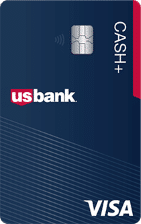
The U.S. Bank Cash+® Visa® Secured Card is a secured credit card that offers up to 5% cash back on purchases, reasonable minimum deposit requirements, and more – all for no annual fee.

  • Best Benefits
  • Rates & Fees
  • Why Should You Apply?
  • No annual fee
  • Earn 5% back on the first $2,000 in combined eligible purchases each quarter in two categories you choose
  • Earn 2% back on the first $2,000 in combined eligible purchases each quarter in one everyday category
  • Earn 1% Back on all other purchases
  • Earn 5% back on prepaid air, hotel and car reservations booked directly in the Rewards Travel Center
  • Regular Purchase APR: 29.99% variable based on the Prime Rate
  • Balance Transfer APR: 29.99% variable based on the Prime Rate
  • Balance Transfer Transaction Fee: Either 3% of the amount of each transfer or $5 minimum, whichever is greater
  • Cash Advance APR: 29.99% variable based on the Prime Rate
  • Cash Advance Transaction Fee: Either 5% of the amount of each advance or $10 minimum, whichever is greater
  • Foreign Transaction Fee: 3% of each foreign transaction in US dollars
  • Late Payment Penalty Fee: Up to $41
  • Return Payment Penalty Fee: Up to $41
  • Minimum Deposit Required: $300
  • You have bad credit or no credit history
  • You want the chance to graduate to a lucrative no annual fee, unsecured rewards card
  • You want to earn up to 5% cash back
  • You do't want to pay an annual fee
U.S. Bank Cash+® Visa® Secured Card

U.S. Bank Cash+® Visa® Secured Card

Terms & Conditions

The U.S. Bank Cash+ Visa Secured Card is a less direct competitor to the Chase Freedom Rise Credit Card, but it nevertheless offers appealing rewards. The selling point of the Cash+ is the ability to select your categories to maximize your cash back earnings. Cardholders can earn 5% back on the first $2,000 in combined eligible purchases in the following categories:

TV, internet, and streaming services Cell phone providers Electronics stores
Fast food Home utilities Furniture stores
Department stores Clothing stores Movie theaters
Ground transportation Fitness centers Sporting goods stores

The great thing about the Cash+ secured card is that you can select two categories to earn up to 5% back. The drawback, however, is that the categories must be activated and are set for the full quarter. That caveat extends to the secondary rewards, with cardholders earning 2% back on eligible purchases in your choice of one everyday category (like gas stations and EV charging stations, grocery stores, and restaurants).

Fortunately, U.S. Bank actively monitors your activity and may offer you the chance to automatically move up to the U.S. Bank Cash+® Visa Signature® Card. Once there, your original security deposit will be returned.

Related Article: The Best Second Chance Credit Cards

Featured image by Pexels/PixaBay

Big Banks Vs. Local Banks Should You Bank Local or Opt for a National Bank?

What's the difference between national banks and local, community banks or credit unions

Last updated on March 25th, 2024

BestCards prides itself in providing over 1,000 credit card reviews for our readers. These card offers range from secured credit cards from your local credit union to the biggest and best rewards cards from American Express, Chase, and more. But does it matter where you get your next credit card from? Does size matter, and should you always go with the big, national bank over the local community bank?

At a Glance

  • Bigger, national banks provide a greater selection of banking products, including credit cards, loans, deposit accounts, investments, and more.
  • Smaller banks may offer lower interest rates and fewer fees. This is especially true for credit unions, which are member-owned.
  • Smaller, local banks have a greater local footprint, meaning you may receive better support and service.
  • Both big and small banks (and credit unions) are government-insured for up to $250,000 in individual accounts and $500,000 in joint accounts.

How Do National and Local Banks Differ?

Credit cards offered by local banks or credit unions and those provided by national lenders like American Express, Chase, Discover, and others differ in several ways:

Bank Credit Union
For-profit, owned publicly or privately Non-profit and member-owned
Open to all May have eligibility requirements
Accounts insured for up to $250,000 by the FDIC Accounts insured for up to $250,000 by the NCUA
Bigger range of products and services Offerings based on size

Local Lenders Provide Greater Value for Communities

Many local banks are classified as “community banks,” meaning they operate in a limited geographic area and hold less than $1 billion in total assets. This classification is also an excellent reason to consider a local bank or credit union over a national alternative.

Because community banks and credit unions operate in small areas, they provide a better range of services for the communities they serve. Local banks and credit unions often offer more personalized customer service and have a better understanding of their customer’s needs, meaning you’ll find products that are tailored to your local needs.

Local and regional banks are also more likely to serve underbanked communities and groups. These examples include minority-owned financial institutions (including OneUnited, the largest black-owned bank in the United States, and Latino Credit Union, a North Carolina credit union serving individuals with no banking history and new immigrants to establish credit and learn the financial tools they need to succeed) and military and government financial institutions (Navy Federal Credit Union is more akin to a large national bank, but other examples exist, such as Air Force FCUFort Bragg FCU, and NASA FCU).

Not a Fan of Fees? Think Local

In general, local banks are a better bet if you want a lower interest rate or no annual fee. Credit unions are especially great options for interest-concerned consumers.

Banks are for-profit institutions – they’re in the business of making money from your money while you may see little to none of the dividends your money helped to earn. Credit unions, on the other hand, are non-profit institutions that exist to pass on the earnings to their members. As such, credit unions can offer much more competitive rates on products like loans, savings accounts, or credit cards than traditional banks would be able to offer.

Annual fees are another common feature of big bank credit cards – especially for those impressive rewards cards, like the Platinum Card from American Express ($695 annual fee) or the Chase Sapphire Reserve ($550 annual fee). These cards also feature comprehensive loyalty programs and many statement credits for amenities like TSA PreCheck, Priority Pass lounge access, hotel stays, and other incidentals. But many national banks also offer a wider range of credit cards, including both $0 annual fee cards and premium cards with higher fees but more benefits and rewards.

On the other hand, local banks and credit unions offer a greater proportion of no-annual-fee credit cards than larger banks. This is because of the commitment to the community previously discussed and the more simplified rewards that these smaller institutions provide.

It’s worth noting that rates and fees can vary significantly among different banks, regardless of whether they are local or national. Because of this, it’s best to directly compare the terms and conditions of specific credit cards offered by different banks to determine the most accurate and up-to-date information.

Both Options Provide the Same Amount of Protection

One of the most-cited reasons for choosing a national bank (like Bank of America) over a regional bank (like Huntington National Bank) is that these larger institutions provide greater security for deposits. This reasoning seems to hold water – after all, big banks like JPMorgan Chase and Citibank have significantly more assets than local banks, often by exponential levels.

Despite this, both local and national banks offer the same protections for deposited accounts – namely, up to $250,000 in individual accounts and $500,000 in joint accounts through the Federal Deposit Insurance Corporation (FDIC). Credit unions offer similar protections, with accounts insured through the National Credit Union Administration (NCUA). So if your bank is FDIC or NCUA insured, you can rest assured your money is safe and will be transferred to another government-protected financial institution.

Big Banks Offer Better Rewards

When you imagine credit card rewards, you probably envision Chase Ultimate Rewards or American Express Membership Rewards and not the rewards program from your local credit union. This is because big banks:

  • Are able to offer more comprehensive rewards.
  • Provide sizable welcome offers for new cardholders.
  • May provide annual retention bonuses on premium cards.
  • Can provide points transfers to major partner programs.

Larger banks have greater assets – and a larger clientele. These two factors mean they can afford to negotiate with airlines, hotels, and other loyalty programs to provide incidentals and perks for eligible cardholders. Because of the huge amount of potential customers, these rewards programs often team up with banks to help attract new members with bonus points. And because of this, you’ll see 1:1 points transfers with major airlines like Delta, American Airlines, United Airlines, and Southwest. Moreover, these cards will offer exclusive perks like lounge access and in-flight savings not found with many local rewards programs.

Comparison of similarly positioned rewards credit cards from banks of various sizes:

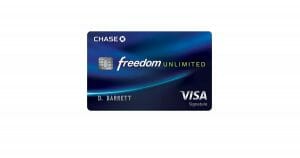
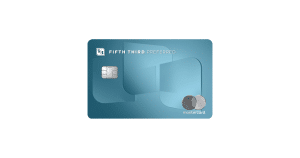
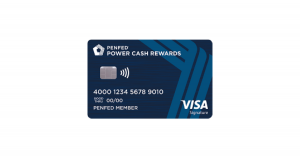
Chase Freedom Unlimited

Fifth Third Preferred Cash/Back Card

PenFed Power Cash Rewards VISA Signature®
Annual fee $0 $0 $0
Rewards 5% back on Chase Ultimate Rewards travel purchases, 3% on dining & drugstores, and 1.5% on everything else Unlimited 2% cash back on all purchases 1.5% cash back on all purchases made with your card, 2% cash back for PenFed Honors Advantage members
Award options Travel, merch, gift cards, deposits, checks, transfers Checks, statement credits, deposits Checks, statement credits, deposits
0% APR 0% APR for 12 months on purchases & balance transfers N/A 0% APR for 12 months on balance transfers

That’s not to say local banks and credit unions don’t have dedicated rewards programs. One such program is ScoreCard Rewards, a popular program for both banks and credit unions. The program allows smaller financial institutions to offer competitive rewards without adding excessive costs to the local banks and credit unions.

Remember that ScoreCard Rewards and other rewards programs will not provide the same value as the best high-end redemptions you’ll see on a travel influencers’ YouTube channels, but they do provide decent value for money when booking award flights with select carriers or when booking hotel stays.

Many national banks offer a range of credit cards, including both no-annual-fee cards and premium cards with higher fees but more benefits and rewards. National banks may have extensive rewards programs, travel perks, and additional services with higher annual fees.

Building Credit? Think Big, Not Small

Local banks and credit unions offer a good selection of credit cards, including secured credit cards. Despite this, there are some disadvantages to banking locally when trying to build credit.

First, many smaller banks charge an annual fee for a secured credit card, typically around $25 per year. This fee is in addition to the security deposit, which typically has a minimum requirement of about $200. In comparison, many credit-builder cards from national banks, like the BankAmericard Secured or the Capital One Platinum Secured, charge no annual fee and have the same deposit requirements as other issuers.

Second, most big banks offer a clear route to moving up from secured cards to unsecured credit. With Discover, for instance, it’s the opportunity to receive your cash deposit back and automatically upgrade to the Discover It or Discover It Chrome. For the Capital One secured card, it’s an upgrade to the unsecured version of the Platinum, SavorOne, or QuicksilverOne.

This isn’t to say smaller banks don’t offer graduation to unsecured credit cards – just make sure to read the terms and conditions of each card before applying so you don’t get caught off guard. Alternatively, keep in touch with local branch employees to see if they can accommodate a card upgrade when the time is right.

Related Article: The Best Secured Credit Cards

Convenience

One area where the difference between a big bank and you local lender is more personal is when it comes to convenience. National banks like Chase offer greater availability of ATMs across the United States. Local and regional banks may have a smaller physical footprint, meaning you may have to search harder to find a fee-free ATM.

Fortunately, many credit unions and smaller banks team up with other lenders to provide nationwide ATM access. Many credit unions are members of the Co-op ATM and branch network, which operates over 65,000 fee-free ATMs and shared branches across the United States.

ATM network(s) Number of Fee-free ATMs
Bank of America 16,000+
Chase 18,500+
Discover/ Allpoint/ MoneyPass 60,000+
Wells Fargo 12,000+
Co-op (credit union network) 33,000+
USAA/ Allpoint/ MoneyPass/ PNC 55,000+

Another area of convenience you should consider is online banking. Most institutions offer online banking, including making online payments, account management, and other services. Big banks like Chase have impressive, streamlined mobile apps and websites designed to maximize the user experience. Local banks may have nice features, apps, and sites, too, but more often than not these apps aren’t of the quality of Chase, Citi, Wells Fargo, and other major names.

National Banks vs Local Banks – Summing It Up

It can be tricky to choose between a big bank with those juicy rewards and lucrative sign-up bonuses and a local credit union with great rates, fewer fees, and localized service. Fortunately, there are plenty of exceptional credit cards in both areas to select from. But before ending, here’s a recap of the main reasons why you might choose favor a card from banks and credit unions big and small:

Why you might consider getting a credit card from:
If personalized service and close relationships are important to you, a local bank or credit union might be a good bet. Local banks and credit unions often provide more personalized customer service and have a better understanding of their customers’ needs. Bigger selection. National banks tend to have a much broader selection of credit card products vs. a local bank. These options include travel credit cards, balance transfer cards, and co-branded cards with major retailers.
Community is a big part of what credit unions stand for. Local banks typically place an emphasis on community engagement, so when you bank locally, you are supporting your local economy. Big banks are ideal if you place great importance on rewards. Local bank rewards are typically very simple, with many cards offering between 1% to 1.5% cash back on purchases. National banks, on the other hand, often offer robust rewards programs, including cash back, travel rewards, and other perks such as lounge access, elite tier status in programs, and credits.
Better rates and fees. Local banks tend to provide mostly no-annual-fee credit cards, saving you money each year. Additionally, local banks (and especially credit unions) offer better rates than many lenders, with fewer fees. Credit unions are great for obtaining a low APR, as these institutions are member-owned – meaning they are not-for-profit. If protections and extra features are important to you, a rewards card from a national lender makes sense. This is because these cards typically provide additional benefits like purchase protection, extended warranties, and travel insurance. Big bank credit cards also enjoy broader global acceptance. Some local credit cards do not permit foreign transactions or will charge a fee for performing them.

Check out more

Top Credit Cards

Featured image by 12019/PixaBay
Mastercard Launches Recycling Program For Old Cards

Mastercard Launches Recycling Program For Old Cards

Last updated on January 2nd, 2024

In April 2023, Mastercard announced its quickened efforts to withdraw first–use PVC plastics from payment cards on its network by 2028. Last month, Mastercard put the pilot launch of its recycling program into effect. Here’s what you need to know.

Mastercard Begins Recycling Efforts for Plastic Credit & Debit Cards

Mastercard, the second-largest payment network worldwide, is pushing its sustainability goals with a new initiative for recycling old credit cards. The company’s global project was launched in June 2023 and its ultimate goal is to save billions of credit and debit cards in circulation across the industry from ending up in landfills.

Mastercard claims banks across the world will eventually be able to join the program. Some banks have already launched local initiatives – these efforts can help build economies of scale (in other words, cost reduction.) Mastercard has begun collaborating with HSBC and recycling specialist TerraCycle to begin the sustainability plan for plastic cards.

How Does The Mastercard Recycling Program Work?

The program will be piloted in select HSBC banks in the United Kingdom (UK) across eight branches. HSBC patrons will be able to securely recycle old plastic cards in-branch, after which Mastercard will supply shredding machines to HSBC, each capable of holding 10,000 cards – equivalent to 110 pounds of plastic. Once the machines fill up, they will get transferred to a plastic recycling facility, where they will be recycled into plastic pellets for reuse.

Furthermore, the Mastercard recycling program accepts all plastic cards for recycling, including those belonging to its competitors. The project will run for six months.

The Challenges of Plastic Use

According to statistics, 9.1 billion tons of plastic have been produced since it was introduced in the 1950s. In fact, 79% of the plastic that has ever been made still sits in landfills or the natural environment, except for small amounts that have been incinerated or recycled. The sitting plastic in landfills is not harmless, as it breaks down into tiny toxic particles which contaminate the soil and waterways. As a result, the contamination can enter the food chain when animals accidentally ingest them.

According to a Reuters article, Mastercard has around 3.1 billion cards in circulation. The payment network has estimated about 600 million cards are produced by the industry, each with a life span of about five years. It’s no surprise sustainability efforts from Mastercard include card recycling as the manufacturing process for plastic is a significant source of planet-warming greenhouse gas and plays a role in the pollution of rivers and oceans.

“A More Sustainable, More Environmentally Conscious Future”

Jose Carvalho, Head of Wealth and Personal Banking at HSBC UK, said: “Working sustainably to reduce, reuse and remove plastic from our business is something we have been doing successfully for a while, and we are continuing to look at new and different ways we can make a difference, reducing the environmental impact of our operations along the way.

Cutting up your cards and disposing of them at home in your recycling bin might not be advisable, as payment cards are a complex mix of plastic, metal and a chip and could taint a batch of recycling, so providing this option in some of our branches provides customers with an important opportunity to recycle these securely and correctly. This recycling pilot will provide us with some very important insight and will inform our longer-term plans.”

Ajay Bhalla, President of Cyber and Intelligence at Mastercard, said: “We know people want to make more eco-friendly choices. Together we are pursuing a more sustainable, more environmentally conscious future. So today, we are reinforcing our commitment. Starting with HSBC we are enabling banks to reduce the environmental impact of their operations – for the benefit of people and planet.”

Related Article: How to Dispose of Old Credit Cards

Featured image by siriwannapatphotos / Canva

The Best Credit Cards for College Students

best student credit cards 2021

Last updated on April 3rd, 2024

Entering the world of credit cards for the very first time can be intimidating – not to mention financially risky – without the proper knowledge. For that reason, many students put off applying for credit cards until graduation. Despite that, the college years are one of the best times to build a positive credit score – and student credit cards are the perfect tool for this task. Here are some of the best credit cards for college students to help you build credit and save money at the same time.

At a Glance

What is a Student Credit Card?

Student credit cards are a unique variant designed specifically for young adults in high school or college. Student cards are an ideal option for those over the age of 18 and who are new to credit. Because student cards are similar to other credit cards, they sometimes offer rewards points, interest-free periods, and introductory bonuses.

Despite their similarities to different types of credit cards, however, student cards differ in a few key areas:

  • Student cards usually have lower credit limits than other types of credit cards.
  • Many student credit cards offer good grade discounts or rate reductions.
  • Student credit cards have easier application underwriting, making them more accessible to those new to credit.
  • Welcome bonuses with student cards are typically much lower than those of rewards credit cards.

What are the Best Credit Cards for College Students?

So, what are the best student credit cards for someone looking to build credit for the first time while in college? Here is a rundown of some of the top picks by the BestCards team:

Bank of America® Unlimited Cash Rewards Credit Card for Students

Bank of America® Unlimited Cash Rewards Credit Card for Students
Fair
BestCards refers to a variation of FICO Score 9, which is one of many different types of credit scores. A financial institution may use a different score when deciding whether to approve you for a credit card. Please note that the range shown here is our own estimation and not a guarantee of credit needed to be approved for any given card. Recommended Credit: Fair
Visa Processing Network
None Annual Fee

Bank of America® Unlimited Cash Rewards Credit Card for Students

  • 18.24% to 28.24% variable based on creditworthiness and the Prime Rate Regular Purchase APR
  • 18.24% to 28.24% variable based on creditworthiness and the Prime Rate Balance Transfer APR
  • 21.24% to 30.24% variable based on creditworthiness and the Prime Rate Cash Advance APR
  • 0% for 15 months Intro Purchase APR

At a Glance

The Bank of America® Unlimited Cash Rewards Credit Card for Students is the ideal mix of excellent rewards, a decent sign-up bonus, and a competitive APR. The card, which has no annual fee, also gives students the credit building tools they need to succeed – including FICO Score and Bank of America’s financial education program access.

  • Best Benefits
  • Rates & Fees
  • Why Should You Apply?
  • No annual fee
  • Unlimited 1.5% cash back on every purchase
  • Build credit with responsible use
  • 0% introductory APR for 15 months from account opening
  • Intro Purchase APR: 0% for 15 months
  • Regular Purchase APR: 18.24% to 28.24% variable based on creditworthiness and the Prime Rate
  • Intro Balance Transfer APR: 0% for 15 months for transactions made within 60 days of account opening
  • Balance Transfer APR: 18.24% to 28.24% variable based on creditworthiness and the Prime Rate
  • Balance Transfer Transaction Fee: Either $10 or 5% of the amount of each transaction, whichever is greater
  • Cash Advance APR: 21.24% to 30.24% variable based on creditworthiness and the Prime Rate
  • Cash Advance Transaction Fee: Either $10 or 3% of the amount of each transaction, whichever is greater
  • Penalty APR: Up to 29.99%
  • Foreign Transaction Fee: 3% of the U.S. dollar amount of each transaction in U.S. dollars
  • Late Payment Penalty Fee: Up to $40
  • Return Payment Penalty Fee: Up to $29
  • You’re a college student
  • You want an accelerated cash back earning rate
  • You plan to make use of the financial education tools
  • You don’t want to pay an annual fee
Bank of America® Unlimited Cash Rewards Credit Card for Students

Bank of America® Unlimited Cash Rewards Credit Card for Students

Terms & Conditions

Bank of America offers some of the best student credit cards, with the Unlimited Cash Rewards as one of our favorites. The card, which charges no annual fee, earns an accelerated (and unlimited) 1.5% cash back on all eligible purchases. Rewards are redeemable as deposits into Bank of America checking or savings accounts, or as a statement credit to offset monthly bills.

The Unlimited Cash Rewards for Students from Bank of America also comes with a quality sign-up bonus: College students can earn $200 in cash rewards after making at least $1,000 in purchases in the first 90 days of opening their account. That introductory offer is essentially the same as getting 20% in cash back.

Other notable features of the Bank of America® Unlimited Cash Rewards Credit Card for Students include digital wallet technology and Visa Zero Fraud Liability protection.

Discover it® Student Cash Back

Discover it® Student Cash Back
BestCards refers to a variation of FICO Score 9, which is one of many different types of credit scores. A financial institution may use a different score when deciding whether to approve you for a credit card. Please note that the range shown here is our own estimation and not a guarantee of credit needed to be approved for any given card. Recommended Credit: Fair / No Credit Required
Discover Processing Network
None Annual Fee

Discover it® Student Cash Back

  • 18.24% to 27.24% variable based on creditworthiness and the Prime Rate Regular Purchase APR
  • 18.24% to 27.24% variable based on creditworthiness and the Prime Rate Balance Transfer APR
  • 2974% variable based on the Prime Rate Cash Advance APR
  • 0% for 6 months from account opening date Intro Purchase APR

At a Glance

The Discover it Student Cash Back card is ideal for college students hoping to earn 5% cash back on rotating categories and 1% unlimited cash back on everything else. All the cash back they’ve earned at the end of their first year will automatically be matched by Discover.

  • Best Benefits
  • Rates & Fees
  • Why Should You Apply?
  • No annual fee, and no late fee on the first late payment. No APR change for paying late.
  • Discover automatically matches all the earned cash back at the end of the first year, with no limit to the amount that is matched
  • $20 statement credit when GPA is 3.0 or higher every school year for up to five years
  • Cash back rewards can be redeemed at any time and never expire
  • Earn 5% cash back on everyday purchases at different places each quarter, up to the quarterly maximum when you activate
  • Earn 1% cash back on all other eligible purchases automatically
  • 0% intro APR on purchases for 6 months
  • Intro Purchase APR: 0% for 6 months from account opening date
  • Regular Purchase APR: 18.24% to 27.24% variable based on creditworthiness and the Prime Rate
  • Intro Balance Transfer APR: 10.99% for 6 months from date of first transfer
  • Balance Transfer APR: 18.24% to 27.24% variable based on creditworthiness and the Prime Rate
  • Balance Transfer Transaction Fee: Up to 5% of the amount of each transfer
  • Cash Advance APR: 2974% variable based on the Prime Rate
  • Cash Advance Transaction Fee: Either $10 or 5% of the amount of each cash advance, whichever is greater
  • Late Payment Penalty Fee: None the first time you pay late. After that, up to $41
  • Return Payment Penalty Fee: Up to $41
  • You want to earn 5% back in rotating categories
  • You plan on using your card to purchase products online
  • You expect to earn a 3.0 or higher GPA
  • You do’t want to pay an annual fee
  • You want a card with no foreign transaction fees

Discover offers two student credit cards (with the other being the Discover It Chrome for Students), but the Student Cash Back is the winner for us. The Discover It Student Cash Back is great because it offers 5% cash back on a selection of quarterly categories and an unlimited 1% back on all other purchases.

Discover’s Cashback Calendar is one of the most popular reasons people choose its products, with the rest of 2023 shaping to provide another excellent opportunity to earn 5% back on the first $1,500 in spending each quarter.

Here’s the full Discover 2023 Cashback Calendar:

Date 5% Cash Back Category
Q1 January – March 2023 Grocery stores, drug stores, and select streaming services
Q2 April – June 2023 Restaurants and wholesale clubs
Q3 July – September 2023 Gas stations and digital wallets
Q4 October – December 2023 Amazon.com and Target

Like the Discover It Chrome for Students Card, the Student Cash Back Card comes with a special introductory APR. New accounts receive a 0% interest rate on purchases for the first six months. This bonus offer allows you to open the account, maximize your rewards in the 5% category for that quarter, and pay down the balance over the semester. Say, for instance, you needed to buy school supplies or wanted to stock up on necessities for your dorm. By making purchases in the correct categories, you can earn 5% back without the hassle of paying off the entire balance right away – a nice little perk.

Lastly, the other main appeal of Discover cards is the Cashback Match benefit. All cash back earned during your first year as a cardholder will be matched by Discover at the end of that year. This is a great opportunity to really max out cash back earnings to essentially come away with double the rewards at the end of that first year.

Chase Freedom Rise

Chase Freedom Rise
Fair-Poor
BestCards refers to a variation of FICO Score 9, which is one of many different types of credit scores. A financial institution may use a different score when deciding whether to approve you for a credit card. Please note that the range shown here is our own estimation and not a guarantee of credit needed to be approved for any given card. Recommended Credit: Fair / Poor
Visa Processing Network
None Annual Fee

Chase Freedom Rise

  • 26.24% variable based on the Prime Rate Regular Purchase APR
  • 26.24% variable based on the Prime Rate Balance Transfer APR
  • 29.49% variable based on the Prime Rate Cash Advance APR

At a Glance

The Chase Freedom Rise Visa is a credit builder card that can help you earn cash back rewards and double your credit line fast. The card works best with an eligible Chase checking account, as having one can greatly improve your approval odds.

  • Best Benefits
  • Rates & Fees
  • Why Should You Apply?
  • Earn 1.5% in cash back for all of your purchases
  • Earn a $25 bonus for enrolling in in the first three months
  • $0 annual fee
  • Increase your credit line with 6 on-time payments
  • Regular Purchase APR: 26.24% variable based on the Prime Rate
  • Balance Transfer APR: 26.24% variable based on the Prime Rate
  • Balance Transfer Transaction Fee: Either $5 or 5% of the amount of each transfer, whichever is greater
  • Cash Advance APR: 29.49% variable based on the Prime Rate
  • Cash Advance Transaction Fee: Either $10 or 5% of the amount of each transaction, whichever is greater
  • Penalty APR: Up to 29.99%
  • Foreign Transaction Fee: 3% of the amount of each transaction in U.S. dollars.
  • Late Payment Penalty Fee: Up to $40
  • Return Payment Penalty Fee: Up to $40
  • You have a Chase checking account with a $250 balance
  • You want to earn unlimited 1.5% cash back on all purchases
  • You are new to credit cards
  • You don’t want to pay an annual fee

The Chase Freedom Rise Visa is a credit-builder card and an ideal first credit card for Chase customers. It offers unlimited cash back rewards, no annual fee, and improved approval odds for select Chase checking customers. Unlike other Chase credit cards, the Freedom Rise is only available at Chase branches, where bankers can help guide you through the application process.

The Freedom Rise earns an unlimited 1.5% cash back on all eligible purchases, which is on par with the old Chase Freedom Student Card (which the Rise replaced). Even better, there’s a $25 statement credit offer for new applicants, additional incentives from Chase partners, and ground-floor access to the Chase Freedom family of credit cards.

Capital One SavorOne Student Cash Rewards Credit Card

Capital One SavorOne Student Cash Rewards Credit Card
Fair
BestCards refers to a variation of FICO Score 9, which is one of many different types of credit scores. A financial institution may use a different score when deciding whether to approve you for a credit card. Please note that the range shown here is our own estimation and not a guarantee of credit needed to be approved for any given card. Recommended Credit: Fair
Mastercard Processing Network
None Annual Fee

Capital One SavorOne Student Cash Rewards Credit Card

  • 19.99% – 29.99%% variable based on creditworthiness and the Prime Rate Regular Purchase APR
  • 19.99% – 29.99%% variable based on creditworthiness and the Prime Rate Balance Transfer APR
  • 29.99% variable based on the Prime Rate Cash Advance APR

At a Glance

The Capital One SavorOne Student Cash Rewards Credit Card provides college and graduate students with the tools they need to build credit – and the rewards they want to enjoy campus life. The card from Capital One features 3% back on select entertainment and everyday purchases and features no annual fee, balance transfer fees, or foreign transaction fees.

  • Best Benefits
  • Rates & Fees
  • Why Should You Apply?
  • Earn unlimited 3% cash back on dining, entertainment, popular streaming services and at grocery stores (excluding superstores like Walmart® and Target®), with 1% on all other purchases
  • Limited Time Offer: Earn $50 when you spend $100 in the first three months
  • Earn 10% cash back on purchases made through Uber & Uber Eats, plus complimentary Uber One membership statement credits through 11/14/2024
  • Enjoy peace of mind with $0 Fraud Liability so that you wo’t be responsible for unauthorized charges
  • Enjoy no annual fee, foreign transaction fees, or hidden fees
  • Lock your card in the Capital One Mobile app if it’s misplaced, lost or stolen
  • Earn up to $500 a year by referring friends and family when they’re approved for a Capital One credit card
  • Earn 8% cash back on entertainment purchases when you book through the Capital One Entertainment portal
  • Build your credit with responsible card use
  • Whether you’re at a 4-year university, community college or other higher education institution, this card might be an option for you
  • Regular Purchase APR: 19.99% – 29.99%% variable based on creditworthiness and the Prime Rate
  • Balance Transfer APR: 19.99% – 29.99%% variable based on creditworthiness and the Prime Rate
  • Balance Transfer Transaction Fee: 3% of the amount of each transferred balance that posts to your account at a promotional APR that we may offer you.; None after that
  • Cash Advance APR: 29.99% variable based on the Prime Rate
  • Cash Advance Transaction Fee: 3% of the amount of the cash advance, but not less than $3
  • Late Payment Penalty Fee: Up to $40
  • You’re a student
  • You frequently dine out or make purchases in the entertainment category
  • You want a cash back credit card with no annual fee and no foreign transaction fees
  • You want to build credit while earning quality rewards
Capital One SavorOne Student Cash Rewards Credit Card

Capital One SavorOne Student Cash Rewards Credit Card

Terms & Conditions

The Capital One SavorOne Student Cash Rewards Credit Card earns an unlimited 3% cash back on dining, entertainment, groceries, and select streaming services purchases. Such a wide variety of categories makes it an ideal cash back card for students living off-campus, though even dorm dwellers can enjoy value here.

Eligible streaming services with the student version of the SavorOne include big names in music, TV, and film streaming – including Hulu, Dinsey+, and Netflix. However, unlike other streaming credit cards, audiobook services like Audible, plus some services, such as Prime Video, AT&T TV, and Verizon Fios On Demand, are excluded from the 3% back category. Additionally, box stores (like Walmart or Target) may be excluded from grocery store purchases.

Other notable features of the SavorOne Student Card include no annual or foreign transaction fees and Capital One’s 24/7 concierge service. Plus, once you graduate from college, you can keep your card (and rewards) and enjoy the benefits of the regular version of the Capital One SavorOne Card.

What to Look for In a Student Credit Card

Before applying for your next student credit card, take some time to investigate each card offer and its suitability to your needs. Here are some common features to look out for with a student credit card:

The Most Important Things to Look for:
Academic incentives A perk unique to student credit cards, some products offer cardholders account statement credits if their grades meet a certain threshold. That means that with the right credit card in your wallet, you may be entitled to a credit on your balance simply for keeping your grade point average above 3.0, for example.
Rewards Many student credit cards feature relatively minimal benefits when compared to general rewards credit cards, but that’s not always the case. Shopping around will show you that there are indeed credit cards with rewards programs that match all the cash you spend dollar for dollar, as well as some with a generous earning rate of 3 or even 5 points per dollar spent.
Financial tools It’s important to select a student credit card that grants you the ability to conveniently check your balance online at any time, as you can spot potential fraudulent charges before others are made on your account. 24/7 tracking is also useful when budgeting yourself to ensure that you are able to pay off your balances each month and keep your credit score as spotless as possible.
Other Things to Look For:
Debt forgiveness When learning how to use credit cards and navigate debt, especially at a young age, it’s important to look for a card that offers debt forgiveness. If you’re striving to be financially independent and free of your family’s safety net, you will want a card with debt forgiveness to prevent your credit score from being negatively affected. Between school, work, and your social life, you may forget or be unable to pay the minimum amount due on your card each month (if you’re not paying the balance off completely). Spending within your means can help in this regard, but just in case, it’s comforting to know that you have at least one opportunity to keep your slate clean with debt forgiveness.
Fraud protection Credit card fraud can occur anywhere at any time and to anyone, whether making a purchase on campus at a vending machine or paying for parking when you head downtown. If you shop online with your credit card using your smartphone, a site that has been hacked can also prove to be a problem for your identity and account. Making purchases with a student credit card that offers fraud protection keeps you free of the financial burden you’ll otherwise be responsible for if your card gets lost or stolen. This is an integral feature that you should look into when signing up for student credit cards and any credit card in general.

Typical Features of Student Credit Cards

What are the other common features of a student card? Before you apply, make sure the card you prefer offers many of the following features:

① Rewards While not common, there are plenty of good student rewards cards on the market. Many student credit cards feature lesser benefits in comparison to general rewards credit cards, but that’s not always the case.
② No annual fee Generally speaking, signing up for a credit card without an annual fee makes financial sense. This rule doesn’t apply, though, if the benefits that you earn while using the credit card are higher than the cost you’re paying each year.
③ Academic incentives This is a perk unique to credit cards for students. Some cards offer cardholders account statement credits if their grades meet a certain threshold, such as meeting GPA minimums each academic school year.
④ Debt forgiveness When learning how to use credit cards and navigate debt, especially at a young age, it’s essential to look for a card that offers debt forgiveness. You’ll want a card with debt forgiveness to prevent your credit score from being negatively affected.

Other Credit Options for College Students

Not sure if a student credit card is right for you? Maybe you have concerns that you won’t be approved for an unsecured credit card. Not to worry, as there are other credit-building options for students. Beyond student loans, which won’t help your credit score until after college, secured credit cards and unsecured options where you join an already open account are two great ways to build credit in college.

Secured Credit Cards

secured credit card differs from a traditional credit card in that it requires a security deposit to open. In exchange for a cash deposit, secured cardholders gain a reasonable credit line and other perks to help them boost their credit scores. This deposit makes the cards much easier to be approved for, making them faster to obtain for individuals with no credit history or a low credit score.

Become an Authorized User

Another option for building credit is to become an authorized user from a parent or other trusted person’s existing credit card account. As an authorized user, you can benefit from the primary cardholder’s positive credit history, which can help improve your own credit score.

There are key differences between being an authorized user on a credit card and being a joint account holder. Authorized users can be added to a credit card at any time, do not have to go through a credit check, and are not financially responsible for paying any debts owed. On the other hand, joint account holders must apply at the same time as the other user and have the same responsibility to pay back balances on the card.

The downside of being an authorized user is that if the primary cardholder misses payments or carries a high balance, it could also negatively impact your credit. Keep this in mind before asking your family if you can become an authorized user on their accounts.

More Tips to Help Build Credit While in College

Building credit requires more than just opening a credit card account and making purchases. Here are some essential tips to help you establish a positive credit history during your college years:

Always pay on time Paying your credit card bill on or before the due date is crucial. Late payments can lead to late fees, increased interest rates, and negative marks on your credit report.
Try to pay in full Aim to use only a small percentage of your available credit. Ideally, keep your credit card balances below 30% of your credit limit, as issuers tend to view credit usage over that level as risky. If possible, pay your bill in full, as this can help you avoid missed payments, interest charges, and late fees. This also demonstrates responsible credit management to lenders and positively impacts your credit score.
Monitor your credit score Regularly check your credit report to ensure accuracy and detect any potential errors or fraudulent activity. You are entitled to one free credit report from each of the major credit bureaus (Equifax, Experian, and TransUnion) annually.
Create a budget – and stick to it Create a budget and use your credit card for planned expenses. Avoid using credit cards for impulsive buys or unnecessary purchases, as it could lead to overspending and financial hardship down the line. Take the time to calculate what you are spending on food, entertainment, transit, streaming, utilities, and other services. Doing this can help you identify areas of waste and can even give you more pocket money.
Graduate (to better cards) A student credit card is just that: a credit card for students. As you build your credit history and demonstrate responsible credit management, you can apply for credit cards with more attractive terms and benefits. Consider proprietary cards with rewards programs, like Chase Unlimited Rewards, Citi ThankYou Points, or American Express Membership Rewards.

Check out more

Student Credit Cards

Featured image by Shopify / Burst

Southern States Face Difficulty Accessing Credit

Southern States Face Difficulty Accessing Credit

Last updated on September 6th, 2023

A recent set of reports by the Consumer Financial Protection Bureau (CFPB) has spotlighted the difficulties consumers in Southern states face when accessing credit and other financial products relating to banking. The key findings are not all negative, as the reports also found progressive areas. Here’s what you need to know about the financial gaps Southerners face.

Southern States Face Struggles Accessing Credit

The CFPB recently issued two reports: “Consumer Finances in Rural Areas of the Southern Region” and “Banking and Credit Access in the Southern Region of the U.S.” The first report compares consumer financial experiences and outcomes in Southern state rural communities and other regions. The second report takes a closer look at banking access and credit access – including mortgage lending – in both rural and non-rural areas in the region.

According to the CFPB, the lack of adequate bank or credit union options for local communities in the South explains why many southern regions are considered “banking deserts.” Although The Southern U.S. holds meager banking and consumer finance access, it is a dwelling for diverse populations, including in many rural areas.

The Demographics Behind Southern Banking Access

The reporting expresses that to understand the lack of financial access in these states, there has to be further examination of the region’s distinct demographics. Nearly 48 million people live in the southern states of the U.S., and about 23% live in a rural county, compared to 14% nationwide. These states also include nearly half (48%) of the nation’s persistent poverty counties (PPCs.) Additionally, not less than one-third of residents in the region are people of color, and 70% of the United States rural Black population lives in these states.

When evaluating consumers’ financial experiences in this region, access to banking services is a principal influence to consider. For example, the southern states have fewer bank branches per person than other areas of the country (3.6 branches per 10,000 people, compared to 5 branches per 10,000 people nationally).

How Do These Statistics Affect People’s Finances?

A lack of local access to banking options affects people’s financial experiences in two ways. First, the absence of local banking access makes it difficult to get competitive interest rates on mortgages, credit cards, or small business loans. Secondly, even when there are banking options in rural areas, the reports find that there may still be limited access to banking services like ATMs and lending.

CFPB Report Key Findings

Southern consumers often have more difficulties accessing credit and face higher interest rates
According to the reports, people that live in the southern states apply for mortgages at the same rate as consumers nationwide, yet they are more likely to get a denied application (27% of mortgage applications are denied in the rural South compared to 11% nationally). Additionally, rural Southerners with credit typically pay higher interest rates on average, 3.51% compared to 3.13% nationally.

Initial analyses show credit scores alone do not explain these lower levels of lending
Race and rural residency visibility take part in gaining access to credit in the southern region. Compared to similarly-situated white borrowers, people of color are more likely to be denied credit. Overall, Southerners get denied credit at a higher rate than their non-rural peers. These trends lean true among applicants with both low and high credit scores.

Unbanked rates in the region remain high despite gains
Two states in the region, Mississippi and Louisiana, have the highest unbanked rates in the country, at 11.1% and 8.1%, respectively. The highest unbanked rates in the region are in rural communities and communities of color; for example, in Mississippi and Georgia, the rural unbanked rate is almost double the unbanked rate in metro areas.

Consumers face challenges in auto lending
16% of rural Southerners have an auto loan delinquency, compared to 10% in other rural areas. In rural Southern PPCs, 20% of consumers are delinquent on an auto loan. Rural Southerners remain highly dependent on personal vehicles for transportation due to longer commutes and a lack of alternative transit infrastructure. As a result, southern consumers may be impacted by difficulty obtaining an auto loan.

Evidence of Progress

  • It is evident in the CFPB reporting that rural Southerners face financial difficulties because they likely have lower incomes and higher rates of subprime or deep subprime credit scores compared to other regions in the country. However, the reports also found areas with proof of progress.
  • There are modest improvements in the percentage of people with bank accounts, both overall and among specific communities. This shows that high unbanked rates do not have to be a permanent feature of the region’s financial landscape.
  • Some mortgage lenders have strong records of reaching historically underserved markets within the region, such as rural communities, low-income borrowers, and borrowers of color. Government lending programs and lenders’ access to the secondary market may also partake in increasing credit access in underserved communities.
  • Residents of Southern states have higher rates of medical debt. They are relatively more likely to benefit from the recent changes to how medical debt collections get reported on consumers’ credit reports. This change in reporting may help narrow the gap in the accessibility and affordability of credit between the rural Southern region and the rest of the nation.

Related Article: Easiest Credit Cards to Get with Bad Credit

Featured image by Monkey Business Images/Canva

Report: Goldman Sachs Ending Apple Card Partnership?

Marcus by Gldman Sachs Rumored to be trying to end its Apple Card partnership

Last updated on September 6th, 2023

The Apple Card was heralded as a game-changer by Apple and issuer Goldman Sachs when it made its debut in 2019, but just four years later the bank is apparently trying to organize an exit from the partnership – with a potential successor announced as early as this summer.

Goldman Sachs Looking to Offload the Apple Card Portfolio

The Apple Card was launched with much fanfare in August 2019. The card was a joint venture of tech giant, Apple, and financial powerhouse, Goldman Sachs. Now, just four years later, it seems Goldman Sachs wants out, with American Express seemingly tapped as a potential replacement.

According to a new report in the Wall Street Journal (behind paywall), Amex and Goldman Sachs are discussing a buyout of the current Apple Card portfolio, with a potential move possible in just a few months. The reason for the move is likely a last resort by Goldman Sachs to offset spiraling losses from the Apple Card – with the bank reportedly losing $1 billion since Apple Card’s launch.

Despite these staggering losses, Apple has declared its payment card a success, with 6.7 million open accounts as of January 2023. So, is the Apple Card a flop, or are other factors to blame?

Does the Apple Card make Sense for You?

The Apple Card is an ideal credit card if you live and breathe in the Apple ecosystem, since the card revolves around Apple Pay. Cardholders can earn 3% cash back at Apple and other specific retailers, 2% back when making purchases with Apple Pay, and 1% cash back anywhere else Mastercard is accepted worldwide. And even better, those rewards are tabulated almost instantly as “Daily Cash,” meaning there’s no wait to redeem those rewards.

There’s even a special titanium credit card for those 1% back purchases – essentially useful at places that don’t offer contactless payments. However, it’s worth noting that the metal credit card isn’t without its drawbacks: there was quite a bit of controversy going on when it was revealed that Apple’s beautiful credit cards suffered some vulnerabilities and couldn’t touch leather or denim, so users should plan on primarily using this card on a digital-only basis.

Despite these misgivings, the Apple Card continuously topped the charts of the J.D. Power U.S. Credit Card Satisfaction Study, with the card (and Marcus by Goldman Sachs, the issuer) also ranked highest across many categories, including interaction, credit card terms, communication, benefits and services, rewards, and key moments.

Goldman Sachs Credit Card Woes

Even if the card is an unrivalled success for Apple, it’s been less than a pleasant experience for Marcus and Goldman Sachs. The Consumer Finance Protection Bureau (CFPB) examined the company’s credit-card practices, including how it resolves incorrect bills and processes refunds. The bank has also struggled to get its other portfolios off the ground, having acquired the General Motors (GM) portfolio from Capital One in a deal worth $2.5 billion.

The GM portfolio includes a few excellent auto rewards credit cards, but the bank has struggled to acquire new accounts due to rising inflation and other economic concerns. Marcus issues two consumer-branded credit cards from GM, the My GM Rewards Card™ and GM Extended Family Card, plus a business rewards card, the GM Business Card™.

Related Article: The Best Credit Cards for Amazon Prime Day

Featured image by Tama66/PixaBay
Crypto Credit Cards: Still Worth Considering?

should i get a bitcoin credit card?

As the world increasingly digitizes, cryptocurrencies have emerged as a popular digital currency. Alongside this trend, cryptocurrency rewards credit cards have gained attention, allowing users to earn digital assets while making everyday purchases. This article delves into the benefits and drawbacks of these unique credit cards, helping readers make informed decisions about their financial strategies.

At a Glance

Pros Cons
Earn rewards in cryptocurrency Cryptocurrencies are volatile and may decrease in value
Easy way to start crypto investing as no initial stake is required Crypto investing is automatic, meaning you have less planning ability
Rewards may increase in value vs. a traditional rewards credit card Requires a hard inquiry on your credit report
Build credit May charge an annual fee

What is a Crypto Credit Card?

Cards offering cryptocurrency or Bitcoin rewards, or crypto credit cards, were heralded as the cutting edge of fintech credit cards when launched several years back. These cards operate like traditional credit cards but have a unique rewards structure.

Crypto credit cards specialize in offering digital currency as a cash back reward. This rewards structure differs from other cash back credit cards, which give what is known as fiat money. Fiat money is a sophisticated way of saying “government-regulated currency.” This applies to rewards in U.S. or Canadian dollars, Euros, British Pounds, or the card issuer distributes cash back rewards.

The premise behind crypto and Bitcoin credit cards is that they provide an easy way to earn additional crypto assets anywhere Visa or Mastercard is accepted. In this regard, crypto credit cards and crypto debit cards differ significantly. A crypto debit card allows users to spend their digital assets wherever the payment network is accepted. In contrast, the credit card option earns these digital assets.

But are crypto rewards worth it?

When Does a Crypto Credit Card Make Sense?

A cryptocurrency-earning credit card might make sense if any of the following apply to you:

Your Spending Habits Align with the Card’s Rewards Structure

One of the best ways to tell if a cryptocurrency credit card is right for you is by closely examining your spending habits. For example, the Gemini Mastercard® earns crypto rewards of 3% back on dining, 2% back on groceries, and 1% back on all other purchases. Cardholders can opt o redeem their rewards in any of the 60+ cryptos supported by the Gemini platform, such as Bitcoin, Ethereum, Litecoin, and more.

On the other hand, the Upgrade Visa® Card with Bitcoin Rewards earns an unlimited 1.5% back unlimited cash back in Bitcoin when you make payments on the card. Because of this streamlined approach, a card like the Upgrade Bitcoin Rewards makes sense for someone who typically spends little on dining out or delivery services like Uber Eats, DoorDash, and more. Conversely, if you are a big foodie and don’t want to be tethered to a single blockchain, something like the Gemini credit card is likely a more reasonable option.

You Want to Diversify Your Assets

The Upgrade Card with Bitcoin Rewards is a reminder of another consideration you need to make when deciding if a crypto credit card is right for you: the rewards redemption options. Read the terms and conditions of each card’s loyalty program closely to ensure you understand the options available and the program’s limitations.

Cryptocurrency rewards credit cards offer a chance to diversify your investment portfolio. By earning and accumulating different cryptocurrencies through credit card purchases, you can lessen the potential impacts of a decline, or collapse, in traditional investment avenues. This can be particularly appealing if you want to “test the waters” of cryptocurrencies without making large upfront investments.

You Want Enhanced Transactional Security

Cryptocurrency rewards credit cards often incorporate blockchain technology, which can offer enhanced security and privacy features. The cards also offer much greater support and protection thanks to the credit card networks they operate.

All credit cards provide some basic protections, including liability from fraudulent transactions, purchase protection, and the ability to chargeback questionable transactions. Credit cards also provide comprehensive customer support through services like Mastercard Global Services and Visa Concierge.

Why a Crypto Credit Card Doesn’t Make Sense

But sometimes a crypto credit card just isn’t the right choice for you, including for the following reasons:

You are Risk-Averse

Crypto is like a stock in that the value fluctuates over time. Cryptocurrencies are known for their price fluctuations, which can lead to significant gains and substantial losses. Before getting a crypto card, be sure to account for the potential depreciation of your accumulated rewards, as the value of cryptocurrencies can fluctuate rapidly and unpredictably.

Risk aversion doesn’t only apply to the rewards values, however. Cryptocurrencies as credit card rewards can have serious tax implications depending on how much you plan to use your new credit card. Different jurisdictions have varying regulations regarding the taxation of digital assets, and it can be difficult to track and report cryptocurrency earnings accurately.

You are Conscious of Your APR and Have Average Credit

Rewards credit cards have higher interest rates than traditional, non-rewards credit cards. Anticipate a higher APR, the potential for foreign transaction fees, annual fees, and account maintenance fees ahead of time so you don’t get caught off-guard.

This is especially true if you often don’t pay your monthly balances in full, the accrued interest charges may offset the value gained from the crypto rewards themselves. For someone with average credit, that APR increase could be as much as 10% higher than an applicant with excellent credit. Always make sure the juice justifies the squeeze before applying and keep an eye out for no annual fee offers.

Summing It Up

Cryptocurrency rewards credit cards offer a unique way to earn digital assets and explore the world of cryptocurrencies. The potential benefits, such as earning potential and diversification of investments, can be attractive to those interested in crypto. However, it’s essential to consider the drawbacks, including market volatility, limited acceptance, complex tax implications, and higher fees. Prospective users should carefully assess their risk tolerance, financial goals, and the specific terms and conditions of the credit card before deciding.

Related Article: The Ultimate Guide to Debit Cards

Featured image by WorldSpectrum/PixaBay
Ideal Number of Business Credit Cards: How Many?

Ideal Number of Business Credit Cards How Many

Last updated on January 3rd, 2024

Starting a new business involves a lot of moving parts, like whether or not you should have one or multiple credit cards for your business. So, what is the ideal number of business credit cards: How many? Let’s deep dive into some of the benefits of having several business credit cards and help you decide how many you should get.

Should You Have Multiple Business Credit Cards?

In many ways, business credit cards are very similar to personal credit cards. They both serve a similar purpose: access to credit. They share many other characteristics as well, like the possibility of earning rewards, building credit, and additional money-saving perks. With personal credit cards, you may have noticed cardholders tend to have more than one. Most likely because they each serve a different purpose and play a vital role in building credit.

So, should you have multiple business credit cards too? The short answer is yes. Small business owners can truly benefit from having a larger business credit card portfolio. However, the start of a small business venture will begin with one credit card. When you first start a business, your business credit will be non-existent. Therefore, getting approved for one business credit card is typically what you have to work with.

Before we discuss the ideal number of business credit cards in your wallet, here are a few reasons why having multiple cards could benefit you as a business owner.

The Benefit of Having Many Business Credit Cards

Instant borrowing power Access to large Capital
Business-centric perks Build business credit

Probably the main reason for having multiple cards is the vast access to capital. Business credit cards typically have high credit limits. For this reason, having multiple cards will aid your business with further access to monetary needs for business expenses and managing operations. It is the added protection you need as a business owner to make high-priced purchases for your small business.

Additionally, credit cards are mostly instant borrowing power meaning it’s a faster process for approval than that of a business loan. On the other hand, business loans are tougher to qualify for because approval requirements may include an established company history with proof of revenue stream – all things that a new small business venture might not have.

Let’s not forget that the business credit card you choose, whether it reports to the business credit bureaus or your personal credit score, then its healthy for your finances to keep in mind your credit utilization. If you are maxing out your business credit card it may not be a good look for your credit utilization which is a major factor that affects your score. Your score will affect any future financial relationships you may want to establish with vendors, merchants, or banks.

A Rainbow of Business Perks

Furthermore, business credit cards are not all made equal. As you do more research and begin reading various business credit card reviews, you may encounter a different set of perks for each card. For example, the BILL Divvy Corporate Card is a corporate business credit card that comes with a spending management platform. With it, business owners can take control of their spending through BILL’s accounting integrations, finance reporting, and more.

In contrast, a card like the U.S. Bank Business Altitude™ Connect World Elite Mastercard® might not include a spend management platform but it is a lucrative business credit card for entrepreneurs looking for travel benefits. The card earns up to 5X points on things like hotel bookings, car rentals, airfare, and more, in addition to no foreign transactions, and a $0 introductory annual fee ($95 after that.)

More than likely, one card will not contain all the sought-after business perks available on the market. Stay intentional when choosing multiple credit cards to layer the different benefits that best fit your business needs. Keep an eye out for the following business benefits in your next business credit card:

0% Intro APR offers Rewards programs
Unique perks Free employee cards
Business credit building (Before you apply, contact the issuer and ask about its reporting practices as not all cards report to business bureaus)

When Should You Get Another Business Credit Card?

Previously, we mentioned having multiple credit cards will impact your business (or personal) credit score. A higher credit limit will allow you more space for making business purchases without maxing out your credit cards and affecting your credit utilization ratio. But don’t get wild with the credit card applications. It is best practice to space out your card applications – at least six months in-between so as to not pull up as a red flag for future lenders. Whit that said, we recommend that if you are starting your business you begin with only one business credit card.

Also, keep in mind that you need to define your business name first, before applying for a business credit card. Additionally, your personal credit score needs to be “fair” at the minimum to consider your application for approval. Your personal credit is used because new businesses typically do not have an established credit score or history. After you have established yourself as a responsible business credit card holder, then you can explore expanding your card portfolio. Look for features you don’t already have with your existing credit card, such as:

Cash back Points or miles for travel-related expenses
High rewards on dining & entertainment for taking clients out of town Statement credits related to services or products regularly used like cloud storage or Global Entry/TSA precheck

Ideal Number of Business Credit Cards: How Many?

You should start your business credit card journey with one credit card. After you have grown your business credit responsibility, then feel free to seek out additional credit cards. How many credit cards should you get, is really up to you and your business needs or budget. Overall a business credit card should help you cover unexpected business expenses or emergencies. They should have benefits that will aid you as a business owner and help you reach your business goals.

Related Article: How To Build Business Credit

Featured image by Rido/Canva

The Best Taxi & Rideshare Credit Cards

The best credit cards for saving money on taxis, rideshares, and commuting

Last updated on April 3rd, 2024

The cost of justa bout everything seems to be going up nowadays. From eggs to baby formula, the prices just keep climbing as inflation continues to pinch consumer wallets. A new study is highlighting the increases charges for taxis, rideshares, and other services, demonstrating the need to find the best taxi and rideshare credit card for your needs today:

At a Glance

Study Highlights Soaring Costs of Taxis and Rideshares

A new study is highlighting the soaring costs of taxis. The findings are reported in the 2023 edition of “The Great Taxi Rank Index” by travel industry and airport experts, AirportParkingReservations.com.

The latest study utilizes a crowd-sourced database, Numbeo, to determine the average taxi cost for all 50 U.S. states. Using Numbeo to determine the cost of a nine-mile (15 km) taxi ride by looking at the cost for 1km, the research provides insight into the average cost across all states. Here’s what they found:

  • Maine ranks highest as the most expensive state to hail a cab, with a nine-mile fare average of $35.18.
  • Fellow New England state Rhode Island is second on the list, with the average taxi fare around $35.18.
  • Iowa had the cheapest average fare, with a nine-mile trek in the Sooner State costing a modest $20.86

The research reveals that the East Coast state of Maine is the most expensive for a nine-mile taxi ride, with an average cost of $35.93 – with that rate rising even more in some cities, like Portland. Out of all states, the East Coast is the priciest, with five out of the top 10 most expensive states on America’s eastern seaboard, with New York ($33.67), Maryland ($32.64), and Pennsylvania ($31.62) joining Rhode Island and Maine. New Mexico ($35.11) and Georgia ($31.42) are the only southern states in the top 10.

When it comes to U.S. cities, North Charleston, South Carolina, leads the way, with the average taxi fare a staggering $61.95. The South tops the leaderboard, with the rest of the top three places going to Macon, Georgia ($60.10) and Auburn, Alabama ($58.75) not far behind.

How Can You Save Money On Taxis & Rideshares?

So, what does this mean for the average consumer who relies on rideshares and taxis to commute, meet up with friends, or just regularly get around? If your travel routine requires taxis or rideshare services, you need the right tips to help maximize your savings.

Here are some basic ways you can reduce your commuting, taxi, and rideshare costs:

Tip Explained

Choose the Right Card
To optimize your savings, start by selecting a credit card that offers rewards or cashback specifically for transportation expenses. Look for cards that provide elevated rewards rates for rideshares, taxis, or general transportation categories. We have a selection of our best picks for you to browse below.

Use Cash Back Rewards
Utilize credit cards that offer cashback or reward points for each ride. These rewards can add up over time, ultimately reducing your overall transportation costs. Some credit cards also offer bonus rewards for signing up or spending a specific amount within a specified period. Take advantage of these promotions to maximize your savings.

Join Loyalty Programs
Explore loyalty programs and partnerships between credit card companies and transportation service providers. Some credit card issuers collaborate with specific rideshare companies, offering exclusive discounts or rewards for using their services. By linking your credit card to these programs, you can unlock additional savings and enjoy various perks.

Ride Off-peak
Many rideshare and taxi services offer additional savings or discounts for rides taken during off-peak hours. By adjusting your travel schedule, you can take advantage of these promotions and save money. Check your preferred app’s terms and conditions or rewards program details to determine if such benefits are available.

What Are the Best Credit Cards for Rideshares and Taxis?

What are the best credit card options for saving on taxis and rideshares? Here are our best bets for you to consider:

Upgrade Cash Rewards Visa®

Upgrade Cash Rewards Visa®
Excellent-Good-Fair
BestCards refers to a variation of FICO Score 9, which is one of many different types of credit scores. A financial institution may use a different score when deciding whether to approve you for a credit card. Please note that the range shown here is our own estimation and not a guarantee of credit needed to be approved for any given card. Recommended Credit: Excellent / Good / Fair
Visa Processing Network
None Annual Fee

Upgrade Cash Rewards Visa®

  • 14.99%-29.99% variable based on creditworthiness and the Prime Rate Regular Purchase APR
  • 14.99% to 29.99% Balance Transfer APR

At a Glance

The Upgrade Cash Rewards Visa® offers no fees, low rates, cash back, and credit lines from $500 to $25,000 in one unique package. The card provides consumers the flexibility and predictability to quickly pay down balances and get debt-free. The Upgrade credit card is one of the lowest regular APR credit cards on the market for those with excellent credit scores, putting it firmly on any list of the best balance transfer credit card deals – or any list of the best credit cards in the U.S.

  • Best Benefits
  • Rates & Fees
  • Why Should You Apply?
  • $200 bonus after opening a Rewards Checking Preferred account and making 3 debit card transactions*
  • 1.5% unlimited cash back on every purchase
  • No annual fee
  • See if you qualify in seconds with no impact to your credit score
  • Combine the flexibility of a card with the predictability of a personal loan
  • Enjoy Visa Signature benefits, like Roadside Dispatch, Price Protection, Extended Warranty Protection, and more
  • Shop smarter with Upgrade Shopping! Get exclusive savings at stores, restaurants, and more
  • Contactless payments with Apple Pay® and Google Wallet™ bull; Mobile app to access your account anytime, anywhere
  • Use your card anywhere Visa is accepted
  • Relax knowing that you are protected in case of unauthorized transactions with Visa’s Zero Liability Policy
  • Regular Purchase APR: 14.99%-29.99% variable based on creditworthiness and the Prime Rate
  • Balance Transfer APR: 14.99% to 29.99%
  • Balance Transfer Transaction Fee: Up to 5%
  • Foreign Transaction Fee: Up to 3%
  • Late Payment Penalty Fee: May apply
  • You struggle to pay off your credit card balances
  • You want a structured repayment plan
  • You can reliably pay off your statement balances to earn cash back for your purchases
  • You have a desire to get debt-free quickly
  • You hate penalty or other hidden fees

Unlimited cash back credit cards are a simple way to save at the pump. Instead of boggling brain math to find the right card, an unlimited cash back card does just that, granting you impressive, accelerated rewards on every purchase. There are plenty of unlimited cash back credit cards on the market, but we went with the Upgrade Cash Rewards Visa® thanks to its streamlined approval odds and great low APR.

Upgrade cardholders earn 1.5% unlimited cash back on card purchases whenever they make a payment. That reward rate is comparable to the base rate of Chase Freedom Unlimited, another popular option. The Upgrade credit card also offers an extremely competitive regular purchase APR for those with excellent credit scores, putting it firmly on any list of the best credit cards in the U.S. each year.

Other notable features of the Upgrade Card include no annual fee, no foreign transaction fees, no touch payments with contactless technology built in, and peace of mind with $0 Fraud liability from Visa Signature.

For those unsure if the Upgrade Cash Rewards is right for them, check out Upgrade’s other credit card products:

Upgrade Cash Rewards Visa® Upgrade Triple Cash Rewards Visa®
Earn 1.5% unlimited cash back on card purchases every time you make a payment Unlimited cash back on payments – 3% on Home, Auto and Health categories and 1% on everything else
All Upgrade Visa cards provide the following benefits:
Combine the flexibility of a credit card with the predictability of a personal loan
No touch payments with contactless technology built in
See if you qualify in minutes without hurting your credit score
No annual fee

Capital One® Savor® Cash Rewards Credit Card

Capital One® Savor® Cash Rewards Credit Card
Excellent
BestCards refers to a variation of FICO Score 9, which is one of many different types of credit scores. A financial institution may use a different score when deciding whether to approve you for a credit card. Please note that the range shown here is our own estimation and not a guarantee of credit needed to be approved for any given card. Recommended Credit: Excellent
Mastercard Processing Network
$95 Annual Fee

Capital One® Savor® Cash Rewards Credit Card

  • 19.99% – 28.99% variable based on creditworthiness and the Prime Rate Regular Purchase APR
  • 19.99% – 28.99% variable based on creditworthiness and the Prime Rate Balance Transfer APR
  • 29.99% variable based on the Prime Rate Cash Advance APR

At a Glance

Make memories while funding future adventures with the Capital One® Savor® Cash Rewards Credit Card. This exclusive entertainment credit card boasts an unlimited 4% cash back on streaming, dining, and entertainment is a great card for couples, families, and social butterflies.

  • Best Benefits
  • Rates & Fees
  • Why Should You Apply?
  • Unlimited 4% cash back on dining, entertainment, and popular streaming services
  • Earn 3% at grocery stores
  • Earn 1% on all other purchases
  • Earn 8% cash back on tickets through Vivid Seats
  • Receive $9.99 statement credit after paying for Postmates Unlimited membership
  • Enjoy comprehensive, personalized assistance in dining, entertainment and travel— 24 hours a day, 365 days a year
  • Regular Purchase APR: 19.99% – 28.99% variable based on creditworthiness and the Prime Rate
  • Balance Transfer APR: 19.99% – 28.99% variable based on creditworthiness and the Prime Rate
  • Balance Transfer Transaction Fee: 3% of the amount of each transferred balance that posts to your account at a promotional APR that we may offer you. None for balances transferred at the Transfer APR
  • Cash Advance APR: 29.99% variable based on the Prime Rate
  • Cash Advance Transaction Fee: Either $10 or 3% of the amount of each cash advance, whichever is greater
  • Annual Fee: $95
  • Late Payment Penalty Fee: Up to $40
  • You want to earn an unlimited 4% cash back on streaming, dining, and entertainment, 3% at grocery stores, and 1% on all other purchases
  • You see yourself spending $3,000 within the first 3 months of opening the card to earn that one-time $300 cash bonus
  • You live for unique dining, entertainment, and sports experiences
  • You want complimentary food delivery membership through Postmates
Capital One® Savor® Cash Rewards Credit Card

Capital One® Savor® Cash Rewards Credit Card

Terms & Conditions

The Capital One® Savor® Cash Rewards Card is among today’s best credit cards. The card, which carries a relatively modest $95 annual fee, earns an impressive 4% cash back on dining and entertainment, 2% at grocery stores, and 1% on all other purchases. As detailed in our comprehensive Savor review, the Savor easily recoups that $95 yearly charge with just $198 in dining purchases every month – an easy task for the well-seasoned foodie.

But what makes the Savor stand out here is its impressive limited-time offer. Through November 14, 2024, successful Savor applicants enjoy complimentary Uber One membership – the loyalty program of Uber and UberEATS. New accounts also earn a dizzying 10% cash back for Uber and Uber Eats purchases! Not bad for a $95 annual fee.

American Express® Gold Card

American Express® Gold Card
Excellent-Good
BestCards refers to a variation of FICO Score 9, which is one of many different types of credit scores. A financial institution may use a different score when deciding whether to approve you for a credit card. Please note that the range shown here is our own estimation and not a guarantee of credit needed to be approved for any given card. Recommended Credit: Excellent / Good
American Express Processing Network
$250 Annual Fee

American Express® Gold Card

  • See Pay Over Time APR Regular Purchase APR
  • 29.99% variable based on the Prime Rate Cash Advance APR

At a Glance

Foodies, rejoice! The American Express® Gold Card grants you the ability to earn 4X Membership Rewards® points at restaurants worldwide and US supermarkets, and 3X Membership Rewards® points on flights booked directly with airlines or via amextravel.com. There are also numerous travel perks of note, including statement credits for hotel and airline purchases.

  • Best Benefits
  • Rates & Fees
  • Why Should You Apply?
  • Earn 75,000 Membership Rewards® points after you spend $4,000 on eligible purchases with your new Card within the first 6 months of Card Membership
  • Earn 4X Membership Rewards® points at Restaurants, plus takeout and delivery in the U.S., and earn 4X Membership Rewards® points at U.S. supermarkets (on up to $25,000 per calendar year in purchases, then 1X)
  • Earn 3X Membership Rewards® points on flights booked directly with airlines or on amextravel.com
  • $120 Uber Cash on Gold: Add your Gold Card to your Uber account and each month automatically get $10 in Uber Cash for Uber Eats orders or Uber rides in the U.S., totaling up to $120 per year
  • $120 Dining Credit: Satisfy your cravings and earn up to $10 in statement credits monthly when you pay with the American Express® Gold Card at Grubhub, The Cheesecake Factory, Goldbelly, Wine.com, Milk Bar and select Shake Shack locations. Enrollment required
  • Choose the color that suits your style. Gold or Rose Gold
  • No Foreign Transaction Fees
  • Annual Fee is $250
  • Terms Apply
  • Regular Purchase APR: See Pay Over Time APR
  • Cash Advance APR: 29.99% variable based on the Prime Rate
  • Cash Advance Transaction Fee: Either $10 or 5% of the amount of each cash advance, whichever is greater
  • Penalty APR: 29.99% variable based on the Prime Rate
  • Annual Fee: $250
  • Late Payment Penalty Fee: Up to $40
  • Return Payment Penalty Fee: Up to $40
  • You want to earn 4X Membership Rewards® points for global restaurant purchases, including takeout and delivery
  • You also wish to earn 4X Membership Rewards® points on purchases at U.S. supermarkets (up to $25,000 annually)
  • You travel often and can take advantage of 3X Membership Rewards® points on flights booked directly with airlines or via amextravel.com
  • You would benefit from statement credits on a variety of travel expenses
American Express® Gold Card

American Express® Gold Card

Rates & Fees

The American Express Gold Card is to groceries and dining what the Platinum Card is to travel. The Gol Card earns an impressive4X Membership Rewards®(MR) points at Restaurants, plus takeout and delivery in the U.S., and earn 4X MR points at U.S. supermarkets (on up to $25,000 per calendar year in purchases, then 1X), plus 3X Membership Rewards® points on flights booked directly with airlines or on amextravel.com, and 1X MR on all other purchases.

Those categories might not sound very “taxi,” but that bonus category applies to Uber, the operator of both UberEATS and rides service, Uber. Cardholders enjoy a monthly statement credit for Uber through the “Uber Cash on Gold” feature. Enjoy $120 Uber Cash on Gold when you add your Gold Card to your Uber account, and each month, automatically get $10 in Uber Cash for Uber Eats orders or Uber rides in the U.S., totaling up to $120 per year. If you love to dine out, order in, or just need a ride somewhere, you can’t go wrong betting on gold.

Revenued Business Card

Revenued Business Card
Poor-No Credit Required
BestCards refers to a variation of FICO Score 9, which is one of many different types of credit scores. A financial institution may use a different score when deciding whether to approve you for a credit card. Please note that the range shown here is our own estimation and not a guarantee of credit needed to be approved for any given card. Recommended Credit: Poor / No Credit Required
Visa Processing Network
None Annual Fee

Revenued Business Card

  • See Terms* Regular Purchase APR

At a Glance

The Revenued Business Card combines the benefits of a business card with a Flex Line of capital. This combination means there are no hard credit checks to apply, with Flex Lines available in as little as 24 hours, with no hidden fees or annual fees.

  • Best Benefits
  • Rates & Fees
  • Why Should You Apply?
  • No annual fee and no draw fee
  • Includes flex line, similar to a line of credit and only pay for what you use
  • Access cash on demand with funds deposited straight into your bank account
  • Fast and easy application process – apply online and receive a funding decision in as little as an hour
  • Approvals based on your business revenue and not personal credit
  • As your revenue increases, spending limits also increase
  • Access to business credit tools – Revenued reports to D&B to help build your business credit
  • Access to a dedicated U.S-based account manager to help you make the most of being a Revenued card holder
  • Rated Excellent on Trustpilot with 600+ reviews
  • Regular Purchase APR: See Terms*
  • Foreign Transaction Fee: See Terms
  • You have a business with at least $10,000 or more in monthly deposits
  • You don’t want to use your personal cards for their business
  • You don’t want to pay any annual fees or draw fees
  • You’re looking for a simple solution to access business credit with a fast and easy application process

The Revenued Business Card Visa® is a no annual fee business card and Flex Line combination that looks at revenue to offer companies much more than their current personal credit card or business card. Revenued is great for businesses with low credit scores still wanting to earn impressive cash back rewards. With everyday use, Revenued cardholders earn 3% cash back on all card purchases, with no caps or confusing categories. That rewards rate is superior to many business credit cards, making this card a great option for daily use.

Applying for Revenued is simple. Revenued doesn’t perform a hard pull on your personal credit score, instead basing Flex Line limits on revenue – and not FICO alone. Once you apply, you’ll receive a funding decision in as little as an hour and have access to your funds within 24 hours.

The Best Allowance Apps for Kids

Allowance apps let parents assign chores and pay their kids once complete them, but which is the best allowance or chore app for your family?

Featured image by wal_172619/PixaBay
How to Decide Between General and Co-Branded Travel Rewards Credit Cards

how to decide between general and cobranded travel rewards credit cards

Do you want to earn travel-related rewards like free night stays at your favorite hotel, or a free flight with your preferred airline? How do you compare a general travel rewards card to a co-branded airline or hotel card – what are the differences? What stands out about each?

How To Choose Between General & Co-branded Travel Cards

Travel rewards credit cards offer a plethora of perks and a bevy of benefits to cardholders who love to travel, targeting people who seek to earn air miles, free hotel stays, discounted (and free) travel, and even things like complimentary airport lounge access or a free checked bag. Co-branded travel credit cards take this a step further and are designed for brand loyalists who are looking for savings and want to spend their money directly with the hotels and airlines they love.  You may be wondering: Which is better, a generic travel rewards card or a co-branded airline or hotel card? The answer ultimately lies in personal preference, but some of the differences between the two types of cards may surprise you.

What’s the Difference Between a Co-Branded Travel Card and a General Travel Card?

General travel cards allow the cardholder to earn points for use with multiple airlines, hotel brands, and even cruise lines. Essentially, you’ll earn points towards any travel expense either by booking travel directly with your card or by redeeming points earned with it for travel credits. A good travel credit card can help you fully fund a trip, won’t charge you any fees for transactions in foreign countries, and features provisions for travel-related emergencies like a 24-hour helpline and/or travel insurance.

Co-branded travel cards are credit cards that are paired directly with a partner company – most often a hotel or airline. These cards typically offer all the desirable perks mentioned above, including travel protections, with one slight caveat: Point redemption is usually limited to the airline or hotel that your travel card is co-branded with. (Note: Some airlines offer codeshare programs, which allow you to redeem rewards with other airlines that are members of the same program, but this exchange may come with a catch – sometimes your points may be devalued after you transfer them, meaning you may need to use more rewards to redeem with a partner)

General Travel Credit Cards Co-branded Travel Credit Cards
Earn rewards towards any travel expense Use with multiple airlines, hotel brands, and cruise lines Paired directly to a partner company Use with co-branded company for maximum rewards
Redeem rewards with flexibility i.e. cash back, travel credits, merchants, statement credits, etc. Earn rewards based on spend categories or a flat rate Rewards only redeemable with paired brand Typically comes with access to the hotel or airline loyalty program, plus additional perks
May have additional travel benefits like no foreign transaction fees, access to travel insurance, and more.

Redeeming Rewards With Travel Credit Cards

The perks of spending and redeeming rewards with general travel cards may outweigh the benefits provided by co-branded cards. By its very nature, a general travel card offers the opportunity to redeem points with flexibility – cardholders are not limited to a specific airline, hotel, or retailer when it comes to reward redemption, which is attractive to many people. Choosing between a general travel credit card and a co-branded credit card can be difficult, and the fact that some card issuers like Chase offer both general as well as co-branded travel cards often makes the decision more difficult.

Chase Freedom Unlimited Chase Sapphire Reserve® Southwest Rapid Rewards Premier Credit Card United Club Infinite Card
General Travel Card From Chase General Travel Card From Chase Co-branded Airline Card From Chase Co-branded Airline Card From Chase
$0 Annual Fee $550 Annual Fee $149 Annual Fee $525 Annual Fee

The “Ups and Downs” of Using a General Travel Card

When considering a general travel card, it’s a good idea to examine card benefits as these can vary drastically by the card issuer. The perks that appeal most to you will be based on your personal preferences, but a good rule of thumb is to find a card that offers travel and purchase protections, in addition to the perks and benefits typically associated with general travel cards (earning points from using your card, which can be redeemed towards travel and more).

Some travel cards, like the Chase Freedom Unlimited® feature rewards that can be earned based on spending categories, which are staggered: the cardholder can earn the most cash back rewards from making qualifying travel purchases with their card – 5% cash back on every dollar spent, followed by 3% cash back from dining and drugstore purchases and 1.5% on all other qualifying purchases.

Other cards, like the Discover it® Miles card, award miles or points at a flat rate – in this case, the cardholder earns miles at a rate of 1.5x miles for every $1 they spend with their card. A card that earns at a flat rate is better for someone who plans to use their credit card for everyday purchases and wants to earn miles or points for any purchase they make whether it’s gas, groceries, Christmas gifts, or a concert ticket; a card that rewards you for making purchases within specific spending categories will appeal most to someone who spends a lot of money within those categories.

Flexible Rewards

Generally, the biggest advantage of using an all-purpose travel credit card is the flexibility that is afforded to cardholders when redeeming their hard-earned points. Many travel cards allow cardholders to redeem points with multiple hotel chains, airlines, cruises and vacation packages, and even train tickets, in addition to merchandise, cash back rewards, and the like. On the other hand, many of the top-tier travel credit cards are not easy to get. Since these card offers have extremely lucrative reward programs, card issuers often are picky about who they approve for these credit cards.

In other words, unless your credit is considered “excellent,” you may have a difficult time acquiring one of these hallowed travel cards. Additionally, nothing worth having comes for free – many of the most popular general travel cards come with a hefty annual price tag; some, like the American Express Platinum® Card are as high as $695! Deciding if the price tag is too high will likely depend on how you use your credit card – if the juice is worth the squeeze, it may be a good investment – just ensure you will get your money’s worth.

Checking Out the Pros and Cons of Using a Co-Branded Airline or Hotel Card

Most airlines and hotels have loyalty programs that reward frequent customers for their patronage; these rewards programs offer desirable discounts, deals, and special perks like elite status, complimentary breakfast, or priority boarding. Many of these programs are now paired with a co-branded credit card. These credit cards offer up the ante and provide cardholders with a lucrative way to earn bonus rewards while they spend, travel, and stay with their favorite airline or hotel.

Perhaps the best perk of having a co-branded airline card is free checked bags, especially if you travel multiple times each year. Many co-branded airline cards offer one free checked bag per trip; some even allow this privilege for each person on the cardholder’s reservation! Free checked bags are even more attractive to people who travel with their family regularly, as this can add up to substantial savings. Additionally, if you live by the hub airport of an airline, you might consider getting its co-branded card since you’ll have access to more flights with that airline. Examples of co-branded airline cards that offer a free checked bag as a perk include:

Delta SkyMiles® Platinum American Express Card Citi® / AAdvantage® Executive World Elite Mastercard® United Club Infinite Card Alaska Airlines Visa® Credit Card
$250 Annual Fee $450 Annual Fee $525 Annual Fee (first and second checked bags fly for free for cardholders) $95 Annual Fee (free checked bag for cardholder and up to six other guests on the same reservation)

A co-branded hotel credit card also has its benefits, as cardholders can receive anything from free nights and automatic room upgrades to flexible checkout times and access to free Wi-Fi. Although these perks are not always available to loyalty program members who do not have a co-branded card, that doesn’t mean they can’t be earned through said loyalty program, too. Holding a co-branded hotel credit card makes it easier to earn these perks, either as an annual bonus or through points.

As mentioned, the biggest caveat of owning and using a co-branded hotel or airline card is that the rewards accrued by using these cards have limited redemption options; earning points or miles may also be restricted to the hotel or airline that is paired with the card issuer. While this won’t faze those who are interested in quickly earning a free hotel stay or a free flight, it is important to keep in mind for those who may not travel as frequently. Ask yourself: Will you use the card to its full potential by booking rooms and/or flights regularly? If not, a general travel card may better suit your needs.

Which is Best For Me: General Travel Card or Co-Branded Travel Card?

Remember to consider factors like annual fees, foreign transaction fees, cardholder benefits and protections, rewards earning rate, and card issuer when making your decision. The interest rate for each card you are interested in is another important element to take into account when making a decision, as are your spending habits. Do you find that you seek out a specific hotel chain when you travel or fly often with one airline over others? Or do you find that you purchase based on what is available or offers the best cost?

Based on our research, the BestCards team recommends a travel rewards card over a co-branded airline or hotel card for anyone who isn’t a brand loyalist and for those who will not be traveling multiple times with a specific carrier or staying at a specific chain several times during the year. If you plan to frequent your favorite hotel chain multiple times each year, or check bags several times each year with a particular carrier, it may be a good idea to look into a co-branded card – especially if the rewards offset the cost.

Getting the Most Out of the Ink Business Premier

Chase Ink Business Premierevent 2023

Last updated on January 17th, 2024

The Chase Ink Business Premier is a popular rewards credit card for businesses looking to stretch their spending power while earning lucrative Ultimate Rewards with every purchase.  Here’s how business cards like Ink Business Premier can help fuel business growth.

At a Glance

  • The Ink Business Premier℠  is a Pay-in-Full card, meaning the balance must be paid off each billing period.
  • The Ink Premier provides extensive protections and benefits to keep you safe.
  • Complimentary employee cards let you multiply your business earnings at no additional charge.
  • Plan your company spending to maximize rewards.

Table of Contents

Getting the Most Out of the Chase Ink Business Premier® Card

So, how can you master your Chase Ink Business Premier credit card and take your business to the next level? The Ink business cards have many impressive protections, rewards, and other features designed to make life easier for you, your employees, and your accountants.  


Ink Business Premier® Credit Card

Ink Business Premier® Credit Card
Excellent-Good
BestCards refers to a variation of FICO Score 9, which is one of many different types of credit scores. A financial institution may use a different score when deciding whether to approve you for a credit card. Please note that the range shown here is our own estimation and not a guarantee of credit needed to be approved for any given card. Recommended Credit: Excellent / Good
Visa Processing Network
$195 Annual Fee

Ink Business Premier® Credit Card

  • Flex for Business variable APR: 18.74% to 26.74% Regular Purchase APR

At a Glance

The Chase Ink Business Premier Credit Card is a premium business card that earns up to 2.5% cash back on purchases of $5,000+ and 2% back on all other purchases. The card operates either as pay-in-full, or pay-over-time, thanks to Flex for Business.

  • Best Benefits
  • Rates & Fees
  • Why Should You Apply?
  • Earn $1,000 bonus cash back after you spend $10,000 on purchases in the first 3 months from account opening.
  • Earn unlimited 2.5% total cash back on purchases of $5,000 or more and unlimited 2% cash back on all other business purchases.
  • Travel Benefits: Unlimited 5% total cash back on travel purchased through Chase Travel℠, No Foreign Transaction Fees and Trip Cancellation/Trip Interruption Insurance.
  • The only business credit card with 2.5% cash back on every purchase of $5,000 or more.
  • Get the buying power you need to make large purchases, cover monthly expenses and help your business grow. While you must pay your Pay In Full balance each month, this card has built-in flexibility. The Flex for Business feature allows for qualifying purchases to be paid over time with interest.
  • Purchase with confidence with built-in protections like Fraud Protection, Zero Liability Protection, Purchase Protection, Cell Phone Protection, and Extended Warranty Protection.
  • There’s no additional cost for employee cards. Monitor spend with digital tools like purchase alerts, set spending limits, reporting, and more.
  • Member FDIC
  • Regular Purchase APR: Flex for Business variable APR: 18.74% to 26.74%
  • Annual Fee: $195
  • Late Payment Penalty Fee: $40 or 2% of the Minimum Payment Due, whichever is greater
  • You own a medium-sized business with cash reserves
  • You make frequent large purchases of $5,000 or more
  • You want to earn cash back from your business expenses
  • You manage employees who will use their own issued cards

Purchase Protection

When you think of a business card and what makes it great, you’ll probably conjure up images of massive reward points, dizzying welcome bonuses, and airport lounge access. But that’s not the case with the Ink business credit cards from Chase.

Chase business credit cards offer purchase protection, with the Ink Business Premier® credit card covering eligible new purchases against damage or theft for up to 120 days, with a maximum coverage of $10,000 per claim and $50,000 per account. This benefit provides peace of mind when making business-related purchases and ensures both you and your employees are protected against unforeseen events.

Not sure what’s covered under credit card purchase protection? Here’s a helpful quick guide to commonly asked questions about purchase protection:

Purchase protection questions Answers
What’s covered? Any eligible purchases that are stolen, or accidentally damaged due to smoke, fire, water, steam, or other act of vandalism.
What’s not covered? Any perishable items, consumables, and other select items aren’t allowed; Items damaged by USPS might not be covered; Leased or rented items are also ineligible for purchase protection.
How much is each purchase covered for? Coverage typically ranges from $500 per item (on average) up to $5,000+ per item for elite cards.
Are there annual limits? Annual coverage limits of $50,000 per account, per year are typical.
How long am I protected? Purchase protection typically ranges from 90 days from the date of purchase to 120 days, depending on your card provider.

Other Protections

Business credit cards are an excellent way to keep your company finances safe, thanks to things like purchase protection, chargebacks, and $0 Fraud Liability. But cards like the Ink Business Premier provide far more than these essential benefits:

Travel Benefits

The Ink Business Premier® offers numerous travel benefits, including trip cancellation/interruption insurance, auto rental collision damage waiver, and roadside dispatch services, among others. These benefits can save you money and aid when traveling for business purposes, offering peace of mind during your journeys.

Cell Phone Protection

When you pay your monthly cell phone bill with the Chase Ink Business Premier® credit card, you receive up to $600 per claim in cell phone protection against theft or damage, with a maximum of three claims per year. This valuable feature protects both your personal and business cell phones, reducing the financial burden associated with replacing or repairing them.

Visa Signature® Business Protections

As a Visa Signature® Business cardholder, you gain access to a range of benefits, including exclusive discounts and offers on travel, dining, and entertainment. You also receive access to Visa’s business management tools, designed to help you streamline your operations and gain insights into your business’s financial health. Here’s a full list of all the Visa Signature business benefits you can anticipate:

Zero Fraud Liability Roadside Dispatch Cardholder Inquiry Services Lost/Stolen Card Reporting Emergency Card Replacement
Auto Rental Collison Damage Waiver Travel and Emergency Assistance Services Purchase and Extended Protection Lost Luggage Reimbursement

Chase Mobile App

Getting the most out of your Ink business card also requires downloading the latest version of the Chase Mobile® banking app. The Chase Ink app can help you

Set spending limits The Chase Mobile banking app lets businesses set caps on specific on cards to prevent overuse or misuse.
Organize receipts The mobile app provides a streamlined way of generating expense reports and bookkeeping, with purchases automatically recorded in the app.
Label purchases The Chase mobile app allows companies to tag purchases and sync with its Chase.com account to create dynamic spending reports.

Complimentary Employee Cards

Speaking of employee cards – Chase Ink gives you the power to streamline business expenses through complimentary employee cards. As a business owner, you can request additional employee cards at no extra cost, allowing you to easily manage and track expenses while empowering your employees to make purchases on behalf of your business.

Don’t Forget the Rewards!

If business security and protections are the fluffy yellow cake of this business credit card, the rewards are the icing on the cake. With the Chase Ink Business Premier® credit card, you earn cash back for every dollar spent on eligible purchases.

The Premier-version of the Chase Ink business credit cards offers a huge amount of cash back on select purchases – 2.5%! Earn a total of 2.5% cash back on every purchase of $5,000 or more. That’s $250 on a purchase of $10,000 when redeemed. Plus. earn an impressive, unlimited 2% cash back on all other business purchases.

There’s also a generous welcome offer: Earn $1,000 bonus cash back after you spend $10,000 on purchases in your first three months from account opening. Your business rewards are redeemable for cash back, gift cards, travel and more through Chase Ultimate Rewards.

There’s an Ink Business Card for Every Business

Not sure if the pay in full Chase Ink Business Premier Card is right for your small business? Here’s a quick breakdown of all of Chase’s other Ink business credit cards:

Ink Business Cash® Ink Business Unlimited® Ink Business Preferred®
Rewards Earn 5% cash back on the first $25,000 spent in combined purchases at office supply stores and on internet, cable and phone services each account anniversary year Earn unlimited 1.5% cash back on all purchases 3X on travel, shipping, internet, cable and phone services and advertising purchases made with social media sites and search engines on the first $150,000 in combined purchases each account anniversary.
Intro APR 12 months on purchases 12 months on purchases N/A
Add. cards Free Free Free
Annual fee $0 $0 $95

Advertiser Disclosure

BestCards is an independent, Florida-based credit card comparison platform. Many of the card offers that appear on this site are from companies from which BestCards receives compensation. This compensation may impact how and where products appear on this site (including, for example, the order in which they appear). BestCards does not include all card companies or all card offers available in the marketplace.