Cardless & Simon Malls Launch Rewards Card

Cardless Simon Malls retail credit card

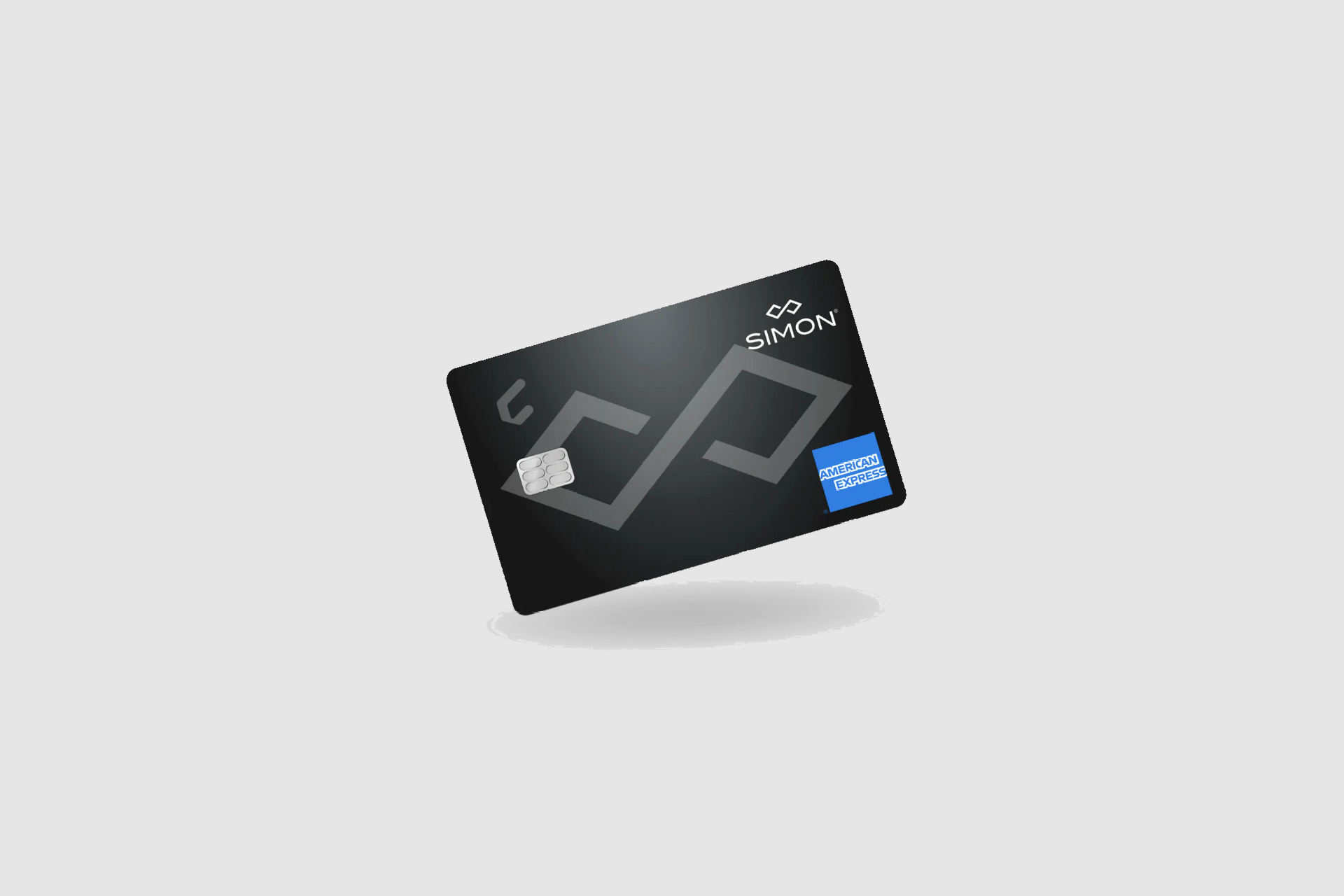
Cardless and Simon Property Group have joined forces to launch a new co-branded credit card. The new Simon® American Express® Credit Card offers unique savings at the mall (and everywhere else) and comes with a decent welcome bonus.

Simon and Cardless Launch New Credit Card

The Simon® American Express® Credit Card is a unique addition to the retail credit card marketplace. Simon, the largest mall brand in the United States, is betting big on a post-pandemic return to the malls and has joined forces with Cardless to launch a versatile rewards card that earns up to 5% cash back and more!

Simon Amex Card Details

The no annual fee credit card earns its best rewards at the mall, with the following breakdown:

  • Earn 5% at participating merchants
  • Earn 3% with retailers at any Simon Mall, Mills, or Premium Outlets in the U.S.
  • Earn 1.5% on Simon gift cards and mobile wallet purchases
  • Earn 1% on all your other card purchases

The 5% back on participating merchants category is particularly interesting, as it applies to the types of shops you find at Simon properties – including cornerstone brands. Here are the eight brands that make up the 5% back category:

Aeropostale Brooks Brothers Eddie Bauer Forever 21
Reebok JCPenney Nautica Lucky Brand

Even better, the 5% on those brands also includes online shopping. And if your favorite brand doesn’t feature on the list, don’t worry – all other purchases at Simon locations in the U.S. earn 3% back. Not bad!

The final bonus category is digital wallet purchases, with those purchases earning cardholders 1.5% back. For rewards churners, that 1.5% back also applies to gift card purchases at Simon Mall customer service kiosks. All other purchases earn 1% back, with rewards automatically redeemed as statement credits.

Some Flaws Exist

If the rewards structure with the Simon Amex sounds impressive, it’s not without its flaws. For example, the 5% and 3% cash back categories are capped at the first $10,000 in yearly combined purchases. Sure, that’s not a bad cap for the occasional shopper. Still, those looking to maximize their rewards might find better value elsewhere.

That better value might be from the U.S. Bank Shopper Cash Rewards™ Card. That card, from U.S. Bank, earns a whopping 6% back with two dozen brands, making it the ultimate store card.

Related Article: Ultimate Guide to Credit Card Merchant Offers

Featured image by Cardless

BestCards Membership Now Offers Double Cash Back

BestCards Membership, a free service which offers cash back, comparisons, and more, is now offering double cash back for new members.

BestCards Membership is a free, members-only portal that provides an impressive selection of consumer tools. These tools include a credit card comparison feature, financial calculators, and the ability to earn additional cash back rewards by shopping through eligible merchants. Now, membership includes a special incentive for new members – double cash back.

BestCards Membership Continues to Grow & Evolve

When launched last year, BestCards Membership offered an easy, effective way to compare credit cards, save reviews, and better understand your credit card. Since then, the program has grown in size and scope, adding useful comparison tools and repayment calculators.

Now, BestCards Membership is taking the next step by allowing members to stack deals and earn cash back. The BestCards platform now features nearly 75,000 deals from merchants and credit card issuers. Users can browse and select the deals they want. When completing the purchase, they could be eligible for additional cash back rewards over what your credit or debit card offers.

Earn Double Cash Back

Even better, BestCards Membership currently offers an exciting incentive. New registrants for the Membership platform get double (that’s 2X) the cash back from BestCards for the first 30 days. Plus, refer others to join, and you’ll receive 30 days of 2X cash back for every successful sign-up.

So, how does someone take advantage of the BestCards double cash back promotion? It’s easy – here’s what to do:

  1. First, sign-up for BestCards Membership (it’s 100% free).
  2. Next, browse through the thousands of merchant offers available within the Membership portal.
  3. Click “Shop Offer” for any deal that interests you
  4. If you use the deal offer and complete a purchase through the merchant’s website, you are eligible to earn cash back.

Earning cash back is automatic, with your “BestCards Cash Back” balance on the top right of the page.

Ready to join BestCards? Click here to sign-up today.

Terms & Conditions

Please note that every deal you see on BestCards has the potential to earn you cash back, but not it’s not a guarantee. For some deals, certain conditions need to be met (for example, you may need to spend above a certain amount, or you may need to purchase a specific product).

Typically, the cash back amount earned is a percentage of the total amount you spend on your purchase. However, for some deals the cash back earned may be a flat dollar amount. To determine how much cash back you could earn, please look at the cash back value on each deal you browse.

Related Article: Ultimate Guide to Credit Card Merchant Offers

Featured image by ReaxionLab/PixaBay

Meijer Changes for MPerks Program

Meijer making changes to MPerks loyalty prgram

Last updated on March 2nd, 2023

 Meijer, a leading Midwestern grocery chain, is making changes to its MPerks customer loyalty program. The changes are expected to finish rolling out across all states by February.

Changes Coming to Meijer MPerks

Meijer’s Mperks Rewards Program is a customer loyalty program that provides exclusive discounts on eligible purchases at Meijer stores. The program makes it easy for members to earn discounts on their purchases – rewards that grow even larger with a Meijer Mastercard® credit card.

Now Meijer is making changes to its MPerks loyalty program. The changes, starting tomorrow, will begin in select Meijer locations before rolling out across all stores in February. The most significant change to the Meijer MPerks program is an extension in the validity of reward points. Previously, MPerks reward points expired after 45 days. However, with the new changes, points will expire after 90 days – doubling their lifespan.

Another change to the MPerks program relates to points valuations. Members now earn 10 points for every $1 spent, with 1,000 points equal to $1 off. Finally, all prescriptions will earn points in the MPerks program. Previously, members needed to fill at least five prescriptions before earning points.

“Meijer is committed to providing value and convenience for our customers, and the changes we’ve made to mPerks expand on both by offering more personalized savings, along with more opportunities to earn points,” said Derek Steele, Meijer vice president of customer strategy, in a press release. “We want to ensure we’re continuing to provide personalized value while also making the experience fun and engaging.”

One of the major benefits of the Mperks Rewards Program is that members can track their rewards points and offers online. The program’s website allows members to view their current rewards balance, track their progress towards earning rewards, and view available offers. Members can also add digital coupons to their accounts and redeem them during checkout.

Related Article: Ultimate Guide to Online Shopping Portals

Featured image by igorovsyannykov/Pixabay

Chase & United Launch “Jet Set & Reset” Pledge

chase-united-launch-jet-set-reset-pledge

Last updated on August 14th, 2023

Chase and United Airlines have teamed up with Timeshifter, the world’s most advanced circadian technology platform, to launch the “Jet Set & Reset” pledge and Sweepstakes. The limited-time promotion is designed to help travelers understand and tackle the underlying cause of jet lag – a traveler’s worst nightmare.

Take the “Jet Set & Reset” Pledge to eliminate Travel Weariness

Jet lag is more than just frustrating. According to Timeshifter, jet lag causes significant human and financial costs – from poor concentration and reduced productivity to less enjoyment and weakened immune function. The Timeshifter app debunks common jet lag myths, instead replacing them with real science, allowing travelers to control circadian rhythms by taking small actions at specific times to ensure they arrive at their best.

Now the United Family of Cards from Chase is looking to help weary travelers with a limited-time-only promotion. Starting on January 17, 2023 (National Lose the Jet Lag Day) and running until at Tuesday February 7,2023 at 5:00 PM ET, United MileagePlus® cardmembers who take the “Jet Set & Reset” pledge to take on jet lag in 2023 will be entered into a Sweepstakes for a chance to win a prize from three potential prize categories that help turn those pledges into action:

  1. One winner will receive a year-long subscription to the Timeshifter jet lag app and 1 million United MileagePlus miles, the ultimate package for more and better travel experiences.
  2. Eight people will receive a year-long subscription to the Timeshifter jet lag app and 500,000 United MileagePlus miles.
  3. 500 pledge takers will win a year-long subscription to the Timeshifter jet lag app, which provides highly personalized plans for managing jet lag.

Take the pledge to enter the Sweepstakes and learn tips for overcoming jet lag by visiting: this page. Additionally, existing United credit cardmembers are eligible for a limited-time 50% discount off an annual Timeshifter subscription by visiting the Timeshifter site now through June 30, 2023.

Eligible Chase-United Credit Cards

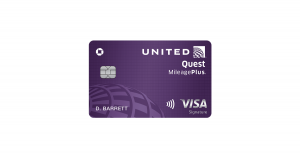
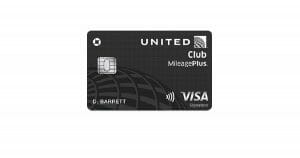
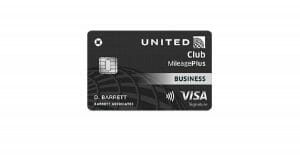
As noted, this sweepstakes is exclusive to United MileagePlus® cardmembers from Chase. Here is a quick breakdown of all the United co-branded credit cards eligible for this Chase promotion:

“Help People Maximize Travel”

“The United Family of Cards from Chase brings more and better travel to the world through card rewards and benefits, and the turn of the new year is the perfect time to commit to getting the most out of travel,” said Laurinda Rainey, General Manager of United Co-Brand Cards at Chase, in a press release “We are excited to launch this Sweepstakes on National Lose the Jet Lag Day to raise awareness of the impact jet lag has on travel.”

“We want United flyers to enjoy their travel experiences on and off the plane, and our United Family of Cards from Chase help people maximize their travel,” added Marketing & Loyalty VP and MileagePlus President Luc Bondar. “We’re excited to kick off the new year with an opportunity for travelers to take on jet lag and commit to getting the most out of their travel in 2023. With our expanded network reach this year, travelers have more access to their favorite destinations and new places they have yet to visit.”

Terms & Conditions

*No Purchase or Payment is Necessary to Enter or Claim a Prize. The Sweepstakes begins on 1/11/23 at 9:00 AM ET and ends on 2/7/23 at 5:00 PM ET. Sweepstakes is open to all legal residents of the 50 US and DC (having a valid Tax Identification Number (TIN) or Social Security Number (SSN)) who are 18 years of age or older at the time of entry and are a United MileagePlus® member. Void in Puerto Rico and where prohibited. The Sweepstakes is subject to the Official Rules

Featured image by Chase

The Ultimate Guide to Chase Offers

Merchant rebate offers, Chase Offers

Last updated on January 24th, 2024

Credit card companies always add new features to their credit card programs. One of the most popular credit card promotions is the merchant offer and rebate programs from banks like Amex, Citi, and Chase’s Chase Offers.

What is Chase Offers?

Like many of the largest credit card issuers, Chase provides eligible cardholders with additional savings through Chase Offers. Like Citi Merchant Offers or Amex Offers, Chase Offers give Chase cardmembers exclusive savings from the merchants they love. There are no clumsy coupons or redemption codes to remember; best of all, it’s free.

Where to Find Merchant Offers

Finding the Chase Offers is simple. To view available offers, log in to your Chase credit or debit card account (either through Chase.com or the Chase mobile banking app) and navigate to the “Chase Offers” tab.

Remember that merchant offers are not identical for all Chase cards you hold. Because of this, only add Chase Offers to the card you plan on using to take advantage of the deal.

Additionally, not all purchases at the merchant might not qualify for savings. For example, a Chase Sapphire Reserve cardmember might see Offers for CLEAR, the airport security fast-pass service, while Chase Freedom Unlimited may not. Always read the full terms and conditions before redeeming your Offers.

what is chase offers and how does it work?
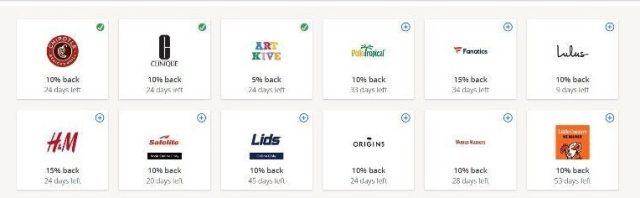
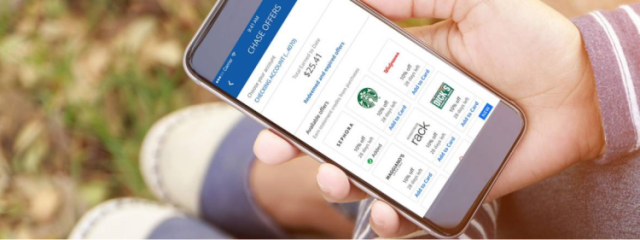
An example of some of the offers available through Chase Offers

Who Is Eligible for Chase Merchant Offers?

Not all Chase debit or credit cards provide Chase Offers. Currently, Chase Offers are available for all Chase credit cards that earn Ultimate Rewards points and all co-branded Chase cards.

Here is the current list of credit cards eligible for Chase Offers:

How Does Chase Offers Work?

As mentioned taking advantage of Chase Offers is simple and straightforward. Here’s what you need to do:

  1. Log on to your Chase dashboard through Chase.com or the Chase mobile app
  2. Navigate to the “Offers” page to see the full list of eligible Chase Offers
  3. Select an offer to see more details and to add the offer to the account
  4. Shop at the merchant using the eligible card! Cash The savings will be reflected on the account within 14 days of the purchase

Types of Merchant Offers

There are currently five types of Offers:

  • Travel
  • Dining & Entertainment
  • Shopping
  • Health & Wellness
  • Other
merchant rebate offers from chase

Can You Stack Chase Offers?

Yes! Chase Offers, like Amex Offers, is ideal for coupon stacking on sites like BestCards! Chase Offers are applied after the qualifying transaction is made, meaning you can stack till your heart’s content.

FAQs About Chase Offers

Here are answers to some of the most commonly asked questions about Chase Offers:

  • No. There is no sign-up or registration with Chase Offers. It is a service that is automatically available to select Chase credit cards.
  • You can find all your Chase Offers by signing into the Chase Mobile® app or Chase.com on your account dashboard.
  • No, your data is safe and secure with Chase. No additional account information will be available to merchants, meaning you can shop with peace of mind.
  • No. Chase Offers is only for Chase personal credit cards.

Featured image by beejees/PixaBay

Payback Plan Guide for Holiday Credit Card Debt

Payback Plan Guide for Holiday Credit Card Debt

Last updated on February 28th, 2023

The holidays are over, and it is the start of the new year, which means the holiday credit card statement may be rolling in soon. Start prepping your plan of attack to pay down holiday credit card debt. Do not make your credit card debt an afterthought. Instead, set yourself up for success, and follow this guide to help prepare a payback strategy.

Make a List of Your Holiday Debt

It may sound silly, but simply sitting down with a pen and paper or a spreadsheet can help you pay back holiday credit card debt. Begin by writing down the credit cards you have. Then the balances owed for each. In return, you get a bird’s eye view of your current holiday debt – an advantage for your plan of attack.

List Out Credit Card Interest Rates

On this list, you should also allow space for interest rates. The soaring interest rates and frequent changes make it a good point to highlight the cards with the highest rates. You can use this as a guide to determine how you want to tackle your holiday credit card debt. Typically, there are two methods of cutting down on credit card debt, and that’s either the snowball method or the avalanche method. The snowball method is when you tackle your smallest credit card debts first until you get to your highest credit card debt balance. With the avalanche method, you need to take note of interest rates, as with this method, you tackle the debt with the highest interest rate first.

Consider a Balance Transfer Credit Card

This next step in the guide is optional. Depending on your situation and your comfort with your credit card debt, you may want to consider a balance transfer credit card. In essence, a balance transfer credit card is used to pay down an existing credit card debt at a better rate.

As previously mentioned, credit card interest rates are worth noting. Many balance transfer credit cards have introductory rates as low as 0% for a certain period. Transferring over existing credit card debt to a card like the Citi® Diamond Preferred® Card will benefit you with 0% intro APR for 21 months on balance transfers. The lengthy introductory offer – three months shy of two years – can help you avoid the accruement of interest on existing credit card debt. Ultimately a balance transfer can help you pay less money on your credit card debt.

Make Way For Additional Income

Easier said than done, but if you can manage a side hustle or two, it may help as a temporary aid to pay credit card debt. Again, this step is optional, but making extra cash can make a big dent in holiday credit card debt. Something like a garage sale or selling clothes you no longer need or want online can help as additional income.

Pay More Than Your Minimum Balance

Once you have taken all the proper steps and executed your plan to pay down holiday debt, plan how you will pay your balance. Always aim to pay more than your credit card minimum balance. The reason for this is to save yourself time and to avoid paying a ton of money on interest.

For example, if you have a credit card balance of $5,000 with a 26.99% APR and plan on paying it down in 21 months, you will pay about $1,328.25 in interest – assuming you pay $301.35 monthly. If you decided to only pay the minimum, which can sometimes be as low as $40, you will never catch up. Your debt will continue to pile up due to the interest. In the example above, if you switched out the $301.35 monthly payment for a lower payment of $120, your total paid interest on that debt can be as high as $9,928.47. And it would take you over ten years to pay down that debt if you were stuck with a $120 monthly payment.

The Last Step

More like the last piece of advice in this guide to help pay back your holiday credit card debt. Try your best to not use the credit cards you’re paying down. Think before you buy, and when you do make a purchase use your debit card. If you continue to charge the credit cards you’re paying down, the debt will only continue to pile on. Unless an emergency happens and you have no choice but to use your credit card, it’s best to avoid use and instead make purchases with debit or cash.

Related Article: How To Manage Holiday Spending Debt

Featured Image by Eliza Alves/baseimage

The Ultimate Guide to Online Shopping Portals

what is a shopping portal and how can i use one?

Last updated on January 24th, 2024

An online shopping portal is a commercial website that rewards shoppers with bonus cash back for making eligible online purchaseswith thousands of merchants.
 

What is an Online Shopping Portal?

An online shopping portal is any website or app that acts as a central hub for shopping. These portals let users browse and purchase products and services in a centralized, convenient location.

Shopping portals will give you bonus rewards simply for clicking through to a merchant’s website via their link. They will track your activity during a shopping trip, note how much you spent, and award you a specific percentage of cash back.

Types of Shopping Portals

Perhaps the most well-known of the shopping portals is Amazon. Despite its early start as an online bookseller, Amazon is now omnipresent in online shopping. Amazon is a one-stop shop for everything you could ever need – including oddball stuff like vehicles, buildings, and more.

Another prominent example of a shopping portal is eBay, another long-running site that began as a place to buy and sell preowned items but what now more closely resembles a swap shop or online flea market. Other examples of portals include Groupon, Rakuten, Retailmenot, and more.

Not all portals operate the same, however. Here are a few other types of shopping portals

Booking Portals

Booking platforms are not only commonplace but popular amongst holidaymakers. Travel bookings through online portals account for over 1.5 billion journeys per year. Perhaps the best-known of these portals is Booking.com, but there are dozens of sites, including Trivago, Priceline, and countless others.

Rewards Portals

A rewards portal is another form of shopping portal. These portals are tied to a rewards program and allow members to redeem points towards travel, merchandise, goods, and other services. Credit card portals, such as Chase Ultimate Rewards or American Express Membership Rewards, are examples of this type of shopping portal.

Credit Cards

The final major type of shopping portal is those that utilize credit cards to offer even greater rewards. These portals help members check out which additional deals they may qualify for when buying. Capital One Shopping is probably the best known of these sites, but there are others, including BestCards Membership (free to join).

How to Use Shopping Portals to Stack Deals

Using the credit cards you already have in your wallet to stack deals is a great way to save money online shopping. Many credit cards offer cash back or rewards for online purchases. Additionally, many online shopping portals provide their own rewards programs. BestCards, for example, offers double cash back to new members. Combining these two methods allows users to save even more money on their purchases.

Let’s say a user has the Citi® Double Cash Card, which offers 2% cash back on all online purchases. They are shopping on an online shopping portal that offers 6% cashback on all purchases; they can stack the deals to save 8% on their purchase. 

As seen in the example above, BestCards Membership takes all the hassle out of calculating what you’ll earn – instead, giving you everything you need to save in one handy location. In each offer’s details, you will comprehensively rundown all available rewards, discounts, or incentives.

If you use a credit card that earns points, miles, or cash back, you can see the rewards information added to the other potential discounts and rewards. And not sure which card to choose? Save them both using BestCards Membership’s Card Comparison widget.

Related Article: How to Save Money Online with Coupon Stacking

Are There Other Deals to Stack?

Beyond merchant coupons, payment network savings, and BestCards cash back, are there any other deals stackable? This is an emphatic yes! Credit card issuers are always looking to add new and exciting promotions for their card members. After all, their business is in making us use our credit cards.

Merchant Offers

Many credit card companies partner with certain merchants to offer increased rewards for using their cards at those merchants. Bank and payment networks (like Visa or Mastercard) offer exclusive customer savings for thousands of retailers and merchants.

These programs provide additional value beyond the credit card’s rewards structure, from credit scores to repayment calculators. One of the most popular credit card promotions is the merchant offer and rebate programs from banks like Chase, Citi, and American Express.

Manufacturer Coupons

Combining merchant offers from your bank with payment network benefits and your credit card rewards opens the door to massive savings – but there is still more to save. Many manufacturers are happy to provide you with coupons for special savings – you just have to ask. The easiest way to solicit free manufacturer coupons is to send an email inquiring about upcoming offers. Others send letters of complaint.

Fortunately, for those who hate asking, there are dozens of couponing websites to help you access those exclusive codes. Examples of popular couponing sites include Coupons.com, SmartSource.com, Lozo.com and more. Even better, these sites are free, meaning there is no overhead for additional savings.

Related Article: Ultimate Guide to Credit Card Merchant Offers

Featured image by justynafaliszek/PixaBay

How to Choose a Secured Credit Card

how-to-choose-a-secured-credit-card

Last updated on September 21st, 2023

The best credit cards are for people with the best credit scores. This fact is frustrating for people with bad credit scores. Fortunately, secured credit cards offer a straightforward way to rebuild or repair credit with financial responsibility. But what should you look out for when picking your next card? Here are our top tips on how to choose a secured credit card.

What to Look for When Picking a Secured Card

There are six key features to look for when choosing a secured card:

Eligibility Requirements

First and foremost, always ensure you meet the eligibility requirements before applying for any secured credit card. Secured credit cards might seem to be a sure thing – after all, your deposit equals the credit line – but there are plenty of reasons why your secured card application is denied.

Some banks have credit score requirements for secured cards, making some offerings more challenging than others. Additionally, many issuers have strict rules regarding customers. Credit unions, for instance, require you to become a member before applying, or national banks may deny applications if you’re past due on another account.

International students should pay particular notice to the eligibility requirements, as many banks do not accept applications without a Valid Social Security Number (SSN). Others, like the Deserve® EDU Mastercard, allow international students with a valid Individual Taxpayer Identification Number (ITIN) instead. An ITIN is an ID number the IRS issues to anyone who needs to file income tax returns in the United States but doesn’t qualify for an SSN.

Related Article: Who Can Apply for a U.S. Credit Card?

Affordable Security Deposit

What separates a secured credit card from an unsecured card is the security deposit. This deposit acts as collateral for the credit line, making lenders more willing to offer credit cards to people with bad credit scores.

Many secured credit cards require a deposit of around $200 to $300. Some credit union secured cards require a deposit lower than this. Generally speaking, however, plan for a minimum deposit of around $200. You can always deposit more (sometimes up to $5,000 for a personal card and about $35,000 for a business secured card), but for many, a minimum deposit is all they can afford to spend.

If affordability is an option, consider a card with a low deposit requirement. The Capital One Secured Card, Discover it Secured Card, and BankAmericard Secured credit cards all require just $200, making them accessible for people with bad credit and modest finances. Other popular cards, like Green Dot, First Progress, and OpenSky, also require just a $200 deposit.

Manageable Fees

Most secured cards come with a variety of fees, but make sure you don’t get a card with a ton of hidden fees or high charges for essential services. Many of the charges are avoidable under most circumstances. If you pay your bill on time, for example, you won’t have to worry about late fees, APR, or penalty fees.

One fee you may not be able to avoid is the annual fee. Many secured cards charge an annual fee. Costs vary but expect a yearly charge of between $25 and $99. Any annual fee over $50 is too much, as you probably won’t get what you pay for. Instead, aim for a secured card with an annual fee of $50 or less.

If you are paying a higher annual fee, make sure you get your money’s worth. The Merrick Bank Double Your Line Secured Credit Card® features a $36 annual fee but can help you bridge the gap between secured and unsecured by doubling your credit line after seven on-time payments – with no additional security deposit requirements. That impressive feature makes the annual fee worth it – but without an enticing offer like that, you should avoid cards with high fees.

Grace Period

Even if you plan to pay your statement balance on or before it’s due, having a credit card with a grace period is essential to protect against late payments. A grace period is between the statement date and the due date. You won’t pay any interest during this time if you pay your statement balance from the previous month in full.

Make sure to see that the credit card you want offers a grace period before applying. Not all banks provide a grace period. With no grace period, a secured credit card can get expensive fast since purchases start accruing interest from the transaction date.

Credit Bureau Reporting

Secured cards are primarily for building credit. As such, all worthwhile secured cards should report to the major credit bureaus. Experian, Equifax, and TransUnion are the three major credit reporting agencies, so make sure your card regularly reports to these bureaus. Making consistent on-time payments, paying statement balances in full, and keeping your credit utilization low are all keys to boosting your credit score.

Related Article: How Bad Is My Credit Score?

Chance to Upgrade

Some secured cards offer automatic upgrades. Discover, for instance, may upgrade the Discover it Secured Card to a Discover it Chrome Card in as little as six months. Not every credit card issuer offers a path to upgrading, though, so make sure to consider your future credit plans before applying.

Just because a bank or issuer doesn’t offer unsecured cards doesn’t mean you should avoid applying, however. Cards like the OpenSky Secured Visa don’t require a credit check and allow deposits of up to $3,000. Using cards like this, or even offers from Merrick BankFirst Progress, Self, or Chime makes sense for those who want a credit score boost.

If you have an average credit score in the 600s, an existing secured card can quickly boost your score by increasing the credit line with a large deposit. Add a few thousand dollars to your deposit, and a 650 credit score can become 675 or even 680 (good credit) in a few months. This boost comes from an increase in overall credit limits and a reduction in credit utilization.

Related Article: How to Bounce Back from a Subprime Credit Score

Things Not to Worry About

There are also things not to worry about when choosing a secured card. The biggest of these factors is rewards. There are secured cards with rewards, such as the Discover it. While the card does offer 2% back on gas and dining purchases, in reality, this won’t add much value. Given that many people will make a minimum deposit, the total amount of rewards available is likely $10 or so per year. Yes, this is still a reward, but is it worth it versus building your credit and getting a lower APR with another card?

Summing It Up

Before choosing a secured card, pay close attention to a few key features:

  • Annual fee
  • Hidden fees
  • Minimum deposit required
  • Ability to build credit quickly

There are many other factors to consider, such as APR (if you plan to carry a balance) and rewards. If you carefully consider the pros and cons and keep an eye on the bigger picture – your credit future – you can rebound from bad credit and move on to balance transfer cards, or even impressive rewards cards, shortly.

Related Article: What Are the Easiest Credit Cards for Bad Credit to Get?

What Is a Deep Subprime Credit Score?

what_is_deep_subprime_credit

Last updated on August 24th, 2023

According to the consumer Finance Protection Bureau (CFPB), approximately 20% of the U.S. adult population has subprime credit. Six percent of consumers have subprime credit, or a FICO Score between 580 and 659, while a startling 13% have deep-subprime credit. But what exactly is “deep subprime credit”, and how does having this credit profile hurt your chances of getting new loans or low interest rates?

What is Deep Subprime Credit?

“Prime” and “subprime” are two credit terms that many Americans are familiar with. Prime credit, of course, refers to those consumers with credit scores that lenders are most eager to lend to. Subprime. meanwhile, refers to those individuals just below prime borrowers. Deep subprime, however, is the term used for a consumer whose credit score is well below what most lenders look for in a borrower.

According to the CFPB’s Consumer Credit Panel, a deep subprime borrower is any consumer who has FICO Score below 580. While the precise definition of a deep subprime borrower may vary from lender to lender, or based on the loan type, it is safe to equate this credit profile with a bad or poor credit score.

Understand the Factors That Impact Your Credit Score

FICO Score Factor % of Score
Payment history 35%
Credit utilization 30%
Credit history 15%
New credit 10%
Credit mix 10%

FICO places significant weight on payment history, as this is the biggest indicator of a person’s ability to repay any new credit they may receive. Nearly as important is the amount of available credit that individual is currently utilizing, which makes up 30% of the score.

Of less significance (but still important) are the types of credit a person has, the number of hard inquiries they have in the past 12 months, and the length of their overall credit history. 

How Does Having Deep Subprime Credit Impact You?

Having bad credit can have several negative impacts on your personal finances and your ability to borrow money:

Poor credit makes it much more difficult to find a lender willing to offer you a loan or credit card.

People with bad credit receive lower credit limits or loan offers than individuals with higher credit profiles.

A bad credit score means you’ll receive a substantially higher interest rate on loans and credit cards for credit you can get.

Just how much can a deep subprime credit score hurt you? According to a study by Experian, on the largest major credit bureaus (along with Equifax and TransUnion), people with poor credit pay roughly triple the average interest rate of someone with prime credit:

Credit Profile Avg. Loan APR
Super-Prime 3.65%
Prime 4.68%
Near-Prime 7.65%
Subprime 11.92%
Deep-Subprime 14.39%

How to Repair Bad Credit

Your credit score is one of the most important pieces of information you have. Since your credit score determines your eligibility for mortgages, personal loans, and credit cards, it’s vital that you take steps to repair it if you have deep subprime credit.

There are steps you can take to rebuild bad or poor credit. Here are a few of our top tips for repairing your deep subprime credit score in no time.

Get a Copy of Your Credit Reports

Getting a copy of your credit reports is the first step on the road to credit repair. Until you know precisely what’s in your credit report, you won’t have all the critical information you need to create a game plan. 

Federal law entitles all adults access to a free copy of their credit report from all the major credit bureaus every year. This law means you can access your Experian, Equifax, and TransUnion credit reports once a year without any additional costs. 

To obtain your free credit reports, visit annualcreditreport.com. Additionally, you can call Central Source at 1-877-322-8228.

Get a Copy of Your Credit Reports

Since payment history is the single most crucial factor in determining your credit score, late payments can cause serious harm. 

The good news is that late payments are removable from credit reports – but it takes persistence and some luck. Calling your creditors and asking for a “goodwill adjustment” is your best bet. If they refuse this adjustment, try negotiating an automatic payment plan for late payment remark removal.

Reduce Your Credit Utilization

Credit utilization (or credit use) is the second most important factor in a FICO Score. Keeping your credit utilization under 30% is essential for maintaining a good credit score. The lower you go, however, the better the results.

Try to reduce your credit card spending to under 30% of your overall limit – or less than 10% if possible, as this is the optimal percentage. This action can lead to a quick jump in your credit score as early as the next reporting cycle.

Our credit card repayment tool can help you calculate how long it will take to pay down your current balances, including how much you can expect to spend on interest:

Consider Adding a Secured Credit Card to Raise Your Credit Score

The more credit available to you, the better. When you have more available credit, and your credit utilization is low, lenders see you as financially stable. Increasing your overall credit lines can be difficult if you have bad credit, however. Fortunately, secured credit cards offer an easy way into higher credit lines.

How Does a Secured Credit Card Work?

A secured card is like any other credit card, with one exception. Secured cards require a security deposit that acts as the credit limit and the collateral for the line of credit.

What are the Benefits of a Secured Card?

Secured cards offer many advantages to people with deep subprime credit. These include access to credit, the ability to build a positive payment history, a refundable deposit, and more.

How Do You Use a Secured Card Effectively?

The best way to use a secured card to build credit is to use it for small purchases. Also, pay your bill on-time, and try to pay your statement in full each month.

What Are Some of the Best Secured Cards for Rebuilding Your Subprime Credit Score?

There is a huge selection of great secured credit cards on the market. The best secured cards help you repair your credit and advance you to better loan products – and lower interest rates in the future. 

When selecting a secured card, there are several factors you want to consider. These include:

  • Deposit Requirement: The minimum security deposit issuers require you to make is typically around $200. If you’re short on cash, you may want to search for a card with a lower requirement.  
  • Regular Reporting to the Major Credit Bureaus: Always check the application form to ensure the card you are considering reports to all the major credit bureaus each month. Without regular reporting, your hard work will be for naught.
  • Annual Fees: The majority of secured cards charge an annual fee. Some less-scrupulous lenders may charge a fee of $75, $100, or more per year. Try to aim for an annual fee of around $50 or less. 

OpenSky Visa Secured Card

opensky_secured_visa
No Credit Check to Apply
  • Build credit with on-time payments
  • Reports to the three leading credit bureaus
  • Zero Fraud Liability
☆ Fast Online Application
☆ Credit Limits Between $200 and $3,000
☆ Access to OpenSky Knowledge Base
☆ 24/7 Online Account Access

The OpenSky® Secured Visa® Credit Card is one of the most popular secured cards on the market – and it’s easy to see why. The card features an annual fee of $35 and the purchasing power and security that comes from a full-fledged Visa credit card.

The real value of the OpenSky Secured, however, comes from the fact that there is no credit check required to apply. No credit check means applying for the card will not hurt your credit score. This feature lets you build credit quickly – and without any initial harm to your credit score.

Merrick Bank Double Your Line® Secured Credit Card

merrick bank double your line secured 224x141
Double Your Credit Line in 7 Months
  • Double your $200 credit line with on-time payments
  • Monthly reporting to the three major credit bureaus
  • Fraud coverage if your card is lost or stolen
☆ Quick Application
☆ Your Deposit Is Your Credit Line
☆ Build Credit with Responsible Use
☆ Get Your FICO® Score Free Each Month

The Merrick Bank Double Your Line® Secured Credit Card is a useful tool for boosting your credit score thanks to its Double Your Line feature. The card requires an initial security deposit of $200. Once  cardholders make each of their first seven months, they will automatically have their credit line raised to $400 – without the need to add more funds through additional security deposits. This credit line increase is the perfect motivational tool on your credit journey – and can help you take the first step towards a brighter future with unsecured credit in as little as seven months.

To view more excellent secured credit card offers, please visit our Secured Credit Cards category page, and check out our dedicated credit repair resources.

For more advice on selecting a secured credit card, please visit the following resources:

Inflation Strains Small Business Credit Card Customer Satisfaction

Inflation Strains Small Business Credit Card Customer Satisfaction

According to the J.D. Power 2022 U.S. Small Business Credit Card Satisfaction Study, inflation has stressed customer satisfaction among small business credit card holders. For the second consecutive year, American Express ranks the highest in overall customer satisfaction, followed by Chase. Here are the study’s key findings.

Inflation Weakens Small Business Credit Card Customer Satisfaction

J.D. Power finds inflation has put a strain on business credit card overall customer satisfaction. In fact, 65% of small business owners say inflation has had a major or severe effect on their business, while 51% currently struggle with supply chain challenges. As a result, credit card issuers face a new set of challenges. They must find creative ways to support small businesses in the current economic state.

Study Findings

The J.D. Power 2022 U.S. Small Business Credit Card Satisfaction Study has five significant findings. For starters, they found that overall customer satisfaction falls flat because of the hold inflation has on business outlook. Overall satisfaction among small business credit card customers is down one point in comparison to the findings of the previous year. The 2022 findings received 851 points ranked on a 1,000 points scale. Most importantly, 65% of small business owners say inflation has had a severe or significant effect on their business.

Next, the 2022 study found inflation hurts all-important rewards value. There is a significantly lower reward satisfaction among small businesses. The cardholders affected by inflation also claim a significantly lower satisfaction rate for the rewards earned per dollar. Additionally, small businesses are also unsatisfied with the ability to completely maximize rewards with their most frequent purchases.

Furthermore, the study reveals spending among business credit card customers decreases while their revolving debt increases. Only 25% of business owners plan to increase business-related spending in the next 12 months, which is down from 29% the previous year. In the 2021 study, 50% of business owners planned on spending more than $5,000 per month. In comparison, the 2022 study is down by 4%, with 46% of business owners planning to spend over $5K. On the other hand, the percentage of small businesses that have revolving debt has grown to 44% from 39% in 2021.

The study also pointed out some travel findings. According to the study, airline reward cards continue to rebound while co-branded retail cards decline. The customer satisfaction scores for co-branded retail cards have declined by 37 points in the past four years. In contrast, customer satisfaction with airline reward cards has increased by 12 points in the same timeframe.

Lastly, the study found that proactive account management drives increased customer satisfaction. When small business owners are assigned a dedicated account manager by their credit card issuer, the study found customer satisfaction increased by a significant 35 points. There is a 77-point increase in customer satisfaction among business owners who say they are worse off in 2022 than they were in the previous year. Press Release.

Related Article: The Best Subprime Business Credit Cards

Featured image by Dean Drobot/Canva

Steps to Tackle Overspending and Debt

Steps to Tackle Overspending and Debt

Last updated on March 7th, 2023

Overspending and holiday debt happen, with a credit score drop typically occurring right after. While it may take time and effort, repairing your credit score is crucial for maintaining your financial health and securing future loans and other financial products. Here are a few tips to help you improve your credit score after falling into debt over the holiday season.

Immediate Steps to Take to Tackle Holiday Overspending

Here are some quick steps to take if you’ve overspent this holiday season:

Check Your Credit Report for Inaccuracies

Review your credit report and identify any errors or inaccuracies. Your credit report is a detailed record of your credit history, which lenders use to determine your creditworthiness. Reviewing your credit report can identify any errors or inaccuracies that may negatively affect your credit score. If you find any mistakes, you should contact the credit reporting agency to have them corrected.

US Consumers are entitled to a free copy of their credit report from each of the three major credit bureaus: Experian, Equifax, and TransUnion. You can request instant access to your credit report at AnnualCreditReport.com. You can also order your credit report by phone by calling (877) 322-8228. Your free report will be processed and mailed to you within 15 days.

Gameplan Based on Your Findings

Create a plan to pay off your debt. Once you’ve reviewed your credit report and identified any errors, it’s time to create a plan to pay off your debt. Start by listing your debts and their interest rates and prioritize paying off the ones with the highest interest rates first. This will help you save money on interest and make it easier to pay off your debts in the long run.

And if you need some help game planning your finances, check out BestCards’ handy Credit Card Payoff Calculator. This helpful tool can help you simulate your payments and provide a repayment strategy to help tackle your debt:

Consolidate if Possible

Consider consolidating your debt. If you have a lot of debt and are struggling to make monthly payments, you may want to consider consolidating your debt. Debt consolidation involves taking out a single loan to pay off multiple debts, making it easier to manage your payments and save money on interest.

One of the easiest ways to consolidate debts is by opening a new credit card account –a  new balance transfer credit card. The main reason to apply for a balance transfer card is that it can make paying off your debt a little easier. This approach to debt management may also help you save money in the long run and reduce your risk of defaulting.

Related Article: The Best Balance Transfer Credit Cards

Ensure You Always Pay On-Time

Make your payments on time. Paying on time can improve your credit score and demonstrate to lenders that you are a responsible borrower. One of the most significant factors that affect your credit score is your payment history.

Curb Your Credit Usage

While using credit responsibly is essential, it’s also important to limit your usage. Credit utilization, how credit use is measured, is one of the biggest impactors on your credit score. Your credit utilization – or the amount of available credit you use – accounts for 30% of a person’s FICO Score and 23% of what makes up a VantageScore.

Lowering credit utilization means avoiding applying for new credit cards unless necessary and only using your credit cards for purchases you can afford to fully pay off each month. By limiting your use of credit, you can avoid falling into debt again and improve your credit score over time.

Summing It Up

Repairing your credit score after falling into debt over the holiday season may take time and effort. Still, it’s worth it in the long run. By following the tips outlined above, you can start taking steps to improve your credit score and get back on track with your finances.

Related Article: Rising APRs Require Credit Card Debt Strategies

Featured image by StartupStockPhotos/PixaBay
 

Self Financial Adds Rent and Utility Reporting

Self Financial Adds Rent and Utility Reporting

Last updated on August 24th, 2023

Self Financial has added rent, utility, and cell phone reporting to its platform. The big update aims to help U.S. consumers build credit. Along with other services Self Financial provides, it broadens the choices consumers have on their credit building journeys.

Self Financial Starts Rent and Utility Reporting

Self Financial is a fintech company offering a credit-building platform to U.S. consumers with low or no credit. And now they have included rent and utility reporting as part of their services, which also includes cell phone payments. The new additions will report to major credit bureaus which include Experian, Equifax, and TransUnion.

Self Financials’ new service will report rent payments to all three major credit bureaus. The utility payments, including cell phone, electric, water, and gas, will get reported to TransUnion. Self has had these plans in the works since the beginning of the year. At the start of 2022 Self acquired a consumer data reporting company, LevelCredit. With the new acquisition, Self Financial began Beta testing exclusively to the company’s one million+ customers.

How Does It Work?

The new rent and utility reporting service work as a monthly subscription. Consumers can choose to pay $6.95 a month to connect their bank accounts and select which eligible payment(s) to report. The subscription includes:

  • Instant alerts
  • Monthly credit & score summary
  • $1 million in identity theft insurance and restoration

In addition, monthly subscribers can choose to pay a one-time fee of $49.95 to retro up to two years of prior payment history reported on their credit report. According to the Consumer Financial Protection Bureau report, more than 100 million Americans have a low or no credit score. And payment history accounts for 35% of a consumer’s credit score. Therefore the rent and utility reporting Self Financial provides has the potential to make an encouraging impact on consumers’ financial well-being.

Part of what makes Self products convenient for credit building is that no hard credit check is required to get started. With the addition of rent and utility reporting, new and current Self customers can pick from various credit-building paths to fit their individual goals and budgets. Self Financial services include:

  • Building credit through savings with Self’s flagship Credit Builder Account
  • Building credit with the Self Visa® credit card, which offers secured and partially secured credit to eligible customers
  • Building credit through Self’s latest product, a subscription service that helps people report their rent and utility payments to the credit bureaus

“With inflation and so much economic uncertainty, consumers are under a great deal of financial pressure. Having access to credit is the key to financial freedom because credit gives people options, especially when the unexpected happens,” said Monique White, Head of Community at Self. Press Release.

Get the Savings Plan That Helps Build Credit Today!
  • Monthly reporting to 3 major credit bureaus
  • No credit check needed
☆ No Credit History Needed
☆ Over 500,000 Trust Self to Build Credit
☆ Get $ Back After Building Credit

About Self Financial

Self Financial is a credit-building platform working to increase economic inclusion and financial resilience through products that make building credit accessible. With no hard credit check to get started, Self’s signature Credit Builder Account and secured Self Visa® Credit Card issued by its partner banks are designed to enable people to build credit and savings simultaneously.

Related Article: 5 Reasons to Get the Self Visa Card

Featured image by numbeos/Getty Images Signature

Advertiser Disclosure

BestCards is an independent, Florida-based credit card comparison platform. Many of the card offers that appear on this site are from companies from which BestCards receives compensation. This compensation may impact how and where products appear on this site (including, for example, the order in which they appear). BestCards does not include all card companies or all card offers available in the marketplace.