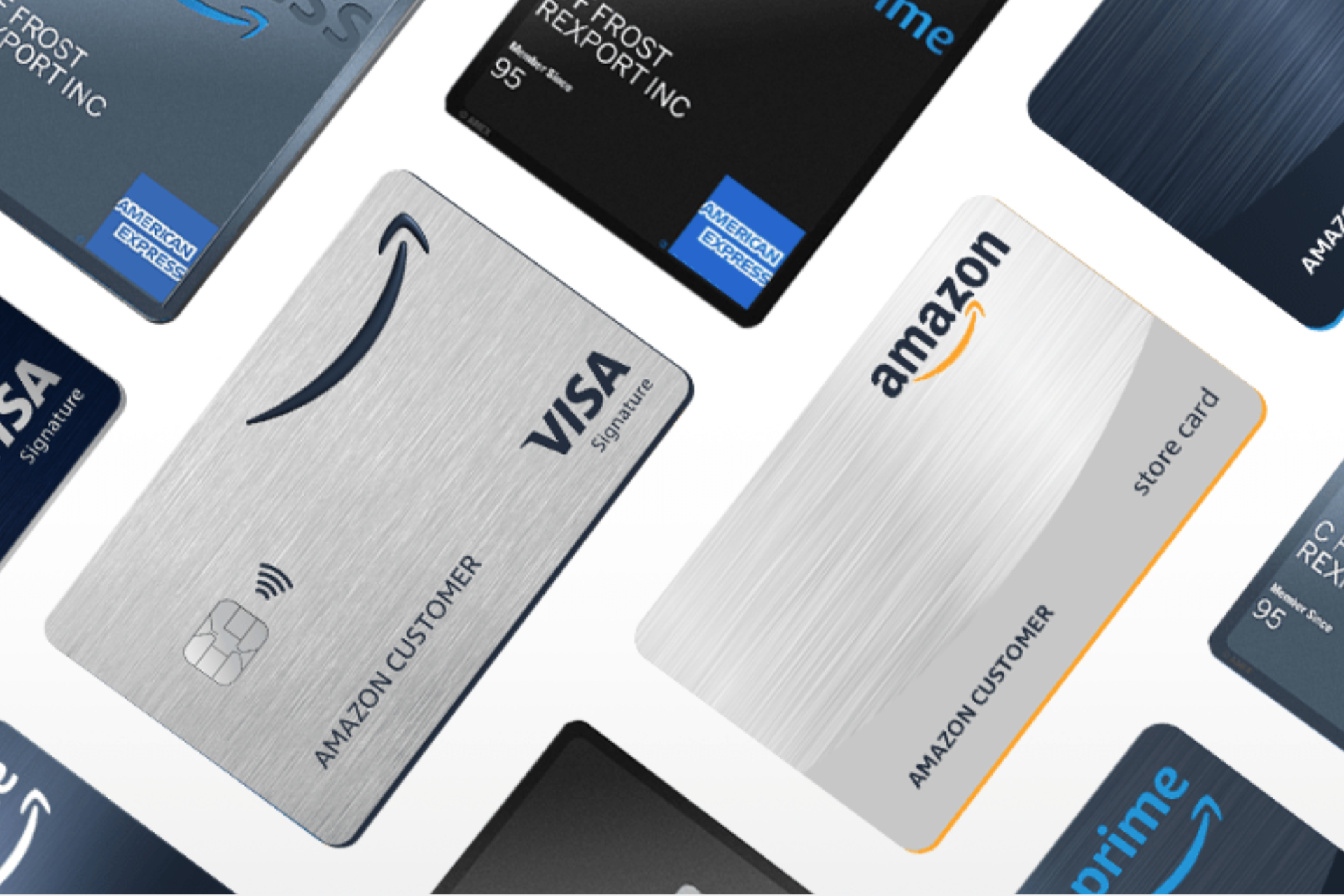
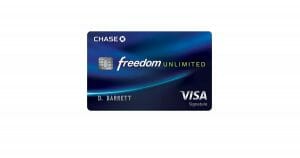
Chase and Amazon have unveiled new benefits and features on the Amazon Visa credit card portfolio, including new art, card names, and, most importantly, more cash back rewards. Here are all the major changes to the Amazon Visa credit card portfolio.
Chase Makes Major Changes to Amazon Credit Cards
The Amazon personal credit cards from Chase have had a makeover. The formerly Amazon Rewards Visa and Amazon Prime Rewards Visa credit cards now have new names, art, and features to maximize cardmember value.
Through the newly renamed Prime Visa and Amazon Visa credit cards, cardmembers can now earn up to 5% back on purchases made through Chase Travel. Prime Visa cardmembers earn 5% back, and Amazon Visa cardmembers 3% back on travel purchases made through Chase’s new and enhanced travel booking platform. Prime Visa and Amazon Visa cardmembers also earn 2% back on local transit and commuting, including rideshares like Lyft and Uber.
These new benefits are on top of the cash back rewards Amazon credit cardholders already earn on select purchases. Prime Visa and Amazon Visa cardmembers earn cash back on Amazon.com and Whole Foods purchases (5% back and 3% back, respectively) and on restaurants, gas stations, and drugstore purchases (3% and 2% back, respectively). Both cards enjoy Visa Signature protections and benefits, including:
Zero Fraud Liability
Cardholder Inquiry Services
Emergency Card Replacement
Luxury Hotel Collection
Extended Warranty Coverage
Roadside Dispatch
Lost/Stolen Card Reporting
ID Navigator from Norton
Travel & Emergency Assistance
Here are how the two Amazon credit cards from Chase compare:
Earn 5% back on Amazon.com and Whole Foods Market purchases
Earn 3% back on Amazon.com and Whole Foods Market purchases
Earn 5% back on purchases made through Chase Travel
Earn 3% back on purchases made through Chase Travel
Earn 3% back on purchases at restaurants, gas stations, and drug stores
Earn 2% back on purchases at restaurants, gas stations, and drug stores
Earn 2% back on local transit and commuting, including rideshares
Earn 2% back on local transit and commuting, including rideshares
Earn 1% back on all other purchases
Earn 1% back on all other purchases
Annual fee
No annual fee
No annual fee
Daily Rewards Added
Both Chase Amazon credit cards also allow cardmembers can earn, view, and redeem rewards earned on their card daily rather than monthly, with the introduction of daily rewards. The addition of this new reward is a great way to quickly access points during busy periods – like the holiday season – where instant rewards can make (or break) a shopping trip’s budget.
“Even More Value. Faster”
“The addition of travel-based earn opportunities on the cards and ability to now redeem rewards points earned on purchases as soon as the next day means we’re providing even more value to our cardmembers faster,” said William Mahoney, General Manager of Amazon Visa cards at Chase in a press release accompanying the news.
“We’re excited to offer cardmembers—whether Prime members or not—even more ways to earn rewards for their Amazon purchases and everyday activities,” added Tyler Aldrich, director of Amazon Payment Products. “We’re committed to providing customers value during their shopping experience, and we look forward to introducing more ways for customers to save and earn on Amazon.”
The Bilt Rewards loyalty program just got even more rewarding. Effective April 18, 2023, Bilt members can earn up to 11X points on dining through the new Bilt Dining Program. Here’s everything you need to know about Bilt Dining, including how to earn a dizzying 11X points per dollar spent.
Bilt Dining Launches
Credit card dining programs are a popular feature of many frequent flyer programs and credit card networks. These programs, like AAdvantage Dining from American Airlines, Capital One Dining, and Resy, are just a few examples of popular dining portals. These programs allow members to earn additional points or miles with select restaurants – just for using a linked credit card.
And now Bilt is joining the dining program game with Bilt Dining.
Bilt Wallet
A new digital wallet, Bilt Wallet, makes the new Bilt Dining program possible. The mobile wallet lets Bilt Rewards members add any credit card to their rewards account, meaning they can maximize their rewards no matter what credit card they have. Even better, the first three cards added to your Bilt Wallet will earn 100 Bilt points each.
How Does Bilt Dining Work?
Using Bilt Dining is simple. The program lives within the Bilt mobile app interface under the “Dining” tab. There, you’ll find a list of eligible restaurants. You can sort results by Bilt’s top picks or filter by location, cuisine type, and price range. The program is currently limited to Atlanta, Boston, Chicago, Dallas, and New York City, although Bilt plans to add new locations continuously.
The Bilt Wallet aspect of Bilt Dining means you can add any credit card and maximize your rewards. So even if your credit card doesn’t earn rewards, you can still earn 5X points on the dining purchases – just for being a Bilt Rewards member.
Earn Up to 11X with the Bilt Mastercard
Bilt members who also hold the Bilt Mastercard credit card from Wells Fargo can earn even more rewards – up to a staggering 11X Bilt points through the Bilt Dining program. Bilt cardholders earn 3X points on dining daily, with the Bilt Dining program offering another 5X. Eight points per dollar on dining is great, but that bonus is again supercharged, thanks to Bilt’s “Rent Day” promotion.
“Rent Day” Double Points Bonus
On the first of every month, Bilt Mastercard cardholders can double their earnings in addition to 1x points on rent. This monthly “holiday,” known as “Rent Day,” brings that dining points total to an impressive 11X.
It’s worth noting that the “Rent Day” promotion does not apply to the 5X points members earn through Bilt Dining. Instead, it’s the 3X points on dining that Bilt Mastercardholders earn that doubles. Here’s a points breakdown of the Bilt Mastercard on everyday purchases (and “Rent Day” bonuses:
Category
Earning rate
Rent Day rate
Rent
1X (on up to $50,000 per year)
1X
Dining
3X
6X
Travel
2X
4X
All other purchases
1X
2X
About Bilt Rewards
The Bilt Rewards Alliance is a collection of over two million rental homes across the United States. The program is also the first of its kind to offer reward points on rent, with Bilt Mastercard cardholders earning 1X points per $1 spent on rent purchases (up to $50,000 in rent payments per year).
While Bilt Rewards is owned and operated by the Blackstone Group, America’s largest real estate holder, you can earn points on rent regardless of your landlord – and if they accept card payments. If your apartment doesn’t accept credit cards or you rent outside the Bilt Rewards Alliance of landlords, make your payment through Bilt’s mobile app, and the company will mail a physical check to your landlord. This process ensures your rent is paid in a streamlined manner while still earning rewards points.
Parents who are looking to teach their kids about money may ask themselves what is the better tool to use. A credit card or a debit card? Let’s take a deep dive into the pros and cons of debit vs credit education for the youth. Here’s what you need to know.
Pros & Cons of Debit vs Credit Education for Kids
According to a Forbes Advisor survey from February 2023, Debit cards and credit cards are the primary payment method used among Americans. Over three-quarters of Americans (85%) surveyed use physical or virtual cards to make payments. This includes 54% of consumers who use debit cards, 32% who use credit cards, and 4% who use virtual cards. It only makes sense that we should teach our children a thing or two about the responsibilities of using credit cards and debit cards. The survey pointed out only 9% of Americans choose cash as their primary form of payment.
As cash dies out as the preferred payment method, choosing to teach kids financial responsibility will only benefit their future spending habits and finances. You may find a need to educate children on card payments, as many schools are switching over to card payments for school activities like sporting event tickets and more. The change comes partly because card payments offer more security as opposed to cash which can easily get lost or stolen. Cards on the other hand can at least be locked and replaced.
Credit Card Major Differences
A credit card differs from a debit card in that the payments are essentially loans from a bank that you as a cardholder must pay back – if a purchase is made – at the closing of a billing period. If the total balance is paid in whole, then your credit card balance accrues interest over time until the debt is fully paid off.
To apply and qualify for a credit card account you also must be 18 years of age. However, some credit card issuers allow kids to be added as authorized users to an existing account. If interested in getting your kid set up as an authorized user, contact your credit card issuer for information on their age restrictions.
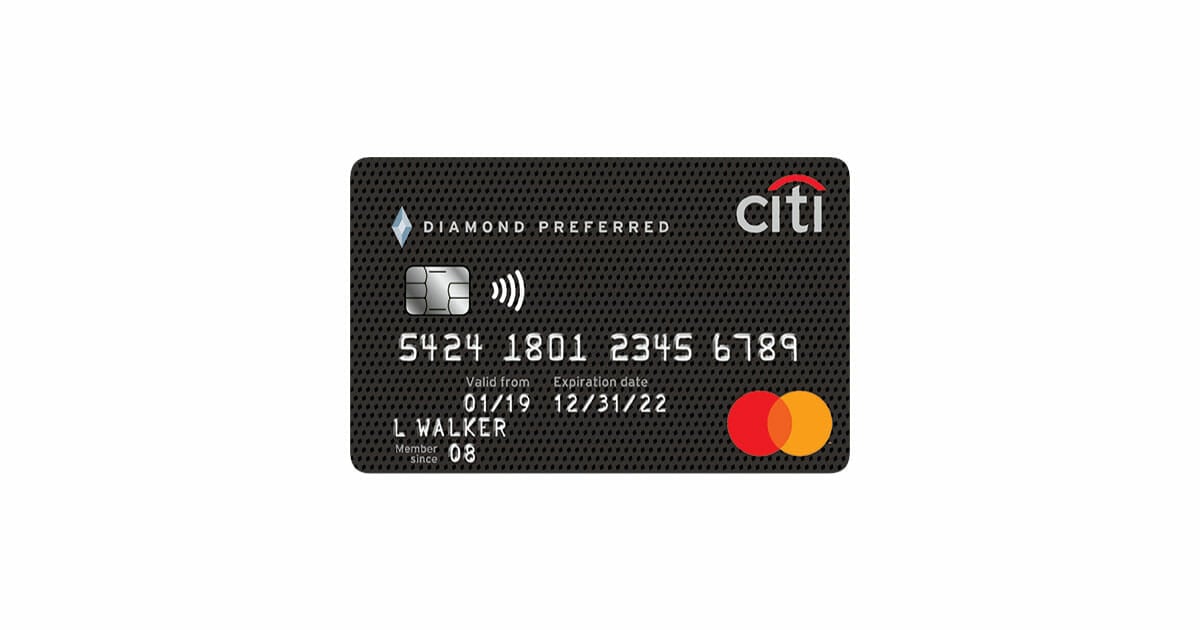
Citibank has no minimum age requirement for authorized users even on their cash back earning credit cards.
Discover allows a primary cardmember to add an authorized user 15 and older to their credit card account.
The minimum age requirement for authorized users of Amex credit cards is 13 years and they do report credit to the bureaus.
There is no set minimum age requirement, however it is up to Chase to approve or deny the authorized user request.
Pros of Credit Cards for Kids
Credit cards in general have many positives (if used responsibly). The good news is you don’t have to worry about your kid opening an account on their own without you knowing. Credit card issuers have an age restriction of 18 for applicants. If parents want to get their kids a credit card, they can add them as authorized users on an existing credit card account.
Consider that not all card issuers give the option of adding an authorized user. And if they do, then consider there may also be an age restriction for whomever you choose to add. To confirm authorized user age restrictions, reach out to your card issuer if you are interested in adding your kids to your existing credit card account. There are credit card issuers with no age restrictions like Citibank credit cards.
Building Positive Credit History for Your Kids
One of the major differences between debit cards and credit cards is credit reporting. Adding your child to an existing credit card account may impact their credit score. Some credit card issuers will report to the credit bureaus regardless of whether the authorized user is a minor or not.
For that reason, it may be a good idea to add your child as an authorized user to your oldest credit card account. This way, you can affect your child’s credit for the better, but only if you plan on making on-time payments and never carrying a balance. A good credit score is built through reliable credit history and credit utilization. Why not let your kids piggyback off your good credit history to open future doors for their finances?
A good credit score may help your kids:
Secure a job
Get lower interest rates on loans
In time, they can secure a suitable credit card of their own
Cons of Credit Cards for Kids
If it isn’t obvious already, the dangers of your child going on a major shopping spree and sending your credit utilization ratio through the roof are a possibility. You must be 100% positive you have taught your child the discipline necessary to manage a credit card responsibly. Teach your child about limits to avoid having to carry a balance on an accidental major purchase and to avoid paying interest. Make sure to regularly supervise your child’s spending via the card issuer’s website account or apps. Don’t forget to set alerts for all transactions.
Fun Fact: Only American Express allows primary cardholders to set spending limits for authorized users on all its consumer cards.
What About Debit Cards for Kids?
Debit cards may be an easier and more accessible option to provide your child if you want them to start gaining some experience with card payments. A prepaid card may also be a good option to give to your child. The downside prepaid cards may have fees and they may have limited options to monitor spending.
The card features easy loading and reloading, a helpful mobile app, and some fees to consider.
Send and receive money, link your debit card to your Account, and add funds via direct deposit.
Access and manage your account on the go via your phone.
Reload fee
Up to $4.95
$3.95 ($3.75 at Walmart)
$0 in network, $3.95 out of network
Fee-free ATM network
37,000+ (MoneyPass®)
37,000+ (MoneyPass®)
37,000+ (MoneyPass®)
However, prepaid cards will automatically have a set spending limit depending on how much you as a parent pre-load onto it. An easy feature to use if you are handing the card over to a child. Another positive is you can easily purchase a prepaid card almost anywhere in stores or online.
Prepaid Card
Debit Card
Preloaded with funds
Connected to checking account
Must be reloaded
Funds replenish with direct deposits
No overdraft
Overdraft available
Pros of Debit Cards for Kids
Accessibility is the biggest pro because, unlike credit cards, debit cards almost never have an age restriction, which makes them an easy choice if you want to get one for your kid. As a parent, you will also get access to banking via the debit card and will have the ease to access your kids’ debit account whenever necessary.
There are also kid-centric debit cards that may offer special features for assigning things like paid chores and allowances. A debit card also has more of a physical cash feeling which can make it easier to visualize limits to funds. Therefore, helping your children and maybe motivating them to budget their money accordingly.
In addition, debit cards pose no worries about accruing interest, but you should be mindful of things like overdraft fees. It would probably be best that your child’s debit card is not directly connected to the parents checking account for this reason. Credit cards have superior protections.
In contrast, debit cards have some protections that will aid with fraud or lost credit cards. However, these protections may be limited from the time the fraudulent purchase is made. Debit cards also do not have any effect on your child’s future finances as they don’t provide credit reporting.
The Walmart MoneyCard® is a debit card from Walmart that offers cash back rewards on select purchases, access to a full selection of checking and savings features, and more.
The Current Debit Visa Card for teens provides teenagers with the financial freedom of a Visa debit card and parents the total security of account controls, and more.
The GO2bank high-yield account and Visa® Debit Card provide the ideal platform for building savings and offering a headache-free banking experience – all with no hidden fees.
The Bottom Line
When the time comes, you as a parent should teach your kids about money and financial responsibility. Teaching kids about finances will only set them up for success for a better future. Whether you choose to teach them with a debit or credit card is up to you. Choose wisely and understand one is not better than the other, it just depends on what your current needs are for your kids’ learning style.
Buy Now Pay Later services gained considerable popularity during the coronavirus pandemic. These services allow consumers to finance eligible purchases over time, providing flexibility not found in some credit cards. Nw, Citi’s Flex Pay is making it even easier to pay later, thanks to new integrations with Amazon Pay.
Citi Flex Pay Added to Amazon Pay
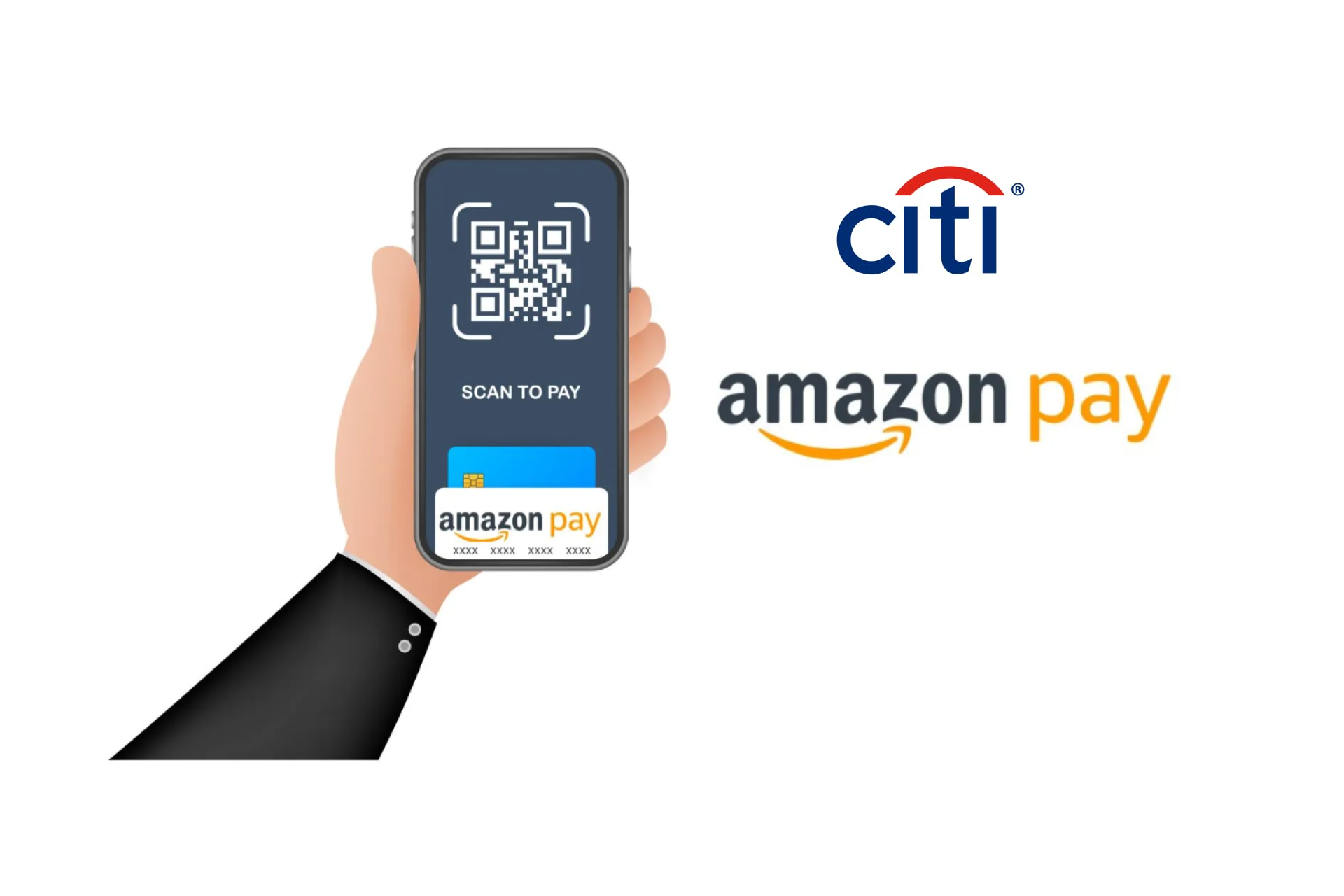
The Citi Flex Pay is a popular Buy Now Pay Later solution that lets Citi cardholders finance payment over time. Citi has now partnered with Amazon to add Flex Pay to Amazon Pay. Amazon Pay is an online payments processing service that lets users enjoy the convenience and security of Amazon wherever they shop.
What Is Citi Flex Pay?
Citi Flex Pay is a BNPL service from Citibank that is built-in to select Citi credit cards. The service acts like other BNPL solutions, allowing eligible Citi cardmembers to pay in equal monthly payments to fit their budget and providing them with purchasing power that helps make financing large purchases easier.
What makes the Flex Pay option so attractive is that it requires no application or credit approval – simply select the “Citi Flex Pay” option when checking out at select retailers. Eligible Citi cardholders shop online at select retailers. They can split the cost into equal monthly installments of up to 48 months.
How Does Flex Pay Work?
Using Citi Flex Pay is simple:
Steps
Description
Shop
Shop at your favorite online retailers where Amazon Pay is accepted and add eligible items of $50 or more to your cart.
Check out
Select the Amazon Pay button at checkout and login with your Amazon account.
Choose Flex Pay
In your Amazon wallet, select the monthly payment plan under your eligible Citi card that works best for you. When you place your order, the total purchase amount will be deducted from your available credit.
Citi Flex Pay purchases are not paid separately from the regular Citi card statement. The fixed monthly payment amount will be added to your standard credit card minimum payment due.
Special 0% Intro APR Offer
Adding Citi Flex Pay to the Amazon Pay mobile wallet is even more exciting, thanks to a new, limited-time offer. Eligible cardholders can enjoy up to 12 months of 0% intro APR on Flex Pay plans. Here are the special offers:
Split into three equal monthly installments on purchases of $50 or more.
Split into six equal monthly installments on purchases of $149 or more.
Split into twelve equal monthly installments on purchases of $299 or more.
Purchases can also be divided into up to 24 monthly payments without the 0% APR. Here is the full slate of repayment options through Citi Flex Pay:
# of payments
Terms
3
on purchases of $50 or more with 0% promo APR
6
on purchases of $149 or more with 0% promo APR
12
on purchases of $300 or more with 0% promo APR
18
on purchases of $600 or more with 9.99% promo APR
24
on purchases of $600 or more with 9.99% promo APR
Which Citi Credit Cards are Eligible?
Flex Pay is available on Citi credit cards – but not all Citi credit cards. While Citi continuously updates its policies to add new products and benefits, here is a brief list of Citi cards eligible for Flex Pay:
The BNPL service also applies to many of Citibank’s co-branded credit cards, including the American Airlines AAdvantage® MileUp®, and others. Please check your card’s terms and conditions to check its eligibility.
“Providing Flexibility”
“At Citi, we are passionate about offering our customers best-in-class payment options so that they can pay the way they choose,” said Sergio Zanatti, Head of U.S. Unsecured Lending at Citi. “We are thrilled to continue to expand our Flex Pay to Amazon Pay, providing flexibility for even more retailers and shoppers directly integrated within their checkouts.”
“Customers want flexible payment options, and merchants want to offer that flexibility but don’t always have the resources to do so,” said Omar Soudodi, Director of Amazon Pay. “Introducing Citi Flex Pay on Amazon Pay is a win-win for both customers and merchants—customers have a new, convenient way to pay for their purchases, and merchants can seamlessly offer new and existing customers more choice, affordability, and flexibility in how they pay.”
For more information on adding Citi Flex Pay to Amazon Pay, check out Amazon’s dedicated page.
Homeowners will soon have a new cost-saving purchase option for LG Air Conditioning via their partnership with Synchrony Bank. The new multi-year partnership will offer a new financing program to help homeowners buy smart heating and cooling systems.
New Credit Card Soon To Come For LG HVAC Customers
Synchrony and LG Electronics USA’s Air Conditioning Technologies partnership financing offer will be available to homeowners through LG’s independent Pro Dealers. There’s plenty to expect from the new joint venture including deferred interest, fixed payments, and equal monthly payment promotions.
The offer is a private label credit card program with additional perks for participating installers to offer customers. Installers who participate in LG’s HVAC Pro Dealer program will have access to reduced rates and frequent partnership promotions with dealer fee buydowns throughout the year. It’s a way for new solutions for dealers to drive sales and reach new customers with additional financing options. The new program and credit card will launch later in the year.
Seamless LG HVAC Purchases With Synchrony
The new credit card financing program from LG HVAC will also feature digital capabilities to enhance the customer’s experience. Many of the digital features are provided through Synchrony digital abilities. The digital enhancements will help customers have a minimal, streamlined application process. LG HVAC customers will be able to apply securely using a computer, tablet, or mobile device.
“Purchasing or upgrading an HVAC system is a necessary but large investment,” said Curtis Howse, CEO of Home & Auto, Synchrony. “Our goal at Synchrony is to make the process of that purchase as seamless as possible for customers and dealers alike. We look forward to helping LG Air Conditioning Technologies grow their business and drive loyalty by offering the financing options that customers need.” Source.
About LG Electronics USA
Ten-time ENERGY STAR® Partner of the Year LG Electronics USA, Inc., based in Englewood Cliffs, N.J., is the North American subsidiary of LG Electronics, Inc., a $68 billion global innovator in technology and manufacturing. In the United States, LG sells a wide range of innovative home appliances, home entertainment products, commercial displays, air conditioning systems, energy solutions, and vehicle components.
About Synchrony
Synchrony is a premier consumer financial services company delivering one of the industry’s most complete digitally enabled product suites. ” We connect our partners and consumers through our dynamic financial ecosystem and provide them with a diverse set of financing solutions and innovative digital capabilities to address their specific needs and deliver seamless, omnichannel experiences. We offer the right financing products to the right customers in their channels of choice. For more information, visit Synchrony’s website or Twitter account: @Synchrony.
The Truth in Lending Act provides various safeguards for consumers and makes credit cards an excellent option for making purchases. One of those protections is something known as “chargebacks”. But what is a chargeback, and when should you consider using one? Here’s what you need to know:
What Are Chargebacks?
A chargeback is an essential consumer protection that makes using a credit card a better option than cash. A chargeback is a form of refund where the card issuer refunds the purchase price to a cardholder at the cardholder’s request. Unlike a merchant-initiated refund, chargebacks allow credit cardholders to regain their money from an unscrupulous or dishonest merchant.
Requesting a chargeback from your bank or card issuer is a great way to combat a seller who did not provide the goods or services you expected and does not comply with their rules on returns or refunds – or even the law. The consumer’s right to a chargeback is protected by the Truth in Lending Act.
When to Consider a Chargeback
Chargebacks are a good idea in the event of:
Account hacking, resulting in fraudulent charges
Merchants ignoring refund requests
Online purchases in which the item did not arrive
A business not providing contact information for refunds
The Chargeback Process
The first step in initiating a payment reversal is exhausting all avenues of getting a refund from the merchant. Contact their customer service numbers, send an email, or visit in person to request your money back. Failing this, your best bet is to contact the card issuer and begin a chargeback.
Cardholders have a set period in which they can request a chargeback. This period is known as the chargeback period and is the time frame available to dispute a transaction. Most card issuers offer a 120-day window for cardholders to dispute purchases or charges, but this may vary. Here are the payment reversal deadlines for the four major card issuers:
Visa: 120 days to submit a payment reversal request.
Mastercard: 120 days to file a payment reversal claim.
Discover: 90 days to file a payment reversal request.
According to the merchant rights site, Chargeback911, the necessary process for a consumer to charge back a purchase is as follows:
Step
Action
① Customer inquiry
The cardholder identifies a transaction that is either suspicious or the merchant failed to deliver as advertised. Once the transaction is identified, they contact the issuer of the credit card to investigate the charge.
② Issuer investigation
The credit card issuing bank reviews the submitted claim. The cardholder may provide additional evidence to back up their claims. If the information on the chargeback is accurate, the issuer can then move to the next step.
③ Issuer files chargeback
When an investigation reveals a legitimate claim, the issuing bank will approve the chargeback request. When a chargeback occurs, the money paid in the transaction is forcibly moved from the merchant’s bank (the acquiring bank) to the customer’s bank as a conditional refund. The merchant may dispute the chargeback leading to further investigations and reviews.
As you can see, the process is straightforward. First, the cardholder identifies a fraudulent, erroneous, or suspect charge. Second, they contact their bank or card issuer and begin the charging back process. Finally, the issuer investigates and either returns the funds to the cardholder’s account or denies the request.
For issuers and merchants, however, the chargeback process can involve up to 14 steps. Fortunately, the first three only concern the initial claim and refund, though the subsequent actions might result in serious legal difficulties – especially if the chargeback claim is fraudulent.
Things to Consider Before Requesting a Chargeback
Before requesting a chargeback from your credit card issuer, carefully consider the following:
Is the request legitimate?
If a chargeback is due to a merchant acting in poor faith, then it is justifiable. If not, however, the cardholder making the request is essentially shoplifting. If you wrongly request a purchase charged back, and this is proven, you may be subject to fraud charges.
Merchants are usually charged a penalty fee for a chargeback, meaning those subject to these claims are likely to pursue actions they deem fraudulent.
Is it worth the hassle?
While requesting a chargeback might seem like a simple process, in reality, the entire claims procedure is long and complicated. For the cardholder, funds might be returned to their account within a matter of days or weeks, but the merchant appeal process can continue for months.
Conclusion
A chargeback is a basic consumer protection enshrined in the Truth in Lending Act. This process provides a legal remedy for credit cardholders who fall victim to unscrupulous or negligent merchants. These protections, however, are also easily used for fraudulent purposes.
Before you consider a chargeback, always act in good faith with the retailer. Request a refund or speak with customer service personnel regarding a replacement (if applicable). If this is not possible, begin the chargeback process within the period your bank or card issuer stipulates in their cardmember agreement.
One of the biggest challenges that parents face is teaching children about money management and responsibility. Allowances and chores are a great way to teach these skills, but keeping track of everything can be a hassle. Luckily, technology has provided us with some helpful tools in the form of allowance and money management apps. These apps can simplify the process of tracking chores, managing allowances, and even teaching your kids about budgeting and saving. Here are the best allowance apps to consider for your kids:
If you have kids, chances are you’ve probably tried to get them to help out around the house. This is a timeless process where kids assist parents with chores and, in turn, are provided with pocket money in the form of an allowance. Thanks to the ever-increasing number of hyper-specific apps, parents can now monitor their kids’ chores through allowance apps.
An allowance app (also known as a chore app) is a mobile application designed to help parents manage their children’s allowance and chores. These apps let you assign tasks, set reminders, monitor progress, and pay your children for the chores they’re given. These apps can also give your kids a clear understanding of what they need to do to earn their allowance and help them develop good habits around responsibility. In addition to tracking allowances and chores, some allowance and chore apps offer features like goal setting, savings tracking, and financial education resources.
What Are the Best Apps for Tracking Chores and Allowance?
So, what are the best allowance and chore apps for your kids?
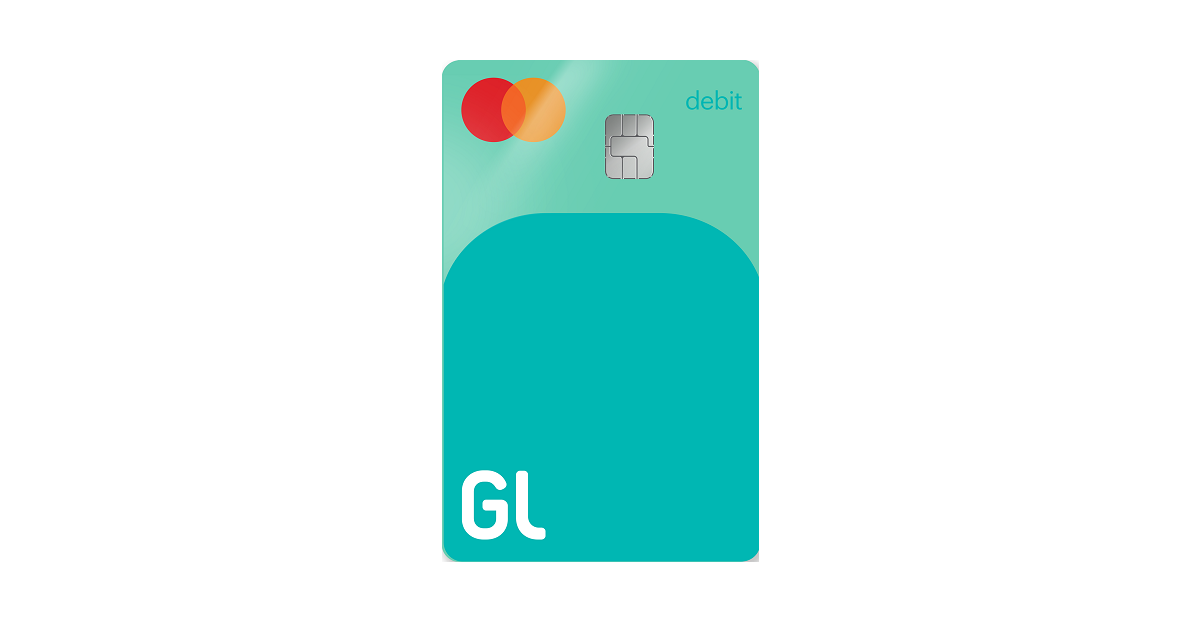
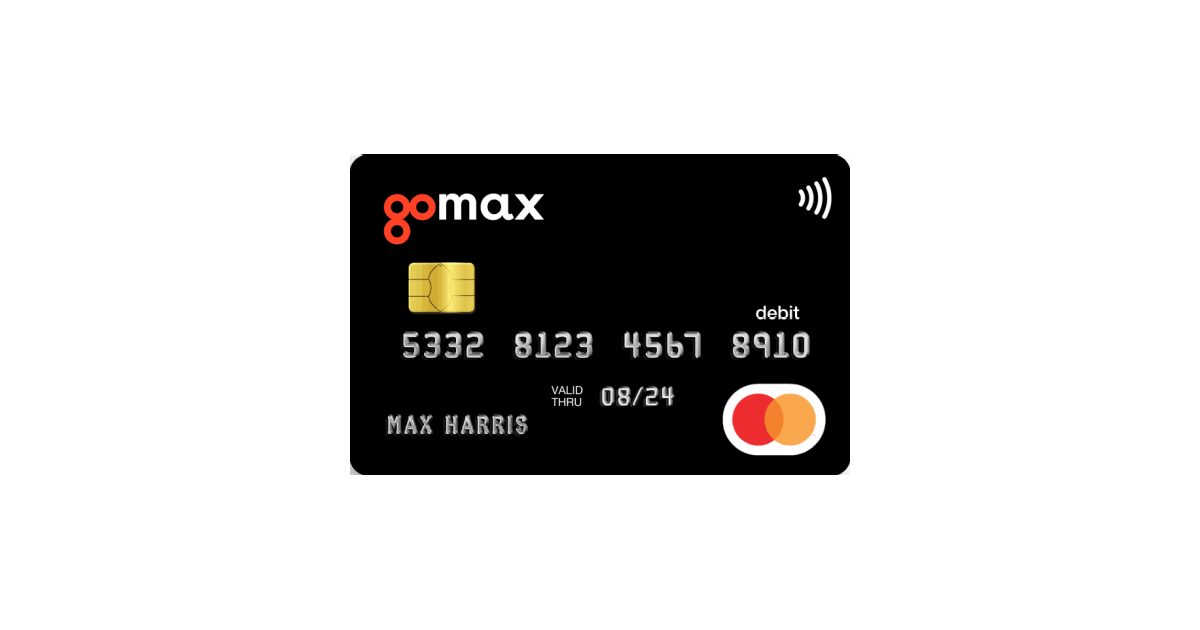
All Greenlight plans come with Mastercard debit cards for up to five kids. Greenlight provides kids with a customizable debit card that is sure to catch the attention of their friends – and help keep them safe. The custom card, which costs an extra $0.99, allows children to fully customize their card with a picture of their choosing – letting them make a statement every time they make a payment.
Parental controls
Greenlight offers parents and kids simple controls. Kids can easily see what chores are available while parents can assign tasks, set limits, and monitor their children’s spending. They can even block spending in “unsafe” categories to keep their kids safe.
Pricing and Tiers
Tier
Greenlight
Greenlight + Invest
Greenlight Max
Price
$4.99/month
$7.98/month
$9.98/month
Debit cards for 5 kids
✔️
✔️
✔️
Educational app with core tools
✔️
✔️
✔️
Parental controls
✔️
✔️
✔️
Investment platform
–
✔️
✔️
Black debit card
–
–
✔️
World Elite debit
–
–
✔️
Priority customer support
–
–
✔️
Greenlight is the 21st-century answer to allowance. Instead of handing out dollar bills after basic chores, this app streamlines the process by providing kids with their own debit cards – and parents with the security and power to monitor their spending. Greenlight also teaches older kids about saving and investing so they can get a head start in shaping their financial future.
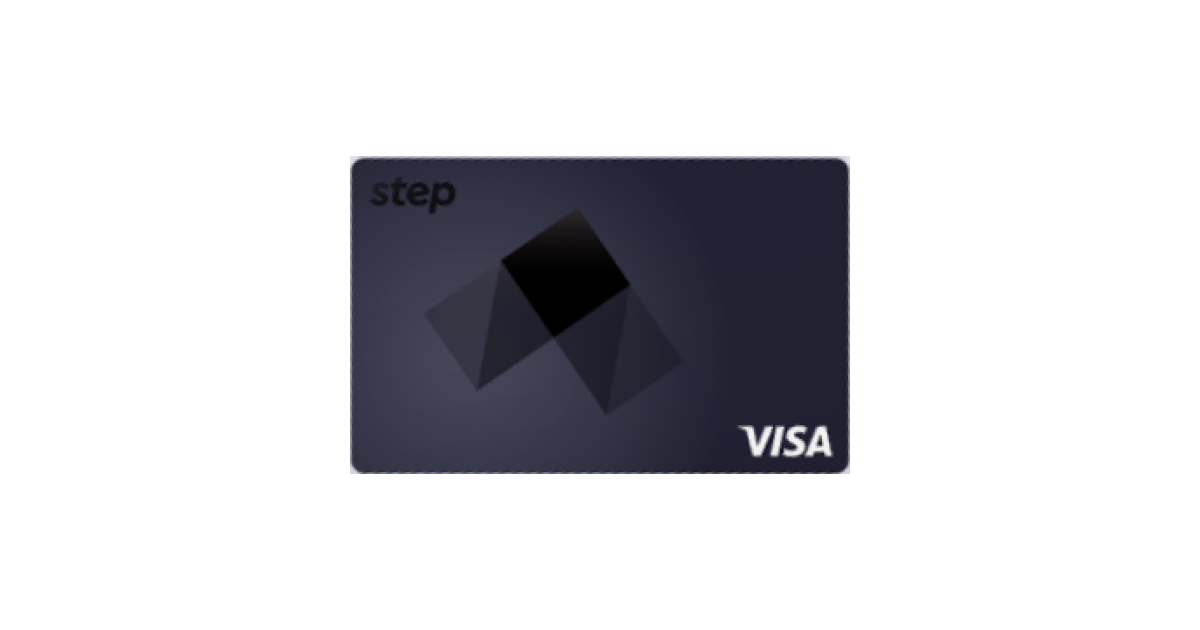
Step is designed with teenagers in mind, and rewards them in ways that mirror what you’d find in a credit card. Kids can earn cash back rewards from their favorite merchants or opt for crypto.
Parental controls
The Step Card lets parents control their child’s spending, help set saving goals, and more.
Pricing and Tiers
No monthly fees. No subscription fees. No account minimum fees. No in-network ATM fees.
Step is an excellent option for families not looking to spend money on monthly subscription fees. The Step Card charges no hidden or monthly fees and helps prepare your kids for a bright financial future through a hands-on approach to money management.
The Step Card is a sort of secured credit card but aimed towards teenagers to help prepare them for the financial challenges of adulthood. Kids earn rewards on purchases, build credit with every purchase, and can create, track, and complete savings goals thanks to in-app tools.
The GoHenry debit card program is specially designed for children of almost any age. The card is designed for kids from ages 8 through 17 and provides over 45 custom designs to choose from, meaning no matter what your child is into, there’s a design for them.
Made with families in mind
The GoHenry program offers access for up to four children on one account. This family plan pricing helps save your family money – while letting your kids earn money of their own.
One-stop resource
GoHenry has all the tools you need to feel safe and secure as you learn about money. Tap to purchase, have paychecks sent straight to your account with Direct Deposit, securely spend online and more.
Pricing and Tiers
Individual plan
$4.99 per month
Family plan (up to 4 cards)
$9.98 per month
Additional fees
Custom card design – $4.99
GoHenry is another popular option for parents who want to provide a fun, comprehensive tool for their kids. The GoHenry program is specially designed for kids as young as eight, making learning about finances a breeze. The app was first launched in 2012 and now serves over two million accountholders across the U.S. and U.K.
So, what can you expect from GoHenry? For one, a customizable prepaid debit card that is usable wherever Visa is accepted, a streamlined chores or tasks interface, savings goals, bill-splitting for when they dine out, and more.
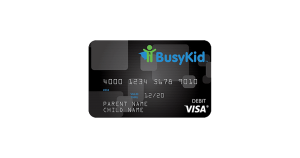
The BusyKid app and Visa debit card make banking and chores fun. The program involves a full selection of services, including earning money, saving that money, and using that money for good causes – namely, investing or donating a percentage of their allowance to a charity of their choosing.
BusyPay™ enabled
BusyPay is an easy way for family or friends to instantly send money to a child’s BusyKid account.
Improve financial literacy
BusyKid joins forces with the American Public Education Foundation (APEF). The organizations shine a light on what is really being taught in schools and advocate for their improvement and development.
Pricing and Tiers
Up to 5 kids
$4 per month
BusyKid is yet another popular debit card and allowance app for your kids. Through the app, parents can assign chores and set reward amounts for each task. The app also provides a suite of tools designed to help your kids get the most out of their money. These tools include charitable giving to over 60 causes and investing options – including investing in over 4,000 stock and exchange-traded funds (ETF) options.
What to Look for In an Allowance App
Selecting an allowance app can be challenging; several leading options must be considered. Before choosing an allowance and chore monitoring app for your kids, there are a few questions you’ll want to consider:
Question
What to consider
What are your money goals for your child?
What goals are you trying to reach with your teen’s financial education? What do you want them to learn about money?
What type of app/system are you looking for?
The allowance and chores app you select should meet your requirements for how you plan to pay your teen. Types of system foundation include the dole method, learning-based earnings, allowance, chore commissions, or consultant-based earnings.
How often do you want to pay them?
Choose an app that works around your pay schedule. When do you plan on paying your kids for their chores? Do you want the pay period to match your payroll calendar?
What responsibilities do you want them to tackle?
Before beginning an allowance program, think about what skills and responsibilities you want your child to learn.
Asking these basic questions can help you better understand what you are looking for in a chores app for your children. That’s because each app is different, meaning they aren’t necessarily geared toward the same age groups. A few things you should look at when comparing these apps include:
Recommended age
What is the recommended age range for the app? Is it geared toward teens or does it work well for kids of any age?
Debit card
Does he app provide your child with a debit card? How does the app pay your child?
Checking account links
Can you easily link your checking account to the app to streamline the payment of allowances? Can you add multiple accounts?
Educational tools
What educational aides does the app provide? Does the service teach your kids financial responsibility or does it just compensate?
Other things to look for include customization, accessibility, tracking, and more. A good app should be accessible across multiple devices, allowing parents and children to view and update the chore and allowance information from anywhere. Additionally, it should provide parents with clear and concise information about completed chores and allowance payments.
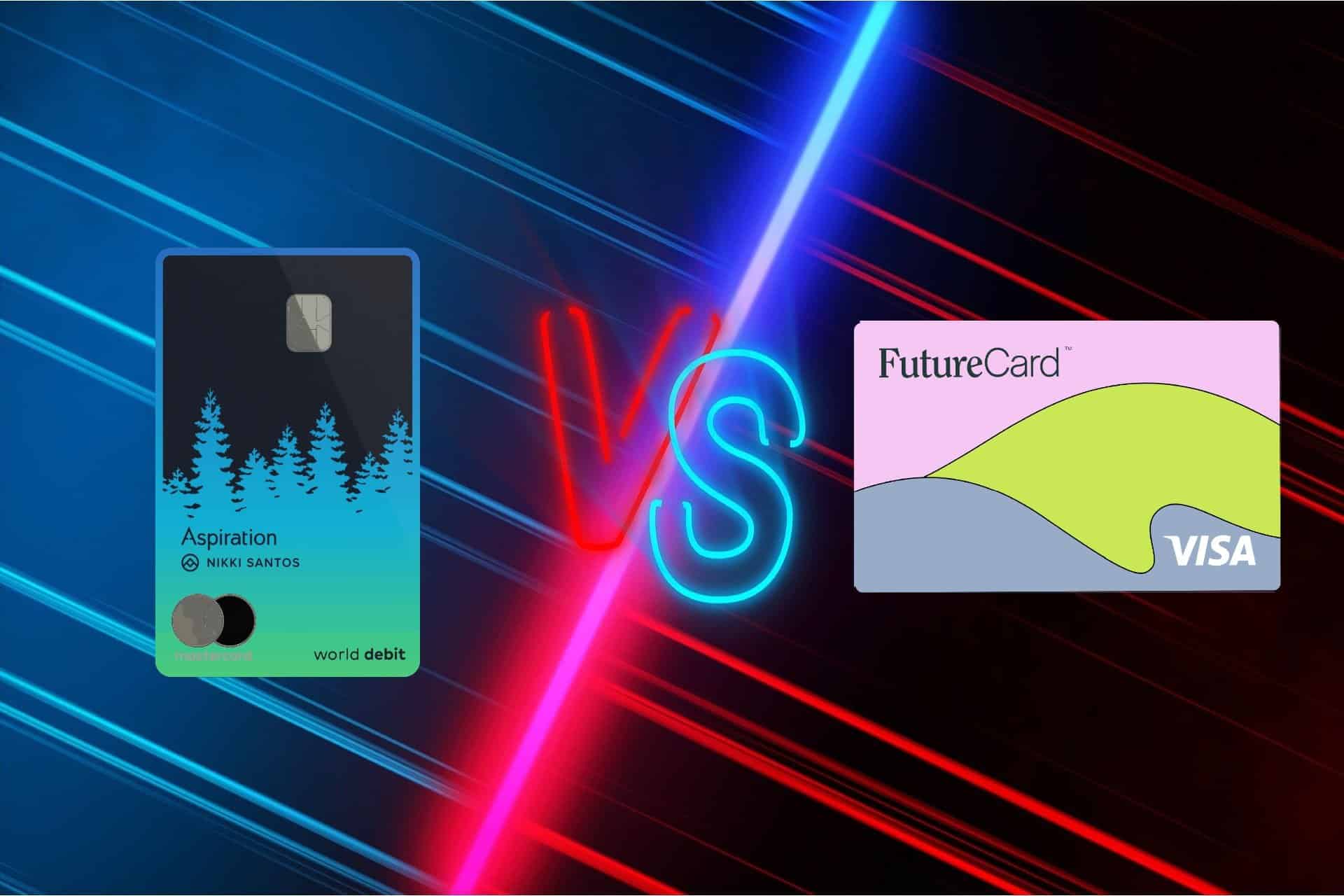
There are plenty of credit and debit cards out there that let you rack up airline miles or hotel points; but what about credit and debit cards that reward the planet while you shop? Aspiration and Future are two fintechs doing just that, but which card is right for you: the Aspiration Debit Card or the new FutureCard Visa?
Aspiration Debit Mastercard or FutureCard Visa: Which Is Right for You?
The Aspiration Debit Card is an eco-conscious debit card that lets users do their part in conservation while earning up to 10% cash back on eligible purchases at the same time. Now there is a new eco-friendly debit card on the block: the FutureCard Visa. While the FutureCard is currently not available, although we know what the card will offer. So, which eco debit card is right for you?
How to Get the Card
Similarly, the Costco Anywhere Visa also provides a pre-qualification page. Citibank provides a helpful pre-screening service for potential applicants. This service offers pre-qualification for select Citi credit cards – including the Costco credit cards.
Credit Score Needed
Since both credit card options are retail credit cards, they are intended for consumers with “good” or “excellent” credit.
How to Get the Card
Here is all the information you’ll need to open a debit card account with each company:
What Information Do You Need to Get the Aspiration Debit Mastercard?
Email address
Full name
Address
Contact phone number
Date of birth
Social Security Number (for ID verification)
Minimum $10 deposit
What Information Do You Need to Get for the FutureCard Visa?
The FutureCard Visa is currently only offering a waitlist. You can sign-up for the waitlist here with your phone number.
Credit Score Needed
Since both cards are a combo debit/charge card, meaning they are tied to a checking account, meaning there are no credit checks required. No credit checks mean no inquiries on your credit report.
Annual Fee
The Aspiration Debit Card charges a “pay what is fair” pricing model. The basic Aspiration membership is available from as low as $0, or no annual fee, meaning just that – you pay what you think is fair.
Aspiration Plus is the highest tier of Aspiration membership. This plan provides increased earnings on both rewards and savings, plus purchase protection, optional tree planting, and more, for $7.99 per month (or $71.88 if you pay upfront. Which equates to $5.99 per month).
FutureCard says its charge card will feature no annual fee, no monthly membership fee – nothing. Future’s mission is to make it a no-brainer to change environmental behavior on a household level – in a way that doesn’t cost you money.
APY
Debit cards do feature an APR or interest rate on purchases. Despite that, you may sometimes see a similar term– APY or annual percentage yield. A card with an APY means your deposits will earn interest, like a savings account.
Aspiration offers an APY of up to 3% on its basic plan or up to 5% APY for Aspiration Plus members. The APY is more than 70X the national average for a big bank’s savings account, though it requires a minimum spend of $1,000 on the card each month.
It is unknown if the FutureCard debit card will offer interest on savings.
Rewards
The ethos of both Aspiration and Future is to strive for a better climate, and a better ecological future for ensuing generations. Both cards give cardmembers a reason to reach these lofty goals: cash back rewards. Here are how the rewards with the two green credit cards work:
Earning Rewards with Aspiration
The Aspiration Debit Mastercard offers eco-friendly cardmembers rewards from every aspect of the account. For example, the debit card is made of sustainable materials, sourced entirely from plant-based material, not plastic.
Aspiration Plus cardmembers also actively help the environment every time they make a purchase with an eligible Conscience Coalition brand. Cardholders earn up to 10% cash back on Conscience Coalition purchases, including major brands like Blue Apron, Warby Parker, Lola, AllBirds, Dropps, and more. Non-Aspiration Plus members will earn between 3% and 5% at Conscience Coalition purchases.
Another great feature of Aspiration Plus is a carbon offset for all your gas purchases with Planet Protection. Other features of Aspiration Plus that are “rewarding” include getting your paycheck up to two days faster and one out-of-network ATM reimbursement monthly.
Aspiration Plus members also have the option to plant a tree with every card swipe. Aspiration plants one tree for every purchase made with the card. Make a purchase – and plant a tree – every day, and Aspiration can help the cardholder reach carbon-neutral status – what’s not to like?
Earning Rewards with FutureCard
While the FutureCard Visa is still in the developmental stage, we have a good idea of the rewards the card will offer. FutureCard Visa cardholders will earn 6% back at FuturePartners and 5% back on select climate-friendly purchases.
FuturePartners are brands that are “game-changers in simplifying climate-smart living.” According to FutureCard, the number of brands will continue to grow, including names like HILOS Shoes, Just Salad, and e-bike company Rad Power Bikes. Purchases with these brands earn 6% cash back.
Cardholders will also earn 5% back on climate-friendly purchases. These climate-friendly categories might not appeal to all, but will to some:
Public transit
Electric charging
Bikes and scooters
Renewed clothing
Electronics and furniture
Plant-based meat, dairy, and eggs
How to Redeem Rewards
Both credit cards offer the same cash back redemption method. Cardmembers will receive their cash back rewards every month, automatically debited to their account. This feature streamlines the redemption process and ensure the rewards are carbon-neutral – instead of offering flights, car rentals, or other emissions-heavy awards.
Payment Network
The FutureCard Visa will operate on the Visa payment network. Visa is the world’s largest payment network. Over 335 million credit cards, debit cards, and prepaid cards are in circulation bearing the Visa brand name – more than 100 million more than Mastercard.
The FutureCard charge card will provide cardholders Visa Platinum protections and benefits. Visa Platinum or Traditional cardholders can enjoy the following protections:
Zero Fraud Liability
Cardholder Inquiry Services
Emergency Card Replacement
Roadside Dispatch and Auto Collision Damage Waiver
Lost/Stolen Card Reporting
ID Navigator from Norton
The Aspiration debit card operates on the Mastercard payment network. While the Mastercard payment network is smaller than the Visa network, Mastercard products are accepted in more countries than Visa. Where the Visa logo can be seen in 200 countries, Mastercard is currently accepted in 212 countries worldwide.
Here is what Aspiration cardholders can expect from Mastercard:
Zero
Liability Protection
Mastercard
Global Services
ID Theft Protection
Recap
Here is a quick recap of all the features of both cards:
Chase Sapphire Preferred is offering one of its best welcome offers ever. The premium travel credit card from Chase is offering 80,000 Ultimate Rewards points to new accounts after meeting minimum spending requirements. Here’s everything you need to know about Chase Sapphire’s best offer yet:
Sapphire Preferred Offering 80,000 Bonus Points
The Chase Sapphire Preferred is a premier lifestyle credit card that helps cardmembers unlock more of what they love, explore every corner of the world, and enjoy elevated, exclusive experiences. The card, which features a $95 annual fee, provides statement credits, Ultimate Rewards points, and more for the discerning traveler.
Now, Chase is supercharging those travel dreams with one of the Sapphire Preferred’s biggest welcome bonuses. Effective April 20 and running for a limited time, Sapphire Preferred is offering new cardmembers 80,000 points. To qualify, new accounts must spend at least $4,000 within the first three months of account opening. Those 80,000 points are worth $1,000 when redeemed for travel through the Chase Ultimate Rewards (UR) Portal.
To build excitement for the latest welcome bonus, Chase is providing a helpful guide as to where those 80,000 Ultimate Rewards points can take you. For example, here are sample redemption options:
Travel
Use the 80,000 points to book a dream vacation. Chase Sapphire Preferred provides up to $50 in statement credits for hotel stays purchased through UR.
Dining
Use points towards exclusive dining experiences, including EEEEEATSCONs across the country.
Events
Use points to unlock exclusive cardmember packages at exciting events, like the best music festivals around the country, F1 Miami Grand Prix, PGA and LPGA Championships, and more.
Everday
You can also use your points on a variety of other everyday items, including Lyft, DoorDash Amazon, and more.
Travel Juggernaut
As mentioned, the Sapphire Preferred is a global travel juggernaut. The card earns its greatest points on the travel category, with cardmembers earning an impressive 5X on travel booked through the Chase Travel portal. Other bonus categories include 3X on dining, online groceries, and select streaming services, 2X on all other travel, and 1X on all other purchases.
Cardholders also enjoy no foreign transaction fees, 25% more value for points when redeemed through Chase’s travel portal, and a $50 annual Ultimate Rewards hotel statement credit. The card has a $95 annual fee that Chase does not waive for the first year.
Perhaps the best competition to the Sapphire Preferred comes from the Bilt Mastercard from Wells Fargo. The rent credit card is the only one of its type, offering 1X points on rent up to $50,000 in spending each year. Beyond rent, the Bilt card also prioritizes travel, with cardholders earning 2X points on travel and 3X on dining. While the rewards with the Bilt are slightly lower than the Sapphire, the card features no annual fee (in addition to no foreign transaction fees). Bilt also allows point transfers to several airlines and hotels, including Emirates, Aeroplan, IHG One, Hyatt, and more.
Earn 5X on travel purchased through Chase Ultimate Rewards, 2X on all other travel purchases, 3X on dining, 3X on groceries and streaming services, and 1X on all other purchases
Earn 5X points on Lyft, 3X points on dining, 2X on travel, and 1X on rent payments (up to 50,000 points per year)
Perks
Hotel credits, more value when redeeming for travel, points transfers
Business travel can be a luxurious experience if you have the right business credit card. Possibly the most sought-out travel benefit amongst premium credit cards, airport lounge access makes for a more relaxed travel experience. Here are BestCards’ top pick business credit cards with airport lounge access.
The Best Business Credit Cards With Airport Lounge Access
Seeking out the perfect business credit card for your business needs is a task that involves time and research. Business credit cards come with all different offers, savings, and benefits. And if no airport lounge access is your deal breaker, then a luxury business credit card may be what you are looking for. We have gathered the top three business credit cards with lounge access and a few honorable mentions so that you don’t have to.
BestCards refers to a variation of FICO Score 9, which is one of many different types of credit scores. A financial institution may use a different score when deciding whether to approve you for a credit card. Please note that the range shown here is our own estimation and not a guarantee of credit needed to be approved for any given card.
Recommended Credit:Excellent
American ExpressProcessing Network
$695Annual Fee
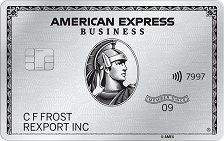
The Business Platinum Card® from American Express
See TermsRegular Purchase APR
At a
Glance
Companies can expect the pinnacle of luxury when they use The Business Platinum Card® from American Express. This exclusive metal rewards card provides premium travel rewards, a huge welcome offer, and a variety of other perks for the savvy business traveler.
Best Benefits
Rates & Fees
Why Should You Apply?
Welcome Offer: Earn 130,000 Membership Rewards® points after you spend $15,000 on eligible purchases with your Card within the first 3 months of Card Membership
Get 5X Membership Rewards® points on flights and prepaid hotels on amextravel.com, and 1X points for each dollar you spend on eligible purchases
Earn 1.5X points (that's an extra half point per dollar) on eligible purchases at US construction material & hardware suppliers, electronic goods retailers and software & cloud system providers, and shipping providers, as well as on purchases of $5,000 or more everywhere else, on up to $2 million of these purchases per calendar year
Unlock over $1,000 in value per year for statement credits on select purchases, including tech, recruiting and wireless with the Business Platinum Card
$200 Airline Fee Credit: Select one qualifying airline and then receive up to $200 in statement credits per calendar year when incidental fees are charged by the airline to your Card or any of the Additional Cards on your Platinum Card account
$189 CLEAR® Credit: CLEAR® uses biometrics to assign you a touchless ID, allowing you to move faster through security at select airports and stadiums across the U.S. You can cover the cost of a CLEAR membership with up to $189 in statement credits per calendar year after you pay for CLEAR with your Business Platinum Card®
The American Express Global Lounge Collection® can provide an escape at the airport. With more than 1,400 airport lounges across 140 countries and counting, you have more lounge location options than any other credit card on the market as of 9/2021
$695 Annual Fee
Terms Apply
Regular Purchase APR:
See Terms
Penalty APR:
29.99% variable based on the Prime Rate
Annual Fee:
$695
Late Payment Penalty Fee:
$39 or 2.99% of any past due Pay in Full amount, whichever is greater
Return Payment Penalty Fee:
$39
You travel often for work and can take advantage of a myriad of benefits including access to airport lounges
You will make use of statement credits for Global Entry or TSA Precheck
You prefer airline flexibility when redeeming your points for travel
The Business Platinum Card® from American Express requires excellent credit and has a luxurious annual fee of $695. However, the card features business benefits valued at over $1,000, which easily balances the annual fee. Among its featured benefits the card includes complimentary access to the Global Lounge Collection. The collection includes over 1,400 global airport lounges, including the following:
The Centurion Network of Lounges & Studios
Airspace
Priority Pass Select
Escape Lounges
Plaza Premium
Delta Sky Club
Select Lufthansa Lounges
With the Business Platinum Card®, you will earn up to 5x points on purchases like flights, hotels, business categories, and more. The business credits alone make up for over $1,000 in value and include statement credits for the following services:
Dell Technologies
com
Adobe Creative Solutions
Wireless Credit
These are not the only statement credits available to cardholders. The Business Platinum card also features an airline fee credit, CLEAR® credit, airline points bonuses, and more.
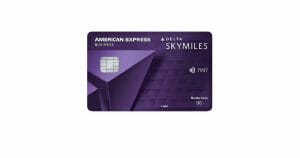
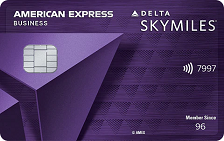
Delta SkyMiles® Reserve Business American Express Card
Delta SkyMiles® Reserve Business American Express Card
BestCards refers to a variation of FICO Score 9, which is one of many different types of credit scores. A financial institution may use a different score when deciding whether to approve you for a credit card. Please note that the range shown here is our own estimation and not a guarantee of credit needed to be approved for any given card.
Recommended Credit:Excellent / Good
American ExpressProcessing Network
$550Annual Fee
Delta SkyMiles® Reserve Business American Express Card
20.99% to 29.99% variable based on creditworthiness and the Prime RateRegular Purchase APR
29.99% variable based on the Prime RateCash Advance APR
At a
Glance
If you or your employees regularly fly Delta, the Delta SkyMiles® Reserve Business American Express Card’s introductory bonuses and travel-specific perks are well worth the hefty $550 annual fee.
Best Benefits
Rates & Fees
Why Should You Apply?
Limited Time Offer: Earn 100,000 Bonus Miles after you spend $6,000 in purchases on your new Card in your first 3 months of Card Membership. Offer Ends 8/2/23
Save 15% On Award Travel With TakeOff 15. Eligible Card Members now enjoy savings on Delta flights. Not applicable to partner-operated flights or to taxes and fees
With complimentary access into Delta Sky Club®, you can relax before your Delta flight, or find downtime between connections. You'll also receive two Delta Sky Club One-Time Guest Passes each year so you can share the experience with others when you're traveling together
When you purchase a Delta flight with your Delta SkyMiles Reserve Card, you will receive complimentary access to The Centurion® Lounge or Escape Lounge - The Centurion® Studio Partner
After you spend $150,000 on your Card in a calendar year, you earn 1.5 miles per dollar (that's an extra half mile per dollar) on eligible purchases the rest of the year. If your purchase qualifies for a category that has a higher mileage accelerator, only the higher accelerator will apply (ex. you would earn 3X miles on purchases made directly with Delta instead of 1.5X)
Enjoy 3x miles per dollar on eligible Delta purchases
With Status Boost®, earn 15,000 Medallion® Qualification Miles (MQMs) after you spend $30,000 in purchases on your Card in a calendar year, up to 4x per year getting you closer to Medallion Status
Terms and limitations apply
Regular Purchase APR:
20.99% to 29.99% variable based on creditworthiness and the Prime Rate
Cash Advance APR:
29.99% variable based on the Prime Rate
Cash Advance Transaction Fee:
Either $5 or 3% of the amount of each cash advance, whichever is greater
Penalty APR:
29.99% variable based on the Prime Rate
Annual Fee:
$550
Late Payment Penalty Fee:
Up to $39
Return Payment Penalty Fee:
$39
You travel frequently for work or have employees who do, and want to accumulate bonus miles while tracking spending habits
You spend heavily with Delta Airlines
You're looking forward to complimentary Delta Sky Club® access, priority boarding, and a free checked bag
You don’t want to pay any foreign transaction fees
Delta SkyMiles® Reserve Business American Express Card
The Delta SkyMiles® Reserve Business American Express Card has much to offer business owners. Among its featured benefits, airport lounge access makes its list. The card has two options for accessing airport lounges. The first option for airport lounging is via the Delta Sky Club®Access. As a Delta SkyMiles® Reserve Business cardholder, you get complimentary access to the Delta Sky Club and an exclusive per-visit rate of $50 per person for up to two guests.
You also get two complimentary Delta Sky Club One-Time Guest Passes each year, so you can share the experience when you are traveling with a partner. In addition to the Delta Sky Club, cardholders will also receive complimentary access to The Centurion® Lounge and Escape Lounge. With the Delta SkyMiles® Reserve Business, you get more than just lounge access included with the $550 annual fee. Other benefits include the following:
Shop With Miles to get travel discounts
Annual companion certificate or a Domestic First Class, Delta Comfort+® certificate
Access to complimentary upgrades after Medallion Members
Priority boarding
Free checked bag
No foreign transaction fees
Global Entry or TSA PreCheck® credit for smoother security check lines
BestCards refers to a variation of FICO Score 9, which is one of many different types of credit scores. A financial institution may use a different score when deciding whether to approve you for a credit card. Please note that the range shown here is our own estimation and not a guarantee of credit needed to be approved for any given card.
Recommended Credit:Excellent / Good
VisaProcessing Network
$450Annual Fee
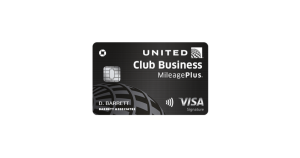
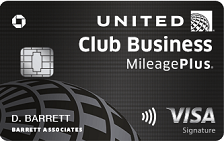
United Club Business Card
20.99% to 27.99% variableRegular Purchase APR
20.99% to 27.99% variableBalance Transfer APR
29.49% variable based on the Prime RateCash Advance APR
At a
Glance
Business owners who are looking for a premium business credit card that earns reward miles with United airlines will find a good match with the United Club Business Card. Earn 2X miles per $1 spent directly with United Airlines, and 1.5X miles per $1 on all other purchases. Additionally, they’ll enjoy a hefty introductory bonus of 75,000 miles after using their r new card to spend $5,000 in the first three months of opening an account with the Chase United business credit card.
Best Benefits
Rates & Fees
Why Should You Apply?
Earn 2 miles per dollar spent directly with United, including tickets, Economy Plus, in-flight food, beverages, and Wi-Fi
Earn 1.5 miles per $1 spent on all other purchases
First and second checked bags are free for cardholder and one companion
Employee cards at no additional cost
Complimentary United Club membership
Premier Access® travel services
25% back on United inflight purchases
100,000 bonus miles after you spend $10,000 on purchases in the first 3 months your account is ope
Regular Purchase APR:
20.99% to 27.99% variable
Balance Transfer APR:
20.99% to 27.99% variable
Balance Transfer Transaction Fee:
Either $5 or 5% of the amount of each transfer, whichever is greater
Cash Advance APR:
29.49% variable based on the Prime Rate
Cash Advance Transaction Fee:
Either $15 or 5% of the amount of each cash advance, whichever is greater
Penalty APR:
Up to 29.99% variable based on the Prime Rate
Annual Fee:
$450
Late Payment Penalty Fee:
$40
Return Payment Penalty Fee:
$40
You're a small business owner who wants to maximize your rewards earning potential with United
You would like to earn 2x points per dollar with United
You will take advantage of the introductory bonus by spending $5,000 in the first three months to earn 75,000 bonus miles
The United Club℠ Business Card is a premium business credit card that earns up to 2x miles on United purchases such as airfare, in-flight food, and more. It earns 1.5x miles per $1 spent on all other purchases too. But we are here for the lounge access.
The United Club℠ Business Card offers benefits that will have you traveling in luxury. For example, with the card, users get complimentary United Club membership access where they can relax comfortably before a flight with complimentary snacks, high-speed Wi-Fi, and more. That’s up to a $650 value per year, which more than balances the $450 annual fee.
The lounges are just the tip of the iceberg. Other credit card travel benefits include savings like free first and second-checked bags for your and a companion. This benefit alone can save you up to $320 per roundtrip. In addition, the travel perks include United’s Premier Access ® travel services such as priority check-in, security screenings boarding privileges, and more – for a smooth and stress-free travel experience.
Other featured benefits on the United Club℠ Business Card are as follows:
Avis President’s Club® access
Cardmember benefits at luxury hotels and resorts worldwide
One-year complimentary DashPass for DoorDash
No foreign transaction fees
Free additional employee cards
Welcome bonus offer
Browse Hundreds of Credit Card Offers
No matter what you are looking for in a credit card, you’ll find it at BestCards.com. Our team of industry experts is constantly covering the latest credit card offers as well as meaningful credit card news, bringing you insightful analysis and detailed reviews to help you find just what you’re looking for. So, what are you waiting for? Browse the hundreds of impartial reviews on our site and find your best card today!
Are you considering getting a hotel credit card? Or, maybe you already have one and are looking for tips on how to maximize your points or award redemptions. No matter what you are after, you’ll find it here in our ULTIMATE guide to hotel credit cards.
Why Choose a Hotel Credit Card?
One of the most popular uses for credit cards is booking vacations. Travel – and especially hotels – is expensive. Fortunately, there are loyalty programs that help customers earn rewards and book free nights. These programs also offer co-branded credit cards with some of the largest credit card issuers in the industry. These cards allow account holders to make purchases that earn additional rewards points per $1 spent– and may even offer extra perks during their stays.
A hotel credit card may provide free nights as a welcome bonus, on account anniversaries, or for meeting spending requirements, provide perks like free breakfast, enhanced Wi-Fi, or late check-out, and offer other exclusive benefits not available to other regular customers.
Here is a quick breakdown of the pros and cons of applying for a hotel credit card:
Pros
Cons
Earn points you can use towards free night stays at select hotels.
Points only apply to one hotel brand and affiliated programs.
Some hotel credit cards provide free nights as a welcome bonus, on account anniversaries, or for meeting spending requirements.
You might need to pay an annual fee if you want to get the best rewards or hotel benefits.
Many cards offer complimentary elite tier status in the loyalty program.
Limited award availability on some redemption options.
Hotel-specific perks, like lounge access, free high-speed Wi-Fi, complimentary breakfast, upgrades, and more.
Some hotel loyalty programs are inflexible on award bookings making it tough to get the value you want.
Which Hotels Offer Credit Cards?
You might be surprised how many co-branded hotel rewards card are on the market in the United States. If you can imagine a loyalty program, you can probably apply for a credit card for it – here are all the hotel loyalty programs that offer a US personal or business credit card offers:
What Credit Score Do You Need to Get a Hotel Credit Card?
Hotel cards differ from other types of co-branded rewards credit cards in that there are no secured credit card options. Unlike airline cards, for instance, there are no hotel cards for people with bad or fair credit. A good credit score is a minimum to receive a hotel card. In reality, however, most card issuers require an excellent credit score.
An excellent credit score varies depending on the scoring model. According to FICO Score – the credit scoring model that more than 90% of issuers use – “excellent” is any score between 800 and 850.
The VantageScore model is the option commonly used scoring method. Under this model, an excellent credit score is between 781 and 850.
There are several steps you can take today to help raise your credit score, including:
① Check your credit score
The first thing you should do is check your credit score to see where you stand. You might already know your credit score is bad, but how far down on the scale, does it go? Knowing how fast you can improve your credit from “bad” to “fair” is crucial to making a financial plan of attack.
② Get a credit card for subprime credit
Part of boosting your credit score is increasing your use of credit. For those with bad credit, this may seem counter-intuitive. Fortunately, there are many unsecured credit cards for poor credit and secured cards that can help you repair your credit score.
③ Pay on time each month
As seen in the scoring models, payment history is the biggest factor in your credit score. Because payment history is so important, paying your credit card bill on time each month is essential to boosting sub-prime credit. Missed payments stay on a credit report for seven years.
④ Keep your credit use low
Credit utilization is as important as paying on time. Credit utilization shows lenders how you use your credit. Those who keep their credit use below 30% can expect their score to improve, while those who use less than 10% can expect a much faster score rise.
These steps are easy to implement and can show results in as little as a month. Realistically, however, these best practices may take three to six months before your score rises significantly.
What to Look for with Hotel Rewards Credit Cards
Card issuer features are credit card perks, benefits, and security protections specific to the bank or credit card type. American Express, Visa, and Mastercard all offer unique in-house features to cardholders. These features also vary depending on the level – or tier – of credit card in the payment network hierarchy.
Here are some of the more critical features to look out for when deciding on a co-branded hotel credit card:
① Find the hotel loyalty program that’s right for you
One of the reasons why hotel rewards cards are so popular is that they savings across multiple brands under one hotel’s umbrella. If you prefer staying in a Marriott, for example, the Marriott Bonvoy program might be best for you.
② Sign-up bonuses
Hotel credit cards often feature amazing welcome bonuses for new and successful applicants. It’s not uncommon to see sign-up bonuses of 100,000 points or more.
③ Flexibility of rewards
Rewards flexibility is another critical consideration when it comes to this type of card. Many hotel rewards credit cards have fairly strict terms of redemption. These are typically for hotels within the hotel’s portfolio, or transfers to other partners, such as airline rewards programs.
④ Hotel perks
Before you apply for a hotel rewards credit card always be check out the benefits you can expect from card membership. The higher the annual fee, the better the perks. The same rationale applies to other perks, like lounge access at airports.
⑤ Consider another rewards card
Because co-branded credit cards feature more restrictive reward redemptions than proprietary rewards cards from banks like Citi, Chase, or Amex.
Other Things to Look for
Annual Fee
Many co-branded credit cards come with “free” and “premium” versions. Premium versions come with an annual fee of between $50 and $495, with an average yearly charge around $95 (such as the impressive Hilton Honors American Express Surpass Card).
Free versions are also known as no annual fee hotel cards. These cards offer rewards at a lower rate than premium cards but without a yearly membership fee – with one prominent example being the Hilton Honors American Express Card.
Should you apply for a no annual fee hotel card or opt for the premium version?
No annual fee credit cards offer a hassle-free way to expedite your earnings within your favorite hotel loyalty program. Since they don’t require any out-of-pocket fees, these types of cards are perfect for folks who may not travel enough to warrant paying for hotel-related perks.
The easiest way to determine whether applying for a card with an annual fee is right for you is to:
Examine your current traveling habits
Check if your spending levels match the minimums that the premium card requires to qualify for bonus points after spending that amount in the first months of card membership.
How to downgrade to a no annual fee version of a hotel credit card
An alternative reason why you might consider a hotel card with no annual fee is that your travel needs are changing. Whether you were traveling for business or pleasure, if you’re not flying to destinations as often, you may find no longer need the premium paid version of a hotel credit card or that you are unable to take advantage of the perks the card offers you.
If you find yourself in this boat, downgrading to a no-annual fee card is an excellent alternative to closing a credit card – the account stays open (which is good for your average age of credit). Still, you are no longer obligated to pay the costs of the premium card.
Whether you want to upgrade or downgrade your credit card, simply call the card issuer and let them know. The one caveat, however, is that you may not be eligible to earn the card’s signup bonus to which you are switching.
No Foreign Transaction Fees
If a significant source of your credit card bonus points come from a hotel stay or travel-related purchases that are generated abroad, then choosing a hotel credit card with no foreign transaction fees is a necessity. Credit cards with this feature allow international travelers to work – or play – and swipe outside of the United States without any penalty charges.
What are foreign transaction fees?
Foreign transaction fees are charges from card issuers for transactions at non-U.S. retailers. However, these fees occur for more than physically paying with your credit card overseas. Foreign transaction fees include online purchases to foreign companies, ATMs, or currency conversion fees.
Currency conversion fees occur when the payment networks (Visa, Mastercard, American Express, Discover, etc.) charge the card issuer (Capital One, Chase, Wells Fargo, etc.) a processing fee. Typically, 1% of each U.S. dollar spent. While currency conversion fees are not the same as foreign transaction fees, they are often included together on a credit card statement.
Tips for Using Credit Cards Abroad:
Be careful of foreign ATMs as they sometimes carry an international surcharge in addition to the ATM fee
Notify your card issuer before your departure, the unfamiliar location could be flagged as suspicious activity and potentially cause your card to be canceled – leaving you financially stranded in a foreign country
Check whether your card allows you to earn rewards for international purchases
Targeted Offers
Credit card companies, as well as hotel and airline loyalty programs, often offer exclusive promotions to their customers that are invite-only. Card issuers offer these discounts on criteria like credit history, spending habits, and geographic location.
The metrics used to determine who gets what offer vary by the credit card company, but unless you have an excellent credit score, clean credit history, and are actively using revolving credit (and are a member of the rewards program that’s being targeted), you may not see a targeted offer in your mailbox.
Hotel Terms & Tips
Early Check-in and Late Check-out
Flexibility is important when traveling, as itineraries can change due to flight delays, traffic, or bad weather. Missing a flight or a connection, or a train that’s running late can mean you miss the window you’ve scheduled to check-in at a hotel; perhaps you spent the evening enjoying a few drinks, or after celebrating a friend’s wedding and you got back to your room.
Common Hotel Check-In Policies
On average, hotel guests can expect to arrive at their hotel and check-in to the room they’ve booked beginning at 3 or 4 pm. Hotels typically require guests to vacate the room they are in by noon on the day they are scheduled to check out, and each room needs to be cleaned and “turned over” by the hotel staff to ensure the next occupant (you) receives a room up to the hotel’s standards.
When you arrive at your hotel before your scheduled check-in time, you’ll likely want to check in to your room so you can drop off your bags and relax a bit. Unless you’ve called ahead, odds are you will not be able to access your room immediately.
Although you can leave your bags with the hotel concierge and explore your destination while you wait for your room to be ready, you’ll need to return at your scheduled time in order to get into your room. This inconvenience can be avoided with proper planning – and by leveraging hotel loyalty programs, along with co-branded credit cards.
When you join a hotel rewards program, either via a co-branded credit card or directly, you open the door to a variety of suite, exclusive benefits not available to the average customer – and depending on the program, early check-in (when available) is at the top of that list.
Common Hotel Check-Out Policies
As mentioned above, noon is a standard check-out time with many hotels, although technically guests will notice that unless they request a later check-out time they will be asked to turn in their keys as early as 10 am. A late check-out time is not standard fare for most hotel guests and must be requested at check-in. However, participation in hotel loyalty programs often will grant members automatic late check-out times as a perk not available to guests who are not a member of the rewards program.
If you have a co-branded credit card that offers rewards points for spending money, you may also be eligible for a late check-out time, if the hotel whose card you use offers it as part of their loyalty program. Check the fine print for your co-branded credit card for more details.
Tips for getting room upgrades
There are many strategies that travelers employ to score a free room upgrade; sometimes, all you need to do is ask nicely! Fortune favors the bold – hotels often reserve special treatment for guests who are polite when requesting their upgrade, and it never hurts to ask – if you don’t ask for a room upgrade, odds are you won’t automatically be given the keys to that penthouse suite.
While it pays to be proactive, your best bet when looking for a room upgrade is to participate in that hotel’s loyalty program.
Some hotels will automatically bump you up to a higher room category based on your membership to their rewards program, while others allow you to cash in points in exchange for a nicer room.
Free Breakfast
The only thing better than waking up in a hotel swathed in the buttery soft sheets with sunlight poking through the window in a beautiful new place is starting your journey with a delicious free breakfast provided by your hotel.
Some loyalty programs offer complimentary breakfasts. While this perk may not be explicitly offered as one of the card’s features, many co-branded hotel cards provide automatic membership upgrades within their loyalty programs. Here’s who offers free breakfast:
Brand
Eligiblity
Best Western
Best Western doesn’t require a specific level of membership to score breakfast. Enjoy your first meal of the day on the house whenever you book at a Best Western breakfast. Their options typically include an assortment of pastries, cereals, and oatmeal, as well as hot breakfast options such as eggs and waffles.
Drury Rewards
When it comes to making their customers feel at home, Drury Hotels does more than talk a good talk. Their trademark ‘The Extras Aren’t Extra®’ freebies include a host of hotel perks that don’t require a credit card or a specific membership level in their reward programs to receive free hot breakfast with every stay.
Hilton Honors
Gold status required. To earn the Gold level of membership within the Hilton Honors membership program requires either 20 stays within a calendar year; 40 nights within a calendar year; or 75,000 Hilton Honors Base Points within a calendar year
IHG One
Sadly, even elite IHG cardholders and customers aren’t guaranteed complimentary breakfast through the IHG loyalty program. The Intercontinental Ambassador tier, which can be purchased for a flat rate of $200, offers complimentary breakfast for stays in Greater China – and unless your travels frequently take you to Asia, this membership perk would be hard to take advantage of.
However, IHG’s Holiday Inn Express and Staybridge Suites offer free breakfast to all patrons regardless of the length of stay or membership level.
Marriott Bonvoy
Platinum Elite status required. Elite status is the upper mid-tier level of the Marriott Bonvoy loyalty program. Achieving this status is refreshingly straightforward; however, it does require 50 nights per year to reach.
Radisson Rewards
Platinum status required, which requires a minimum number of either 60 nights within a year or 30 stays within a year
World of Hyatt
Only the most frequent of Hyatt hotel-goers are eligible to receive complimentary breakfast as Globalist status is the 4th and highest tier of World of Hyatt membership. Earning Globalist status requires either 60 qualifying nights or 100,000 Base Points per year
Wyndham Rewards
Sadly, no level of elite status or the sheer number of hotel reservations will yield free breakfast within the Wyndham rewards program. Fortunately, several Wyndham hotels brands offer this amenity for merely making a reservation.
What Are Hotel Rewards Points Worth?
The value of a hotel card is only as great as the worth of the points they offer. Here are the latest point valuations for the major hotel loyalty programs:
These valuations change depending on how you redeem points or which partners you choose to transfer points to. For more information on loyalty program partners, keep browsing to explore partners with the leading loyalty programs.
Browse Our Ultimate Hotel Guides
Looking for a comprehensive guide to your favorite hotel loyalty program? Chances are the we have it! Browse our Ultimate Guides:
Paying bills is no fun, but it’s essential to adult life. Paying your statement at the end of each billing cycle is vital to establishing a positive credit history and keeping late fees and interest to a minimum. But does It matter when you pay your credit card bill?
Make Paying Your Credit Card Bill Work for You
Part of having a credit card is paying off your purchases made with the card. The credit card purchase process involves using your credit line to make purchases, then building credit by paying off those purchases on time each month. This information is found on your credit card statement, issued at the end of a “billing cycle.”
When Is the Best Time to Pay Your Credit Card Statement?
So, is there an ideal time to pay your credit card statement? Ideally, any time before the due date.
Yes, that seems obvious, but it is an important point to hammer home repeatedly. Paying your bills on time is essential for strong credit health. Payment history makes up over a third of your FICO Score, the scoring model that banks and credit unions. When to Pay Your Credit Card Bill prefer. Because of this huge impact, paying at least your minimum is essential.
Another option for paying off a statement is to consider paying twice in a billing cycle. Paying your balance more than once means you’ll likely have a lower credit utilization rate when the bureaus receive your payment information from your bank. And since credit utilization accounts for another 30% of your FICO Score, this simple hack can supercharge your credit growth – fast!
One of the most commonly mentioned terms when it comes to account maintenance is the credit card billing cycle. A billing cycle is the period of time between the previous credit card bill you received and the current statement period.
A billing cycle typically runs for about 30 days, although it can run from 28 to 31 days (put simply, a billing cycle is a month). The billing cycle includes adding transactions during the billing cycle to your previous statement balance (if you don’t pay in full) and determining your statement balance at the end of the cycle. Once the billing cycle ends, a new one begins.
The credit card billing cycle is composed of three key dates: the statement date, the due date, and the reporting date:
Statement date: The date when the billing cycle is closed is known as both a “statement date” and a “closing date.” On this date the bank produces an account summary detailing all of your transactions for the period. This statement will include a list of all these transactions, the closing amount, the total balance due, and your minimum payment amount. Any purchases on or after the closing date will be applied to the next billing cycle.
Due date: The “due date” is the day you are required to pay. The due date is usually about three weeks after the statement date and will require you pay back at least the minimum amount due.
Reporting date: The final date in the billing cycle is the “reporting date.” This date is when your bank reports your payment to the major credit bureaus – Experian, Equifax, and Transunion. The reporting date changes from bank to bank and might not be immediately after the due date. Please refer to your credit card terms and conditions to see when your card issuer reports.
Grace Period
Missing the due date on your credit card statement can seriously harm your credit. Late or missed payments mean late fees, interest charges, and negative marks on your credit report. Fortunately, most card issuers provide a “grace period” immediately after the due date.
A grace period is between the end of your billing cycle and the final date your payment is due. If you pay your balance in full by the due date, you won’t have to worry about interest charges. Please note that banks are not legally required to offer a grace period. Please refer to your credit card terms and conditions to see if your bank offers a grace period.
Can You Change Your Billing Due Date?
Don’t like your due date? Maybe the dates don’t align with your pay schedule, meaning you struggle to make payments at that time. Many banks allow you to change your due date, helping your bills to work around your schedule – and not the other way around.