VITAL Card: Is It Worth It?

Vital Card or cash back

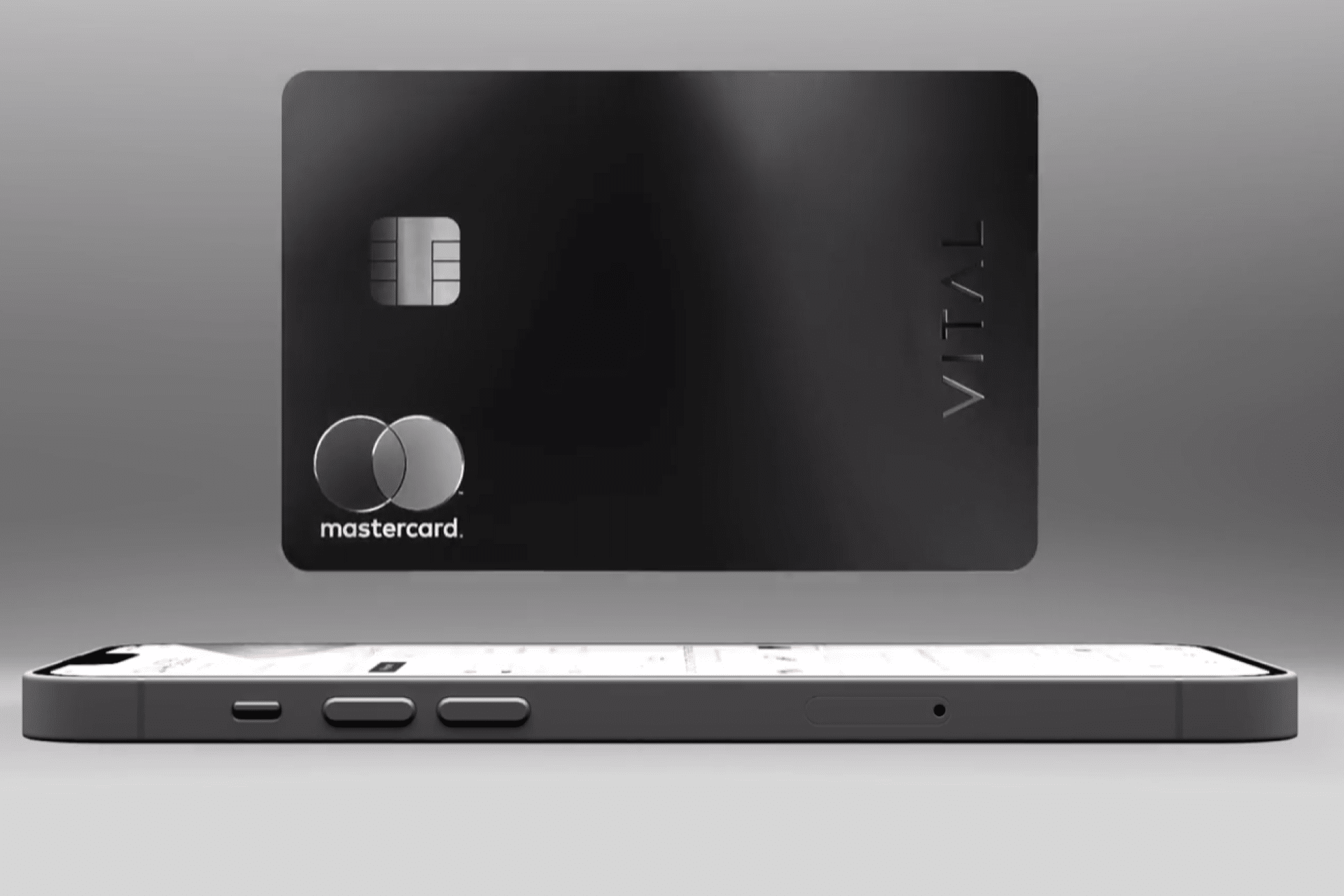
When unveiled, the VITAL Card was heralded as the world’s first “social credit card.” The fintech credit card promised competitive cash back based on how many referred friends or family members sign-up for the card – up to an impressive 5% cash back on all purchases. But two years later, have social credit card rewards proven to beat bonus category cash back?

What Is “Social” Cash Back?

The VITAL Card is a social credit card that is currently invite-only. The card differs from traditional cash back cards in that it doesn’t provide enhanced rewards for spending in bonus categories, instead offering rewards based on the cardholder’s social clout.

Referral points apply to a user’s referral score and pay out of a “referral pool” based on each cardholder’s overall score. Users get paid “cash forever” for each person they refer who signs up for the card. VITAL also rewards cardholders whose friends sign up new members – and their friends who refer new users.

Here’s a basic breakdown of what VITAL Card users can expect when referring family and friends to apply for the card:

# of direct sign-ups Referral score Monthly rewards
1 28 $22
2 56 $44
3 84 $66
4 112 $88
5 140 $110
10 280 $220

It’s worth noting that VITAL’s scoring calculations assume that the referrals who apply for and receive the VITAL Card each get at least four friends to sign-up each, so expect the actual cash back to be significantly lower.

Is VITAL Card the Future of Rewards?

So, two years on from the announcement of the world’s first social credit card, does VITAL Card make more sense than a traditional rewards credit card? Not really.

The problem lies with the availability of earning rewards. With a normal cash back credit card there are set categories that always earn enhanced rewards. Take the Bilt Mastercard, for example. Bilt earns up to 3X points on purchases, with the following rewards rate:

  • 3X points on dining
  • 2X points on travel
  • 1X points on rent payments (up to 50,000 points each calendar year)
  • 1X points on all other purchases

These four categories offer everyday value and will remain as long as the card program alters the rewards – likely a long time away. Conversely, the VITAL Card earns rewards based on the number of your friends who apply for, are approved, and then refer friends to the card – and so on. “Dining” is a bonus category with a near-unlimited number of potential earning opportunities – and “friends” is not.

Relying on a continuous cycle of either making new friends and getting them to apply for the VITAL Card or hoping your friends also have a vast network of fintech and influencer contacts is not an effective strategy in the long term. A straightforward cash back credit card offers greater everyday value than social credit. The Citi® Double Cash Card earns 2% back on all eligible purchases. In comparison, VITAL offers a base of 1.5% back on all purchases – on par with Chase Freedom Unlimited.

Summing It Up

The VITAL Card is not a scam, but it only offers significant value for those who are networking experts, financial influencers, or other similar social butterflies. For those folks, the card can offer exceptional rewards. Take the rewards calculator cited above – if you were to get 50 sing-ups through your VITAL Card referral link – and each one of those referrals referred four friends each, your total cash rewards could be as much as $1,100! But the VITAL Card simply can’t match a general rewards card for everyone else.

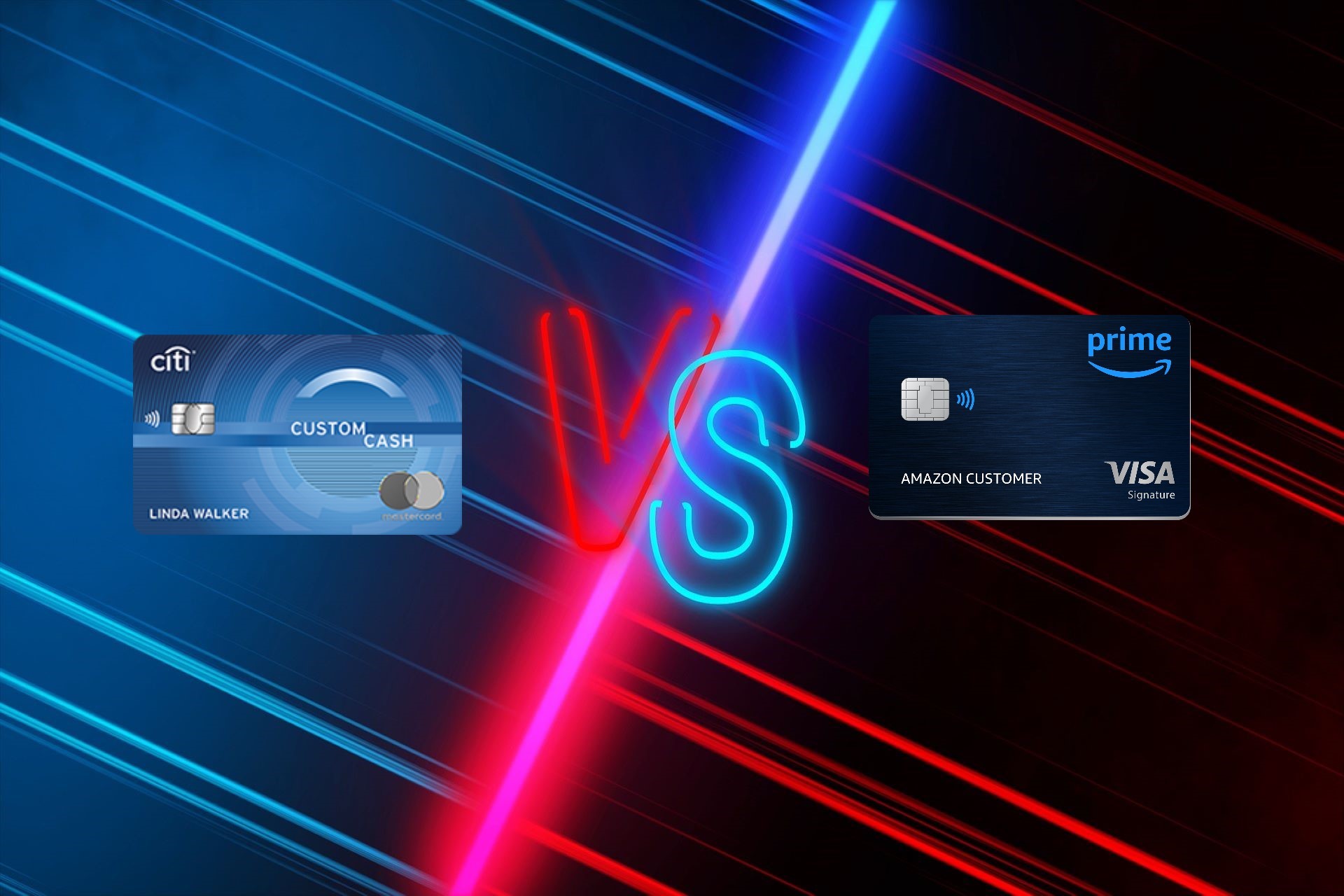
Related Article: Citi Custom Cash℠ Card or Prime Visa: Read This Before Applying

Featured image by VITAL

The Best Credit Cards for Balance Transfers

top balance transfers cards for 2021

Last updated on April 3rd, 2024

Carrying a balance on your credit card can lead to significant interest charges over time. Balance transfers are a great way to pay down credit card balances and debt with 0% APR and a low rate everyday. Thinking of getting a new card and want to ensure you get the best possible deal? Here are our top picks for the best balance transfer credit cards:

This post may contain links from partner offers, and we may receive compensation when you click on links to these offers. Please see our advertiser and editorial disclosures above for more information. Citi is an advertising partner.

At a Glance

What is a Balance Transfer?

A balance transfer is a process of using one credit card to pay off the debt accumulated on another credit card, often at a much lower monthly payment due to reduced interest costs. The best way to begin going about this process is to compare the introductory period balance transfer APRs of credit cards you are considering.

Balance Transfer Cards with the Longest 0% APR

Low rate (or low APR) credit cards provide the ideal platform for balance transfers. Add to that some of the longest introductory 0% APR periods on the market and you can take years off the repayment of your existing credit card balances.

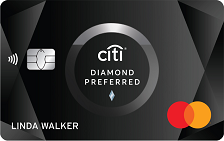
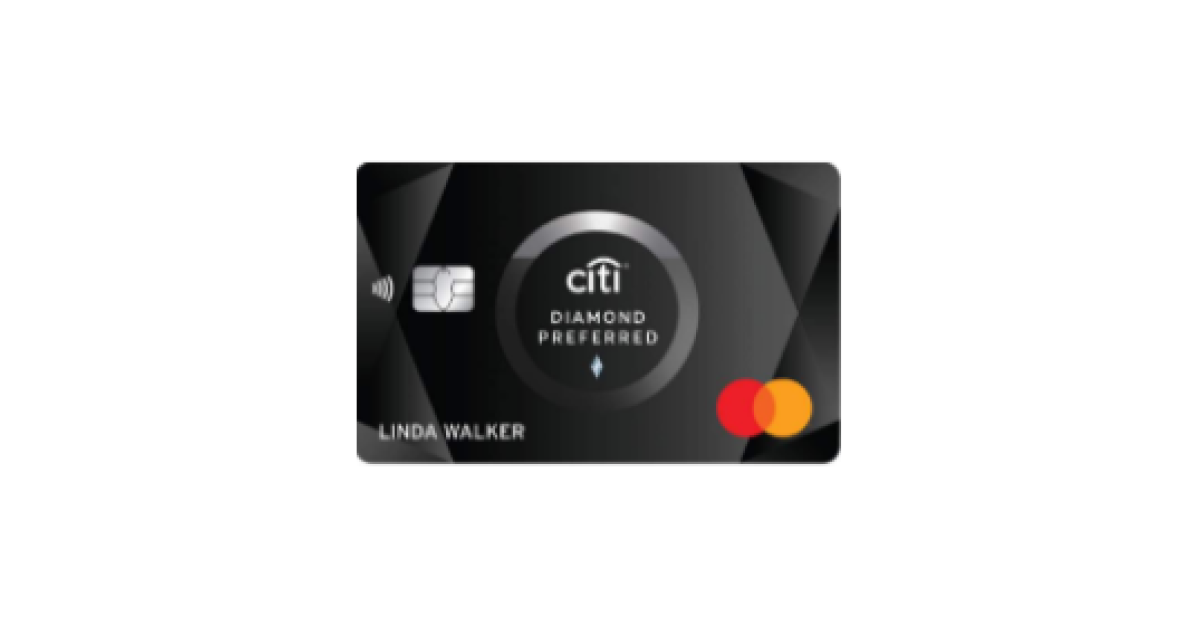
Citi® Diamond Preferred® Card

Citi® Diamond Preferred® Card
Excellent-Good
BestCards refers to a variation of FICO Score 9, which is one of many different types of credit scores. A financial institution may use a different score when deciding whether to approve you for a credit card. Please note that the range shown here is our own estimation and not a guarantee of credit needed to be approved for any given card. Recommended Credit: Excellent / Good
Mastercard Processing Network
$0 Annual Fee

Citi® Diamond Preferred® Card

  • 17.99% – 28.74% (Variable) Regular Purchase APR
  • 17.99% – 28.74% (Variable) Balance Transfer APR
  • 29.99% (Variable) Cash Advance APR
  • 0% for 12 months on Purchases Intro Purchase APR

At a Glance

The Citi® Diamond Preferred® Card provides one of the longest 0% intro APR periods on the market for no annual fee.

  • Best Benefits
  • Rates & Fees
  • Why Should You Apply?
  • 0% Intro APR for 21 months on balance transfers from date of first transfer and 0% Intro APR for 12 months on purchases from date of account opening. After that the variable APR will be 17.99% – 28.74%, based on your creditworthiness. Balance transfers must be completed within 4 months of account opening.
  • There is a balance transfer fee of either $5 or 5% of the amount of each transfer, whichever is greater
  • Get free access to your FICO® Score online.
  • With Citi Entertainment®, get special access to purchase tickets to thousands of events, including concerts, sporting events, dining experiences and more.
  • Intro Purchase APR: 0% for 12 months on Purchases
  • Regular Purchase APR: 17.99% – 28.74% (Variable)
  • Intro Balance Transfer APR: 0% for 21 months on Balance Transfers
  • Balance Transfer APR: 17.99% – 28.74% (Variable)
  • Balance Transfer Transaction Fee: 5% of each balance transfer; $5 minimum.
  • Cash Advance APR: 29.99% (Variable)
  • Cash Advance Transaction Fee: 5% of each cash advance; $10 minimum
  • Penalty APR: Up to 29.99% (Variable)
  • Annual Fee: $0
  • Foreign Transaction Fee: 3%
  • Late Payment Penalty Fee: Up to $41
  • Return Payment Penalty Fee: Up to $41
  • You make frequent purchases to entertainment events and want priority access
  • You’re looking for a generous introductory 0% APR period for both purchases and balance transfers

The Citi Simplicity might be Citibank’s most recognizable low APR and balance transfer credit card. Still, it isn’t the only option the bank offers. The Diamond Preferred Card actually offers an equal interest-free introductory period and a slightly lower APR than the Simplicity for applicants with excellent credit.

The Diamond Preferred features a huge 21 months of 0% intro APR on balance transfers, then a low variable APR – a noticeable difference from the APR you’d get with the Simplicity. Note the the Diamond Preferred carries a balance transfer fee, but don’t let that detract from its impressive BT abilities. Plus, the card offers a 12-month 0% intro APR introductory period for purchases. While not as long as the balance transfer offer, one year is still a comfortable amount of time to pay off new purchases without interest charges.

Other Options to Consider

Want some more low rate balance transfer credit card options to consider? Here are some other popular offers:

Rewards Cards for Balance Transfers

Rewards cards are an excellent way to maximize value, thanks to cash back, rewards points, and an ever-increasing number of introductory APR periods for new accounts. These intro periods make cash back cards even more rewarding!

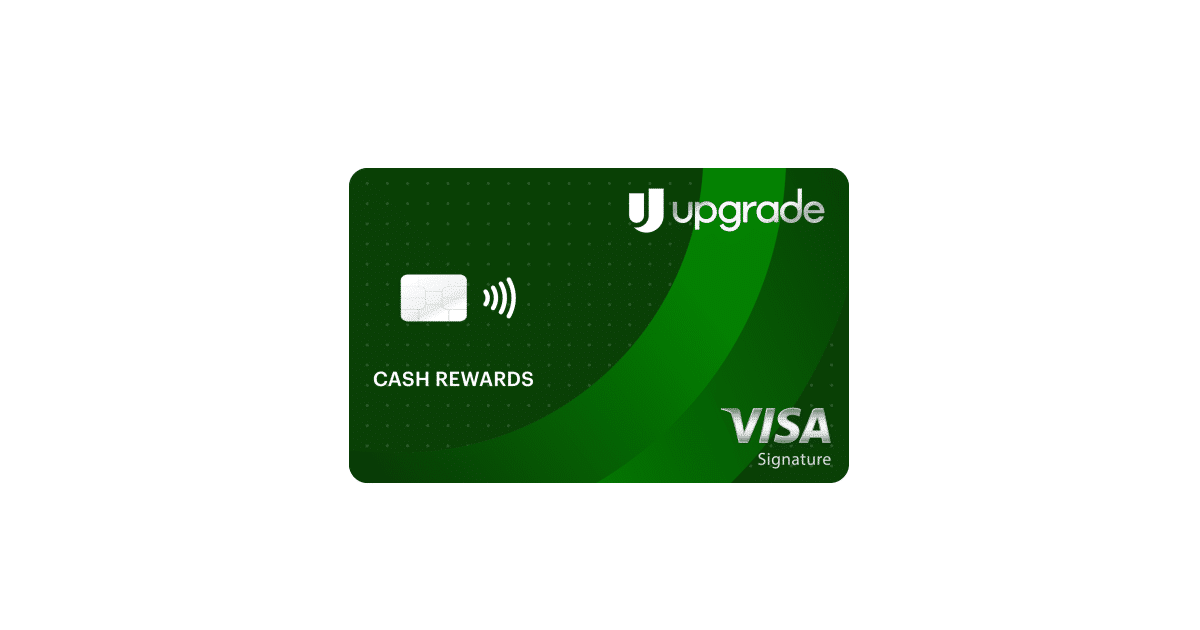
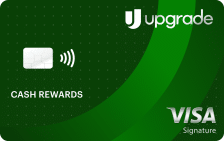
Upgrade Cash Rewards Visa®

Upgrade Cash Rewards Visa®
Excellent-Good-Fair
BestCards refers to a variation of FICO Score 9, which is one of many different types of credit scores. A financial institution may use a different score when deciding whether to approve you for a credit card. Please note that the range shown here is our own estimation and not a guarantee of credit needed to be approved for any given card. Recommended Credit: Excellent / Good / Fair
Visa Processing Network
None Annual Fee

Upgrade Cash Rewards Visa®

  • 14.99%-29.99% variable based on creditworthiness and the Prime Rate Regular Purchase APR
  • 14.99% to 29.99% Balance Transfer APR

At a Glance

The Upgrade Cash Rewards Visa® offers no fees, low rates, cash back, and credit lines from $500 to $25,000 in one unique package. The card provides consumers the flexibility and predictability to quickly pay down balances and get debt-free. The Upgrade credit card is one of the lowest regular APR credit cards on the market for those with excellent credit scores, putting it firmly on any list of the best balance transfer credit card deals – or any list of the best credit cards in the U.S.

  • Best Benefits
  • Rates & Fees
  • Why Should You Apply?
  • $200 bonus after opening a Rewards Checking Preferred account and making 3 debit card transactions*
  • 1.5% unlimited cash back on every purchase
  • No annual fee
  • See if you qualify in seconds with no impact to your credit score
  • Combine the flexibility of a card with the predictability of a personal loan
  • Enjoy Visa Signature benefits, like Roadside Dispatch, Price Protection, Extended Warranty Protection, and more
  • Shop smarter with Upgrade Shopping! Get exclusive savings at stores, restaurants, and more
  • Contactless payments with Apple Pay® and Google Wallet™ bull; Mobile app to access your account anytime, anywhere
  • Use your card anywhere Visa is accepted
  • Relax knowing that you are protected in case of unauthorized transactions with Visa’s Zero Liability Policy
  • Regular Purchase APR: 14.99%-29.99% variable based on creditworthiness and the Prime Rate
  • Balance Transfer APR: 14.99% to 29.99%
  • Balance Transfer Transaction Fee: Up to 5%
  • Foreign Transaction Fee: Up to 3%
  • Late Payment Penalty Fee: May apply
  • You struggle to pay off your credit card balances
  • You want a structured repayment plan
  • You can reliably pay off your statement balances to earn cash back for your purchases
  • You have a desire to get debt-free quickly
  • You hate penalty or other hidden fees

Thanks to its impressive everyday APR, the Upgrade Card is one of our favorite credit cards at BestCards. That APR on purchases and balance transfers starts as low as 9% for applicants with excellent credit.

Instead of 0% APR Upgrade prioritizes a great rate along with a unique repayment plan that is more akin to a personal loan than a traditional credit card account. Cardholders pay off balances significantly faster with Upgrade versus other low APR credit cards. According to research from Upgrade, paying off a $10,000 balance takes just a few years with the Upgrade Visa, compared with other traditional credit cards that can take up to 20 years – or more.

Add to that great rate simplified cash back rewards, and you have the makings of an excellent low APR credit card. Even better, that 1.5% cash back applies to every purchase, making the Upgrade Cash Rewards Visa a versatile credit card suitable for everyday usage.

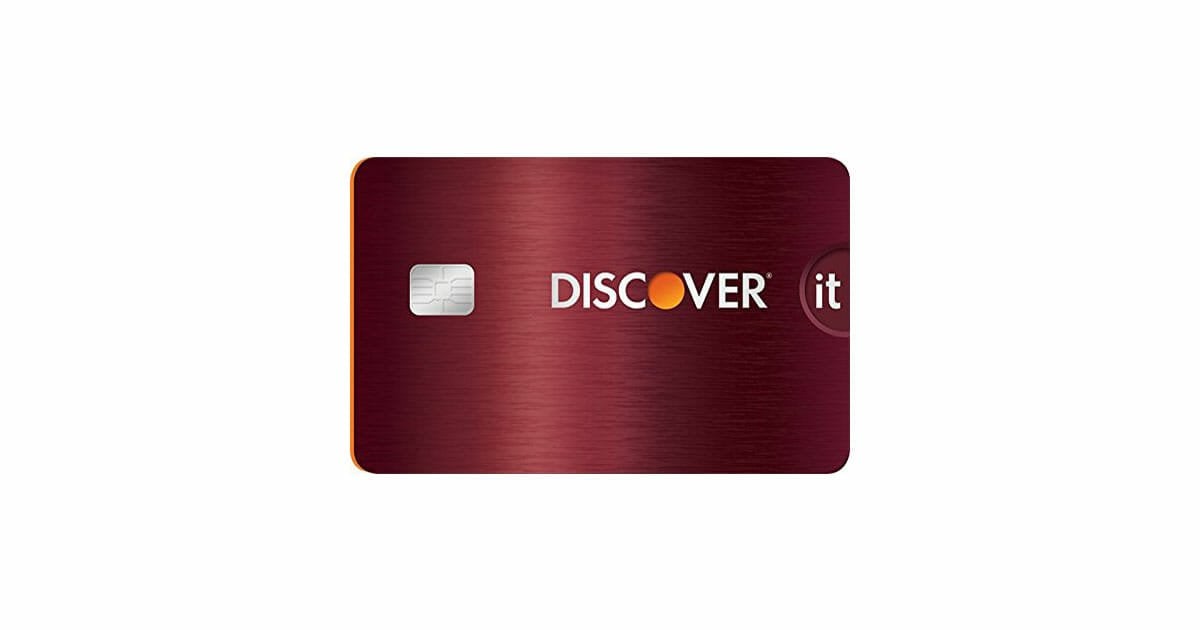
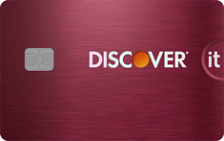
Discover it® Cash Back

Discover it® Cash Back
Excellent-Good
BestCards refers to a variation of FICO Score 9, which is one of many different types of credit scores. A financial institution may use a different score when deciding whether to approve you for a credit card. Please note that the range shown here is our own estimation and not a guarantee of credit needed to be approved for any given card. Recommended Credit: Excellent / Good
Discover Processing Network
None Annual Fee

Discover it® Cash Back

  • 17.24% to 28.24% variable based on creditworthiness and Prime Rate Regular Purchase APR
  • 17.24% to 28.24% variable based on creditworthiness and Prime Rate Balance Transfer APR
  • 29.99% variable based on the Prime Rate Cash Advance APR
  • 0% for 18 months from account opening Intro Purchase APR

At a Glance

The Discover It Cash Back Card is a cash back credit card that offers enhanced earning potential in a selection of rotating categories. Cardholders earn 5% back on purchases in categories that rotate each quarter, and 1% on all other purchases. The card also features 0% intro APR for the first 15 months on purchases and balance transfers, Discover’s 100% U.S.-based customer service, Discover’s bonus cash back match, and no annual fee or foreign transaction fees.

  • Best Benefits
  • Rates & Fees
  • Why Should You Apply?
  • 5% cash back in rotating categories each quarter, up to the quarterly maximum, when you activate
  • Earn 1% cash back on all other purchases automatically
  • Discover matches all of the cash back earned by the cardholder at the end of the first year automatically; there is no limit to how much cash back is matched
  • Cash back rewards never expire, earn unlimited cash back
  • Use rewards at Amazon checkout
  • No annual fee
  • Intro Purchase APR: 0% for 18 months from account opening
  • Regular Purchase APR: 17.24% to 28.24% variable based on creditworthiness and Prime Rate
  • Intro Balance Transfer APR: 0% for 18 months from date of first transfer
  • Balance Transfer APR: 17.24% to 28.24% variable based on creditworthiness and Prime Rate
  • Balance Transfer Transaction Fee: 3% of the amount of each transfer posted at the promotional rate. After that, 5% of the amount of each transfer
  • Cash Advance APR: 29.99% variable based on the Prime Rate
  • Cash Advance Transaction Fee: $10 or 5% of the amount of each cash advance, whichever is greater
  • Late Payment Penalty Fee: None the first time you pay late. After that, up to $41
  • Return Payment Penalty Fee: Up to $41
  • You want to earn 5% back on select category purchases each quarter, including restaurants, gas stations, select rideshares, and online shopping
  • You don’t want to pay an annual fee or foreign transaction fees
  • You want 100% U.S.-based customer service
  • You don’t mind rotating categories changing every three months

The Discover it® Cash Back card is a perennial favorite because of its enticing Cashback Match perk, which matches all of the cash back you earn, dollar-for-dollar, during your first year. But it’s easy to overlook the fact that it’s also a pretty solid balance transfer card choice. If approved, you’ll get 15 months of 0% APR on transfers (as well as purchases). Another unique add-on is a reduced balance transfer fee of 3% (usually 5%), which is applied to any transfers that post to your account within a certain period of time after opening an account.

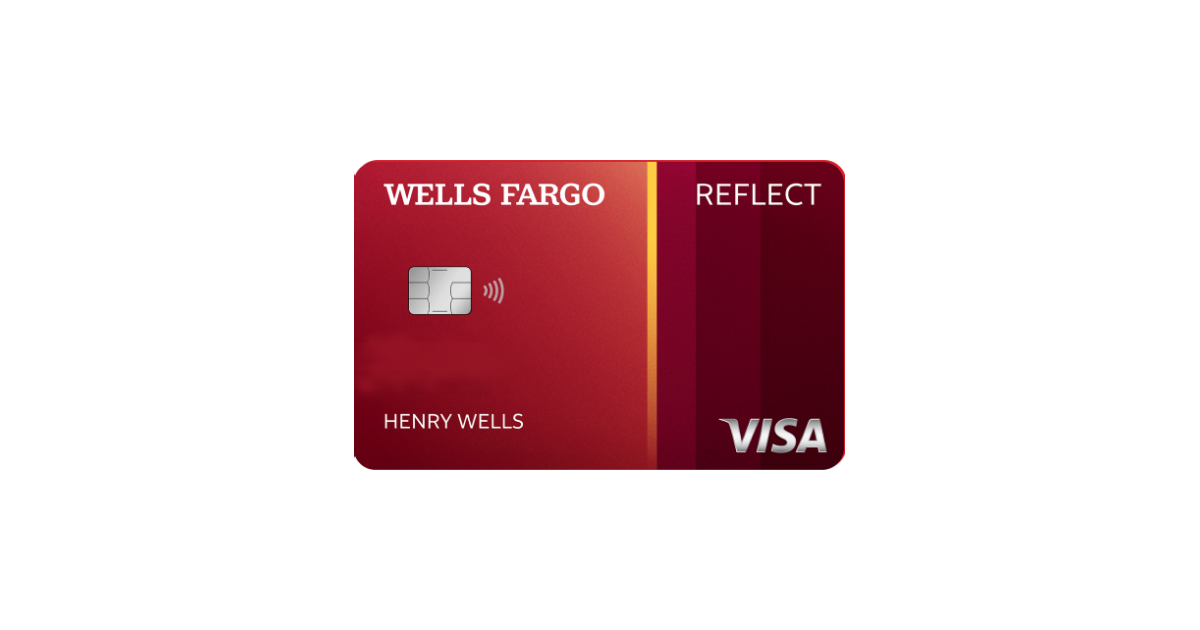
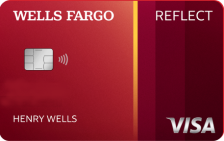
Wells Fargo Reflect Card

Wells Fargo Reflect Card
Excellent-Good
BestCards refers to a variation of FICO Score 9, which is one of many different types of credit scores. A financial institution may use a different score when deciding whether to approve you for a credit card. Please note that the range shown here is our own estimation and not a guarantee of credit needed to be approved for any given card. Recommended Credit: Excellent / Good
Visa Processing Network
None Annual Fee

Wells Fargo Reflect Card

  • 18.24%, 24.74%, or 29.99% variable based on creditworthiness and the Prime Rate Regular Purchase APR
  • 18.24%, 24.74%, or 29.99% variable based on creditworthiness and the Prime Rate Balance Transfer APR
  • 29.99% variable based on the Prime Rate Cash Advance APR
  • 0% for 21 months from date of account opening, with an extension of up to 3 months for meeting minimum requirements Intro Purchase APR

At a Glance

The Wells Fargo Reflect Visa is a low APR credit card that offers one of the lengthiest intro APR periods available. The card, which features no annual fee, starts with 21 months of 0% APR on purchases and balance transfers.

  • Best Benefits
  • Rates & Fees
  • Why Should You Apply?
  • No annual fee
  • 0% intro APR for 21 months from account opening on purchases and qualifying balance transfers.
  • Cell phone protection for up to $600 when you pay your monthly cell phone bill with your eligible Wells Fargo card
  • Intro Purchase APR: 0% for 21 months from date of account opening, with an extension of up to 3 months for meeting minimum requirements
  • Regular Purchase APR: 18.24%, 24.74%, or 29.99% variable based on creditworthiness and the Prime Rate
  • Intro Balance Transfer APR: 0% for 21 months from date of account opening, with an extension of up to 3 months for meeting minimum requirements
  • Balance Transfer APR: 18.24%, 24.74%, or 29.99% variable based on creditworthiness and the Prime Rate
  • Balance Transfer Transaction Fee: Introductory fee of either $5 or 3% of the amount of each balance transfer, whichever is greater, for 120 days from account opening. After that, up to 5% for each balance transfer, with a minimum of $5
  • Cash Advance APR: 29.99% variable based on the Prime Rate
  • Cash Advance Transaction Fee: Either $10 or 5% of the amount of each advance, whichever is greater.
  • Foreign Transaction Fee: 3% of each transaction converted to U.S. dollars
  • Late Payment Penalty Fee: Up to $40
  • Return Payment Penalty Fee: Up to $40
  • You have a significant credit card balance they want to pay down
  • You plan on making your payments on time each month
  • You have a good credit score
  • You do’t want to pay an annual fee

The recently launched Wells Fargo Reflect℠ Card doesn’t have the bells and whistles of other rewards cards, but it does have an above-average 18-month 0% APR intro offer on balance transfers and purchases. However, those 18 months can turn into 21 months. By simply making the minimum monthly payment every month during the 18-month intro period, you’ll get a 3-month extension with no interest charges (during which you’ll still need to make the minimum monthly payment on your statement). Almost two years without interest charges, plus no annual fee, make this a sweet deal for those looking to save money.

Other Options to Consider

Want some more low rate balance transfer rewards credit card options to consider? Here are some other popular offers:

Balance Transfer FAQs

Balance transfers can seem confusing – but they don’t have to be. Here are some of the most commonly asked questions about balance transfers and balance transfer credit cards:

  • A balance transfer is a process of taking an existing credit card balance and moving it to a new account with a lower regular APR. These transfers make it easier to pay down balances and often come with intro APR offers.
  • Because these types of cards offer low-interest rates, a good credit score is a minimum requirement for a balance transfer card. Many issuers require an excellent credit score, so a good benchmark for obtaining a card like these is a FICO Score of 700 or higher.
  • Because these cards feature an introductory rate, you might find yourself stuck with more debt than you began. After the promotional period ends, only those with the best credit scores will have the lowest rates. Those with good credit might be paying a higher APR – primarily if they conduct their transfer using a rewards credit card. Other negatives of transferring a balance include:
  • Increasing credit utilization on a single card, which can lower your credit score.
  • Lowering the average age of your credit accounts by opening a new line of credit.
  • A new line of credit also means a further hard inquiry, which can also impact your credit score.
  • While many cards feature 0% intro AR, not all balance transfer cards provide an interest-free period, some cards – especially those from credit unions or smaller banks – may only offer a reduced interest rate. These rates maybe 3.99% or higher, but are often significantly lower than the standard variable APR.
  • While most major card issuers provide a variety of offers, not all currently offer a balance transfer credit card. Most significant issuers and banks, like Chase (Chase Slate Card), Citi (the Citi Simplicity Card), and others, provide balance transfer cards and low APR Cards. Discover also reintroduced its balance transfer card, the Discover It Balance Transfer.
  • In some cases, yes. Some cash back cards, like the Citi Double Cash Card, offer 0% APR on balance transfers and cash back rewards program in one package. Just be sure to pay your statement balance in full before the due date, or you might incur a late fee or penalty APR.

TD Bank Introduces Two New Credit Cards

TD Bank Introduces Two New Credit Cards

Last updated on September 6th, 2023

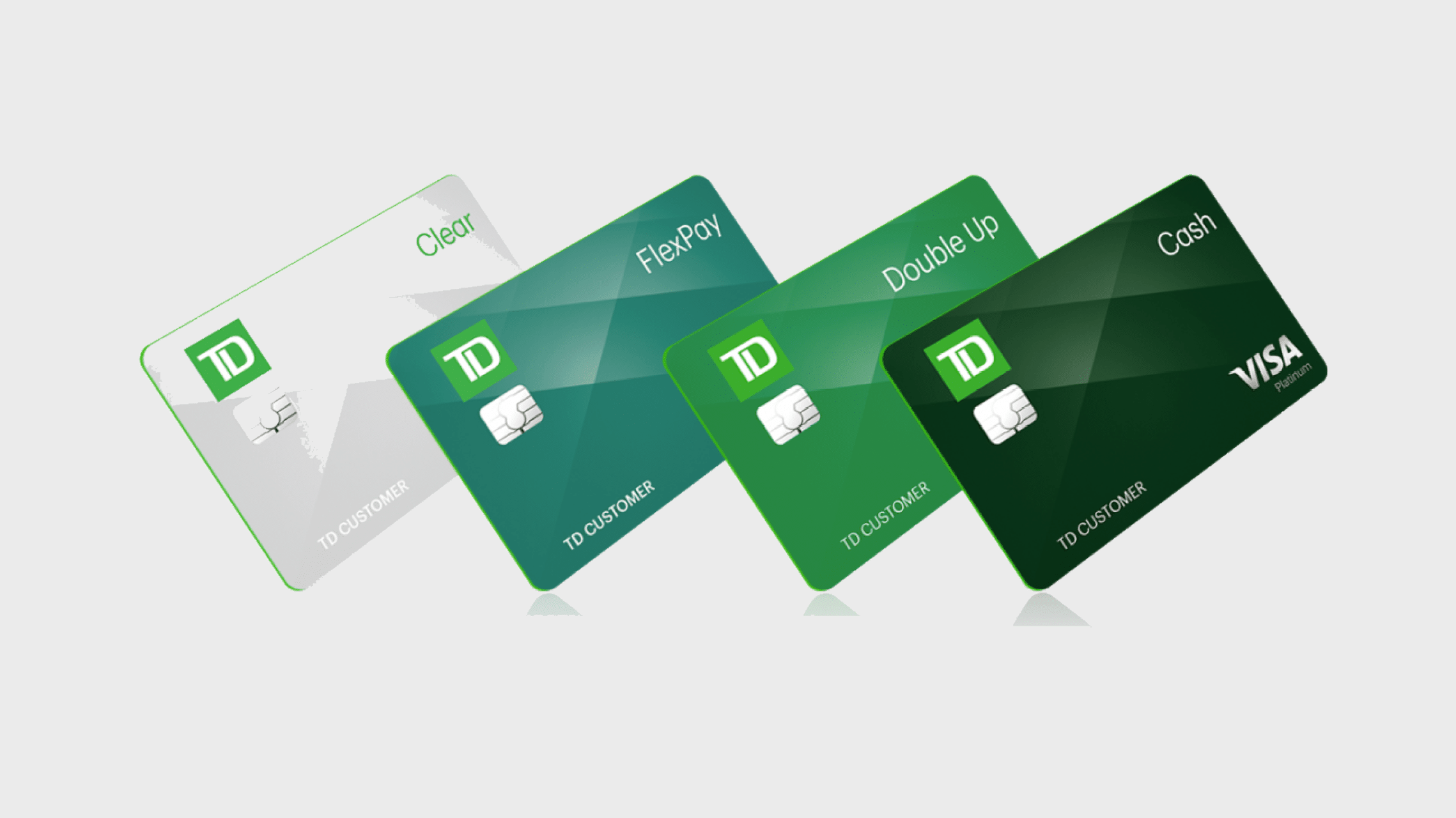
TD Bank has launched two new low-rate credit cards – including one with no interest at all! The bank launched its TD FlexPay and TD Clear Visa Platinum credit cards, adding two new credit card types as well as improvements to existing customer favorites, building on TD’s growing momentum in the credit card space.

TD Bank Launches Two New Credit Cards

TD Bank is one of several credit card issuers looking to update its tired credit card portfolio. The process began a few years back with the TD Double Up Card, an unlimited cash back card in line with leading offers from other issuers – most notably the Citi® Double Cash Card – thanks to its unlimited 2% cash back on all purchases, with 1% back when you buy – and 1% back after you pay off your purchase.

The bank then updated another cash back credit card, the TD Cash Credit Card. That card earns 5% back on gas station purchases (for six months from the account opening date or up to $6,000 in spend), 3% back on dining, 2% back on groceries, and 1% back on all other purchases. That generous spending gas bonus and reward categories made the card a formidable competitor to other lucrative rewards cards – namely the Costco Anywhere Visa® Card (one of the best gas cards on the market) and the Capital One SavorOne Card, a great no annual fee dining rewards card.

And now, TD Bank is bolstering its credit ranks further with the launch of two new low-rate credit cards. “America’s Most Convenient Bank” has added TD FlexPay and TD Clear Visa Platinum credit cards to its portfolio.

TD Clear: A Game-Changer Credit Card?

The launch introduces TD Clear – a first of its kind in the U.S. market. TD Clear Visa Platinum is a subscription-based credit card with no APR—just a straightforward monthly fee. That means no foreign transaction fees, no annual fees, no cash advance fees, no over-the-limit fees, no returned payment fees, and no APR or interest charges.

What makes Clear unique is that TD Bank customers can select from two products with differing credit limits and minimum payments:

Credit limit $1,000 $2,000
Monthly fee $10 $20
Predictable monthly payments $45 $70

Each product comes with a different credit limit and, as such, a different monthly service fee. The second difference, the “predictable minimum payment,” is based on the amount of the credit limit you use on purchases – but includes the monthly subscription fee, a great relief.

TD FlexPay

The other new addition to the TD Bank credit card lineup is the TD FlexPay Visa Platinum. The card is TD’s most flexible credit card, with increased payment flexibility and generous balance transfer offers. FlexPay cardmembers enjoy 0% intro APR for the first 18 billing cycles after account opening on balance transfers – on par with Citi’s Double Cash and Chase Slate Edge.

The FlexPay card also provides a unique perk -Skip a Payment. The Skip a Payment feature allows FlexPay cardmembers to skip a payment once a year while providing late fee forgiveness on the first late payment every twelve months.

TD Bank Continuing to Bolster Its Credit Card Ranks

The latest launch represents TD Bank’s most significant investment to date in the credit card space, creating new card offerings and improving existing products. It comes on the heels of substantial investments in TD’s credit card servicing and digital experience. This expanded credit card portfolio represents a full range of options for customers to determine the best fit for them.

In addition to the attractive rewards, each credit card provides a suite of benefits for cardholders in partnership with Visa. TD Clear, TD FlexPay, TD Double Up, and TD Cash all include cell phone protection for cardholders who use the card to pay their cellular bill and perks, including the following:

Zero Fraud Liability Cardholder Inquiry Services Emergency Card Replacement
Roadside Dispatch and Auto Collision Damage Waiver Lost/Stolen Card Reporting ID Navigator from Norton

Related Article: What is the Longest 0% APR Credit Card?

Featured image by TD Bank

“Cashback Like a Pro” with Chase Freedom Unlimited

chase freedom unlimited ad campaign

Last updated on September 6th, 2023

Chase Freedom is joining forces with spokesman and comedian Kevin Hart, and two-time NBA MVP Stephen Curry, to continue a popular new advertising campaign. The “Cashback Like a Pro” campaign is back to help highlight the everyday value of Chase Freedom Unlimited, one of the most popular cash back credit cards on the market today

"We're Talking Cash Back?"

Chase Freedom and its popular spokesman, entrepreneur, and actor Kevin Hart is back for another installment of Chase Freedom’s  “Cashback Like a Pro.” The campaign is designed to highlight how Chase fans get more from every moment and transaction, so whatever game they’re a part of, they can always get a little more with their Chase Freedom Unlimited credit card.

Following on the heels of the successful “Cashback Like a Pro” campaign with four-time NBA champion and two-time MVP Stephen Curry, Chase Freedom is joining forces with spokesman and comedian Kevin Hart for another installment, taking a look back on an iconic sporting event more than two decades ago.

Here’s the ad:

This is the second ad in the new Chase Freedom’s “Cashback Like a Pro” campaign. The first ad, featuring Hart and Curry, was entitled “Team Kevin” and saw the comedian, actor, and entrepreneur purchasing the team by “cashbacking,” with NBA star Curry in disbelief over Hart’s grand vision for the team.

About Freedom Unlimited

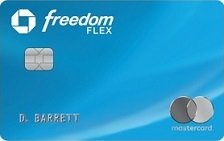
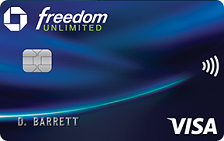
Chase Freedom Unlimited is the “everyday” member of the Freedom family of credit cards. Where the Freedom Flex prioritizes amplified rewards in set quarterly categories, the Freedom Unlimited provides a streamlined, unlimited amount of cash back – namely, 1.5% cash back on “all other purchases.” That 1.5% back is an accelerated bonus that helps you save money daily– not just on select purchases.

You probably noticed the “all other purchases” language – what was that about? Well, like other Chase Freedom credit cards, the Freedom Unlimited offers enhanced cash back on key categories:

  • 5% cash back on travel purchased through Chase Ultimate Rewards
  • 3% cash back on dining at restaurants, including takeout and eligible delivery services
  • 3% cash back on drugstore purchases
  • And, of course, 1.5% cash back on all other purchases

Beyond the exceptional cash back rewards, Freedom Unlimited provides cardmembers with an attractive welcome offer. New cardmembers can earn a $200 bonus after spending $500 on purchases in the first three months from account opening. Other notable features include no annual fee and 0% intro APR on purchases and balance transfers.

Cash Back Rewards Comparison

The Freedom Flex is one of the most popular “unlimited” cash back cards on the market. It’s biggest competitor is the Citi Double Cash® Card. That card earns an unlimited 2% cash back on purchases: 1% when you buy and 1% as you pay with no categories, caps, or annual fee.

Here’s how the two cards match up:


Chase Freedom Unlimited®

Citi® Double Cash Card
Rewards Earn 5% on travel through Ultimate Rewards, 3% back on drugstore purchases and dining at restaurants, 1.5% back on all other purchases 2% back on all purchases (1% back when you purchase and 1% back when you pay)
Intro APR 0% Intro APR for 15 months on purchases and balance transfers 0% intro APR on balance transfers for 18 months after completing within first 4 months of account opening
Network Mastercard Mastercard
Annual fee $0 $0

Related Article: Best No Annual Fee Credit Cards

Featured image by JP Morgan/Chase

Money Management Tips For Inflation

Money Management Tips For Inflation

Last updated on January 2nd, 2024

The U.S. Labor Department recently announced the current inflation rate for May 2023 stands at a high of 4.9%. The topic of inflation has been a popular one in recent times due to the world’s current events affecting the economy. Understanding how to manage your money in preparation for inflation is the move you want to make. Consider these money management tips for inflation.

How To Prepare for Inflation

There are a couple of actions you can take to improve your money management during times of inflation. The following tips can help extend your money, stretch your budget, and save more.

Grow Your Emergency Fund

Whether or not inflation is on the rise, an emergency fund, recommended by financial experts, is a must. An emergency fund should be worth three to six months of your essential expenses. Your budget should also plan for recurring contributions to an emergency fund just as you would a regular savings account. In return, you benefit from disciplined spending habits which can help you save more in the long run.

It helps if you think of your emergency savings fund as a bill to contribute monthly. You can also cut spending in other areas of your budget to help boost an emergency fund. With the security of an emergency fund, financial life challenges will give your wallet grace.

Continue Investing in Long-Term Savings

While it may seem counterintuitive, maintaining steady investing efforts in long-term savings should remain a priority. “Panic-selling” a stock portfolio is not always the answer. Returns in the stock market fluctuate each year. However, holding onto your investments over time can help.

According to Business Insider, the S&P 500 has gained, on average, 10.7% annually since introduced in 1957. Similarly, but better, the index has done slightly better in the past decade, averaging an annual 14.7% return. In other words, don’t get rid of your 401K just because inflation is on the rise. Continue any retirement savings without hesitation.

Take An Interest In The Bond Market

Other investments keep up with inflation, for example, I-bonds, a type of Treasury bond. These kinds of bonds are connected to the Consumer Price Index, meaning the interest rate gets adjusted every six months based on current inflation rates.

The downside is you can only invest up to $10,000 electronically each year. Likewise, another government-backed bond that adjusts to inflation is the Treasury Inflation-Protected Securities (TIPS). These may be purchased through the TreasuryDirect website, a bank, or a broker.

Opt For A Cash Back Credit Card

When you’re making your dollar stretch during times of inflation, it doesn’t hurt to earn a little money back for your overpriced produce or the weekly fill at the gas pump. With a cash back credit card, you can get earnings back for everyday purchases. The credit card market has various rewards cards options suited for every need. Some cards have customized cash back categories like the Citi Custom Cash℠ Card, which earns up to 5% cash back on purchases.

Related Article: Fight Inflation with Cash Back Credit Cards

Get A High-Yield Savings Account

Consider opening a high-yield savings account to increase earnings on your rainy-day money. Why have your money in a regular savings account when it can grow in another? A high-yield savings account earns compound interest on any savings in your account. Inflation has driven banks to raise the earning rate of high-yield savings accounts. Today you can find rates as high as 4.81% APY, like the Upgrade’s Premier Savings account or Synchrony’s High-Yield savings account.

Keep A Budget

A useful tip to follow when it comes to managing your money during inflation is to budget everything. Budgeting your funds acts as a guide and outlines where all your money gets allocated. Keeping a budget can help you prevent mindless spending, which can take away from funds you may otherwise add to your savings. When you budget, you get a birds-eye view of your finances, such as your income and monthly expenses.

Related Article: How To Manage Money With The 50/30/20 Budget Rule

Featured image by mykolasosiukin/Canva

Adjustable-Rate Loans Changing In June

Adjustable-Rate Loans Changing In June 2023

Last updated on January 2nd, 2024

Changes for adjustable-rate loans are underway towards the end of June 2023. The changes could affect your current loan rates on things like mortgages, home equity lines of credit (HELOC), credit cards, and more. Here’s what you need to know about the upcoming expiration of the current index of interest rates.

Upcoming Changes For Adjustable-Rate Loans

Adjustable-rate loans get determined by the London Interbank Offered Rate a.k.a LIBOR. It’s an index of interest rates used in loans across the country and the globe. LIBOR sets the standard rates for adjustable loans in general. However, LIBOR is set to expire on June 30th of 2023. The standard rate for adjustable loans will no longer be set by LIBOR and will instead get replaced.

As mentioned, the widely used interest rate index affects various types of loans, including adjustable-rate mortgages, private student loans, HELOCs, and credit cards with interest rates based on LIBOR. Lenders will have to replace LIBOR with a similar index.

Many lenders for adjustable-rate mortgages and private student loans have already announced the new replacement. Many have switched to rates based on the Secured Overnight Financing Rate (SOFR). In contrast, lenders for HELOCs and credit cards have chosen the prime rate as a substitute. You will most likely receive a notice leading up to the set expiration date.

How The Change Affects You

According to Consumer Finance, your adjustable-rate loan will most likely see the most change from changing interest rates rather than a change to your loan’s index. In other words, the shift should be almost seamless. The new interest rate should be somewhat like its prior.

At times, lenders might also adjust margins to keep interest rates close to the same percentage. However, you may still encounter changes to your interest rates merely because adjustable-rate loans generally go up and down. The fluctuation in these loan rates occurs in conjunction with interest rate economic changes.

Although we haven’t reached the rate index’s upcoming expiration date, your adjustable loan lender may have already shifted to its replacement. Adjustable-rate mortgages, reverse mortgages, and private student loans will make the switch after June 30th, 2023. Also, note that LIBOR’s expiration does not affect Federal student loans.

Related Article: Rising APRs Require Credit Card Debt Strategies

Featured image by designer491/Getty Images

Tips for Using Business Credit Cards Wisely

business credit cards tips

Last updated on August 23rd, 2023

Misusing business credit cards can cost a company significant money. Fortunately, maximizing the value of business credit cards is easy – you just need a few expert tips. Here are five tips for using your business credit cards wisely.

Expert Tips for Using Business Credit Cards Wisely

Credit cards can be a lifeline for small and midsize business (SMB) owners. From rewards to discounts, lounge access to statement credits, business credit cards provide access to capital and can help companies save money through integrated management tools. Here are five top tips for getting the most out of a business card:

Look for Introductory Offers

One of the best ways to maximize the value of a business credit card is to take advantage of an introductory offer. Credit card welcome offers range from introductory APR to no annual fee and sizeable points or cash back bonuses. As a rule, welcome bonuses for business credit cards typically include at least one of the following:

No annual fee for the first year 0% introductory APR on balance transfers 0% introductory APR on balance transfers
No fees on eligible balance transfers or cash advances Statement credits Statement credits
0% introductory APR on purchases Bonus points or miles for meeting minimum spending requirements Bonus points or miles for meeting minimum spending requirements

Before taking advantage of an introductory or welcome offer, always read the fine print and terms and conditions carefully. Also pay attention to any deadlines mentioned in promotional martials so they don’t expire before applying.

Optimize Benefits to Maximize Rewards

Business cards differ from personal credit cards in the rewards they provide. A personal cash back credit card may feature the same bonus categories as a business card equivalent, but the business version will have different rewards rates. Special discounts and incidental credits are another way business versions of credit cards differ from the consumer option. These discounts include in-flight purchases, hotel or car rental savings, or preferred pricing on select services.

Maximizing rewards means optimizing company credit cards to mirror employee spending habits. Companies that send employees on international travel should consider an airline card that is part of a codeshare alliance (like Star Alliance, Oneworld, or SkyTeam). These cards may also offer TSA Pre-Check or other airport fast-track benefits. Similarly, companies with a large salesforce may benefit from a gas card, cash back card, or other rewards card.

Pay In Full Every Month

Credit utilization is one of the largest contributors to a business’s credit score. Put simply, credit utilization refers to the percentage of the total credit used from the total credit available. Therefore, companies should aim for lower credit use to attain a better credit rating.

Here are the critical scoring factors for businesses according to Experian:

Scoring Factor Explained
Business age How long has the company been open and operating as a business?
Credit applications How many new credit line applications does the company have in the past 9 months?
Credit opened How many new lines of credit has the company opened in the past 6 months?
Collections Does the business have any accounts in collection or any liens?
Payment history Does the business have a history of paying off their loans and credit lines on time?

Paying in full has another benefit – no interest charges. Only issue (and use) business cards if you can do so without carrying a balance from month to month. Doing so can save your company significant money over the long term.

Use Employee Spending Limits

Business credit cards are just like any other type– they require responsible use to avoid financial difficulties. Fortunately, many business cards provide comprehensive account management tools and business software integrations. These business features help account managers streamline their finances, track purchases, and even assist in writing off spending as a business expense.

One of the best tools to use on a business credit card is the individual spending limit control for employee-issued cards. A business card program includes a credit limit for the company and spending limits for each cardmember, with these limits set by the account manager. Typically, credit limits start as low as $100, although that minimum may vary by issuer.

Corporate cards are a better choice for large companies, as these bespoke business cards require a minimum of 15 authorized cardholders per corporation. These accounts are also better suited to oversee a huge amount of transactions.

Avoid Fees (if Possible)

Nobody likes hidden fees, but those small charges can exponentially inflate a company’s expenses if multiple employee cards are issued. Look for a business card without hidden fees, including foreign transactions, setup, or card replacement.

Perhaps the biggest fee to avoid is an annual fee. Business cards with travel rewards typically charge an annual fee of around $95 but there are plenty of excellent cash back cards that provide excellent rewards with no annual fee.

Foreign transaction fees are another fee to avoid. A foreign transaction fee is a charge added by a credit card issuer on any transactions overseas or with a foreign merchant. These fees are typically around 3% of the transaction cost and is added to the purchaser’s credit card statement. Look for cards with no foreign transaction fees to avoid excess costs at the end of the billing period.

Featured image by mwitt1337/PixaBay

Check out more

Business Credit Cards

Citi Custom Cash℠ Card or Prime Visa: Read This Before Applying
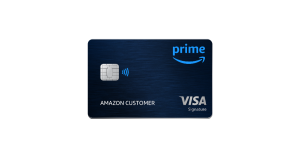
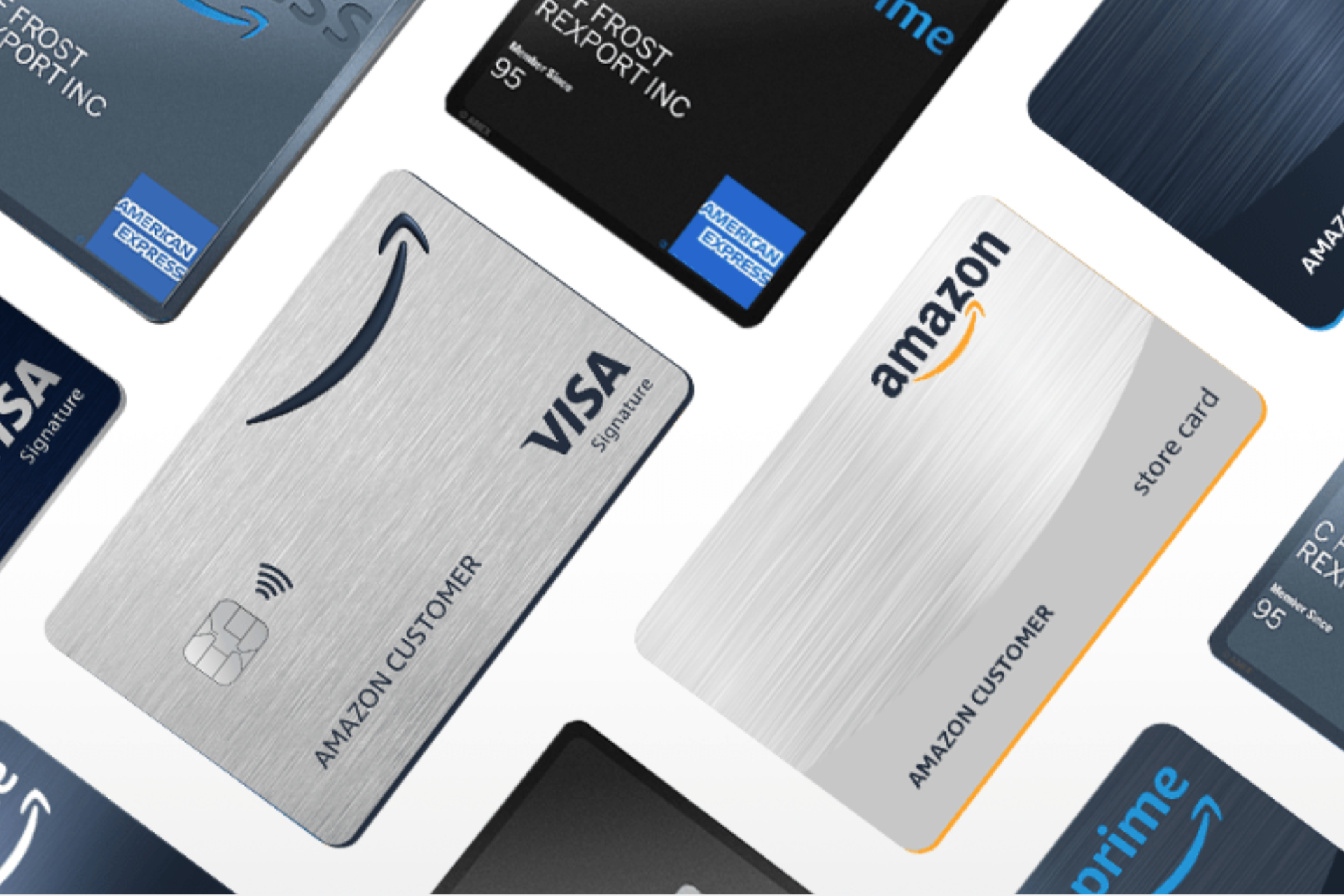
Prime Visa versus Citi Custom Cash

Last updated on May 8th, 2023

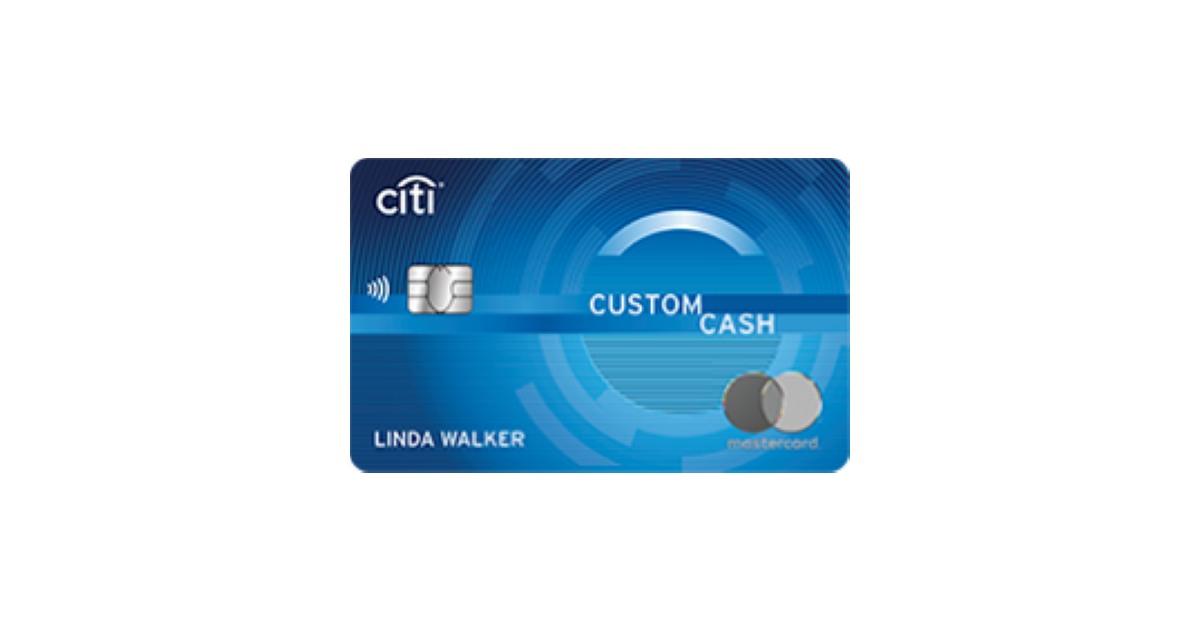
When it comes to finding the best credit card for you it is essential to do your homework first. The Prime Visa and Citi Custom Cash Card are two popular cash back rewards options, but which is best? Here is everything you need to know to find your best credit  card offer:

Citi Custom Cash℠ Card or Prime Visa®: Which Is Right for You?

Before deciding which credit card is right for you, the Citi Custom Cash℠ Card or the Prime Visa from Amazon, here is a detailed breakdown of the cards, their features, and their suitability:

Pre-Qualification Before Applying

Applying for a credit card requires a credit check. Often, these credit checks (or credit inquiries) are known as “hard inquiries,” meaning the bank pulls your full credit report before approving (or denying) your credit card application. If you apply for a credit card and are declined, your credit score will likely take a minor hit. One way to avoid a negative impact on your credit score before getting a new credit card is by pre-qualifying before you apply.
Pre-qualification for credit cards is safe, fast, and effective. Citi and Chase offer online pre-qualification before applying, so seeing if you qualify for a lucrative cash back card has never been easier. 

Related Article: How to Pre-Qualify for a Credit Card

Credit Score Needed

Both rewards cards require a “good” or “excellent” credit score, meaning a FICO Score of 670+ is the minimum you should expect to have before applying. For versatile, no annual fee rewards cards, however, a credit score of 700+ is likely needed.

However, keep in mind that your credit score is only one part of the equation. Banks also consider other factors, including how your income compares to your debt obligations and your overall ability to make your monthly credit card payments.

How to Apply

Most credit card applications from major issuers are similar. Here is what you can expect from the application process with all three cards – including what information is needed:

Info Explained
① Full legal name and contact information You’ll need your full legal name, contact address, phone number, and e-mail address to apply for pretty much every credit card.
② Social Security Number (SSN) or Individual Taxpayer Identification Number (ITIN) Most credit card issuers require applicants to have a U.S. Social Security number to apply for a credit card. Since foreign citizens likely lack an SNN, they may receive an Individual Taxpayer Identification Number (ITIN) instead. An ITIN is an ID number the IRS issues to anyone who needs to file income tax returns in the United States but doesn’t qualify for an SSN. Be ready to provide either of these items when applying for a personal credit card.

The following banks accept foreign national applicants with an ITIN number, according to Experian:

  • American Express
  • Bank of America
  • Capital One
  • Chase
  • Citibank
  • OpenSky
  • Wells Fargo

Currently, only two major card issuers don’t allow applicants with an ITIN:

  • Barclays
  • Discover
③ Income You’ll need to provide income information when applying for a credit card. Banks like to see that you aren’t too stretched financially, and part of this process is by evaluating how much income you have from things like your job, investments, and other sources.

④ Expenses Your monthly expenses are the second part of the puzzle when it comes to gauging your risk as an applicant. Your monthly housing costs (rent, mortgage) current utilities, and other relevant info might be asked when you apply.
⑤ Credit Score The final piece of informational lender needs to judge a credit card application is your credit score. Much of the information in your credit report is supplied by creditors and lenders, and potential lenders will use these details as a point of reference when considering you for a loan or line of credit. Your credit report is prepared and sold to prospective lenders and creditors by three credit reporting agencies – or bureaus, as they’re also known. They are Equifax, Experian, and TransUnion.

Annual Fee

Both cards feature no annual fee. It is worth noting, however, that getting the best rewards with Amazon and Chase requires an active Prime membership. Membership with Prime does have its benefits, including free shipping, special members-only discounts, and access to millions of films, television shows, and more. However, this is still an additional cost that those considering applying for this card must consider – a charge of over $100 per year.

Introductory APR

While the Prime Visa credit card does not come with a dedicated 0% intro APR period on purchases, Chase does offer special promotional financing on select Amazon purchases.

In contrast, the Citi Custom Cash Mastercard provides 0% Intro APR on balance transfers and purchases for 15 months. After that, the variable APR will vary depending on the applicant’s creditworthiness. Those 15 months are on par with other lucrative cash back cards, including the Chase Feeedom Flex and the Freedom Unlimited.

Related Article: What is the Longest 0% APR Credit Card?

How to Earn Rewards

Earning impressive cash back is great, regardless of the occasion. Here is precisely how the bonus categories breakdown:

Shopping with Amazon

The Prime Visa was designed for Amazon shopping. The Chase credit card offers cardholders an impressive 5% cash back  rewards on all Amazon.com and Whole Foods purchases 

Conversely, the Custom Cash earns 5% back on purchases in your top eligible spend category each billing cycle, up to the first $500 spent, and 1% cash back after that. Plus, cardholders automatically earn 1% cash back on all other purchases.

Those 5% back categories include grocery stores and select streaming, meaning there is some significant value for the frequent Amazon shopper with the card. Here is a breakdown of Citi’s select streaming services, including Prime Video and Amazon Music Premium:

Amazon Music Fubo TV MLB.tv Prime Video
Apple Music HBO Max NBA League Pass Showtime
Apple TV+ YouTube (Music/TV) Netflix Sling TV
Audible Hulu NHL.tv SiriusXM
DirecTV Stream iHeartRadio Pandora Spotify
Disney+ Kindle Unlimited Paramount+ Sticher
ESPN+ Luminary Peacock TIDAL

Earning Rewards Everywhere Else

When it comes to earning rewards outside of Amazon, it’s just as close a contest between the  Custom Cash and Prime Visa.

As stated, the Custom Cashearns 5% back on your top spend category each month – up to $500 spent every billing period. Here are those 5% back categories:

Dining Fitness clubs Grocery stores
Drugstores Gas stations Home improvement stores
Travel & transit (select) Live entertainment Streaming service (select)

All other purchases made with eh Custom Cash (including after the $500 threshold is met – earn 1% cash back.

Outside of Amazon, the Prime Visa also earns an impressive 5% cash back on travel booked through the Chase Travel portal.  Additionally, the card provides 2% cash back at gas stations, drug stores, and restaurants – plus 2% back on local transit and commuting, including rideshares. Those 2% back rewards aren’t excessive but give some value versus the Custom Cash. For example, Prime cardholders can earn maximum rewards at Amazon and Whole Foods while earning enhanced cash back on drugstore purchases– something the Citi card cannot do.

How to Redeem Rewards

Earning up to 5% cash back is great, but how can you convert those rewards into awards?

How to Redeem Rewards with Citi

While the Citi Custom Cash℠ Mastercard earns “cash back,” those rewards take the form of ThankYou points. This means that 5% back is 5X ThankYou points – a rather lucrative total.

Cardholders can redeem their ThanYou Points for a huge selection of rewards, including:

  • Gift cards, including 15% more value when redeeming ThankYou points for gift cards from Wayfair®, Sephora®, and Grubhub.
  • Merchandise through participating retailers (including Amazon)
  • Travel
  • Charity
  • Citi loan payments (mortgages, student loans, etc.)

Citibank offers point transfers to 17 airline and hotel partners:

Wyndham Rewards Aeromexico ALL – Accor Live Limitless Flying Blue JetBlue TrueBlue Qantas Frequent Flyer
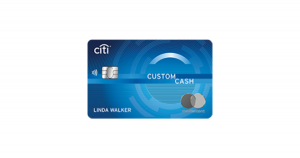
Avianca LifeMiles Cathay Pacific Choice Privileges Qatar Privilege Club Shop Your Way Singapore Airlines
Emirates Skywards Etihad Guest EVA Air Thai Royal Orchid Plus Turkish Airlines Miles&Miles Virgin Atlantic Flying Club
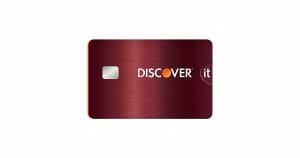
How to Redeem Rewards with Prime Visa

All points accrued with the Prime Visa Card are redeemable towards eligible Amazon purchases, cash back through Chase (either as a statement credit or into available savings or checking account), or redeemed for gift cards. Amazon credit cards also allow cardmembers can earn, view, and redeem rewards earned on their card daily rather than monthly, with the introduction of daily rewards. 
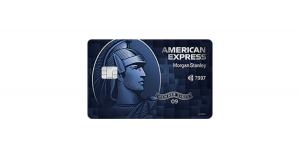
These options provide solid value for cardmembers – especially those who prioritize savings with Amazon – and want to use points to get that big-ticket item they have their eye on.

Other Features

The Citi Custom Cash Card is a Mastercard product. This means cardholders can expect the following basic Mastercard protections:

Zero Liability Protection Mastercard Global Services ID Theft Protection

In addition to these basic protections, cardholders may also have access to World Elite Mastercard features, including Luxury Hotels Collection access, Mastercard’s Hotel Stay Guarantee, Priceless Experiences, and more.  Citi credit cards also enjoy the following protections to all cardholders:

$0 Fraud Liability Virtual Account #s FICO Score Access
Citi Quick Lock Citi ID Theft Protection Fraud Alerts

Conversely, the Prime Visa Card is a Visa Signature product. While Visa Signature’s basic protections are nearly identical to Mastercard’s the enhanced perks differ slightly: 

Zero Fraud Liability Cardholder Inquiry Services Emergency Card Replacement Luxury Hotel Collection Extended Warranty Coverage
Roadside Dispatch Lost/Stolen Card Reporting ID Navigator from Norton Travel & Emergency Assistance

Recap

Here is a quick recap of all the features of all three card offers:


Citi Custom Cash℠ Card

Prime Visa
Rewards Rate Earn 5% cash back on purchases in your top eligible spend category each billing cycle, up to the first $500 spent, 1% cash back thereafter. Also, earn unlimited 1% cash back on all other purchases. Earn 5% back at Amazon.com and Whole Foods Market with an eligible Prime membership and on purchases made through Chase Travel, 3% back at restaurants, gas stations, drugstores, and local transit, including rideshares, and 1% back on all other purchases
Introductory Bonus $200 after spending $1,500 in 6 months, plus 15 months of 0% intro APR on purchases and balance transfers $150 Amazon gift card upon approval
Annual Fee No annual fee No annual fee

The information related to Citi Custom Cash Card has been collected by BestCards.com and has not been reviewed or provided by the issuer or provider of this product or service.

Featured image by Gam-Ol  / PixaBay

How To Manage Money With The 50/30/20 Budget Rule

How To Manage Money With The 503020 Budget Rule

Last updated on September 19th, 2023

As part of your financial skills, budgeting should take center stage. Feeling secure with your finances is a beneficial factor in learning to manage your money well and responsibly. Use the 50/30/20 budget rule as a strategy for financial stability.

Managing Money With A Budgeting Strategy

Financial literacy is made up of various topics surrounding money, such as investing, personal finance management, and budgeting. Its importance lies in the ability to set up a solid foundation for the success of your money and to make life a little bit easier to manage. Today, we tackle budgeting with the 50/30/20 rule of thumb. Here’s what you should know.

The 50/30/20 rule of budgeting is simple. It states that 50% of your after-tax income should get allocated to your needs. Next, 30% of your income should go towards your wants or nonessentials. And the remaining 20% of your income should be split towards savings and debt repayments.

% of budget 50% 30% 20%
Allocation Needs Wants Savings
Explenation Things like rent, mortgage, groceries, medical expenses, insurance, etc. Wants are your non-essentials like streaming subscriptions, gym memberships, dining out, vacation trips or travel, etc. Things like regular savings, emergency funds, investing, debt repayment, etc.

A Little History Lesson

While the 50/30/20 rule is a popular budgeting strategy, it wasn’t always around. The rule originates from the 2005 book, “All Your Worth: The Ultimate Lifetime Money Plan.” It was written by the current US Senator, Elizabeth Warren, and her daughter Amelia Warren Tyagi. At the time of writing the book, the authors reference their prior 20 years of research experience to lay out a step-by-step plan for mastering personal finances.

The 50% Rule: Needs

As the rule states, 50% of your after-tax income should go toward your needs. These are non-negotiables that need to get paid without a doubt. We mean a roof over your head, food, clothing, transportation, healthcare, etc. In other words, half of your income should go towards things like rent or a mortgage, maybe a car note or public transportation, and groceries.

Remember, needs are any financial obligations. Not to be confused with nice-to-haves like your Netflix subscription or the daily local coffee shop purchase you might make on your way to work. If you find that 50% of your after-tax income isn’t sufficient to cover your needs, it may be time to downsize your lifestyle where possible, maybe a smaller home, a less expensive car, or cooking at home more often.

The 30% Rule: Wants

Next, 30% of your income should be reserved for your wants. Your wants are the non-essentials you splurge on, like vacations, the latest electronics, dining out, and more. Allocate this part of your budget for the optional things in life that really bring joy or aid in making life a bit easier to manage.

For example, instead of a meal delivery subscription, maybe opt for a less expensive option like a grocery delivery service to save time and do your cooking at home. Or, instead of signing up for a monthly gym membership, do your workouts at home and use the tons of free content on YouTube as a workout guide. In the long run, compromising to stay within your means will lead you to better budgeting practices for any financial goals you may have.

Related Article: Why Credit Cards Are a Must-Have for a Big Purchase

The 20% Rule: Savings

Lastly, the 20% rule carves out a budget for your savings and investments. Your savings should also include an emergency fund for those unexpected life surprises like a broken-down car or, on the more extreme, job loss. Most of the time, savings will propel a financial goal to fruition. Savings play a role in helping you achieve goals like buying a new car or buying a home.

Your savings can also fund investments in the stock market. Something as simple as having a 401K counts as part of your savings/investments. In addition to making IRA contributions. Debt repayment also falls under your savings. Minimum payments count as a need, while extra payments to reduce a principal – and future interest – fall under the savings category.

Why You Should Care About Budgeting

Having a budget is essential for your finances and daily living. It is the source behind having more security for emergencies or just life in general. It helps you achieve personal goals, long-term or short-term. Budgeting is not only about the serious things in life but can also help you fund your more exciting ventures like traveling, starting a family, memorable experiences, and more.

Related Article: The Ultimate Guide to Credit Cards for Groceries & Delivery Services

Featured image by Meshaphoto/ Getty Images Signature

Family Finances – 5 Lessons to Teach Your Kids About Credit Cards

Last updated on August 28th, 2023

Like many other life lessons, teaching your kids about credit cards early in life can go a long way towards setting them up for a successful future. Even if they’re not old enough (or mature enough) for debit cards or credit cards just yet, it’s never too early to practice a few basic financial lessons and create positive money habits. Here are five lessons to teach your kids about credit cards:

Lesson #1: Wants vs. Needs

One of the core money lessons that you’ll want to teach your child is the difference between wants and needs – necessities and nice-to-haves. Chances are you know adults your own age that have issues with impulse buying, that is, buying what they want when they want without thinking about the state of their bank account.

This impulse can cause people to go into debt quickly, as they can have trouble paying their bills if they don’t budget themselves and spend money responsibly. An easy way to teach this concept to kids is by creating a chore chart that grants them “play money” for each chore completed, such as picking up toys and taking out the trash. This “play money” can then be exchanged for goods and services around the home, such as a scoop of ice cream after dinner or being able to stay up for an extra hour on the weekend.

Even ‘tweens can be taught the value of wants vs needs when they can’t “afford” the Wi-Fi password at home because they forgot to do the dishes. They’ll remember next week!

Lesson #2: How Credit Works

lessons to teach kids about credit cards
Photo by Isucc/ PixaBay

Deterring children from using credit cards to help keep them out of debt is a lesson that will backfire when their credit score is too low to qualify for a loan for a car or home. Instead, explain to children how credit works and how credit cards are tools that can be used both responsibly and irresponsibly.

The next time your child comes up to you with a toy or sugary treat in hand, instead of buying it for them, offer to let them borrow money for it instead. Let them know they’ll be charged 5 cents each day and they don’t pay you back until the debt is gone, which shows how interest rates work at a very simple level. You can then fill out a log with them to track how long it takes to pay you back, illustrating their “credit history”.

If it takes your child more than a month to pay back the cost with their allowance (earned from doing chores), charge them 10 cents per day the next time they want to borrow money. Explain that they’re being charged more because of how long they took the last time and would be charged less if they had paid back the borrowed money when agreed on. This shows the idea of good credit at a small scale and helps build responsible money habits they’ll be thankful for later in life.

Kids As Authorized Users

Once your children become teens, you may consider adding them as an authorized user for one of your credit cards. If you feel comfortable and confident with your child having a credit card, this option can help put their skills to the test. Adding a child as an authorized user to a credit card not only gives them real risk scenarios to consider but may also impact their credit score as some bank issuers will report a minor’s transactions to the credit bureaus. It is one of the more risker ways to teach your kids about credit cards. Again, we stress you only consider this alternative if you feel confident that your child shows enough responsibility and maturity to hold access to a credit card.

Related Article: Can Children Become Authorized Credit Card Users?

Citi Custom Cash℠ Card Discover it® Cash Back Blue Cash Preferred® Card from American Express Chase Freedom Unlimited
Citibank has no minimum age requirement for authorized users even on their cash back earning credit cards. Discover allows a primary cardmember to add an authorized user 15 and older to their credit card account. The minimum age requirement for authorized users of Amex credit cards is 13 years and they do report credit to the bureaus. There is no set minimum age requirement, however it is up to Chase to approve or deny the authorized user request.

Lesson #3 Use Real World Examples

While some kids may quickly pick up on lessons explained to them, others need concrete real-world examples to get ideas across. It may feel uncomfortable or even taboo but using your own accounts as examples to teach children about money and credit cards can make a difference as the stakes are as real as they can get.

When paying monthly credit card bills on your home computer or smartphone, allow your young one to sit beside you while you show them the process of transferring funds from one account to another. Show them the actual process of paying off credit cards, perhaps explaining how the family can only visit their favorite theme parks once a year because of how much it costs, and how they can go in the first place by paying it off over time. At this point, you can even touch upon the concept of cash back and rewards programs, explaining how specific purchases you make now can help save money later.

Related Article: Kids’ Cards: Pros & Cons of Debit vs Credit Education

Lesson #4: Open a Savings or Banking Account

Photo by rosanegra_1/ PixaBay

Following up on the idea of using real-world examples to teach your kids about credit cards, consider opening an actual joint savings account with them at the bank. This lesson goes beyond using chore charts and play money earned at home, as your child can now track their real money alongside you and grow accustomed to banking processes, including looking up their social security number and budgeting their own funds. 

As this is a joint account, you’ll be able to track their spending and show them how their purchases now affect what they can afford later. The next time your teen wants a few dollars to pay for a microtransaction in their favorite battle royale game, take the money out of their account instead. When they can’t afford to hang out with their friends and pay for a few food truck snacks, remind them about how they paid for their digital avatar to dance around instead. Lesson learned.

Even easier now with the kid-centric debit cards that are on the market. They work hand-in-hand with allowance apps for kids. The combination allows for kids and teens to have a debit card of their own with all the tools necessary for parents to monitor their spending. A lot of the allowance apps also have technology that allows parents to pay allowances, set spending limits, and more. 

Related Article: The Best Allowance Apps for Kids


Greenlight

Step

GoHenry

BusyKid
Potential for kids and teens earn money through chores. A Visa debit card for teens with cash back or crypto. A debit card for kids and teens with flexible parental controls. A prepaid Visa debit card that works with the BusyKid mobile app.
Kids and teens can set savings goals, spend wisely, and invest. Making purchases and payments helps build credit as it reports to the three main credit bureaus. Real-time updates via the app to know your children's spending habits. Includes cool tools for kids for investments, charitable donations, and more.

Lesson #5: Let Them Make Mistakes

Helicopter parenting grants immediate peace of mind, sure, but if children never fall, they’ll never learn to pick themselves back up again. It can be tough as a parent to watch your kid make a mistake they’ll regret, but allowing them to do so (financially, in this case), may be the kind of tough love they need.

Whether spending all their play money or actual money on an impulse buy, allowing them to make that mistake and not giving in when they ask for a pass is one of the most important lessons to teach. There will inevitably come a time when you won’t be there to be your child’s financial safety net, so allowing them to endure that defeat now and teaching them financial responsibility will build the character necessary to stand on their own in the future.

Related Article: The Complete Disney Rewards Guide

TransUnion To Bring Credit Scoring To Blockchain

TransUnion To Bring Credit Scoring To Blockchain

Last updated on January 31st, 2024

Credit scores will be hitting Blockchain lending soon. Consumers on Web 3 and DeFi applications will have new lending options made possible by credit scoring provided by TransUnion in partnership with Spring Labs and Quadrata. Here’s what you need to know.

TransUnion To Bring Credit Scoring To DeFi & Web3

TransUnion is on its way to bringing credit scoring to Blockchain. When you think “blockchain,” you probably don’t think “credit scores.” For the first time, Web 3 and DeFi applications will have a way to assess lending risks via private consumer credit data. All made possible through TransUnion’s partnerships with Spring Labs and Quadrata.

The new Transunion service will be delivered to DeFi Applications using Spring Labs tech and Quadrata, a passport network with identity and compliance abilities for Blockchain apps. Its purpose is to help lenders make educated decisions on Blockchain credit applications. The off-chain credit scoring will require consumer permission while maintaining the user’s privacy on Blockchain.

The new method is made possible through Spring Labs’ patented process. Spring Labs will facilitate the credit score delivered by TransUnion to the consumer. The supplied data will contain extracted information – to help keep any user’s identity anonymous. The consumer can then provide their credit score to the DeFi App doing the lending for review.

Privacy has always been at the head of blockchain technology as both an advantage and a concern. With the tech developed by Spring Labs and Quadrata, TransUnion can deliver private credit scoring. It paves the way for a new market of consumers and broader inclusivity for lending services under the Blockchain pillar.

“As more consumers and lenders move to blockchain to conduct business, it’s important to ensure that the balance is struck between the information that lenders need to assess risk and the privacy and anonymity expected by users of the technology,” said John Sun, chief executive officer of Spring Labs. “This new product featuring TransUnion’s identity and credit data at its core is a big step toward achieving that balance and allowing more lending opportunities on blockchain while minimizing risk.” Source.

About TransUnion

Widely known for its credit reporting, TransUnion is a global information and insights company with over 12,000 associates operating in more than 30 countries. The company’s information and insight assist organizations and consumers to transact with confidence and accomplish great things.

About Spring Labs

The Spring Labs company provides enterprise-grade data security for sensitive information, such as consumer personally identifiable information, leveraging “private, vaultless tokenization”, pioneered and patented proprietary technology. For secure data with minimized risk.

About Quadrata

The Quadrata company is a passport network bringing the identity and compliance layer to DeFi applications on existing public blockchains such as Ethereum. Smart contract applications are able to leverage Quadrata’s proprietary technology to natively access KYC/AML status, country of residence as well as credit reputation and accredited investor status of Quadrata passport holders. Quadrata is a spin-out from Spring Labs, incubated as part of Spring Labs’ fundamental commitment to developing and promoting blockchain-based technologies. Source.

Featured image by McLittle/Canva

Big Changes for Amazon Visa Credit Cards

Chase and Amazon Announce New Benefits and Features on the Amazon Visa Card Portfolio

Last updated on September 6th, 2023

Chase and Amazon have unveiled new benefits and features on the Amazon Visa credit card portfolio, including new art, card names, and, most importantly, more cash back rewards. Here are all the major changes to the Amazon Visa credit card portfolio.

Chase Makes Major Changes to Amazon Credit Cards

The Amazon personal credit cards from Chase have had a makeover. The formerly Amazon Rewards Visa and Amazon Prime Rewards Visa credit cards now have new names, art, and features to maximize cardmember value.

Through the newly renamed Prime Visa and Amazon Visa credit cards, cardmembers can now earn up to 5% back on purchases made through Chase Travel. Prime Visa cardmembers earn 5% back, and Amazon Visa cardmembers 3% back on travel purchases made through Chase’s new and enhanced travel booking platform. Prime Visa and Amazon Visa cardmembers also earn 2% back on local transit and commuting, including rideshares like Lyft and Uber.

These new benefits are on top of the cash back rewards Amazon credit cardholders already earn on select purchases. Prime Visa and Amazon Visa cardmembers earn cash back on Amazon.com and Whole Foods purchases (5% back and 3% back, respectively) and on restaurants, gas stations, and drugstore purchases (3% and 2% back, respectively). Both cards enjoy Visa Signature protections and benefits, including:

Zero Fraud Liability Cardholder Inquiry Services Emergency Card Replacement Luxury Hotel Collection Extended Warranty Coverage
Roadside Dispatch Lost/Stolen Card Reporting ID Navigator from Norton Travel & Emergency Assistance

Here are how the two Amazon credit cards from Chase compare:

Prime Visa Amazon Visa
Amazon Prime membership required? Yes No
Rewards Earn 5% back on Amazon.com and Whole Foods Market purchases Earn 3% back on Amazon.com and Whole Foods Market purchases
Earn 5% back on purchases made through Chase Travel Earn 3% back on purchases made through Chase Travel
Earn 3% back on purchases at restaurants, gas stations, and drug stores Earn 2% back on purchases at restaurants, gas stations, and drug stores
Earn 2% back on local transit and commuting, including rideshares Earn 2% back on local transit and commuting, including rideshares
Earn 1% back on all other purchases Earn 1% back on all other purchases
Annual fee No annual fee No annual fee

Daily Rewards Added

Both Chase Amazon credit cards also allow cardmembers can earn, view, and redeem rewards earned on their card daily rather than monthly, with the introduction of daily rewards. The addition of this new reward is a great way to quickly access points during busy periods – like the holiday season – where instant rewards can make (or break) a shopping trip’s budget.

“Even More Value. Faster”

“The addition of travel-based earn opportunities on the cards and ability to now redeem rewards points earned on purchases as soon as the next day means we’re providing even more value to our cardmembers faster,” said William Mahoney, General Manager of Amazon Visa cards at Chase in a press release accompanying the news.

“We’re excited to offer cardmembers—whether Prime members or not—even more ways to earn rewards for their Amazon purchases and everyday activities,” added Tyler Aldrich, director of Amazon Payment Products. “We’re committed to providing customers value during their shopping experience, and we look forward to introducing more ways for customers to save and earn on Amazon.”

Related Article: Chase and Amazon Announce New Benefits and Features on the Amazon Visa Card Portfolio

Featured image by Amazon

Advertiser Disclosure

BestCards is an independent, Florida-based credit card comparison platform. Many of the card offers that appear on this site are from companies from which BestCards receives compensation. This compensation may impact how and where products appear on this site (including, for example, the order in which they appear). BestCards does not include all card companies or all card offers available in the marketplace.