Win the Trip of a Lifetime with Southwest’s Destination: Love

Destination: Love sweepstakes from Chase and Southwest Airlines Rapid Rewards BestCards.com

Southwest Airlines and Chase have a new promotion designed to inspire travel solely based on the hobbies and interests people love most. The new Destination: Love Sweepstakes allows eligible Southwest Rapid Rewards Members to win one of three trips to a surprise destination they’ll love.

Southwest Airlines’ Destination: Love Details

Southwest Rapid Rewards Credit Cards from Chase have a new promotion called Destination: Love. Available now until December 4, 2023, and open exclusively to Southwest Rapid Rewards members ages 19 and up, entrants can win one of three trips to a surprise destination they’ll love. The trip includes hotel accommodations, round-trip air travel on Southwest Airlines®, and pre-arranged activities tied to the trip’s theme for the winner and a guest.

Southwest Rapid Rewards cardmembers also automatically receive one additional entry to the Sweepstakes. The three surprise ‘destinations’ include:

Theme Details

Destination: Barbecue
Love flavorful meats and sweet or tangy sauce? Cardmembers earn 1X points per $1 spent on everyday purchases, like dining and groceries, meaning each purchase gets Cardmembers one step closer to their next plate piled high with brisket and burgers. The winner will not only enjoy some of the best barbecue in the Country, but they’ll also have the chance to learn the ins and outs of the craft from the pitmasters themselves.

Destination: Pickelball
With Southwest Airlines named The Official Airline and the Southwest Rapid Rewards Priority Card as The Official Credit Card of the Professional Pickleball Association (PPA Tour), the winner will have the chance to immerse themselves in the world of pickleball—America’s fastest growing sport–including time on the court, interactions with coaches and more. Even outside the Sweepstakes, winners can get to the courts with a partner even faster as all points Cardmembers earn with their Rapid Rewards® Credit Card count toward the coveted Companion Pass® (the benefit that lets a Rapid Rewards® Member designate one person to fly with them, free of airline charges—not including taxes and fees from $5.60 one-way—every time the Customer purchases or redeems points for a flight). As an exclusive benefit, Cardmembers receive a boost of 10,000 Companion Pass qualifying points each year.

Destination: Stream Come True
Consumer Cardmembers earn 2X points per $1 spent on select streaming services, so taking inspiration from some of the biggest Western series available on TV, the Southwest Rapid Rewards Credit Cards from Chase will help one lucky fan live out their streamable Wild, Wild, West fantasies.

Winners will also receive 25,000 Rapid Rewards bonus points they can use towards future travel with Southwest Airlines. Points bookings don’t include taxes, fees, and other government/airport charges of at least $5.60 per one-way flight.

Eligible Southwest Cards

As mentioned, the new Destination: Love Sweepstakes is open to all Southwest Rapid Rewards and Chase Southwest Rapid Rewards credit cardmembers. Southwest and Chase issue co-branded airline credit cards for consumers and businesses. Here are Southwest’s Rapid Rewards consumer credit cards:

Rapid Rewards® Plus Rapid Rewards® Premier Rapid Rewards® Priority
Rewards rate Earn 2X pts. on Southwest purchases, 2X pts. on internet, cable, phone services, and select streaming, and 1X on all other purchases Earn 3X pts. on Southwest purchases, 2X pts. on internet, cable, phone services, and select streaming, and 1X on all other purchases Earn 3X pts. on Southwest purchases, 2X pts. on internet, cable, phone services, and select streaming, and 1X on all other purchases
Best perk 2 EarlyBird Check-In per year. 1,500 tier qualifying points towards A-List status for every $10,000 spent 4 Upgraded Boardings per year when available
Annual fee $0 $99 $149

And here are the eligible Rapid Rewards SMB business cards:

Southwest Rapid Rewards® Premier Business Credit Card Southwest® Rapid Rewards® Performance Business Credit Card
Rewards rate Earn 3X points on Southwest purchases; 2X on Rapid Rewards hotel and car rental bookings, local transit and commuting including rideshare, plus social media and search engine advertising, internet, cable, and phone services; and 1X on all other purchases Earn 4X points on Southwest purchases; 3X on Rapid Rewards hotel and car rentals; 2X on local transit and commuting, including rideshare, plus social media and search engine advertising, internet, cable, and phone services; and 1X on all other purchases
Best perk 2 EarlyBird Check-Ins per year Global Entry or TSA Pre✓® application fee credit
Annual fee $99 $199

“Commitment to Rewards Our Cardmembers Every Day”

“With the Destination: Love Sweepstakes, we’re encouraging travelers to expand their horizons and learn more about the things they love by seeing them up close,” said Matthew Schlitz, General Manager of Southwest Rapid Rewards Credit Cards from Chase, in a press release. “It exemplifies Southwest Rapid Rewards Credit Cards from Chase’s commitment to rewarding our Cardmembers daily and inspiring them to turn the rewards earned on their cards into new, unforgettable experiences.”

“We’re taking our Rapid Rewards Credit Cards from Chase to new heights and unlocking new travel experiences by connecting Members with their interests and passion points that matter most to them,” said Jonathan Clarkson, Vice President of Marketing at Southwest Airlines.” The Destination: Love Sweepstakes brings to life our Purpose of connecting people to what’s important in their lives and taking our members on an adventure they are sure to love.”

Official Terms & Conditions

No Purchase or Payment Necessary to Enter or Claim a Prize. The Sweepstakes begins on 11/1/23 at 9:00 a.m. ET and ends 12/4/23 at 11:59:59 p.m. ET. Sweepstakes is open to all [1] legal residents of the fifty (50) United States and the District of Columbia (having a valid Tax Identification Number (TIN) or Social Security Number (SSN)) and [2] who are nineteen (19) years of age or older at the time of entry; and [3] have a Southwest Airlines® Rapid Rewards® account number It is free to enroll in Rapid Rewards (to enroll, visit www.southwest.com/enroll)—void in Puerto Rico and where prohibited.  The Sweepstakes is subject to the Official Rules. For complete details and Official Rules, go to https://destinationlove.chase.com/. Points bookings do not include taxes, fees, and other government/airport charges of at least $5.60 per one-way flight. 

To earn one (1) Bonus Entry without becoming a Southwest Rapid Rewards™ Credit Card from Chase Cardmember: On a plain 3”x5” piece of paper, hand-print your name, address, city, state, zip code, daytime phone number, Southwest Airlines® Rapid Rewards® number (mandatory) and email address (mandatory), place in a #10 business-size stamped envelope and mail to: Destination Love Sweepstakes, P.O. Box 738, Syosset, NY 11791-0738. Your outer mailing envelope must include a valid return address, which includes a complete first and last name.  Mail-in entries, including outer envelopes, must be handwritten. Mail entries must be postmarked by December 4, 2023, and received by December 9, 2023. 

Customers can create a free account to become a Rapid Rewards Member at Southwest.com/enroll.

Related Article: The Best Credit Cards for Holiday Travel (and Making It Less Miserable)

Featured image by  12019/Pixabay

Earn 90,000 Miles with a United MileagePlus Card

United MileagePlus welcome miles bonus

Last updated on November 14th, 2023

Chase and United Airlines have teamed up to provide some of the richest welcome bonuses ever for the consumer versions of the Chase/United MileagePlus credit cards. The limited-time promotion is designed to help travelers maximize their miles as holiday vacation time approaches.

Earn Up to 90,000 Miles with United MileagePlus

Chase has a slew of impressive welcome bonuses for the United Family of Cards. Launched June 1, these elevated welcome bonuses run for a limited time only and apply to the United MileagePlus consumer credit cards:

Here’s how the new bonuses breakdown across the MileagePlus personal credit cards:

  • Gateway: Earn 30,000 United MileagePlus Miles after spending $1,000 on qualifying purchases in the first three months of opening an account, plus 0% APR within the first twelve months. The offer ends on January 24, 2024.
  • Explorer: Earn 60,000 United MileagePlus Miles after spending $3,000 on qualifying purchases in the first three months of opening an account, plus the $95 annual fee is waived for the first year.. The offer ends on January 24, 2024.
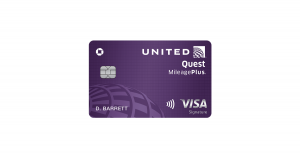
  • Quest: Earn 70,000 United MileagePlus Miles and 500 PQP after spending $4,000 on qualifying purchases in the first three months of opening an account, plus the $250 annual fee is waived for the first year. The offer ends on January 24, 2024.
  • Club Infinite: Earn 90,000 United MileagePlus Miles and 1,000 PQP after spending $5,000 on qualifying purchases in the first three months of opening an account, plus the $525 annual fee is waived for the first year. The offer ends on January 24, 2024.

About the Chase MileagePlus Credit Cards

These bonuses are one of the many ways new United cardmembers can earn miles through purchases on their card, giving people more and better travel experiences. United cardmembers also earn rewards everywhere they go and on everyday purchases, helping them pursue their love for travel.

Exactly how much you’ll earn depends on your MileagePlus credit card and your elite tier status:


Gateway

Explorer

Quest℠

Club℠
Annual fee None $95 ($0 first year) $250 $525
Rewards 2X on United and gas purchases, 1X on all else 2X on United, dining, hotels booked directly, 1X on all else 3X on United purchases, 2X on travel, dining, and streaming, 1X on all else 4X on United purchases, 2X on travel, 1X on all else
In-flight savings 25% 25% 25% 25%
Free bags - 1st bag 1st & 2nd bag 1st & 2nd bag
TSA PreCheck - Yes Yes Yes
Lounge access - United Club (2X/year) - United Club (unlimited)

MileagePlus is a United Airlines loyalty program that offers its members big rewards on United flights and flights with eligible United Partners. United Airlines is a founding member of the Star Alliance. It is also one of the world’s largest airlines, with an ever-expanding list of destinations worldwide.

Related Article: Bilt Rewards Status Match with United

Featured image by United Airlines

Ultimate Guide to Citi Application Rules

citi credit card application rules and guide

Last updated on March 18th, 2024

Different banks and lenders have different requirements for their loan products. The same applies to credit cards from issuers like American Express, Chase, and others. Citi application rules are similar to most other banks but differ in several key regards. Before you start the process, here is everything you need to know before applying for a Citi credit card.

Table of Contents

At a Glance

  • Citi offers credit cards for all credit profiles
  • You can pre-qualify for select card offers before applying
  • Citi has specific rules regarding the number and timing of your applications
  • There are also limits on welcome bonuses to consider
  • Not all “rules” are firm and may be bypassed with strong credit or an existing Citi relationship

Guide to Applying for Citi Credit Cards

Here are some important details on what you need to know about Citi card applications before you start the application process:

What Credit Score Do You Need to Apply?

Most Citi credit cards are aimed at applicants with good or excellent credit scores. Because of this, Citi credit cards are popular for their generous welcome bonuses and everyday rewards. Despite this, Citi does offer a subprime credit card – the Citi® Secured Mastercard®.

How Many Citi Cards Can You Have?

Citi has no limit on the total number of credit cards you can use. Instead, the bank limits the overall credit across all your Citi cards. If you apply for a new Citi card and you’ve already met the credit limit Citi has assigned you, you will likely need to agree to shift the existing limits on your open accounts to accommodate the new card.

Does Citi Offer Pre-Qualification Before Applying?

Citibank provides a streamlined pre-qualification process for some of its proprietary credit cards, namely, the following four cards:

To start the Citi “pre-approval” process, visit the Citi website. Hover over the “Credit Cards” tab on the top of the credit card landing page and select “See if You Are Pre-Selected.”

The following information is required to complete the pre-qualification and prescreening process:

  • Full name
  • Email address
  • Current mailing address
  • The last four digits of your Social Security Number (SSN)

Information Needed to Apply for a Citi Credit Card

Applying for a Citi credit card is straightforward. The bank doesn’t have any unique requirements for personal information, instead asking for the usual info:

Info Explained
① Full legal name and contact information You’ll need your full legal name, contact address, phone number, and e-mail address to apply for pretty much every credit card.
② Social Security Number (SSN) or Individual Taxpayer Identification Number (ITIN) Most credit card issuers require applicants to have a U.S. Social Security number to apply for a credit card. Since foreign citizens likely lack an SNN, they may receive an Individual Taxpayer Identification Number (ITIN) instead. An ITIN is an ID number the IRS issues to anyone who needs to file income tax returns in the United States but doesn’t qualify for an SSN. Be ready to provide either of these items when applying for a personal credit card.

The following banks accept foreign national applicants with an ITIN number, according to Experian:

  • American Express
  • Bank of America
  • Capital One
  • Chase
  • Citibank
  • OpenSky
  • Wells Fargo

Currently, only two major card issuers don’t allow applicants with an ITIN:

  • Barclays
  • Discover
③ Income You’ll need to provide income information when applying for a credit card. Banks like to see that you aren’t too stretched financially, and part of this process is by evaluating how much income you have from things like your job, investments, and other sources.
④ Expenses Your monthly expenses are the second part of the puzzle when it comes to gauging your risk as an applicant. Your monthly housing costs (rent, mortgage) current utilities, and other relevant info might be asked when you apply.
⑤ Credit Score The final piece of informational lender needs to judge a credit card application is your credit score. Much of the information in your credit report is supplied by creditors and lenders, and potential lenders will use these details as a point of reference when considering you for a loan or line of credit. Your credit report is prepared and sold to prospective lenders and creditors by three credit reporting agencies – or bureaus, as they’re also known. They are Equifax, Experian, and TransUnion.

Citi Credit Card Application Rules

Like most banks, Citi has specific rules for its credit cards and the application process. Despite this, most applicants have nothing to worry about, as these rules only apply to frequent credit seekers.

Citi 8/65 Rule on Applications

Citi also limits how often you can seek new credit before applying for a Citi credit card. This rule is known as the 8/65 rule (sometimes called the Citi 1/8/65 rule) and limits applicants to one credit card application every eight days and no more than two applications within 65 days. If you violate this rule, your Citi application may be automatically denied, even though it is not a publicly disclosed requirement.

Citi 48-Month Rule for Welcome Bonuses

Another time-sensitive restriction on new Citi credit applications is the 48-month rule. Unlike the 8/65 rule, the 48-month rule applies to welcome offers—namely, the number of you can receive for the same card.

Citi’s 48-month rule specifies that applicants can only get the welcome bonus for a specific Citi card once every 48 months. Suppose you get a Citi Custom Cash℠ Card but later cancel it. In that case, you won’t qualify for another welcome offer for subsequent Custom Cash applications for at least four years (48 months).

24-Month Rule for Family Welcome Bonuses

There is also a restriction on earning welcome bonuses for cards in the same family.  A “family” of credit cards is a grouping of cards that operate within the same loyalty program – such as Citi ThankYou Rewards or American Airlines AAdvantage. For example, if you applied for the same Custom Cash Card previously mentioned, you would not qualify for a welcome bonus for any card that earns ThankYou points. This example would apply to the following cards:

Citi 1/90 Rule for Business Card Applications

Another Citi credit card application rule is the 1/90 rule, which only applies to business card applications. Citi will not approve more than one new business credit card application per 90 days (three months) for the same applicant.

Other Rules

There are some other, softer rules which only apply to certain applicants. This applies to two distinct subsets and may result in the automatic rejection of your application. These soft rules are:

6/6 Rule

The Citi 6/6 rule is that applicants can only have six hard inquiries in six months.

1/60 Rule

The Citi 1/60 rule is that applicants only have one Citi card application every 60 days (about two months). This rule can be bypassed with an existing relationship with Citi or a robust credit file.

Featured image by  Sly/PixaBay

The Ultimate Bilt Dining Guide

Everything you ever wanted to know about Bilt Dining from Bilt Rewards

Last updated on April 2nd, 2024

Dining programs are a popular way for budget-savvy consumers to earn extra rewards. These programs are traditionally found with airline frequent flyer programs and offer bonus miles or points when dining at restaurants, cafes, bars, and other eligible locations. Bilt Dining is the latest program to launch, allowing Bilt Rewards members to earn points when they pay for their meal with an eligible card. Here’s all you need to know about it.

Table of Contents

At a Glance

  • Bilt Dining is a free dining program exclusively for Bilt Rewards members
  • Members earn between 2X to 5X points per $1 when dining out at eligible restaurants, which doubles to 4X to 10X on Bilt Rent Day
  • Bilt Rewards earned are in addition to your regular credit card points
  • Bilt Dining is available in over 20 cities in the United States

What is Bilt Dining?

Bilt Dining is a members-only collection of restaurants in select cities where Bilt Members will earn points when they pay for their meal with an eligible debit or credit card in their Bilt Wallet. You don’t need the Bilt Mastercard to earn – just a valid Visa®, Mastercard®, or American Express® card.

Where is Bilt Dining Available?

Bilt Dining is continuously growing. From just five cities at launch, Bilt Dining is now available in over 20 U.S. metropolitan areas:

Atlanta Austin Boston Charlotte
Chicago Dallas Denver Houston
Las Vegas Los Angeles Miami Nashville
New York Philadelphia Phoenix Portland
Riverside Salt Lake City San Antonio San Diego
San Francisco Seattle Washington D.C.

New cities are constantly added, with all available locations found online or on the Bilt Rewards app.

How does Bilt Dining Work?

Using the Bilt Dining program to earn rewards is simple:

  1. Open the Bilt Rewards app (available in the Apple App Store and on Google Play)
  2. Add an eligible card (Visa®, Mastercard®, or American Express®) to your Bilt Wallet
  3. Navigate to the “Dining” tab
  4. Select your location
  5. Filter results by cuisine type, location, and price
  6. Dine at an eligible restaurant
  7. Pay for your meal with an eligible credit or debit card
  8. Earn up to 10X points (or up to 11X with a Bilt Mastercard on Rent Day)

One of the great features of Bilt Dining is that you don’t need to make a reservation to earn points. But what if you were planning on dining at a fine dining establishment? For that reason, Bilt Members can see reservation availability in the Bilt app. Even better, the app links to the correct booking site to complete your reservation.

You should note that it might take up to seven days after eating at an eligible Bilt Dining restaurant for the bonus points to be posted to your Bilt account.

Earn Up to 10X on Dining Purchases

The Bilt Dining program offers points on dining, and members can earn 2X to 5X points per $1 spent on eligible dining purchases. But wait – the line above says, “up to 10X,” so what gives?

Bilt Rewards members can earn up to 10X points on dining (and even more with the Bilt Mastercard) on the first of every month during Bilt’s Rent Day promotion. On the first of every month, Bilt Members earn double points and can maximize their earnings and rewards in various ways, including trivia, experiences, SoulCycle classes, and dining.

That point doubling brings the total points to 10X on Rent Day, with Bilt Mastercard credit cardholders getting an extra point – for up to 11X points on dining! Here’s how that breaks down:

Action Rewards Total Points
Eating at an eligible Bilt Dining restaurant 5X per $1 5
Paying with the Bilt Mastercard 3X per $1 3
“Rent Day” bonus Additional 2X on all purchases* 6
11X per $1
*Bilt Dining not eligible for “Rent Day”

It’s worth noting that Bilt Dining states that members can earn “up to 10X points” with select partners, but the reality is that most Bilt Rewards members will earn closer to 3X points per $1 spent at eligible restaurants. Why? Because most restaurants (around 75%, according to users) award 3X points per $1 spent, with higher-earning restaurants tending to be in the casual dining space.

Earn Rewards from Your Card, Too

Bilt Dining is unique in that it works alongside your credit card’s rewards, meaning you can maximize your points-earning when dining out. In addition to Bilt Rewards points, when Bilt members pay using an eligible card in their Bilt Wallet they also earn the usual rewards in that card’s rewards currency. You can earn points towards rent and rewards through American Express Membership Rewards, Chase Ultimate Rewards, or any other leading credit card rewards program.

Bilt Mastercard

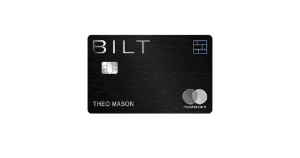
Bilt Mastercard
Excellent-Good
BestCards refers to a variation of FICO Score 9, which is one of many different types of credit scores. A financial institution may use a different score when deciding whether to approve you for a credit card. Please note that the range shown here is our own estimation and not a guarantee of credit needed to be approved for any given card. Recommended Credit: Excellent / Good
Mastercard Processing Network
None Annual Fee

Bilt Mastercard

  • 21.49%, 24.49%, or 29.49% variable based on creditworthiness and the Prime Rate Regular Purchase APR
  • 21.49%, 24.49%, or 29.49% variable based on creditworthiness and the Prime Rate Balance Transfer APR
  • 29.24% variable based on the Prime Rate Cash Advance APR

At a Glance

The Bilt World Elite Mastercard is a unique rewards credit card from Wells Fargo that lets users earn 1X on monthly rent payments, 3X on travel, 2X on dining, and offers impressive perks including Lyft and DoorDash statement credits – all for no annual fee.

  • Best Benefits
  • Rates & Fees
  • Why Should You Apply?
  • No annual fee
  • No foreign transaction fees
  • Earn 1X points on rent payments (up to 50,000 points each calendar year)
  • Earn 2X points on travel
  • Earn 3X points on dining
  • Regular Purchase APR: 21.49%, 24.49%, or 29.49% variable based on creditworthiness and the Prime Rate
  • Balance Transfer APR: 21.49%, 24.49%, or 29.49% variable based on creditworthiness and the Prime Rate
  • Balance Transfer Transaction Fee: Introductory fee of either $5 or 3% of the amount of each balance transfer, whichever is greater, for 120 days from account opening. After that, up to 5% for each balance transfer, with a minimum of $5
  • Cash Advance APR: 29.24% variable based on the Prime Rate
  • Cash Advance Transaction Fee: Either $10 or 5% of the amount of each advance, whichever is greater
  • Late Payment Penalty Fee: Up to $40
  • You rent and want to earn rewards on your monthly rental payments
  • You’re a member of Bilt Rewards
  • You don’t want to pay an annual fee

While not explicitly designed for Bilt Dining, the Bilt Mastercard perfectly matches the program, offering additional rewards with no annual fee. As noted, the Bilt credit card earns 3X points per $1 spent on dining, letting Bilt members earn up to 11X points come Rent Day.

But the Bilt Card offers far more than just solid dining rewards. The card also earns bonus points in several categories that provide everyday value. Here are all the bonus reward categories with Bilt:

  • 5X on Lyft rides when members link their account to the Bilt Mastercard and use it to pay for their ride
  • 2X on travel
  • 1X on rent minus the transaction fee (up to 100,000 points annually)

Is Bilt Dining Worth It?

Should you consider signing up for Bilt Dining? If you frequently dine out and are looking to save money or earn rewards towards rent, a future mortgage, or a dream trip with any of Bilt’s impressive transfer partners (including names like AAdvantage, World of Hyatt, Aeroplan, and more), the answer is likely yes.

Bilt Dining is appealing in its availability, value, and ability to stack rewards with another credit card or the Bilt Mastercard. Using the Bilt credit card on Rent Day allows you to earn up to 11X points on dining. Even with the typical 2X to 3X points on dining, Bilt cardholders can earn around 8X points on Rent Day – a reward rate equivalent to 15% in cash back.

Frequently Asked Questions

Do you still have questions about the Bilt Dining program? Below is a selection of some of the most commonly asked questions regarding Bilt Dining, along with the answers:

No. Members must add an eligible card before dining at the eligible restaurant.

No, there are no limits to the number of credit or debit cards you can add to your Bilt Wallet.

No, there is no cap on how many points Bilt members can earn through Bilt Dining.

No. The merchant of the order must be the Bilt Dining restaurant for members to earn bonus points. If the merchant of the order is a delivery service, like Uber Eats or GrubHub, you will not receive bonus points for that order.

What’s Next?

The Bilt Mastercard is an intriguing take on the rewards credit card. Beyond the ability to earn rewards on rent, Bilt makes maximizing tour bonus points a breeze, with the Bilt Dining program an excellent example. To see if the Bilt Mastercard might suit your needs, check out our comprehensive review.

Featured image by Foodart

The Best Credit Cards for Holiday Travel (and Making It Less Miserable)
The Best Credit Cards for Holiday Travel (and Making It Less Miserable)
Last updated on April 3rd, 2024

The holiday season is back upon us – meaning the dreaded holiday travel season has returned. Before you charge head-on into a sea of humanity at airport security, check out our best credit card options for holiday travel – and how they can make it less miserable this year.

At a Glance

What are the Best Holiday Travel Credit Cards ?

Enough with the formalities. Here are our top card picks for last-minute holiday travel:

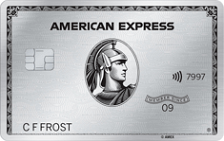
The Platinum Card® from American Express

The Platinum Card® from American Express
Excellent
BestCards refers to a variation of FICO Score 9, which is one of many different types of credit scores. A financial institution may use a different score when deciding whether to approve you for a credit card. Please note that the range shown here is our own estimation and not a guarantee of credit needed to be approved for any given card. Recommended Credit: Excellent
American Express Processing Network
$695 Annual Fee

The Platinum Card® from American Express

  • See Pay Over Time APR Regular Purchase APR
  • 29.99% variable based on the Prime Rate Cash Advance APR

At a Glance

Luxury is always within reach when you use The Platinum Card® from American Express. This exclusive rewards card offers premium travel rewards and a host of additional perks for the savvy voyager. Uber Cash and complimentary lounge access are just a few of the more practical perks that lend ongoing value to Platinum Card members beyond the impressive signup bonus.

  • Best Benefits
  • Rates & Fees
  • Why Should You Apply?
  • Earn 5X Membership Rewards® Points for flights booked directly with airlines or with American Express Travel up to $500,000 on these purchases per calendar year and earn 5X Membership Rewards® Points on prepaid hotels booked with American Express Travel
  • 5X Membership Rewards® Points on prepaid hotels booked on amextravel.com
  • $200 Airline Fee Credit: Get up to $200 in statement credits per calendar year in baggage fees and more at one select qualifying airline
  • Get up to $100 in statement credits annually for purchases at Saks Fifth Avenue on your Platinum Card®. That’s up to $50 in statement credits semi-annually. Enrollment required
  • $200 Hotel Credit: Get $200 back in statement credits each year on prepaid Fine Hotels + Resorts® or The Hotel Collection bookings, which requires a minimum two-night stay, through American Express Travel when you pay with your Platinum Card®
  • VIP status and $200 Uber savings on rides or eats orders in the U.S. annually
  • Complimentary Gold status in Marriott Bonvoy and Hilton Honors programs
  • Complimentary membership in premium car rental programs
  • $240 Digital Entertainment Credit: Get up to $20 back each month on eligible purchases made with your Platinum Card® on one or more of the following: Audible, Disney+, The Disney Bundle, ESPN+, Hulu, Peacock, SiriusXM, and The New York Times. Enrollment required.
  • $179 CLEAR® Credit: Use your Card and get up to $179 back per year on your CLEAR® membership
  • $300 Equinox Credit: Get up to $25 back each month on the Equinox+ digital fitness app, or eligible Equinox club memberships when you pay with your Platinum Card®. Enrollment required
  • $155 Walmart+ Credit: Cover the cost of a $12.95 monthly Walmart+ membership with a statement credit after you pay for Walmart+ each month with your Platinum Card. Cost includes $12.95 plus applicable local sales tax
  • Terms Apply
  • Regular Purchase APR: See Pay Over Time APR
  • Cash Advance APR: 29.99% variable based on the Prime Rate
  • Cash Advance Transaction Fee: Either $10 or 5% of the amount of each cash advance, whichever is greater
  • Penalty APR: See Rates & Fees
  • Annual Fee: $695
  • Late Payment Penalty Fee: Up to $40
  • Return Payment Penalty Fee: Up to $40
  • You travel often and can take advantage of a myriad of benefits including access to airport lounges and Uber credits
  • you intend to sign up for Global Entry or TSA Pre?®
  • You prefer airline flexibility when redeeming points for travel
  • You’re likely spend $6,000 within the first six months as a cardholder to receive the card’s welcome offer
  • You’ll take advantage of exclusive events and experiences available only to Platinum cardholders
The Platinum Card® from American Express

The Platinum Card® from American Express

Rates & Fees

Thanks to its impressive lounge perks, The Platinum Card® from American Express still reigns supreme as the ultimate travel card. Unlike many on this list, the Platinum Card offers far more than just Priority Pass Select. Cardmembers gain access to the prestigious Centurion Lounges from Amex and Delta’s SkyClub and the 1,500+ Priority Pass locations worldwide.

Travel is made just-that-more-easier thanks to $175 CLEAR statement credits, plus other credits for travel-related purchases. These credits include a $100 airline credit, a $200 hotel credit, and more. Not bad for a card that many carelessly deride as a glorified coupon book.

The card does earn solid points on travel – namely:

  • 5X Membership Rewards® Points for flights booked directly with airlines or with American Express Travel up to $500,000 on these purchases per calendar year and earn 5X Membership Rewards® Points on prepaid hotels booked with American Express Travel
  • 5X Membership Rewards® Points on prepaid hotels booked on amextravel.com
  • 1X Membership Rewards® Points on all other purchases

Those decent rewards on travel are typically improved by lucrative welcome offers – often valued at $750 or more. Those points can then be channeled to the frequent flyer or hotel loyalty program of your choosing. While not every program teams with Amex, most of the very biggest and best do, including:

AeroMexico (Club Premier) Avianca (LifeMiles) Emirates (Skywards)
Air Canada (Aeroplan) British Airways (Executive Club) Etihad (Guest)
Aer Lingus (AerClub) Cathay Pacific (Asia Miles) Air France/KLM (Flying Blue)
All Nippon Airways (ANA Miles) Delta Air Lines (SkyMiles) Hawaiian Airlines (HawaiianMiles)
Iberia Plus Choice Privileges Hilton Honors
Marriott Bonvoy JetBlue (TrueBlue) Marriott Bonvoy
Marriott Bonvoy Virgin Atlantic (Flying Club)

And when you hit the airport, you can fast track thanks to either a statement credit every 4 years after you apply for Global Entry ($100) or a statement credit every 4.5 years after you apply for a five-year membership for TSA PreCheck® (up to $85 through a TSA PreCheck official enrollment provider) and pay the application fee with your Platinum Card®. If approved for Global Entry, at no additional charge, you will receive access to TSA PreCheck

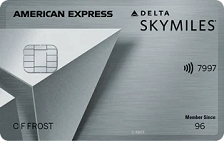
Delta SkyMiles® Platinum American Express Card

Delta SkyMiles® Platinum American Express Card
Excellent-Good
BestCards refers to a variation of FICO Score 9, which is one of many different types of credit scores. A financial institution may use a different score when deciding whether to approve you for a credit card. Please note that the range shown here is our own estimation and not a guarantee of credit needed to be approved for any given card. Recommended Credit: Excellent / Good
American Express Processing Network
$250 Annual Fee

Delta SkyMiles® Platinum American Express Card

  • 20.99% to 29.99% variable based on creditworthiness and the Prime Rate Regular Purchase APR
  • 29.99% variable based on the Prime Rate Cash Advance APR

At a Glance

If Delta is your airline of choice when planning trips for work or leisure, then you’ll enjoy the benefits available to you through the Platinum Delta SkyMiles® Credit Card from American Express.

  • Best Benefits
  • Rates & Fees
  • Why Should You Apply?
  • Earn 50,000 bonus miles after you spend $3,000 in purchases on your new Card in your first 6 months
  • Earn up to 20,000 Medallion® Qualification Miles (MQMs) with Status Boost® per year. After you spend $25,000 in purchases on your Card in a calendar year, you can earn 10,000 MQMs up to two times per year, getting you closer to Medallion® Status. MQMs are used to determine Medallion ® Status and are different than miles you earn toward flights – good through 12/31/23. Effective 1/1/24 this benefit will no longer be available, and there will be a new way to earn toward Medallion Status with the card. Learn more at delta.com/skymilesprogramchanges.com
  • Earn 3X Miles on Delta purchases and purchases made directly with hotels
  • Earn 2X Miles at restaurants worldwide including takeout and delivery in the U.S., and at U.S. supermarkets
  • Earn 1X Miles on all other eligible purchases
  • Get access to Delta Sky Club® at a rate of $50 per person per visit for you and up to two guests when traveling on a Delta Flight from now until 12/31/23. Effective 1/1/24, this benefit will no longer be available
  • Enjoy your first checked bag free on Delta flights
  • Fee Credit for Global Entry or TSA PreCheck® after you apply through any Authorized Enrollment Provider. If approved for Global Entry, at no additional charge, you will receive access to TSA PreCheck
  • No foreign transaction fees
  • $250 Annual Fee
  • Terms Apply
  • Regular Purchase APR: 20.99% to 29.99% variable based on creditworthiness and the Prime Rate
  • Cash Advance APR: 29.99% variable based on the Prime Rate
  • Cash Advance Transaction Fee: Either $10 or 5% of the amount of each cash advance, whichever is greater
  • Penalty APR: 29.99% variable based on the Prime Rate
  • Annual Fee: $250
  • Late Payment Penalty Fee: Up to $40
  • Return Payment Penalty Fee: Up to $40
  • You frequently book travel with Delta Air Lines
  • Your frequent travel also has you making numerous hotel bookings each year
  • You tend to make dining and supermarket purchases on the same card for convenience and enhanced points earning potential
  • You’re looking to enroll in TSA PreCheck or Global Entry
  • You’re looking for a card with elevated travel perks for both you and those who join you
Delta SkyMiles® Platinum American Express Card

Delta SkyMiles® Platinum American Express Card

Rates & Fees

If you aren’t comfortable with the $695 annual fee the Platinum Card charges, the Delta SkyMiles® Platinum American Express Card is another premium option to consider. If you prefer to travel with Delta Air Lines, this airline card offers you your first checked bag free, access to Delta Sky Club® at a rate of $50 per person per visit for you and up to two guests when traveling on a Delta flight, an annual companion certificate, 20% in-flight savings when using the card on Delta flights, and more. 

The card also lucrative SkyMiles on purchases: 3X Miles on Delta purchases and purchases made directly with hotels; 2X Miles at restaurants worldwide including takeout and delivery in the U.S., and at U.S. supermarkets; and 1X Miles on all other purchases. Add on a fee credit for Global Entry or TSA PreCheck® after you apply through any Authorized Enrollment Provider, and you have a versatile travel card that can make your holiday blues melt away.

And just in case you have concerns about the protections and security features you can expect from Amex – don’t worry. American Express cards provide a comprehensive array of protections and benefits for cardmembers, including the following:

Extended Warranty Return Protection Car Rental Loss & Damage Insurance Amex Concierge
Purchase Protection Zero Fraud Liability Trip Delay Insurance Amex Offers

But what if you don’t fly enough with Delta to justify that annual fee?

LATAM Airlines Mastercard

LATAM Airlines Mastercard
Excellent-Good
BestCards refers to a variation of FICO Score 9, which is one of many different types of credit scores. A financial institution may use a different score when deciding whether to approve you for a credit card. Please note that the range shown here is our own estimation and not a guarantee of credit needed to be approved for any given card. Recommended Credit: Excellent / Good
Mastercard Processing Network
None Annual Fee

LATAM Airlines Mastercard

  • 21.24% to 31.24% variable based on creditworthiness and the Prime Rate Regular Purchase APR

At a Glance

The LATAM Airlines Mastercard is an airline rewards credit card that can help supercharge your way towards a South American getaway. The card offers up to 3X miles on purchases, no hidden fees, and more – all for no annual fee.

  • Best Benefits
  • Rates & Fees
  • Why Should You Apply?
  • No annual fee
  • No foreign transaction fees
  • Earn 15,000 miles after spending $1,000 in purchases in the first three months
  • Earn 3X miles on LATAM purchases
  • Earn 2X miles on dining, plus rideshares, taxis, and public transit
  • Earn 1X miles on all other purchases
  • Regular Purchase APR: 21.24% to 31.24% variable based on creditworthiness and the Prime Rate
  • You travel to South America often
  • You prefer to fly with LATAM Airlines
  • You don’t want to pay an annual fee

Fortunately, there are other no annual fee options from SkyTeam carriers – including the Delta SkyMiles® Blue Amex Card. Another great option is the LATAM Airlines Mastercard from Cardless.

LATAM, one of South America’s leading carriers, is also a member of SkyTeam (and partially owned by Delta). The LATAM credit card earns up to 3X LATAM Pass miles on purchases, with no hidden fees of any kind. Like other Cardless credit cards, the LATAM cards charge no annual fee, no foreign transactions fees when using the card abroad, and no late fees whatsoever.

As mentioned, the LATAM Mastercard earns up to 3X on purchases. Here is how that breaks down:

  • Earn 3X miles on LATAM purchases,
  • 2X miles on dining, plus rideshares, taxis, and public transit, and
  • 1X miles on all other purchases

Miles apply towards the usual redemption options, with flights the best value. And, as with Delta, you don’t have to worry about miles not getting you where you want to go; LATAM Pass miles apply towards award flights with the following airlines:

Aeromexico China Airlines Garuda Indonesia Air France Saudia
Air Europa China Eastern Airlines Kenya Airlines China Southern Airlines TAROM
Aeroflot Czech Airlines LATAM Korean Air Vietnam Airlines
Aerolineas Argentinas Delta Air Lines KLM Royal Dutch Airlines Middle East Airlines XiamenAir
Air Europa ITA Airways Virgin Atlantic Shanghai Airlines JinAir

If you like what you hear but want a lounge trip or two thrown in, consider the $99 annual fee LATAM Airlines World Elite Mastercard.

Capital One Venture Rewards Credit Card

Capital One Venture Rewards Credit Card
Excellent
BestCards refers to a variation of FICO Score 9, which is one of many different types of credit scores. A financial institution may use a different score when deciding whether to approve you for a credit card. Please note that the range shown here is our own estimation and not a guarantee of credit needed to be approved for any given card. Recommended Credit: Excellent
Visa Processing Network
$95 Annual Fee

Capital One Venture Rewards Credit Card

  • 21.99% – 28.99% variable based on creditworthiness and Prime Rate Regular Purchase APR
  • 20.99% – 28.99% variable based on creditworthiness and Prime Rate Balance Transfer APR
  • 20.99% variable based on the Prime Rate Cash Advance APR

At a Glance

Through the Capital One Venture Rewards Credit Card, you’ll be able to earn an unlimited 2X reward miles per dollar spent on every purchase, every day, meaning there aren’t any annoying categories to memorize to maximize your miles. New Venture cardholders are also entitled to a whopping 60,000 bonus miles after 60,000 miles after spending $3,000 in the first three months bonus offer.

  • Best Benefits
  • Rates & Fees
  • Why Should You Apply?
  • Enjoy a one-time bonus of 75,000 miles once you spend $4,000 on purchases within 3 months from account opening, equal to $750 in travel
  • Earn unlimited 2X miles on every purchase, every day
  • Miles wo’t expire for the life of the account and there’s no limit to how many you can earn
  • Receive up to a $100 credit for Global Entry or TSA PreCheck®
  • Enjoy two complimentary visits per year to Capital One Lounges or to 100+ Plaza Premium Lounges through the Partner Lounge Network
  • Earn 5X miles on hotels and rental cars booked through Capital One Travel, where you’ll get Capital One’s best prices on thousands of trip options
  • Use your miles to get reimbursed for any travel purchase-or redeem by booking a trip through Capital One Travel
  • Transfer your miles to your choice of 15+ travel loyalty programs
  • Regular Purchase APR: 21.99% – 28.99% variable based on creditworthiness and Prime Rate
  • Balance Transfer APR: 20.99% – 28.99% variable based on creditworthiness and Prime Rate
  • Balance Transfer Transaction Fee: 3% of the amount of each transferred balance that posts to your account at a promotional APR that we may offer you. None for balances transferred at the Transfer APR.
  • Cash Advance APR: 20.99% variable based on the Prime Rate
  • Cash Advance Transaction Fee: 3% of the amount of the cash advance, but not less than $3
  • Annual Fee: $95
  • Late Payment Penalty Fee: Up to $40
  • You travel frequently and can take advantage of the card’s 2X reward miles earning potential
  • You do not want to jump through hoops when it comes to categories that earn you bonus miles
  • You want an extra 60,000 bonus miles after spending $3,000 on purchases within the first 3 months from account opening
  • You have excellent credit
Capital One Venture Rewards Credit Card

Capital One Venture Rewards Credit Card

Terms & Conditions

Another travel card with a similar price tag is the Capital One Venture Rewards, formerly Capital One’s premier travel card (since overtaken by the Venture X). The $95 annual fee travel card isa perineal favorite of experts and travelers alike thanks to its simplicity. The card earns an unlimited 2X miles on every purchase. The beauty of the double miles on all purchases means cardholders don’t have to bother with cumbersome categories. Every dollar spent earns two points – it is that simple.

Like American Express, Capital One provides a comprehensive list of transfer options:

AeroMexico (Club Premier) British Airways (Executive Club) EVA Air (Infinity Miles)
Air Canada (Aeroplan) Emirates (Skywards) Qantas Miles
Avianca (LifeMiles) Etihad Guest Singapore Airlines (KrisFlyer)
Air France/KLM (Flying Blue) Finnair Plus TAP (Miles&Go)
Cathay Pacific (Asia Miles) ALL (Accor Live Limitless) Choice Privileges
Turkish Airlines (Miles&Smiles)

For those looking for a no annual fee version, or an option for those with fair or good credit, Capital One also issues the Capital One VentureOne. Here is how the two cards stack up:

Venture X Rewards Venture Rewards VentureOne Rewards
Rewards rate Unlimited 10X miles on hotels and rental cards through Capital One Travel, 5X on flights through Capital One Travel, 2X miles on every other purchase Unlimited 2X miles on every purchase Unlimited 1.25X miles on every purchase
Best perk Capital One Lounge access Global Entry or TSA PreCheck® credit No foreign transaction fees
Annual fee $395 $95 annual fee $0 annual fee

Overall, the Venture Rewards Card is an excellent travel card for anyone who prefers points to perks but don’t want to pay a steep annual fee for a versatile card like the Platinum Card, Venture X, or Chase Sapphire Reserve®.

Bilt Mastercard

Bilt Mastercard
Excellent-Good
BestCards refers to a variation of FICO Score 9, which is one of many different types of credit scores. A financial institution may use a different score when deciding whether to approve you for a credit card. Please note that the range shown here is our own estimation and not a guarantee of credit needed to be approved for any given card. Recommended Credit: Excellent / Good
Mastercard Processing Network
None Annual Fee

Bilt Mastercard

  • 21.49%, 24.49%, or 29.49% variable based on creditworthiness and the Prime Rate Regular Purchase APR
  • 21.49%, 24.49%, or 29.49% variable based on creditworthiness and the Prime Rate Balance Transfer APR
  • 29.24% variable based on the Prime Rate Cash Advance APR

At a Glance

The Bilt World Elite Mastercard is a unique rewards credit card from Wells Fargo that lets users earn 1X on monthly rent payments, 3X on travel, 2X on dining, and offers impressive perks including Lyft and DoorDash statement credits – all for no annual fee.

  • Best Benefits
  • Rates & Fees
  • Why Should You Apply?
  • No annual fee
  • No foreign transaction fees
  • Earn 1X points on rent payments (up to 50,000 points each calendar year)
  • Earn 2X points on travel
  • Earn 3X points on dining
  • Regular Purchase APR: 21.49%, 24.49%, or 29.49% variable based on creditworthiness and the Prime Rate
  • Balance Transfer APR: 21.49%, 24.49%, or 29.49% variable based on creditworthiness and the Prime Rate
  • Balance Transfer Transaction Fee: Introductory fee of either $5 or 3% of the amount of each balance transfer, whichever is greater, for 120 days from account opening. After that, up to 5% for each balance transfer, with a minimum of $5
  • Cash Advance APR: 29.24% variable based on the Prime Rate
  • Cash Advance Transaction Fee: Either $10 or 5% of the amount of each advance, whichever is greater
  • Late Payment Penalty Fee: Up to $40
  • You rent and want to earn rewards on your monthly rental payments
  • You’re a member of Bilt Rewards
  • You don’t want to pay an annual fee

If you just want an everyday credit card with travel perks and no fuss, the Bilt Mastercard from Bilt Rewards and Wells Fargo is a great $0 annual fee option. The Bilt Card earns 3X points on dining, 2X on travel, and 1X on rent. Wait, what? Yep.

The Bilt Card is hailed as the “first-of-its-kind rent credit card.” Cardholders can use their card to pay rent with a vast array of properties owned by the Blackstone Group – the U. S’s largest real estate group. Cardholders earn 1X points on every $1 spent on rent through the Blackstone Group – up to $50,000 in spending each year.

Even better, you can earn points on rent even if your landlord isn’t in the Bilt Rewards Alliance. If your apartment doesn’t accept credit cards or you rent outside the Bilt Rewards Alliance of landlords, simply make your payment through Bilt’s mobile app, and the company will mail a physical check to your landlord.

Points earned apply for travel, classes through Soul Cycle, Y7 Studio, or Rumble, merchandise through the Bilt Collection, statement credits, or transferred at a 1:1 ratio with

AAdvantage Aeroplan Emirates Skywards Flying Blue
IHG Rewards World of Hyatt Virgin Points

There is even greater value with programs like Bilt Dining (where you can earn up to 11X points when dining out) and Bilt Rent Day – the company’s 1st of the month promotion where members earn double points on all eligible purchases (excluding rent).


Featured image by eak_kkk / PixaBay

The Difference Between a Financial Counselor and a Financial Advisor

The Difference Between a Financial Counselor and a Financial Advisor

Table of Contents

In this blog, we’ll delve into the differences between a Financial Counselor and a Financial Advisor, providing you with clear definitions to help you make an informed decision.

Financial Counselor v.s. Financial Advisor

When it comes to managing your finances, seeking professional guidance can make a world of difference. However, it’s essential to understand the distinctions between various financial professionals to ensure you choose the right expert for your specific needs.

Both a financial counselor and a financial advisor take a plunge into your finances. However, one acts more as a guide for your finances while the other is equipped to execute a strategy or provide financial products. Either way, defining each financial professional with specifics will give you a better understanding of the appropriate service you may need to manage your money.

What is a Financial Counselor?

A Financial Counselor is a professional who primarily focuses on helping individuals and families navigate their financial challenges and make sound decisions. They offer guidance on budgeting, debt management, financial planning, and behavioral aspects related to money management.

Having a financial counselor is like having a therapist for your money habits. They can help evaluate your financial standing by assisting you in setting up a household budget. Additionally, they can help guide you into creating a plan to chip away at debt. In other words, they point you in the right direction and you do the work towards a healthier financial situation.

The cost of a financial counselor varies. Some counselors charge for their services while others you can find for free through non-profit or government agencies. If you’re looking for guidance on investing a financial counselor may be the wrong professional to seek as they typically don’t sell investment products or insurance.

Key Facts💡

  • Financial Counselors often work in non-profit organizations, government agencies, or community service organizations.
  • They are trained to address financial and emotional aspects of money management, helping clients make behavioral changes.
  • Their services are typically low-cost or free, making them accessible to a wide range of clients.
  • Financial Counselors might not provide investment or specific financial product recommendations.

Example:

Let’s say you’re struggling with credit card debt and need help creating a realistic budget to pay it off. A Financial Counselor will work with you to develop a tailored debt repayment plan, set achievable goals, and provide emotional support to help you stick to your financial recovery plan.

What is a Financial Advisor?

A Financial Advisor, often known as a Financial Planner or Investment Advisor, is a professional who offers comprehensive financial advice and services, typically for a fee. They help clients with investment strategies, retirement planning, tax optimization, estate planning, and wealth management.

If a financial counselor is like a therapist, then a financial advisor is more like a psychiatrist prescribing a strategy to execute for investing, wealth management, and more. A Financial Advisor is typically a Certified Financial Planner (CFP). They help clients organize short-term and long-term goals and ways to meet them.

A financial adviser may also sell investing products or managed investment portfolios. Additionally, they’re equipped to operate a financial strategy and develop retirement plans. It is also uncommon to attain financial advisor services for free. Typically, an advisor may charge commissions, fees, or a combination.

Key Facts💡

  • Financial Advisors often work in private firms, banks, or as independent consultants.
  • They hold various certifications, such as Certified Financial Planner (CFP), Chartered Financial Analyst (CFA), or Certified Investment Management Analyst (CIMA).
  • Financial Advisors provide investment recommendations, asset allocation strategies, and help clients select specific financial products, like stocks, bonds, and mutual funds.
  • They charge fees based on a percentage of assets under management (AUM) or an hourly rate, making their services more suitable for individuals with substantial assets

Example:

Imagine you’ve recently inherited a significant sum of money and want to ensure it’s invested wisely to secure your financial future. A Financial Advisor will assess your financial situation, risk tolerance, and long-term goals, and then design an investment portfolio that aligns with your objectives.

Key Differences: Financial Counselors and Financial Advisors

Scope of Services
  • Financial Counselors primarily focus on budgeting, debt management, and behavioral finance.
  • Financial Advisors offer a wider range of services, including investment planning, retirement strategies, and estate planning.
Compensation Model
  • Financial Counselors often work for non-profit organizations and provide low-cost or free services.
  • Financial Advisors charge fees based on AUM or an hourly rate, which can be substantial, depending on the assets involved.
Training and Certification
  • Financial Counselors may have certifications like Certified Financial Counselor (CFC) or Accredited Financial Counselor (AFC).
  • Financial Advisors typically hold certifications such as CFP, CFA, or CIMA.

Financial Advisor or Financial Counselor: Which is Best?

Both Financial Counselors and Financial Advisors play vital roles in helping individuals achieve their financial goals. The choice between the two depends on your specific needs, financial situation, and objectives. Financial Counselors focus mostly on immediate financial challenges and the emotional aspects of money management.

In contrast, financial advisors provide comprehensive financial planning and investment advice, often suited for individuals with significant assets. By understanding the differences, you can make an informed decision and work with the professional who best meets your financial requirements.

Related Article: Balance Transfers Vs Personal Loans: Here’s How They Differ

Chase Holiday Travel Report Highlights Greater Value of Reward Points

Chase Travel Holiday Travel 2023 Report BestCards.com

Chase Travel has new data highlighting the holiday travel trends, tips, and predictions for the 2023 season. The latest finding from the Chase Travel Holiday Travel Trends report shows that travelers are booking 2023 holiday travel earlier than in previous years. Here’s everything you need to know from Chase’s latest study:

Table of Contents

Chase Study Highlights Holiday Travel Trends for 2023

The experts at FROSCH and Valerie Wilson Travel Advisors, part of the Chase Travel Group, have plenty of interesting findings in the latest Chase Travel Holiday Travel report.  The annual report highlights the most significant trends in holiday travel, with the 2023/24 edition indicating a big shift towards international travel. But the study’s main findings show that Americans book holiday travel earlier than before.  On average, customers book travel five (5) days earlier for domestic flights and eight (8) days earlier for international journeys.

Best Value

But Chase Travel’s holiday report provides far more insight than just when consumers are booking travel. The study also highlights which states are getting the most “bang for their buck” when it comes to cashing in Chase’s Ultimate Rewards (UR) points.

California, for example, saw the highest value of travel sales, where customers used one or more UR points for booking airfare, hotels, or car rentals for fall or winter travel this holiday season (between October 2023 and January 2024). The Golden State enjoyed almost $200 million worth of value when redeeming points ($199.1 million, to be precise), followed by New York and Florida in the top spots.  Here are the top five U.S. states with the highest value of travel sales this holiday season:

  • California: $199.1 million
  • New York: $113.2 million
  • Florida: $77.8 million
  • Texas: $64.1 million
  • Illinois: $49.8 million

And while those states were enjoying the greatest value with their Ultimate Reward points, some cities were quickly climbing the leaderboards that to year-over-year (YoY) growth in point redemption for air travel:

  • Houston, TX: 30% YoY growth
  • Jackson, WY: 23% YoY growth
  • Seattle, WA: 15% YoY growth
  • Boston, MA: 15% YoY growth
  • Washington D.C.: 15% YoY growth

Popular Destinations

While Chase customers are getting more value for money with their UR points, the top travel destinations for 2023 are decidedly mundane. The destinations with the most points used towards booking travel are very North and Western-hemisphere specific, including Vail, Colorado; Palm Springs, California; and international jumps to Calgary, Canada; Cabo, Mexico; and Antigua, Antigua and Barbuda.

Despite that, the Chase Travel study showcases Americans rejecting the sedentary lifestyle caused by the coronavirus pandemic. While cities in China (Beijing, Guangzhou, Shanghai) and Japan (Kyoto, Osaka, Tokyo) showed the strongest year-over-year holiday season growth after being closed to travelers last year, Chase travelers also drove high bookings to several unique, buzzing global cities and island escapes.

Whether propelled by new flight routes or by travelers’ growing interest in finding destinations that offer nature-based adventures – like Patagonia – the following destinations rose to the top of Chase Travel’s growing holiday travel list:

  • Christchurch, New Zealand: 224% YoY growth
  • El Calafate, Argentina: 132% YoY growth
  • Noord, Aruba: 105% YoY growth
  • Chiang Mai, Thailand: 104% YoY growth
  • Roatan, Honduras: 76% YoY growth
  • Vienna, Austria: 72% YoY growth
  • Rio de Janeiro, Brazil: 63% YoY growth

Other Report Findings

The latest edition of the Chase Travel Holiday Travel report also provides expert predictions for the upcoming year. The experts at FROSCH and Valerie Wilson Travel Advisors anticipate the following trends to shape 2024 travel:

  • Summer splurges: Travel Advisors are already booking 2024 summer travel plans, which indicates an expected busy summer travel season.
  • Priority around luxury escapes: As secluded, lesser-known retreats are becoming a priority for luxury travelers, Travel Advisors are seeing an increased interest in amenities like private villas from premium travelers and expect this trend to grow.
  • Experience travel: Whether it’s the total solar eclipse coming to Mexico, the U.S. and Canada or the Summer Olympics in Paris, travelers seek unique experiences to help inspire their 2024 trips.
  • Multi-gen family travel: Travel Advisors are seeing family travel of all shapes and forms continuing to grow – whether it is an increase in multi-generational cruise travel or parents and adult children traveling together, family travel time is expected to continue to become a focus for 2024.
  • Niche cruise tours: From exploring remote destinations like Antarctica through expedition cruises to navigating small ports with unforgettable river cruises, travelers pursue journeys at sea as they look toward the new year.
  • Nimble travel plans: As the travel landscape fluctuates due to surrounding global circumstances, travelers are leaning more on their Travel Advisors to help them navigate future travels and learn how to stay nimble in ever-evolving situations.

For more information on Chase’s 2023 Holiday Travel report, click here for the full findings.

Chase Holiday Travel Tips

This holiday season, Travel Advisors from FROSCH and Valerie Wilson Travel, part of the Chase Travel Group, are helping travelers make the most of their travels with helpful, seasonal tips:

  • Avoid busiest airport daysLooking at flights booked for travel in December 2023 and January 2024, the busiest airport dates in Chase Travel air booking data are 12/23, 12/22, and 12/30.
  • Earn points for holiday travel: Eligible Chase cardmembers can earn 5k bonus points for booking a flight and hotel through Chase Travel. Cardmembers can check eligibility and enroll online at the Chase Travel website. Be sure to activate, book, and stay by 1/31/24 to get rewarded, however.
  • Get ahead and give the gift of travel: With Travel Advisors already booking 2024 travel plans, it is never too early to start booking 2024 travels and surprise a loved one with a trip.
  • Make the most of your rewards: Chase cardmembers can earn and redeem points when booking hotels, flights, cruises, and more through chasetravel.com.
  • Find flexible payment plans: Between tickets, hotels, and flights, travel costs can add up quickly. My Chase Plan allows cardmembers to split up large purchases into smaller payments with no interest, just a fixed monthly fee.

Should You Consider a Travel Card This Holiday Season?

Travel credit cards can make traveling significantly cheaper. That’s because they offer points or miles  – rewards that can be turned into award flights, free nights at hotels and resorts, rental car bookings, and more.  But should you consider getting a new travel card for the 2023 holiday season? Here are a few things to consider to see if the answer is yes:

Are You Loyal to a Particular Brand or Carrier?

Co-branded airline and hotel credit cards are cards that are tied to a particular airline, hotel, or portfolio of brands. These co-branded cards offer focused perks, benefits, and points for that program, meaning you might not find enough value if you choose to stay – or fly – with another brand. These cards also often offer bigger rewards than general travel credit cards but may also incur an annual fee to use.

That’s not to say that co-branded cards aren’t versatile.  The LATAM Airlines Mastercard, for example, only miles in the LATAM Pass rewards program. Despite that, you can use those miles for award flights with any other carrier in the SkyTeam Alliance – which includes the following carriers:

Aeromexico China Airlines Garuda Indonesia Air France Saudia
Air Europa China Eastern Airlines Kenya Airlines China Southern Airlines TAROM
Aeroflot Czech Airlines LATAM Korean Air Vietnam Airlines
Aerolineas Argentinas Delta Air Lines KLM Royal Dutch Airlines Middle East Airlines XiamenAir
Air Europa ITA Airways Virgin Atlantic Shanghai Airlines JinAir

Beyond flights, points can also be used towards hotel stays with partners, including Marriott Bonvoy, Hilton Honors, IHG, Hyatt, and more. Points also apply to rental car hires with select partners and merchandise through LATAM retail partners. Ensure you thoroughly understand your potential credit card’s rewards structure, including redeeming points or miles, before applying. Additionally, you can find helpful, thorough guides on the leading airline and hotel programs on BestCards.

Do You Travel Enough to Justify an Annual Fee?

Some premium travel, airline, and hotel credit cards come with annual fees, many of which start around $75 to $95 per year. Before you apply for a new credit card, ensure you fully understand the perks available, the purchase price for these benefits outside of the credit card program, and whether or not you plan to use the card enough to recoup the yearly membership charge. Remember that a higher fee doesn’t mean better rewards. If you don’t expect to spend enough to justify an annual fee, consider a no annual fee option. Most large hotel and airline programs offer a $0 fee version. Outside of carriers and hotels, general travel cards, like the Bilt Mastercard or U.S. Bank Altitude Go, offer more streamlined rewards without a fee.

Do the Perks Apply to Your Family?

Many airline cards feature complimentary bags on carrier-operated flights, priority boarding and screening, and even TSA Precheck for security fast-pass. But do those rewards and perks apply to everyone on your itinerary? Some credit cards only provide additional baggage or priority boarding for up to 4four (4) or six (6) passengers on the same itinerary, while others cover the entire party. Carefully read the terms and conditions and any other fine print to ensure you are getting a card that is rewarding for the whole family – and not just you.

Related Article: The Best Credit Cards for Holiday Travel (and Making It Less Miserable)
Featured image by by Joshua Woroniecki /PixaBay

Chase “Month of More” Returns

chase month of more

Last updated on November 7th, 2023

Chase’s Month of More is back. Starting November 1, 2023, Chase Freedom cardmembers can enjoy even greater redemption value in Chase Ultimate Rewards – just in time for holiday shopping.

Chase Month of More Promotion Returns

Chase’s Month of More promotion is back for November 2023. The popular promotion provides additional value for eligible Chase Freedom family card members. This edition of the promotion runs from November 1 to 30, 2023.

Thanks to Month of More, eligible Chase cardmembers can be savvy spenders by earning more cash back and value when redeeming rewards for gift cards and products at their favorite stores. The promotion includes major names like Apple, Nike, Kohl’s, Lululemon, Gap, and more.

Here are some of the great deals Chase Freedom cardmembers can expect from Chase Month of More:

Award option Details
Apple products 10% extra value when redeeming cash back on the Apple Ultimate Rewards store
Gift cards 15% off when redeeming cash back for select gift cards*
Shop through Chase Various offers above 5% bonus cash back from select stores**
* Gift Card Redemptions: Applebee’s (10%), Bath & Body Works (15%), Chili’s (15%), Chipotle (10%), Domino’s (10%), Gap (15%) Happy Moments (10%), Home Chef (15%), Home Depot (10%), Macy, (15%), PetSmart (15%), Spa Finder (15%), and Wayfair (15%). ** Shop Through Chase: Ancestry (5%), Athleta (5%), Contacts Direct (5%), HelloFresh (5%), Kiwi (5%), Motley Fool (5%), Neiman Marcus (5%), Nike (10%), Norton LifeLock (5%), Lowes (10%), ProFlowers (5%), Samsung (5%), Sam’s Club (5%), Sephora/Ulta (10%), and Walmart (5%)

One big letdown from this installment of Month of More is the lack of additional cash back with Chase Dining. The last installment gave eligible cardholders 10% back on Chase Dining purchases. Fortunately, the 10% more value with Apple remains.

Eligible Chase Freedom Cards

The following Chase Freedom cards are eligible for the Month of More promotion:

Terms & Conditions

Limited-Time Offer for Chase Freedom®, Chase Freedom Flex℠, Chase Freedom® Student, and Chase Freedom Unlimited® cardmembers: From 11/01/2023 – 11/30/202, each point you redeem for Apple® merchandise in the Apple® Ultimate Rewards® Store is worth $0.0110, which means that 100 points equals $1.10 in redemption value. If you choose to use points and your Chase Freedom®, Chase Freedom Flex℠, Chase Freedom® Student, or Chase Freedom Unlimited® credit card to pay for your purchase, your credit card will be charged the full remaining dollar amount. For example, if you choose to buy Apple merchandise at $120 at $1.10 redemption value you would use 5,455 points and your credit card would be billed $60.

Related Article: Fight Inflation with Cash Back Credit Cards

Featured image by Chase

Who Owns Business Credit Card Rewards? Everything You Need to Know About Cashing In Your Business Points

Who Owns Business Credit Card Rewards?

Company credit cards are a common feature in corporate America. A company card can help employees pay for travel, hotel, dinners, and other business expenses no matter where work takes them. And with so many business cards now offering rewards – those employee trips can quickly add up to some serious points or cash back. But who owns business credit card rewards?

Table of Contents

At a Glance

  • Business credit cards are a great way to streamline company by offsetting some costs with rewards.
  • Business rewards (points, miles, cash back, etc.) are not “owned” by anyone, but most issuers state that these rewards belong to the primary account holder, guarantor, or other account manager.
  • Credit card rewards are not taxable unless redeemed for gift cards.
  • Speak with your company’s account representative or financial team for a better understanding of your company’s policies.

Business Credit Card Rewards

Business credit cards are a great choice for everyday spending. Small and medium-sized businesses (SMBs) can be effective tools to track spending and manage budgets. SMB credit cards are a great way to improve your cash flow by freeing up available funds for investment and development, tracking employee spending across multiple categories, and building business credit with financially responsible usage.

Why Business Owners Should Consider a Rewards Credit Card

Business rewards credit cards are a subset of business cards that offer rewards (cash back, points, or miles) on eligible purchases. Business reward cards are essential for business transactions, as they provide a streamlined, centralized way to track and manage purchases. These cards provide seamless account integration, QuickBooks and other tool compatibility, and even comprehensive controls and built-in policies to fit the needs of almost any business.

Business credit cards are used by everyone from sole proprietors and freelancers to small businesses and major corporations.  But when companies issue multiple cards – and employees then use them on everyday purchases like office supplies, travel, and dining – they can earn rewards that can be used to offset business expenses or book luxury travel.

But what happens to those rewards when it comes time to redeem flights, hotels, or more?

Who Owns Credit Card Rewards?

Getting a company credit card can be an exciting time – especially if that card earns airline miles or hotel points. After all, if you are a road warrior and rely on your company card, you can really rack up some impressive rewards – probably enough for that dream vacation you dreamed of – but can you use those rewards for your own purposes?

Regarding credit card rewards programs, point ownership isn’t really a thing. Confused? Don’t be.

No one actually owns most credit card points. Most card issuers state that points “have no cash value” and are the property of the rewards program. For example, American Express says that its Membership Rewards points are “not your property. You can’t transfer points to any other person or program account. Additionally, points can’t be transferred by operation of law, such as by inheritance, in bankruptcy, or connection with a divorce.”

Can I Use My Business Card Points?

But what about when it comes to redeeming points? Who gets to use rewards points when booking flights or cashing out of a program? Again, that depends on the internal procedures of your company – and the terms and conditions of each card issuer.

Credit card reward points generally belong to the primary cardholder – i.e., your boss. American Express MR states that a primary cardholder issues additional cards on their account, and they get the right to use those points. So, while you might think those endless business trips will lead to a Hawaiian vacation on company points – think again.

While most banks require business card purchases for business expenses, most do not limit points to the account holder. However, not all credit card issuers follow the same rules regarding rewards. If you have any questions about the rewards on your business card, check out your employee handbook or speak with your company’s finance department for any documentation or a copy of the credit card’s terms and conditions.

Most credit card rewards, while not “ownable,” belong to the business card’s guarantor. A guarantor is the person responsible for paying the pay the card’s debt in case of default. However, if the guarantor’s name is not the primary cardholder, they won’t get access to those points. The primary accountholder, or guarantor, gets to use the rewards from any additional cards or can opt to let the authorized users the additional cards use the rewards.

Ownership of business rewards is an essential part of any effective human resources strategy. If your company doesn’t have a policy for credit card rewards, make sure to state your case for employee retention of rewards. After all, those points are a great way to reward hardworking (and far-traveling) employees for all their efforts.

Other Important Things to Know

Other important information regarding business credit card rewards include:

Business Rewards MIGHT Be Taxable

The IRS has stated the following stance on credit card points in 2002: “(The agency will) not assert that any taxpayer has understated his federal tax liability because of the receipt or personal use of frequent flyer miles or other in-kind promotional benefits attributable to the taxpayer’s business or official travel.”

It’s worth noting, however, that the IRDS “does not apply to travel or other promotional benefits that are converted to cash, to compensation that is paid in the form of travel or other promotional benefits”.  So, what does that mean? Essentially, if you book travel with your rewards, you are fine – but opting for a gift card might make rewards eligible for taxation.

So, if you plan to use your business card rewards, avoid gift cards and instead look for flights to Bora Bora, Hawaii, Pittsburgh – or wherever your wanderlust takes you.

CARD Act Doesn’t Apply to Business Credit Cards

It is also worth remembering that business credit cards are not covered under the Credit Card Accountability Responsibility and Disclosure Act of 2009 (also known as the CARD Act). The CARD Act legislates and regulates U.S. credit card companies by limiting fees and interest issuers can charge.

Additionally, the Act improves the transparency of credit card terms and conditions, ensuring applicants can’t get duped by unsavory and untrustworthy claims or charges. Fortunately, many banks and issuers have extended some of these rules and regulations to business cards, ensuring you won’t have to worry about price gouging or unfair charges on your card accounts.

Related Article: How to Apply for a Business Credit Card

Featured image by Sarah Pflug/Burst

Should College Students Get A Travel Credit Card?

Should College Students Get A Travel Credit Card

Table of Contents

As college students navigate the challenging waters of higher education, managing finances often becomes a significant concern. The question of whether college students should get a travel credit card is a topic worth exploring.

Travel Credit Cards For College Students

On one hand, travel credit cards offer enticing rewards and benefits that can enhance a student’s overall college experience. On the other hand, they come with potential pitfalls that should not be overlooked. In this article, we will delve into the pros and cons of college students having a travel credit card, helping you make an informed decision.

The Pros of Having a Travel Credit Card in College

Reward Opportunities Building Credit History Travel Perks
Financial Emergency Buffer Budgeting and Financial Responsibility

Get Rewards

It is no secret that credit cards can be rewarding. For this reason, having a travel credit card in college can be beneficial. Many travel credit cards offer lucrative reward programs that can help students benefit from their everyday purchases. The rewards often include airline miles, hotel points, and cash back, which can help reduce the financial burden of travel or cover other expenses.

Build Up Your Credit History

The more obvious opportunity college students get with travel credit cards (as with any other traditional credit card) is a chance to build a credit history. College is the ideal time to start learning the fundamentals of building credit and establishing yourself with a positive credit history. Responsible use of a credit card can establish a positive credit score, which will be invaluable in the future when applying for loans, renting an apartment, or even securing a job.

Basic Credit Building Tips: 

Check your credit score regularly Keep a budget and only spend within your means Always pay on time and never miss a payment
Pay more than the minimum payment if possible Never max out your credit card Be mindful of your credit utilization ratio

Travel With Perks

The beauty of qualifying for a travel credit card versus a traditional credit card is that they usually come with perks tailored for travelers. These can include access to airport lounges, travel insurance, and no foreign transaction fees. For college students who enjoy traveling during breaks, these perks can make their journeys smoother and more cost-effective.

Financial Emergency Cushion

It is always a priority to use credit cards responsibly. However, if you’re a college student with a travel credit card, and you come across an unexpected expense during travel, you can use your card as an emergency cushion. Travel credit cards can cover unexpected expenses such as medical bills, car repairs, or urgent travel needs, providing peace of mind to both students and their parents.

Practice Budgeting and Financial Responsibility

Not limited to travel credit cards but having any sort of credit card during college years can make for good budgeting practice. Having a credit card requires responsible financial management. Use a credit card in college to establish budgeting and financial management skills. Ultimately, benefiting the student in the long run, to maintain healthy habits with their money and credit.

The Cons of Having a Travel Credit Card in College

High-Interest Rates Risk of Debt Accumulation Credit Score Impact
Annual Fees Limited Acceptance

High-Interest Rates and Debt

As you can see, a travel credit card has many advantages. However, there are a few disadvantages to consider. One of the major drawbacks of credit cards is the potential for high-interest rates. If college students carry a balance on their cards and do not pay it off in full each month, they may incur substantial interest charges, which can lead to financial trouble.

Speaking of financial trouble makes for the perfect Segway for discussing the potential for debt. Another downside to having a travel credit card in college is the risk of accruing credit card debt. College students are often vulnerable to overspending. The convenience of a credit card can lead to the accumulation of debt that can be difficult to pay off, especially if students have limited income.

Negative Impact on Credit and Annual Fees

We can’t stress enough how important it is to use credit cards responsibly. Otherwise, your credit can take major hits. Mismanaging a credit card during college can damage a student’s credit score. For example, late payments or maxing out a credit card can have long-term consequences on their financial futures. Additionally, many travel credit cards come with annual fees. If a student doesn’t use their cards often, there’s potential for the annual fee to eat into their potential for earning rewards.

Should You Get a Travel Credit Card in College?

The decision of whether college students should get a travel credit card depends on individual circumstances and financial responsibility. While these cards can offer significant benefits in terms of rewards, credit-building, and travel perks, they also come with potential risks, including high interest rates and the temptation to overspend.

If college students are financially responsible, have a budget in place, and can pay off their balances in full each month, a travel credit card can be a valuable addition to their financial toolbox. However, it’s crucial to exercise discipline and caution when using credit cards to avoid potential debt-related pitfalls.

In summary, a travel credit card can be a useful financial tool for college students, but only if used wisely. Before getting one, it’s important to assess one’s financial situation and commitment to responsible financial management.

Related Article: 7 Common Myths About Student Credit Cards

Ipsos Highlights American’s Shift to Cash Back Rewards

Study from Ipsos and Chase highlights the growing demand for cashback cerdit cards

When it comes to credit card rewards, cash back is king. New data from Ipsos is highlighting the appeal of cash back credit cards as businesses and consumers continue to feel the pinch of rising inflation. Here is everything you need to know about the latest insights into the U.S. economy and how Americans are trying to cope.

Ipsos Study Highlights Consumers’ Inflation Concerns

Though inflation is not at the peak levels it reached in earlier months, it’s still higher than many are comfortable with. A new study from multinational market research and consulting firm, Ipsos, is highlighting the struggles faced by millions of Americans as the holiday season approaches.

The findings indicate that a majority of Americans are continuing to feel the pinch everywhere as prices remain high, from gas to groceries to electric bills. According to the research, roughly one in three Americans reports being unable to afford basics like gas and food. 60% of respondents say they put something back on the shelf because it was too expensive, while around 25% have gotten a past-due notice for a bill they couldn’t pay.

The Ipsos study also shows that most consumers still believe prices are rising, leading to worries about the affordability of the fast-approaching holiday season – a critical time of the year for retail, travel, hospitality, and other industries.

Cash Back Is Still King

To help offset the pain of inflation, many consumers are turning to a simple credit card perk—cash back rewards. New data from Chase Bank highlights a shift towards this reward category:

  • 45% of all Ultimate Rewards points redeemed by Chase branded cardmembers (across Sapphire, Freedom, and Ink cards) in 2023 were for cash back.
  • In the past 12 months, these Chase cardmembers redeemed 429 billion Ultimate Rewards points for cash back worth more than $4 billion.
  • Cash back is the most common point-redemption category (compared to travel, gift cards, and other categories such as transferring points).

The trend towards cash back isn’t exclusively consumer-driven, either. More small businesses are turning to cash back to shore up finances and keep costs down. According to Chase, over 40% of redemptions with Chase Ink business cards are for cash back.

But why cash back?

Cash back rewards are extremely versatile thanks to a large number of redemption options available. Unlike other reward types, such as travel miles or points, cash back can be used for almost any expense. While options may vary depending on the bank and card issuer, cash back applies to the following:

Statement credit Check Gift cards
Direct deposit Merchandise Travel

Even better, there is likely a cash back card that fits your spending profile and rewards goals. Here is a quick breakdown of some of the varied categories in which top cash back cards earn rewards:

Groceries Gas Dining
Entertainment Streaming Travel
Transit/Commuting Store Crypto

It is this flexibility that allows consumers to address the rising costs of goods and services due to inflation.

Check out more

Cash Back

Featured image by  Q K / PixaBay

7 Common Myths About Authorized Users

7 Common Myths About Authorized Users

Are you familiar with the concept of authorized users? If not, you might be missing out on a valuable opportunity to manage your finances more effectively. In this blog post, we will debunk 7 common myths surrounding authorized users, shedding light on the truth behind this financial practice.

7 Authorized User Myths to Debunk

In the complex world of personal finance and credit management, there exist a multitude of myths and misconceptions, and few areas are as rife with misinformation as the realm of authorized users. The practice of adding authorized users to credit card accounts is surrounded by a cloud of misunderstanding, often leading to unfounded assumptions and beliefs.

In this blog post, we will dispel seven common myths about authorized users, shedding light on the truths behind this often misunderstood aspect of credit management. By understanding the reality of authorized user arrangements, you can make more informed decisions about how to leverage them for your financial benefit.

Table of Contents

Myth: Authorized users are responsible for all the credit card debt.

Authorized users are not legally responsible for the debt incurred on a credit card. The primary cardholder holds the liability for the charges made by authorized users. While authorized users have access to the credit card and can make purchases, they are not legally obligated to repay the debt. It is important to understand that the primary cardholder is solely responsible for managing and paying off the credit card balance.

However, any misuse or non-payment by the primary account holder could indirectly affect the authorized user’s credit if the account becomes delinquent. While authorized users enjoy certain privileges, they should ensure that they are aware of the primary account holder’s financial responsibility and practices.

Myth: Becoming an authorized user automatically affects your credit score.

Authorized users can benefit from the positive credit history of the primary cardholder, as it can help build their credit score. However, it is important to note that authorized users are not directly responsible for any negative credit behavior of the primary cardholder. Therefore, becoming an authorized user on a credit card does not automatically ruin one’s credit.

Myth: Authorized users can make changes to the account.

Authorized users do not have full control over their credit cards. While they can make purchases using the card, their spending and account management abilities are limited. The primary cardholder retains control over the account, including the ability to set spending limits and monitor transactions. It is important to understand that authorized users have restricted access and are bound by the rules and restrictions imposed by the primary cardholder.

Myth: Adding an authorized user is a quick fix for poor credit.

The myth that adding an authorized user is a quick fix for poor credit is misleading and oversimplified. While becoming an authorized user can positively impact one’s credit, it is not a magic solution for repairing poor credit overnight. Credit scores are influenced by various factors, and authorized user status primarily relies on the primary account holder’s responsible credit behavior. It may take some time for the authorized user’s credit to reflect any improvements, and it won’t address issues like late payments, high balances, or collections on their own credit report.

To improve credit quickly, individuals should consider strategies such as paying down outstanding debts, disputing inaccuracies on their credit report, and ensuring on-time payments. Additionally, securing a secured credit card, which requires a cash deposit as collateral, can be an effective way to rebuild credit, as it allows for responsible use and timely payments to have a direct positive impact on one’s credit history. Ultimately, rebuilding poor credit requires a combination of time, discipline, and strategic financial management, rather than relying solely on authorized user status as a quick fix.

Myth: Authorized users can access the primary cardholder's personal information.

Authorized users are not granted access to the primary cardholder’s personal information, including their credit card number or account details. Privacy protections are in place to ensure that personal data remains confidential. It is the primary cardholder’s responsibility to safeguard their personal information and not share it with authorized users.

Myth: All credit cards offer authorized user benefits.

The myth that all credit cards offer authorized user benefits is far from the truth. While many credit cards do provide authorized user privileges, it is not a universal feature across all card types. Typically, premium and rewards credit cards are more likely to offer these benefits, which can include perks like the ability for authorized users to make charges on the account, share the credit limit, and enjoy access to the card’s rewards program or travel-related benefits.

For instance, some American Express cards offer additional cards for authorized users with varying levels of benefits, such as lounge access or statement credits. However, not all credit cards, especially basic or secured cards, come with these advantages. It is crucial for cardholders to read the terms and conditions of their specific credit card to understand what authorized user benefits, if any, are provided, and whether they come with additional fees or responsibilities.

Myth: Authorized users can't build credit.

The myth that authorized users can’t build credit is a common misconception in the realm of personal finance. Contrary to this belief, becoming an authorized user on someone else’s credit card can be a valuable tool for establishing and improving one’s credit history. When someone is added as an authorized user, the account’s positive payment history and credit utilization are reported to the credit bureaus in their name.

This, in turn, can have a significant impact on their credit score, helping them establish a positive credit history and boost their creditworthiness. By leveraging the responsible credit management of the primary account holder, authorized users can effectively demonstrate their creditworthiness to lenders, making it easier to qualify for loans, credit cards, and favorable interest rates in the future. It’s crucial, however, to choose the right person to become an authorized user with, as the primary account holder’s financial responsibility can also affect the authorized user’s credit profile.

Bottom Line

In conclusion, navigating the world of authorized users can be far less daunting when armed with accurate information. By debunking these seven common myths, we’ve clarified the role of authorized users in building credit, how they can impact credit scores, and what responsibilities they do or do not bear. It’s vital to recognize that authorized user arrangements can be powerful tools for individuals looking to improve their credit, as long as they are approached with a clear understanding of how they work.

By staying informed, you can take full advantage of the benefits while avoiding potential pitfalls. Remember, when it comes to your financial well-being, knowledge is key, and with these myths dispelled, you are now better equipped to make sound decisions for your financial future.

Related Article: Can Children Become Authorized Credit Card Users?

Advertiser Disclosure

BestCards is an independent, Florida-based credit card comparison platform. Many of the card offers that appear on this site are from companies from which BestCards receives compensation. This compensation may impact how and where products appear on this site (including, for example, the order in which they appear). BestCards does not include all card companies or all card offers available in the marketplace.