How to Maximize Holiday Rewards While Minimizing Debt

how-to-maximize-holiday-rewards-while-and-minimizing-debt

Last updated on April 1st, 2024

The holiday season is fast approaching, and with that comes big seasonal spending. Beyond the gifts, Americans spend heavily on travel, food, entertainment, and more during November and December. Here are some helpful tips on maximizing your holiday rewards – and minimizing debt – if you plan to lean on your credit cards .

Table of Contents

At a Glance

  • Maximizing your rewards is essential for stretching holiday budgets
  • Carefully examine your current credit cards to identify any areas you plan to spend heavily on that you won’t be earning rewards
  • Examine rewards or low-rate cards that fit your budget and won’t be a financial burden in the coming year
  • Where possible, opt for a no annual fee card
  • Track your spending and stay firm on your budget

The Importance of Maximizing Holiday Rewards

Holiday rewards can come in many forms, including loyalty points, cash back, discounts, and other perks. These rewards can help you save money and get more value from your holiday spending. Maximizing your holiday rewards can also help you offset the costs of holiday expenses, such as gifts, travel, and entertainment.

To get the most out of your holiday rewards, it’s essential to understand the different types of rewards programs available. Some rewards programs are specific to certain retailers or brands, while others are more general and can be used at multiple locations. Some programs offer points or cashback, while others offer discounts or other perks. By understanding the rewards programs available, you can choose the ones that best suit your needs and preferences.

Strategies for Maximizing Holiday Rewards

Maximizing your holiday rewards requires careful planning and strategy. Here are some tips to help you get the most out of your holiday rewards:

  • Start planning early: The earlier you start planning for holiday spending, the more time you have to research rewards programs, compare prices, and take advantage of deals.
  • Set a budget and stick to it: Before you start shopping, set a budget for your holiday spending. This will help you avoid overspending and accumulating debt.
  • Use the right rewards programs: Choose rewards programs that offer the most value for your holiday spending. Look for programs that offer high rewards rates, low fees, and flexible redemption options.
  • Combine rewards programs: Use multiple rewards programs to maximize your rewards. For example, use a credit card that offers cash back on holiday purchases and combine it with a loyalty program with discounts and other perks.
  • Redeem rewards strategically: Use your rewards strategically to get the most value. For example, use cash back rewards to pay off your holiday credit card bill or redeem loyalty points for gifts or travel.

Tips for Saving Money This Holiday Season

Here are our top tips for saving money this holiday season:

Avoid Store Cards

The temptation to apply for a store credit card is ever-present. When checking out at most stores, cashiers ask if you’d like additional savings via the store’s in-house credit card. In most cases, however, you should avoid store cards.

Why? Store cards offer very little value for consumers unless they spend very heavily at a particular retailer. Store cards are typically closed-loop credit cards. With a closed-loop card you can only shop at one retailer – and such cards aren’t backed by a payment network like Visa or Mastercard.

Other negative aspects of store cards include:

  • Not all cards report to the three major credit bureaus regularly
  • Higher APRs than open-loop credit cards
  • Limited signup bonuses/holiday rewards

Tips for Using Store Cards Wisely

While there are several drawbacks to using store cards, that doesn’t mean there are no ways to safely – and effectively – use closed-loop credit cards for holiday spending. Because store cards have lower credit requirements than retail cards, they are a popular option for those with average credit who don’t want to shell out on an annual fee or a security deposit for a secured card.

Here are some basic tips for effectively using store cards this holiday season:

Read the terms & conditions carefully Before applying for a store card, ensure you thoroughly review the terms and fees associated with it. Pay close attention to the annual percentage rate (APR), annual fees, and any other charges. Understanding these costs is crucial for responsible use.
Budget Establish a strict budget for your store card purchases. Knowing how much you can afford to spend and pay off each month will help you avoid accumulating high balances and interest charges.
Avoid keeping a balance Store cards often feature much higher APRs than traditional credit cards. To avoid paying unnecessary interest, aim to pay your balance in full each month. This method can help you take advantage of rewards without incurring interest charges.
Pay on time Always make your store card payments on time every month. Timely payments are essential for maintaining a positive credit history and avoiding late fees. Consider setting up automatic payments to ensure you never miss a due date.
Use promo financing Many store cards offer promotional financing on select purchases over a set amount. If your store card offers promotional financing like 0% APR, use it strategically. Ensure you can pay off the balance within the promotional period to avoid retroactive interest charges.
Monitor your credit Store cards can have just as big an impact on your credit report as an open loop credit card. Regularly check your credit reports to ensure that your store card activity is reported accurately. This can help you spot any errors and track your credit-building progress.

Find the Right Card for Each Purchase

Instead of using one credit card, maximize your rewards by selecting the right card for every purchase. For instance, a card like the Discover It Cash Back offers 5% back when shopping at Walmart, Target, and Amazon during the holiday season. Using your Discover Card for gift purchases, online groceries, or other essentials is great.

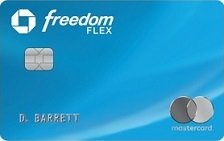
If you aren’t sure what the right card might be, consider a versatile cash back card like the Chase Freedom Flex. It earns 5% back in rotating categories, and Q4 2023 includes Amazon.com and Walmart. For those who prefer mobile payments, we like the PayPal Cashback Mastercard from Synchrony, which earns an unlimited 3% cash back on all purchases.

Take Advantage of Signup Bonuses to Maximize Holiday Rewards

Most rewards credit cards come with signup bonuses – some of which are very lucrative. Use these bonuses to your advantage.

For instance, if a card offers a lengthy 0% intro APR on purchases, consider using that card to finance larger purchases during the holiday season. Then, you will have 12, 15, or even 18 months to pay down those balances without worrying about interest charges.

Some cash back cards offer a bonus for spending a set amount within a given period. Using Freedom Flex as an example, new accounts receive $200 cash back for spending $500 on purchases within the first three months. Spend $500 on gifts, groceries, bills – whatever – and instantly recoup $200 of that spend. 

Payback Plan for Holiday Debt

Start prepping your plan of attack to pay down holiday credit card debt. Do not make your credit card debt an afterthought. Instead, set yourself up for success, and follow this guide to help prepare a payback strategy.

Make a List of Your Holiday Debt

It may sound silly, but simply sitting down with a pen and paper or a spreadsheet can help you pay back holiday credit card debt. Begin by writing down the credit cards you have. Then the balances owed for each. In return, you get a bird’s eye view of your current holiday debt – an advantage for your plan of attack.

List Out Credit Card Interest Rates

On this list, you should also allow space for interest rates. The soaring interest rates and frequent changes make it a good point to highlight the cards with the highest rates. You can use this as a guide to determine how you want to tackle your holiday credit card debt. Typically, there are two methods of cutting down on credit card debt, and that’s either the snowball method or the avalanche method. The snowball method is when you tackle your smallest credit card debts first until you get to your highest credit card debt balance. With the avalanche method, you need to take note of interest rates, as with this method, you tackle the debt with the highest interest rate first.

Consider a Balance Transfer Credit Card

This next step in the guide is optional. Depending on your situation and your comfort with your credit card debt, you may want to consider a balance transfer credit card. In essence, a balance transfer credit card is used to pay down an existing credit card debt at a better rate.

As previously mentioned, credit card interest rates are worth noting. Many balance transfer credit cards have introductory rates as low as 0% for a certain period. Transferring over existing credit card debt to a card like the Citi® Diamond Preferred® Card will benefit you with 0% intro APR for 21 months on balance transfers. The lengthy introductory offer – three months shy of two years – can help you avoid the accruement of interest on existing credit card debt. Ultimately a balance transfer can help you pay less money on your credit card debt.

Make Way For Additional Income

Easier said than done, but if you can manage a side hustle or two, it may help as a temporary aid to pay credit card debt. Again, this step is optional, but making extra cash can make a big dent in holiday credit card debt. Something like a garage sale or selling clothes you no longer need or want online can help as additional income.

Pay More Than Your Minimum Balance

Once you have taken all the proper steps and executed your plan to pay down holiday debt, plan how you will pay your balance. Always aim to pay more than your credit card minimum balance. The reason for this is to save yourself time and to avoid paying a ton of money on interest.

For example, if you have a credit card balance of $5,000 with a 26.99% APR and plan on paying it down in 21 months, you will pay about $1,328.25 in interest – assuming you pay $301.35 monthly. If you decided to only pay the minimum, which can sometimes be as low as $40, you will never catch up. Your debt will continue to pile up due to the interest. In the example above, if you switched out the $301.35 monthly payment for a lower payment of $120, your total paid interest on that debt can be as high as $9,928.47. And it would take you over ten years to pay down that debt if you were stuck with a $120 monthly payment.

The Last Step

More like the last piece of advice in this guide to help pay back your holiday credit card debt. Try your best to not use the credit cards you’re paying down. Think before you buy, and when you do make a purchase use your debit card. If you continue to charge the credit cards you’re paying down, the debt will only continue to pile on. Unless an emergency happens and you have no choice but to use your credit card, it’s best to avoid use and instead make purchases with debit or cash.

Related Article: Navigating Credit Card Debt During A Financial Crisis

Featured photo by Nicole De Khors / Burst

What is the Longest 0% APR Credit Card?

longest 0% intro APR periods credit cards

Welcome bonuses and rewards points might get the headlines. Still, great interest rates make credit cards so valuable in the long run. Perhaps the best interest rate you can find is 0% – namely 0% introductory APR on purchases, balance transfers, or both. But what credit card provides the longest 0% intro APR period?

The Credit Cards with the Longest 0% Intro APR Periods

Here are the current longest 0% introductory APR periods on credit cards from the leading banks:

Credit Card Purchase Intro APR Balance Transfer Intro APR
Citi Simplicity® Card 0% for 12 months 0% for 21 months
BankAmericard® 0% for 21 months 0% for 21 months
Chase Slate Edge 0% for the first 18 months from account opening date 0% for the first 18 months from account opening date
U.S. Bank Visa® Platinum Card 0% for 21 months from account opening date 0% for 21 months on balances transferred within 60 days from account opening
Wells Fargo Reflect Card 0% for 21 months 0% for 21 months

A common feature amongst credit cards that offer a lengthy 0% intro APR period is no annual fee. While several credit cards offer 0% APR and feature an annual fee, the very best 0% intro APR cards feature three things in common:

  • Lengthy, introductory interest rate
  • A lower-than-average APR once the intro period ends
  • No annual fee

Additionally, many intro APR credit cards require a good or excellent credit score for good approval odds. This means you should expect to have a FICO credit score of at least 700 before applying for these types of credit cards.

What to Look for in a 0% APR Credit Card

Before applying for a 0% intro APR credit card, here’s what to look out for:

Introductory Period

How long is the 0% APR period? Understanding exactly how long your interest-free period runs is vital to getting the right credit card for your needs. If you have a small balance to pay down, a card with six months interest-free is probably enough. The larger your balance, the longer the introductory APR you’ll need.

Remember that after the introductory 0% APR period ends for each card, the interest rate on any future balance transfers will be variable and based on your creditworthiness. See the terms for each card for more details.

What Transactions Apply?

Does the introductory period apply to balance transfers? Purchases? Does it apply to both? Before applying for a credit card, make sure you understand what is covered.

Features

Does the card have an annual fee?  Will you earn rewards on eligible purchases? Are there special features unique to the card (special redemption rate, discounts, elite Visa or Mastercard protections?

Other Types of Credit Cards with 0% Intro APR

While no annual fee and low APR cards are the most common types of 0% intro APR credit cards, other varieties of credit also offer introductory interest rates.

Many store cards also feature 0% APR – although these special rates are often special financing and not 0% APR. Special financing with store (or closed-loop credit cards) means you won’t pay interest on your purchase if you repay the borrowed amount before thr promotional period expires.

Rewards Credit Cards

Several rewards credit cards also provide lengthy 0% intro APR periods. For instance,15 months of 0% APR on balance transfers is a common feature with Barclays credit cards.

Citi

Besides its Simplicity Card and the Diamond Preferred Card, Citi offers two cash back rewards credit cards with lengthy intro APR periods. Both the Citi Custom Cash℠ Card and Citi® Double Cash Card provide 0% intro APR, though on what – and for how long – differs between the cards.

The Custom Cash Card comes with 0% intro APR for 15 months on purchases and balance transfers. These intro APR periods are on par with rival cards from Chase – namely the Freedom Flex and the Freedom Unlimited.

Beyond the introductory interest rates, the Custom Cash Card also earns 5% back on your highest spending category each billing period, with categories including dining, drugstores, fitness clubs, gas stations, grocery stores, home improvement stores, live entertainment, select travel, select streaming services, and select transit.

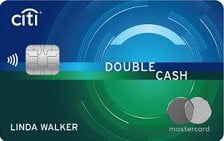
The Double Cash Card is Citi’s other cash back credit card. The Double Cash offers 0% intro APR for 18 months on balance transfers made within four months of account opening. That intro APR on transfers is one of the longest on the market today and an excellent addition to a versatile cash back credit card.

With everyday use the Double Cash earns 2% back on every purchase with unlimited 1% cash back when you buy, plus an additional 1% as you pay for those purchases. That earning rate is on par with the TD Double Up, WF active Cash, and the new Bread Cashback Amex.

Chase

JP Morgan Chase also features two rewards credit cards with lengthy intro APR periods. The Chase Freedom Flex World Elite Mastercard earns 5% cash back on rotating categories each quarter after activation, 5% back on travel booked through Ultimate Rewards, 3% back on dining and drugstore purchases, and 5% cash back on eligible gas station purchases on up to $6,000 spent in the first year.

The Flex also features a lengthy 0% APR period to match its impressive rewards.  New accounts enjoy 15 months of no interest on both purchases and balance transfers.

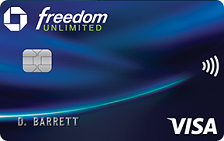
The Freedom Unlimited Card is the bank’s other cash back credit card. The card earns an unlimited 1.5% cash back on all purchases, except extra enhanced categories that mirror the Flex. And, like the Freedom Flex, Freedom Unlimited cardholders enjoy 15 months of no interest on BTs and purchases.

The information related to Citi Custom Cash Card, Citi Diamond Preferred Card, Citi Simplicity Card, and Citi Double Cash Card has been collected by BestCards.com and has not been reviewed or provided by the issuer or provider of this product or service.

Featured image by Sean McSherry/Burst

Cyber Monday Savings Strategies: Your Ultimate Guide to Smart Shopping

Cyber Monday shopping tips BestCards.com

Last updated on April 2nd, 2024

Cyber Monday is nearly upon us. The annual digital-first sales event falls on November 27, 2023, and is one of the first dates of the holiday shopping season. Whether you’re hunting for the latest gadgets or treating yourself to luxurious finds, this helpful guide will empower you to navigate Cyber Monday with confidence and precision. Here are some proven Cyber Monday savings strategies and tips to help you save money this year.

Table of Contents

At a Glance

  • Black Friday and Cyber Monday both provide deep savings
  • Cyber Monday is a mostly online-only event
  • Use technology to help you scout potential deals and compare prices
  • Loyalty programs are a great way to save more money or get additional perks
  • Set a budget and keep it to ensure you don’t get into financial trouble

Cyber Monday vs. Black Friday: Which Offers the Best Deals?

Cyber Monday and Black Friday are almost synonymous because they both occur right after the Thanksgiving holiday and offer substantial savings designed to get consumers to spend money earlier in the holiday season. But what’s the difference between these two consumer holidays? These shopping events offer excellent opportunities to snag incredible deals, but each has unique advantages. Understanding the differences can help you maximize your savings and make the most informed shopping decisions.

Online Vs. In-Store

Black Friday is traditionally known for in-store sales, doorbuster bargains, and chaos in shopping aisles nationwide. The event has now evolved to include online deals, making it a more universal holiday. However, Cyber Monday is specifically geared towards online shopping, making it convenient for those who prefer to avoid the chaos of physical stores. While Black Friday is renowned for its first-come-first-serve deals and exclusive in-store discounts, Cyber Monday often features many online-exclusive promotions, making it a great opportunity to take advantage of sales from your home computer, smartphone, or tablet.

Cyber Monday is More Tech-Focused

On the other hand, Cyber Monday tends to focus more on tech products, electronics, and online subscriptions, with retailers offering significant markdowns on a wide range of items. Evaluating your shopping priorities and preferences is important to determine which event aligns best with your needs. Understanding the distinctions between Cyber Monday and Black Friday allows you to make well-informed decisions and strategically plan your shopping to maximize your savings.

Related Article: How to Prepare for Black Friday Spending

Tips for Maximizing Your Savings on Cyber Monday

As Cyber Monday approaches, it’s critical to equip yourself with the right knowledge and strategies to make the most out of this annual shopping extravaganza. To ensure you’re maximizing your savings and scoring the best deals, consider trying out the following helpful tips:

Tips Explained
Research and compare prices Before Cyber Monday, thoroughly research the items you’re interested in purchasing. Compare prices across different retailers to identify the best deals. Utilize price-tracking websites and set up alerts for price drops to capitalize on the most significant savings.
Set a budget (and stick to it) With enticing discounts and deals flooding the online space, it’s easy to get carried away. Establish a budget for your Cyber Monday shopping and adhere to it. You can avoid overspending and prioritize your most essential purchases by setting clear spending limits.
Sign-up for e-mail alerts and newsletters Many large and small retailers offer exclusive discounts and promotions to subscribers. Before Cyber Monday, sign up for newsletters and alerts from your favorite stores to access deals and special offers early. This can give you a competitive edge and access to limited-time discounts.
Check deal aggregator sites When browsing through online stores, utilize advanced search filters to narrow down your options based on price range, product specifications, and customer ratings. This targeted approach can expedite your search for the most suitable deals.
Use advanced search filters Explore deal aggregator websites that compile and organize Cyber Monday offers from various retailers. These platforms provide a centralized hub for discovering and comparing deals across different product categories, simplifying your shopping process.
Use comparison tools Use price comparison websites and browser extensions that automatically compare prices across various retailers. These tools can instantly reveal the best available prices, ensuring you get the most value.
Check out specialty apps Cash back apps and browser extensions allow you to earn a percentage of your purchase amount in cash back rewards. Integrating these tools into your Cyber Monday shopping can result in additional savings, effectively reducing the overall cost of your purchases.

By embracing technology and incorporating these basic strategies into your Cyber Monday shopping routine, you can harness the full potential of digital advancements to secure remarkable deals and savings.

Leveraging Store Loyalty Programs for Additional Savings

Loyalty programs are another great way to get the best value on Cyber Monday, Black Friday, or any day, really. To maximize your Cyber Monday savings, take advantage of loyalty programs and rewards can serve as a valuable asset, enabling you to unlock additional discounts and benefits. Many retailers offer free loyalty programs that provide members with exclusive perks and incentives, presenting an opportunity to elevate their savings.

Here’s how you can effectively make use of loyalty programs and rewards for added savings:

Tips Explained
Maximize your points If you’re a member of loyalty programs with accumulated points or rewards, Cyber Monday is an ideal time to utilize these benefits. Redeem your points for discounts or special offers, amplifying your overall savings on your purchases.
Look for members-only deals Retailers often extend exclusive Cyber Monday deals to their loyalty program members. Keep an eye out for member-only promotions and discounts, as they can significantly enhance your shopping experience and yield substantial savings.
Stack deals with points to save more Take advantage of the synergy between Cyber Monday discounts and your loyalty program rewards. By combining these savings opportunities, you can secure remarkable deals and maximize the value of your purchases.

By strategically cashing out the balances on your loyalty programs and rewards, you can augment your Cyber Monday savings and unlock a new dimension of discounts and benefits, enriching your shopping experience with unparalleled value.

Conclusion

By mastering the art of Cyber Monday savings, you can confidently navigate the digital marketplace, leveraging advanced strategies and technology to secure remarkable discounts and elevate your shopping experience. With a thorough understanding of Cyber Monday versus Black Friday dynamics, savvy shopping tips, technological utilization, shopping etiquette, comprehensive navigation strategies, and the use of loyalty programs, you are empowered to embark on Cyber Monday with a strategic advantage. By implementing these insights and tactics, you can unlock the full potential of Cyber Monday, make intelligent purchasing decisions, and maximize your savings.

Related Article: Slay Your Holiday Expenses: A Step-by-Step Guide to Crafting a Top Credit Card-Friendly Budget

Featured image by Htc Erl/PixaBay

Annual TD Bank Merry Money Survey Results Announced

TD Bank's 2023 Merry Money Survey Results BestCards.com

Last updated on January 2nd, 2024

TD Bank’s 2023 Merry Money Survey is back with more insights into consumers’ opinions and spending habits this holiday season. The latest survey edition finds that nearly all shoppers (96%) expect to overspend on gifts this year, while two-thirds (68%) are concerned about inflation impacting their shopping needs. Here are all the key findings in TD Bank’s Merry Money Survey 2023.

2023 Merry Money Survey Findings

TD Bank, self-labeled as America’s Most Convenient Bank®, is back with its latest Merry Money Survey. The annual holiday study polled 2,000+ U.S. consumers regarding their shopping and overall money management habits during the holiday season.

Interestingly, the bank found that while Americans are worried about inflation, with 68% of respondents concerned about inflation impacting their shopping needs, that number is nine percentage points lower than in 2022 (75%).

Other notable findings from the TD Bank 2023 Merry Money Survey include:

  • Reaping the Jolly Rewards: When it comes to rewards, the majority of respondents (78%) plan to use them for cash back offerings, while 23% plan to use them for dining out, 22% for travel, 17% for experiences, and 9% for other purposes.
    • This year, Americans are prioritizing cards over cash, with more than three-quarters (78%) sharing that they use credit or debit cards as their primary payment method. A debit card is the primary payment method for 43% of respondents, revealing that many shoppers will be missing out on the rewards and savings that many credit cards offer.
  • Make the Yuletide Pay: Among credit card users, Gen-Z is on par with their older counterparts, with nearly three in five (58%) sharing that they will pay 100% of their outstanding card balance to set them off on the right foot to kick off the new year, exactly the same as the general population.
  • Trimming Holiday Expenses: While 70% of survey participants are preparing to create a budget to manage their holiday spending, more than three-quarters (80%) are actively in pursuit of discounts and special deals, 47% plan to closely examine their purchases, and 90% aim to find methods to prevent exceeding their budget limits. Additionally, new data reveals that 80% of shoppers seek sales or price reductions to make their seasonal purchases, but 96% anticipate they will overdo it.

 Budgeting is Key

“With economic concerns top of mind for consumers throughout the year, planning ahead can help prevent some of the financial stress that holiday shopping can place on them,” said Matt Boss, Head of Consumer Products at TD Bank. “Setting a holiday budget and sticking to it is the first step that shoppers can take to maintain their peace of mind this holiday season.”

“It’s no secret that during the holidays, consumers will tend to spend more, but that doesn’t mean they can’t also save,” Boss added. “What’s important is that consumers should have a budget, identify and shop the sales, and make the most of their planned spending, not only during the holidays but throughout the entire year.”

To read the full TD Bank 2023 Merry Money Survey, click here.

Featured image by TD Bank

Navigating Finances: Tips for Using Personal Credit Cards for Business Ventures

Navigating the Finances: Using Personal Credit Cards Wisely for Business Ventures

Last updated on April 2nd, 2024

In today’s business landscape, the lines between personal and business finances often blur, especially for small business owners, freelancers, and entrepreneurs. One common practice is using personal credit cards to cover business expenses. While this may seem convenient, it’s important to understand the implications and best practices for leveraging personal credit cards for business ventures. Here’s everything you need to know about the intricacies of using personal credit cards wisely for business, from understanding the differences between personal and business credit to managing expenses and building business credit.

Table of Contents

Understanding Personal Credit vs. Business Credit

Before discussing personal credit cards and business, it’s crucial to understand the distinction between personal and business credit.

Personal credit revolves around an individual’s financial history, including credit score, payment history, and debt-to-income ratio. On the other hand, business credit pertains to a company’s creditworthiness, separate from the owner’s finances. Establishing business credit involves creating a distinct financial profile for the business entity, which can help secure financing, negotiate terms with suppliers, and demonstrate financial stability to potential partners or investors.

Personal credit cards are issued based on an individual’s credit history and are tied to the cardholder’s financial liability. Business credit cards, however, are linked to the company’s credit profile and offer features tailored to business needs, such as expense tracking, employee spending controls, and rewards programs geared toward business expenses. Understanding these distinctions is essential for making informed decisions about which type of credit card to use for business expenditures.

Advantages and Disadvantages of Using Personal Credit for Business

Using personal credit cards for business expenses offers certain advantages, such as flexibility and accessibility. Personal credit cards are often easier to obtain than business ones, especially for new or small businesses without established credit histories. Personal credit cards may also come with attractive rewards programs and introductory offers that can benefit the individual cardholder and the business.

However, there are notable disadvantages to relying solely on personal credit cards for business purposes. One significant drawback is mixing personal and business finances together, which can lead to accounting, tax reporting, and legal liability complications. Also, using personal credit cards for business may limit the business’s potential to build a separate credit profile, impacting its ability to access financing and establish credibility with vendors and other merchants or lenders. Understanding these pros and cons is crucial for making informed decisions about the best approach to managing business expenses.

Tips for Using Personal Credit Cards Wisely for Business Ventures

While you should be cautious when choosing personal credit cards for business expenses, several tips can help mitigate potential risks and maximize the benefits. First and foremost, it’s essential to maintain a clear separation between personal and business finances, even when using personal credit cards for business purposes. This involves designating a specific credit card for business expenses and diligently tracking and categorizing all related transactions.

Additionally, leveraging the benefits of personal credit card rewards and perks can benefit business owners. Still, it’s essential to do so responsibly and within the bounds of the business’s financial capacity. Regularly reviewing statements, monitoring spending patterns, and staying within budgetary limits are critical practices for using personal credit cards wisely for business ventures. Furthermore, timely and full repayment of credit card balances is essential to avoid accruing high-interest debt that can strain personal and business finances.

Related Article: Never Put These Transactions On Your Business Cards

Building Business Credit while Using Personal Credit Cards

Even while utilizing personal credit cards for business expenses, business owners can take proactive steps to build and strengthen the company’s credit profile. One effective strategy is establishing trade credit relationships with suppliers and vendors and negotiating payment terms reported to business credit bureaus. This can help demonstrate the business’s creditworthiness and establish a positive payment history independent of the owner’s personal credit.

Another approach to building business credit while relying on personal credit cards is to explore secured business credit cards or business credit builder programs. These financial products help businesses establish and improve their credit profiles, providing a pathway to eventually transition away from relying on personal credit for business expenses. By strategically combining personal credit card usage with targeted efforts to build business credit, entrepreneurs can lay the groundwork for the company’s future financial stability and growth.

Managing Expenses and Tracking Business Purchases with Personal Credit Cards

Managing business expenses and tracking purchases is essential for maintaining financial visibility and control, especially when using personal credit cards. Leveraging the tools and features offered by business credit card issuers, such as expense categorization, transaction alerts, and spending reports, can help business owners stay organized and informed about their company’s financial activities. Many personal credit cards also offer online account management and mobile apps that enable convenient monitoring of business expenditures in real-time.

In addition to utilizing the resources provided by credit card issuers, implementing robust accounting and bookkeeping practices is crucial for tracking business purchases made with personal credit cards. This may involve maintaining separate business expense accounts, reconciling credit card statements with business records, and retaining detailed receipts and documentation for tax and financial reporting purposes. By diligently managing expenses and tracking business purchases, entrepreneurs can maintain financial clarity and ensure compliance with regulatory requirements.

Related Article: 7 Tips for Organizing Your Business Finances Now

Impacts of Business Purchases on Personal Credit

One concern arising when using personal credit cards for business is the potential impact on the cardholder’s credit score. While business expenses charged to personal credit cards can contribute to higher credit utilization and affect the individual’s creditworthiness, the extent of this impact depends on several factors. For instance, if business expenses lead to high balances consistently carried over from month to month, it can negatively influence the cardholder’s credit score.

Conversely, if business expenses are managed responsibly, with balances paid in full and on time, the impact on the cardholder’s credit score may be minimal or even positive. It’s essential for business owners using personal credit cards to be mindful of their credit utilization, strive to keep balances low relative to credit limits and make timely payments to mitigate potential adverse effects on their personal credit scores. Understanding how personal credit card usage for business can affect individual creditworthiness is crucial for making informed financial decisions.

Alternatives to Using Personal Credit Cards for Business Expenses

While personal credit cards may be a convenient option for covering business expenses, viable alternatives offer distinct benefits and address some of the limitations of personal credit card usage. One alternative is obtaining a business credit card specifically tailored to meet the financial needs of a company. Business credit cards often come with features, including:

Bigger sign-up bonuses Many business credit cards come with more significant signup bonuses than personal credit cards. Some of the best business cards offer bonuses of 100,000 points or more after meeting a minimum spending requirement.
Unique spending categories Business credit cards occasionally earn bonus points or miles for purchases in categories that personal cards don’t offer. Common bonus categories for business cards include office supplies, internet and telecommunications, advertising, shipping, and more. These categories may align better with your spending habits than other personal bonus categories.
Higher credit limits Most small business credit cards come with substantially higher limits than personal cards. According to Experian, the average credit limit for a personal card is about $30,000; for a small business credit card; however, the average credit limit is $56,000.
Expense and spend management tools Business cards come with a variety of business monitoring tools. These can help streamline your finances, track purchases, and even assist in writing off spending as a business expense.
Travel benefits Some business cards do not charge foreign transaction fees, include a signup bonus worth a free flight after you spend a certain amount within the first few months of card membership, and more.

Another alternative to using personal credit cards for business expenses is securing a business line of credit or a small business loan. These financial products provide access to funds directly tied to the business, helping to establish and strengthen the company’s credit profile. Additionally, business loans or lines of credit can offer more favorable terms and interest rates than relying solely on personal credit cards to finance business operations.

Related Article: What Are the Easiest Business Credit Cards to Get?

Conclusion

Navigating the intersection of personal and business finances can present unique challenges and opportunities for entrepreneurs and small business owners. By comprehending the differences between personal and business credit, leveraging tips for responsible usage, and exploring alternatives and best practices, business owners can make informed decisions that support their company’s financial health and long-term success. And, if you are looking for a new card, explore our business credit card options and take the next step toward establishing a solid financial foundation for your company.

Related Article: Who Owns Business Credit Card Rewards?

Featured image by FreeImages

American Express Adds Cash Back Cards to Amazon Shop with Points

Amex Shop with Points at Amazon.com BestCards.com

With the holidays fast approaching, American Express and Amazon want to provide a little more value when redeeming Amex rewards. Effective immediately, eligible American Express cash back cardmembers can use their Reward Dollars to make purchases with Amazon through Shop with Points.

Amazon Extends Shop with Points to Amex Cash Back Cards

American Express is expanding the availability of a popular shopping feature to include its cash back cardmembers. Amazon has announced that eligible American Express cash back cardmembers can now conveniently use their American Express Reward Dollars when shopping on Amazon.com and the Amazon mobile app as part of the Amazon Shop with Points program.

This addition to the Shop with Points program means that cardmembers who have American Express Blue Cash Everyday®, Blue Cash Preferred®, Cash Magnet®, Morgan Stanley Blue Cash Preferred®, Blue Cash®, Business Blue Cash Rebate®, Classic Blue Cash for Business®, and Platinum Business Premium Cash Rebate® cards can now easily redeem their American Express Reward Dollars while shopping.

The inclusion of eligible Amex cash back cardmembers in the Shop with Points program is great news for consumers, as it offers them more options and flexibility when it comes to paying for their Amazon purchases. Cardmembers need to link their enrolled, eligible American Express card to their Amazon.com account to take advantage of this feature. At checkout, they can choose ‘Reward Dollars’ as their preferred payment method, which can cover either the entire purchase amount or just a portion.

What is Shop with Points?

The Amazon Shop with Points program allows customers to use rewards points earned from various rewards programs to pay for purchases on Amazon.com. This seamless integration enables customers to apply points at checkout and even set points as their default payment method. To utilize this feature, customers can visit their Amazon account’s Shop with Points page and select the toggle button to use rewards points as their default payment method.

The following issuers allow reward members to use points when shopping with Amazon:

To enroll your eligible American Express card in the Shop with Points program or learn more about using American Express Reward Dollars via Shop with Points, go to amazon.com/amexcashback.

Related Article: Marriott Bonvoy Announced as the Newest Bilt Rewards Transfer Partner

Featured image by Amazon

United Airlines Enhances Loyalty Rewards For Credit Card Users

United Airlines Enhances Loyalty Rewards for Credit Card Users

United Airlines is making changes to its frequent flyer program. The plans for its changes aim to reward big spenders for its co-branded Chase credit cards. Let’s dive in.

United Airlines Rewarding Credit Card Big Spenders

United Airlines is changing up its frequent flyer program to make way for more reward opportunities for big spenders. The changes will happen some time in 2024. Since the start of the Covid-19 pandemic, United Airlines has continually made changes to elite tier requirements. However, the airline is not changing the overall tier requirements for becoming an elite frequent flyer next year.

United Airlines co-branded Chase cardholders, will soon be able to earn more rewards when they spend more. In 2024, the airline will reward customers 25 points for every $500 spent. Currently, the airline’s co-branded credit cardholders get 500 points for every $12,000 spent.

If we do the math, cardholders will earn an additional 100 points for spending the same amount ($12k) in a year. Customers will earn more points faster and in small increments due to the smaller spend requirement. The biggest change is perhaps the lift of caps on all credit card spending that can qualify toward elite status.

To get the silver status, travelers need 5,000 qualifying points in addition to four flights. Silver status is only the lowest level. When it comes to elite status, many airlines reward travelers with benefits, such as early boarding, free upgrades (when available), and more.

In recent years, there has been an upswing of elite frequent flyers as customers continued making credit card purchases during the Covid-19 pandemic, with no access to travel. Airlines faced challenges trying to keep their travel programs exclusive. As a result, frustrated elite travelers find themselves with scanty upgrades or at-capacity lounge access.

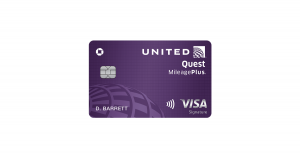
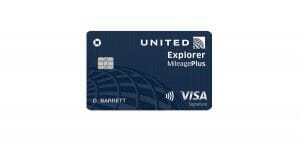
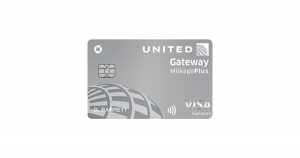
United Club℠ Infinite Card United Quest℠ Card United℠ Explorer Card United Gateway Card
Earn up to 2X miles per $1 spent on travel, dining, and more. Earn up to 3x miles on United® purchases, dining, travel, and more. Earn up to 2X miles per $1 spent on dining, hotel stays, and United® purchases Earn up to 2X miles per $1 spent on United® purchases, gas stations, and more.
Annual Fee $525 Annual Fee $250 $0 for the first year. After that, $95 No Annual Fee

The United Airlines co-branded Chase credit cards offer different rewards and benefits for its cardholders. You can find perks like statement credits, airline discounts, free checked bags, and more. Additionally, the airline also has Chase co-branded credit cards for business. For example the United Club Business Card or the United℠ Business Card. Want to compare credit cards to make the best decision for your wallet? Browse credit cards on our website and use the credit card compare tool to weigh your options. 

Related Article: The Best Credit Cards for Holiday Travel (and Making It Less Miserable)

Marriott Bonvoy Announced as the Newest Bilt Rewards Transfer Partner

Bilt Rewards adds Marriott Bonvoy to its rewards transfer partners list BestCards.com

Marriott Bonvoy is debuting as the latest Bilt Rewards transfer partner, with points transferring at a 1:1 ratio. This latest addition provides even more value for Bilt cardholders, as well as the ability to earn rewards on rent (minus the transaction fee), double points on the first of each month, and Bilt Dining – which offers up to 11X points at select restaurants.

Marriott Bonvoy: The Latest Bilt Rewards Transfer Partner

Thanks to a new hotel transfer partner in the collection, the Bilt Mastercard is even more rewarding. Marriott Bonvoy was added to the Bilt Rewards transfer partners list last week, making Bilt one of the most appealing cards for transferring points to other loyalty programs – without having to pay an annual fee.

Bilt Mastercard cardholders can transfer points to their Marriott Bonvoy account at a ratio of 1:1. Bilt Rewards points transfer to Marriott Bonvoy in increments of 1,000, with at least 2,000 points required as the minimum transferrable amount for Bilt Blue tier members (the basic tier). Cardholders also enjoy a bonus of 5,000 Marriott Bonvoy points for every 20,000 Bilt points transferred in a single transaction.

Bilt Rewards Offers Significant Value for Members

Marriott Bonvoy is just the latest addition to the Bilt Rewards program. Bilt points transfer to more than a dozen partners, including some of the biggest names in global travel:

AAdvantage World of Hyatt IHG Rewards Marriott Bonvoy
Emirates Skywards Flying Blue Aeroplan Virgin Points
Aer Lingus British Airways Iberia HawaiianMiles
Cathay Pacific United MileagePlus Turkish Miles&Smiles Alaska Mileage Plan

While transferring points to Marriott might add further value for Bilt cardholders, it doesn’t mean that’s where the best value lies. Hotel loyalty points tend to have lower relative value than airline frequent flyer miles, making flights often the best value when transferring points. Emirates, for example, offers an impressive amount of global codeshare partners, meaning you might find better value there versus a hotel program.

There’s even more value for Bilt points to be had on the first of every month through Bilt’s Rent Day promotion. On Rent Day, Bilt cardholders earn double points (2X) on all purchases (excluding rent payments). This promotion is a great way to maximize points that can later be transferred to any of the above partners. But Bilt takes it further and occasionally provides transfer bonuses to select partners. For example, Bilt recently offered an up-to 75% bonus when transferring to Emirates Skywards.

About Bilt Rewards

Bilt Rewards is a unique rewards program designed to help renters earn rewards on their monthly rent payments and other purchases. The program works within the Bilt Alliance, a nationwide network of over 3.5 million premium rental homes. Bilt Mastercard members can earn rewards on everyday purchases and earn points on rent even outside the Bilt Alliance. Simply pay rent directly in your building’s online portal or pay with your card in the Bilt Rewards app, and Bilt sends a rent check on your behalf. Rewards apply to a wide range of award options, including fitness classes through Soul Cycle, Y7 Studio, or Rumble; quality art and merchandise through the Bilt Collection; covering rent payments through Bilt or towards a future down payment; as statement credits; or as points transfers to over a dozen partners. This puts Bilt Rewards consistently among the most valuable credit card points programs.

Related Article: The Ultimate Guide to Bilt Dining

Featured image by  Michelle Raponi /PixaBay

Here’s How to Dispute Errors on a Credit Report

how to dispute errors on a credit card

Discovering incorrect information on your credit report can be stressful. Fortunately, there are practical steps you can take to dispute errors on your credit report and have them removed. So, what should you do if you’ve spotted a mistake in your report? Here is how to dispute errors on your credit report to ensure you can get errors on your credit report, like identity theft, corrected quickly and thoroughly.

Table of Contents

What is the Process to Dispute Errors on Your Credit Report?

Identifying and removing incorrect data on your credit report is a standardized procedure that only takes a few steps.

Check Your Credit Report

Whether you plan to apply for a loan, buy a house, or review your personal information, checking your credit report periodically is good practice. The Federal Fair Credit Reporting Act (FCRA) requires the three credit reporting bureaus – TransUnion, Experian, and Equifax – to provide you with one free credit report every 12 months (at www.freecreditreport.com).

Whether you request all three at once or space them out throughout the year is up to you, but you should take advantage of them and get a copy of your credit report. One important reason you should personally check your credit report is to spot any incorrect information that may have made its way into it.

It’s not rare for consumers to notice a credit report error, and if they leave it unaddressed – small as it may be – it could have negative consequences the next time they try to apply for a loan or line of credit. Once you discover what you think might be an error, you’ll want to speak with the bureau where you found the mistake.

Contacting the Credit Bureau

If you detect an inaccuracy in your credit report, you should first contact the credit reporting agency where you found the incorrect information. The three agencies all provide phone and snail mail contact details as follows:

Agency Contact address Phone #
Equifax Equifax Information Services
P.O. Box 740256
Atlanta, GA 30348
(866) 349-5191
Experian Experian
P.O. Box 4500
Allen, TX 75013
(888) 397-3742
TransUnion TransUnion LLC Consumer Dispute Center
P.O. Box 2000
Chester, PA 19016
(800) 916-8800

Information to Include

The Federal Trade Commission (FTC) provides a helpful sample letter for when you send your dispute in writing. In the letter, ensure you are as clear as possible when you describe what is incorrect and why, and request that the information be corrected or deleted.

Your letter should include the following information:

  • Your full name and address
  • A copy of your credit report with any errors clearly marked
  • A list of each mistake and why you want it fixed

You’ll also want to include copies of any documents in your possession that support your claims. Before you send your letter and documents, make copies of everything so you may have an extra set on you (assuming you keep the originals, which you should). Finally, send the letter via certified mail and with the return receipt requested when at the post office.

Investigation

Once the credit reporting company receives the notification of your dispute, it must investigate the mistake you’re pointing out. The company has one month to review the information and provide you with a conclusion.

Potential Outcomes

After a dispute is filed, the credit bureau usually has 30 days to investigate your claim and provide a response, although sometimes the merchant or business that reported the error has 45 days to respond. The bureau can take two steps: investigating your claim or ruling it “irrelevant.” Should the bureau deem your request “frivolous” or “irrelevant,” it must notify of the reason why in writing. A “frivolous” does not mean your claim is finished – the bureau may request more information as supporting evidence, for example.

If your claim is not irrelevant, the bureau will submit your information and forward all details of your dispute to the merchant or business that reported the error. You should reach out to the business and the reporting bureau to maximize the chances that your case is received and inspected.

Additional Steps

If the information merchant or provider finds that there is indeed a mistake, it must report it back to all three credit bureaus, not just the one in whose report you noticed the error. You are entitled to receive written results of the investigation and a free copy of your (updated) credit report, which does not count as your free yearly copy; you won’t see the incorrect information again unless the provider determines that there was no error.

Also, ask the reporting company to notify anyone who recently received your credit report of any corrections, and you may also request that an updated report be sent to anyone who received a copy for employment reasons in the last two years.

What Next?

If the investigation determines that there was no error, you can ask the reporting company to include a record of your dispute in your file so that anyone who requests your report will be aware of the contention. It’s important to understand that if you notice that some information is missing from your credit reports – such as a line of credit or a loan – it may not necessarily be by mistake.

Some lenders may not supply information about your account with them simply because they’re not required to.

If there is unfavorable data on your report, and it is correct, only time will eventually erase it. Remember that faults such as a bankruptcy claim will remain on your report for ten years, and evidence of several missed or late payments will be marked against you for up to seven years.

Conclusion

Finding and fixing errors on your credit report is essential to maintaining a healthy financial profile. While the process may seem intricate and time-consuming, rectifying errors on your credit report is crucial. It can positively impact credit scores, potentially leading to better interest rates, improved access to credit, and overall financial stability. Remember, vigilance in monitoring your credit report and proactive steps to fix any errors are essential to ensuring an accurate and fair credit decision.

Related Article: Credit Card Purchase Protection: Everything You Need to Know

The 5 Best Credit Cards for Holiday Entertaining

best-credit-cards-for-holiday-entertaining

Last updated on April 3rd, 2024

The holidays are a time for family and friends. Ready to start prepping your holiday budget? Here is a selection of our top credit cards for holiday entertaining:

At a Glance

The Best Credit Cards for Holiday Entertaining

Citi® Double Cash Card – 18 month BT offer

Citi® Double Cash Card – 18 month BT offer
Excellent-Good
BestCards refers to a variation of FICO Score 9, which is one of many different types of credit scores. A financial institution may use a different score when deciding whether to approve you for a credit card. Please note that the range shown here is our own estimation and not a guarantee of credit needed to be approved for any given card. Recommended Credit: Excellent / Good
Mastercard Processing Network
$0 Annual Fee

Citi® Double Cash Card – 18 month BT offer

  • 18.99% – 28.99% (Variable) Regular Purchase APR
  • 18.99% – 28.99% (Variable) Balance Transfer APR
  • 29.99% (Variable) Cash Advance APR

At a Glance

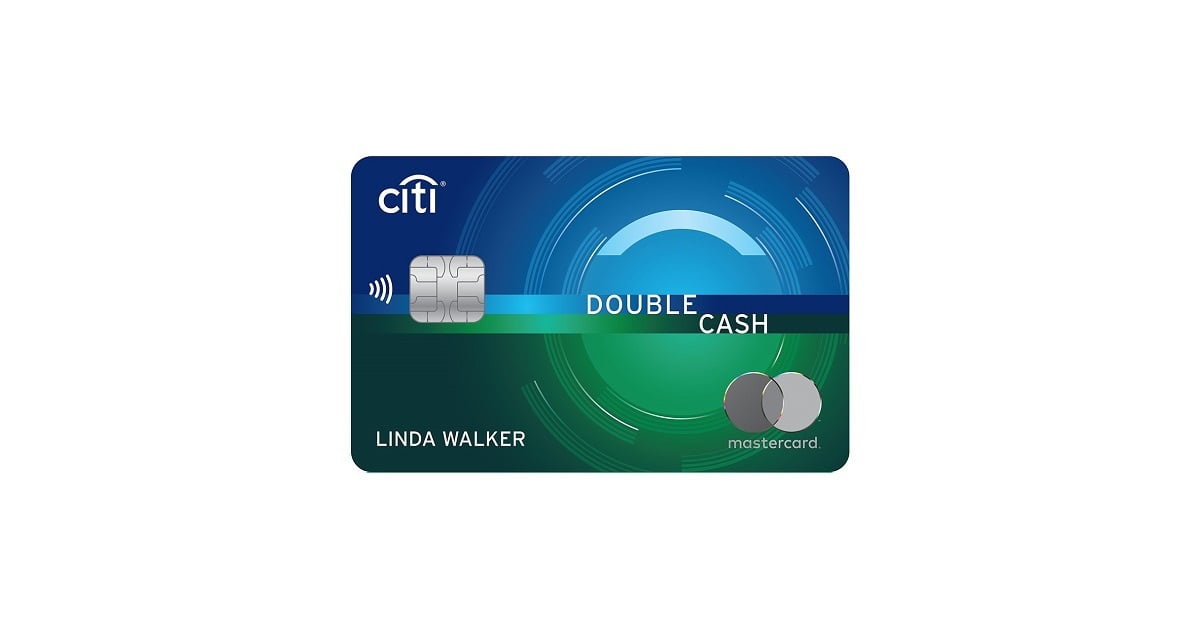
The Citi® Double Cash Card is one of the most versatile cash back credit cards on the market today, thanks to impressive, flat-rate cash back, lucrative introductory 0% APR offers, and more. Cardholders earn 2% back on every eligible purchase: 1% back at the time of sale and an additional 1% back when they pay their statement balance. Cash back is redeemable for statement credits, direct deposits, checks, or converted as ThankYou® points.

  • Best Benefits
  • Rates & Fees
  • Why Should You Apply?
  • Earn 2% on every purchase with unlimited 1% cash back when you buy, plus an additional 1% as you pay for those purchases.
  • To earn cash back, pay at least the minimum due on time.
  • Balance Transfer Only Offer: 0% intro APR on Balance Transfers for 18 months. After that, the variable APR will be 18.99% – 28.99%, based on your creditworthiness.
  • Balance Transfers do not earn cash back. Intro APR does not apply to purchases.
  • If you transfer a balance, interest will be charged on your purchases unless you pay your entire balance (including balance transfers) by the due date each month.
  • There is an intro balance transfer fee of 3% of each transfer (minimum $5) completed within the first 4 months of account opening. After that, your fee will be 5% of each transfer (minimum $5).
  • Regular Purchase APR: 18.99% – 28.99% (Variable)
  • Intro Balance Transfer APR: 0% for 18 months on Balance Transfers
  • Balance Transfer APR: 18.99% – 28.99% (Variable)
  • Balance Transfer Transaction Fee: 3% of each transfer (minimum $5) completed within the first 4 months of account opening. A balance transfer fee of 5% of each transfer ($5 minimum) applies if completed after 4 months of account opening.
  • Cash Advance APR: 29.99% (Variable)
  • Cash Advance Transaction Fee: 5% of each cash advance; $10 minimum
  • Penalty APR: Up to 29.99% (Variable)
  • Annual Fee: $0
  • Foreign Transaction Fee: 3%
  • Late Payment Penalty Fee: Up to $41
  • Return Payment Penalty Fee: Up to $41
  • You prefer earning cash back at a flat rate rather than in rotating categories
  • You’re looking to either consolidate existing balances or pay down a large purchase with no interest charges for an extended period of time
  • You like to have the flexibility of converting cash back into lucrative rewards points
  • You’re considering a credit card without an annual fee
Citi® Double Cash Card – 18 month BT offer

Citi® Double Cash Card – 18 month BT offer

Terms & Conditions

The Citi® Double Cash Card is an all-around holiday star. That’s because the card offers unlimited 2% cash back on all eligible purchases. That 2% back breaks down as 1% back when you buy and 1% back when you pay for your purchases. The simplified cash back rewards with the Double Cash are ideal for holiday entertaining. The card is a great way to stretch your budget in times of financial difficulty.

The simplified cash back is matched by two equally generous welcome offers. First, new accounts earn $200 cash back after spending $1,500 on purchases in the first 6 months of account opening. Second, new accounts enjoy 0% intro APR on balance transfers for 18 months, with a variable rate based on creditworthiness after that.

The triple threat combination of a lack of an annual fee, the 2% back, and the 0% introductory APR on balance transfers for the first 18 months make the Citi Double Cash Card the perfect everyday credit card for anyone getting ready for the holiday season.

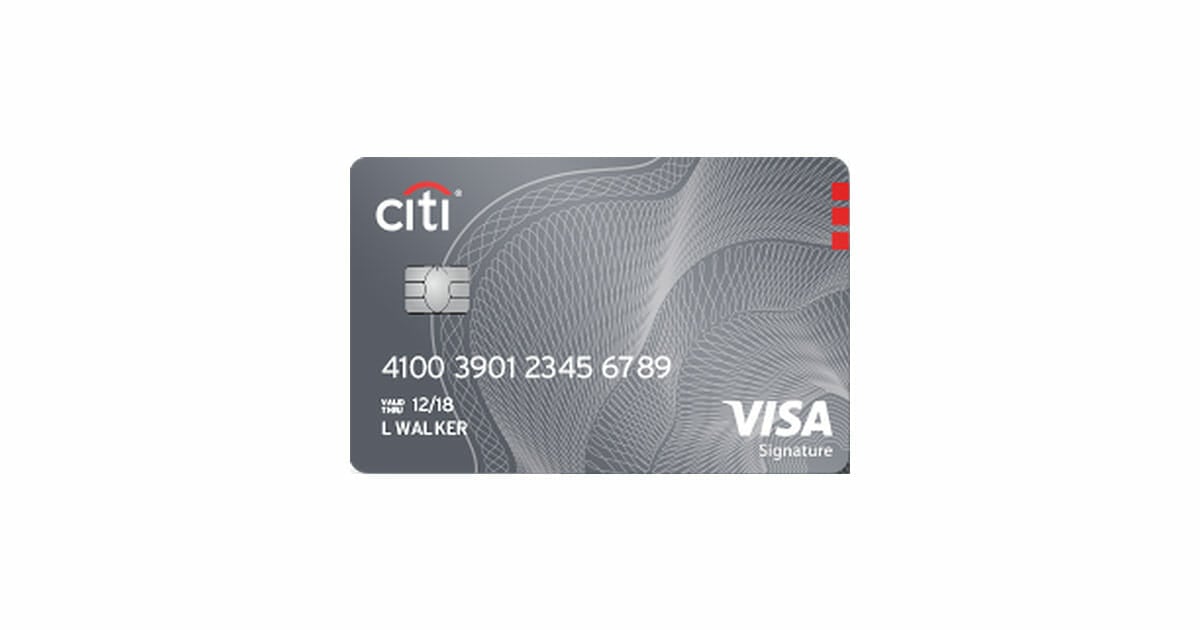
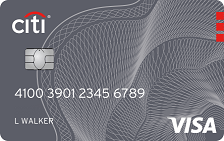
Costco Anywhere Visa® Card by Citi

Costco Anywhere Visa® Card by Citi
Excellent
BestCards refers to a variation of FICO Score 9, which is one of many different types of credit scores. A financial institution may use a different score when deciding whether to approve you for a credit card. Please note that the range shown here is our own estimation and not a guarantee of credit needed to be approved for any given card. Recommended Credit: Excellent
Visa Processing Network
$0 with Costco Membership Annual Fee

Costco Anywhere Visa® Card by Citi

  • 20.24% (Variable) Regular Purchase APR
  • 20.24% (Variable) Balance Transfer APR
  • 29.99% (Variable) Cash Advance APR

At a Glance

If you’re a Costco member and want to start earning some serious cash back rewards, the bonuses available via the Costco Anywhere Visa® Card by Citi – including 4% on gas and EV charging and 2% on your Costco purchases – may be just what you’re looking for.

  • Best Benefits
  • Rates & Fees
  • Why Should You Apply?
  • Discover one of Citi’s best cash back rewards cards designed exclusively for Costco members
  • 4% cash back on eligible gas and EV charging purchases for the first $7,000 per year and then 1% thereafter
  • 3% cash back on restaurants and eligible travel purchases
  • 2% cash back on all other purchases from Costco and Costco.com
  • 1% cash back on all other purchases
  • No annual fee with your paid Costco membership and enjoy no foreign transaction fees on purchases
  • Receive an annual credit card reward certificate, which is redeemable for cash or merchandise at U.S. Costco warehouses, including Puerto Rico
  • Regular Purchase APR: 20.24% (Variable)
  • Balance Transfer APR: 20.24% (Variable)
  • Balance Transfer Transaction Fee: 5% of each balance transfer; $5 minimum.
  • Cash Advance APR: 29.99% (Variable)
  • Cash Advance Transaction Fee: 5% of each cash advance; $10 minimum
  • Penalty APR: Up to 29.99% variable based on your creditworthiness and the Prime Rate
  • Annual Fee: $0 with Costco Membership
  • Late Payment Penalty Fee: Up to $41
  • Return Payment Penalty Fee: Up to $41
  • You’re a Costco member and want to earn 2% cash back on purchases at their physical and online stores, as well as 4% cash back on gas and EV charging purchases – including gas sold at Costco
  • You enjoy earning cash back on everyday purchases such as dining and travel
  • You seek a versatile rewards credit card with numerous travel protection perks, no foreign transaction fees, and no annual fees as a Costco member
Costco Anywhere Visa® Card by Citi

Costco Anywhere Visa® Card by Citi

Terms & Conditions

If you are looking to stock up on holiday essentials, the Costco Anywhere Visa® Card by Citi is a great way to stock the freezer and get all your holiday shopping done – all while earning valuable cash back rewards. The card, which doubles as your Costco membership card, earns 2% back on Costco purchases (including costco.com) and 3% back on restaurants and eligible travel purchases.

The dining and travel 3% categories are great for anyone who plans to hit the road this holiday season, as are the impressive rewards on fuel purchases. Costco Anywhere Visa cardholders earn a huge 4% cash back on eligible gas and EV charging purchases for the first $7,000 per year and then 1% thereafter. This lucrative category makes the Costco Visa one of the very best gas rewards credit cards on the market today.

This combination of Costco savings and impressive travel and commuting rewards is excellent for the end of the year, as Thanksgiving and holiday travel can rack up some serious bills.

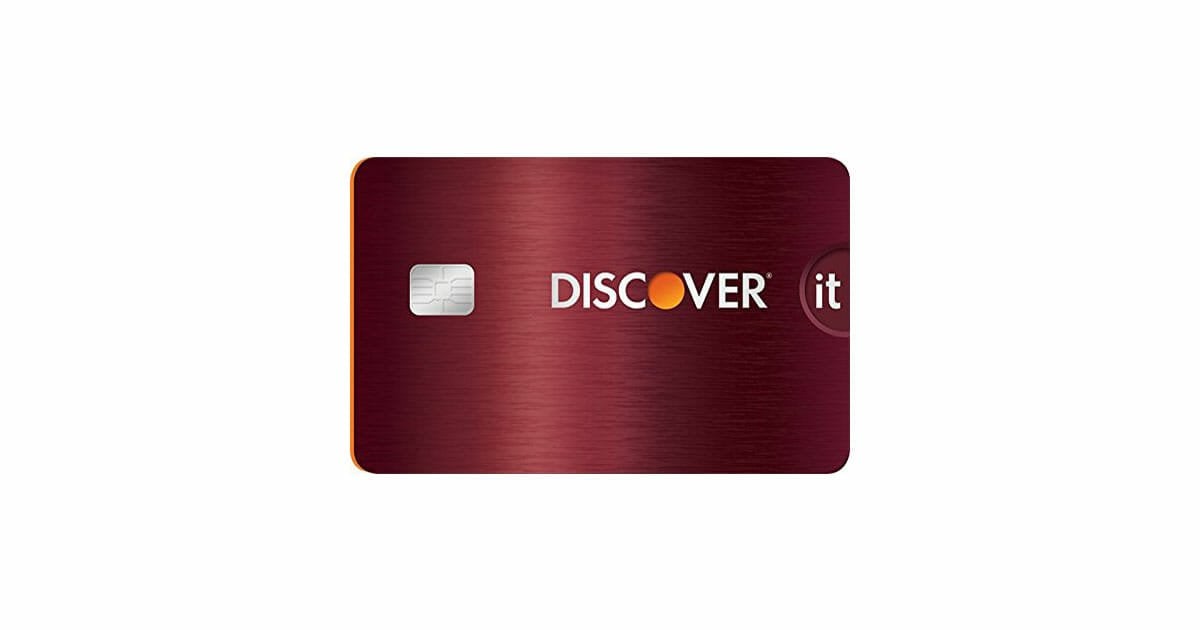
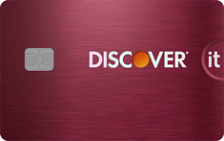
Discover it® Cash Back

Discover it® Cash Back
Excellent-Good
BestCards refers to a variation of FICO Score 9, which is one of many different types of credit scores. A financial institution may use a different score when deciding whether to approve you for a credit card. Please note that the range shown here is our own estimation and not a guarantee of credit needed to be approved for any given card. Recommended Credit: Excellent / Good
Discover Processing Network
None Annual Fee

Discover it® Cash Back

  • 17.24% to 28.24% variable based on creditworthiness and Prime Rate Regular Purchase APR
  • 17.24% to 28.24% variable based on creditworthiness and Prime Rate Balance Transfer APR
  • 29.99% variable based on the Prime Rate Cash Advance APR
  • 0% for 18 months from account opening Intro Purchase APR

At a Glance

The Discover It Cash Back Card is a cash back credit card that offers enhanced earning potential in a selection of rotating categories. Cardholders earn 5% back on purchases in categories that rotate each quarter, and 1% on all other purchases. The card also features 0% intro APR for the first 15 months on purchases and balance transfers, Discover’s 100% U.S.-based customer service, Discover’s bonus cash back match, and no annual fee or foreign transaction fees.

  • Best Benefits
  • Rates & Fees
  • Why Should You Apply?
  • 5% cash back in rotating categories each quarter, up to the quarterly maximum, when you activate
  • Earn 1% cash back on all other purchases automatically
  • Discover matches all of the cash back earned by the cardholder at the end of the first year automatically; there is no limit to how much cash back is matched
  • Cash back rewards never expire, earn unlimited cash back
  • Use rewards at Amazon checkout
  • No annual fee
  • Intro Purchase APR: 0% for 18 months from account opening
  • Regular Purchase APR: 17.24% to 28.24% variable based on creditworthiness and Prime Rate
  • Intro Balance Transfer APR: 0% for 18 months from date of first transfer
  • Balance Transfer APR: 17.24% to 28.24% variable based on creditworthiness and Prime Rate
  • Balance Transfer Transaction Fee: 3% of the amount of each transfer posted at the promotional rate. After that, 5% of the amount of each transfer
  • Cash Advance APR: 29.99% variable based on the Prime Rate
  • Cash Advance Transaction Fee: $10 or 5% of the amount of each cash advance, whichever is greater
  • Late Payment Penalty Fee: None the first time you pay late. After that, up to $41
  • Return Payment Penalty Fee: Up to $41
  • You want to earn 5% back on select category purchases each quarter, including restaurants, gas stations, select rideshares, and online shopping
  • You don’t want to pay an annual fee or foreign transaction fees
  • You want 100% U.S.-based customer service
  • You don’t mind rotating categories changing every three months

The Discover it® Cash Back is a perennial favorite because of its excellent 5% cash back calendar. The Discover it earns 5% cash back on the first $2,500 in quarterly spending in select categories, then 1% after that. Those 5% bonus categories are lucrative, with the 2023 calendar looking as follows:

Date 5% Cash Back Category
Q1 January – March 2024 Restaurants and drug stores
Q2 April – June 2024 Gas stations & EV charging, home improvement stores, and public transit
Q3 July – September 2024 TBD
Q4 October – December 2024 TBD

Amazon is a regular feature of Q4 for Discover, making it one of the best cards for holiday shopping. The Amazon website pretty much sells anything you can imagine, including groceries via Amazon Fresh or Whole Foods. Earning 5% back with Discover around the holidays is almost as easy (and enjoyable) as Discover’s Cash Back Match.

All Discover credit cards come with the Cashback Match. This unique bonus means the bank automatically matches all the cash back rewards a cardholder earns in their first year – dollar for dollar, with no cap. Add to that 0% APR for 15 months; this is a great card for your holiday season.

Not sure if the Discover it is right for you? Consider the Citi Custom Cash℠ Card, which earns 5% back on purchases in your top eligible spend category each billing cycle up to the first $500 spent and 1% cash back thereafter.

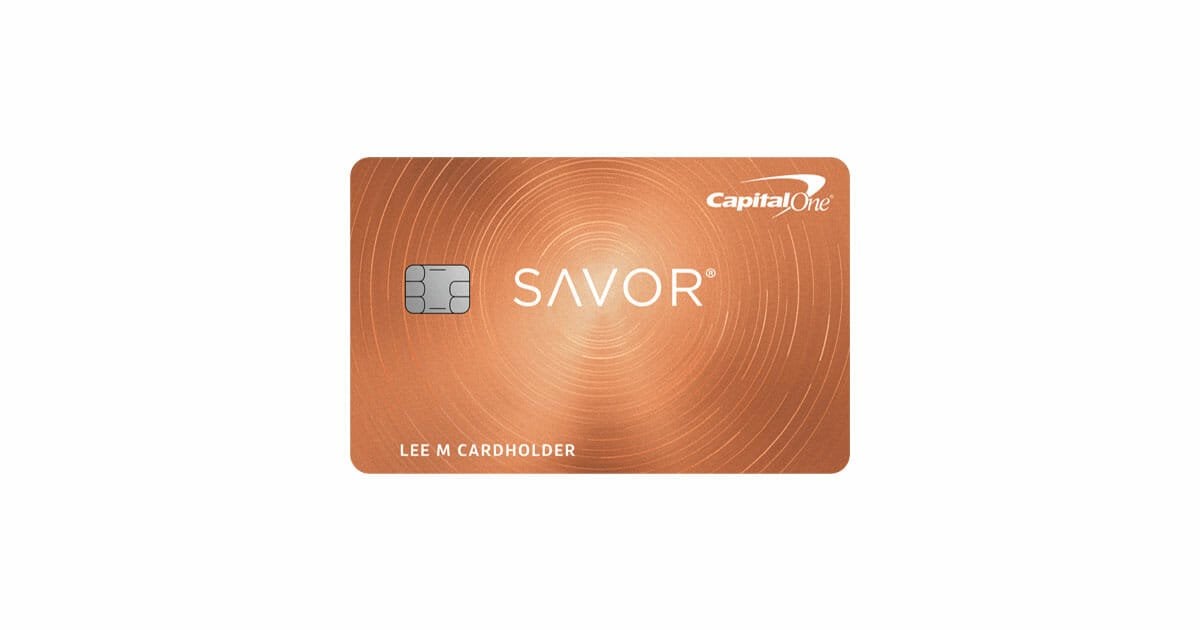
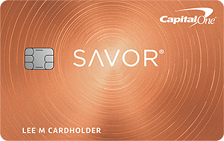
Capital One® Savor® Cash Rewards Credit Card

Capital One® Savor® Cash Rewards Credit Card
Excellent
BestCards refers to a variation of FICO Score 9, which is one of many different types of credit scores. A financial institution may use a different score when deciding whether to approve you for a credit card. Please note that the range shown here is our own estimation and not a guarantee of credit needed to be approved for any given card. Recommended Credit: Excellent
Mastercard Processing Network
$95 Annual Fee

Capital One® Savor® Cash Rewards Credit Card

  • 19.99% – 28.99% variable based on creditworthiness and the Prime Rate Regular Purchase APR
  • 19.99% – 28.99% variable based on creditworthiness and the Prime Rate Balance Transfer APR
  • 29.99% variable based on the Prime Rate Cash Advance APR

At a Glance

Make memories while funding future adventures with the Capital One® Savor® Cash Rewards Credit Card. This exclusive entertainment credit card boasts an unlimited 4% cash back on streaming, dining, and entertainment is a great card for couples, families, and social butterflies.

  • Best Benefits
  • Rates & Fees
  • Why Should You Apply?
  • Unlimited 4% cash back on dining, entertainment, and popular streaming services
  • Earn 3% at grocery stores
  • Earn 1% on all other purchases
  • Earn 8% cash back on tickets through Vivid Seats
  • Receive $9.99 statement credit after paying for Postmates Unlimited membership
  • Enjoy comprehensive, personalized assistance in dining, entertainment and travel— 24 hours a day, 365 days a year
  • Regular Purchase APR: 19.99% – 28.99% variable based on creditworthiness and the Prime Rate
  • Balance Transfer APR: 19.99% – 28.99% variable based on creditworthiness and the Prime Rate
  • Balance Transfer Transaction Fee: 3% of the amount of each transferred balance that posts to your account at a promotional APR that we may offer you. None for balances transferred at the Transfer APR
  • Cash Advance APR: 29.99% variable based on the Prime Rate
  • Cash Advance Transaction Fee: Either $10 or 3% of the amount of each cash advance, whichever is greater
  • Annual Fee: $95
  • Late Payment Penalty Fee: Up to $40
  • You want to earn an unlimited 4% cash back on streaming, dining, and entertainment, 3% at grocery stores, and 1% on all other purchases
  • You see yourself spending $3,000 within the first 3 months of opening the card to earn that one-time $300 cash bonus
  • You live for unique dining, entertainment, and sports experiences
  • You want complimentary food delivery membership through Postmates
Capital One® Savor® Cash Rewards Credit Card

Capital One® Savor® Cash Rewards Credit Card

Terms & Conditions

The Capital One® Savor® is one of the best dining and entertainment credit cards on the market today. The card, which carries a relatively modest $95 annual fee, earns an impressive 4% cash back on dining and entertainment, 2% at grocery stores, and 1% on all other purchases.

As detailed in our comprehensive Savor review, the Savor easily recoups that $95 yearly charge with just $198 in dining purchases every month – an easy task for the well-seasoned foodie. And since the card also earns 2% back on groceries, it offers plenty of value for those who prefer to dine out or are planning a big family feast this year.

The Savor also comes with a complementary food delivery membership through Postmates. This benefit offers $99 in value, quickly recouping the annual fee – and saving cardholders money while earning 4% back on their order!

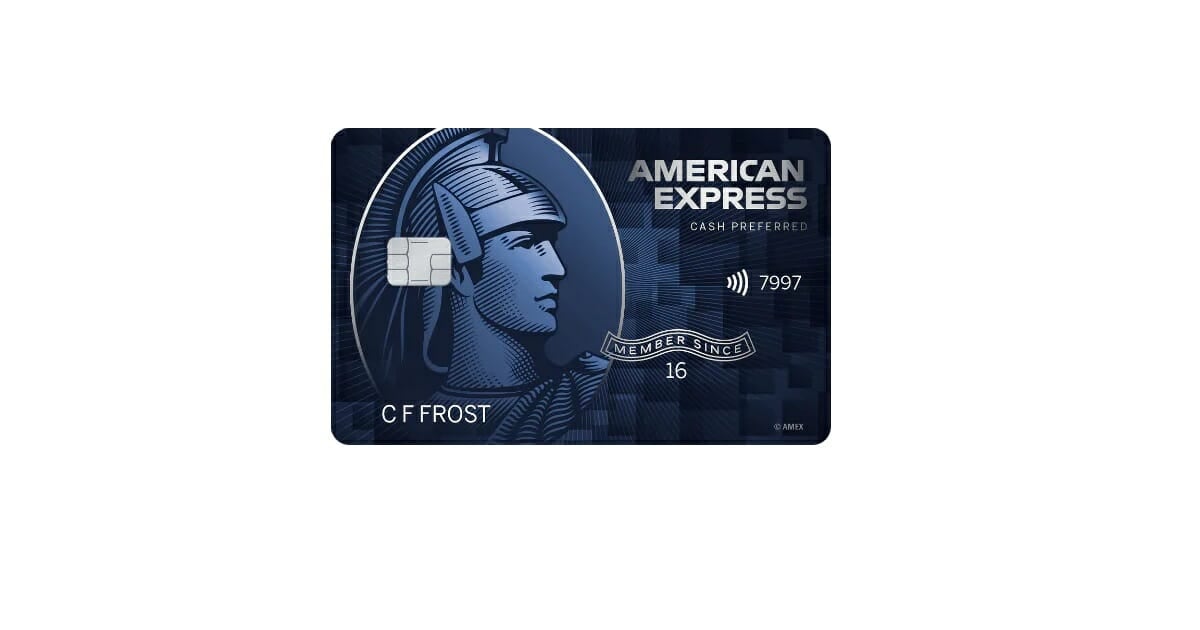
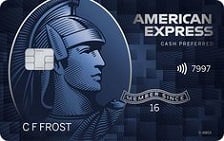
Blue Cash Preferred® Card from American Express

Blue Cash Preferred® Card from American Express
Excellent-Good
BestCards refers to a variation of FICO Score 9, which is one of many different types of credit scores. A financial institution may use a different score when deciding whether to approve you for a credit card. Please note that the range shown here is our own estimation and not a guarantee of credit needed to be approved for any given card. Recommended Credit: Excellent / Good
American Express Processing Network
$0 for the first year. Then $95 Annual Fee

Blue Cash Preferred® Card from American Express

  • 19.24% to 29.99% variable based on creditworthiness the Prime Rate Regular Purchase APR
  • 19.24% to 29.99% variable based on creditworthiness the Prime Rate Balance Transfer APR
  • 29.99% variable based on the Prime Rate Cash Advance APR
  • 0% for 12 months from account opening date Intro Purchase APR

At a Glance

Through the Blue Cash Preferred® Card from American Express, you can earn sizable cash back rewards on purchases in common categories, including 6% cash back at U.S. supermarkets on up to $6,000 in annual purchases (then 1%), 3% cash back at U.S. gas stations and select U.S. department stores, and 1% on all other purchases. You can also earn $300 back in the form of a statement credit after you make $3,000 in purchases using your new card in the first six months of the account being open.

  • Best Benefits
  • Rates & Fees
  • Why Should You Apply?
  • Earn a $300 statement credit after you spend $3,000 in purchases on your new Card within the first 6 months.
  • $0 intro annual fee for the first year, then $95.
  • Buy Now, Pay Later: Enjoy $0 intro plan fees when you use Plan It® to split up large purchases into monthly installments. Pay $0 intro plan fees on plans created during the first 12 months from the date of account opening. Plans created after that will have a monthly plan fee up to 1.33% of each eligible purchase amount moved into a plan based on the plan duration, the APR that would otherwise apply to the purchase, and other factors.
  • Low Intro APR: 0% on purchases and balance transfers for 12 months from the date of account opening. After that, your APR will be a variable APR of 19.24% – 29.99%. Variable APRs will not exceed 29.99%.
  • 6% Cash Back at U.S. supermarkets on up to $6,000 per year in purchases (then 1%).
  • 6% Cash Back on select U.S. streaming subscriptions.
  • 3% Cash Back at U.S. gas stations and on transit (including taxis/rideshare, parking, tolls, trains, buses and more).
  • 1% Cash Back on other purchases.
  • Cash Back is received in the form of Reward Dollars that can be redeemed as a statement credit
  • Get up to $120 in statement credits annually when you pay for an Equinox+ membership at equinoxplus.com with your Blue Cash Preferred® Card. That’s $10 in statement credits each month. Enrollment required.
  • Thinking about getting The Disney Bundle which includes Disney+, Hulu, and ESPN+? Your decision made easy with $7/month back in the form of a statement credit after you spend $12.99 or more each month on an eligible subscription with your Blue Cash Preferred Card. Enrollment required.
  • Terms Apply.
  • Intro Purchase APR: 0% for 12 months from account opening date
  • Regular Purchase APR: 19.24% to 29.99% variable based on creditworthiness the Prime Rate
  • Intro Balance Transfer APR: 0% for 12 months from account opening date
  • Balance Transfer APR: 19.24% to 29.99% variable based on creditworthiness the Prime Rate
  • Balance Transfer Transaction Fee: Either $5 or 3% of the amount of each transfer, whichever is greater
  • Cash Advance APR: 29.99% variable based on the Prime Rate
  • Cash Advance Transaction Fee: Either $10 or 5% of the amount of each cash advance, whichever is greater
  • Penalty APR: 29.99% variable based on the Prime Rate
  • Annual Fee: $0 for the first year. Then $95
  • Foreign Transaction Fee: 2.7% of the transaction amount in U.S. dollars
  • Late Payment Penalty Fee: Up to $40
  • Return Payment Penalty Fee: Up to $40
  • You budget for family spending and want a credit card that earns significant cash back
  • You’ll spend a lot of money on groceries to take advantage 6% cash back at U.S. supermarkets on up to $6,000 in annual purchases (then 1% after that)
  • You’re excited at the prospect of earning 6% cash back with select streaming services
  • You want to capitalize on your commute with 3% cash back at U.S. gas stations (and select U.S. department stores)
  • You’ll take advantage of 3% cash back on transit (taxis/rideshare, parking and tolls, trains, buses and more), and 1% on all other purchases
  • You’re likely to make $3,000 in purchases within the first six months of the account opening to qualify for a one-time $300 statement credit
  • You cook at home often and commute to work and school regularly, or make use of public transit regularly
Blue Cash Preferred® Card from American Express

Blue Cash Preferred® Card from American Express

Rates & Fees

Planning on entertaining at home? If so, the Blue Cash Preferred® Card from American Express is an excellent option to consider this holiday season. The Preferred-Blue Cash Card is Amex’s answer to the Savor Card, featuring enhanced cash back on select purchases and a $95 annual fee (which Amex waives for the first year).

Like the Savor, the Blue Cash Preferred earns elevated cash back in categories that are essential for great holiday entertaining. These bonus categories include:

  • 6% cash back at U.S. supermarkets on up to $6,000 per year in purchases (then 1%)
  • 6% back on select streaming services
  • 3% cash back at gas stations and on transit

New accounts also enjoy a $200 statement credit when they use their new card to meet minimum spending requirements. That welcome offer is easily attainable for the average spender – and even easier to reach for the holiday entertainer looking to put smiles on faces this holiday season.

Featured photo by Nicole De Khors / Burst
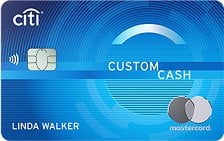
Rocket Visa Vs. Bilt Mastercard: Read this First
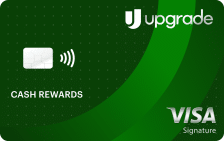
Bilt Mastercard versus Rocket Visa Signature which card is best for you?

Last updated on March 18th, 2024
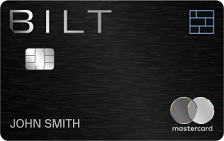
Choosing a new credit card can be challenging – and this is especially true when the cards offer the same unique selling point – earning rewards towards anew home. The new  Rocket Visa Signature Card from Deserve is being hailed as the first card for prospective homeowners, but this boast was previously made by Wells Fargo’s Bilt Mastercard – a credit card for rent (and more).

Before you apply for your next credit card, check out this helpful guide that breaks down both cards, their strengths, weaknesses, and the finer points that can help you make an informed decision. 

Table of Contents

Rocket Visa Signature or Bilt Mastercard: Which Is Right for You?

The Rocket Visa Signature and Bilt Mastercard provide a way for Americans to save towards a down payment on a new home – but which is best? Here is a discussion and comparison of the two cards over key credit categories:

How to Apply

Here is all the information you’ll need to apply for both cards:

What Do You Need to Apply for the Rocket Visa Signature Card?

Since the Rocket Visa Signature Card is issued through Celtic Bank/Deserve, the card follows a similar application process to the Deserve PRO and Edu credit cards. Expect to need the following information when applying:

  • Rocket account
  • Name
  • Address
  • Email address
  • Phone number
  • SSN (for identification/verification purposes)
  • External bank account information

Deserve uses non-traditional cardholder screening to help make its credit card products more readily available to a wider proportion of eligible applicants. The Deserve application process includes linking your bank account to the application to provide additional factors to help improve application success odds.

Non-US citizens should have the following information before applying:

  • Copy of passport
  • US visa
  • Most recent I-20 or DS-2019 form
  • Latest U.S. bank account statements

What Do You Need to Apply for the Bilt Mastercard?

Here is what you’ll need to apply for the Bilt Mastercard, issued by Wells Fargo:

  • Name
  • Address
  • Email address
  • Phone number
  • SSN (for identification/verification purposes)
  • Income
  • Monthly housing expenses

Like Deserve, Wells Fargo also allows non-citizens to apply for some of its credit card offerings. If you are not a US citizen but wish to apply for the Bilt Mastercard, you will need to provide your Individual Taxpayer Identification Number (ITIN).

Credit Needed

Both credit cards are designed for applicants with good or excellent credit scores. Before applying for either reward card make sure to check your credit health to see if you qualify for the card.

Can You Pre-Qualify?

The Rocket Visa Signature offers an online preapproval page where you can check your suitability for the card prior to applying. This preapproval or pre-qualification process is not available from either Bilt or Wells Fargo.

Rewards

Both credit cards earn rewards on everyday purchases. Here are the two rewards structures:

How to Earn and Redeem Rewards with Rocket

The Rocket credit card operates differently than a traditional credit card. This curious rewards structure is based on how you plan to use your rewards – and not how you earn them.

There are three redemption options and each one provides a different point valuation:

  • Get 5% cash back toward a new home
  • Earn 2% cash back toward your mortgage balance
  • Get 1.25% cash back as a statement credit

How to Earn Rewards with Bilt

The Bilt Mastercard is a popular rewards card for anyone that rents an apartment and dreams of buying a home. Like Rocket, Bilt has a unique rewards structure, with the “headline” bonus category only earning 1X points. Here are the bonus categories:

  • Earn 1X points on rent payments (up to 50,000 points each calendar year)
  • Earn 2X points on travel
  • Earn 3X points on dining

Bilt cardholders also earn a bonus 5X points per $1 sent on purchases with the rideshare company.That 5X on Lyft rides is in addition to the Lyft statement credit the card provides. Cardholders earn a $5 Lyft statement credit each month they use the Bilt Mastercard to pay for Lyft rides.

How to Redeem Rewards with Bilt

There is an impressive assortment of redemption options through the Bilt Rewards program. Cardholders can use points towards membership and classes through Soul Cycle, Y7 Studio, or Rumble; art, home décor, and apparel through the Bilt Collection; statement credits; or transfers to several airline and hotel loyalty programs, including:

AAdvantage Aeroplan Emirates Skywards Flying Blue
IHG Rewards World of Hyatt Virgin Points

Cardholders can also use their points to cover rent payments through Bilt, or towards a future down payment. This means the Bilt Mastercard acts in much the same way as the Rocket Visa.

Fees

Earning rewards is great, but not if the fees and charges offset those rewards. Here’s what it’s like to live with both cards every day:

Rocket Visa Fees

While the Rocket Visa voids many of the fees cardholders hate to pay – that’s only because Celtic Bank and Deserve do not allow them. The card does not offer either balance transfers or cash advances, for example. Fortunately, the card makes up for this with no foreign transaction fees, a great perk if you pan to travel.

The card does charge an annual fee of $95 but waives this charge if you have an existing Rocket Mortgage account. While this is understandable, it does a lot to undermine the credentials of the card as being ideal for first-time homebuyers.

Bilt Fees

Bilt, on the other hand, charges a $0 annual fee for all cardholders. Additionally, the card also offers both cash advances and balance transfers. Because of this, expect to pay a fee for each transaction, which is standard with most credit cards. The Bilt Card mirrors the Rocket Visa in also charging no foreign transaction fees.

Payment Network

The Bilt Mastercard operates on the Mastercard credit card network. Mastercard is the world’s largest issuer of credit cards based on the number of countries served. Currently, over 200 countries accept the Mastercard network – more than Visa.

Additionally, Mastercar5d cardholders enjoy a wide array of protections and benefits, with Bilt cardholders enjoying the pinnacle of these benefits: World Elite Mastercard benefits. These features include:

Zero Liability Protection Airport Concierge Cell Phone Protection
Mastercard Global Services Priceless Experiences Lyft Credits
ID Theft Protection Priceless Golf Mastercard Travel Services
Mastercard Hotel Stay Guarantee

The Rocket credit card is a Visa product. More merchants accept Visa than any other payment network in the world. The Rocket Card enjoys Visa Signature protections. This tier is the middle-level in the Visa hierarchy, with Rocket cardholders enjoying the following benefits:

Zero Fraud Liability Cardholder Inquiry Services Emergency Card Replacement Luxury Hotel Collection Extended Warranty Coverage
Roadside Dispatch Lost/Stolen Card Reporting ID Navigator from Norton Travel & Emergency Assistance

Other Card Features

Other notable features of both cards include:

Rocket Visa

The Rocket Visa prioritizes tools over credits. Instead of monthly savings on food delivery, Rocket provides access to the Rocket Money app – a one-stop way to manage all your finances. Cardholders also have access to different payment options, including SmartPay6, Autopay, or make payments manually.

Bilt Mastercard

Bilt provides cardholders with a selection of statement credits.  These credits include $60 in Lyft statement credits each year ($5/month), $120 in DoorDash statement credits each year ($10/month), and cell phone protection.

Recap

Here is a quick recap of all the features of both cards:

Rocket Visa Signature Bilt Mastercard
Rewards Choose rewards based on your redemption option: 5% back for a new home, 2% back towards your loan balance on an existing Rocket Mortgage, or a 1.25% statement credit Earn 1X points on rent payments (up to 100,000 points each calendar year), 2X points on travel purchases booked directly with an airline, hotel, car rental or cruise line, 3X points on dining
Redemption options Loan balance on an existing Rocket Mortgage; new home purchase closing costs with Rocket Mortgage Rent, future down payments, statement credits, merchandise, classes and memberships
Tansfer points? No Yes
Network Visa Signature World Elite Mastercard
Annual fee $95 (none with Rocket Mortgage) None

Featured image by Gam-Ol /PixaBay

7 Common Myths About Early Credit Card Payments

7 Common Myths About Early Credit Card Payments

Paying your credit card early is pointless because interest accrues daily anyway. The last point is not true! That was just one of several false notions surrounding early credit card payments. Making early credit card payments can be very beneficial to your finances. Let’s debunk seven common myths about early credit card payments.

7 Early Credit Card Payment Myths to Debunk

Credit cards are both a convenient tool and a source of puzzlement for many unsavvy cardholders. One particular area of misconception revolves around the timing of credit card payments. It’s common to hear various myths and beliefs about early credit card payments on your credit card monthly statement balances. Throughout this exploration, we will debunk these myths individually to clarify how early payments can impact your finances and credit score.

Table of Contents

Myth: Paying the minimum on time is sufficient for my credit score.

Paying the minimum on time helps to avoid incurring credit card late fees. However, more is needed to make a major positive impact on your credit score. In contrast, paying the full statement balance or more than the minimum can have a more significant positive effect. Doing so can help with two things. Firstly, it can help you avoid unwanted interest by quickly paying off debt. Secondly, it complements your credit utilization ratio by showing a healthy balance between your credit card debt and credit limit.

Myth: Paying too early doesn't help my credit score.

Paying your credit card statement too early will not negatively impact your credit score. On the contrary, it may boost your credit and show your responsible payment behavior. Paying your credit card bill early, even before the statement cycle closes, can still positively affect your credit score by reducing your credit utilization ratio.

Myth: Paying early means I'll miss out on rewards.

We can see why this may be a common myth. However, most credit card issuers, like the ones below, calculate rewards based on your total spending within a statement period. In other words, even if you make a credit card payment during an open billing cycle, you will continue to earn rewards for purchases made in the same billing cycle after an early payment. You may get away with redeeming rewards sooner too.

Synchrony Plus World Mastercard®

Synchrony Plus World Mastercard®
Good
BestCards refers to a variation of FICO Score 9, which is one of many different types of credit scores. A financial institution may use a different score when deciding whether to approve you for a credit card. Please note that the range shown here is our own estimation and not a guarantee of credit needed to be approved for any given card. Recommended Credit: Good
Mastercard Processing Network
None Annual Fee

Synchrony Plus World Mastercard®

  • 16.74% to 23.74% variable based on creditworthiness and the Prime Rate Regular Purchase APR
  • 16.74% to 23.74% variable based on creditworthiness and the Prime Rate Balance Transfer APR
  • 29.99% Cash Advance APR

At a Glance

The Synchrony Plus World Mastercard® offers unli8mited 1% cash back on all purchases plus a simple redemption process, and more with a $0 annual fee.

  • Best Benefits
  • Rates & Fees
  • Why Should You Apply?
  • No annual fee
  • Earn unlimited 1% cash back rewards on every purchase
  • Contactless payment compatibility
  • Regular Purchase APR: 16.74% to 23.74% variable based on creditworthiness and the Prime Rate
  • Balance Transfer APR: 16.74% to 23.74% variable based on creditworthiness and the Prime Rate
  • Balance Transfer Transaction Fee: Either $5 or 3% of the amount of each transfer, whichever is greater
  • Cash Advance APR: 29.99%
  • Cash Advance Transaction Fee: Either $10 or 5% of the amount of each cash advance, whichever is greater
  • Foreign Transaction Fee: 3% of the transaction amount in U.S. dollars
  • Late Payment Penalty Fee: Up to $41
  • Return Payment Penalty Fee: $39
  • You have good or excellent credit
  • You prefer basic cash back rewards as a statement credit instead of other rewards
  • You don’t want to pay an annual fee
Synchrony Plus World Mastercard®

Synchrony Plus World Mastercard®

Terms & Conditions

Upgrade Cash Rewards Visa®

Upgrade Cash Rewards Visa®
Excellent-Good-Fair
BestCards refers to a variation of FICO Score 9, which is one of many different types of credit scores. A financial institution may use a different score when deciding whether to approve you for a credit card. Please note that the range shown here is our own estimation and not a guarantee of credit needed to be approved for any given card. Recommended Credit: Excellent / Good / Fair
Visa Processing Network
None Annual Fee

Upgrade Cash Rewards Visa®

  • 14.99%-29.99% variable based on creditworthiness and the Prime Rate Regular Purchase APR
  • 14.99% to 29.99% Balance Transfer APR

At a Glance

The Upgrade Cash Rewards Visa® offers no fees, low rates, cash back, and credit lines from $500 to $25,000 in one unique package. The card provides consumers the flexibility and predictability to quickly pay down balances and get debt-free. The Upgrade credit card is one of the lowest regular APR credit cards on the market for those with excellent credit scores, putting it firmly on any list of the best balance transfer credit card deals – or any list of the best credit cards in the U.S.

  • Best Benefits
  • Rates & Fees
  • Why Should You Apply?
  • $200 bonus after opening a Rewards Checking Preferred account and making 3 debit card transactions*
  • 1.5% unlimited cash back on every purchase
  • No annual fee
  • See if you qualify in seconds with no impact to your credit score
  • Combine the flexibility of a card with the predictability of a personal loan
  • Enjoy Visa Signature benefits, like Roadside Dispatch, Price Protection, Extended Warranty Protection, and more
  • Shop smarter with Upgrade Shopping! Get exclusive savings at stores, restaurants, and more
  • Contactless payments with Apple Pay® and Google Wallet™ bull; Mobile app to access your account anytime, anywhere
  • Use your card anywhere Visa is accepted
  • Relax knowing that you are protected in case of unauthorized transactions with Visa’s Zero Liability Policy
  • Regular Purchase APR: 14.99%-29.99% variable based on creditworthiness and the Prime Rate
  • Balance Transfer APR: 14.99% to 29.99%
  • Balance Transfer Transaction Fee: Up to 5%
  • Foreign Transaction Fee: Up to 3%
  • Late Payment Penalty Fee: May apply
  • You struggle to pay off your credit card balances
  • You want a structured repayment plan
  • You can reliably pay off your statement balances to earn cash back for your purchases
  • You have a desire to get debt-free quickly
  • You hate penalty or other hidden fees

Bilt Mastercard

Bilt Mastercard
Excellent-Good
BestCards refers to a variation of FICO Score 9, which is one of many different types of credit scores. A financial institution may use a different score when deciding whether to approve you for a credit card. Please note that the range shown here is our own estimation and not a guarantee of credit needed to be approved for any given card. Recommended Credit: Excellent / Good
Mastercard Processing Network
None Annual Fee

Bilt Mastercard

  • 21.49%, 24.49%, or 29.49% variable based on creditworthiness and the Prime Rate Regular Purchase APR
  • 21.49%, 24.49%, or 29.49% variable based on creditworthiness and the Prime Rate Balance Transfer APR
  • 29.24% variable based on the Prime Rate Cash Advance APR

At a Glance

The Bilt World Elite Mastercard is a unique rewards credit card from Wells Fargo that lets users earn 1X on monthly rent payments, 3X on travel, 2X on dining, and offers impressive perks including Lyft and DoorDash statement credits – all for no annual fee.

  • Best Benefits
  • Rates & Fees
  • Why Should You Apply?
  • No annual fee
  • No foreign transaction fees
  • Earn 1X points on rent payments (up to 50,000 points each calendar year)
  • Earn 2X points on travel
  • Earn 3X points on dining
  • Regular Purchase APR: 21.49%, 24.49%, or 29.49% variable based on creditworthiness and the Prime Rate
  • Balance Transfer APR: 21.49%, 24.49%, or 29.49% variable based on creditworthiness and the Prime Rate
  • Balance Transfer Transaction Fee: Introductory fee of either $5 or 3% of the amount of each balance transfer, whichever is greater, for 120 days from account opening. After that, up to 5% for each balance transfer, with a minimum of $5
  • Cash Advance APR: 29.24% variable based on the Prime Rate
  • Cash Advance Transaction Fee: Either $10 or 5% of the amount of each advance, whichever is greater
  • Late Payment Penalty Fee: Up to $40
  • You rent and want to earn rewards on your monthly rental payments
  • You're a member of Bilt Rewards
  • You don’t want to pay an annual fee

Myth: It's best to carry a small balance on your credit card.

Carrying a balance from month to month doesn’t improve your credit score. It can lead to unnecessary interest charges. Paying your balance in full is the financially responsible thing to do and can help positively impact your credit score. Use the BestCards.com credit card payoff calculator for any existing credit card debt you want to dissolve strategically and calculate how long it will take to finish paying off your debt. If you worry more about your credit card account staying active to avoid closure, early credit card payments may not be the first thought in your mind. In such a case it’s best to charge a monthly recurring bill and pay the statement balance in full each cycle. 

Myth: You should only make one payment per month.

Luckily, there’s no limit to the number of payments you can make on your credit card within a billing cycle. Making multiple payments, including paying early credit card payments, can help manage your balance and reduce interest charges. It’s comparable to a Buy Now, Pay Later (BNPL) service, except you are aware of the interest rate upfront and can customize your weekly payments at your convenience. It helps to create a monthly budget worksheet before you get ahead of yourself and start making multiple credit card payments in one billing cycle. Create a budget to see how much excess income you have to chip away at credit card debt. 

Myth: Paying early confuses credit reporting agencies.

In reality, credit reporting agencies are sophisticated entities, proficient at handling the diverse payment habits of consumers. Whether you pay your credit card balance early, on time, or just before the due date, the important factor is the consistency of on-time payments. As long as you’re meeting your financial obligations punctually, credit reporting agencies are more interested in your reliability and responsibility as a borrower. So, rest assured that early credit card payments won’t lead to any confusion at the credit bureaus, but it can positively reflect your commitment to managing your financial affairs responsibly.

Myth: Paying early Is pointless since interest accrues daily.

While it’s true that interest on credit card balances often accrues daily, paying early can reduce the average daily balance and, consequently, the amount of interest charged. While it’s accurate that credit card issuers calculate interest daily, making early credit card payments can be a strategic move to minimize the impact of those daily interest charges. By reducing your outstanding balance sooner, you effectively lower the average daily balance on which interest is calculated. This means that, in the long run, you’ll end up paying less interest, ultimately saving money and potentially paying off your debt more quickly. So, paying early isn’t pointless; it’s a savvy financial choice that can help you cut down on the cost of carrying a credit card balance.

Bottom Line

To sum up, your early credit card payments should do you no harm. Not only does it show your responsible payment behavior to lenders but it also may help increase your credit score. Additionally, save on unwanted interest fees by lowering your monthly statement balance to pay less over time over time. Continue using your credit cards responsibly, and make the extra payment if you can manage as it can promote a healthier credit score and less financial stress.

Related Article: 7 Common Myths About Authorized Users

Advertiser Disclosure

BestCards is an independent, Florida-based credit card comparison platform. Many of the card offers that appear on this site are from companies from which BestCards receives compensation. This compensation may impact how and where products appear on this site (including, for example, the order in which they appear). BestCards does not include all card companies or all card offers available in the marketplace.