The Ultimate Merchant Category Codes Guide
How to find the MCC code when shopping BestCards.com

Last updated on April 2nd, 2024

Merchant Category Codes, commonly known as MCCs, are crucial in credit card rewards and bonus categories. They are a four-digit number assigned to businesses by credit card networks, such as Visa and Mastercard, to classify the type of products or services they offer. Understanding how MCCs work is essential for maximizing your credit card rewards and taking advantage of bonus categories. To help you quickly navigate the world of MCCs, we’ve created this helpful guide with everything you need to know.

Table of Contents

At a Glance

  • Merchant Category Codes help businesses classify their industry and types of goods sold
  • MCCs are 4-digit numbers
  • Different issuers have different MCCs, so always read the terms & conditions for each card
  • Research before making purchases to earn maximum rewards

What is a Merchant Category Code?

A merchant category code (MCC) is a four-digit number used to classify a business by the type of goods or services it provides. Each MCC corresponds to a specific industry or type of goods and services. For example, a clothing store might have an MCC of 5651, while a restaurant may have an MCC of 5812. These codes help credit card issuers determine the appropriate reward rates or bonus categories for each transaction.

When you make a purchase using your credit card, the merchant’s MCC is included in the transaction data. The credit card network then uses this code to determine the applicable rewards or bonus category for that transaction. For instance, if your credit card offers extra rewards for purchases at grocery stores (MCC 5411), you will earn a higher reward rate when you shop at a supermarket.

Here are a few other commonly used MCC codes you might experience in your everyday life:

  • MCC 5411: Grocery Stores
  • MCC 5812: Restaurants
  • MCC 5541: Gas Stations
  • MCC 7832: Motion Picture Theaters
  • MCC 7999: Amusement Parks
  • MCC 4111: Local and Suburban Commuter Transportation
  • MCC 7399: Business Services

Why Are MCCs Useful?

Why do card issuers use MCCs? There are several reasons:

  • To track purchases to categorize them for rewards programs.
  • To help consumers track their spending. Using categories like this can be a huge help when budgeting since you can quickly identify where you spend the most.
  • To aid in fraud prevention. Since card issuers can use MCCs to track your spending, they can use them to flag an account when a purchase is made in a spending category that is unusual for the cardholder.

Another interesting use for merchant category codes applies to business credit cards. MCCs can prevent certain types of purchases; a business that issues corporate cards can opt to restrict employees from using their cards with company money for certain types of purchases. By arranging with the card issuer to reject any purchase made in a category applicable to a certain MCC, businesses can ensure that frivolous purchases are not permitted with company cards.

How Do MCCs Impact Credit Card Rewards?

Merchant Category Codes directly impact the rewards you earn with your credit card. When credit card issuers design reward programs, they assign different rates based on the merchants’ MCCs. For example, a credit card may offer 2X points for purchases at grocery stores (MCC 5411) but only 1X points for general purchases (MCC 0000).

Why Do Some Purchases Count Towards Rewards, While Others Do Not Qualify?

It is important to note that not all credit card issuers use the same MCCs or reward structures. Some credit card networks may have more specific codes, while others may have broader categories. Therefore, it is essential to familiarize yourself with the MCCs associated with your credit card and understand how they align with the bonus categories offered by your card issuer.

Merchant category codes can be tricky, so it’s important to remember two things:

  • Each card network assigns its own MCCs; therefore, Visa may characterize a merchant differently than Mastercard.
  • If a merchant has more than one line of business, the MCC assigned to them may not reflect every type of good or service they sell.

How Do I Find Out What the MCC for a Business Is?

The easiest way to determine what type of merchant purchases qualify for the rewards program you’ve signed up for is by calling your card issuer directly. Granted, calling customer service can be time-consuming and frustrating, but your best resource will likely be the company that processes the payments using the merchant category code.

If calling your card issuer doesn’t pan out, don’t worry – there are other ways to find out the MCC for a merchant you’d like to purchase. Some card issuers, like Visa, publicly list their suppliers and the MCC associated with each vendor. Visa even has a website dedicated to this; you can visit it at your convenience and search it quickly to find the information you need.

If you want to make a large purchase and would like to earn rewards from it but are unsure if it will fall under the correct merchant category code for your rewards program, try making a small purchase with your card first. This allows you to use your credit card statement as a resource: each time you make a purchase at an establishment, you can then check your statement to see if the purchase did indeed generate points, miles, or other rewards based on the MCC for the merchant. If your statement reflects rewards from the purchase, you can easily verify that all purchases from that particular seller will generate rewards.

And if worse comes to worst, you can always ask the business if they know what MCC they qualify under. While the cashier or stock boy may not know, it’s a good bet that the owner of a small business will know their merchant category code. If not, additional research may be necessary. The IRS also publishes a list of MCC codes. It is not updated often, so remember that it may not be comprehensive or accurate.

Tips for Maximizing Rewards Using Merchant Category Codes

To maximize your credit card rewards using Merchant Category Codes, consider the following helpful tips:

  • Read the terms & conditions: Familiarize yourself with the MCCs associated with the bonus categories your credit card offers. This knowledge will help you identify which businesses qualify for higher reward rates.
  • Purchase strategically: If you have a credit card that offers bonus rewards in specific categories, plan your purchases accordingly. For example, if you know you’ll make a significant purchase at a furniture store, look for merchants with the corresponding MCC to earn extra rewards.
  • Use multiple credit cards: If you have multiple credit cards with different bonus categories, use the one with the highest rewards for a particular purchase. By strategically using different cards, you can maximize your rewards across various spending categories.
  • Stay updated on MCC changes: As noted, Merchant Category Codes can occasionally change, so staying informed is important. Regularly check for updates from your credit card issuer or use online resources to ensure you earn rewards at the highest possible rate.

Conclusion

Understanding merchant Category Codes is essential for maximizing credit card rewards and taking full advantage of bonus categories. By familiarizing yourself with MCCs, you can strategically plan your purchases, earn additional rewards, and make informed decisions about the best shopping places. Whether you’re a frequent traveler, a food lover, or a small business owner, MCCs are a valuable tool in your credit card rewards tool kit.

Related Article: Ultimate Guide to Bilt Rent Day

Featured image by Steve Buissinne/PixaBay

4 Best Credit Cards for Last-Minute Shopping

Last updated on April 3rd, 2024

The holiday season is heating up – meaning the search for last-minute holiday gifts has returned. Before you charge head-on into a sea of humanity at the mall or local box store, check out our best credit card options for last-minute gifts and holiday expenses.

At a Glance

The Best Credit Cards for Last-Minute Gifts and Expenses

Make sure you’re covered during your 11th hour shopping – and also get rewarded – with the following top card picks:

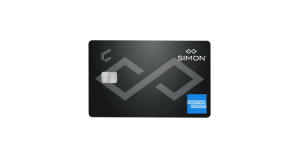
Simon® American Express® Credit Card

Simon® American Express® Credit Card
Excellent-Good
BestCards refers to a variation of FICO Score 9, which is one of many different types of credit scores. A financial institution may use a different score when deciding whether to approve you for a credit card. Please note that the range shown here is our own estimation and not a guarantee of credit needed to be approved for any given card. Recommended Credit: Excellent / Good
American Express Processing Network
None Annual Fee

Simon® American Express® Credit Card

  • 21.24% to 31.24% variable based on creditworthiness and the Prime Rate Regular Purchase APR

At a Glance

The Simon® American Express® Credit Card is a unique retail credit card that lets you maximize your rewards at the mall and anywhere else Amex is accepted. The card, from digital-first fintech Cardless, earns up to 5% cash back on all Simon Mall purchases – all for no annual fee.

  • Best Benefits
  • Rates & Fees
  • Why Should You Apply?
  • No annual fee
  • No foreign transaction fees
  • Earn 5% at any Simon Mall, Mills, or Premium Outlet in the U.S.
  • Earn 1% on all your other card purchases
  • Regular Purchase APR: 21.24% to 31.24% variable based on creditworthiness and the Prime Rate
  • You love to shop – either in-person or online – for a wide variety of products
  • You’re brand-loyal to the type of stores you find in the mall
  • You prefer card rewards in the form of statement credits
  • You do’t want to pay an annual fee
Simon® American Express® Credit Card

Simon® American Express® Credit Card

Terms & Conditions

When holiday shopping comes down to the wire, many Americans head to the mall searching for those elusive gifts. If that sounds like you, the Simon® American Express® Credit Card from Cardless is a great ally to have. This retail rewards credit card provides exceptional savings at the mall – all Simon Malls, to be specific.

Cardholders earn 5% back on the first $10,000 in spending per calendar year at any Simon Mall, Mills, or Premium Outlets in the U.S. That doesn’t just mean a few stores – any store at a Simon Mall will earn you 5% back, including major names like:

Aeropostale Brooks Brothers Eddie Bauer Forever 21
Reebok JCPenney Nautica Lucky Brand

All other purchases with the card earn 1% cash back, with rewards redeemable as statement credits, saving you money when it comes time to pay that post-holidays credit card bill. Other noteworthy features include no annual fee or foreign transaction fees and Amex protections and benefits, including:

Extended Warranty Return Protection Car Rental Loss & Damage Insurance Amex Concierge
Purchase Protection Zero Fraud Liability Trip Delay Insurance Amex Offers

Another option to consider is the U.S. Bank Shopper Cash Rewards™ Visa Signature® Card. This card earns up to 6% cash back at 24 different brands, including Amazon, Best Buy, Chewy, Kohl’s, Target, Walmart, and more.

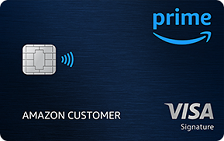
Prime Visa

Prime Visa
Excellent-Good
BestCards refers to a variation of FICO Score 9, which is one of many different types of credit scores. A financial institution may use a different score when deciding whether to approve you for a credit card. Please note that the range shown here is our own estimation and not a guarantee of credit needed to be approved for any given card. Recommended Credit: Excellent / Good
Visa Processing Network
None Annual Fee

Prime Visa

  • 18.74% to 26.74% variable Regular Purchase APR
  • 18.74% to 26.74% variable Balance Transfer APR
  • 29.49% variable based on the Prime Rate Cash Advance APR

At a Glance

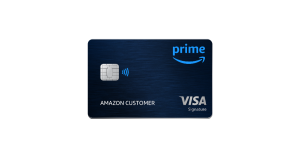
The Prime Visa offers cardholders impressive rewards on all Amazon.com and Whole Foods purchases, as well as elevated cash back at gas stations, drug stores, restaurants, transit, commuting, and more.

  • Best Benefits
  • Rates & Fees
  • Why Should You Apply?
  • Instant Amazon.com gift card on approval
  • Earn 5% Back at Amazon.com and Whole Foods Market with an eligible Prime membership, plus 5% Back on purchases made through Chase Travel.
  • Earn 2% Back at restaurants, gas stations, and drugstores, plus 2% Back on local transit and commuting, including rideshare.
  • Earn 1% Back on all other purchases
  • No foreign transaction fees
  • No annual fee
  • Regular Purchase APR: 18.74% to 26.74% variable
  • Intro Balance Transfer APR: N/A
  • Balance Transfer APR: 18.74% to 26.74% variable
  • Balance Transfer Transaction Fee: Either $5 or 5% of the amount of each transfer, whichever is greater
  • Cash Advance APR: 29.49% variable based on the Prime Rate
  • Cash Advance Transaction Fee: Either $10 or 5% of the amount of each cash advance, whichever is greater
  • Late Payment Penalty Fee: Up to $39
  • Return Payment Penalty Fee: Up to $39
  • Minimum Deposit Required: N/A
  • You frequently shop at Amazon or Whole Foods
  • You have an existing Amazon Prime membership
  • You want a card with no foreign transaction fees and Visa concierge services for your travel plans
  • You want a flexible rewards program, including savings at gas stations dining
  • You want the excellent customer service Amazon is known for

Amazon.com is a go-to shop for almost everyone doing work just before December 25th. The site is so popular not just for its huge (and I mean huge) selection of products, services, and even groceries, but also its expedited, often free shipping.

The Prime Visa, issued by Chase, is an excellent cash back retail card for Amazon and Whole Foods purchases. The card, which requires an Amazon Prime account (otherwise, you’ll get the Amazon Visa), earns up to 5% back on eligible purchases and includes an Amazon gift card on card approval. That exceptional combination of rewards and credits is ideal for holiday shopping but even better for last-minute shoppers, as the gift card and a virtual credit card number are both available immediately after approval.

As mentioned, the Prime Visa is just one version of the Amazon credit card lineup from Chase. There’s also the Amazon Visa, which doesn’t require an active Prime subscription but offers slightly lower rewards on purchases. Here is how the two cards compare:

Prime Visa Amazon Visa
Amazon Prime membership required? Yes No
Rewards Earn 5% back on Amazon.com and Whole Foods Market purchases Earn 3% back on Amazon.com and Whole Foods Market purchases
Earn 5% back on purchases made through Chase Travel Earn 3% back on purchases made through Chase Travel
Earn 3% back on purchases at restaurants, gas stations, and drug stores Earn 2% back on purchases at restaurants, gas stations, and drug stores
Earn 2% back on local transit and commuting, including rideshares Earn 2% back on local transit and commuting, including rideshares
Earn 1% back on all other purchases Earn 1% back on all other purchases
Annual fee No annual fee No annual fee

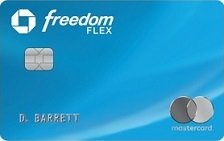
Chase Freedom Flex

Chase Freedom Flex
Excellent-Good
BestCards refers to a variation of FICO Score 9, which is one of many different types of credit scores. A financial institution may use a different score when deciding whether to approve you for a credit card. Please note that the range shown here is our own estimation and not a guarantee of credit needed to be approved for any given card. Recommended Credit: Excellent / Good
Mastercard Processing Network
None Annual Fee

Chase Freedom Flex

  • 19.74% to 28.49% variable Regular Purchase APR
  • 19.74% to 28.49% variable Balance Transfer APR
  • 29.49% variable based on the Prime Rate Cash Advance APR
  • 0% for 15 months from account opening date Intro Purchase APR

At a Glance

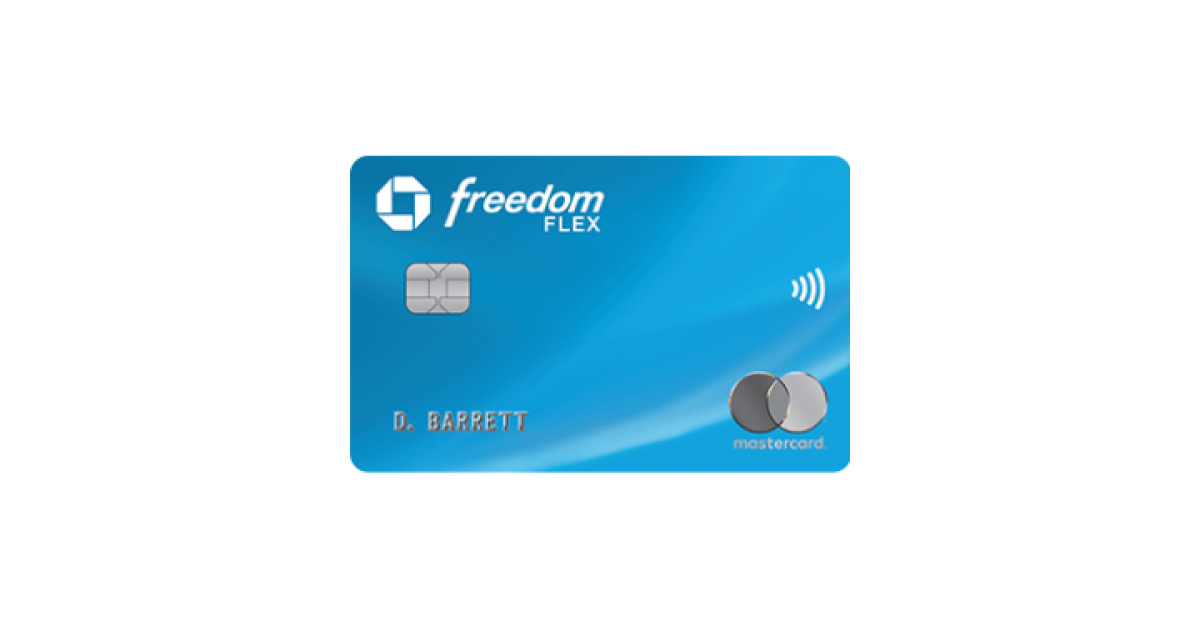
The Chase Freedom Flex is a hybrid cash back credit card that offers something for everyone. The card earns 3% cash back on dining and drugstore purchases, plus up to 5% back on rotating categories each quarter after activation – all for no annual fee.

  • Best Benefits
  • Rates & Fees
  • Why Should You Apply?
  • Earn a $200 bonus after you spend $500 on purchases in the first 3 months from account opening
  • Earn 5% on up to $1,500 on combined purchases in bonus categories each quarter you activate
  • Earn 5% on travel purchased through Chase Ultimate Rewards
  • Earn 3% on dining at restaurants, including takeout and eligible delivery services
  • Earn 3% on drugstore purchases
  • Earn 1% on all other purchases
  • 0% Intro APR for 15 months from account opening on purchases and balance transfers, then a variable APR of 19.24%-27.99%
  • No annual fee – You wo’t have to pay an annual fee for all the great features that come with your Freedom Flex℠ card
  • Intro Purchase APR: 0% for 15 months from account opening date
  • Regular Purchase APR: 19.74% to 28.49% variable
  • Intro Balance Transfer APR: 0% for 15 months from account opening date
  • Balance Transfer APR: 19.74% to 28.49% variable
  • Balance Transfer Transaction Fee: Intro fee of either $5 or 3% of the amount of each transfer, whichever is greater, on transfers made within 60 days of account opening. After that: Either $5 or 5% of the amount of each transfer, whichever is greater.
  • Cash Advance APR: 29.49% variable based on the Prime Rate
  • Cash Advance Transaction Fee: Either $10 or 5% of the amount of each cash advance, whichever is greater
  • Penalty APR: Up to 29.99%
  • Foreign Transaction Fee: 3% of the transaction amount in U.S. dollars
  • Late Payment Penalty Fee: Up to $40
  • Return Payment Penalty Fee: Up to $40
  • You want a versatile cash back credit card that earns rewards across various categories
  • You don’t mind the lower cash back rates for dining and drugstore purchases over previous Chase cards
  • You prefer to book travel through Chase Ultimate Rewards
  • You don’t want to pay an annual fee for premium Mastercard features

The Chase Freedom Flex is another quality option for last-minute spending. Cardmembers earn 5% cash back on the first $1,500 spent per quarter on rotating categories, with the 2023 calendar looking like the following:

Date 5% Cash Back Category
Q1 January – March 2024 Grocery stores (excluding Walmart), self-care and spa services, plus fitness and gym memberships
Q2 April – June 2024 Restaurants, hotels, and Amazon.com and Whole Foods purchases
Q3 July – September 2024 Gas, EV charging, select live entertainment, and movie theatres
Q4 October – December 2024 PayPal, McDonald’s, pet shops and veterinary services, plus select charities

The calendar for Q4 2023 is perfect for those looking for a last-minute gift anywhere, as it includes PayPal. Using your PayPal account and Freedom Flex Card to pay for purchases in-store or online will earn you 5% back, regardless of the vendor – a great perk! Additionally, Q4 also includes select charities, meaning you can give the gift of love and hope to one of the following charitable causes:

  • American Red Cross
  • Equal Justice Initiatives
  • Feeding America
  • GLSEN
  • Habitat for Humanity
  • International Medical Corps
  • International Rescue Committee
  • Leadership Conference Education Fund

Cardmembers earn lucrative rewards on other transactions beyond the 5% back on quarterly categories. This includes 5% back on travel purchased through Chase Ultimate Rewards, 3% on drugstores plus dining and restaurants (including takeout and eligible delivery services), and 1% back on all other purchases.

Other great features of the Freedom Flex include no annual fee, no foreign transaction fees, and Mastercard cell phone protection, which provides up to $800 per claim (and $1,000 per year) in cell phone protection against any theft or damage for phones listed on cardmembers’ monthly bills.

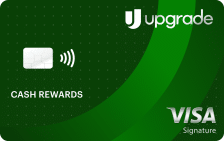
Upgrade Cash Rewards Visa®

Upgrade Cash Rewards Visa®
Excellent-Good-Fair
BestCards refers to a variation of FICO Score 9, which is one of many different types of credit scores. A financial institution may use a different score when deciding whether to approve you for a credit card. Please note that the range shown here is our own estimation and not a guarantee of credit needed to be approved for any given card. Recommended Credit: Excellent / Good / Fair
Visa Processing Network
None Annual Fee

Upgrade Cash Rewards Visa®

  • 14.99%-29.99% variable based on creditworthiness and the Prime Rate Regular Purchase APR
  • 14.99% to 29.99% Balance Transfer APR

At a Glance

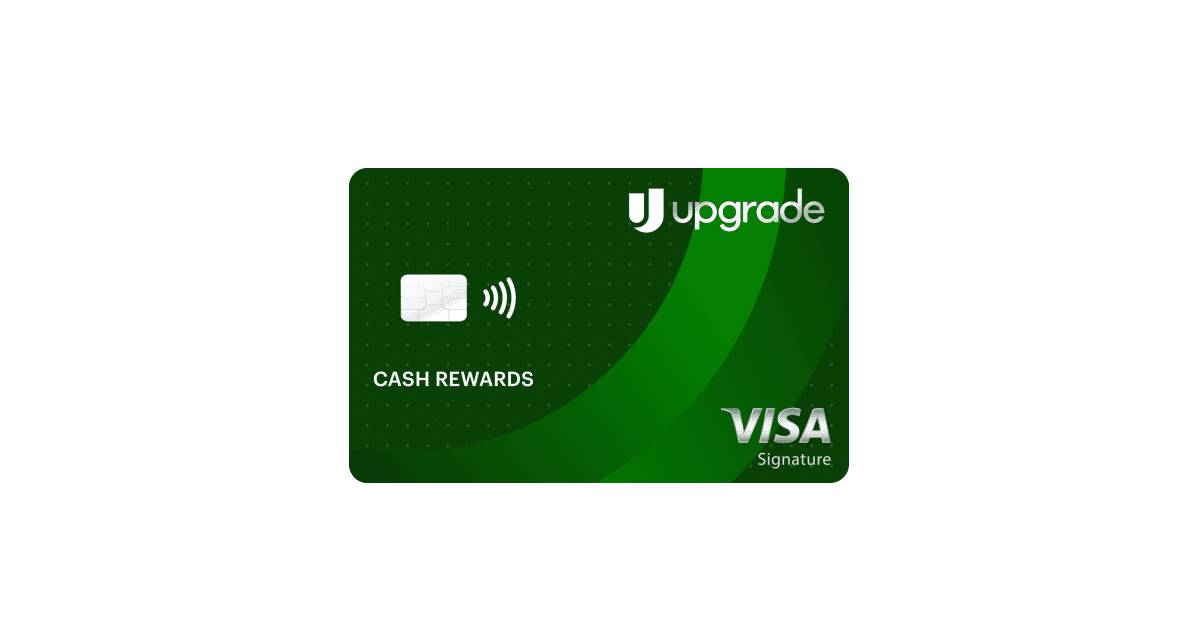
The Upgrade Cash Rewards Visa® offers no fees, low rates, cash back, and credit lines from $500 to $25,000 in one unique package. The card provides consumers the flexibility and predictability to quickly pay down balances and get debt-free. The Upgrade credit card is one of the lowest regular APR credit cards on the market for those with excellent credit scores, putting it firmly on any list of the best balance transfer credit card deals – or any list of the best credit cards in the U.S.

  • Best Benefits
  • Rates & Fees
  • Why Should You Apply?
  • $200 bonus after opening a Rewards Checking Preferred account and making 3 debit card transactions*
  • 1.5% unlimited cash back on every purchase
  • No annual fee
  • See if you qualify in seconds with no impact to your credit score
  • Combine the flexibility of a card with the predictability of a personal loan
  • Enjoy Visa Signature benefits, like Roadside Dispatch, Price Protection, Extended Warranty Protection, and more
  • Shop smarter with Upgrade Shopping! Get exclusive savings at stores, restaurants, and more
  • Contactless payments with Apple Pay® and Google Wallet™ bull; Mobile app to access your account anytime, anywhere
  • Use your card anywhere Visa is accepted
  • Relax knowing that you are protected in case of unauthorized transactions with Visa’s Zero Liability Policy
  • Regular Purchase APR: 14.99%-29.99% variable based on creditworthiness and the Prime Rate
  • Balance Transfer APR: 14.99% to 29.99%
  • Balance Transfer Transaction Fee: Up to 5%
  • Foreign Transaction Fee: Up to 3%
  • Late Payment Penalty Fee: May apply
  • You struggle to pay off your credit card balances
  • You want a structured repayment plan
  • You can reliably pay off your statement balances to earn cash back for your purchases
  • You have a desire to get debt-free quickly
  • You hate penalty or other hidden fees

The Upgrade Cash Rewards Visa® is an unlimited cash back card that prioritizes simple, steady rewards over bonus categories or confusing programs. The card earns 1.5% unlimited cash back on card purchases every time you make a payment, rewarding you for being financially responsible.

The Upgrade Card works in two ways. Cardholders can use their line of credit to make purchases at almost any merchant worldwide that accepts Visa. They can also transfer a portion of the funds from their credit line to their bank account to help tackle existing debt. This latter method makes the card a useful alternative for a balance transfer credit card.

The hybrid nature of the Upgrade Card makes it an excellent option for those who struggle with making payments with their regular credit cards. The structure of the installment plan makes it ideal for those who need help paying down their debts. This is especially true for those who prefer to carry a balance on their cards.

Timeless Budgeting: 4 Strategies for Managing Your Money Like a Pro

Timeless Budgeting: 4 Strategies for Managing Your Money Like a Pro

Last updated on December 13th, 2023

Table of Contents

Budgeting is an integral part of financial planning and helps individuals take control of their finances for their overall well-being. Learn how to budget your money using one of these four classic budgeting strategies and take the stress out of saving and spending.

Budgeting Strategies for Timeless Financial Planning

If you’re not the savviest with your finances, managing your money may seem like a big, scary challenge to overcome. But it doesn’t have to be complicated. Set yourself up for success and implement a budgeting strategy to help balance your financial responsibilities with your lifestyle and well-being. Here are four budgeting strategies that can get you started.

  • The zero-balance
  • The envelope budget.
  • The pay-yourself-first budget.
  • The 50/30/20 or rule-of-thumb budget.

The Zero-Balance Budget

A zero-balance budget, or a traditional budget, is created based on your income and total expenses. Every dollar of your income is accounted for, ultimately bringing your total monthly balance to zero. It may sound scary, but there is no need to worry as this budgeting strategy has a technique.

In other words, every dollar you get from your income has a job to do, and that can mean going towards expenses that fall under needs, wants, and savings. At the end of the planning, you should have a zero balance because all of your dollars have been distributed toward your bills and savings. Every dollar earned is allocated and used for a certain savings goal or monthly expense.

How to Zero-Balance the Heck out of Your Budget

Step 1 - Determine Your Income & Financial Goals Step 2 - Make a List of Your Expenses Step 3 - Make Adjustments as You Go

Step 1 – Determine Your Income & Financial Goals

For the sake of simplicity, all the budgeting periods will be measured in months. First, it is important to learn your total monthly income to understand the workable budget. It is also recommended you decide on your financial savings goals. Determining the two factors will help distribute your dollars accordingly to align with your monthly expenses and savings objectives.

Step 2 – Make a List of Your Expenses

Next, you will create a list of your planned expenses. Allocate each specific amount to an expense category. Here’s a list of expense categories you can use when creating your zero-balance budget or any other budget you would like to create.

  • Housing
  • Groceries
  • Utilities
  • Transportation
  • Savings/Debt Repayment
  • Entertainment

Step 3 – Make Adjustments as You Go

Adjusting the zero-balance budget is where the magic happens. It is an essential step in making the zero-balance budget work. Throughout your budgeting period, you may need to adjust your money allocation if you see an unexpected income change or expense. The purpose of this particular strategy is to keep your balance at zero. If you overspend in one category, you must cut back in another to compensate and bring your balance back to zero.

Should you consider a Zero Balance Budget?

To do the math for your budget you must subtract your total expenses and saving target from your income. If you get a number in the negative, it means you’re planning to overspend above your means. Your next action should be to review your nonessential expenses and cut back. Otherwise, you will most likely tap into your savings or go into more debt.

This kind of budgeting is most appropriate for someone looking to take control of their variable expenses. Maybe you find that you’re spending more than you would like on food delivery services or entertainment. The zero-balance budget may be the correct strategy for your financial goals.

The Envelope Budget

The envelope budget is a bit more “hands-on.” Yes, you will use envelopes. And yes, you will use cash. Although, you can digitally apply the technique if you prefer. If you find that you need to see the physical money to make sense of your spending, this method may be for you.

The envelope budget is a useful financial planning strategy that can help control your spending and help make more intentional choices with your income. Financial planning with the envelope budget places a magnifying glass over your variable spending like, groceries, gas, and more.

How to Envelope Budget Like a Pro

Step 1 - The Envelopes Step 2 - Distribute the Funds
Step 3 - Spend and Replenish Step 4 - The Leftovers

Step 1 – The Envelopes

Get yourself some envelopes, they can be physical envelopes or digital. You will use the envelopes to categorize your variable expenses. Label your envelopes according to your personal financial needs. Here’s a list of categories you can include in your financial planning.

  • Groceries
  • Entertainment
  • Dining out
  • Gas
  • Clothes
  • Personal care items
  • Managing subscriptions
  • Miscellaneous

Notice we mentioned “variable expenses.” These are expenses that may change from month to month. In other words, expenses such as rent, or a car note do not fall under a variable expense because typically, such expenses have a fixed monthly payment.

Step 2 – Distribute the Funds

Once you have your envelopes categorized, begin breaking down your expenses and set aside money for each. Place the cash inside its corresponding envelope. On the back of each envelope, write the dollar amount you allocated to its category. If you’re unsure how much budget a specific category needs, refer to your previous bank statements to make the best financial decision.

Step 3 – Spend and Replenish

Now that you have your cash inside categorized envelopes for your variable expenses, it’s time to spend that cash…responsibly. Keep tabs on what you spend by writing how much money is left or how much you have spent on the back of each envelope. The purpose of the envelopes is that once one is empty, you will avoid overspending for that category until you have replenished it with more cash.

How often you replenish is up to you and your income arrangement. If you truly need to dip into another envelope to cover expenses for another envelope category, you may need to go back to the drawing board and adjust your budget.

Step 4 – The Leftovers

What do you do if you have leftover money in an envelope at the end of a pay period? You have three options. The first option is to save it for the next month. The second option is to place it in your savings, like an emergency fund or a vacation savings account. Last, you can set it aside to pay down existing debt, like credit card debt or personal loans.

Should You Consider an Envelope Budget?

The envelope budget is for anyone who needs a visual of their spending. It’s ideal for someone seeking better control over their variable monthly expenses, like groceries, entertainment, dining, and more. If the thought of having cash in envelopes makes you nervous, alternative digital ways to budget your money are available. You can try apps or keep a spreadsheet to update frequently with your expenses.

The Pay-Yourself-First Budget

The “pay-yourself-first” budgeting strategy is about prioritization. The approach requires you to set aside and save a portion of your income for savings and investing before you dive into distributing your money for other expenses. In other words, you pay yourself first! This kind of budgeting is for anyone wanting to polish their saving skills.

With the pay-yourself-first strategy, you can benefit from wealth-building, financial discipline, and reduced spending stress. It is a timeless budgeting tactic that may be effective for your financial planning if done responsibly. By prioritizing your savings, you can gain clarity on your spending habits to meet your savings goals, like planning for retirement, a wedding, a new house, and more.

How to Use the Pay Yourself First Budgeting Strategy?

Putting the pay-yourself-first strategy into effect is like a set-it-and-forget-it type of budgeting. There are three ways that you can achieve this.

Option 1 - Set up Automatic Transfers with Your Bank. Option 2 - Split Deposit Your Paycheck. Option 3 - Add Funds to Your Retirement Savings.

Option 1 – Set up Automatic Transfers with Your Bank.

Many banks offer the option of setting up automatic transfers from your checking to your savings account. Determine how much you plan to transfer toward your savings account. Then set up the transfer to happen every time payday comes around.

💡TIP: Open a savings account with a new bank and set up a transfer to it from your original checking account. It is the ultimate move for an out-of-sight, out-of-mind approach. It will also act as a buffer between accessing your savings easily, and you’re less likely to dip into your savings.

Option 2 – Split Deposit Your Paycheck.

The split deposit approach is when you set up part of your paycheck to go into a savings account. The remainder is distributed into your checking account. The split paycheck option is dependent upon your employer. In the same fashion as setting up a direct deposit, you will most likely need to fill out forms to provide information about your savings account for the split to happen.

Option 3 – Add Funds to Your Retirement Savings.

Saving for your retirement via a 401(k) plan counts towards the pay-yourself-first budgeting strategy. Contributing a portion of your salary towards your retirement with a 401 (k) plan is beneficial because the contributions are pre-tax. In other words, it lowers your taxable income and simultaneously saves for your retirement. With a 401(k) plan, you decide what percentage to contribute and then your employer distributes it accordingly. Some employers will match 401(k) plans, some as high as 6%.

Should You Consider the Pay-Yourself-First Budget?

The pay-yourself-first budget is for individuals who find it challenging to save for significant goals. The strategy proves to be a potent approach because it can set you up for long-term wealth-building and financial security. Moreover, your 401(k) savings can act as a fund without penalty during life hardships.

The 50/30/20 Budget

The 50/30/20 rule of thumb for budgeting is a popular strategy for financial planning. It’s simple and easy to understand. The plan calls for 50% of your income to go toward your needs, 30% towards your wants, and 20% towards savings.

% of budget 50% 30% 20%
Allocation Needs Wants Savings
Explenation Things like rent, mortgage, groceries, medical expenses, insurance, etc. Wants are your non-essentials like streaming subscriptions, gym memberships, dining out, vacation trips or travel, etc. Things like regular savings, emergency funds, investing, debt repayment, etc.

Should You Consider the 50/30/20 Budget?

The 50/30/20 budget is for those seeking a balance between their finances and life. The 20% going towards your savings doesn’t seem like a big scary number to commit to your budget. It’s less intimidating and the 30% towards your wants gives you a chance to also enjoy life and use this portion of your budget for pleasures like concerts, fancy dinners, travel, and more.

The Main Takeaway

These four strategies for financial planning are timeless budgeting plans. In a nutshell, whichever budgeting strategy you choose will surely help manage your finances in a more organized manner. Explore a little. Try different approaches to budgeting and see which one works best for your lifestyle and your financial goals.

Remember, the zero-balance budget caters best to someone looking to get their variable spending under control. The envelope budget is best for the visual spender. The pay-yourself-first budget is a good contender for anyone who struggles to save for significant financial goals. And lastly, the 50/30/20 budget is suitable for anyone seeking a life balance between their financial responsibilities, savings, and living life. 

Don’t know where to get started? Click the green calculator icon below to access BestCards monthly budget calculator. 

Related Article: The Difference Between a Financial Counselor and a Financial Advisor

Ultimate Guide to Bank of America Application Rules

Ultimate Guide to Bank of America BOA Application Rules
Applying for a credit card can be an exciting and rewarding experience. – especially when it comes with no annual fee or a lucrative welcome bonus. However, understanding the application process is crucial whether you are a first-time applicant or looking to expand your card portfolio. Here’s everything you need to know about Bank of America credit card applications, including specific rules governing who can apply.

Table of Contents

At a Glance

  • Bank of America provides credit cards for all credit profiles
  • The bank offers a quick online pre-qualification with no credit impact
  • You will likely get rejected if you’ve opened more than seven new cards opened in the past 12 months or more than just three new cards in the past 12 months
  • Not all “rules” are firm and may be bypassed with strong credit or an existing Bank of America relationship

Benefits of Bank of America Credit Cards

Bank of America is a popular option for those seeking a quality credit card. Bank of America currently issues over twenty cards co-branded with leading names in the travel industry. These include impressive names like Norwegian Cruise Lines, Alaska Airlines, and Air France. Bank of America also teams with leading charities, such as Susan G. Komen.

Bank of America credit cards offer a range of benefits, including travel rewards, cash back, and a suite of services and experiences. Bank of America credit cards provide access to services and experiences. Cardholders can take advantage of benefits like extended purchase warranties, purchase protection against theft or damage, and travel insurance. Some cards also offer access to exclusive events, concerts, and sports!

 Important Information Before Applying for a Bank of America Card

When it comes to applying for a Bank of America credit card, there are certain requirements that applicants must meet to be considered for approval. While these criteria may vary based on the specific card and individual circumstances, there are general guidelines that applicants should be aware of:

What Credit Score Does Bank of America Require?

Bank of America credit cards are targeted towards different credit profiles. Most of the bank’s reward credit cards require good or excellent credit scores. Despite this, the bank also offers subprime options, including secured card versions of some popular cash back and travel rewards cards. The bank also offers student credit cards.

Does Bank of America Offer Pre-Qualification Before Applying?

Like most major issuers, Bank of America provides a credit card pre-qualification process on its website. Checking for a pre-qualified offer is easy, requiring the following information:

  • Full name
  • Address
  • Date of birth
  • Last four (4) digits of your Social Security Number (SSN)

There is no impact on your credit score when checking for offers on the Bank of America website.

Related Article: How to Pre-Qualify for a Credit Card

Applying for a Bank of America Credit Card

Applying for a Bank of America credit card is straightforward. The bank doesn’t have any unique requirements for personal information, instead asking for the usual info:

Info Explained
① Full legal name and contact information You’ll need your full legal name, contact address, phone number, and e-mail address to apply for pretty much every credit card.
② Social Security Number (SSN) or Individual Taxpayer Identification Number (ITIN) Most credit card issuers require applicants to have a U.S. Social Security number to apply for a credit card. Since foreign citizens likely lack an SNN, they may receive an Individual Taxpayer Identification Number (ITIN) instead. An ITIN is an ID number the IRS issues to anyone who needs to file income tax returns in the United States but doesn’t qualify for an SSN. Be ready to provide either of these items when applying for a personal credit card.

The following banks accept foreign national applicants with an ITIN number, according to Experian:

  • American Express
  • Bank of America
  • Capital One
  • Chase
  • Citibank
  • OpenSky
  • Wells Fargo

Currently, only two major card issuers don’t allow applicants with an ITIN:

  • Barclays
  • Discover
③ Income You’ll need to provide income information when applying for a credit card. Banks like to see that you aren’t too stretched financially, and part of this process is by evaluating how much income you have from things like your job, investments, and other sources.
④ Expenses Your monthly expenses are the second part of the puzzle when it comes to gauging your risk as an applicant. Your monthly housing costs (rent, mortgage) current utilities, and other relevant info might be asked when you apply.
⑤ Credit Score The final piece of informational lender needs to judge a credit card application is your credit score. Much of the information in your credit report is supplied by creditors and lenders, and potential lenders will use these details as a point of reference when considering you for a loan or line of credit. Your credit report is prepared and sold to prospective lenders and creditors by three credit reporting agencies – or bureaus, as they’re also known. They are Equifax, Experian, and TransUnion.

Bank of America Application Rules

Like Chase or Citi, Bank of America has specific rules regarding credit card applications. These rules are known as the 7/12 and 3/12 rules.

Bank of America 7/12 Rule

The first “secret” rule of Bank of America credit card applications is the 7/12 rule. This rule stipulates that a Bank of America credit card applicant with seven (7) or more new credit cards opened in the past 12 months will automatically be rejected on their application. This rule is similar to Chase’s 5/24 rule.

Bank of America 3/12 Rule

The Bank of America 3/12 rule is another “secret” rule. This rule stipulates that Bank of America credit card applicants who do not have any Bank of America products now or in the past and have already opened two (2) new credit cards in the last 12 months will be rejected on their application. In practice, the 3/12 rule may affect more applicants than the 7/12 rule, as it’s likely that people who do not already have a Bank of America account or credit card will be more likely to apply for two or more cards in a year.

Related Article: Bank of America 7/12 and 3/12 Rules

Understanding the Bank of America Credit Card Application Process

The easiest way to apply for a Bank of America card is online.  The online application provides a convenient and efficient way to apply from the comfort of your home. When completing the application, ensure that all the information provided is accurate and up to date. Any discrepancies or inaccuracies could delay the approval process or lead to the rejection of your application.

After submitting your application, it’s essential to monitor the status of your application. Bank of America typically provides a way for applicants to check the status of their credit card application online or by contacting customer service. If additional information or documentation is required, promptly provide the requested items to expedite the review process. Finally, once your application is approved, you can expect to receive your new Bank of America credit card in the mail within 7 to 10 business days.

Common Mistakes to Avoid in Your Credit Card Application

When applying for a Bank of America credit card, or any credit card, it’s critical to be mindful of common mistakes that can hinder the approval process. Filling out inaccurate or incomplete information on the application is one of the most common mistakes people make. Any discrepancies or missing details can raise red flags and potentially lead to the rejection of your application. To ensure accuracy, it’s crucial to meticulously review and verify all the information before submitting your application.

Another common mistake is applying for multiple credit cards within a short timeframe. Each credit card application typically results in a hard inquiry on your credit report, which can temporarily lower your credit score. By spacing out your credit card applications and applying strategically, you can minimize the impact on your credit score and demonstrate responsible credit-seeking behavior.

Finally, failing to review the terms and conditions of the credit card, including the annual fee, interest rates, and rewards structure, can lead to unexpected surprises down the line. Always ensure you take the time to fully understand the card’s terms and benefits before applying.

Conclusion

By understanding the application process, meeting the necessary requirements, and navigating the process with care and diligence, you can position yourself for a successful credit card application experience. Remember to avoid common mistakes, proactively address issues, and stay informed about the terms and conditions of your credit card.

Related Article: Slay Your Holiday Expenses: A Step-by-Step Guide to Crafting a Top Credit Card-Friendly Budget

Featured image by Sly/PixaBay

EEEEEATSCON Miami Coming February 3 & 4, 2024

eeeeeatscon Miami 2024

Last updated on February 20th, 2024

The popular EEEEEATSCON heads to Florida for the first time this February. The Infatuation’s EEEEEATSCON Miami 2024, sponsored by Chase Sapphire, is already jam-packed with exciting restaurants, guests, and more. Here’s what you need to know about the upcoming festival:

EEEEATSCON Comes to Miami for the First Time

Already a tradition in New York, California, and now Chicago, the Infatuation’s EEEEEATSCON is heading to South Florida. The first-ever EEEEEATSCON Miami comes to Bayfront Park in downtown Maimi from February 3 to 4, 2024, with an impressive list of top eats, entertainment, and more. Tickets for the inaugural event are now available though Eventbrite.

What is EEEEEATSCON?

EEEEEATSCON is a two-day food experience built in the spirit of a music festival but with restaurants as the headliners. Created and produced by the popular restaurant discovery platform The Infatuation and Chase, EEEEEATSCON is designed for people who want more from a food festival than just tasting-sized portions and cooking demonstrations.

Dining

The event features a highly curated group of local restaurants and exciting imports from across the country, often serving food you won’t find anywhere else.  For the Miami edition of EEEEEATSCON 2024, guests can expect an impressive list of culinary creativity from names across the country.  Those national names include:

  • Bang Bang Noodles, Los Angeles, CA
  • Gertie, Brooklyn, NY
  • KG BBQ, Austin, TX
  • Nixta Taqueria, Austin, TX
  • Rowdy Rooster, New York, NY
  • Tacos Los Cholos, Los Angeles, CA

Joining those names is an impressive array of South Florida culinary staples, including some of the hippest names in Miami dining:

  • Zitz Sum × QP Tapas
  • Walrus Rodeo
  • Tâm Tâm
  • The Salty Donut
  • Sweet Melody Ice Cream
  • Sweet Delights
  • Rosie’s
  • Miami Slice
  • Madroño Restaurant

Entertainment

EEEEETASCON is more than just great food. The festival will also feature special appearances from comedian Marcello Hernandez & Friends, Rob McElhenney and Glenn Howerton of It’s Always Sunny in Philadelphia, the Girls Gotta Eat Podcast LIVE with Ashley Hesseltine and Rayna Greenberg, and RIDE Podcast with Benito Skinner and Mary Beth Barone.

Special Access with Chase Sapphire

EEEEEATSCON Miami also provides eligible Chase Sapphire card members with exclusive benefits. These benefits include:

  • Exclusive Food Vendor Access: Enjoy delicious eats (or is that eats?) with national (and local) food vendors and more!
  • Chase Sapphire Reserve VIP Experience: Chase Sapphire Reserve cardmembers can now purchase a VIP experience.

For more information on EEEEEATSCON Miami, please visit the event’s dedicated events page.

Related Article: The Ultimate Guide to Bilt Dining

Featured image by Chase

Cybersecurity Tips for Online Holiday Shopping

Cybersecurity Tips for Online Holiday Shopping

Table of Contents

If you’re in the middle of online holiday shopping, you should be prepared to be vigilant about your online safety. Learn to protect yourself against online scammers and hackers to keep your finances safe and away from cyber criminals. Follow these cybersecurity tips for online holiday shopping.

Stay Vigilant While Online Holiday Shopping

According to a Statista report, online sales are expected to reach $253.71 billion this holiday season. That is nearly a 10% increase over the last year. Therefore, cybercriminals get more opportunities to prey on consumers. Luckily, there are cybersecurity practices you can set in action so you can confidently and safely shop online for the holidays.

Before You Click…

A text message is harmless, right? Wrong! Think again. Text messages are only one of the ways scammers reach consumers to play out their criminal activities. Text message scams are called “smishing.” In addition, email scams are known as “phishing.” Cybercriminals can also target online holiday shoppers via voicemail, recognized as “vishing.” These are the three most common methods scammers use to collect your confidential account information.

Common Signs of Phishing or Smishing

Requests to click on a link Requests for personal information
A Suspicious email address from the sender Misspellings and grammatical errors in the email or text message

Four Steps to Increase Online Security

1. You can use Multi-Factor Authentication (MFA) for online accounts. This security system uses multiple authentication factors to access an account. It can be as simple as setting a code to access SMS text messaging or through popular MFA apps like Google Authenticator and Microsoft Authenticator.
2. Update your computer software. Having up-to-date software includes security updates, thus making it more difficult for hackers to get a hold of your data.
3. Remain on guard for unexpected or unusual emails. Most successful cyberattacks begin with a phishing email.
4. Use a strong password. You can create your password or use a password manager to generate and store your unique passwords for multiple accounts.

💡Tip: A strong password has between 16 to 24 random characters and includes uppercase and lowercase letters, numbers, and symbols or four unrelated words strung together.

Is The Website Secure?

Other indicators prove a website is secure to browse. The best way to tell is by looking at the website URL. If the URL starts with the letters https://, then you have got yourself a secure website. The ‘s’ stands for secure, meaning the website is using encryption to help keep information protected. Be cautious of unsecured websites. An unsecured URL will begin with HTTP. Never share your personal information, like credit card numbers, on an unsecured website or on public wireless networks.

Shopping On A Mobile App

Mobile seems to be the way to go a lot these days. We all walk around with minicomputers (cell phones) in our pockets and purses, and it’s no surprise you may have done some shopping on mobile. However, when shopping via mobile apps, make sure you’re checking out the app descriptions before you download.

Cybercriminals have become very sophisticated in creating fake store apps that mimic real business and their logos. Downloading apps directly from a company’s official website helps verify authenticity. In return, you avoid the headache of getting credit card fraudulent activity, or worst, debit card fraud.

Access to a debit card gives hackers immediate access to draining the shoppers’ bank accounts of all funds. Consequently, you should avoid using debit cards for online purchases and instead use a credit card which typically holds better theft protection features. Do not forget to keep your receipts, shipping, and tracking information, and regularly monitor credit card activity to ensure no fraudulent charges. 

The Bottom Line

Before you begin your online holiday shopping, keep in mind a few safety points. For example, never click on suspicious links on any website or scam text message. Delete suspicious email that don’t look legitimate and keep an eye out for unsecured website URLs before you enter your credit card information to make a purchase. Moreover, when it comes to you choice in payment, take the more secure route and use a credit card for your online shopping instead of a debit card.

It’s riskier to get scammed via your debit card because criminals may get full access to your banking account. Versus a credit card which has other securities in place such as theft protection. Don’t forget to monitor all your statements and purchases. The easiest way to manage your spending and keep track of your purchases is usually through your credit card issuers app. The apps may also have other security features that you can turn on to alert you when a purchase is made.

Related Article: How To Manage Holiday Spending Debt

Featured Image from Canva

Chase Previews The Edit by Chase Travel

The Edit by Chase Travel Launching in 2024

Chase is making significant changes to its luxury hotel booking engine. The Luxury Hotel & Resort Collection℠ will gain a new, editorially-tailored, revamped luxury lodging booking platform, The Edit by Chase Travel. Here’s what you need to know about The Edit by Chase Travel℠:

Chase Previews New about The Edit by Chase Travel℠ Luxury Booking Portal

Chase Travel is now offering a preview of its new luxury hotel program – now known as “The Edit by Chase Travel” – which will launch in early 2024.

As an evolution from Chase’s popular Luxury Hotel & Resort Collection℠, The Edit is a streamlined evolution from our Luxury Hotel & Resort Collection, specifically tailored to the modern traveler. Chase Sapphire Reserve® cardmembers will have exclusive access to handpicked, sought-after luxury hotels worldwide. Plus, complimentary benefits, seamless booking, and unique, personalized experiences.

Cardmembers now can book participating properties with their Chase Sapphire Reserve card or, for the first time, by redeeming Ultimate Rewards points. Additional complimentary cardmember benefits include breakfast for two, property credits, room upgrades, and other amenities when they book through The Edit.

Cardmembers will also have the ability to discover what a property is best known for – helping travelers ensure their property selection meets their individual travel needs, whether they are seeking a family-friendly resort, a spa, or a wellness retreat or are looking to be inspired by art, design, culinary offerings and more.

Related Article: The Ultimate Guide to Hotel Rewards Programs and Hotel Credit Cards

“Designed to Make to Plan, Book, and Visit”

The new Edit by Chase Travel program is designed to help cardmembers of one of the best luxury and travel credit cards avoid full bookings at some of the most exclusive hotels in the world. And to give you some idea of which hotels Sapphire Reserve cardmembers can expect from the new program, Chase has revealed the top-booked hotels off of Chase Travel’s booking platform:

  1. Four Seasons Hotel Tokyo at Otemachi: Tokyo, Japan
  2. The Kahala Hotel & Resort, The Leading Hotels of The World: Honolulu, Hawaii
  3. Fairmont Banff Springs: Banff, Canada
  4. The Wall Street Hotel, Preferred Hotels & Resorts: New York, New York
  5. The Charles Hotel, a Rocco Forte Hotel: München, Germany

“The Edit is designed to make it easier for Chase Sapphire Reserve cardmembers to plan, book, and visit the most sought-after, hand-selected, and highly vetted hotel properties across the globe,” said Rena Shah, head of lodging at Chase Travel, in a release. He added, “While we’ve seen great success with the Luxury Hotel & Resort Collection, luxury travel has evolved, and the evolution of our lodging program represents today’s traveler. We’re doing more than just listing hotel names on our site; we’re storytelling and building new ways for our travelers to discover properties with premium benefits that will provide them with an elevated experience.”

Related Article: How to Maximize Holiday Rewards While Minimizing Debt

Featured image by Chase

Apple Card Ending Partnership with Marcus Next Year?

Apple Card and Marcus by Goldman Sachs in talks to end partnership?

The drama in the will they/won’t they saga of Apple Card and Marcus by Goldman Sachs is heating up again. A new report in the Wall Street Journal states that Apple plans to change issuers in the next two years, with Synchrony rumored to be a possible destination. Here’s what you need to know about the latest in the Apple-Marcus relationship:

Report: More Upheaval with the Apple Card to Come

The potential breakup of the Apple Card/Goldman Sachs partnership appears to be edging closer. Previous reports hinted that Marcus, the digital banking imprint of Goldman Sachs, sought to terminate the partnership, citing spiraling losses since the Apple Card’s launch in late 2019.

According to Marcus sources, the bank has lost more than $1 billion since the launch – although Apple has declared the card a runaway success. Nearly seven million Apple Card accounts are currently open, according to the company. Still, the staggering upkeep – and hoarding of all the credit for the card’s development – have soured Goldman Sachs on its credit card portfolio.

 Apple Planning to Shift Banks?

Now, a new report by the Wall Street Journal (WSJ) indicates Apple is looking to end the partnership. The WSJ report states that Apple is looking to cut ties with Marcus not only on its Apple Card credit card but also on Apple’s new high-yield savings account. While no exit date or agreements have been reached, Apple hopes to finalize the transition in the next 12-15 months.

Interestingly, American Express, originally cited as a potential Apple Card destination, is likely out of the running – at least for the foreseeable future. That is because the card’s original agreements stipulate it must remain on the Mastercard payment network for at least the next few years. Synchrony is another potential landing spot for Apple, as the bank is a major issuer of co-branded retail and store credit cards.

Apple was non-committal on the news when reached for a comment by CNBC:

“Apple and Goldman Sachs are focused on providing an incredible experience for our customers to help them lead healthier financial lives. The award-winning Apple Card has seen a great reception from consumers, and we will continue to innovate and deliver the best tools and services for them.”

About Marcus Credit Cards

Apple is just one of Goldman Sach’s credit card partnerships. The bank also issues the popular GM Rewards auto credit cards, having acquired the General Motors (GM) portfolio from Capital One in a deal worth $2.5 billion. The GM portfolio includes two consumer-branded credit cards from GM, the My GM Rewards Card™ and GM Extended Family Card, plus a business rewards card, the GM Business Card™.

Related Article: How to Maximize Holiday Rewards While Minimizing Debt

Featured image by Mohamed Hassan/PixaBay

5 Tips to Manage Holiday Spending Debt

how-to-bounce-back-after-a-holiday-spending-spree

Last updated on December 30th, 2023

The holiday shopping season ends just as quickly as it began. For most Americans, that means a return to normalcy after a month of festivity. For some, however, it is the start of a financial struggle due to being perhaps a bit too carefree with their spending. Are you looking to avoid a financial hangover after a month of hefty credit card use? Here are some smart strategies to help you stay debt-free during the holiday season, or to bounce back after a month of heavy holiday shopping.

Table of Contents

At a Glance

  • While avoiding holiday debt can be challenging, there are steps you can take to reduce your risks of overspending
  • Budgeting is an essential tool regardless of your spending plans
  • Avoid impulse buying as much as possible
  • Ensure you make at least your minimum payment due to avoid additional harm to your credit score
  • Consider a balance transfer if you qualify

The Importance of Managing Holiday Spending

Managing holiday spending is more than just a financial concern; it’s a matter of maintaining your overall well-being. Overspending during the holidays can lead to significant stress, anxiety, and even depression when the bills start piling up. Taking control of your holiday spending can ensure a more enjoyable and stress-free season.

Holiday debt is a common issue faced by many individuals and families. The temptation to overspend on gifts, decorations, and extravagant meals can quickly lead to financial hardship. Understanding the risks associated with holiday debt is crucial to avoid falling into its trap. Accumulating debt during the holidays can result in high-interest rates, late fees, and a long-term impact on your financial stability.

Tips for Staying Debt-Free During the Holiday Season

Staying debt-free during the holiday season requires discipline and careful planning. Here are a few additional tips to help you stay on track:

  • Start saving early: Set aside money throughout the year specifically for holiday expenses. This will alleviate the financial burden when the season arrives.
  • Communication is key: Discuss your financial situation with your family and friends. By setting expectations and mutually agreeing on spending limits, you can avoid unnecessary pressure to overspend.
  • Focus on experiences: Instead of buying material gifts, consider giving experiences such as a day trip or a homemade voucher for a special outing. These can be more meaningful and often come at a lower cost.
  • Giving your spirit is a great option: Remember that the holidays are about more than just material possessions. Volunteering your time or donating to a charitable cause can bring immense joy and fulfillment without breaking the bank.

Tips for Managing Holiday Debt

If you find yourself with post-holiday debt, it’s important to address it promptly to prevent further financial strain. Looking for a few evergreen tips to help you bounce back from a month of heavy spending? From setting a budget and finding ways to save money to managing credit cards responsibly, we’ve got you covered:

Budget, Budget, Budget

Setting a budget is one of the most effective strategies for managing holiday spending. Many Americans ignore budgets during the holiday season and spend big on friends, family, and themselves. However, once the party is over, the holiday season’s financial realities sink in. Black Friday and Cyber Monday are known for savings, but they are also times when millions of Americans break their budgets and lock in early Christmas, Chanukah, and other holiday gifts.

The situation worsens when last-minute shopping (including the National Retail Federation’s “Super Saturday” before Christmas) only exacerbates the situation, leading to retail debt. Bouncing back from too many holiday purchases requires budgeting. Take a close look at what you are spending money on. From here, review where you can make cuts for things that aren’t necessary. If you still want the freedom to shop, you might have to live with fewer takeout meals or deliveries.

The key is making a budget that works for your lifestyle while meeting your financial goals. This process may take some fine-tuning, but it can help prepare your finances for the rest of the year, into the next, and beyond.

Avoid Impulse Buying

What’s the point of a budget if you don’t stick to it and expect to spend well in excess? Credit cards are great because they let you make purchases and pay for them later. This flexibility, however, makes them dangerous for impulse buyers.

Impulse purchases can quickly derail your holiday budget. Avoid the desire to buy something as soon as you see something desirable. Don’t fall victim to ads on social media that encourage you to buy now and worry about it later. Sticking to your budget might cause short-term heartache with the loss of shopping binges, but it can reap serious rewards soon.

Keep Up with Your Payments

Credit cards can be useful during the holiday season, but they can also lead to financial trouble if not used responsibly. Getting a credit card statement after heavy holiday gift spending can be discouraging. The last thing you should do, however, is to ignore that bill. Payment history has the biggest impact on a person’s credit score. This means that a late or skipped payment can cause financial harm for years.

Even paying the minimum balance due makes a huge difference over not paying anything. However, one of the big downsides is that the minimum might incur more interest over time. Still, it will save you negative remarks on your credit score and report. A spotty payment history can lead to loan application denials and higher interest rates on auto loans or mortgages.

Focus On Paying Off Balances, Not Rewards

Another reason credit cards are such popular purchase options is their rewards. A vast assortment of cards features rewards earned with every purchase, either points or cash back. These rewards can save you money over time, but they also serve as negative reinforcement for impulse buying.

After a holiday shopping and entertainment spending spree, thinking about credit card balances –not points – is the best action. Carrying lower balances means you’ll be paying less in interest charges each month. Now, that’s a reward worth aiming for!

Our helpful credit card payoff calculator can better help you understand what any new payment plan would be like:

Consolidate Balances to Speed Up Repayment

If you have multiple credit cards, consider a balance transfer to combine all those amounts owed. The purpose of a balance transfer is to consolidate existing balances and pay them down with one payment.

Because of that goal, balance transfer cards typically come with a lower interest rate than other types of cards – especially rewards credit cards. Conducting a balance transfer can reduce monthly payments, free up cash for groceries, and help a tight financial bottom line after holiday spending.

Conclusion

Managing holiday spending is crucial to staying debt-free and maintaining your financial well-being. By setting a budget, finding ways to save money, avoiding impulse purchases, and managing credit cards responsibly, you can enjoy a stress-free holiday while staying on top of your finances. Remember, the key is to prioritize your financial goals and make thoughtful decisions that align with your long-term financial stability.

Related Article: The Ultimate Guide to Credit Cards for Groceries & Delivery Services

Featured photo by Shopify / Burst

American Express Makes Changes to Welcome Offer Language

Amex makes negative changes to its welcome offer language

American Express has negatively changed the language it uses for its welcome offers. The new changes see welcome bonuses switching from absolute amounts to “up to” an undisclosed amount of Membership Rewards points, without understanding your bonus offer until after you apply. Here’s what you need to know:

Amex Makes Ambiguous Changes to Welcome Offer Language

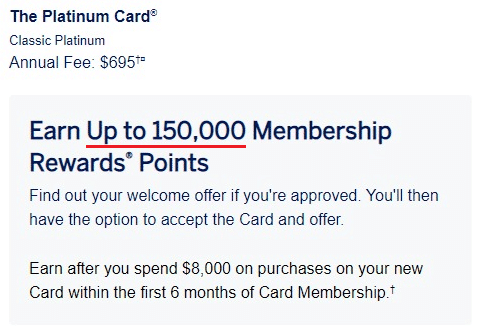
American Express is making a curious update to its welcome offer language. Instead of the typical wording – offering “X Membership Rewards Points” after meeting minimum spending goals – Amex is switching to a dynamic “Up to” verbiage, with the actual welcome offer not revealed until an application is submitted and approved.

The change in welcome offer language is puzzling for applicants who don’t have a credit score approaching 800. Because you won’t know the amount of Membership Rewards points you stand to earn, you are effectively taking a gamble on the welcome offer. What’s more, there doesn’t appear to be an equally dynamic “minimum spend,” amount. All welcome offer amounts seemingly require crossing the same spend threshold, as seen below.

Amex-welcome-offer-changes-example

Amex Looking to Stamp Out Churning?

The move by American Express appears to be aimed at credit card churners – people who open multiple card accounts solely to maximize welcome bonuses and then proceed to close the accounts. The process is legal but spurned by banks, who often seek to reclaim fraudulently won points through what are known as “clawbacks.” Banks have attempted to combat churning through lifetime language on credit cards – essentially stating that an applicant can only earn a welcome bonus once from a particular card.

But while taking steps to combat credit card churning is understandable, the everyday consumer is hurt the most.

As seen above, the Platinum Card® from American Express offers “up to 150,000 Membership Rewards Points.” Despite that, the mystery points total is only reachable “after you spend $8,000 on purchases on your new Card within the first six months of Card Membership.” This could mean 150K points for spending $8,000 or a much lower sum – say, 75K points, for example – with that same $8,000 spending minimum.

It’s unclear if this language is being applied to all offers or if a minimum welcome offer is available to applicants.

Related Article: The Ultimate Guide to Bilt Dining

Featured image by American Express

Suspect Credit Card Fraud? Here are 5 Steps to Immediately Take

5 steps to take immediately after credit card fraud

If your credit card has been lost or stolen, or you notice any unauthorized charges on your monthly statement, you’ll need to act fast as you may be the victim of credit card fraud. Once your account has been compromised, quickly gather as much of your personal information as you can – account numbers, social security number, bank logins, passwords, etc. – it’s time for damage control. If you find yourself in this stressful situation, as calmly and swiftly as possible, consider these 5 steps to take immediately after credit card fraud.

Table of Contents

Common Types of Credit Card Fraud

Credit card fraud can occur in several ways. Here are the four most common types:

Types Explained
Application fraud Application fraud is the obtaining of a credit card through fraudulent means. Criminals can steal information like your name, contact info, or Social Security Number to apply for a credit card using your details. Application fraud is more dangerous for your credit score than your wallet, as any fraudulently made charges are easily disputable.
Card not present (CNP) fraud Card not present fraud is one of the most common types of credit card fraud because your credit card doesn’t have to be physically present. Scammers often use phishing scams to trawl and hunt for personal information – including your credit card details. This information is then used to make online purchases using your account details.
Skimmers Credit card skimming involves the reading of your secure banking details using a device that steals information from the magnetic strip from the back of your card. These skimming devices are usually found on ATMs, at gas stations, or poorly-monitored sales kiosks and other locations.
Account takeover An account takeover occurs when a thief steals personal information (through skimmers or other methods) and then uses that information to update other critical account information (usually your PIN) and take over the account.

There are, however, more ways in which fraud can take place. If your card is lost or stolen, it can be misused by someone else, for example. They might use it until the card is reported missing, resulting in a negative impact to your credit score (and a hefty hit to your wallet, too). Friendly fraud is another type of credit card fraud, where the accountholder requests a chargeback for an item they purchased but later claimed was unauthorized. You are very unlikely to be a victim of your own fraud and immediately seek to fix it.

Steps to Take After Credit Card Fraud

If you suspect you are the victim of credit card fraud, here are five steps to follow immediately:

1. Contact Your Credit Card Issuer ASAP

Your first course of action should always be to contact your bank or credit card issuer. It cannot be stressed enough how important it is to call your credit card company once you realize that fraudulent charges have been made using your credit card. The phone number to contact your card issuer can normally be found on the back of your card, but since it’s lost or stolen, in this case, you can find that number on the issuer’s website. Once you inform your issuer of the situation, ask them to put a security freeze on your credit card account to prevent further damage until the new card they issued you arrives.

2. Issue Fraud Alerts and Report Identity Theft

After informing your credit card issuer about fraudulent activity on your credit card account, the next step to take is to contact one of the three major credit bureaus (Equifax, Experian, or TransUnion) and ask them to put a security freeze on your credit report as well. Also known as credit freezes, this prevents others from accessing your credit file and potentially sinking your credit score by opening multiple new accounts, performing numerous balance transfers, and making purchases in your name without permission.

You should also notify the Federal Trade Commission of what’s going on and ask them to file an Identity Theft Affidavit. Consumers can report identity theft at IdentityTheft.gov, the federal government’s one-stop resource to help people report and recover from identity theft. You should then contact your local law enforcement to file a police report, just in case – you can never be too safe.

3. Update Your Passwords and Verify Account Info Everywhere

Your credit accounts aren’t the only things that can be affected when you notice credit card fraud. There’s a good likelihood that your debit card may also be compromised, so after notifying the proper authorities, it’s time to update the logins to your pertinent financial accounts. Through your bank’s smartphone app or website, update your password if it hasn’t already been changed. Make sure you do not use the same password and do not use a password that you use elsewhere.

If you do either of those things and an unsavory character already has access to one of your accounts, they’ll have access to all of them. While logging into your bank account, check your credit statement to see if any unauthorized charges have been made that you’ve not noticed and immediately report any more suspicious activity.

This is also a good time to verify all of the personal information you have listed in your account profile and create alerts that will notify you via smartphone, email, or other means of any charges made using your debit cards or credit cards. It may seem overwhelming initially, but these notifications keep you keenly aware of everything going on with your accounts (based on parameters you set) and can help create awareness of your spending habits – a key component of household budget planning.

4. Update Recurring Payment Methods

Victims of identity theft may not think of it at first, but putting security freezes on compromised credit cards normally used to make recurring payments can disrupt their monthly payment cycles. If you know your card will be charged on the first of the month to cover a phone bill or utility payment, you wouldn’t want those services accidentally interrupted just because someone stole your credit card.

In changing the payment methods for these recurring charges, you may find a few subscription services you no longer use and can cancel to put a few bucks back in your pocket.

5. Monitor Everything

With your mind on your money and your money on your mind following credit card fraud, you should also take the time to improve your security habits.

As mentioned throughout the article, be sure to comb through your credit card and debit card statements, check your credit report, and update passwords for all your accounts. While you’re at it, run antivirus programs on all of your internet-enabled devices just to be sure.

Credit card fraud can affect you when you least suspect it, but acting fast and methodically by following some of the tips above can go a long way in helping you get back on your feet before you know it.

Conclusion

Anyone can be a victim of fraud – but no one needs to lose sleep over being a victim of it. There are practical steps you can follow to quickly and safely report fraud to the police, government agencies, and major credit reporting agencies. By staying calm and following best practices, you can ensure you remain safe from major financial and credit health threats. 

Related Article: Here’s How to Dispute Errors on a Credit Report

Study Reveals Credit Card Debt Struggle Among Millennials

Study Reveals Credit Card Debt Struggle Among Millennials

The credit card debt struggle among Millennials is prevalent according to the New York Federal Reserve. The overall credit card debt in the U.S. grows and with it, credit card delinquencies increase. Millennials are not only juggling credit card debt but also student and auto loans. Here’s what you need to know.

Millennials Struggle With Credit Card Delinquencies

It is no secret the U.S. household debt has reached $17.29 trillion in Q3 2023. According to the Federal Reserve Bank of New York, the rise in household debt is ushered by mortgage, credit card, and student loan balances. Credit card balances alone have reached a record-high of $1.08 trillion. The $154 billion year-over-year gain in debt is the largest increase since the start of its series in 1999. The 90-day delinquency rate measure for credit cardholders has also increased to 5.78% from 3.69% a year prior. Particularly, the delinquency rate increase is most prominent among millennials and consumers with student or auto loans.

The recent data on millennial credit card debt happens simultaneously with the three-year federal student loan payment pause, which ended in October 2023. The combination has an alarming effect on borrowers. Mainly the younger Americans struggling to dig themselves out of credit card debt. Add inflation to the mix, and you have a cauldron of contributing factors brewing an unexpected increase in delinquencies. The New York Fed reported that some student loan borrowers expected challenges repaying their loans. Borrowers with both student debt and an auto loan made up the majority of consumers with delinquency.

Past Due Credit Card Payments Spike Up

In the third quarter, 2% of credit card users shifted to 30 or more days past due. The shift is a 1.6% increase from the first and second quarters in 2023. Out of every debt category analyzed in the New York Fed study, the 90 days or more past due payments category shows the highest change increase. Up from 0.94% a year ago, the study found delinquencies hit a high of 1.28%.

The rise in delinquencies was mainly driven by Millennials born between 1980 and 1994. Millennial payment delinquencies began rising to pre-pandemic levels in mid-2022. In contrast, Gen Z, Gen X, and baby boomers maintained pre-pandemic delinquency levels.

The interest rate hikes over the last 18 months may be to blame for the rise in delinquencies. To control inflation, the Fed’s campaigned for higher interest rates. Meanwhile, consumers turned to credit cards. The higher living and shelter costs may have led to an increased reliance on credit. As a result, the study found credit card balances have risen for eight consecutive quarters. The study also uncovered that lower-income households were also impacted harshly. The borrowers in the lowest earning regions in the US were more likely to be behind on their payments.

“The largest increase in their delinquency rates”

“Millennials have seen the largest increase in their delinquency rates and now have rates definitely above pre-pandemic levels,” New York Fed researchers said in a press call. “Given the strong labor market and general economy these increases are somewhat surprising. Understanding the cause of this shift — whether they reflect loosening of standards over the past years or overextension — is something we intend to dig into and monitor.”

“There’s a lot of overlap between millennials and auto loans and student debt. Millennials have a fairly significant amount of student debt, and there’s a decent bit of new originations of auto loans during the pandemic when prices were high,” New York Fed researchers said in a press call. “We can see that overlap correlates with higher delinquency rates.”

Related Article: Should You Pay Off Your Credit Card Debt with a 401k Loan?

Featured image by Yuliya Taba/Getty Images Signature


Advertiser Disclosure

BestCards is an independent, Florida-based credit card comparison platform. Many of the card offers that appear on this site are from companies from which BestCards receives compensation. This compensation may impact how and where products appear on this site (including, for example, the order in which they appear). BestCards does not include all card companies or all card offers available in the marketplace.