Mercury Financial Breaks Lending Records in Q3

mercury-financial-breaks-lending-records-in-q3

Last updated on April 21st, 2023

Mercury Financial is hailing a record-breaking third quarter. The fintech and near-prime lender extended unsecured credit lines of $300 million last quarter, including a 350% increase in new accounts from the same period in 2020.

Mercury Announces Record Levels of Lending in 2021

Mercury Financial has announced a record $300 million in credit to new accounts in Q3 2021. This new record helps to further establish Mercury as a leading fintech driving financial inclusion to near-prime consumers.

The company is hailing the following impressive breakthroughs in Q3 2021:

  • $300 million in unsecured credit to new account holders in the third quarter
  • 350% increase in net new account openings between Q3 2020 and Q3 2021
  • 65% increase in total accounts between September 2020 and September 2021

Mercury’s impressive growth in Q3 2021 has included the launch of the new the launch of the Free Spirit® Points Plus Mastercard®, the second co-branded credit card in its partnership with Spirit Airlines. The company also recently announced a partnership extension with Global Payments Inc. and First Bank & Trust – the issuer of its co-branded Free Spirit cards and the proprietary Mercury Mastercard.

“Ongoing Commitment to Serving Our Near-Prime Customers”

“The momentum we’ve gained over the last few months is a direct reflection of our ongoing commitment to serving our near-prime customers, who deserve the opportunity to rebuild their credit,” said James Peterson, CEO of Mercury Financial, in a press release accompanying the news. “I’m proud to see our company succeed because it means that hundreds of thousands of hard-working Americans are also succeeding. Better yet, it means that we can continue to execute our mission and help even more people access unsecured credit, maximize their purchasing power and enjoy the benefits of a superior credit experience.”

“Partnerships with leading financial institutions and national brands are a critical part of how we deliver exceptional credit experiences for our customers,” said Jeff Courtney, Mercury Financial’s COO. “At the same time, we’re deeply committed to bringing to market even more digital tools and resources that enable us to maintain best-in-class loan growth and outperform industry averages while helping customers maintain a 98 percent average on-time payment rate.”

Related Article: Spirit Airlines and Mercury Financial Launch New Credit Cards

Featured image by mohamed_hassan/ PixaBay

Chase Launches Freedom Flex Holiday Cash Back Bonus

chase freedom holiday 5% bonus

Last updated on January 2nd, 2024

Chase is making the holiday season a little less stressful for Chase Freedom Flex cardmembers. Cardmembers can earn up to 9% cash back on eligible purchases through December 31, 2021, including PayPal. Here’s everything you need to know about Chase’s new Freedom Flex holiday cash back bonus:

Chase Adds 5% Cash Back Bonuses for Holiday Season

The Chase Freedom Flex is one of the most popular cash back credit cards on the market today. The card earns up to 5% back on the first $1,500 in spending in a selection of rotating quarterly categories, with PayPal and Walmart earning 5% back through December 31, 2021.

Now, Chase is upping the cash back potential of its flagship cash back card, with an extra 5% back on the cardmember’s top spending category. During Q4 2021, eligible Chase Freedom cardmembers that activate their quarterly bonus categories will automatically earn an additional 5% total cash back (4% in addition to their unlimited 1% cash back) on up to $1,500 in the eligible rewards category in which they spend the most through the end of 2021.

Eligible rewards categories include:

  • Dining
  • Drugstores
  • Select live entertainment
  • Fitness clubs
  • Gas stations
  • Grocery stores (excluding Target and Walmart)
  • Home improvement stores
  • Select streaming services
  • Travel (including transit)

Flex cardmembers also receive additional rewards through PayPal. Purchases made in the top spend category through PayPal, also a Q4 2021 5% back bonus category, earn a total of 9% cash back. And since Walmart is also a Q4 bonus category, cardmembers will automatically earn 5% cashback when shopping for gifts, groceries, and more when shopping at in-stores or online with Walmart.

About the Chase Freedom Flex

The Chase Freedom Flex is a no annual fee cash back credit card from Chase. As noted, the card earns 5% back on rotating quarterly categories. The card also earns 5% back on travel purchased through Chase Ultimate Rewards, 3% back on dining and drugstores, and 1% back on all other purchases.

Featured image by ivanovgood/PixaBay

Citi Adds Choice Hotels As ThankYou Transfer Partner

citi adds choice hotels as thankyou points transfer partner

Last updated on April 28th, 2023

Citi has added another valuable transfer partner for its popular Citi ThankYou Rewards program. Choice Hotels, operator of the Choice Privileges hotel loyalty program, is the latest Citi ThankYou Points transfer partner, thanks to a partnership with Points.com.

Citi Adds Choice Privileges As ThankYou Points Transfer Partner

Effective immediately, U.S.-based Citi ThankYou cardmembers can now use their points to book at any of Choice Hotels’ more than 7,000 locations worldwide. The new transfer relationship, launched in collaboration with global loyalty solutions provider Points.com, applies to all Citi’s ThankYou Rewards credit cards, including Citi® Double Cash Card – 18 month BT offer cardmembers who transfer their cash back into ThankYou Points. Other eligible Citi credit cards include:

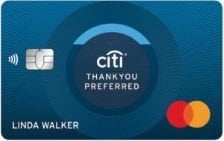
Citi ThankYou Preferred

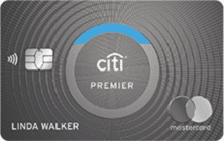
Interested Citi ThankYou cardmembers with an active Choice Privileges membership can easily transfer their points online at a highly competitive conversion rate that makes it tempting to stay at one of Choice Hotels’ numerous brands, including Ascend Hotel Collection, Cambria Hotels, Clarion, and Comfort Inn. For example, eligible cardmembers with a premium card (one that charges an annual fee, such as the Citi Premier® Card) can double their points value upon transfer to Choice Privileges.

About Citi ThankYou Rewards

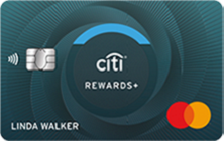
Citi ThankYou is the rewards program for Citibank credit cards. Users earn points when using their Citi credit cards to pay anywhere Citibank credit cards are accepted worldwide. Cards that earn ThankYou points are the Citi Rewards+® Card, Citi Premier® Card, Citi Prestige® Card (no longer accepting new applicants), Citi Rewards+℠ Student Card (no longer accepting new applicants), and the AT&T Access Card from Citi.

Choice Hotels is not the only Citi transfer partner, with ThankYou points enjoying impressive transferability. Other Citi ThankYou transfer partners include JetBlue, Virgin Atlantic, Etihad, Air France, KLM Royal Dutch Airways, and more.

Related Article: Report: Expedia to Consolidate Loyalty Programs

Featured image by Choice Hotels

Bank of America 7/12 and 3/12 Rules

Bank of america 712 and 312 rules

Last updated on April 12th, 2023

Many banks and credit card issuers have unwritten rules about who can – and can’t – apply for their cards. Chase Bank’s 5/24 rule is the most famous of these rules, but other issuers also have secretive rules and regulations concerning applications. Bank of America is one such card issuer with lesser-known rules – here’s what you need to know about Bank of America’s 7/12 and 3/12 rules:

The Unwritten Rules of Credit Card Applications

The 5/24 rule from Chase is a well-established – and well known – rule in the credit card industry. This rule essentially states that those with five-or-more hard inquiries within 24 months are not eligible for new Chase credit cards. What many people might not know, however, is that many other issuers have unwritten rules like Chase.

Over the last few years, many applicants with good credit have received rejection letters from Bank of America (BOA) after applying for BOA cards that they normally might receive instant approval for. Today, we’ll look at Bank of America’s secretive 3/12 rule and 7/12 rule and why you should pay attention if you are thinking about applying for a new card soon.

The Bank of America 7/12 Rule

If you want to apply for a Bank of America credit card, these rules differ depending on your current banking relationship with the lender. Those who currently have open BOA credit card accounts or other banking products (such as checking accounts, savings accounts, CDs, etc.) likely will not be approved for a new credit card if they have already opened six new credit cards within the last 12 months. This rule applies not only to Bank of America cards but to credit cards from any other issuer, as well. So, if you are planning a trip abroad and are looking for an excellent airline rewards card, like the Air France/ KLM World Elite Mastercard, or a hotel rewards card, like the Sonesta World Mastercard, to help you get the most out of your trip, you might consider planning ahead before applying.

The Bank of America 3/12 Rule

The 7/12 rule differs from the 3/12 rule in that it only affects those who do not have an existing banking relationship with Bank of America. The 3/12 rule stipulates that those who submit a Bank of America credit card application, do not have any Bank of America products now or in the past, and have already opened two new credit cards in the last 12 months, will be rejected on their application. In practice, the 3/12 rule may affect more applicants than the 7/12 rule, as it’s likely that people who do not already have a Bank of America account or credit card already will be more likely to apply for two or more cards in a year – with BOA and with other card issuers. Bank of America offers a wide variety of cards geared at nearly every rewards category and customer profile.

Do The BOA Credit Rules Impact Businesses?

The 7/12 and 3/13 rules appear to apply to companies and merchants as well as individual consumers, so those who apply for credit cards for both themselves and their businesses should be wary before they apply for the Business Advantage Travel Rewards World Mastercard, Alaska Airline Business Card, or any other of the great business rewards credit cards that Bank of America has to offer. If, however, a person uses a different banking account than their consumer banking accounts, they likely won’t face too many issues.

Limitations to the 3/12 Rule and 7/12 Rule

With the new Bank of America rules, there is both bad news and good news. The bad news, of course, is that many potential new Bank of America credit card applications will be denied simply for not having a pre-existing relationship with the bank. The good news, however, appears to be that both of these rules can be manually overridden by a Bank of America employee. While incidents of manually overriding applicants who previously violated these rules are minimal, they seem to indicate that these two rules are not as concrete as Chase’s 5/24 rule. Potentially, if you find that your application for a Bank of America card has been declined, you may be able to state your case and have that decision overturned.

Related Article: Earn Even More with BestCards Refer-a-Friend

The Chase 5/24 Rule: What You Need To Know

the 524 rule what you need to know

Last updated on February 20th, 2024

When you apply for a new credit card, the card issuer takes a variety of factors into consideration before approval. These factors can range from things like credit score, payment history, and the number of delinquencies on your credit report, to income, credit age, and the number of hard inquiries that appear on your credit reports.

Even when might think you’re a shoo-in for approval thanks to high credit scores, zero delinquencies and a squeaky-clean payment history, you might not be approved for the plastic you’re after. Perhaps one of the least-known, unofficial, rules that some banks follow when deciding approval is the “5/24 rule.” What exactly does 5/24 mean? If you’re looking for more information about the Chase 5 24 rule, you’ve come to the right place!

What is a Hard Inquiry?

A hard inquiry refers to the credit check that a lender performs before deciding whether to approve your application. This inquiry shows up on the credit report from all three credit bureaus, and typically will stay on your credit reports for two years. A hard inquiry is nothing to worry about, as it’s a common practice with all credit card issuers and lenders, although you’ll want to keep an eye on the number of hard inquiries you get. Here’s why:

What Exactly is the 5/24 Rule?

Every bank has rules that credit card applicants should know and follow. These rules are meant to ensure that credit card issuers do not get taken advantage of, and that they end up with long-term, profitable customers who will make payments on-time.

Chase Bank, perhaps the most stringent bank in the industry when it comes to approving credit card applicants, has implemented what is commonly referred to as the 5/24 rule. Chase’s 5/24 rule is relatively unknown but if it’s not on your radar when applying for new credit card offers, it could affect your application.

This is troublesome, considering Chase offers cards that feature extremely desirable cash back and travel rewards and even if your credit is in good standing and you are a strong candidate, you could be rejected for a new card based on this rule. These cards include a slew of excellent Chase personal credit cards that earn Chase Ultimate Rewards points – like the ultra-premium Chase Sapphire Reserve.

The 5/24 rule applies specifically to applicants who wish to open a new personal credit card with Chase. In a nutshell, the 5/24 rule stipulates that, if your account shows five or more credit card applications (which involve a hard inquiry each time you apply for a card) within the last 24 months, your credit card application will be rejected by Chase.

This rule applies to all personal credit cards and applications, from any bank or card issuer, that may appear on your credit report – not just to applications with Chase. This is an internal rule, one that Chase does not formally publish in their terms and agreements or via any official announcements; it came to light after people began to notice that they were denied for credit cards through Chase and took to online forums to discuss the reasons why, and to compare their experiences.

The rule was likely implemented as a means to combat credit card churning. While none of the above information is officially confirmed by Chase, beginning in November of 2018, more and more people began to report that they were being denied for nearly all Chase cards due to this rule; all info here is based on crowdsourced reports, and may be subject to change.

How Your 5/24 Status Could Affect You

For readers who haven’t opened a new credit card account in the last two years, most of this information is only pertinent once you begin to shop around for rewards cards and take advantage of the great offers that are out there. It helps to strategize before you begin applying for credit cards; select the top five card offers that appeal to you based on your wants and needs, choose your favorite, and apply for that card first.

There should always be some planning when dealing with finances, so spending the time to research your options beforehand won’t hurt! If you’ve applied to a Chase card and your application was rejected despite your good or excellent credit, this blog post may help to explain why. If you’ve applied for more than five credit cards within the past 24 months, you’ll have a difficult time applying for a personal credit card from Chase. At this point, you may throw in the towel and think that those lucrative card rewards are out of reach, but fear not!

What if I’ve Applied for More Than 5 Cards in 24 Months?

Some folks apply to multiple credit cards at a time because they think that due to bad credit, they won’t qualify for approval; it’s also possible that you were rejected for several offers, and sent an application for multiple cards in a short time frame because of this. Alternatively, many people apply to more than one card simply because they wish to take advantage of the various rich rewards plans available to the savvy consumer.

Either way, what do you do when you have at least five hard inquiries on your credit report in the past 24 months? If you’re above the 5/24 rule, don’t fret. While you’ll be limited in the card offerings available to you from Chase, other banks are not necessarily limited by this rule. Most card issuers have their own restrictions, and some may also implement the 5/24 rule – but it’s not universally applied across the industry, which means that you’ll have plenty of card options at your disposal. Take a look at what’s available from American Express or browse cards from banks like Wells Fargo and Bank of America, for example.

What if I’m an Authorized User on Someone Else’s Card?

If you’re an authorized user on someone else’s account (i.e. your spouse’s card), it will look like an open account on your own credit report. If you’re applying for a Chase card while you’re an authorized user on another account, this will count against you when it comes to the 5/24 rule, so it’s best to avoid becoming an authorized user if you’re applying to Chase credit cards at the same time.

What About Card Upgrades, or Conversions?

Some banks won’t report a card conversion or upgrade (also known as a product change) as a new account, especially if it’s within the same lineup as the existing account. It’s important to ask the card issuer if the application process involves a hard credit inquiry before completing an upgrade or conversion, since different banks will handle this in different ways.

If the bank confirms that a hard inquiry is part of the process to upgrade or convert your card, you’ll need to take into consideration whether you plan to apply for any Chase credit cards before you complete that change to your existing account.

Are There Any Exceptions to Chase’s 5/24 Rule?

It’s important to note that, while most cards will show up as a hard inquiry on your credit report when you apply for them, there are also cards that won’t count toward your total opened accounts. Exceptions to the rule include just about any Chase business card – most issuers will not report business card applications to the credit bureaus.

However, Capital One and TD Bank are two issuers that DO report business cards, so keep this in mind if you choose to apply for a business card and you’re close to five or more card applications that will show up on your credit report.

Who Can Apply for a Business Card?

In this day and age, it’s fairly easy to qualify for a business credit card, even if you don’t run a business! Next time you do some spring cleaning around the house, instead of throwing out the brick-a-brack, consider selling it on Craigslist or eBay.

Completing this sort of transaction can qualify you for a business card, believe it or not. Anyone who has a “side hustle” can apply for a business card, so if you sell your crafts on Etsy or drive for Uber to earn extra cash, you’ll be in the clear to open a business account.

How Do I Know My 5/24 Rule Status?

Many of us don’t think about the number of times we’ve applied for credit cards. Luckily, there are free tools available that give us insight into how many hard inquiries are on our personal credit reports.

Opening an account with Credit Karma, which is a free credit report service, can give us insight into the information necessary to figure this out. Some credit bureaus, like Experian, also offer free accounts that let you view your credit score. If you do plan to apply for multiple credit cards within a short time frame, it’s a good idea to keep track of each application date.

If you haven’t kept count, you can always check to see what the dates were by requesting to see any of your annual credit reports from your bank (or from the credit bureaus directly).


First Bankcard Launches Slice by FNBO BNPL Service

first bankcard launches slice by fnbo bnpl service

Last updated on February 20th, 2024

First National Bank of Omaha (FNBO) is the latest credit card issuer to offer customers a Buy Now, Pay Later solution. The bank, one of the top 25 credit card issuers in the US, launched its “Slice by FNBO” in an attempt to halt an erosion of customers turning to offerings from fintechs like Affirm for installment payments over traditional credit cards.

First Bankcard Launches Slice by FNBO

First National Bank of Omaha is one of the largest credit card issuers in the United States. While the name First National Bank of Omaha might not sound familiar, the bank’s other names might: FNBO and First Bankcard. First Bankcard is one of the largest issuers of co-branded credit cards on the market, with partnerships including Icelandair, Ford, Jeep, Best Western, MGM, and more.

FNBO is now joining the ranks of major card issuers that will offer Buy Now, Pay Later (BNPL) services. The bank has launched “Slice by FNBO,” a BNPL program allowing consumers to pay in “slices” instead of all at once.

The new Slice by FNBO is a “pay in five” program, with eligible customers making one payment up-front, followed by four payments every 15 days. The program was launched with the assistance of EXL, a data analytics company, and Skeps, a point-of-sale loan origination platform.

BNPL Attracting Younger Demographics

FNBO’s move into BNPL is yet another sign that the popular financing option is here to stay. First National Bank of Omaha is considered one of the more conservative card issuers regarding fintech trends, so any moves by banks like FNBO only highlight the growing importance of BNPL.

Indeed, Jerry O’Flanagan, Executive Vice President of FNBO’s Partner Customer Segment, says the move was a pragmatic step to try and mitigate against customer erosion in the face of competition from fintech firms like Affirm, Splitit, and others. “There’s a component of Buy Now, Pay Later that attracts a younger demographic, he said in an interview regarding the launch of Slice by FNBO, “so this new program is good for us, to be honest. We have a rather old portfolio — our average age is in the 50s.“

“Our payment apparatus, especially where it involves retailers, is so predicated on rewards and credit cards,” added O’Flanagan, “and I just couldn’t see it taking hold.” However, his attitude changed with the rise of Affirm, Klarna, and other BNPL offerings from major banks like Amex (Plan It), Chase (My Chase Plan), and Capital One. “Our customers were getting sales calls from the BNPL outfits, and they were asking us, ‘Do you have a BNPL solution?’”

Featured image by First Bankcard/ FNBO

Aspiration Zero Credit Card Fights Climate Change

aspiration-zero-credit-card-fights-climate-change

Last updated on March 1st, 2023

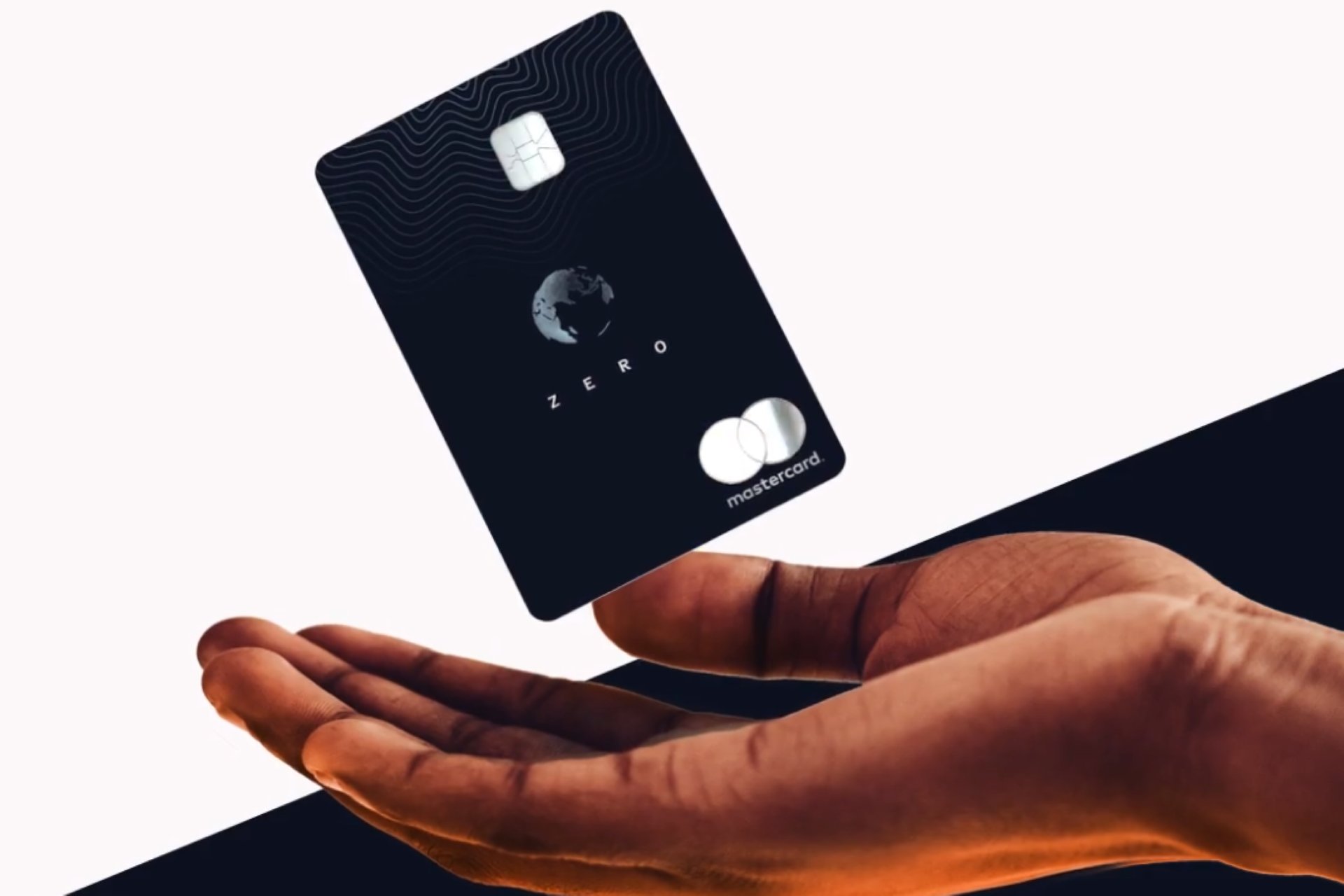
The Aspiration Zero Credit Card is now live to applicants. The card, from fintech Aspiration, offers cardholders the chance to plant trees and reach carbon neutrality, just for using their credit card. Here’s what you need to know about the Aspiration Zero Mastercard, a first-of-its-kind credit card built to help fight climate change.

Aspiration Launches New Zero Mastercard

The Aspiration Zero Credit Card is the latest card offering from Aspiration, a leading platform to help people and businesses put automated sustainable impact into their hands and integrate it into their daily lives. The card, which joins the Aspiration Debit Card, earns up to 1% cash back on all purchases, should the cardholder reach carbon neutrality each month.

Every purchase with Aspiration Zero plants a tree, with the option for the cardholder to plant a tree as well. Each tree planted brings the cardholder closer to carbon neutrality – which Aspiration sets at 30 purchases each month. Reaching carbon-neutral status entitles the cardholder to 1% cash back on all purchases.

“Millions of Americans Joining the Fight Against Climate Change”

“Aspiration Zero is more than a credit card — it is one of the only products of any kind that will offset the average person’s entire carbon footprint just by using it once a day,” said Andrei Cherny, Aspiration’s CEO and co-founder said in a statement accompanying the launch. “Millions of Americans are joining the fight against the climate crisis in their home, in their car, in the grocery store. Now, for the first time ever, they can bring that fight to their wallet.”

To date, more than five million Americans have signed up as Aspiration members, part of the global Conscious Consumers community. Aspiration’s ecosystem includes a variety of financial services that let members stop their deposits from being used to fund oil and gas projects, track the ecological impact of their purchases, and more.

For more information on the Aspiration Zero Credit Card, read our comprehensive review here.

Related Article: The Best Fintech & Crypto Credit Cards of 2021

Featured image by Aspiration

Amex Unveils New Business Platinum Features

amex business platinum new annual fee

Last updated on January 31st, 2024

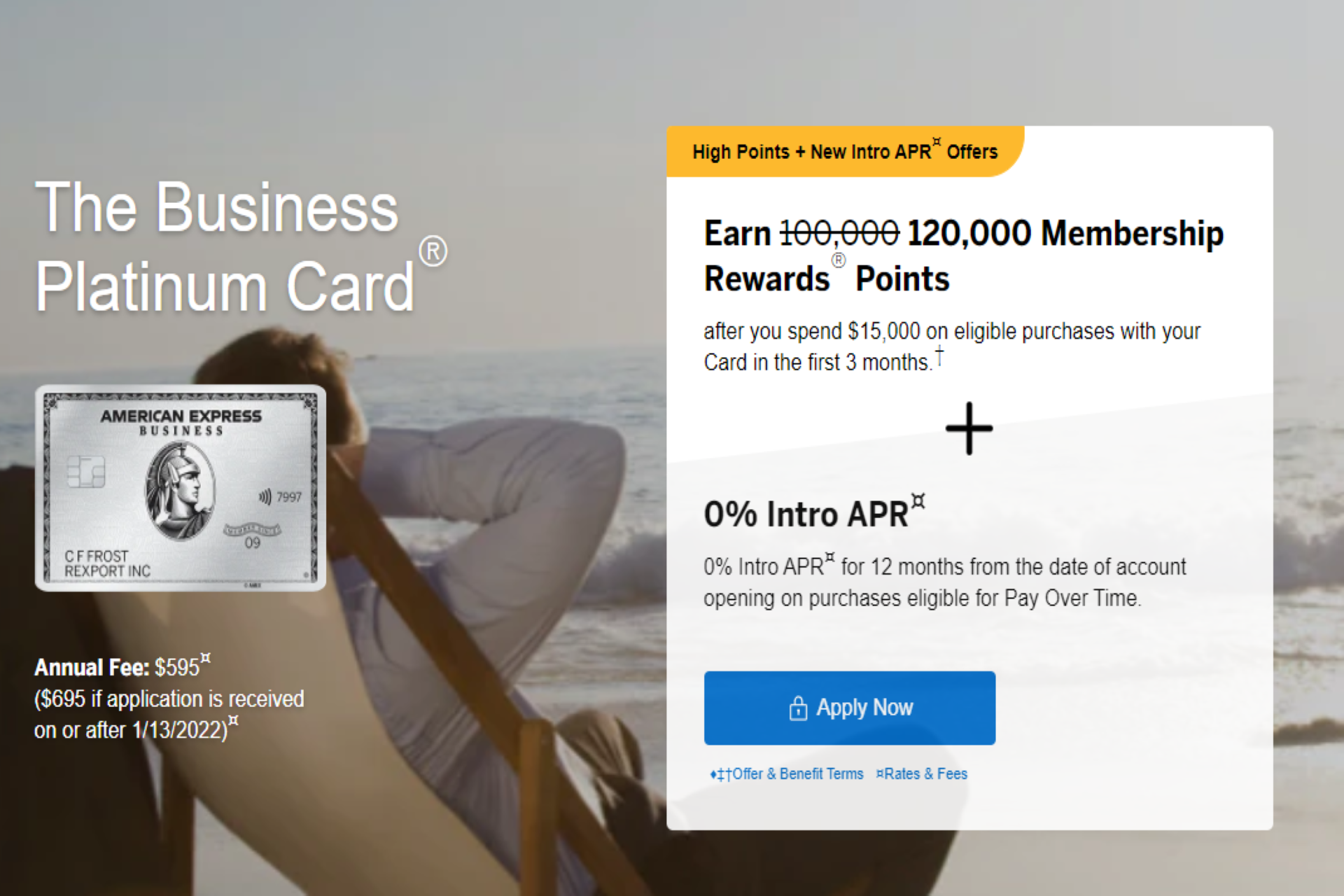
American Express has added new features to the Business Platinum Card, including an annual fee to match the personal version of the card. The new features include several statement credits and a new points-earning category. Here are all the details of the new Amex Business Platinum features:

Amex Unveils New Business Platinum Card Features and Annual Fee

The Business Platinum Card from American Express is one of the best travel cards for companies that want their employees to travel in comfort. The card’s luxurious features include access to the Amex Global Lounge Collection (including the ultra-exclusive Centurion Lounges), CLEAR® fast pass statement credits, a $200 annual airline incidentals statement credit, and more.

New Statement Credits

Now, Amex is looking to offer a broader range of perks to entice new applicants – something the card issuer recently rolled out to its popular Amex Platinum personal card. The new features include several statement credits – with the same annual fee as the non-business Platinum Card.

The new statement credits with the Business Platinum Card include:

  • $400 Dell credit (increased from $200/year)
  • $150 Adobe software statement credit
  • $360 Indeed.com statement credit
  • $120 wireless telephone statement credit ($10/ month)

Earn 1.5X Points On Eligible Business Purchases

The Business Platinum also features a new Membership Rewards points category. Businesses earn 1.5X points for each eligible purchase of $5,000 or more and every dollar spent on “business category” purchases (up to $2,000,000 in spending each year) in the following three categories:

  • Construction material and hardware suppliers
  • Electronic goods retailers and software, and cloud system providers
  • Shipping providers

New $695 Annual Fee

The new features come at a cost, however. The Business Platinum Card also features a new annual fee of $695 – the same as the Platinum Card. This new annual fee won’t take effect until 1/13/222, making now a great time to consider the new features before that steep charge kicks in.

Featured image by American Express

Cardless Launches New Boston Celtics Credit Card

cardless-launches-new-boston-celtics-credit-card mastercard

Last updated on August 22nd, 2022

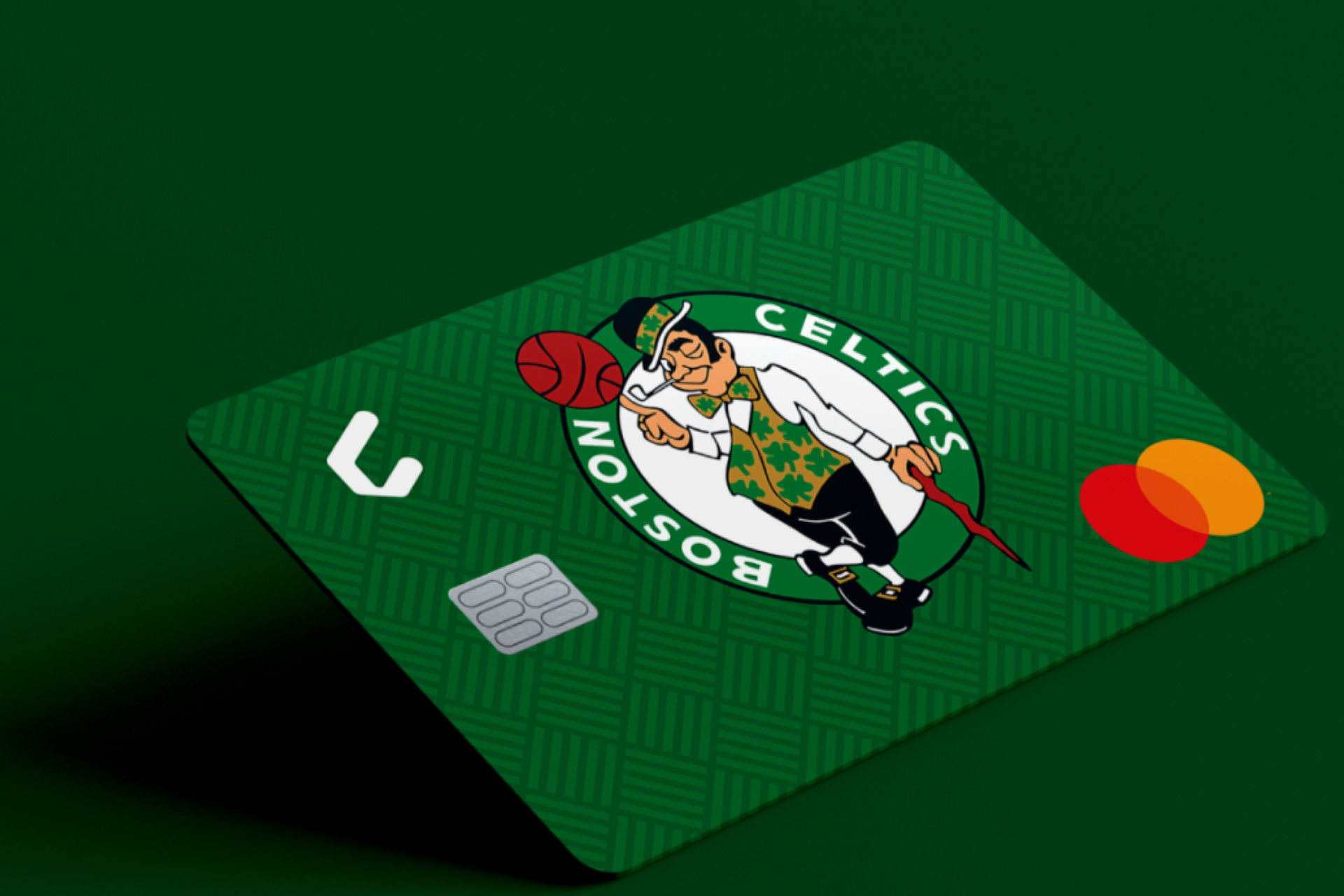
The Boston Celtics are the latest NBA team to join forces for an exclusive co-branded credit card. The new Boston Celtics Credit Card from Cardless offers Boston sports fans the chance to “put some green in their pocket” while supporting their favorite team.

About the New Boston Celtics Credit Card

Cardless has launched a new co-branded credit card with another NBA franchise. The new Boston Celtics Credit Card is the fourth card offering from the fintech and offers Celtics fans everywhere similar perks to the company’s other card products.

The Celtics Credit Card, a Mastercard product, offers up to 7X points on Celtics season ticket purchases, plus rideshares and eligible streaming services. The card’s other bonus categories include 4X points on dining (including takeout and delivery) and 2X points on groceries and drug store purchases.

New accounts also enjoy a 30,000-point bonus after spending $2,500 in three months of account opening. That bonus is enough for a Celtics replica jersey – a similar sign-up bonus to other Cardless products.

Cardless Increasing Its Portfolio in 2021

Cardless currently offers four credit cards, co-branded with some of the biggest names in global sports. These card offers include the Cleveland Cavaliers Credit Card, the Miami Marlins Credit Card, and the Manchester United Credit Card.

The fintech received over $40 million in investment earlier this year, with many of the current card partners purchasing equity. Another NBA name that participated in the $40-million fundraising round was the Phoenix Suns – leading to speculation that the Arizona-based NBA franchise will be the next team to launch a Cardless credit card.

About Cardless

Cardless is a fintech company and credit card issuer for some of the most prominent names in the sporting world. Cardless helps brands provide their biggest fans with a credit card experience that is fair, smooth, and more rewarding than other offers on the market. The company offers its credit cards through a dedicated mobile app and issues them through First Electronic Bank, Member FDIC.

Related Article: New Miami Marlins Credit Card from Cardless Launches

Featured image by Cardless

U.S. Bank Launches Two New Secured Credit Cards

us bank launches two new secured credit cards

Last updated on October 3rd, 2022

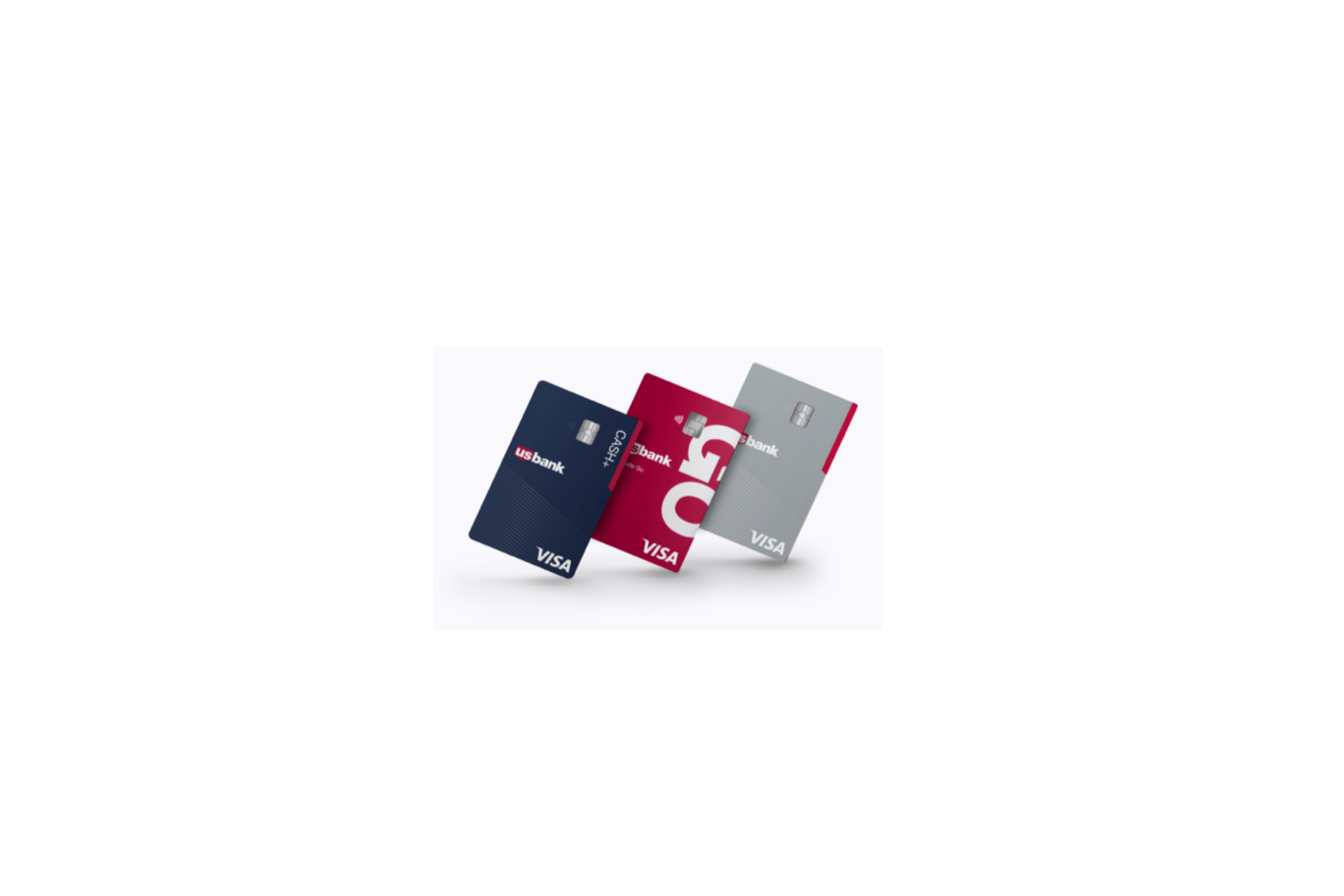
U.S. Bank has launched two new secured credit cards. The new cards are secured versions of two of the bank’s more popular rewards cards, the U.S. Bank Cash+® Visa® and U.S. Bank Altitude® Go Visa® and offer the chance of graduation to those cards with on-time payments and responsible use. Here’s what you need to know about the new U.S. Bank secured credit cards:

U.S. Bank Launches Two New Secured Credit Cards

Subprime credit cards are among the hottest trends in the credit market, with multiple issuers seeking to provide quality credit building products in an increasingly competitive space. U.S. Bank is now aggressively pushing into the secured credit card market with two new secured cards – the Cash+® Visa® Secured Card and the Altitude® Go Visa® Secured Card.

The new cards, launched earlier this week, feature no annual fee and impressive rewards for every eligible purchase. Here’s what you need to know about the new secured cards:

U.S. Bank Cash+® Visa® Secured Card

The U.S. Bank Cash+® Visa® Secured Card offers up to 5% cash back on the first $2,000 in combined eligible purchases in their choice of any two broad categories, including fast food, department stores, sporting goods, fitness, ground transportation, and more.  Cardholders also earn 2% back on one “everyday” category, with options including grocery stores, gas stations, and restaurants.

U.S. Bank Altitude® Go Visa® Secured Card

The U.S. Bank Altitude Go Visa Secured Card offers up to 4X points on purchases and no foreign transaction fees on purchases made overseas or in non-U.S. dollars. The card earns 4X on dining, food delivery, and takeout, 2X on streaming services, groceries, and gas station purchases. The Go Visa Secured also offers a $15 streaming services statement credit each year after using the card to pay 11 consecutive months of an eligible streaming service – such as Netflix, Hulu, or others.

The Chance to Graduate to an Unsecured Version

Both new U.S. Bank secured cards offer the chance to automatically graduate to the unsecured version of the card with responsible use and on-time payments. Most secured credit cards that offer a graduation route don’t provide the types of rewards on offer with the Altitude Go and Cash+ (except for the notable examples, like the Discover It Secured). These perks make the new card offers particularly attractive for those looking to work their way up to impressive rewards cards without the need for multiple credit applications.

Related Article: The Best Secured Credit Cards for 2022

Featured image by US Bank

The Best Credit Union Credit Cards

Last updated on April 3rd, 2024

Credit unions are member-owned and operated and are designed to serve their best interests instead of profits. Because of the sheer volume of credit unions in the U.S., finding the right credit union card can be challenging at the best of times. Never fear, however! In honor of  national CO-OP month, BestCards has selected its picks for the best credit union credit cards for 2021.

The Five Best Credit Union Credit Cards

Here are our top five credit cards for credit union members:

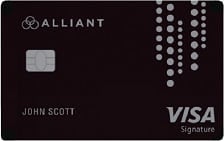
Alliant Cashback Visa Signature Credit Card

Alliant Cashback Visa Signature Credit Card
Excellent-Good
BestCards refers to a variation of FICO Score 9, which is one of many different types of credit scores. A financial institution may use a different score when deciding whether to approve you for a credit card. Please note that the range shown here is our own estimation and not a guarantee of credit needed to be approved for any given card. Recommended Credit: Excellent / Good
Visa Processing Network
None Annual Fee

Alliant Cashback Visa Signature Credit Card

  • 17.24% to 27.24% variable based on creditworthiness and the Prime Rate Regular Purchase APR
  • 17.24% to 27.24% variable based on creditworthiness and the Prime Rate Balance Transfer APR
  • 25.24% to 29.24% variable based on the Prime Rate Cash Advance APR

At a Glance

The Alliant Cashback Visa Signature Credit Card offers exceptional cash back rewards, premium travel perks, and no foreign transaction fees. The card also features no annual fee.

  • Best Benefits
  • Rates & Fees
  • Why Should You Apply?
  • Earn up to 2.5% cash back with no categories to keep track of
  • Earn up to $250 in cash back per billing cycle
  • Use this card with Apple Pay, Google Pay, and Samsung Pay
  • No foreign transaction fees
  • Regular Purchase APR: 17.24% to 27.24% variable based on creditworthiness and the Prime Rate
  • Balance Transfer APR: 17.24% to 27.24% variable based on creditworthiness and the Prime Rate
  • Balance Transfer Transaction Fee: 3% of the amount of each transfer
  • Cash Advance APR: 25.24% to 29.24% variable based on the Prime Rate
  • Cash Advance Transaction Fee: Either $10 or 3% of the amount of each cash advance, whichever is greater
  • Penalty APR: 29.99% variable based on the Prime Rate
  • Late Payment Penalty Fee: Up to $27
  • Return Payment Penalty Fee: Up to $27
  • You have excellent credit
  • You plan to spend frequently with a credit card
  • You travel frequently
  • You qualify for an Alliant Credit Union membership
Alliant Cashback Visa Signature Credit Card

Alliant Cashback Visa Signature Credit Card

Terms & Conditions

The Alliant Cashback Visa Signature Credit Card offers one of the highest flat cashback rates on the market today. From Alliant Credit Union of Chicago, the card earns an impressive 2.5% cash back on all eligible purchases – a full percentage point higher than cards like the Chase Freedom Unlimited or Amex Cash Magnet.

Those cards don’t have the same $10,000 in purchases per billing period cap as the 2.5% with the Alliant Cashback, but that limit is so high that it most likely will not impact the majority of cardholders. Additionally, Alliant waives the annual fee ($99) for the first year.

Joining Alliant Credit Union is relatively straightforward. Those who live within the communities served by the CU can join, as can those belonging to companies and organizations that partner with Alliant. Don’t fit into that mold? Consider joining Alliant by becoming a member of the Foster Care to Success (FC2S) organization or joining the Freelancers Union.

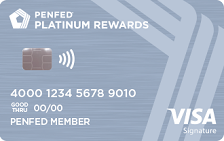
PenFed Platinum Rewards VISA Signature® Card

PenFed Platinum Rewards VISA Signature® Card
Excellent-Good
BestCards refers to a variation of FICO Score 9, which is one of many different types of credit scores. A financial institution may use a different score when deciding whether to approve you for a credit card. Please note that the range shown here is our own estimation and not a guarantee of credit needed to be approved for any given card. Recommended Credit: Excellent / Good
Visa Processing Network
None Annual Fee

PenFed Platinum Rewards VISA Signature® Card

  • 17.99% variable based on creditworthiness and the Prime Rate Regular Purchase APR
  • 17.99% Balance Transfer APR
  • 17.99% Cash Advance APR

At a Glance

The PenFed Platinum Rewards VISA Signature® is big on gas and groceries; earn 5x points per dollar spent on purchases made at the pump, 3x points for grocery purchases, and 1x points for all other purchases. Take advantage of a great introductory offer – 0% APR for balance transfers for up to 12 months and a special bonus statement credit as you earn points on everyday purchases towards travel, shopping and gift cards.

  • Best Benefits
  • Rates & Fees
  • Why Should You Apply?
  • 5X points per dollar spent on gas at the pump and EV charging stations and 3X points on groceries. 1X points on all other purchases
  • 15,000 bonus points when you spend $1,500 in first 90 days of card account opening
  • 0% intro APR on balance transfers for 12 months after account opening
  • No annual fees and no foreign transaction fees
  • Regular Purchase APR: 17.99% variable based on creditworthiness and the Prime Rate
  • Intro Balance Transfer APR: 0% for 12 months from account opening date
  • Balance Transfer APR: 17.99%
  • Balance Transfer Transaction Fee: 3% of the transfer amount
  • Cash Advance APR: 17.99%
  • Penalty APR: 17.99%
  • Late Payment Penalty Fee: Up to $28
  • Return Payment Penalty Fee: Up to $25
  • You spend money on gas and groceries often
  • You will spend $1,500 in the first 90 days to earn a 15,000 bonus points
  • You want a card with no annual fees and no foreign transaction fees
  • You want to transfer a large balance with no interest for 12 months
PenFed Platinum Rewards VISA Signature® Card

PenFed Platinum Rewards VISA Signature® Card

Terms & Conditions

The PenFed Platinum Rewards VISA Signature® Card is one of the most lucrative gas credit cards on the market. The card earns a huge 5X points on gas purchases at the pump, plus 3X on groceries. What makes those points even more impressive is that there is no annual fee for the card.

While the card has an average APR on purchases, it comes with a rather juicy balance transfer promotion. New accounts enjoy 0% APR for 12 months on balance transfers (subject to credit approval when applying).

Pentagon Federal Credit Union is the third-largest credit union in the country, with almost $25 billion in total assets. The PenFed has broad membership eligibility, including military or U.S. government personnel.

Navy Federal More Rewards American Express® Card

Navy Federal More Rewards American Express® Card
Excellent-Good-Fair
BestCards refers to a variation of FICO Score 9, which is one of many different types of credit scores. A financial institution may use a different score when deciding whether to approve you for a credit card. Please note that the range shown here is our own estimation and not a guarantee of credit needed to be approved for any given card. Recommended Credit: Excellent / Good / Fair
American Express Processing Network
None Annual Fee

Navy Federal More Rewards American Express® Card

  • 14.65% to 18.00% variable based on creditworthiness and the Prime Rate Regular Purchase APR
  • 14.65% to 18.00% variable based on creditworthiness and the Prime Rate Balance Transfer APR
  • 16.65% to 20.00% variable based on the Prime Rate Cash Advance APR

At a Glance

The Navy Federal More Rewards American Express® Card is an everyday rewards card from Navy Federal Credit Union. The card earns 3x points on gas station and grocery purchases, 2X points at restaurants, and 1X points for all their purchases. New account holders also receive 25,000 bonus points when they spend $3,000 on purchases in the first 90 days. The card has no annual fee and no foreign transaction fees.

  • Best Benefits
  • Rates & Fees
  • Why Should You Apply?
  • Earn 25,000 points (a $250 value) when you spend $3,000 within 90 days of opening an account
  • A great choice for everyday spending and grocery shopping
  • No annual fee
  • No foreign transaction fees
  • Enjoy 0% APR on purchases for 12 months
  • Regular Purchase APR: 14.65% to 18.00% variable based on creditworthiness and the Prime Rate
  • Balance Transfer APR: 14.65% to 18.00% variable based on creditworthiness and the Prime Rate
  • Cash Advance APR: 16.65% to 20.00% variable based on the Prime Rate
  • Cash Advance Transaction Fee: None if performed at a Navy Federal branch or ATM. Otherwise, up to $1 for ATM Cash Advance
  • Penalty APR: 18.00%
  • Late Payment Penalty Fee: Up to $20
  • Return Payment Penalty Fee: Up to $20
  • You’re a member of Navy Federal Credit Union
  • You don’t want to pay an annual fee
  • You want to earn rewards on everyday purchases
  • You plan on making at least $3,000 in purchases within the first three months
Navy Federal More Rewards American Express® Card

Navy Federal More Rewards American Express® Card

Terms & Conditions

The Navy Federal More Rewards American Express® Card earns 3x points on gas station and grocery purchases, 2x points at restaurants, and 1x points for all other purchases. New account holders also receive 30,000 bonus points when they spend $3,000 on purchases in the first 90 days, plus 1.99% intro APR on balance transfers for the first six months – with no annual fees or foreign transaction fees.

Navy Federal also offers exclusive member deals where cardholders can earn bonus points just for making purchases using their card online. All members need to log in to their account and select the retailer they wish to shop with. There are hundreds to choose from, including Staples, Apple, Walmart, Best Buy, and more. Cardholders can earn up to 15 points (or 15% cashback) for every dollar spent.

Odyssey Rewards World Elite Mastercard®

Odyssey Rewards World Elite Mastercard®
Excellent-Good
BestCards refers to a variation of FICO Score 9, which is one of many different types of credit scores. A financial institution may use a different score when deciding whether to approve you for a credit card. Please note that the range shown here is our own estimation and not a guarantee of credit needed to be approved for any given card. Recommended Credit: Excellent / Good
Mastercard Processing Network
$75 Annual Fee

Odyssey Rewards World Elite Mastercard®

  • 11.99% to 18.00% variable based on creditworthiness and the Prime Rate Regular Purchase APR
  • 11.99% to 18.00% variable based on creditworthiness and the Prime Rate Balance Transfer APR
  • 12.99% to 18.00% variable based on creditworthiness and the Prime Rate Cash Advance APR

At a Glance

The Odyssey Rewards World Elite Mastercard® credit from First Tech Federal Credit Union offers a myriad of benefits to cardholders that make this a great card to have in your wallet. Cardholders don’t have to pay an annual fee to use this card, and there are no fees for many common transactions. Additionally, cardholders can earn up to 3 points for every dollar they spent plus a 30,000-bonus when they first open their account. Keep reading to learn more.

  • Best Benefits
  • Rates & Fees
  • Why Should You Apply?
  • No annual fee for the first year
  • 3x points on travel and 2x points on dining
  • No fees on foreign transactions, cash advances, and balance transfers
  • 0% intro APR for 12 months on balance transfers
  • Regular Purchase APR: 11.99% to 18.00% variable based on creditworthiness and the Prime Rate
  • Intro Balance Transfer APR: 0% for 12 months from account opening date
  • Balance Transfer APR: 11.99% to 18.00% variable based on creditworthiness and the Prime Rate
  • Cash Advance APR: 12.99% to 18.00% variable based on creditworthiness and the Prime Rate
  • Annual Fee: $75
  • Late Payment Penalty Fee: Up to $25
  • Return Payment Penalty Fee: Up to $25
  • You want to earn rewards points on your credit card purchases
  • You want to earn 30,000 bonus points after spending $3,000
  • You don’t want to pay annual fees or fees on foreign transactions, balance transfers, or cash advances
  • You want 0% APR on balance transfers for the first 12 months
Odyssey Rewards World Elite Mastercard®

Odyssey Rewards World Elite Mastercard®

Terms & Conditions

The Odyssey Rewards World Elite Mastercard® is a versatile rewards credit card that caters to a very diverse clientele. The card is the product of First Tech Federal Credit Union, which serves members in Oregon, Washington, and California.

First Tech Federal Credit Union is the sixth-largest credit union in the United States, with over $16.5 billion in total assets. The credit union offers exclusive financial services for some of the industry’s biggest names, including HP, Microsoft, Intel, Cisco, Amazon, Nike, Intuit, and Google.

The Odyssey Rewards Card provides excellent value for members looking to hit the road (or the runway, for that matter). The card earns 3X points on travel and hotels and 2X on dining – including takeout and delivery. New accounts can also take advantage of a 30,000-point bonus after spending $3,000 in purchases within the first 90 days.

If that wasn’t enough, The Odyssey Card comes with an APR starting as low as 6.99% for purchases and balance transfers and 0% intro APR for 12 months on purchases!

NASA FCU Visa Star Trek™ Credit Card

NASA FCU Visa Star Trek™ Credit Card
Excellent-Good
BestCards refers to a variation of FICO Score 9, which is one of many different types of credit scores. A financial institution may use a different score when deciding whether to approve you for a credit card. Please note that the range shown here is our own estimation and not a guarantee of credit needed to be approved for any given card. Recommended Credit: Excellent / Good
Visa Processing Network
$39 Annual Fee

NASA FCU Visa Star Trek™ Credit Card

  • 14.4% to 17.99% variable based on creditworthiness and the Prime Rate Regular Purchase APR
  • 14.4% to 17.99% variable based on creditworthiness and the Prime Rate Balance Transfer APR
  • 16.4% to 18.00% variable based on creditworthiness and the Prime Rate Cash Advance APR

At a Glance

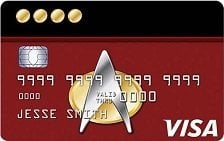
The Visa Star Trek™ Credit Card is a geek-chic rewards credit card from NASA Federal Credit Union. The card offers 3x points on purchases at StarTrek.com, 2x points at gas stations, and 1x points for everything else. New accounts also receive a special introductory APR on balance transfers, as well as a cash back reward when they meet a minimum spend requirement within the first 90 days of opening an account. The Star Trek™ Visa also comes in four unique designs.

  • Best Benefits
  • Rates & Fees
  • Why Should You Apply?
  • Show your Trekkie pride with every purchase – choose from 4 designs
  • Earn $300 cash back when you spend $2,000 in the first 90 days
  • 3X points on startrek.com purchases, 2X points on gas station purchases and 1 point for every other purchase.
  • Regular Purchase APR: 14.4% to 17.99% variable based on creditworthiness and the Prime Rate
  • Intro Balance Transfer APR: 8.4% to 17.99% variable on transfers made within 90 days from account opening date
  • Balance Transfer APR: 14.4% to 17.99% variable based on creditworthiness and the Prime Rate
  • Cash Advance APR: 16.4% to 18.00% variable based on creditworthiness and the Prime Rate
  • Cash Advance Transaction Fee: Either $5 or 3% of the amount of each cash advance, whichever is greater
  • Penalty APR: 18%
  • Annual Fee: $39
  • Late Payment Penalty Fee: Up to $35
  • Return Payment Penalty Fee: Up to $35
  • You love the idea of banking with NASA
  • You are a die-hard Trekkie and want to show your fandom
  • You want to earn 2x points on gas station purchases
  • You do’t want to pay a fee for foreign transactions or balance transfers
NASA FCU Visa Star Trek™ Credit Card

NASA FCU Visa Star Trek™ Credit Card

Terms & Conditions

The NASA FCU Visa Star Trek™ Credit Card is a geek-chic rewards credit card from NASA Federal Credit Union. The card offers 3X points per dollar on purchases at StarTrek.com, 2X at gas stations, and 1X on everything else. New accounts get a 0% intro APR and a basic cash back bonus. The card also comes in four unique designs that are certain to be a hit with Trekkies everywhere.

Joining NASA FCU is fairly straightforward. Becoming a member is as easy as joining the National Space Society (NSS). While joining the NSS has a fee, using NASA FCU’s link makes it free for the first year (and $12 per year after that).

Featured image by mohamed_hassan / PixaBay

Is It Worth Getting the Apple Card to Buy an iPhone?

Last updated on March 17th, 2023

A new, hotly anticipated iPhone is seemingly available for purchase every few years. If you’re considering whether to open an Apple Card to buy the latest generation iPhone, there are a few things you should consider before hitting the “Submit” button on your application.

A Quick Refresher on the Apple Card

Boasting simplicity, transparency, and privacy, the Apple Card offers a seamless user experience centered around digital transactions. Requiring a credit score of fair (640) or higher, Apple Card owners will earn cash back through the following categories:

Rewards Category/Merchant
3% cash back Apple stores (including Apple.com), Apple subscription services, iTunes, the App Store, and in-app purchases
T-Mobile (in-store via Apple Pay)
Panera (via Apple Pay)
Nike (in-store US, on the Nike app, or Nike.com via Apple Pay)
ExxonMobil gas stations (via Apple Pay)
Walgreens and Duane Reade (via Apple Pay)
Ace Hardware (in-store, on the Ace Hardware app, or AceHardware.com via Apple Pay)
Uber and Uber Eats (via Apple Pay)
2% cash back All other purchases made using Apple Pay
1% cash back All other purchases made with the physical Apple Card

The other major highlight of the Apple Card is the lack of fees it charges. The card features no annual fee, no foreign transaction fees, and no hidden fees of any kind.  Add to that a slick titanium card for instances where Apple Pay isn’t accepted, and you have one of the most popular credit cards on the market today.

Are There Any Downsides to Getting the Apple Card Just for a New iPhone?

At first glance, applying for an Apple Card to buy a new iPhone seems like a no-brainer. Suppose you’re already deep in the Apple ecosystem. In that case, the Apple Card is inherently useful for funding the inevitable future iPhone upgrades, plus the day-to-day convenience of earning extra cash with Apple Pay.

The 3% cash back with the Apple Card is essentially an automatic 3% discount on every new piece of Apple tech that you purchase. Although it’s not much, with the average iPhone Max costing $1,000+, that’s a guaranteed $30 back on your new iPhone – not too shabby of a return. So yes, it could be worth getting the Apple Card to score extra rewards on the new iPhone you intended to buy anyway.

What if You Don’t Upgrade Your iPhone Every Year?

Are you a part of the growing trend of iPhone users who hold onto their phone for one, two, or even three years and bypass the upgrade? If yes, the Apple Card might be worthwhile when you splash the cash for a new iPhone. Even if you only plan on using the card to upgrade your phone every few years, the card’s no annual fee means there is no cost, financial obligation, or minimum spend required to make the card “worth it.”

If you subscribe to any of Apple’s services (like AppleTV+), why are you still reading? Go out and get that 3% back before another iTunes Music payment hits! But— and this is a big but – if you’re planning on using a payment plan for a new iPhone, there’s a pretty significant consequence you should consider before getting the Apple Card.

The card may also be worth it if you plan to buy any other Apple products. Thanks to Apple Card Monthly Installments, cardholders receive a 0% APR installment on eligible products from apple.com, the Apple Store app, or an Apple Store.

Here are the products you can buy with Apple Card Monthly Installments
6 monthly payments Apple Pencil. iPad Keyboard, Pro Stand, VESA Mount Adapter, Apple Afterburner Card, Apple Branded iPhone Case, Apple Watch Bands, Apple Branded iPad Cover, Apple Branded Mac Cover, MagSafe Charger, MagSafe Battery Pack, Apple Branded MagSafe iPhone Case, Apple Branded iPhone Leather Wallet with MagSafe
12 monthly payments iPad, Mac, Pro Display XDR, or Studio Display (eligible Macs include MacBook Air, MacBook Pro, iMac, iMac Pro, Mac Pro, Mac mini, and Mac Studio)
24 monthly payments iPhone or Apple Watch

The One Reason You Should Be Wary

What do the Apple Card, the Apple flexible payment plan, and the Apple upgrade program have in common? This answer isn’t a fun one – a credit check. The iPhone is a perfect storm that combines the demand for flexible payment options with the promise of an even better phone in the next iteration.

For this reason, many Apple fans are not only considering using the Apple Card as a way of financing their next iPhone but two other financial assistance programs offered by Apple. Unfortunately, most people don’t consider that signing up for Apple’s various programs will impact beyond the bottom lines of their bank accounts.

Sure, it’s convenient to buy an iPhone today and worry about paying it off tomorrow. However, if you’re not paying attention, you’ll quickly find yourself with a triple whammy in back-to-back hard inquiries on your credit history. This series of credit checks can, in turn, seriously harm your credit score in the short term.

So, Should You Apply for the Apple Card to Get an iPhone?

To answer the overarching question: yes, it’s worth applying for the Apple Card to earn 3% back on the newest iPhone. You should apply for the Apple card if you fully intend on sticking with Apple phones for the next few years and can afford the credit inquiry that an application will cause. If you’ve had less than two inquiries on your credit report this year (and don’t anticipate needing to invoke many others in the next two years), getting the card makes sense.

Did you want to partake in all three Apple programs – the credit card, the payment plan, and the upgrade program – but want to stay within the optimal number of credit inquiries? Consider the number of credit checks this scenario may cause. Is saving 3% on the iPhone Max worth forgoing the flexible payment option of 0% interest for 24 months or kissing the automatic upgrade goodbye?

Related Article: Citi Custom Cash vs. Citi Double Cash

Featured image by BestCards

Advertiser Disclosure

BestCards is an independent, Florida-based credit card comparison platform. Many of the card offers that appear on this site are from companies from which BestCards receives compensation. This compensation may impact how and where products appear on this site (including, for example, the order in which they appear). BestCards does not include all card companies or all card offers available in the marketplace.