Know The Difference: Small Business Credit Cards vs Corporate Credit Cards
Know The Difference Small Business Credit Card V.s. Corporate Credit Card

Last updated on June 26th, 2023

Businesses usually have two credit card options: small business credit cards or corporate credit cards. However, they each have their own different required qualification for approval and both will work for different sizes and types of businesses. Here’s what you need to know about small business credit cards vs corporate credit cards.

Small Business Credit Cards vs Corporate Credit Cards

Using credit cards to run a business comes with perks you might not see available for personal cards. Credit cards, intended for businesses, typically offer higher credit limits, lower interest rate offers, discounts, and more. However, there are two types of credit cards made for running businesses: small business credit cards and corporate credit cards.

Essentially, both types of credit cards do the same things. Still, they both have some weighty differences. The distinction between corporate credit cards and small business credit cards lies within their debt liability, eligibility, and offered perks.

Know The Difference

The biggest and most noticeable polarity is debt liability. With small business credit cards, the business owner is personally responsible for any debt acquired with card use – including debt on additional employee cards. Small business credit cards also directly affect the business owners’ credit. If small business credit cards get used irresponsibly, it will harm the business owners’ credit scores and vice-versa.

In contrast, with a corporate credit card, debt or financial liability does not fall on the business owner. Instead, debt responsibility or liability rests on the business itself. For this reason, eligibility for corporate credit cards is much stricter for approval.

Who Benefits From A Small Business Credit Card?

Freelancers and small business owners would get the most use out of a small business credit card. These kinds of credit cards are better suited to fund small business needs. Business credit cards can be used by businesses of all sizes, from small side hustles to multi-million dollar revenue businesses.

To get approved for a business credit card, you usually need two common requirements. One is a “fair” personal credit score. A fair credit score is the minimum requirement but a higher credit score is always better. The second common requirement is the business tax ID (EIN number) or social security number.

Pros

  • Earn rewards for your business spending and your employees’ spending
  • Easy approval without a substantial credit history
  • Easy to compare credit card tools online

Cons

  • Not all cards have expense-tracking tools
  • Business owner is liable for all debt acquired
  • Employees cannot be made liable for employee cards
Good Candidates for Corporate Credit Cards

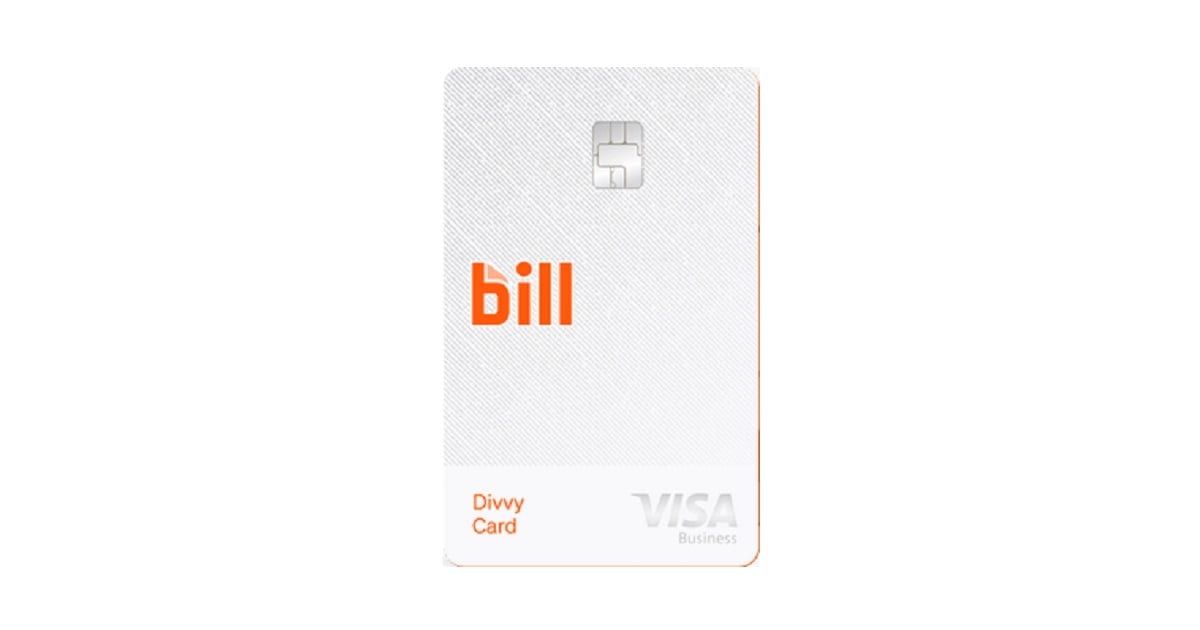
Corporate credit cards are for established businesses with big revenue – in other words, incorporated businesses. To get a corporate credit card it is commonly required to have a certain business structure (C-Corp, S-Corp, or some LLCs.) It is also required to have an established business credit history, which is not necessary for approval on a business credit card. There is also a revenue requirement, usually upwards of $250,000. Something to note is that with corporate credit cards, you can give your employees purchasing power and monitor their expenses.

Pros

  • Employees can be made liable for purchases
  • Manage and monitor expenses for hundreds of employees
  • May be able to earn rewards
  • Expense reporting and analytics tools
  • Expense management systems integration

Cons

  • Strict approval requirements
  • Usually comes with fewer protections on purchases
  • Established business credit history is required
The Bottom Line

Small business credit cards are best suited for business owners with an interest in earning rewards for their business purchases, as well as covering daily expenses to keep their companies running. However, small business credit cards have a lot more to offer, such as access to credit, money management and accounting software, and more. Corporate credit cards also hold similar benefits but are best suited for established organizations with large revenue and operations. An obvious perk is that with a corporate credit card, employees can also share liability. It’s a feature that small business credit cards don’t have.

So, who wins the business credit cards vs corporate credit cards debate? There is no winner. The “right” type of card depends on the type of business you find yourself running. If you operate a small-to-medium-sized business – or are planning to open one – a business credit card can be a great asset that will help you not only cover daily expenses, but also potentially earn rewards for it. If you manage a large firm with several employees, purchasing responsibilities, and sophisticated operations, opening a corporate card account will be the ideal move, as it’s designed to scale with the size of your business.

Related Article: Top Business Cards You’ve Never Heard Of

Featured image by DAPA Images/Canva

60+ New Plaza Premium Lounges Added to Priority Pass

60+ New Plaza Premium Lounges Added to Priority Pass

Last updated on September 6th, 2023

Priority Pass members now have access to more lounges. They have added 60+ Plaza Premium lounges to the Priority Pass network of lounges. The lounges are located around the world, from Asia and the Middle East to North America and more. Here’s what you should know about the added Plaza Premium Lounges and Priority Pass memberships.

Priority Pass Adds 60+ Plaza Premium Lounges

Airport lounge access is a sought-after benefit of travel credit cards. Some travel credit cards grant cardholders access to Priority Pass – a network of airport lounges accessible to all pass-holder members. The lounge network has just grown by 60+ new Plaza Premium Lounges, which adds more value for Priority Pass holders.

With Priority Pass, members get access to 1,300 airport lounges all around the globe. Travelers who use Priority Pass can use the lounges while they await their flight at the airport. Use the lounge spaces to relax before a flight or for work while staying connected as needed for business duties.

The newly available lounges are across Asia Pacific, Africa, Europe, North America, and the Middle East. All of which are with Plaza Premium Lounge. The Plaza Premium lounges at some point were removed from the Priority Pass network in 2021 and have since returned in 2024. For travel in the U.S., this means two new lounges for Priority Pass holders, one Plaza Premium Lounge in Orlando, Florida, and another in Dallas, Texas. The North American Plaza Premium lounges also extend across four providences in Canada.

How To Become a Priority Pass Member

There are two ways to become a Priority Pass member. One is to purchase a membership plan directly through the Priority Pass website. They have three annual membership plan tiers ranging from $99 to $469. The second way is to get a travel credit card with Priority Pass access included as a benefit. The latter gets you the most value for your buck if you are a frequent traveler.

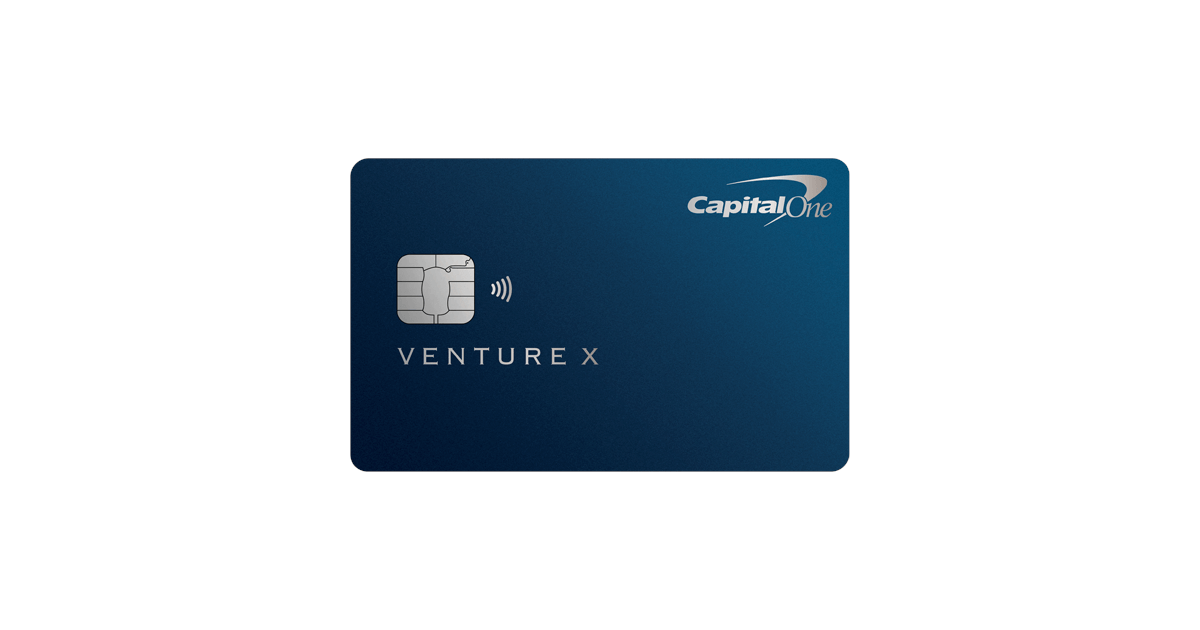
Direct membership with Priority Pass may come with limited lounge visits and additional fees, except for the $469 Prestige membership, which includes all free member visits ($35 guest visit fee.) In contrast, cards like the Capital One Venture X Rewards Credit Card or the Chase Sapphire Reserve® include a Priority Pass membership with unlimited lounge access at no additional costs. Both examples come with a high-end annual fee. However, the included Priority Pass membership, and other offered benefits, more than balance out the annual fees.

Cards With Priority Pass Benefit:

Plaza Premium Lounge Ammeneties

The Plaza Premium Lounges offer varied seating options and complimentary food and drinks. All of the Plaza Premium locations include Wi-Fi. Additionally, some lounge locations include amenities like showers and private rest areas. The Plaza Lounges will become available to Priority Pass members throughout June, with the first lounge batches accessible on June 6th, 2023. The remaining lounges will be available on June 20th of 2023.

Here are some of the Plaza Premium Lounge Locations:

Ethiopia Hong Kong Macau
Taiwan Philippines Cambodia
Singapore Turkey UAE
Saudi Arabia Canada United States of America
United Kingdom Australia Japan
Finland Italy Hungary

Related Article: The Best Cards With Airport Lounge Access

Featured image by Frames For Your Heart on Unsplash

The Ultimate Guide to Amex Offers

Last updated on January 24th, 2024

Credit card companies add new features to their credit card programs all the time. These programs provide additional value beyond the credit card’s rewards structure, from credit scores to repayment calculators. One of the most popular credit card promotions is the various merchant offer and rebate programs from banks like Chase, Citi, and American Express’s Amex Offers.

What Are Amex Offers?

Amex Offers is a merchant discount program offered through American Express. The Offers service is open to all American Express cardholders, except for corporate and prepaid cards. The program offers targeted chances to earn statement credits, bonus cash back, or additional Membership Rewards points on eligible purchases.

Where to Find Them

To view available, offers, log in to your Amex account (and navigate to the “Amex Offers & Benefits” tab.

Remember that merchant offers are not identical for all Amex cards you hold. Because of this, only add Amex Offers to the card you plan on using to take advantage of the deal.

Who Is Eligible?

Unlike other issuers, Amex Offers are available for practically every Amex cardholder. All American Express credit accounts enjoy access to Amex Offers except for corporate cards and prepaid cards. This limitation means Serve, and Bluebird prepaid cards are not eligible for these offers.

How Do Amex Offers Work?

The American Express merchant offers program is easy to access and use:

  • Log on to your American Express dashboard at Amex’s website or the American Express mobile app.
  • Navigate down the page until you see “Amex Offers & Benefits.”
  • Click “Amex Offers & Benefits”
  • Click “View All” to see all available offers for the card
  • Once added to your card, offers will appear under the “Added to Card” tab.
  • Shop at the merchant using the eligible card. Cash The savings will be reflected on the account within 14 days of the purchase

It’s a good idea to regularly check the Offers tab to see if there are any promotions for you. Amex Offers differ from card to card, and some offers might appear hidden. But don’t worry – here’s how you can still access them.

American Express limits the number of offers visible to 100. This means that cardmembers who have not selected any offers can not view new offers until existing ones either expire or are chosen by the cardholder. To see more deals, simply keep adding offers to your card – even if you don’t plan on using them. You never know what hidden deals might be just below the fold – including savings on TSA Precheck or CLEAR Membership.

Types of Merchants Offers

There are currently seven types of Offers in the program. The first type, which is unique to the program, is the opportunity to earn extra MR points, with other options including:

Travel Dining Entertainment
Shopping Health Wellness

Can You Stack Amex Offers with Other Deals, like BestCards Membership?

One of the great features of Amex Offers is the ability to stack deals with other offers. Some retailers restrict how many coupons a customer can use on each transaction. Kohl’s, for example, limits customers to four coupons per transaction. Amex Offers are automatically redeemed after you shop, so merchants won’t have to worry about extreme couponers. Even better, this means shoppers can use online shopping portals to multiply their savings.

Related Article: How to Save Money Online with Coupon Stacking

Featured image by PhotoMIX-Company/PixaBay

Chase Launches New Chase Freedom Rise Card

Chase Freedom Rise credit card launches for new applicants in branch at Chase

Last updated on January 22nd, 2024

Chase has debuted a new credit card designed especially for those new to credit. Called the Chase Freedom Rise, the new Mastercard offers unlimited cash back, no annual fee, and most importantly – improved credit access to those with no credit history at all.

Chase Freedom Rise Launches

A new credit card for first-time borrowers is launching soon. Chase Freedom Rise officially launched on June 11, 2023, and is available to apply for in-branch at Chase locations nationwide. The new card is tailored explicitly for individuals new to credit and looking to build their credit history. The card is available to both students and non-students alike, providing an opportunity for a wide range of individuals to establish their credit history.

About the Chase Freedom Rise

The Freedom Rise Mastercard earns an unlimited 1.5% cash back rewards on all eligible purchases. That earning rate is the same baseline earning rate found on the Chase Freedom Unlimited and a 50% improvement over the unlimited 1% cash back on the Chase Freedom Student credit card, which the Freedom Rise Card replaces. Like the other members of the Chase Freedom family, there’s no annual fee with the Freedom Rise credit card – a great perk on any credit-building journey.

While 1.5% back isn’t a game-changer, it is a lucrative rewards rate for any $0 annual fee card, let alone one with easier credit qualifications for those new to credit. The cash back takes the form of Chase Ultimate Rewards Points – one of the country’s most lucrative credit card currencies.

Ultimate Rewards offers incredible flexibility in redemption options like statement credits, deposits into attached bank accounts, travel, gift cards, and more. But Ultimate Rewards also transfer to more than a dozen partner brands, including prominent names in airlines and hotels:

Aer Lingus (AerClub) Air France/KLM (Flying Blue) Emirates (Skywards)
Air Canada (Aeroplan) British Airways (Executive Club) Iberia Plus
JetBlue (TrueBlue) Southwest (Rapid Rewards) Singapore Airlines (KrisFlyer)
Virgin Atlantic (Flying Club) United Airlines (MileagePlus) IHG Rewards
Marriott Bonvoy World of Hyatt

This transferability is Chase Ultimate Rewards’ most significant asset. It provides an enticing – and exciting – prospect for all those rewards you earn while building a positive credit history.

Welcome Offer

New cardholders can earn a $25 statement credit by signing up for automatic payments within the first three months of account opening, offering an extra incentive to manage their account responsibly.

Chase Customers Enjoy Improved Approval Odds

What makes the Freedom Rise a unique offering is that being an existing Chase checking account customer can improve your approval odds. While not required, becoming a Chase checking account holder with a balance of $250 or more can increase the chances of approval for the Chase Freedom Rise card, which can be an exciting proposition if you are an existing Chase banking customer but might not otherwise qualify for a Chase credit card. Here’s a word of caution: make sure you have the $250+ in your eligible Chase checking account at least 48 hours before applying to the Chase Freedom Rise credit card. Doing so will increase your approval odds.

Double Your Line

One of the most popular features of credit builder credit cards is the chance to double your credit line with on-time payments. Getting a credit limit increase was initially a party trick of the Merrick Bank Double Your Line® Mastercard, but in recent years other cards have joined the bandwagon, including the Mission Lane Visa®, Surge® Platinum Mastercard®, and now the Chase Freedom Rise.

As with these cards, paying your bill on time with the Chase Freedom Rise can also help you increase your credit limit with the bank. Make at least the first six monthly payments on time, and you may earn a limit increase. These payments must be for the minimum amount due or more; zero balances don’t count, so you must use the card to qualify.

Check out our comprehensive Chase Freedom Rise credit card review for a more in-depth look at the new card.

Related Article: Easiest Credit Cards to Get with Bad Credit

Featured image by cocoparisienne/PixaBay

How to Avoid Fraud on Business Travel

RDC Travel survey Stela Di

Last updated on August 23rd, 2023

Roughly one out of every five business travelers have been a victim of credit card fraud, according to a new study by business travel experts BCD Travel. The study, conducted globally and surveying 1,300+ business travelers, highlights the dangers of international travel but also showcases some of the impressive security protections that come from a business credit card. Here’s a breakdown of the common causes of credit card fraud for traveling businesspeople – and how you can stay safe on the road, in the sky, or wherever your work takes you.  

Survey Highlights the Financial Dangers of Business Travel

If you travel for work, chances are you’ve known someone who fell victim to credit card fraud or scammed yourself. That’s the verdict of a comprehensive Traveler Survey of Payment and Expenses by BCD Travel. The study results are based on an online global survey of 1,349 English-speaking business travelers from March 31 to April 11, 2023.

Here are the main findings from BCD Travel’s Payment & Expense traveler study:

  • 79% of business travelers say they use a corporate or business credit card as their primary payment method
  • 26% of business travelers occasionally use personal credit cards for business travel
  • 12% of business travelers rely on their own cash when traveling

Of those surveyed, one in six business travelers falls victim to credit card fraud on a business trip. Most cases happen because of fraudulent charges made by vendors or card-not-present fraud. Here’s the breakdown of the types of fraud encountered:

  • 45% had their credit card information stolen and used to pay for goods online or by phone
  • 45% had vendors fraudulently add charges to their card
  • 28% said their credit card information was stolen through a special device when using the card to pay
  • 12% lost or had their credit card stolen
  • 8% had fallen victim to phishing or other scams
  • 2% had fallen victim to an account takeover
  • 4% other

Credit card fraud happens despite the measures taken by business travelers. Over half of the respondents exclusively use corporate cards while traveling, never store PINs with cards and immediately report suspicious activity to the bank. Meanwhile, very few use cash at questionable shops, have a dedicated card for online shopping, or pay using a mobile wallet.

How to Avoid Credit Card Fraud When Traveling for Work

In today’s digital age, credit card fraud poses a significant threat to individuals and businesses. For business professionals who frequently travel, the risk of falling victim to credit card fraud increases. This blog post will explore some of the most common examples of credit card fraud that businesspeople might encounter while traveling. We will also discuss preventive measures to mitigate these risks and provide practical tips to protect yourself from credit card fraud while traveling for work.

Credit Card Skimming

Card skimming is a prevalent form of credit card fraud that involves capturing the data from the magnetic stripe on a credit or debit card. Criminals typically employ skimming devices on ATMs, payment terminals, or gas pumps to steal card information. Once obtained, the fraudsters can create counterfeit cards or use the stolen data for online transactions.

So, how can you avoid credit card skimmers when traveling? There are a few simple steps to take to stay safe, including:

  • Inspect an ATM or payment terminal for signs of tampering or unusual devices attached. Look for loose parts, adhesive residue, or mismatched colors.
  • Whenever possible, opt for ATMs located inside banks or well-monitored areas.
  • Cover the keypad with your hand or wallet when entering your PIN to prevent hidden cameras from capturing your personal information.
  • Check your bank and credit card statements frequently to identify suspicious transactions promptly.

Phishing Scams

Phishing scams involve fraudulent emails, text messages, or phone calls that attempt to deceive individuals into divulging their personal or financial information. While traveling, businesspeople might receive emails or calls posing as their bank or credit card company, requesting sensitive information such as card numbers, CVV codes, or login credentials.

Here are some common sense ways to keep yourself safe from phishing scams:

  • Avoid clicking on links or providing personal information in response to unsolicited emails, messages, or phone calls.
  • Always verify the source. If you receive a communication claiming to be from your bank or credit card company, independently contact them using the official contact information to verify the request’s legitimacy.
  • Avoid using public Wi-Fi networks for sensitive transactions. Use a virtual private network (VPN) to encrypt your connection and protect your data if necessary.

RFID Skimming

 With the rise of contactless payment technology, another form of credit card fraud has emerged—RFID skimming. Criminals with RFID readers can intercept data from contactless cards and steal the information wirelessly. This type of fraud is common in crowded places, such as airports or conferences.

Preventing skimming is as easy as keeping your cards secure, preferably in an RFID-blocking wallet or a separate compartment in your carry-on bag. Consider using RFID-blocking wallets, cardholders, or sleeves to prevent unauthorized access to your card’s contactless feature. And when in doubt,

How Credit Cards Keep You Safe

Using your business card when traveling is your best bet to staying safe from fraudsters. That’s because credit cards offer a huge range of safety protections, like Zero Fraud Liability and chargebacks. Fraud protection is provided by Visa, Amex, and Mastercard, with cardholders enjoying different levels of protection depending on the card level and network.

Visa Business Protections

Visa Business Visa Signature Business Visa Infinite Business
Zero Fraud Liability
Roadside Dispatch
Cardholder Inquiry Services
Lost/Stolen Card Reporting
Emergency Card Replacement
Auto Rental Collison Damage Waiver
Travel and Emergency Assistance Services
Purchase and Extended Protection
Lost Luggage Reimbursement
Travel Accident Insurance
Trip Delay and Cancellation Insurance

Mastercard Business Protections

Mastercard Business World Elite Buisness
Zero Liability
ID theft Protection
Global Emergency Services
Mastercard Biz
Car Rental Insurance
Mastercard Airport Concierge
Priceless Golf
Business Controls
Mastercard Receipt Management
Mastercard Easy Savings®
Intuit QuickBooks® and TurboTax®
Salesforce Essentials
Microsoft 365
24/7 Business Assistant
Mastercard Premium Easy Savings
ShopRunner Membership
Mastercard Travel & Lifestyle Services

Check out more

Business Credit Cards

Featured image by Stela Di /PixaBay

Depositors Embrace Credit Card Companies For Saving Options

Depositors Embrace Credit Card Companies for Saving Options

Last updated on September 6th, 2023

According to a recent report from Yahoo Finance, depositors are embracing credit card companies for the saving options they have made available to consumers. People are switching banks, mainly due to better APY rates. Consumers are choosing to grow their savings further during a time of inflation. Here’s what you need to know.

Credit Cards Companies Offering Better Savings

Financial institutions are widely recognized for their credit card products. However, banking products have lived in their shadow. Since last year, many consumers have taken notice of the new savings products credit card companies offer. As a result, savers are flocking to these financial institutions and making use of their new or improved financial products: high-yield savings accounts.

Deposit Trends For Major Credit Card Companies

Many credit card companies noticed deposits trending up in the first quarter of 2023. American Express saw the highest growth in comparison to the other major credit card institutions. Amex deposits increased by 33% year over year in Q1 2023. Discover also saw a rise in deposits, reaching a record of 18% year over year. Additionally, Synchrony Financial deposits increased by 17%. And Capital One deposits rose by 12% in Q1 2023.

American Express Discover Synchrony Financial Capital One
33% year over year 18% year over year 17% year over year 12% year over year

On the contrary, there were a few banks that saw little to no change in deposits. Starting with Bank of America which has instead seen almost an 8% drop in deposits since Q4 of 2022. Similarly, Wells Fargo deposits have decreased by 7% since Q1 of 2022. The only institution to remain steady is CitiGroup which has seen no major changes in deposits versus the prior-year period and is currently at 6% year over year.

Bank of America Wells Fargo CitiGroup
Declined almost 8% since Q4 2022 Declined 7% since Q1 2022 Currently at 6% with no major changes

“People are feeling more comfortable going to online-only banks to chase higher returns and I, myself, moved from a big mega bank to an online only bank and have been very happy with the returns on it,” Matt Schulz, chief credit analyst at LendingTree. Source.

Higher-Yielding Savings Driving Consumer Depositing Action

Although depositors have been switching up their bank choices for savings since last year, the trend has truly fast-tracked in Q1 2023. Especially with the recent banking crisis in March of 2023. Consumers simply have the inclination to find higher-yielding deposit accounts.

The economic climate is leading Americans to think strategically about where they store their money. The major banks have been slow to change up the yields on their savings accounts since the start of rising interest rates last year hiked by the Feds in an effort to take action against inflation.

As a result, credit card issuers have stepped up their game with higher-yielding savings products and consumers are here for it. For example, according to a Forbes report, two unnamed sources familiar with the subject claimed Apple Card’s new high-yield savings account drew in nearly $1 billion in deposits in the first four days after its launch in April 2023.

Apple’s savings product is from Goldman Sachs and offers a 4.15% APY – ten times the national average of 0.40, according to the FDIC Bankers Resource Center. Other accounts like Wells Fargo’s Way2Save savings account offer 0.15% APY and requires a $25 deposit.

Related Article: Americans Saving Less & Buried in Credit Card Debt

Featured image by andresr/Getty Images Signature

Get Up to 200,000 Points with Marriott Bonvoy!

Marriott Shanghai

Last updated on September 6th, 2023

With temperatures heating up, Marriott Bonvoy is looking to supercharge your summer plans with new, limited-time-only welcome offers on its co-branded hotel credit cards with Chase and American Express. Available now and running through August 9, 2023, new accounts can earn up to an incredible 200,000 Bonus Marriott Bonvoy Points after meeting spending requirements. Here are the details:

New Cardmembers Can Earn Up to 200,000 Points

Marriott Bonvoy® has launched some of its most lucrative co-branded credit card welcome offers ever. These new signup bonuses apply to Chase and American Express cards, with eligible new accounts earning up to 200,000 Bonus Marriott Bonvoy Points after meeting minimum spending requirements in the first six months.  

Those impressive bonus points differ based on the Marriott credit card you choose, with the following breakdown:

Here’s all the information on the limited-time-only welcome offers from Marriott:

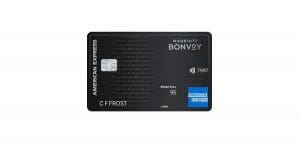
  • Marriott Bonvoy Brilliant® American Express® Card: New accounts can earn 150,000 Marriott Bonvoy bonus points after using their new card to spend $6,000 on eligible purchases in the first six months plus, they can earn 50,000 bonus points after they stay six eligible paid nights at hotels participating in Marriott Bonvoy® through 1/31/24*.
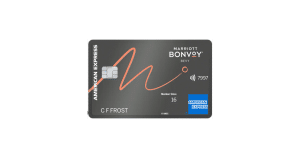
  • Marriott Bonvoy Bevy™ American Express® Card: New accounts can earn 125,000 Marriott Bonvoy bonus points after using their new card to spend $5,000 on eligible purchases in the first six months plus, they can earn 50,000 bonus points after they stay six eligible paid nights at hotels participating in Marriott Bonvoy® through 1/31/24*.
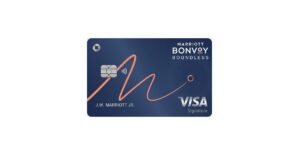
  • Marriott Bonvoy Boundless® Credit Card from Chase: New accounts can earn 75,000 Marriott Bonvoy bonus points after using their new card to spend $3,000 on eligible purchases in the first six months plus, they can earn 50,000 bonus points after they stay six eligible paid nights at hotels participating in Marriott Bonvoy® through 1/31/24*.
  • Marriott Bonvoy Bold® Credit Card from Chase: New accounts can earn 50,000 Marriott Bonvoy bonus points after using their new card to spend $1,000 on eligible purchases in the first six months plus, they can earn 50,000 bonus points after they stay six eligible paid nights at hotels participating in Marriott Bonvoy® through 1/31/24*.

To qualify, applications must be received by August 9, 2023, for American Express cards and August 10, 2023 for Chase cards*. Once approved for an eligible card, a new cardmembers’ Marriott Bonvoy account will be automatically registered into this promotional offer. For convenience, new card members can track their progress toward six eligible nights on a personalized Promotions page on the Marriott Bonvoy app and website.

Which Marriott Credit Cards Is Right for You?

Marriott offers four personal credit cards for consumers. Issued through Chase Bank and American Express, these cards provide cardholders an impressive assortment of perks, including elite tier status, Free Night Awards, exclusive discounts, and more. Here’s a comparison of the four consumer co-branded credit cards from Marriott Bonvoy:


Marriott Bonvoy Bold®

Marriott Bonvoy Boundless®

Marriott Bonvoy Bevy™

Marriott Bonvoy Brilliant®
Rewards Earn 3X points at hotels participating in Marriott Bonvoy®, 2X points on eligible travel purchases and 1X points on all other purchases Earn 6X points at hotels participating in Marriott Bonvoy®, 3X points on gas, groceries, and dining (up to $6,000/year), and 2X points on all other purchases Earn 6X at hotels participating in Marriott Bonvoy, 4X at restaurants worldwide and U.S. supermarkets (up to $15,000 in combined purchases per calendar year, then 2X points), and 2X points on all other eligible purchases Earn 6X points at hotels participating in Marriott Bonvoy®, 3X points on U.S. dining and flights booked with airlines, and 2X points on all other purchases
Elite status Silver Elite Silver Elite Gold Elite Gold Elite
Annual fee $0 $95 $250 $450
Payment Network Visa Visa American Express American Express

Marriott Elite Tiers

As noted, each Marriott credit card provides elite tier status for cardmembers. But what can you expect from your new Bonvoy credit card? Here’s a breakdown of the elite tiers in the program – and what it takes to earn it:

Marriott Bonvoy Member
10x points at Marriott brands Mobile check-in Digital key Free wI-fI
Marriott Bonvoy Silver – 10 Nights
11x points at Marriott brands (10% bonus) Mobile check-in Digital key Free wI-fI
Ultimate reservation guarantee Elite reservation line Late check-out
Marriott Bonvoy Gold – 25 Nights
12.5x points at Marriott brands (25% bonus) Mobile check-in Digital key Upgraded free Wi-Fi
Ultimate reservation guarantee Elite reservation line Late check-out Points welcome amenity
Room upgrades (when available)
Marriott Bonvoy Platinum – 50 Nights
15x points at Marriott brands (50% bonus) Mobile check-in Digital key Enhanced free Wi-Fi
Ultimate reservation guarantee Elite reservation line 4 PM late check-out Welcome amenity
Suite upgrades (when available)
Marriott Bonvoy Titanium – 75 Nights
17.5x points at Marriott brands (75% bonus) Mobile check-in and digital key Annual choice benefit Enhanced free Wi-Fi
Ultimate reservation guarantee Elite reservation line 4 PM late check-out Welcome amenity
Suite upgrades (when available) 48-hr. room guarantee Suite upgrades at Ritz Carlton United Airlines Silver Premier status
Lounge access
Marriott Bonvoy Ambassador – 100 Nights + $20,000 in spending
17.5x points at Marriott brands (75% bonus) Mobile check-in and digital key Annual choice benefit Enhanced free Wi-Fi
Ultimate reservation guarantee Elite reservation line 4 PM late check-out Welcome amenity
Room upgrades including Ritz-Carlton 48-hr. room guarantee Lounge access United Airlines Premier status
Personalized Ambassador service

Transfer Partners

Hotel reward points tend to be worth less than airline miles because of the lower value of the best redemption options – namely hotel stays. That doesn’t mean these new welcome bonuses are worth scoffing at – far from it! Marriott Bonvoy lets members transfer to the frequent flyer rewards programs of over 40 different airlines. All a Bonvoy member must do is log in to their Bonvoy account, click on “Redeem Points,” choose “Travel,” and click on the box titled “Transfer Points to Miles.”

The following airlines are partners with Marriott:

Aegean Airlines Asiana Airlines Frontier Airlines Lufthansa
Aeroflot Avianca Hainan Airlines Qantas
Aeromexico British Airways Hawaiian Airlines Qatar Airlines
Air Canada Cathay Pacific Iberia Saudi Airlines
Air China China Eastern Airlines Japan Airlines Singapore Airlines
Air France China Southern Airlines Jet Airways South Africa Airways
Air New Zealand Copa Airlines JetBlue Southwest
Alaska Airlines Delta Air Lines KLM TAP
All Nippon Airways Emirates Korean Air Thai Airways
American Airlines Etihad LATAM Turkish Airlines
Virgin Atlantic Virgin Australia United Airlines

*See terms

*Offer Terms and Conditions

Here are the official terms & conditions for the latest Marriott signup bonuses:

The promotion earning period is between the applicant’s new card open date through January 31, 2024. Only eligible paid nights completed after card open date and during the promotion earning period will qualify towards the promotional offer. Eligible paid nights include all paid stays, including pre-paid stays and bookings paid with Marriott eGiftCards that are booked using the eligible cardmember’s Marriott Bonvoy account.

Eligible paid nights do NOT include: (i) award redemption stay nights including Cash + Points Awards, Free Night Awards, or a points redemption; (ii) stays booked through third-party online retailers and travel agencies;  and (iii) stays at Homes & Villas by Marriott Bonvoy, Marriott Executive Apartments®, and owner-occupied weeks at Marriott Vacation Club®, Marriott Grand Residence Club®, Sheraton Vacation Club®, Westin Vacation Club®, The Ritz-Carlton Club®, St. Regis Residence Club® and Luxury Collection Residence Club. Eligible paid nights do not need to be booked with an eligible card but must be booked under the eligible cardmember’s Marriott Bonvoy account number to count toward the promotional offer. 


Only one room at one property per night will count toward the promotional offer. The eligible paid nights do not need to be part of the same stay and can be achieved over multiple stays. The 50,000 bonus points will be awarded to the eligible cardmember’s Marriott Bonvoy account by Marriott up to 12 weeks after the sixth eligible paid night is completed. A Marriott Bonvoy member who elects to earn miles is not eligible for this promotional offer. To be eligible for this promotional offer, your eligible card account must be open and not in default at the time of promotional offer fulfillment. If your eligible card account is not open for at least six (6) months, Marriott, JPMorgan Chase Bank, N.A, and American Express reserve the right to deduct the bonus points from your Marriott Bonvoy account.

Instacart Finds Essence of Earnings with Cashé Fragrance

Glamour in the Grocery Aisles: Instacart Bottles Up the Essence of Earnings with Limited Edition Fragrance, Cashé

Last updated on September 6th, 2023

Instacart has everything a shopper could ever want. The Instacart platform allows US and Canadian shoppers to order groceries, pet supplies, alcohol, beauty products, prescriptions, and just about anything else you can imagine, right from the comfort of their couch, bed, or wherever they find themselves. Now Chase and Instacart are expanding to a new, limited-edition market sector – fragrance, with the launch of Cashé, a scent inspired by the savviest of consumers, Instacart members (and credit cardholders).

Instacart Bottles Up the Essence of Earnings with Limited-Edition Fragrance, Cashé

The Instacart Mastercard® turned plenty of heads when it first launched. The no annual fee credit card from Chase and grocery delivery app Instacart earns an impressive 5% cash back on the Instacart app and Instacart.com purchases, plus a free year of Instacart+ and a $100 Instacart credit automatically upon approval. Cardholders enjoy far more benefits than just Instacart savings, however. They also earn 5% back on travel purchased through the Chase Travel Center, 2% back at restaurants, gas stations, and select streaming services, and 1% on all other purchases.

The Instacart Mastercard provides everyday luxury for members, so much so that the brand created a new fragrance, Cashé, to smell as good as cash back feels.

How Can You Snag a Bottle of Cashé?

At its core, Instacart created Cashé, The Smell of Cash Back, to evoke the essence of the brilliant choices Instacart cardmembers make daily. The scent and look of Cashé are as striking as its premise, with both delighting the senses. The lasting scent of Cashé evokes feelings of everyday luxury and a carefree lifestyle, immersing the wearer in a mix of everything from juicy lemon to rosemary tunisia — subtle reminders of the grocery store.

The Cashé bottle is crafted to reflect a classic perfume’s elegant style and grace. The top features a gold-cut cap crowned with the Instacart carrot, and the shining emerald-weighted glass base maintains a squared and sharp outline, exuding timeless luxury.

So, how can you snag an exclusive bottle of Cashé? Getting a bottle of Cashé won’t be easy, as only 1,000 bottles were made. Still, whether you’re an Instacart cardmember or just aspire to smell like one – to claim their bottle (at no cost) will GAIN the privilege of smelling like the smartest person in the produce aisle. Be the first to get the drop on June 6th at 9:01 am EST.

Behind-the-Scenes with the Latest Campaign

“Cashé, The Smell of Cash Back is a bold new campaign that reinforces all the ways we’re helping people save money shopping with Instacart,” said Laura Jones, Chief Marketing Officer at Instacart. “Instacart cardmembers are unique, savvy life-hackers who are getting cash back for doing what they love – like buying their weekly groceries or mimosas for brunch, filling up with gas for a family road trip, or dining out with friends. With the launch of Cashé, we’re building an unexpected way for consumers to engage with our brand.”

Instacart’s in-house Creative Studio created the Cashé campaign and invites people to reimagine the idea of everyday luxury. The looks portray a colorful and bold-yet-timeless aesthetic within a familiar scene – the grocery store. From frosted elegance in the freezer aisle to enchanting couture beneath the produce misters, each scene brings to life the opportunistic, everyday moments the Instacart Credit Card unlocks, including 5% cash back on Instacart purchases, among other exclusive benefits when you shop.

Related Article: How to Save Big on Your Summer Staycation

Featured image by Instacart

How to Save Big on Your Summer Staycation

how to pay bills with a credit card

You might think rising inflation will ruin your summer vacation plans. Fortunately, an enjoyable family vacation is possible at a reasonable price point. Known as a “staycation,” it can be a great way to save money and have a fun and memorable time with your loved ones. Here are some tips to help you plan a budget-friendly staycation this summer.

What Is a Staycation?

Family vacations are where memories are made. But when inflation begins to nip at your family’s finances, can you save your vacation while saving money? The answer is an emphatic “yes” – thanks to staycations.

A staycation is a type of vacation spent at home or nearby rather than traveling afar. It usually involves engaging in local activities, exploring nearby attractions, or simply relaxing at home. Staycations are often seen as a more cost-effective and convenient alternative to traditional vacations, as they eliminate the need for expensive travel and accommodations.

Staycations have numerous benefits, including:

Save money Explore your region You time instead of travel time
Improve work/life balance No airports No passport of visa needed
Try local spots you haven't been More time with family Don't have to leave pets at home

Tips for Planning Your Next Staycation

How can you save money while exploring your local region? Follow these simple steps, and you’ll be well on your way!

Plan Ahead

Planning is a great tip, no matter the topic. Planning a staycation isn’t unlike planning a trip to the Maldives, Spain, or Alberta. Make a list of activities you want to do and places you want to visit. Museums, local markets, and theme parks are great ways to enjoy the excitement of a place like Disney – without the exorbitant hotel costs.

Parks and beaches are a great way to escape the city’s hustle – substituting crashing waves for the loud din of taxis and busses. Research discounts and coupons for local attractions and events. Also, check out free or low-cost options like parks, beaches, and museums.

Set a Budget

Set a budget for your staycation – and stick to it. Calculate how much money you can realistically spend on food, activities, and transportation. Since a regional trip likely won’t involve airfare, plan to spend on things like ga. Make sure to factor in any special events or activities that may cost more than your typical monthly budget.

If you live in a popular tourist destination, like Miami, Las Vegas, or NYC, plan your trip around quieter times when tourism is at its lowest point. Planning to do this can significantly lower the costs of things like hotels, gas, attraction prices, and even food.

Take a Road Trip

Road trips are a great way to get out and explore. Even better, road trips give you the flexibility to follow the twists, turns, and interesting roadside attractions that dot the American landscape. Before you hit the road, choose a destination within driving distance, and plan a route that includes fun stops.

To stick to the budget, consider packing a picnic lunch and snacks to save money on meals. Picnics and road trips are also ideal for camping – another great way to enjoy all America offers. Go for a hike, ride bikes, or picnic in the park. Spending time in nature can be a great way to recharge and connect with your family.

Summing it Up

A staycation is a great way to save money while still enjoying quality family time. Before starting your staycation make sure to follow a few simple steps. First, create a manageable budget, then work around that budget to create a local or regional getaway that helps your family bond – and recharge – at the same time. A rewards credit card is a great way to stretch a thin budget or to provide protections like purchase protection, travel insurance, and zero fraud liability. Cash back is a versatile rewards system, offering easy redemption and easy-to-understand savings.

And if you need a handy quick guide to surviving – and thriving – with a credit card on your next summer staycation, here you go:

Plan Ahead Take the time to carefully consider all aspects of your summer trip. One smart idea is to discover locations typically considered "winter" spots. Going to the mountains in the off-season can not only save you money, but can help avoid large crowds
Avoid Cash ATMs sometimes fall victim to skimming devices that can steal your banking details without you even noticing. Credit cards or debit cards are a great way to avoid carrying huge amounts of cash, and can help you escape the danger of a skimming device.
Use Credit While debit cards provide some protections , credit cards are especially designed to help keep you safe from fraud charges. All major credit cards offer $0 fraud liability and the ability to make a chargeback. Chargebacks allow credit cardholders to regain their money from an unscrupulous or dishonest merchant.
Contact Your Bank Even if your summer plans involve a staycation, it's always best to let your bank know if you plan to take (and use) your credit card out of state (or country). Alerting your card issuer about travel plans can help them monitor your charges for fraud while not automatically denying any suspicious, distant purchases.
Check Your Perks Before you hit the rad make sure to double check that you know everything your credit card offers. Perks aren't just from banks or major looyalty programs. Your Visa, mastercard, Amex, or Discover credit card might come with special beenfits, like hotel discounts, rental car savings, and more. Always read the fine print of your card beenfits guide - you never know what you might find!

Related Article: Best Road Trip Credit Cards

3 Ways Credit Card Debt Impacts Credit Scores

3 Ways Credit Card Debt Impacts Credit Scores

Last updated on August 24th, 2023

Understanding how credit card debt may affect your credit score may give you the confidence you need to manage your finances. Here are three ways your credit card debt impacts your credit scores.

Credit Card Debt and Its Effects on Credit Scores

Credit card debt in the US is on the rise and closing in on $1 trillion – exactly $986 billion in the first quarter of 2023. It is the first time since 2001 in which credit card debt didn’t dip in the first quarter. It’s no secret that credit card debt is affecting the nation, especially during times of inflation. However, American pockets are not the only thing credit card debt can affect, it can also impact credit scores.

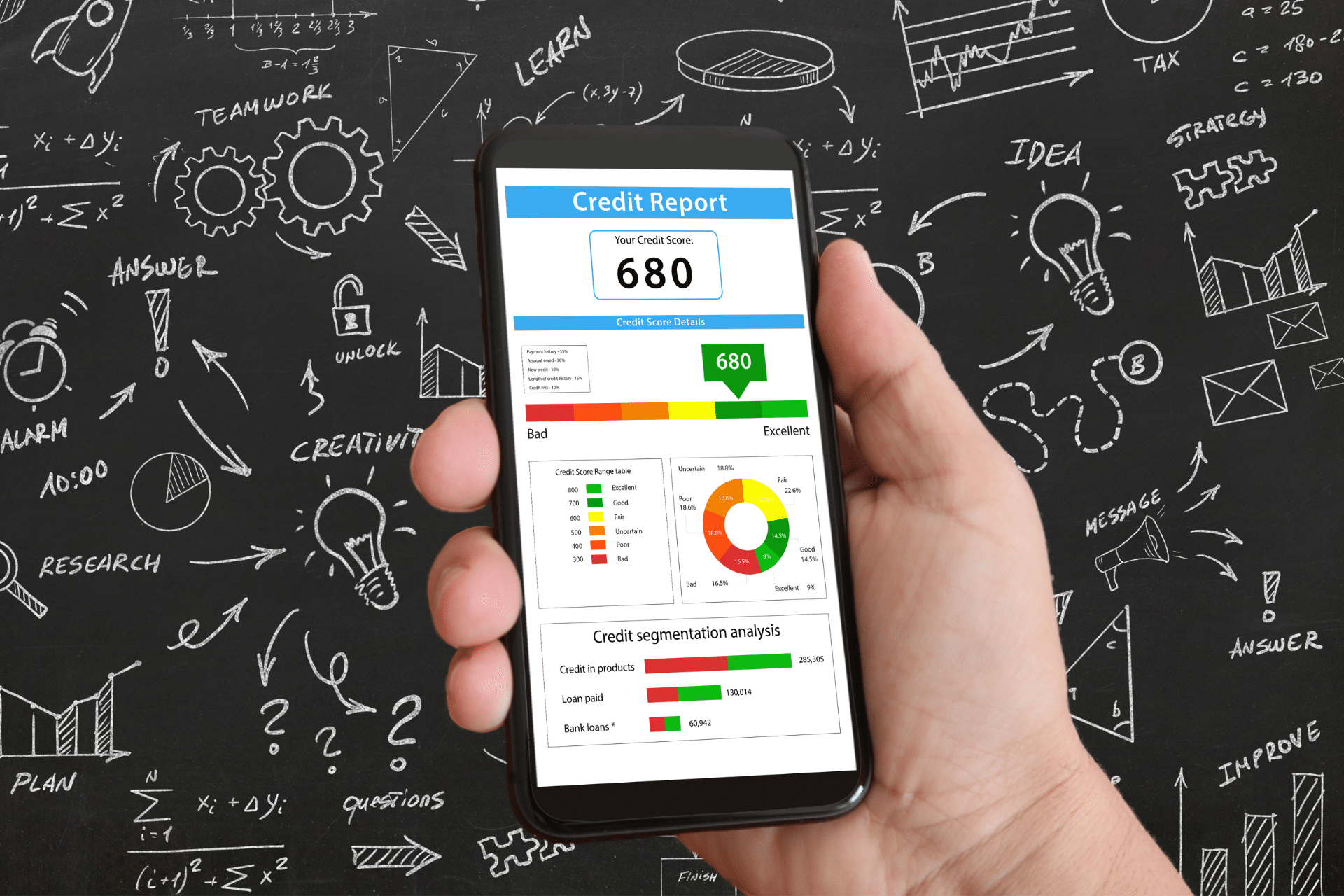
The makeup of credit scores varies on the scoring model used for each credit report. The two most used credit scoring companies by lenders are FICO and VantageScore®. The more popular type of credit score is the FICO score, and it is calculated on multiple scoring models. FICO scores typically range from 300 to 850 – the higher the score the better your credit report. Numerous factors affect your FICO score.

How FICO Credit Works?

Numerous factors affect your FICO score. The credit data that builds your FICO score is gathered by the three main credit bureaus: Experian, TransUnion, and Equifax. A FICO credit score is determined by analyzing five pieces of data. The data categories include payment history (35%), amounts owed (30%), length of credit history (15%), credit mix (10%), and new credit (10%).

The Effects of Not Paying Your Debt

Credit card debt impacts your credit score if not paid on time. Missing or late payments past grace periods can have a negative effect as its reporting accounts for 35% of your FICO score. On the extreme side, not paying your credit card debt will cause you to default, resulting in turning over your account to collections.

Your credit card payment history is a crucial indicator to lenders about your money management habits and how you might handle future payments. It is possibly the most influential factor to monitor. Set automatic payments or reminders to stay on track with all your credit card payments.

Credit Card Debt Impacts Credit Utilization

Notice that the amount owed category in your FICO credit score counts towards a large chunk – precisely 30%. As a result, credit card debt rolls in and affects your credit score. This part of your credit score can also be described as your credit utilization ratio. The credit utilization ratio calculates what percentage of your credit limits is used up by credit card debt.

It is recommended by experts to keep credit utilization under 30%. You can calculate your credit utilization ratio by adding up all your credit card balances (credit card debt), then add up your credit cards’ credit limits. Calculate what percentage of your debt is taking up your total credit limit.

If your calculations show your credit card debt makes up more than 30% of your credit limits, then chances are your credit score is taking a significant hit from your debt. Additionally, maxing out a credit card is not a good look to lenders as it signals the applicant may be overextending themselves, therefore considered a high-risk.

Do Balance Transfers Hurt Your Credit Score?

Credit card balance transfers can benefit anyone looking to quickly chip away at credit card debt and save money on interest. However, the credit card debt you transfer can have a minor negative effect on your credit score. Firstly, if you do a credit card balance transfer and close out the original existing account, your score might drop for two reasons.

The first reason is that it affects the length of your credit history, which accounts for 15% of your FICO score. This doesn’t mean you should never close out an old account. If you have too many credit card accounts open and you’re working on your credit, it’s okay to close accounts and get organized. Everyone’s credit journey is different.

Related Article: The Best Balance Transfer Credit Cards

The second reason closing out an existing credit card account may not always be helpful to your score is that it may affect your credit utilization. For example, say you have a credit card with a $9,000 credit limit and a $7,000 balance. You may choose to do a balance transfer to benefit from better rates and 0% intro APR offers. If the new balance transfer credit card has an exact $7,000 credit limit, your overall available credit will reflect a maxed-out credit card. Additionally, you have now lowered your total credit limit, which will result in a higher credit utilization ratio.

Lastly, your credit score might take a dip in the transition phase of your credit card balance transfer. Your old credit card balance may reflect on your report concurrent with your balance transfer. Therefore, showing two different credit lines with high balances. For example, a $7,000 balance might turn into double ($14k) during the balance transfer transition. This is a minor concern because the next month should reflect the original balance as current.

Related Article: Paying Off Debt – Debt Avalanche vs Debt Snowball

Featured image by alexsl/Getty Images Signature

Medical Credit Cards & Loans Drive Up Patient Debt

Medical Credit Cards & Loans Drive Up Patient Debt

Last updated on September 6th, 2023

A new Consumer Financial Protection Bureau research report finds medical credit cards and loans with deferred installment payments are driving up debt for patients and their families. Here’s what you need to know.

Patients Targeted For Medical Credit Card Signups

Medical costs in the U.S. can be expensive for patients. A recent report from the Consumer Financial Protection Bureau (CFPB) shows patients are getting pushed to opt for costly medical credit cards and loans to cover their medical bills. The CFPB research uncovers recent findings for high-cost specialty financial products, including how patients attempt to alleviate medical costs.

To ease the stress of medical bills, Americans seem to turn to credit cards. However, the credit card options they are turning to are not the conventional cards you might use for everyday purchases. Instead, patients are being guided, most of the time by medical establishments, to use financial specialty products, like medical credit cards. Interest rates on financial specialty products typically reach atop 25%. In return, the outcome of using medical credit cards may carry added stress for medical bills such as decreased access to credit, collection litigations, and increased potential for bankruptcy.

Designing Costly Loan Products

“Fintechs and other lending outfits are designing costly loan products to peddle to patients looking to make ends meet on their medical bills,” said CFPB Director Rohit Chopra. “These new forms of medical debt can create financial ruin for individuals who get sick.” Source.

According to the report, fintech companies continue to create an increasing number of financial products for patients. It is essential to note that most of the terms for medical credit cards and installment loans have interest rates much higher than those of traditional credit cards, which range from 26.99% to 16%. Due to the nature of the medical loans’ deferred interest plans, patients can get stuck with a pile-up of high-interest, typically due at the end of a defined period. As a result, patients experience the stress of medical bills that are too expensive and unaffordable.

From 2018 to 2020, patients and their families have used specialty medical credit cards or loans (with deferred interest periods) to pay nearly $23 billion in healthcare expenses – for more than 17 million medical purchases. These are all payments for individual services ranging from as low as $35 to as high as $40,000. These large numbers include various healthcare services like basic medical care, lab work, medications, dental, and more.

CFPB research findings:

  • Medical financing companies market their products directly to healthcare providers
  • Patients need guidance on terms and risks
  • Patients can get stuck with ballooned deferred interest and lawsuits

To view the full report, click here.

Overall, patients need additional assistance when choosing a payment plan for their medical expenses. Healthcare providers are pitching different payment options to patients even though they may not have the proper training to help guide them toward the more affordable option. As a result, patients get handed inflated repayment rates, which can lead to lawsuits pursued by creditors, otherwise not pursued by healthcare providers. Healthcare providers may be more inclined to offer specialty payment options to patients because financial firms market their products as less risky for the provider.

Related Article: The Best Credit Cards For Health & Wellness

Featured image by Nodar Chernishev/Getty Images

Citizens Bank Launches 1st Mastercard Touch Card™

New Citizens Private Client™ World Elite Mastercard® Brings Innovative Design Elements and Unique Customer Benefits

Last updated on September 6th, 2023

When it was first announced in 2021, financial and accessibility experts hailed the Mastercard Touch Card™ as a gamechanger in providing card products for blind and partially sighted people. Now, two years later, Citizens Bank is the first to bring the technology to the market, with a new cash back credit card aimed at private wealth customers.

Citizens Bank Launches New Citizens Private Client™ World Elite Mastercard®

Citizens Bank has launched a new cash back credit card exclusively for Citizens Private Client™ clients. The new Citizens Private Client™ World Elite Mastercard® offers 2% cash back on all purchases, lounge access, and more. What truly sets the card apart, however, is Mastercard’s Touch Card™ feature.

The First Mastercard Touch Card™ Credit Card in the United States

Mastercard Touch Card™ was first announced in 2021. The innovative Touch Card was created after input from the Royal National Institute of Blind People in the UK and the nonprofit Visions/Services for the Blind and Visually Impaired in the US. Notches were selected instead of Braille, as research indicates that blind users do not use Braille when using their cards, according to Mastercard research.

Mastercard’s Touch Card improves accessibility for customers who are blind and partially sighted with innovative, tactile notches — rounded for debit, squared for credit, and triangular for prepaid — so anyone can identify their cards with just a touch. Mastercard’s Touch Card has been vetted and endorsed by various industry organizations worldwide.

Credit Debit Prepaid

“The launch of the new Citizens Private Client Mastercard is an exciting milestone in our expanded partnership with Citizens,” said Linda Kirkpatrick, President of North America at Mastercard, in a press release. “Embedding Mastercard’s Touch Card feature exemplifies our mutual commitment to innovation and customer experience. We look forward to continuing to work with Citizens to create the best experiences for their cardholders.”

Impressive Travel Perks

But the new Citizens Private Client is more than just an innovative card seeking to redefine credit card accessibility. It’s also a valuable (and versatile) cash back and travel rewards credit card.

The Citizens Private Client Mastercard earns an unlimited 2% cash back rewards with every purchase. There are no caps on rewards, and cardholders never have to worry about their rewards expiring. Cardholders can cash out rewards as either a direct deposit into a Citizens Bank account or as a credit card statement credit.

What other travel perks does the card offer? There’s something for every traveler, with TSA Precheck or Global Entry fee statement credits, access to over 1,300 airport lounges via the Priority Pass Select network, and no foreign transaction fees when shopping abroad. There is also Worldwide Automatic Travel Accident & Baggage Delay Insurance coverage up to $500,000 thanks to World Elite Mastercard® benefits and protections.

“The launch of the Citizens Private Client metal card is another strong step in building a world-class offering for our Private Client customers,” said Brendan Coughlin, Vice Chairman and Head of Consumer Banking at Citizens. “We are committed to being our customers’ trusted financial advisor by providing cutting-edge products, advice, and experiences that reward them for their business and loyalty. This innovative launch with Mastercard is another example of the continued value our customers receive when banking with Citizens.”

For more information on the new Citizens Bank credit card, check out our comprehensive Citizens Private Client™ World Elite Mastercard® review.

Related Article: The Best Fintech & Crypto Credit Cards

Featured image by Citizens Bank

Advertiser Disclosure

BestCards is an independent, Florida-based credit card comparison platform. Many of the card offers that appear on this site are from companies from which BestCards receives compensation. This compensation may impact how and where products appear on this site (including, for example, the order in which they appear). BestCards does not include all card companies or all card offers available in the marketplace.