Laurel Road Launches New Student Loan Credit Card

laurel road student loan cash back

Last updated on February 20th, 2024

Laurel Road, a leading servicer of U.S. student loans, has a new cash back credit card issued by KeyBank. The new Laurel Road Student Loan Cashback℠ Card offers up to 2% cash back on all purchases when those rewards are used to pay off eligible student loans – a novelty in the credit card rewards space. Here is what you need to know about the new card, which is now live to applicants:

KeyBank Launches New Laurel Road Student Loan Cashback℠ Card

KeyBank and subsidiary Laurel Road have a new credit card: the Laurel Road Student Loan Cashback℠ Card. The new card prioritizes paying off student loans, with users earning additional value when using their cash back rewards for that purpose.

The card, a World Mastercard, earns an unlimited 1% cash back on all eligible purchases. However, what sets the Laurel Road card apart is that 1% turns to 2% cash back when applied to a student loan balance with an eligible servicer.

One of the unique features of the Laurel Road Mastercard is that the additional value doesn’t only apply to Laurel Road loans. Instead, the bonus cash back applies to almost 95% of U.S. federal and private student loan originators and providers. For a complete list of eligible loans, check out our full review, but it includes major names such as Discover, Sallie Mae, Wells Fargo, American Education Services, and even Navient.

Special $500 Student Loan Cash Back Bonus for Launch

KeyBank and Laurel Road are also offering two special bonuses in honor of the card’s launch. First, new accounts can earn a $500 student loan cashback bonus or a $250 statement credit after spending $5,000 within the first 90 days of opening a new card. Second, new accounts enjoy 0% intro APR on balance transfers for the first 12 months.

Student Loans a Major Worry for Americans

The coronavirus pandemic saw a temporary halt to mandatory student loan payments. While this pause has been beneficial for the strained finances of many Americans, it is only temporary.

The new Laurel Road credit card attempts to provide some relief for those suffering from an arguably broken education finance system. The Laurel Road card aligns credit card rewards with supporting student loan repayment, helping those with steady disposable income accelerate their student loan repayments.

About Laurel Road

Laurel Road, a division of KeyBank, is a student loan originator and servicer. Since 2013, Laurel Road has helped thousands of professionals with undergraduate and postgraduate degrees consolidate and refinance more than $7 billion in federal and private school loans. Laurel Road also offers a suite of online graduate school loan products, personal loans, and mortgages that helps simplify lending through technology and personalized service.

Related Article: Sallie Mae Aims to Help Students And Graduates Build Credit With Three New Cards

Featured image by QuinceCreative / PixaBay

Get Up to $1,000 with Divvy’s “Spend on Us” Promotion

get up to 1000 with divvys spend on us promotion

Last updated on January 10th, 2024

Divvy, a novel business credit and expense management solution, allows companies to control their financials efficiently – for free. The company has now launched a limited-time promotion where customers can earn up to $1,000 back just for using their card. Find out how below.

Divvy’s Limited-Time Promotion

Divvy, a future-forward fintech company, has made waves recently with its simplified expense management solutions for businesses. The company now aims to grow its customer base with an enticing new offer: A bonus of up to $1,000 back.

This appealing incentive can help proprietors of businesses big and small to cover essential purchases or to increase cash reserves.

How to Earn $1,000 with Divvy’s Spend on Us Offer

To cash in on Divvy’s Spend on Us incentive, customers must pass a spending threshold within 30 days of opening an account. This means that eligible participants must be new clients. However, those who have not spent through their Divvy account in over 90 days are also qualified to earn the bonus.

Worth noting: The bonus is up to $1,000. You can receive cash back for spending as little as $5,000, but this will also return a smaller amount. To earn the maximum bonus, you’ll need to spend at least $100,000 during the given timeframe.

Those interested in applying can do so here.

How Divvy Compares to Other Business Credit Cards

Divvy is more than just a sleek-looking digital credit card and a generous welcome bonus. The service, including the Bill Divvy Corporate Card charges no fees and allows clients unlimited creation of virtual cards for as many employees as desired.

Moreover, those who want more control of their spending, as well as headache-free software, are in luck. Divvy offers enforceable budgets and spending limits and proprietary expense management software that is easy to integrate with.

About Divvy

Learn more about the Divvy card and its suite of business solutions in our full product review.

Related Article: Divvy Card Vs. Ramp Card: Read this First

Photo by Israel Andrade on Unsplash

Mastercard Hails Crypto Plans as “Act of Brilliance”

mastercard-hails-crypto-plans-as-act-of-brillaince

Last updated on April 24th, 2023

Mastercard’s new partnership with Gemini – and other cryptocurrency firms – is “an act of brilliance,” according to its head of fintech. How does Mastercard, the world’s second-largest payment network, see the future of crypto evolving, and is this the start of a new trend in crypto credit card rewards?

Mastercard Call Gemini Card Partnership “an Act of Brilliance”

Speaking at the Consensus conference in May, Jessica Turner, Mastercard’s global head of new digital infrastructure and fintech, described the payment network’s new partnership with Gemini as “an act of brilliance.” The partnership, one of Mastercard’s many with fintech and crypto firms, will launch a new crypto rewards credit card – the Gemini Rewards Mastercard later this year.

The new Gemini Mastercard is an interesting cash back crypto credit card from Gemini, a leading cryptocurrency exchange and WebBank. The card will offer real-time crypto rewards, no annual fee, and up to 3% back on eligible purchases.

Crypto Rewards Set to Upset Traditional Cash Back Rewards

While the Gemini Mastercard is an early example of a crypto credit card, it isn’t the only one. More and more fintech startups are targeting Bitcoin, Ethereum, and other stablecoin currencies as a new form of rewards – intending to upset the traditional, fiat money approach to cash back.

This shift in rewards has grown significantly over the last 18 months, according to Turner. “Certainly three years ago, people probably weren’t as excited about earning crypto as they are now,” she said in pre-recorded comments at the conference. “Understanding that and using it as an opportunity to get more people involved in the cryptocurrency space in a safe way by offering rewards with something that people know how to use in their everyday life – which is Mastercard – is really an act of brilliance.”

Mastercard Eyes Security of Stablecoin

Mastercard’s involvement with fintech and crypto firms, like Gemini, follows an earlier announcement that the company would fast-track projects with digital currencies – especially stablecoins. According to Turner, the preference for stablecoin is no accident – it represents the best option in the world of extremely volatile cryptocurrencies:

“We announced recently that we will support stablecoins on our network, and that’s because stablecoins don’t have volatility,” Turner stated. “It could be stablecoins today, it can be our normal card network other days, it can be an ACH for other things. We’re a multi-rail organization.”

Related Article: Win a Limited-Edition Beeple x Gemini Credit Card

Featured image by AKuptsova / PixaBay

TD Bank Adds Foreign Transaction Fees to Credit Cards

o TD Bank Adds Foreign Transaction Fees to Credit Cards

TD Bank has quietly rolled out foreign transaction fees to all its consumer credit cards. The new fees, which began at the end of March, include a foreign transaction fee of 3%, echoing moves by other credit cards – including the PayPal Mastercard from Synchrony.

TD Bank Adds Foreign Transaction Fees to Its Credit Cards

It appears TD Bank is the latest credit card issuer to add fees to their credit cards. Multiple TD Bank customers were quick to notice that the bank added foreign transaction fees to all of their credit cards effective March 31, 2021.

TD Bank credit cards now feature a foreign transaction fee of 3% of the amount of each transaction in U.S. dollars. This fee is the same charge the bank added to its debit cards in early 2020, a change which also saw a $3 charge for non-TD Bank ATM use.

Fees Seek to Recoup Losses Due to Inflation

While the addition of a foreign transaction fee is not remarkable (nor is the 3% charge – fairly standard rate), it points towards an increasing industry trend towards fees to compensate for rising inflation. Several credit cards have seen additional fees in recent months, including several co-branded cards from Synchrony.

The coronavirus pandemic substantially impacted the global economy, driving down interest rates to combat rampant unemployment. As the economy has recovered, however, borrowing rates remain low, leading to inflation.

TD Bank’s New Card Offerings

TD Bank has been in the news recently for more than just new fees. The bank also recently launched its new TD Double Up Card. That card offers 2% back when funneling the rewards into a TD Bank deposit account. The bank also added this 2% back savings to one of its small business credit card offers, the TD Business Solutions Card.

Related Article: TD Bank & The Budgetnista On Credit Cards, Credit Repair, and More

Featured image by PublicDomainPictures / PixaBay

BlockFi Announces Changes to New Crypto Credit Card

blockfi-announces-changes-to-new-crypto-credit-card

Last updated on April 25th, 2023

The BlockFi Bitcoin Rewards Visa Signature Card is a crypto credit card from fintech BlockFi. Currently in the waitlist stage, the card offers unlimited 1.5% cash back in Bitcoin, with other enticing bonuses. BlockFi is releasing new changes to the BlockFi Card, including no annual fee and updated benefits. Here is what you need to know:

BlockFi Introduces New Features to The BlockFi Bitcoin Rewards Visa Signature Card

While not live yet, the BlockFi Bitcoin Rewards Visa Signature Card continues to attract attention. The card, part of an ever-growing subset of crypto rewards cards, has all the makings of a breakout credit card in 2021. Now, BlockFi is announcing even more changes to the product before its upcoming launch.

New BlockFi Card Features

Perhaps the most eye-catching change to the new BlockFi Visa is the addition of a new sign-up bonus. New accounts enjoy a special introductory earning rate of 3.5% Bitcoin rewards rate for the first 90 days after opening an account. This sign-up bonus applies to the first $100 in BTC.

BlockFi is also making changes to the everyday rewards rate of the card. The unlimited 1.5% back in BTC rewards remains, but cardholders will now earn 2% back in Bitcoin on every dollar spent over $50,000 annually.

Another change to the new BlockFi Bitcoin Rewards Visa Signature Card is no annual fee. The BlockFi Visa previously featured an annual fee of $200, so the waiving of that charge is excellent news for new cardholders. Additionally, the fintech offers no foreign transaction fees, making the card an exciting offer for consumers who want to earn Bitcoin anywhere in the world they travel, with no hidden fees.

Finally, potential applicants can check their chances of getting the new BlockFi Visa Signature without any impact to their FICO Score. Applicants can see if they’re pre-approved without impacting their credit score before they apply.

“A Major Disruptor”

“Our new credit card is going to be a major disruptor in the crypto industry, making it easier and more convenient than ever before for anyone to earn Bitcoin while engaging in day-to-day transactions,” said Zac Prince, founder, and CEO of BlockFi in a press release announcing the changes. “And thanks to our partnership with Visa®, clients will enjoy the advantages of a product that can be used around the globe.”

For more information on the new card, check out our comprehensive BlockFi Bitcoin Rewards Visa Signature Card review.  

Related Article: Is Bitcoin the Future of Credit Card Rewards?

Featured image by TheDigitalArtist / PixaBay

How to Bounce Back From a Credit Card Account Shutdown

how to bounce back from a credit card account shutdown

Last updated on April 13th, 2023

Life can be full of surprises, both good and bad – and when your bank suddenly takes away the ability to use your credit card, that is more surprise than you bargained for. Although it may seem sudden, there’s almost always an explanation for a credit card account closure.  A quick phone call to your card issuer can illuminate what the issue was – and in some cases allow you to reinstate your credit card quickly; in other cases, however, the closure may be permanent. If you’re wondering how to bounce back from a credit card account shut down, here is what you need to know.

What Is a Credit Account Closure?

Defining a credit card account shutdown or closure is pretty straightforward. When your bank or credit card issuer stops offering you credit on your credit card accounts and closes the line, that is a credit card account closure.

If you’ve ever grabbed a magnifying glass and scanned the terms and conditions document that accompanies each of the credit cards you hold, you’ve probably seen that banks and credit card issuers reserve the right to suspend or close your account, without warning, for a myriad of reasons ranging from nonpayment to inactivity, and even suspected fraud. In some instances, the bank may not even contact you to give you a heads up.

Why Do Banks Close Credit Card Accounts?

Sometimes, this shutdown is due to a simple issue or even miscommunication, making it extremely easy to resolve. In other cases, the situation can be a bit more complicated.

Even if you have a long history of making your payments on or before the deadline and paying them in full, one missed or late payment can cause a credit card issuer to overlook your previously untarnished reputation in favor of an account shutdown, at least temporarily.

What are the most common reasons a creditor might close my account?

  • Inactivity: The card is inactive with no outstanding balance. Credit card account shutdowns due to inactivity usually occur after a year or more with no purchases or balance transfers on the card.
  • Delinquency/ Default: This event usually occurs after one or more late or missed payments on the card account.
  • Card Program Deactivation: Your account might be shut down if the credit card issuer no longer offers the terms of the account of the card program or if the card type has been discontinued.

Many credit experts agree that banks often don’t care what your history is; their primary concern is how your credit and payment history look right now.

This focus is one of the principal reasons that an account can be disabled either temporarily or permanently when you miss even one payment. Missed payments are often the result of significant life disruption.

When we lose our job, visit the emergency room or have a serious medical procedure, or go through a divorce, often our focus isn’t on our credit card debt and monthly payments can easily be swept under the rug. Sometimes the card issuer will take this into account, but this isn’t a guarantee.

What Impact Will a Credit Card Account Closure Have On Your Credit Report?

Having a credit card account closed or shut down can have a severe impact on your credit score. A closed card account immediately reduces your available credit, raising your credit utilization rate. Credit utilization is the amount of available credit on all of the credit accounts you use. It is one of the most significant impactors on a person’s FICO or VantageScore credit score.

Having a credit card account closed also reduces the average age of credit on your credit report. The average age of your credit accounts lets lenders judge your experience with credit, and the longer your history, the better.

Finally, when a bank closes your card account, it remains on your credit report for up to seven years. Your credit report contains various information, including the date of account opening, credit limits, balances, and payment history. Credit bureaus also report on unpaid bills, negative remarks, and other items – including closed accounts.

What to Do If Your Account Is Shut Down?

Now that you know your credit card account was closed, what next?

The first step is to contact the company that issued your credit card to find out why your account was suspended or closed. Once you’ve determined whether the issue at hand is inactivity, nonpayment, fraud, or something more, you can make a plan to tackle the issue head-on.

Typically, accounts suspended due to inactivity or fraud can be fixed quickly, often with one phone call. However, if you’ve missed one or several payments, regaining your account will require more effort on your part.

To reverse the suspension, you’ll be expected to cooperate fully by bringing your account current – paying whatever money is due at that time, including all late fees, as soon as possible. This will not only will bring you back into good standing, paving the way to reinstate your account, but it will be a significant first step toward bringing the total balance on your credit card account down.

Once the account is current, it will be imperative to make on-time payments regularly; meeting your monthly obligations will show the card issuer that you are a customer who can be taken seriously and not a risk.

Penalty APR

When a lender flags your credit card account as delinquent due to a series of missed payments, issuers are likely to change your terms. When you signed up for your credit card, you also agreed to a penalty APR that is utilized in the instance that you make a late payment or miss one entirely.

Penalty APRs can apply to both new purchases and the full balance on a card and typically average at 29%. Penalty APRs usually apply for at least 60 days after a missed payment. That time frame can be extended at the bank’s discretion, so it’s essential to ensure that you fulfill your monthly obligations when it comes to paying off each statement.

Banks and card issuers will evaluate the number of missed payments on your account and your overall creditworthiness, and this information will help them determine whether they will apply the penalty APR and for how long.

Conclusion

Your credit score can change instantly, so it’s essential to plan and ensure that payments are made on time to not risk having an account suspended or even terminated.

A credit card account can be closed for many reasons, the most common of which include delinquency and late or returned payments – and continued neglect will just dig that hole deeper. Since a closed account can bring down your credit score, it’s best to avoid it when possible – especially when it’s due to delinquency.

With proper planning, it is easy to avoid having an account suspended or closed – and, in the case that this does happen, there are tools available that can help you climb out of the hole you’ve dug.

Related Article: Can You Pay Off a Credit Card with a Credit Card?

Featured image by Getty Images

Update: Barclays View Mastercard Replacing Financing Visa

new-barclays-view-mastercard-replaces-financing-visa

Last updated on September 19th, 2023

Originally published April 4, 2021

The Barclaycard Financing Visa is no longer available for new applicants. That card previously provided special financing terms for select purchases. However, Barclays began notifying existing Financing Visa cardholders in April that their current card will convert into a new product called the Barclays View Mastercard in May. Two months on from the news of the new View Mastercard announcement, what should we make up the newest addition to the Barclays credit card lineup?

Barclays Converting Existing Barclaycard Financing Visa to New View Mastercard

Existing Barclaycard Financing Visa cardholders will have their existing card converted into the Barclays View Mastercard. The product change will occur on May 7, 2021, according to letters mailed to cardholders.

The new Barclays View Mastercard will differ significantly from the previous Financing Visa. The View card will earn rewards in the following categories:

  • 3X points per dollar on dining
  • 2X points per dollar on streaming services as well as internet service provider, phone, and TV bills
  • 2X points per dollar on groceries
  • 1X points per dollar on all other eligible purchases

Barclays Offers Updates on Reward Categories

Since the ordinal article, Barclays has provided several updates on the rewards the new View Mastercard will provide. The largest bonus category, dining, for example, will include both take out and delivery services like UberEATS, GrubHub, DoorDash, and others. Like other cards that earn points on grocery store purchases, the View card also excludes groceries from “box stores,” such as Target and Walmart.

Perhaps the biggest update regarding rewards, however, is the list of streaming services that qualify for the 2X points category. Most issuers hide behind vague language and only list a few major names, like Netflix, YouTube TV, or Spotify. the fact that Barclays unveiled its entire streaming lineup is a great benefit for existing Barclaycard Financing Visa cardholders – and new applicants. Here’s the full streaming service lineup that earns 2X points per dollar spent:

  • Apple TV
  • Apple Music
  • CBS All Access
  • Direct TV
  • ESPN Plus
  • Fubo TV
  • Hulu
  • Netflix
  • NFL Game Pass
  • NFL Sunday Ticket
  • NHL TV
  • Pandora
  • Showtime
  • Sirius XM
  • Sling TV
  • Spotify
  • Starz
  • Vudu
  • YouTube Premium
  • YouTube TV

Given the high costs of services from the NFL, plus TV services like Hulu, Fubo, and others, getting 2X points on these plans is a great perk that can provide exceptional value for cardholders.

Special Financing

The Barclaycard Financing Visa (also known as the Barclaycard Visa with Apple Rewards) was, at its heart, a card that provided special interest rates on select purchases. With the shift to a new rewards card, many feared that their new View Mastercard would lose what they initially sought in the Barclaycard in the first place. Fortunately, Barclays has listened to these concerns and is keeping some features of the old Financing Visa. The Barclays View Mastercard will offer accountholders limited-time offers to enjoy deferred interest financing on purchases at select electronics retailers, like Apple, Best Buy® and more, based on their account eligibility

Barclays Branching Out from Co-Branded Cards?

The Barclays View Mastercard launch appears to signal the British banking giant’s return to issuing its own credit cards. Barclays previously issued its own cards – notably the popular Arrival cards – before their withdrawal some years ago.

The bank now issues co-branded cards from leading airlines, cruise lines, and brands. These cards include the Carnival® World Mastercard®, JetBlue Card, and the AAdvantage® Aviator® Red World Elite Mastercard® Recently, the bank issued two new cards from AARP, the AARP® Essential Rewards Mastercard® and the AARP® Travel Rewards Mastercard®.

Related Article: The Ultimate Guide to Credit Cards for Groceries & Delivery Services

Featured photo by JoJo Chuk / Burst

New Chase Sign-Up Bonuses for Southwest & IHG Cards

chase southwest ihg credit card bonus

Last updated on April 5th, 2023

Chase has new sign-up bonuses for some of its popular travel rewards cards, fresh for summer travel, and the easing of coronavirus travel restrictions. IHG® Rewards Club Premier cardholders, as well as all Southwest Rapid Rewards® consumer credit cardholders, can enjoy lucrative bonus point offers that can help them shake the COVID blues and get out and explore!

Southwest Rapid Rewards – Earn Up to 65,000 Bonus Points

Southwest Rapid Rewards® consumer cards now enjoy some of their most lucrative sign-up bonuses yet. New applicants can earn 65,000 points after spending $2,000 in the first three months of opening an account. Here are the three Southwest Airlines® consumer credit card offers from Chase:

The three consumer cards from the carrier previously earned 40,000 bonus points, so an additional 25,000 points are undoubtedly welcome news to potential travelers weary from a year of lockdowns and travel restrictions. This bonus is even more lucrative thanks to all points counting towards Southwest’s coveted Companion Pass®, which allows a companion to fly with a traveler for just the cost of taxes and fees.

Even better, Southwest has added or announced nearly twenty new destinations, including Colorado Springs, Miami, and Santa Barbara. This means it is now easier than ever to travel “where you wanna” or “when you wanna,” making more much-needed trips and travels a reality.

IHG® Rewards Club Premier – 150,000-Point Sign-Up Bonus

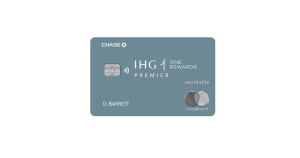
Chase is also upping the ante with its IHG® Rewards Club Premier Card. The card, from leading hospitality brand InterContinental Hotels Group, previously enjoyed a 125,000-point introductory offer.

Now, new IHG® Rewards Club Premier Cardholders can anticipate an even juicer reward: 150k points! New accounts will earn 150,000 bonus points after spending $3,000 on purchases in the first three months from account opening. Plus, new card members will also enjoy no annual fee for the first year ($89 after that).

IHG® Summer Rewards Promotion

New and existing IHG cardmembers can earn even more via IHG’s summer rewards promotion. The new promotion, running through August 16th, allows IHG Rewards members to earn 2X bonus points on their second qualifying stay and 3X bonus points on their third and subsequent stays.  Plus, U.S. credit cardholders earn 3,000 bonus points on their second stay and another 3,000 bonus points on their third stay when using their IHG Rewards Club credit card to book and stay at any of IHG’s hotels or resorts globally.

Related Article: The Ultimate IHG Rewards Club Program Guide

Featured image by Shopify/ Burst

Why Credit Cards Are a Must-Have for a Big Purchase

why-credit-cards-are-a-must-have-for-big-purchases

Last updated on September 20th, 2023

Responsible users of credit cards have many options when it comes to making a large purchase such as televisions, vacations, and home appliances. On one hand, there are many institutions offering generous 0% introductory APR for up to 18 months on purchases, and there are just as many card issuers offering credit card rewards and perks in the form of airline points, free nights at hotels, and concierge services. Here’s why you should use your credit card when making big purchases.

Why Credit Cards Are a Must-have for a Big Purchase: Three Case Studies

Smart consumers who save up for a big purchase and pay it off with a specific kind of credit card have many more options than someone who just spends with cash on an item down. Here are three examples of consumers making big purchases, showcasing why putting a purchase on a credit card might be a good idea:

Consumer A, Consumer B, and Consumer C all spent months saving up for a brand-new 55″ 4K television costing $1,000. Consumer A applied for a 0% APR credit card from the electronics store which doesn’t charge interest for the first 36 months. Consumer B decided to apply for a rewards card offering 100,000 sign up bonus points if they spend $3,000 in three months. Consumer C paid for the television in cash with exact change via their debit card tied to their bank account.

The Benefits of 0% Introductory APR

Consumer A has more options as a result of the three-year period where they have an APR grace period and won’t have to pay interest. . A 55″ 4K television at a price of $1,000 with a 7% sales tax adds up to $1,070, and divided by 36 months the average payment would be $29.72.

Consumer A could feel very comfortable with this figure as they’d save up the full purchase amount, and then realize they’d rather go with a 65″ inch television for $1,200. The 65″ television costing $1,200 would total up to $1,284 with the same sales tax, and divided by 36 monthly payments would cost $35.67 – a difference of less than $5 in payments per month.

Consumer A could also get the original $1,000 television with a 0% APR credit card, pay off the television with 36 monthly payments of $29.72, and spend $200 of the originally saved up $1,000 on a powerful sound bar to compliment the stunning picture of their new TV.

Using a Rewards Credit Card for Big Purchases

Consumer B has options in the form of what kind of travel perks they’d enjoy, depending on the credit card they apply for. If they like local staycations they might want a hotel credit card. If they fly more often it would make sense for them to use an airline credit card.

Consumer B can receive a travel credit card where $3,000 spent in three months unlocks 100,000 intro bonus points, charge the $1,000 4K television to it, and only $2,000 will need to be charged before the 100,000 intro bonus points threshold is reached.

If Consumer B has more than $2,000 of bills to pay (not including rent or mortgage payments) in three months those 100,000 intro bonus points can be easily unlocked. A fun way to think of this is Consumer B is buying a $1,000 4K television, and getting a few round-trip flights or a couple of nights at nice hotels for free.

Using Cash or a Debit Card for Large Purchases

Consumer C has the least flexibility as paying with cash doesn’t improve their credit score, or give them any amazing travel rewards. Both retail and travel credit cards offer the most bang for the buck when big purchase items are charged to them, and anyone paying with just cash is missing out on up to hundreds of dollars in benefits.

Consumer C’s bills may not exceed $2,000 in three months, but even a cash back card can offer them a bit of money back with just the cost of the $1,000 television alone, and their credit score will go up. Relying on checking accounts can help minimize the headaches when shopping, but it also has ramifications beyond the cost of the TV, including offering no help in building a good credit score.

Conclusion

Saving up $1,000 and looking up the specifications of various 4K televisions in a particular price range isn’t the only research consumers should do when making a big purchase. Wise users of credit cards can strategically use big purchases to stretch out the payments of a specific item, unlock hundreds of dollars of travel rewards, and improve their credit score.

Everyone either really looks forward to or dreads their next big purchase, but with the right credit card, it can also be a great excuse to also plan a vacation.

Related Article: Retail Credit Cards: Your Ultimate Guide

Featured photo by Sarah Pflug / Burst

American Express Shop Opens at Barclays Center

american express shop

Last updated on January 29th, 2024

American Express and the Barclays Center in Brooklyn, New York, have teamed up for a new checkout-free shopping experience in the arena’s main concourse. The new American Express Shop features both concessions and team and even merchandise to help fans avoid long lines using their Amex card.

Amex Opens American Express Shop at Barclays Center

The coronavirus pandemic has placed a premium on the ability of consumers to use contactless payments. This increasing demand for a streamlined payment procedure has led to the growth in popularity of mobile wallet apps, such as Apple Wallet or Google Pay, and the increased rollout of contactless payment technology in credit and debit cards.

American Express and the Brooklyn Nets are taking this trend to the next level, with the new American Express Shop launch in the Barclays Center. The new shop, located in the arena’s main concourse, on the Atlantic Avenue side of the arena near the American Express entrance, offers a “frictionless shopping experience” for Amex cardholders.

American Express cardholders gain entry to the shop via their Amex card. After tapping their Amex card on the panel on the turnstiles, customers have a wide selection of products to choose from, including snacks and drinks, team merchandise, and more. Sensors within the store identify the weight of each item selected off the shelf, and the purchase prices are automatically charged to the Amex card once the guest leaves the store.

A Tech-Forward  Space Just In Time for the NBA Playoffs

Speaking at the launch of the new American Express Store, Michael Wandell, BSE Global’s (the arena’s parent company) Chief commercial officer, hailed the latest addition to the arena. “As a tech-forward company, we couldn’t be more excited to bring this transformative space to life for American Express Cardmembers just in time for the NBA Playoffs,” he said in a statement.

Related Article: TD Bank & The Budgetnista On Credit Cards, Credit Repair and More

Featured image by Barclays Center/ Amex

Best Credit Cards for Repairing Credit After Bankruptcy

bankruptcy credit card

Last updated on August 14th, 2023

Building credit after bankruptcy can seem impossible. After all, to get a credit card you typically need a good credit score – something no one with a bankruptcy on their credit report can expect. Fortunately, there are still very good credit cards for people with collections on their credit report, a recent bankruptcy, or other financial issues.

Best Credit Cards for Repairing Credit After Collections or Bankruptcy

Here are our top picks for credit cards after bankruptcy, collections, or other financial mistakes:

Self Visa® Credit Card

Bouncing back from bankruptcy is challenging at the best of times. Part of the difficulty in recovering from traumatic financial experiences is the damage is can cause to your credit score – often taking years to begin to repair. 

The Self Visa® Credit Card is an excellent soft pull credit card option helps you build your credit score twice as fast as other cards on the market. 

Self is a credit builder service that operates through its Self Credit Builder accounts. Self’s Credit Builder Account is a unique loan product where individuals with no credit history or poor credit open a loan account to “pay off” the loan into a certificate of deposit (CD) account.

Once that balance reaches $100, Self customers can choose to use those funds towards the security deposit with a Self Visa Card. The Self Visa, like many excellent secured cards, reports to the major credit bureaus every month. This regular reporting to Equifax, Experian, and TransUnion allows users to quickly raise their credit score through a series of on-time payments. 

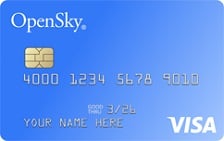
OpenSky® Secured Visa® Credit Card

The OpenSky Secured Visa is one of the best credit cards for rebuilding your credit score because it does not require a hard pull on your credit report. The application process with the OpenSky Secured Visa is straightforward and takes just a few minutes, with no impact to your credit score. Decisions are equally quick, making the entire process as painless as possible.

Part of recovering from bankruptcy, collections, or other financial hardships is learning the skills to use credit properly. The OpenSky credit education hub offers a range of articles on building credit and ensuring you can take the steps to recover from a bad financial past.

Other reasons to consider the OpenSky card include the modest annual fee, competitive APR on purchases, regular reporting to the three main credit bureaus, and more. 

Surge Platinum Secured Mastercard®

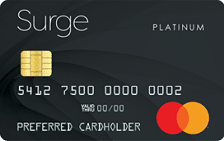
One of the newest secured cards on the market today, the Surge Platinum Secured Mastercard is a cash back rewards card that can help you build credit and save money at the same time. The card, from the same issuers of the unsecured Surge Mastercard, earns an unlimited 1% cash back on all purchases.

What makes the Surge card such an excellent option for those recovering from collections or a bankruptcy is the ability to earn cash back rewards while building a positive payment history. The card earns an unlimited 1% cash back on eligible purchases – something very few secured credit cards offer. This rewards system can help the cardholder offset some of their statement balance in the future, helping to keep monthly payments more manageable. 

The other major feature of the Surge Secured Mastercard is the potential for credit limit increases with responsible usage. Many secured cards require an additional cash deposit for a bigger credit line. However, Celtic Bank, the Surge card’s issuer, may extend additional credit – without the need for an additional security deposit.

tomo card 224x141

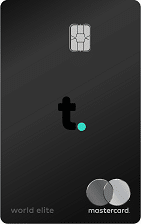
Tomo Credit Card 

The Tomo Credit Card is another interesting option for people with bad credit (or no credit history at all). The Tomo Card is another soft pull credit card that never pulls your credit report when applying. Instead, Tomo Credit relies on your complete financial picture before approving you for their card.

Some of the information that the company checks are your bank accounts, so if your checking and savings accounts with major banks are in decent shape, you may qualify for a small credit line despite recent collections or bankruptcies. Keep in mind that no credit check doesn’t equal guaranteed approval. While Tomo Credit offers credit limits of up to $10,000, those with bad credit, damaged credit, or no credit score can expect a credit limit closer to the $100 minimum.

What to Know About Collections, Bankruptcy and Your Credit Score

Negative information on your credit report can cause you to suffer financially for years after a bankruptcy or collection action. One of the main reasons these financial situations cause such damage to credit scores is because of how long they stay on your credit file.

Bankruptcies, for example, can stay on your credit report for up to ten years. Chapter 13 bankruptcies are reported for seven years from the filing date. Chapter 7 bankruptcies stay with you for ten years. Collections and charge-offs  are reported for seven years, regardless of whether you’re able to pay off the debt before that period is up. 

The other major reason why these types of financial problems cause such damage is the message they send to potential lenders. Both bankruptcy and collections accounts show that an individual has had a history of struggling to pay off their debts. 

Since payment history is the single largest contributor to a person’s FICO Score (35% of the total score), these actions have serious consequences. Fortunately, rebuilding credit from scratch using a secured card or credit card for bad credit can help you slowly raise your credit score over time.

The simplest way to build credit is by making on-time payments every month. Making small, manageable purchases and paying them off is a great way to build up a string on timely payments and show lenders financial responsibility.  Keeping your credit utilization low is another great idea. Credit utilization is as important as paying on time. Credit utilization shows lenders how you use your credit. Those who keep their credit use below 30% can expect their score to improve, while those who use less than 10% can expect a much faster score rise. Using too much of your available credit may make banks think you are stretching yourself thin financially – something you’ll want to avoid post-bankruptcy. 

Related Article: TD Bank & The Budgetnista On Credit Cards, Credit Repair and More

Featured photo by mohamed_hassan / PixaBay

TD Bank & The Budgetnista On Credit Cards, Credit Repair and More

td-bank-budgetnista-on-credit-cards-repair-more

Last updated on February 20th, 2024

With consumers placing more and more spending on their credit cards, credit building strategies and everyday rewards programs are more critical than ever before. In response to these spending changes, card issuers, like TD Bank, and introducing new rewards cards that appeal to everyday spending habits. But what else should we know about the increase in consumer credit card spending and how it can impact credit repair strategies? BestCards recently spoke with both TD Bank and financial educator The Budgetnista to find out.

The Budgetnista and TD Bank’s Paramita Pal Talk Credit Card Rewards, Consumer Spending, and More

TD Bank’s recent Consumer Spending Index (CSI) survey, which annually surveys about 1,000 consumers on their spending and credit habits, found that 28% of those respondents who said they are spending more on credit cards during the pandemic were doing so because they want to build (or rebuild) their credit score.

The recent findings were followed by the launch of the bank’s latest credit card offering, the TD Bank Double Up Card, which earns 2% back on all purchases when funneling the rewards into a TD Bank deposit account.

BestCards recently had the chance to question the Head of U.S. Bankcard at TD Bank, Paramita Pal, and personal finance guru Tiffany Aliche, also known as The Budgetnista, about credit repair, credit card rewards, the latest CSI findings, and what they mean for consumers.

Repairing Credit During a Pandemic

Building credit and credit repair are challenging at the best of times and require planning, persistence, and patience. As the Budgetnista notes, the basics of credit repair include:

  • Make on-time payments. The best way to do that is to automate your bills. This makes up 35% of your credit score.
  • Keep your utilization as low as possible. That means keep your balance on your credit card below 30% of your limit. This makes up 30% of your credit score.
  • If possible, pay off your card in full each month–it will help significantly boost your score.

But what happens to credit repair strategies during a pandemic? The COVID-19 pandemic has caused financial hardships for millions of American households due to sharp rises in unemployment. While many of the negative impacts of the virus on daily life have begun to subside, American families still struggle with lost wages, tight budgets, and other financial concerns.

Have Some Grace

According to Aliche, some leeway is essential in troubling financial times. “Normally, my view is that aggressively paying down debt, as well as saving and investing are the priority, she states. “However, during really traumatizing financial times, I encourage people to give themselves some grace. Your emergency savings are your first line of defense, and you should have enough saved to cover you for at least three months or more. If you don’t, that’s what your money should be going towards. Once your emergency fund is set up, then you can look into paying down debt again.”

This policy of grace, however, doesn’t conflict with her general belief that paying down debt and keeping credit utilization low is vital to repairing a damaged credit score: “So nothing has really changed, “she says. “it’s the same advice. I know it is not always feasible, but, if possible, that’s what you should work on. “

A Third of Americans Spending More on Credit Cards Due to Coronavirus Pandemic

As noted, the TD Bank study found that nearly a third of respondents reported spending more on their credit cards than before the coronavirus pandemic. According to the Budgetnista, spending too much on credit cards falls into two distinct categories.

The first category of over-spending on credit cards is the “spend too much” problem. According to Aliche, “you know you have a ‘spend too much’ problem if most of your expenses are non-bills like eating out, streaming platforms, etc. Those (purchases) aren’t necessary household items.”

The other type of credit card over-reliance is what the Budgetnista refers to as the “don’t make enough issue.” According to Aliche, those in this category place most of their credit card charges are going towards bills, like rent, electricity, or other recurring expenses.

Credit Card Rewards Shifting Due to COVID-19

Shifting how you use your credit cards is one way to tackle financial concerns during a pandemic. Many credit card issuers have altered their rewards programs during the COVID-19 pandemic to better align with the spending needs of their customers, with notable examples being Amex, Capital One, and Chase.

TD Bank is one of the latest card issuers to change their approach to credit card rewards, with their latest offering, the TD Bank Double Up Card. The card offers unlimited 2% cash back on all eligible purchases, placing it in direct competition with other industry-leading cash back cards, including the Citi® Double Cash Card – 18 month BT offer.

TD Bank Responds to CSI Findings

The launch of the Double Up Card was no accident, according to TD Bank’s Paramita Pal, and represents the shift from travel rewards credit cards to more everyday value credit cards:

“We’ve found that reward programs are top of mind for consumers when weighing the benefits of a credit card. According to TD Bank’s annual Consumer Spending Index surveynearly one in five Americans (17%) applied for a new credit card during the pandemic, and of that group, nearly 40% did so because they wanted a different rewards program as their spending habits had changed.

“Interestingly, we found that 62% of millennials with a rewards card said they wanted to change their travel rewards program, a third of whom said they needed the extra money in the form of cash back instead.

While many are excited about the potential for travel plans, our research indicates that many consumers are looking for cash back rewards that let them spend how they want to—whether that’s on travel, dining, or bills. We are constantly evaluating our rewards programs and offerings, to make sure they best suit the needs and priorities of our consumers.”

TD Bank Seeks to Continue Their New Rewards Structure Approach

According to Pal, the cash back rewards model of the Double Up is something the bank looks to capitalize on moving forward. “We were so excited to bring TD Double Up to market earlier this year, and in fact also re-launched our Business Solutions card with the same cash back value proposition,” she says.

“The flat 2% rewards program (1% when you spend, 1% when you redeem into an eligible TD deposit account) saves customers the headache of juggling multiple cards, keeping track of which credit card to use for each purchase and worrying if they are maximizing their cash back rewards. We’re always listening to our customers and work to tailor our rewards programs to fit their everyday spending needs.”

About Tiffany Aliche

Tiffany Aliche, founder of “The Budgetnista”, is an award-winning teacher of financial education, and America’s favorite personal financial educator. She is the author of the New York Times Bestseller Get Good with Money, as well as The One Week Budget, and the Live Richer Challenge series. She has also authored a children’s book, Happy Birthday Mali More.

About TD Bank

TD Bank, America’s Most Convenient Bank, is one of the 10 largest banks in the U.S., providing more than 9.5 million customers with a full range of retail, small business and commercial banking products and services at more than 1,220 convenient locations across the U.S.

Related Article: Simple Ways to Cut Credit Card Debt Quickly

Featured photo by Shopify / Burst

Advertiser Disclosure

BestCards is an independent, Florida-based credit card comparison platform. Many of the card offers that appear on this site are from companies from which BestCards receives compensation. This compensation may impact how and where products appear on this site (including, for example, the order in which they appear). BestCards does not include all card companies or all card offers available in the marketplace.