What are Your Credit Card Points Worth?

what-are-your-credit-card-points-worth

Last updated on April 2nd, 2024

“What are my credit card points worth?” is one of any credit cardholders’ most commonly asked questions. After all, what is the point of amassing a vast number of reward points if they are hardly worth anything? Before you cash out your rewards, check out our guide to the latest credit card points and miles valuations:

Table of Contents

What Are Credit Card Points?

Credit card points, miles, and cash back are rewards credit card issuers provide to encourage cardholders to use their credit cards for purchases. These rewards can be redeemed for various benefits such as travel, merchandise, gift cards, statement credits, or cash back.

Valuations May Vary

The value of credit card rewards can fluctuate for several reasons. The earning structure of the card plays a significant role, with some cards offering a flat rate of cash back on all purchases, while others provide bonus rewards for specific spending categories like dining, groceries, or travel. Additionally, the value of points, miles, or cash back can also vary depending on the available redemption options. For example, redeeming points for travel may offer a higher value compared to redeeming them for merchandise or gift cards.

When considering credit card rewards, it’s important to take into account factors such as annual fees, interest rates, and bonus offers. Some rewards cards come with annual fees, so cardholders should assess whether the rewards’ value justifies the card’s cost. Additionally, to truly benefit from rewards, it’s crucial to pay off credit card balances in full each month to avoid interest charges, as the interest can offset the value of the rewards earned. Lastly, many credit cards offer sign-up bonuses, significantly boosting initial rewards earnings.

What are Airline Miles Worth?

If you are new to credit card rewards points, the first thought that might pop into your head when thinking about the concept is airline miles. Airline miles are the most popular credit card reward type – and it is easy to see why. Who wouldn’t want to earn points that can help them escape to a tropical destination, alpine resort, or another exotic location?

Here are the current valuations of airline miles from select carriers. These value estimates are based on the average mile value for a roundtrip award flight between two major cities:

Program Value (cents/point)
Air Canada (Aeroplan) 1.5
American Airlines (AAdvantage) 1.5
Alaska Airlines (Mileage Plan) 1.4
Avianca (LifeMiles) 1.5
British Airways (Avios) 1.3
Delta Air Lines (SkyMiles) 1.2
Frontier (Frontier Miles) 1.2
Hawaiian Airlines (HawaiianMiles) 0.9
JetBlue (TrueBlue) 1.4
KLM/ Air France (Flying Blue) 1.2
Korean Air (SkyPass) 1.6
Lufthansa (Miles & More) 1.5
Southwest (Rapid Rewards) 1.5
Spirit Airlines (Free Spirit) 0.8
United Airlines (MileagePlus) 1.2
Virgin Atlantic (Flying Club) 1.5

How to Earn Frequent Flyer Miles

Earning airline miles is typically tied to booking flights with a specific carrier. Using a co-branded debit or credit card, however, can accelerate the miles earned on these flights through everyday purchases. These co-branded airline credit cards also offer additional means of earning miles – usually though bonus spend categories, like travel, gas, groceries, or dining. Distinct methods to earn airline miles include:

  • Flying with an airline alliance or codeshare partner carrier
  • Booking hotels with affiliated hotel chains and brands
  • Booking rental cars with affiliate car rental brands
  • Making purchases through the frequent flyer program’s merchandise catalog/portal

How to Redeem Frequent Flyer Miles

The easiest way to redeem frequent flyer miles is by booking award flights. These redemption flights usually feature different valuations, depending on a considerable number of factors, including:

  • Departing airport and destination airport
  • Time and date of an award flight
  • Fare type (economy, saver, business class, first-class)
  • Airline booking fees

Most airline loyalty programs allow for several other award options for members, including rental car hires, hotel stays, merchandise, or transfers to other loyalty programs. Points values can vary significantly depending upon the award option selected.

What are Hotel Loyalty Points Worth?

Here are the current valuations for loyalty points from select hotel chains and loyalty programs. BestCards bases these values on the average points required for a three-star hotel stay in an average U.S. city plus a four-star hotel stay in a major city.

How to Earn Hotel Points

Hotel points are like airline miles. Hotel credit cards offer a variety of benefits for cardholders that are similar to the perks included with co-branded airline credit cards. Like airline credit cards and general travel cards, hotel rewards cards provide extraordinary value for money for those loyal to one or more hotel chains.

Like airline credit cards, more than a dozen different hotel chains offer co-branded credit cards through banks like ChaseBarclays, and Commerce Bank

Hotel programs and credit cards are very straightforward. Members earn the most points for staying at hotels within the brand’s portfolio. Other ways to earn points work similarly to airline credit cards, with loyalty programs and co-branded credit cards offering additional points for purchases in popular categories like dining, gas stations, and grocery stores.

How to Redeem Hotel Loyalty Points

Rewards points earned through hotel loyalty programs apply for the following:

  • Award nights at hotel properties worldwide
  • Flights with select airline partners
  • Car rentals with partner agencies
  • Merchandise
  • Cash back or gift cards

What are Credit Card Points from Your Bank Worth?

Many credit card issuers and major banks offer membership rewards platforms with unique points systems. These issuer rewards points offer similar redemption options to frequent flyer and other travel or hotel loyalty programs. Still, they typically provide higher value than many loyalty programs from select brands.

Perhaps the most well-known bank credit card rewards programs are American Express’s Membership Rewards and Chase Ultimate Rewards. Other popular loyalty programs include Citi’s ThankYou Points, Wells Fargo Go Far Rewards, and Brex Rewards.

Issuer points, like hotel points and airline miles, typically have a baseline value of one cent per point, although there is some variation. Here are the current valuations of credit card points from select major banks and issuers:

Do All Credit Cards from a Bank Earn Points?

Not all credit cards from a bank earn rewards points. Many credit cards from banks and credit unions offer cash back rewards instead. Cash back is a form of credit card reward, but it does not apply to loyalty schemes in most instances (although the Citi® Double Cash Card – 18 month BT offer is an example of an exception to this rule).

Should You Transfer Your Miles or Points?

When used correctly, loyalty points offer significant value but can leave money on the table when used poorly. When booking travel, savvy customers maximize their points value by transferring to other loyalty programs.

Transferring to a different rewards program has several benefits. Positive reasons to transfer miles or points to a partner program include:

  • Higher redemption value
  • Access to other airline, hotel, or cruise partners when booking travel
  • Better departure/arrival options when flying
  • Points may not expire

Most loyalty programs offer points transfers to other airlines or hotels. American Express and Chase are renowned for these transfers, with many occurring at a points value ratio of 1:1. Occasionally, banks or loyalty schemes will offer a points or miles bonus when switching rewards to another program – Delta SkyMiles, for instance, is one of these banks.

The biggest reason to avoid transferring points or miles is not having a concrete award in mind. Moving points or miles with no endgame can result in points being locked into a loyalty program with limited redemption options for the member. Because of this pitfall, make sure to have a plan for your miles or points before moving them elsewhere.

Related Article: What’s the Average APR?

Featured image by Andrew Gosine/Burst
 

How to Prevent Credit Card Fraud

how to prevent credit card fraud

Last updated on April 3rd, 2024

Credit card fraud has never been more rampant, as the Federal Trade Commission points out that today’s digital age makes it easier for scammers to get access to your information. In a report published by Security.org, it was revealed that 150 million Americans were victims of credit card fraud in 2023 alone. To avoid becoming a part of this growing statistic, you’ll need to understand the different types of credit card fraud and what steps you can be taking to protect your accounts.

What is Credit Card Fraud?

According to Cornell Law School, credit card fraud is actually a form of identity theft, as it occurs when someone uses the card’s information without permission. This may be to make purchases, either in person or online, or to withdraw money.

Thanks to advancements in technology, a thief doesn’t even need to physically steal your credit card to gain access to your funds. They can also retrieve the card’s information digitally.

What Are the Different Types of Credit Card Fraud?

Before you can take proactive measures to protect your credit card accounts, you’ll need to understand the different types of credit card fraud and how they occur.

Card Theft

When an individual takes your physical credit card without your knowledge, they can then turn around and use that card at any store to make purchases. They can also use the information on the card, such as your name, account number, expiration date, and CVV to buy goods and services online.

Skimming

Skimming occurs when a thief attaches a device called a “skimmer” to a payment terminal. The skimmer is able to capture all the information about any credit card that comes in contact with it. Unsuspecting individuals swipe their card to make a payment, unknowingly giving the criminal their card data. That data is then used fraudulently to either make purchases or withdraw cash.

While skimming is most often associated with ATMs and gas pumps, it can also happen in restaurants and retail stores.

Phishing

Another method of credit card fraud is phishing. This is when a thief contacts an individual, either by phone, text, or email, and phishes for personal information. The thief typically pretends to be a legitimate well-known company, such as PayPal or Amazon. They try to get the individual to click on a link and input sensitive information, like a birthdate, credit card number, or Social Security number. They may even pose as the credit card company and ask for your login credentials.

The information gathered is then used to make fraudulent purchases, or to open a new credit card account in the individual’s name.

It’s important to note that phishing also includes the danger of introducing viruses and spyware to your electronic devices when you click on the fraudulent link.

Online Scams

Fraudsters are also known for setting up fake websites or ads that offer products for sale. An individual who is interested in the item will then give their credit card information in order to make a purchase. The item will never arrive; however, as the listing was only set up to capture your sensitive information. The product was never really for sale.

Once the thieves have your credit card information, they can begin using it to make their own purchases, racking up a debt on your card.

Data Breach

A data breach occurs when a hacker is able to access a company’s stored electronic files. If you’ve done business with the company, the hackers may have gained access to your credit card information. Some of the largest known data breaches include Hotel Marriott International, Experian, Adobe, First American Financial Corporation, eBay, and Canva.

Hackers may use your credit card information to make fraudulent purchases, but they may also sell your personal information to others.

Account Takeover

Hackers may also gain direct access to your credit card account online. Once they are able to login to your account, they can completely take it over. They can change the mailing address, so you don’t receive statements, as well as transfer funds. Additionally, it’s possible that they order a new card to be issued to their address, which the hackers then promptly use to make purchases.

Red Flags You Should be Watching For

In order to prevent credit card fraud and protect your accounts, you’ll need to be vigilant. There are a few red flags that you should always be on the lookout for. These include:

  • A card reader that looks loose or out of place. This is a sign of a skimmer.
  • Transactions on your bank account that you didn’t make. This is a sign of fraud.
  • An email that your account information has been changed, such as a password or address. This is a sign that someone is attempting to hack your account.
  • An institution declining your credit card when you try to make a purchase. This is a sign that either the bank shut down the card due to suspected fraud, or that a thief maxed out your card.
  • Unsolicited calls, texts, or emails where the individual is trying to get you to divulge personal information. This is a sign of phishing.
  • Websites or ads that look off or have a strange URL. This is a sign of an online scam.

Top Tips for Protecting Your Accounts

While it’s not possible to completely prevent credit card fraud, there are some practical measures you can implement to safeguard your credit cards and personal information. By following these credit card safety tips, you’ll drastically reduce your chances of becoming a victim of fraud.

Sign Up for Purchase Alerts

Sign in to your online credit card account and locate the settings for purchase alerts. Turn this setting on, so that anytime a purchase is being made, you are notified. You may also be able to set a purchase limit, such as $100. This would require you to approve any purchase over that amount. Should you get an alert for a purchase you aren’t trying to make, you can decline the purchase and immediately notify your credit card company.

Add Extra Verification for Your Accounts

To make it harder for hackers to enter your credit card account, opt for two-factor authentication. In addition to your username and password, a second piece of information is needed to access the account. This may be a code sent to your phone or the addition of a thumbprint. You can also use an authenticator app, like Google Authenticator.

Review Your Monthly Statements and Credit Reports

Keep an eye on your monthly credit card statements, as well as your credit reports. This is the best way to catch fraud early, so you can take quick action. Look for any suspicious transactions, as well as any hits to your credit score.

Check for Skimmers

Before you swipe your card at the pump or grocery store, check for skimmers. Try jiggling or pulling on the card reader before you use it. Skimmers will detach, while legit readers stay put. Look for any strange stickers, scratches, or logos. If you spot anything out of the ordinary, bring it to the attention of the clerk on duty.

Shred Credit Card Statements

Always shred any statements that contain your personal information before you toss them in the trash. In addition to your credit card statements, it’s good practice to shred bank statements, Social Security correspondence, and medical records.

Change Your Passwords Often

Get into the habit of changing your passwords regularly. You’ll also want to make sure the passwords are considered strong, including a combination of letters, numbers, and special symbols.

Stick to Reputable Websites

While it may be tempting to shop at a new website that is offering a unique item at a great deal, it’s just not worth it. Stick to reputable sites and make sure they are secure before giving them your credit card information.

Choose a Card With Full Fraud Protection

Thanks to the Fair Credit Billing Act, all cardholders now have protection against fraud. The most a cardholder would be liable for is $50, assuming the fraud is reported immediately after it is discovered. Some financial institutions now offer credit cards with $0 fraud liability, so if you’re in the market for a new card, this is something you want to look for.

Never Use Public Wi-Fi

When making online purchases, never use public Wi-Fi. It’s too easy for hackers to gain access to your personal information. Instead, buy your favorite items when you’re back home on a secure network.

Steps to Take After Credit Card Fraud

If you suspect you are the victim of credit card fraud, here are five steps to follow immediately:

1. Contact Your Credit Card Issuer ASAP

Your first course of action should always be to contact your bank or credit card issuer. It cannot be stressed enough how important it is to call your credit card company once you realize that fraudulent charges have been made using your credit card. The phone number to contact your card issuer can normally be found on the back of your card, but since it’s lost or stolen, in this case, you can find that number on the issuer’s website. Once you inform your issuer of the situation, ask them to put a security freeze on your credit card account to prevent further damage until the new card they issued you arrives.

2. Issue Fraud Alerts and Report Identity Theft

After informing your credit card issuer about fraudulent activity on your credit card account, the next step to take is to contact one of the three major credit bureaus (Equifax, Experian, or TransUnion) and ask them to put a security freeze on your credit report as well. Also known as credit freezes, this prevents others from accessing your credit file and potentially sinking your credit score by opening multiple new accounts, performing numerous balance transfers, and making purchases in your name without permission.

You should also notify the Federal Trade Commission of what’s going on and ask them to file an Identity Theft Affidavit. Consumers can report identity theft at IdentityTheft.gov, the federal government’s one-stop resource to help people report and recover from identity theft. You should then contact your local law enforcement to file a police report, just in case – you can never be too safe.

3. Update Your Passwords and Verify Account Info Everywhere

Your credit accounts aren’t the only things that can be affected when you notice credit card fraud. There’s a good likelihood that your debit card may also be compromised, so after notifying the proper authorities, it’s time to update the logins to your pertinent financial accounts. Through your bank’s smartphone app or website, update your password if it hasn’t already been changed. Make sure you do not use the same password and do not use a password that you use elsewhere.

If you do either of those things and an unsavory character already has access to one of your accounts, they’ll have access to all of them. While logging into your bank account, check your credit statement to see if any unauthorized charges have been made that you’ve not noticed and immediately report any more suspicious activity.

This is also a good time to verify all of the personal information you have listed in your account profile and create alerts that will notify you via smartphone, email, or other means of any charges made using your debit cards or credit cards. It may seem overwhelming initially, but these notifications keep you keenly aware of everything going on with your accounts (based on parameters you set) and can help create awareness of your spending habits – a key component of household budget planning.

4. Update Recurring Payment Methods

Victims of identity theft may not think of it at first, but putting security freezes on compromised credit cards normally used to make recurring payments can disrupt their monthly payment cycles. If you know your card will be charged on the first of the month to cover a phone bill or utility payment, you wouldn’t want those services accidentally interrupted just because someone stole your credit card.

In changing the payment methods for these recurring charges, you may find a few subscription services you no longer use and can cancel to put a few bucks back in your pocket.

5. Monitor Everything

With your mind on your money and your money on your mind following credit card fraud, you should also take the time to improve your security habits.

As mentioned throughout the article, be sure to comb through your credit card and debit card statements, check your credit report, and update passwords for all your accounts. While you’re at it, run antivirus programs on all of your internet-enabled devices just to be sure.

Credit card fraud can affect you when you least suspect it, but acting fast and methodically by following some of the tips above can go a long way in helping you get back on your feet before you know it.

Stay Informed About Potential Threats

Part of fraud protection is staying informed about any new threats to your account. The best way to do this is to subscribe to newsletters from trusted government agencies, as well as the financial institution that issued your credit card. This will keep you apprised of the latest scams, fraudulent schemes, and data breaches.

Don’t let fraudsters ruin your financial health. Protect your financial security today by implementing these proactive measures to safeguard your credit cards and personal information. Stay informed, stay vigilant, and stay protected against credit card fraud.

Related Article: How to Manage Credit Card Debt While Planning A Wedding

Chase Adds Make-A-Wish to Pay Yourself Back In New Partnership

Chase and Make-A-Wish® Partner to Grant Travel Wishes

Chase’s popular Pay Yourself Back® feature just got better. Eligible Chase Freedom, Sapphire, and Ink cardmembers can now redeem their points for up to 50% more value when redeeming towards charitable donations with Make-A-Wish, as part of new partnership. Announced on March 21, 2024, the nee partnership will see Chase donate $1.5 million worth of points towards making dreams come true.

Chase Adds Make-A-Wish® to Pay Yourself Back Program

Chase is partnering with the Make-A-Wish Foundation to help make wishes possible for children facing critical illness. This new partnership will see Chase providing Make-A-Wish with $1.5 million worth of Ultimate Rewards® points and a $500,000 donation to fuel the travel of wish kids and their families. And with thousands of wishes concerning travel, there are few better places to turn than Chase and its impressive Ultimate Rewards program.

As part of this partnership, Make-A-Wish is now a participating charity in Chase’s Pay Yourself Back® feature. This feature allows Chase Freedom, Sapphire, and Ink cardmembers to redeem their Ultimate Rewards points for statement credits towards recent purchases. When redeeming points for donations to select charities, Sapphire Reserve cardmembers receive a 50% increase in value, while Sapphire Preferred, Freedom Unlimited, Freedom Flex, Ink Business Preferred, Ink Business Cash, Ink Business Unlimited, and Ink Business Premier cardmembers receive a 25% increase in value.

Chase cardmembers can support Make-A-Wish by donating at wish.org/Chase, then redeem Ultimate Rewards for the value of the donation by using Pay Yourself Back through the Ultimate Rewards portal.

What Is Chase Pay Yourself Back?

The “Pay Yourself Back” program was first launched in May 2020. Initially, Chase Sapphire Reserve and Chase Sapphire Preferred cardholders could use Chase Ultimate Rewards points to receive statement credits for select purchases like dining, groceries, and home improvement stores.

The primary goal of the program is to assist Chase’s cardholders during the COVID-19 pandemic. The program was successful, leading Chase to extend it to other cards, including the Chase Ink Business Plus and Ink Preferred, Chase Freedom Flex, and the Chase Freedom Unlimited.

Eventually Chase extended the Pay Yourself Back program to include charitable donations, with Make-A-Wish America joining the following eligible charities:

  • American Red Cross
  • Equal Justice Initiative
  • Feeding America
  • GLSEN
  • Habitat for Humanity
  • International Medical Corps
  • International Rescue Committee
  • Leadership Conference Education Fund
  • NAACP Legal Defense and Education Fund
  • National Urban League
  • Out & Equal Workplace Advocates
  • SAGE
  • Thurgood Marshall College Fund
  • United Negro College Fund
  • UNICEF USA
  • United Way
  • World Central Kitchen
The addition of Make-A-Wish brings the total number of eligible charities to 18, including prominent names in humanitarian, educational, hunger, civil rights, and other critical charitable areas where Chase cardmembers love to help out. 

Passionate Cardmembers & Big Dreams

“More than 75% of the wishes currently waiting to be granted involve travel,” said Leslie Motter, president and CEO of Make-A-Wish America in a press release accompanying the launch “With our biggest wish-granting season approaching at Make-A-Wish, this donation and partnership from Chase will enable us to grant more wishes to children and their families – creating a positive and long-lasting impact on their lives.”

“Our cardmembers are passionate about redeeming their rewards for things that are close to their hearts and values, including philanthropic support for charities like Make-A-Wish,” added Catherine Hogan, Chief Business Officer for Card and Connected Commerce at Chase. “We are proud to partner with Make-A-Wish to help them create incredible memories for children and their families.”

About Make-A-Wish®

Make-A-Wish was founded on April 29, 1980, with the fulfillment of 7-year-old Chris Greicius’ wish to become a police officer. This single wish sparked a global movement, and since then, Make-A-Wish has granted over 585,000 wishes. The organization remains dedicated to creating life-changing wishes that bring hope and renewed energy to wish kids, their families, and everyone involved.

To commemorate the wish that started it all, Make-A-Wish chapters and affiliates worldwide encourage their communities to join together in granting wishes during World Wish Month in April, culminating in World Wish Day on April 29.

Related Article: Chase Introduces New Benefits for Ink Business Cash

Featured photo by  Rosy / Bad Homburg/PixaBay

Chase Introduces New Benefits for Ink Business Cash

Chase Ink business cash new features and welcome offers

Exciting changes are coming to the Chase Ink Business Cash® Credit Card. Effective immediately, new Ink Cash cardmembers can enjoy a welcome bonus worth up to $750 plus a one-time 10% bonus of all eligible cash back earned in their first year – just for being an existing Chase Business Checking customer.

Chase Introduces Refreshed Ink Business Cash Card Benefits

Chase has announced a number of changes to its popular Ink Business Cash® Credit Card. These new enhancements are designed to better meet the needs of early-stage and early-to-credit business owners everywhere and includes a lucrative welcome offer and a new cardmember bonus for an eligible existing relationships with Chase Bank.

Earn Up to $750 Cash Back

Cardholders can earn $350 cash back after spending $3,000 on purchases in the first three months of opening an account and can earn an additional $400 cash back after spending $6,000 in the first six months. This bonus structure gives entrepreneurs more time to earn cash back and provides a significant return for companies intending to reach those spending minimums.

Enjoy a 10% Business Relationship Bonus

New Ink Business Cash cardholders who have a Chase Business Checking account on their first card anniversary will earn a one-time 10% bonus of all eligible cash back earned in their first year. That means if a cardholder earns $2,500 in cash back, they’ll earn a $250 bonus. Please note that this offer is only available for new Ink Business Cash card accounts opened between March and November 17, 2024.

Chase offers several business checking options designed for businesses of all sizes. Chase Business Complete Banking® is available with a waived monthly service fee for companies that achieve $2,000 of minimum daily balance, deposits from Chase QuickAccept®, or Chase Ink Business Card purchases, for example.

Chase’s business checking options include the following:

  • Chase Business Complete Banking®: Either $15 or $0 monthly service fee (requires a daily balance of $2,000+)
  • Chase Performance Business Checking®: Either $30 or $0 monthly service fee (requires a daily balance of $35,000+)
  • Chase Platinum Business Checking℠: Either $95 or $0 monthly service fee (requires a daily balance of $100,000+)

Enjoy the Same Great Rewards with the Ink Cash

The refreshed Ink Business Cash® card will still offer the same cash back rewards and benefits business owners love, including:

  • 5% cash back on the first $25,000 spent in combined purchases at office supply stores and on internet, cable, and phone services each account anniversary year
  • 5% cash back on qualifying Lyft products and services purchased through the Lyft mobile (through 03/2025)
  • 2% cash back on the first $25,000 spent in combined purchases at gas stations and restaurants each account anniversary year
  • 1% cash back on all other purchases–with no limit to the amount you can earn

New accounts also enjoy 0% Intro APR on purchases 12 months (followed by a variable rate after that), no annual fee, and Visa Signature Business benefits like Zero Fraud Liability, Auto Collision Damage Waiver, and purchase protection.

Related Article: Never Put These Transactions On Your Business Card

Featured image by Aymanejed / PixaBay

Fed FOMC Pauses Interest Rates Yet Again

Fed pauses interest rate hikes

The Federal Reserve’s Federal Open Market Committee (FOMC) has once again decided to pause rate hikes and keep the Prime Rate at the same level in what was a highly expected move. The latest Fed meeting provides a respite for Americans as inflation continues to impact consumer confidence and finances. Here is what you need to know about the latest Federal Reserve FOMC meeting:

Federal Reserve Pauses Interest Rate Hikes for Third Straight Meeting

The U.S. Federal Reserve’s Federal Open Market Committee met for the final time in 2023 and did what many experts expected – they kept interest rates at the same level as the previous meeting. That means the Prime Rate currently sits at 8.5%. The move by the FOMC continues the positive trend of steadying interest rates after a prolonged period of rate increases – the sharpest interest rate rise in 40 years.

The latest from the FOMC story follows ten consecutive rate changes over the past two years, with a little more stability in the past six months. After such a lengthy period of increases, most analysts expected another rate hike of .25 base points, so the decision to keep rates at the same rate is a win for many.

Fed Statement Provides Optimism

The FOMC noted, “Recent indicators suggest that economic activity has expanded despite rising inflation. Job gains have been robust recently, and the unemployment rate has remained low. Inflation remains elevated. The Committee seeks to achieve maximum employment and inflation at the rate of 2 percent over the longer run. The Committee judges that the risks to achieving its employment and inflation goals are moving into better balance. The economic outlook is uncertain, and the Committee remains highly attentive to inflation risks.

“In support of its goals, the Committee decided to maintain the target range for the federal funds rate at 5-1/4 to 5-1/2 percent. In considering any adjustments to the target range for the federal funds rate, the Committee will carefully assess incoming data, the evolving outlook, and the balance of risks. The Committee does not expect it will be appropriate to reduce the target range until it has gained greater confidence that inflation is moving sustainably toward 2 percent. In addition, the Committee will continue reducing its holdings of Treasury securities and agency debt and agency mortgage-backed securities, as described in its previously announced plans. The Committee is strongly committed to returning inflation to its 2 percent objective.”

Despite the lack of rate cuts, don’t rule out more Prime Rate cuts later this year. The Fed meets again at the end of April. Expect a potential quarter of a base point decrease over the coming meeting as the Fed battles flagging consumer confidence.

Related Article: Navigating Credit Card Debt During A Financial Crisis

Featured image by Dan SmithRdsmith4, CC BY-SA 2.5

Last Call On Marriott Bonvoy Welcome Offers

new-marriott-bonvoy-boundless-offers-5-free-nights

Chase and Marriott have announced last call on Bonvoy welcome offer bonuses for its popular Marriott credit cards. Ending on March 27, 2024, new Marriott Bonvoy cardmembers can earn up to five free night awards – worth 250,000 points -with the popular Marriott Bonvoy Boundless credit card.

Limited-Time-Only Marriott Bonvoy Credit Card Welcome Offers End Soon

The Marriott Bonvoy family of credit cards from Chase provides versatile hotel rewards, Elite Night Credits, automatic Silver Elite Status, and more in the Marriott Bonvoy loyalty program. Chase issues two of the program’s co-branded credit cards, the Marriott Bonvoy Boundless and the Marriott Bonvoy Bold.

Chase and Marriott are now offering a new, limited-time-only cardmember welcome offer on the Boundless credit card. Ending on March 27, 2024, new Bonvoy cardholders can earn up to five free night stays after meeting minimum spend requirements:

  • Marriott Bonvoy Boundless: New cardmembers can earn five (5) Free Night Awards (each night valued up to 50,000 points) after spending $5,000 on purchases in the first three (3) months from account opening*.

*Some hotels may charge resort fees.

Is the Latest Bonvoy Welcome Offer Worth It?

The 250,000-point bonus offer might sound impressive, but you must consider how hotel reward points work. Despite the big numbers on display, most hotel points are worth significantly less than airline miles, meaning the number you see isn’t the same as the value you’ll receive.

The average nightly rate for a Marriott hotel is currently around $250 per night. This valuation places the cash value of the five free nights Bonvoy welcome offer at around $1,250 – not bad for a $5,000 initial spend.

Both co-branded Marriott credit cards from Chase provide travel experiences that connect cardmembers with more of what they love. Marriott Bonvoy cardmembers enjoy benefits including no foreign transaction fees, baggage delay insurance, lost luggage reimbursement, and trip delay reimbursement.  They can also earn points on free-night purchases at over 30 Marriott Bonvoy hotel brands worldwide.

Here are the current brands that make up the Marriott portfolio:

AC Hotels Element JW Marriott Ritz-Carlton
Aloft Fairfield Inn Le Meridien Sheraton
Autograph Collection Four Points Marriott Hotels & Resorts SpringHill Suites
Bulgari Hotels Gaylord Hotels Renaissance Hotels Regis
Courtyard by Marriott Homes & Villas by Marriott Residence Inn TownePlace Suites
Westin W Hotels

Here’s how the two Marriott Bonvoy credit cards from Chase compare:

Marriott Bonvoy Bold® Marriott Bonvoy Boundless®
Rewards Earn 3X points at hotels participating in Marriott Bonvoy®, 2X points on eligible travel purchases and 1X points on all other purchases Earn 6X points at hotels participating in Marriott Bonvoy®, 3X points on gas, groceries, and dining (up to $6,000/year), and 2X points on all other purchases
Elite status Silver Elite Silver Elite
Annual fee $0 $95
Payment Network Visa Visa

Related Article: New United MileagePlus Welcome Offers

Featured image by davidlee770924/Pixabay

Chase Unveils Q2 Freedom 5% Cash Back Categories

chase-unveils-q2-freedom-5-cash-back-categories

Last updated on March 25th, 2024

Chase has announced the second quarter of its 5% Cash Back Calendar. Eligible Chase credit cardholders can earn 5% back on purchases in these new categories starting April 1 through June 30, 2024. What are the new categories, and should you consider getting an eligible Chase Freedom card? Here are all the details.

New 5% Cash Back Categories Announced by Chase

Chase offers a variety of popular cash back credit cards, with the proprietary “Freedom” the most popular. Two Chase credit cards earn 5% cash back on rotating categories. Those cards are the Chase Freedom (no longer accepting new applicants) and the Chase Freedom Flex World Elite Mastercard. These 5% back categories change each quarter, with the second quarter of 2024 beginning April 1.

The new 5% cash back categories for Q2 2024 are Restaurants, hotels, and Amazon.com and Whole Foods purchases. Cardholders earn 5% cash back on the first $1,500 spent per quarter in those two categories. After the $1,500 cap is reached cardholders earn 1% back on those quarterly categories until Q3 2024 begins. Additionally, the bonus categories require activation through the Chase mobile app or online at Chae’s website. 

These two categories offer significant value for Chase Freedom and Freedom Flex cardholders. Amazon is an evergreen bonus category, thanks to its nearly endless array of services and products. Lowe’s, on the other hand, will appeal to the homeowner looking for spring cleaning essentials – or maybe just planning a small renovation project. 

Chase Freedom 2024 Calendar

Lowes and Amazon.com purchases are the bonus categories for the second quarter of 2023. These categories take over from the Q1 categories:  Target, grocery stores (excluding Walmart), plus fitness and gym memberships.  Here is the full Chase Freedom 2023 Cash Back Calendar:

Date 5% Cash Back Category
Q1 January - March 2024 Grocery stores (excluding Walmart), self-care and spa services, plus fitness and gym memberships
Q2 April - June 2024 Restaurants, hotels, and Amazon.com and Whole Foods purchases
Q3 July - September 2024 Gas, EV charging, select live entertainment, and movie theatres
Q4 October - December 2024 PayPal, McDonald’s, pet shops and veterinary services, plus select charities

Official Terms and Conditions

Chase outlines specific rules and regulations regarding eligible purchases. Eligible cardholders must enroll their card before earning 5% back. They can activate the categories online at chase.com/freedomflex. The last day for Q2 registration is June 14, 2024.

Keep in mind that the 5% cash back applies to the first $1,500 in purchases in the quarter. Once a cardholder spends over $1,500 in those eligible categories, they will earn 1% cash back on all purchases until the third quarter begins on July 1, 2024, for a different set of categories.

Related Article: The Best Cash Back Credit Cards

Featured photo by Pexels / PixaBay

Limited-Time Southwest Companion Pass Welcome Offer

limited-time-southwest-companion-pass-sign-up-bonus

It’s last call on Chase and Southwest Airline’s Valentine’s Day Companion Pass offer. The new Southwest sign-up bonus of 30,000 points plus a Companion Pass for one year is the latest addition to an already impressive line-up of co-branded airline cards. Here are all the details:

Southwest  Companion Pass Bonus Offer Ends March 11

Valentine’s Day is all about spending quality time with your loved ones. But what if you wanna’ get away this February and escape the cold, work, or whatever?

No one understands the power of travel – and companionship better than Southwest Airlines. The carrier, renowned for its impressive Companion Pass, offers that lofty prize as a sign-up bonus on its personal airline credit cards.

Limited-Time Companion Pass Offer

From February 6 through March 11, 2024, New Southwest Rapid Rewards Consumer Cardmembers will earn the Companion Pass, valid through February 28, 2025—plus 30,000 bonus Rapid Rewards points that don’t expire (a Rapid Rewards benefit) —after they spend $4,000 on qualifying purchases in the first three months from the account opening.

This offer applies to the following Southwest personal credit cards from Chase:

Rapid Rewards® Plus Rapid Rewards® Premier Rapid Rewards® Priority
Rewards rate Earn 2X pts. on Southwest purchases, 2X pts. on internet, cable, phone services, and select streaming, and 1X on all other purchases Earn 3X pts. on Southwest purchases, 2X pts. on internet, cable, phone services, and select streaming, and 1X on all other purchases Earn 3X pts. on Southwest purchases, 2X pts. on internet, cable, phone services, and select streaming, and 1X on all other purchases
Best perk 2 EarlyBird Check-In per year. 1,500 tier qualifying points towards A-List status for every $10,000 spent 4 Upgraded Boardings per year when available
Annual fee $0 $99 $149

What is Southwest’s Companion Pass?

The Southwest Airlines Companion Pass is an exclusive travel benefit that allows you to bring a companion on any Southwest flight for free, only requiring payment of taxes and fees, generally as low as $5.60 for a domestic flight.

Even better, Companion Pass isn’t limited to domestic flights or regular fares. Southwest flies to dozens of locations outside the continental United States, including Mexico, the Caribbean, and Hawaii. The Pass can also be used for award tickets, allowing you to redeem Southwest Rapid Rewards points for yourself and bring your companion without using additional points.

The Companion Pass is highly coveted and only achievable by making Southwest a regular part of your travel plans. Members must complete at least 100 qualifying one-way trips with Southwest in a calendar year to earn a pass – no mean feat. The only other way to obtain this pass is by accumulating 110,000 points.

With this new Companion Pass offer, new Southwest Rapid Rewards credit cardholders can bring a travel companion of their choice on as many flights as they’d like through February 28, 2025 (excludes taxes and fees).

Related Article: How To Choose The Best Travel Credit Card
 Featured image by ArtisticOperations/PixaBay

How to Manage Credit Card Debt While Planning A Wedding

How to Manage Credit Card Debt While Planning A Wedding

Last updated on April 2nd, 2024

Weddings can get real expensive, real fast. Your wedding day is one of the most important days in your life. It’s a celebration of love and commitment but can also come with a hefty price tag. As couples plan their dream weddings, the costs can quickly add up, leading many to credit cards to finance their special day. Here’s how to plan your dream wedding while dealing with credit card debt.

Data Shows Millennials Prone to Financial Risk-Taking

The average wedding now costs Americans around $33,000, according to wedding planning site Zola. At the same time, survey data from YouGov Profiles US (2024-03-03) reveals interesting insights about different age groups’ perspectives on weddings and financial risk-taking.

Perspectives on Weddings

Approximately half of the respondents between 18 and 29 (48% of respondents) agreed that weddings should be large celebrations with plenty of friends and family. In contrast, only 34% of the overall respondents shared this view.

Financial Risk-Taking

The data also indicates that the younger age group, 18 to 29, is more inclined to take financial risks than the national average. Over 50% of respondents in this age range (53%) agreed that they were willing to take risks with their finances, while only 29% of respondents aged 30 and above and 35% of all those questioned expressed the same sentiment.

Credit Card Debt

But while Millennials are more likely to plan big weddings, they are also saddled with rising credit card debt. According to Experian, Millennials have, on average, around $4,300 in credit card debt, with that number climbing yearly. It’s worse for older Americans, with Baby Boomers and Gen Xers both saddled with more debt than younger Americans, with approximately $6,000 and $7,100 in credit card debt, respectively.

The Impact of Credit Card Debt

Before diving head-on into managing credit card debt, it’s essential to understand what it is and the implications it can have on your financial well-being. Credit card debt is the amount of money you owe your credit card company based on your card usage. If not managed properly, credit card debt can accumulate high interest rates, leading to financial strain in the long run.

How to Plan a Wedding with Credit Card Debt

Enough of the doom-and-gloom; here are some practical steps you can take to plan your dream wedding while burdened with credit card debt:

Assessing Your Current Financial Situation

The first step in planning a wedding while burdened with credit card debt (or any debt for that matter) is to assess your current financial situation accurately.

Start by closely examining your income, expenses, and any existing debt. Calculate your monthly budget and determine how much you can allocate towards your wedding expenses without relying heavily on credit cards. By assessing your financial situation, you will gain a clear understanding of what you can afford and be able to set realistic goals for your wedding budget.

Creating a Realistic Wedding Budget

One crucial step in managing credit card debt during wedding planning is creating a realistic wedding budget. This budget is crucial for managing expenses and ensuring the event stays within financial limits.

Here are some tips on creating a realistic wedding budget when saddled with credit card debt:

  • Prioritize your expenses: Identify the key costs of your wedding, such as the venue, catering, attire, photography, and entertainment. Prioritize these expenses based on their significance to you and your partner.
  • Research the costs: Research the average costs of these items in your area and allocate funds accordingly. Remember to include additional expenses such as taxes and gratuities.
  • Consider hidden costs: Besides taxes and tips, think about other hidden costs of weddings. Plan for dress and clothing alterations, vendor meals, wedding insurance, and other expenses.
  • Contingency funds: Set aside a portion of your budget as a contingency fund to cover any unforeseen costs during the planning process, just to be safe.

By setting a budget and sticking to it, you can avoid overspending and accumulating unnecessary credit card debt. It is important to prioritize what matters most and allocate most of your budget toward those aspects of your dream wedding.

Prioritizing Expenses and Cutting Costs

It’s important to prioritize your expenses and find ways to cut costs without compromising the overall experience for you and your guests. Start by identifying which aspects of your wedding are non-negotiable and allocate more funds. For instance, if having a stunning wedding gown is a top priority, consider spending more on your attire and finding ways to save on other areas like decorations or wedding favors.

To reduce costs without sacrificing your vision, think outside the box, get creative with DIY projects, or explore alternative options. By prioritizing expenses and cutting costs where possible, you can avoid accumulating unnecessary credit card debt.

Strategies for Managing Credit Card Debt During Wedding Planning

Managing credit card debt during wedding planning requires strategic thinking and proactive measures. Here are a few strategies to help you stay on top of your finances:

  • Use cash whenever possible: While swiping your credit card for every wedding-related expense may be tempting, using cash can help you stay within your budget and prevent credit card debt from accumulating.
  • Consider a balance transfer: If you already have credit card debt, consider balance transfer options offering lower interest rates. This can help you consolidate your debt and make it more manageable.
  • Monitor your credit card usage: Monitor your credit card statements and track your expenses. This will help you identify unnecessary spending and keep your credit card debt in check.

Paying off Credit Card Debt After the Wedding

Once the wedding is over, it’s time to tackle your credit card debt. Start by creating a repayment plan that fits your financial situation. Allocate a certain amount each month towards paying off your credit card debt, ensuring you make timely payments to avoid further interest charges. Consider prioritizing the credit card with the highest interest rate to save money in the long run. Additionally, avoid using your credit cards for unnecessary expenses and focus on paying off your debt as quickly as possible.

Seeking Professional Help: Credit Counseling and Debt Consolidation Options

If your credit card debt becomes overwhelming, it may be beneficial to seek professional help. Credit counseling agencies can provide guidance on managing debt, creating a repayment plan, and negotiating with creditors. They can also offer debt consolidation options, combining multiple debts into one, making it easier to manage and potentially lowering your interest rates. Consulting with a professional can provide you with a clear path toward financial freedom after your dream wedding.

Tips for Avoiding Future Credit Card Debt

But what about after the wedding? Once your big day passes, it’s critical to keep an eye on debt into the future. To prevent future credit card debt, developing healthy financial habits is essential:

  • Create an emergency fund: Having an emergency fund can help cover unexpected expenses without relying on credit cards.
  • Track your expenses: Keep a detailed record of your spending to identify areas where you can cut back and save money.
  • Avoid impulse purchases: Before making a purchase, take some time to evaluate if it’s a necessity or a fleeting desire. Avoid impulse buying to prevent unnecessary credit card debt.

Conclusion: Celebrating Your Dream Wedding Without the Burden of Credit Card Debt

Your dream wedding should be a special occasion that you can celebrate without the worry of credit card debt. To achieve this, it’s important to understand credit card debt, assess your financial situation, create a realistic budget, and prioritize your expenses.

By using cash, monitoring your credit card usage, and seeking professional help if necessary, you can effectively manage your finances while planning your dream wedding. Following these expert tips will allow you to celebrate your dream wedding while also ensuring a financially stable future. Remember, your wedding day is just the beginning of a beautiful journey, and starting it on solid financial ground will bring you peace of mind and pave the way for a prosperous future together.

Results are drawn from YouGov Profiles US 2024-03-03. YouGov Profiles is based on continuously collected data and rolling surveys, rather than from a single limited questionnaire. Profiles data for the US is nationally representative of the online and weighted by age, gender, education, region, and race.
Featured image by  Dorothe from Pixabay

The Best Credit Cards for St. Patrick’s Day

best credit cards for st patricks day

Last updated on April 3rd, 2024

St. Patrick’s Day, also known as the Feast of Saint Patrick, is a cultural and religious holiday celebrated annually on March 17th. It originated to honor Saint Patrick, the patron saint of Ireland and has since become a worldwide celebration of Irish culture and heritage. Finding the right dining and entertaining credit card is essential to get maximum value from your St. Patty’s revelry – here are our top picks:

At a Glance

What Are the Best Credit Cards for St. Patrick’s Day?

Our credit cards content is not loading right now. Please try again or contact the BestCards team.

Unlimited cash back credit cards like the PayPal Cashback Mastercard® from Synchrony are great options for anyone who wants to maximize rewards while reducing the need for constant mental mathematics. Instead of monitoring confusing bonus categories, PayPal Cashback cardholders earn streamlined, unlimited cash back rewards to either 3% or 2% back.

The PayPal Cashback Mastercard® earns 3% cash back on PayPal purchases and 2% back on all other purchases with the card where Mastercard is accepted worldwide. Even better, cash back earned is almost instantly available. Cardholders get rewarded when purchases are posted to their account, giving them access to their rewards when they want them.

PayPal is one of the world’s largest digital payment platforms, with more than 200 countries and 25 separate currencies using the PayPal network. This broad acceptance makes the PayPal Mastercard an intriguing alternative to the Apple Card, which also charges no annual fee.

Chase Freedom Unlimited®

Chase Freedom Unlimited®
Excellent-Good
BestCards refers to a variation of FICO Score 9, which is one of many different types of credit scores. A financial institution may use a different score when deciding whether to approve you for a credit card. Please note that the range shown here is our own estimation and not a guarantee of credit needed to be approved for any given card. Recommended Credit: Excellent / Good
Visa Processing Network
None Annual Fee

Chase Freedom Unlimited®

  • 18.24% to 27.74% Variable Regular Purchase APR
  • 18.24% to 27.74% Variable Balance Transfer APR
  • 28.49% Variable Cash Advance APR
  • 0% for 15 months from account opening date Intro Purchase APR

At a Glance

The Chase Freedom Unlimited® credit card is a reliable option for customers looking to pair an attractive cash back rewards program with generous introductory interest rates. Cardholders can redeem for cash, travel, and more.

  • Best Benefits
  • Rates & Fees
  • Why Should You Apply?
  • Earn a $200 Bonus after you spend $500 on purchases in your first 3 months from account opening
  • Enjoy 5% cash back on travel purchased through Chase Travel℠, our premier rewards program that lets you redeem rewards for cash back, travel, gift cards and more; 3% cash back on drugstore purchases and dining at restaurants, including takeout and eligible delivery service, and 1.5% on all other purchases.
  • No minimum to redeem for cash back. You can use points to redeem for cash through an account statement credit or an electronic deposit into an eligible Chase account located in the United States!
  • Enjoy 0% Intro APR for 15 months from account opening on purchases and balance transfers, then a variable APR of 18.24% – 27.74%.
  • No annual fee – You won’t have to pay an annual fee for all the great features that come with your Freedom Unlimited® card
  • Keep tabs on your credit health, Chase Credit Journey helps you monitor your credit with free access to your latest score, alerts, and more.
  • Member FDIC
  • Intro Purchase APR: 0% for 15 months from account opening date
  • Regular Purchase APR: 18.24% to 27.74% Variable
  • Intro Balance Transfer APR: 0% for 15 months from account opening date
  • Balance Transfer APR: 18.24% to 27.74% Variable
  • Balance Transfer Transaction Fee: Either $5 or 5% of the amount of each transfer, whichever is greater.
  • Cash Advance APR: 28.49% Variable
  • Cash Advance Transaction Fee: Either $10 or 5% of the amount of each transaction, whichever is greater
  • Penalty APR: Up to 29.99% Variable
  • Foreign Transaction Fee: 3% of the transaction amount in U.S. dollars
  • You are looking for a low-rate credit card to perform a balance transfer
  • You prefer straightforward rewards earnings rather than quarterly categories requiring activation
  • You’ll make at least $500 in purchases in the first 90 days
  • You do’t want to pay an annual fee

The Chase Freedom Unlimited® is another popular unlimited cash back card for St. Patrick’s Day. That’s because of the unique bonus categories Chase provides and the card’s base rate of 1.5% cash back on all other purchases for no annual fee.

Here’s a full breakdown of the Freedom Unlimited® reward structure:

  • Earn 5% cash back on Chase travel purchased through Ultimate Rewards®
  • 3% cash back on drugstore purchases and dining at restaurants, including takeout and eligible delivery service
  • 5% cash back on all other purchases

That rewards rate doesn’t even factor in limited-time or welcome offer bonuses, including 0% APR on purchases and balance transfers and an extra 1.5% cash back on everything you buy (up to $20,000 spent in the first year)—worth up to $300 cash back—in year one.

Blue Cash Preferred® Card from American Express

Blue Cash Preferred® Card from American Express
Excellent-Good
BestCards refers to a variation of FICO Score 9, which is one of many different types of credit scores. A financial institution may use a different score when deciding whether to approve you for a credit card. Please note that the range shown here is our own estimation and not a guarantee of credit needed to be approved for any given card. Recommended Credit: Excellent / Good
American Express Processing Network
$0 for the first year. Then $95 Annual Fee

Blue Cash Preferred® Card from American Express

  • 19.24% to 29.99% variable based on creditworthiness the Prime Rate Regular Purchase APR
  • 19.24% to 29.99% variable based on creditworthiness the Prime Rate Balance Transfer APR
  • 29.99% variable based on the Prime Rate Cash Advance APR
  • 0% for 12 months from account opening date Intro Purchase APR

At a Glance

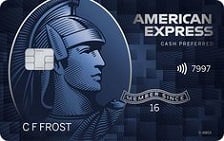
Through the Blue Cash Preferred® Card from American Express, you can earn sizable cash back rewards on purchases in common categories, including 6% cash back at U.S. supermarkets on up to $6,000 in annual purchases (then 1%), 3% cash back at U.S. gas stations and select U.S. department stores, and 1% on all other purchases. You can also earn $300 back in the form of a statement credit after you make $3,000 in purchases using your new card in the first six months of the account being open.

  • Best Benefits
  • Rates & Fees
  • Why Should You Apply?
  • Earn a $300 statement credit after you spend $3,000 in purchases on your new Card within the first 6 months.
  • $0 intro annual fee for the first year, then $95.
  • Buy Now, Pay Later: Enjoy $0 intro plan fees when you use Plan It® to split up large purchases into monthly installments. Pay $0 intro plan fees on plans created during the first 12 months from the date of account opening. Plans created after that will have a monthly plan fee up to 1.33% of each eligible purchase amount moved into a plan based on the plan duration, the APR that would otherwise apply to the purchase, and other factors.
  • Low Intro APR: 0% on purchases and balance transfers for 12 months from the date of account opening. After that, your APR will be a variable APR of 19.24% – 29.99%. Variable APRs will not exceed 29.99%.
  • 6% Cash Back at U.S. supermarkets on up to $6,000 per year in purchases (then 1%).
  • 6% Cash Back on select U.S. streaming subscriptions.
  • 3% Cash Back at U.S. gas stations and on transit (including taxis/rideshare, parking, tolls, trains, buses and more).
  • 1% Cash Back on other purchases.
  • Cash Back is received in the form of Reward Dollars that can be redeemed as a statement credit
  • Get up to $120 in statement credits annually when you pay for an Equinox+ membership at equinoxplus.com with your Blue Cash Preferred® Card. That’s $10 in statement credits each month. Enrollment required.
  • Thinking about getting The Disney Bundle which includes Disney+, Hulu, and ESPN+? Your decision made easy with $7/month back in the form of a statement credit after you spend $12.99 or more each month on an eligible subscription with your Blue Cash Preferred Card. Enrollment required.
  • Terms Apply.
  • Intro Purchase APR: 0% for 12 months from account opening date
  • Regular Purchase APR: 19.24% to 29.99% variable based on creditworthiness the Prime Rate
  • Intro Balance Transfer APR: 0% for 12 months from account opening date
  • Balance Transfer APR: 19.24% to 29.99% variable based on creditworthiness the Prime Rate
  • Balance Transfer Transaction Fee: Either $5 or 3% of the amount of each transfer, whichever is greater
  • Cash Advance APR: 29.99% variable based on the Prime Rate
  • Cash Advance Transaction Fee: Either $10 or 5% of the amount of each cash advance, whichever is greater
  • Penalty APR: 29.99% variable based on the Prime Rate
  • Annual Fee: $0 for the first year. Then $95
  • Foreign Transaction Fee: 2.7% of the transaction amount in U.S. dollars
  • Late Payment Penalty Fee: Up to $40
  • Return Payment Penalty Fee: Up to $40
  • You budget for family spending and want a credit card that earns significant cash back
  • You’ll spend a lot of money on groceries to take advantage 6% cash back at U.S. supermarkets on up to $6,000 in annual purchases (then 1% after that)
  • You’re excited at the prospect of earning 6% cash back with select streaming services
  • You want to capitalize on your commute with 3% cash back at U.S. gas stations (and select U.S. department stores)
  • You’ll take advantage of 3% cash back on transit (taxis/rideshare, parking and tolls, trains, buses and more), and 1% on all other purchases
  • You’re likely to make $3,000 in purchases within the first six months of the account opening to qualify for a one-time $300 statement credit
  • You cook at home often and commute to work and school regularly, or make use of public transit regularly
Blue Cash Preferred® Card from American Express

Blue Cash Preferred® Card from American Express

Rates & Fees

The Blue Cash Preferred® Card from American Express is a perennial favorite on cash-back credit card lists due to its impressive earning rate. The card’s main draw is 6% cash back earned on groceries (up to $6,000 per year) at U.S. supermarkets. This means high rewards when stocking up on Irish beer or supplies for an Irish-inspired meal.

The card also earns 6% cash back on select U.S. streaming service subscriptions as a bonus, making it ideal for streaming your favorite Irish musicians, films, or sporting events. American Express has broad rules regarding what is an eligible streaming service, so cardmembers have 30+ options to select from, almost ensuring that your favorite app or service is covered.

Finally, the card offers 4% cash back on gas for those who are the designated driver this St. Patrick’s Day. Or, if you are planning on celebrating responsibly, the card also earns 3% back on select transit purchases, including rideshares, taxis, and public transportation.

Capital One® Savor® Cash Rewards Credit Card

Capital One® Savor® Cash Rewards Credit Card
Excellent
BestCards refers to a variation of FICO Score 9, which is one of many different types of credit scores. A financial institution may use a different score when deciding whether to approve you for a credit card. Please note that the range shown here is our own estimation and not a guarantee of credit needed to be approved for any given card. Recommended Credit: Excellent
Mastercard Processing Network
$95 Annual Fee

Capital One® Savor® Cash Rewards Credit Card

  • 19.99% – 28.99% variable based on creditworthiness and the Prime Rate Regular Purchase APR
  • 19.99% – 28.99% variable based on creditworthiness and the Prime Rate Balance Transfer APR
  • 29.99% variable based on the Prime Rate Cash Advance APR

At a Glance

Make memories while funding future adventures with the Capital One® Savor® Cash Rewards Credit Card. This exclusive entertainment credit card boasts an unlimited 4% cash back on streaming, dining, and entertainment is a great card for couples, families, and social butterflies.

  • Best Benefits
  • Rates & Fees
  • Why Should You Apply?
  • Unlimited 4% cash back on dining, entertainment, and popular streaming services
  • Earn 3% at grocery stores
  • Earn 1% on all other purchases
  • Earn 8% cash back on tickets through Vivid Seats
  • Receive $9.99 statement credit after paying for Postmates Unlimited membership
  • Enjoy comprehensive, personalized assistance in dining, entertainment and travel— 24 hours a day, 365 days a year
  • Regular Purchase APR: 19.99% – 28.99% variable based on creditworthiness and the Prime Rate
  • Balance Transfer APR: 19.99% – 28.99% variable based on creditworthiness and the Prime Rate
  • Balance Transfer Transaction Fee: 3% of the amount of each transferred balance that posts to your account at a promotional APR that we may offer you. None for balances transferred at the Transfer APR
  • Cash Advance APR: 29.99% variable based on the Prime Rate
  • Cash Advance Transaction Fee: Either $10 or 3% of the amount of each cash advance, whichever is greater
  • Annual Fee: $95
  • Late Payment Penalty Fee: Up to $40
  • You want to earn an unlimited 4% cash back on streaming, dining, and entertainment, 3% at grocery stores, and 1% on all other purchases
  • You see yourself spending $3,000 within the first 3 months of opening the card to earn that one-time $300 cash bonus
  • You live for unique dining, entertainment, and sports experiences
  • You want complimentary food delivery membership through Postmates
Capital One® Savor® Cash Rewards Credit Card

Capital One® Savor® Cash Rewards Credit Card

Terms & Conditions

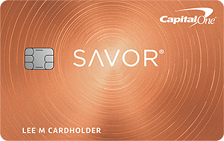
No top entertainment and dining credit card list would be complete without the Capital One® Savor® Cash Rewards Credit Card. Like the Blue Cash Preferred, the Savor charges a relatively modest $95 annual fee in exchange for a rewards rate significantly higher than what can be found on a $0 annual fee card.

Savor cardholders earn an impressive 4% cash back on dining and entertainment, 2% at grocery stores, and 1% on all other purchases.

As explained in our comprehensive Savor review, the Savor easily recoups the $95 yearly charge with just $198 in monthly dining purchases – a simple task for the well-seasoned foodie. Additionally, since the card also earns 2% back on groceries, it provides great value for those who enjoy dining out or are planning a big family feast this year.

The Savor also includes a complementary food delivery membership through Postmates, which adds $99 in value. This benefit quickly offsets the annual fee and allows cardholders to save money while earning 4% back on their orders!

American Express® Green Card

American Express® Green Card
Excellent
BestCards refers to a variation of FICO Score 9, which is one of many different types of credit scores. A financial institution may use a different score when deciding whether to approve you for a credit card. Please note that the range shown here is our own estimation and not a guarantee of credit needed to be approved for any given card. Recommended Credit: Excellent
American Express Processing Network
$150 Annual Fee

American Express® Green Card

  • See Pay Over Time APR Regular Purchase APR
  • 29.99% variable based on the Prime Rate Cash Advance APR

At a Glance

The American Express® Green Card is a solid rewards card for those who frequently travel or dine out. The card earns triple points for every dollar spent on many travel and transit expenses (such as flights, hotels, taxis, rideshares, and more) as well as on restaurant purchases. For every other dollar spent, the Green Card earns a single point. Points are applicable to a wide array of redemptions, including travel, purchases with major retailers, and more.

  • Best Benefits
  • Rates & Fees
  • Why Should You Apply?
  • Earn 40,000 Membership Rewards® points after you spend $3,000 on purchases on your new Card in your first 3 months.
  • Earn 3X Membership Rewards® Points on Restaurants worldwide, including takeout and delivery.
  • Earn 3X Membership Rewards® points on all eligible travel, from subway swipes and window seats to hotel stays and city tours.
  • Earn up to $189 in annual statement credits to help you get through security faster with CLEAR®.
  • Earn up to $100 in annual statement credits to access 750+ airport lounges globally through LoungeBuddy.
  • No Foreign Transaction Fees.
  • $150 Annual Fee.
  • Terms Apply.
  • Regular Purchase APR: See Pay Over Time APR
  • Cash Advance APR: 29.99% variable based on the Prime Rate
  • Cash Advance Transaction Fee: Either $10 or 5% of the amount of each cash advance, whichever is greater
  • Penalty APR: 29.99% variable based on the Prime Rate
  • Annual Fee: $150
  • Late Payment Penalty Fee: Up to $40
  • Return Payment Penalty Fee: Up to $40
  • You want to earn triple points on flights, hotels, taxis, mass transit, tours, rideshares, and more
  • You also want to earn triple points when dining out along with takeout and delivery, as well as single points on all other purchases
  • You travel often, and can make best use of $100 in statement credits for both lounge access and CLEAR security fast-pass
  • You don’t mind paying $150 in annual fees
American Express® Green Card

American Express® Green Card

Rates & Fees

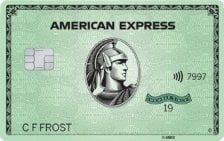
The American Express® Green Card is a highly versatile premium rewards card that offers exceptional quality similar to the Amex Platinum or Gold cards but with a more manageable $150 annual fee.

With the Green Card, cardholders can enjoy a multitude of benefits applicable to St. Patrick’s Day. Firstly, it offers an impressive 3X Membership Rewards points on global dining, including dining in restaurants and takeout and delivery options. Additionally, the Green Card provides 3X points on travel, encompassing various modes of transportation such as flights, trains, and even rideshare services like Uber. This ensures that cardholders can travel with peace of mind and arrive home safely.

Oh yeah, it’s green, too.

Featured photo by Sarah Pflug / Burst

Navigating Credit Card Debt During A Financial Crisis

Navigating Credit Card Debt During a Financial Crisis

Last updated on April 15th, 2024

Financial crises can occur unexpectedly, causing individuals and families to struggle to manage their credit card debt. For instance, an abrupt job loss, a divorce, or a substantial medical expense can create a financial burden that makes it difficult to meet monthly credit card payments.

Table of Contents

The Impact of a Financial Crisis on Credit Card Debt

The impact of a financial crisis on credit card debt can have significant consequences, particularly during tough economic times. When faced with limited income and increased expenses, individuals often rely on credit cards to cover basic living costs.

Unfortunately, this reliance can lead to higher card balances, increased interest charges, and difficulty making minimum payments. Data from the Federal Reserve Bank of New York attests to this trend, with credit card balances reaching a record-high of $1.08 trillion as of 2023. That’s a $154 billion year-over-year gain in debt, which is the largest increase since the start of its series in 1999.

As credit card debt accumulates, it becomes a vicious cycle that is challenging to break free from. The burden of financial strain can seem overwhelming, causing individuals to feel trapped in a never-ending cycle of debt. Thus, it is crucial to address the impact of a financial crisis on credit card debt and seek effective strategies to manage and reduce this burden.

Importance of Managing Credit Card Debt During Tough Economic Times

Managing credit card debt is especially crucial during tough economic times. It becomes even more important to take proactive measures to prevent the accumulation of additional debt and protect your financial well-being. By effectively managing your credit card debt, you can alleviate the burden of financial strain and regain control over your finances. This will enable you to navigate these tough times more confidently and comfortably.

Steps for Managing Credit Card Debt

Here are practical steps you can take to better get control of your finances:

Assessing Your Current Financial Situation

Assessing your current financial situation is crucial before implementing strategies to manage credit card debt. Take stock of your income, expenses, and outstanding credit card balances. This evaluation will help you understand your financial standing and guide your debt management decisions.

Creating a Budget and Cutting Expenses

One of the first steps in managing credit card debt is to create a budget and cut unnecessary expenses. Start by listing all your monthly income sources and fixed expenses, such as rent or mortgage payments and utilities. Then, identify areas where you can reduce discretionary spending, such as dining out, entertainment, or non-essential subscriptions. Sticking to a budget and cutting expenses can free up more money to pay off your credit card debt.

Prioritizing Debt Repayment

When facing credit card debt, it is crucial to prioritize your debt repayment. Start by making at least the minimum payments on all your credit cards to avoid late fees and penalties. Then, focus on paying off the credit card with the highest interest rate first while making minimum payments on other cards. This strategy, known as the debt avalanche method, helps save money on interest payments and accelerates your journey toward debt freedom.

Negotiating with Credit Card Companies

Believe it or not, credit card companies may allow you to negotiate your existing debt. This is because most credit card debt is unsecured, so the lender should work with you to collect some of your balance rather than risk no repayment in bankruptcy.

Don’t hesitate to contact your credit card companies to discuss better terms. Credit card companies may be more willing to find a mutually beneficial solution during tough economic times. They might consider reducing interest rates, extending payment deadlines, or offering hardship programs.

Negotiating with your credit card companies can help lower your monthly payments and make debt repayment more manageable.

Exploring Debt Consolidation Options

If you have multiple credit cards with high-interest rates, consolidating your debt is a viable option. Debt consolidation involves combining all your credit card debts into a single loan with a lower interest rate. This approach simplifies your debt repayment process and can save you money on interest charges. However, it is crucial to research and compare different consolidation options to ensure you choose the one that best fits your financial situation.

Seeking Professional Help for Credit Card Debt Management

If managing credit card debt becomes overwhelming, seeking professional help can provide valuable guidance. Regarding credit counseling, think of it as having a therapist for your financial habits. Here’s how credit counseling can benefit you:

  • Financial evaluation: A credit counselor can assess your credit standing and help you create a personalized budget tailored to your financial situation.
  • Debt management: They can assist you in developing a plan to reduce and manage your debts effectively.

In essence, credit counselors provide the guidance and support you need to move toward a healthier credit situation, empowering you to take the necessary steps to improve your financial well-being.

Credit counseling agencies and debt management companies specialize in helping individuals navigate their way out of debt. They can assist in creating a personalized debt management plan, negotiating with credit card companies, and providing financial education. Before engaging with any professional service, research reputable organizations and ensure they have a track record of helping people successfully manage their credit card debt.

Tips for Staying Motivated and Accountable

Managing credit card debt requires discipline and perseverance. Here are some tips to help you stay motivated and accountable throughout your debt repayment journey:

  • Set realistic goals: Break your debt repayment into smaller, achievable goals to stay motivated.
  • Track your progress: Keep a record of your debt reduction progress to visualize your achievements.
  • Celebrate milestones: Celebrate reaching significant milestones in your debt repayment journey to stay motivated.
  • Find support: Join online communities or seek support from friends and family who can provide encouragement and accountability.
  • Reward yourself: Treat yourself to small rewards when you achieve specific milestones to maintain motivation.

Coping Strategies for Managing Debt during Unexpected Financial Hardships

Unexpected financial hardships can significantly impact your ability to manage credit card debt. Here are some coping strategies to help you navigate through tough times:

  • Seek temporary financial assistance: Explore government programs or local charities that offer temporary financial assistance to individuals facing hardship.
  • Communicate with creditors: Reach out to your credit card companies and explain your situation. They may be willing to work with you to develop a temporary payment plan.
  • Look for additional sources of income: Consider taking up a part-time job or freelancing to supplement your income and ease the financial strain.
  • Utilize available resources: To reduce expenses, use resources like food banks, discounted utility programs, or community support services.

Long-Term Strategies for Avoiding Credit Card Debt in the Future

While managing credit card debt during tough economic times is essential, it is equally crucial to develop long-term strategies to avoid falling into debt in the future. Here are some tips to help you maintain a debt-free lifestyle:

  • Build an emergency fund: Set aside a portion of your income regularly in an emergency fund to cover unexpected expenses.
  • Live within your means: Avoid overspending and only make purchases that fit within your budget.
  • Use credit cards responsibly: Pay your card balance in full each month to avoid accruing interest charges.
  • Regularly review your budget: Evaluate your income and expenses periodically to ensure you stay on track and make necessary adjustments.
  • Educate yourself: Learn about personal finance and money management to make informed financial decisions.

Expert Advice

According to personal finance guru Tiffany Aliche, or The Budgetnista, it is important to allow flexibility during challenging financial times. She states, “Normally, I prioritize aggressively paying down debt, as well as saving and investing. However, during particularly difficult financial times, I encourage people to give themselves some grace. Your emergency savings should be your first line of defense, and you should aim to have enough saved to cover at least three months or more. If you don’t have that amount saved, then that should be your focus. Once your emergency fund is established, you can resume paying down debt.”

This approach of allowing for grace does not contradict her general belief that paying down debt and maintaining a low credit utilization is crucial for improving a damaged credit score. She says, “So nothing has really changed; it’s the same advice. I understand that it may not always be feasible, but if possible, that’s what you should prioritize.”

FAQs

What is credit card debt, and why is it important to manage it during tough economic times?

Credit card debt is the amount of money owed to a credit card company for purchases made using the card. Managing it is crucial during tough economic times to prevent further financial strain and protect one’s financial future.

  • Assess your financial situation: Evaluate income, expenses, and outstanding credit card balances.
  • Create a budget and cut expenses: List income sources, fixed expenses, and reduce discretionary spending.
  • Prioritize debt repayment: Make minimum payments on all cards and focus on paying off the highest interest rate card first.
  • Negotiate with credit card companies: Reach out to negotiate better terms and potentially lower monthly payments.

If managing credit card debt becomes overwhelming, seeking professional help from credit counseling agencies or debt management companies can provide valuable guidance in creating a personalized debt management plan.

  • Seek temporary financial assistance: Explore government programs or local charities for help.
  • Communicate with creditors: Explain the situation and work on developing a temporary payment plan.
  • Look for additional sources of income: Consider part-time jobs or freelancing to supplement income.
  • Utilize available resources: Take advantage of food banks, discounted utility programs, or community support services.

Conclusion

Managing credit card debt during tough economic times is tough, but not impossible. By understanding credit card debt, assessing your financial situation, and implementing practical strategies, you can weather the storm and regain control over your finances. Remember, seeking professional help and staying motivated are essential components of successfully managing credit card debt. With determination and discipline, you can overcome financial hardships and build a brighter financial future for yourself.

Travel Tips for Beginners: Managing Travel Expenses with Credit Cards

Travel Tips for Beginners: Managing Travel Expenses with Credit Cards

Last updated on April 2nd, 2024

Travel credit cards are indispensable tools when taking a trip. Whether you’re taking a road trip to the beach or catching a long-haul flight worldwide, travel credit cards can offer significant benefits to help you on your current trip and rewards to help you book your next trip. 

Keep reading to learn how to select the right cards, maximize rewards, and minimize fees while optimizing your travel budget using credit cards. Whether a beginner or a seasoned traveler, there’s always more to learn about maximizing your cardholder benefits while on vacation.

Table of Contents

At a Glance

  • Travel credit cards provide security and luxury benefits to make your vacations more enjoyable.
  • Perks like TSA PreCheck can take much of the strain out of airport travel but often comes with an annual fee.
  • Credit card travel insurance and trip reimbursement protections protect you from unexpected delays and emergencies.
  • Always read the credit card’s terms and conditions carefully before applying.

How to Maximize the Benefits of Your Credit Cards While Traveling

Using a credit card to pay for your travel expenses has many benefits. The exact strategies you’ll want to use will depend on which cards you have in your wallet. Every card has unique perks, so read about your cards to know which benefits you can take advantage of. The following are some general guidelines on how to maximize your benefits while you’re on the road. 

There are no additional fees besides your card’s annual fee for using these benefits. These features are likely available in some capacity on most travel cards, but the terms and conditions will be better on premium travel cards. For instance, a $100 annual fee airline card might give you two passes to an airport lounge per year, while a $600 annual fee airline card might give you an unlimited lounge membership.  

Statement Credits

Some cards will give you statement credits on your travel purchases. Cards like the Chase Sapphire Reserve give cardholders a $300 annual statement credit on any travel purchases made with your card. Even entry-level cards like the Chase Sapphire Preferred offer cardholders a $50 annual statement credit for hotels booked through Chase’s travel portal. It’s crucial to read the guidelines on which purchases are eligible for these credits before using your card. 

The king of statement credits is undoubtedly the Platinum Card® from American Express. Although it might cost you $695 per year to be a cardholder, you can get more than $1,500 in annual statement credits if you use your card wisely. Some of these credits are notoriously hard to use, so research before applying to ensure you can take full advantage of the card. 

Travel Insurance

Most travel cards will offer some form of travel insurance. This can include trip cancellation or interruption, a trip delay reimbursement, coverage for lost or delayed baggage, travel accident insurance, auto rental collision damage waiver, and more. The best travel rewards cards will provide the most comprehensive coverage, while basic rewards cards might offer one or two insurances with minor coverage. 

TSA PreCheck, CLEAR, and Global Entry

TSA PreCheck is a program the Transportation Security Administration (TSA) offers. It allows travelers to go through expedited security in airports across the country. You won’t have to take off your shoes, take electronics or liquids out of your bags, or remove belts. Travelers with TSA PreCheck will get through security in 10 minutes or less. From personal experience, sometimes I’ve gotten through security in less than two minutes, even on busy travel days. The application costs between $78 and $85 and is valid for five years. 

Global Entry expedites your re-entry into the U.S. from abroad. With Global Entry, you use a kiosk that uses facial recognition software. It is significantly faster than the traditional customs and immigration line. The application fee costs $100 and is valid for five years. Global Entry includes TSA PreCheck as a benefit, so you do not have to apply for these two programs separately.

Many travel credit cards will offer an application fee credit for either TSA PreCheck or Global Entry every five years. You can likely enroll in these programs without incurring additional costs, improving your travel experience. 

CLEAR is another program that is less common and more expensive. A CLEAR Plus membership costs $189 per year and uses your eyes or fingerprint to move you to the front of the security line. You can use CLEAR in conjunction with TSA PreCheck to make your way through security even quicker. Some cards, like the Platinum Card by American Express or the Amex Green Card, will offer a statement credit for a CLEAR Plus membership each year. 

Access to Airport Lounges

Going to a lounge in the airport is an excellent way to elevate your travel experience. Lounges can offer food, beverages, showers, places to sleep, and information about your flight. It’s much more comfortable and convenient than sitting in the terminal waiting to board. Premium airline cards, like the Delta SkyMiles Reserve, will offer access to their lounges (in this case, the Delta Sky Club). General travel rewards cards like the Capital One Venture X will offer a Priority Pass membership, which grants you access to more than 1,400 airport lounges worldwide, or the Plaza Premium Lounge Network. Before applying for a premium credit card, check which airport lounges you can access as a cardholder. 

Credit Card Safety While Traveling Abroad

Credit cards are typically safer to use than debit cards, especially while traveling. Credit cards offer fraud protection, which means you aren’t held responsible for unauthorized purchases on your card. You can notify your card issuer before traveling so they don’t block your purchases while you’re in another country.

If you’re worried about getting pickpocketed, you can bring a wallet in the shape of a belt underneath your clothes or a purse with straps that cannot be cut. Many wallets on the market also have RFID-blocking technology to protect you from scammers. Just in case something happens, only carry one or two cards with you at a time. Leave the rest of your cards in your hotel or Airbnb, so you have a backup card. You can also use your mobile wallet on your phone using tap to pay if this option is offered, which is the most secure way to use your cards. Keep an eye on your finances while you’re traveling so you are aware of any suspicious activity taking place. 

Strategies to Maximize Rewards and Benefits

The best way to maximize your rewards and benefits is to read about your specific card. Every credit card is unique — knowing what’s offered is the only way to maximize your benefits. Try to take advantage of every benefit your card offers to get the most value, especially if you pay an annual fee. 

If you plan on traveling internationally, you should pick a credit card with no foreign transaction fees. Even a 2% foreign transaction fee can add up when taking an international vacation.

Travel cards will typically earn points or miles on purchases that can be used to book future travel. Try to only use cards that offer bonus points on select categories. For instance, I use my Capital One Venture X to book hotels and car rentals because I earn 10 points per dollar when I book through Capital One Travel. However, I use my Chase Sapphire Preferred on dining purchases, earning three points per dollar compared to Capital One’s two points. 

While the value of your credit card points will depend on several factors, like the card you use and how you redeem your points, you can generally expect that a travel card will allow you to cover flights, hotel stays, or car rentals in the future. When you rack up enough points, you can explore options for redeeming your points for the most value. 

Conclusion

Credit cards are one of the best ways to manage your travel expenses. You can get premium benefits like airport lounge access and be covered with travel insurance in the event of an emergency. 

Ready to make the most of your travel budget? Read hundreds of travel card reviews, explore our comprehensive credit card comparison tool, and find the perfect card to get the most out of your travel expenses.

Related Article: Navigating Credit Card Debt During A Financial Crisis

Advertiser Disclosure

BestCards is an independent, Florida-based credit card comparison platform. Many of the card offers that appear on this site are from companies from which BestCards receives compensation. This compensation may impact how and where products appear on this site (including, for example, the order in which they appear). BestCards does not include all card companies or all card offers available in the marketplace.