The Best Credit Cards for Buying an iPhone

iPhone 11 Image

Last updated on April 3rd, 2024

If you’re planning on springing for the latest iPhone, you might as well maximize your credit card rewards while you’re at it, right? After all, you don’t want to have a brand-new phone – but no money for anything else. From special financing to maximizing points, here’s everything you need to know about saving money when buying a new Apple iPhone.

What Should You Consider When Looking for a New Credit Card to Buy an iPhone?

Before buying a new iPhone, there’s the game planning on how to afford one of the most expensive smartphones on the market. Because of the costs of premium tech gadgets, like Apple products, purchasing that mobile phone with a rewards credit card might be an attractive idea.

Here are some expert tips on how to choose the right credit card to purchase a new iPhone:

Look for 0% Intro APR

A 0% intro APR credit card is a card that offers an interest-free promotional period on purchases, balance transfers, or both. Paying off the balance during this period means you’ll pay 0% interest on it – all while enjoying the convenience of paying over time. Getting a 0% APR credit card is a great choice if you plan to pay off the entirety of that purchase (or balance transfer) within the promotional period.

With the Apple Card, you won’t get 0% APR on all purchases, but you will get access to Apple Card Monthly Installments. This plan allows Apple cardholders to buy select Apple products with interest-free monthly payments. This works similarly to 0% intro APR and is a great option for the diehard Apple fanatic.

Rewards

Many credit cards offer rewards for purchases, such as cash back, miles, or points. These rewards are redeemable for statement credits, award flights, free hotel nights, gift cards, and more. Look for a credit card that offers rewards compatible with your spending habits or will help you save towards your dream redemption. Then, use that card to pay for your new phone and rack up the rewards!

Some credit cards offer sign-up bonuses for new cardholders who meet a minimum spending requirement. These bonuses can further offset the cost of your new iPhone while also earning accelerated (and bonus) rewards.

Purchase Protection

Some credit cards offer purchase protection benefits, including extended warranties, price protection, and theft or damage protection. These benefits can provide peace of mind and help protect your investment in your new iPhone.

Purchase protection is vital, as it provides coverage for eligible purchases that are stolen or accidentally damaged due to smoke, fire, water, steam, or other vandalism. Not all card issuers provide purchase protection, but many of the best rewards cards do – including Visa Signature and World Mastercard credit cards.

Best Credit Cards for Buying an iPhone

So, what are the best credit cards for buying a new Apple iPhone? Here are our top picks for snagging a new iPhone – while getting the financing you need – and the rewards you want.

Apple Card

Apple Card

Excellent-Good-Fair
BestCards refers to a variation of FICO Score 9, which is one of many different types of credit scores. A financial institution may use a different score when deciding whether to approve you for a credit card. Please note that the range shown here is our own estimation and not a guarantee of credit needed to be approved for any given card. Recommended Credit: Excellent / Good / Fair
Mastercard Processing Network
None Annual Fee

Apple Card

  • 15.74% to 26.74% variable based on creditworthiness and the Prime Rate Regular Purchase APR

At a Glance

You don’t need to need to be a die-hard fan to fall in love with the intelligently designed Apple Card. Designed for digital use in conjunction with Apple Pay (spoiler: an iPhone is required), this card boasts no annual fee – or any fees for that matter – up to 3% cash back for Apple and other popular retailers, automatic cash back rewards, a gorgeous interface for monitoring your spending, and innovative security features to make credit card theft a worry of the past.

  • Best Benefits
  • Rates & Fees
  • Why Should You Apply?
  • No annual fee
  • Earn cash back with every purchase
  • No hidden fees
  • Get a detailed breakdown of your spending from your iPhone
  • Regular Purchase APR: 15.74% to 26.74% variable based on creditworthiness and the Prime Rate
  • You own an iPhone (or are planning to buy one)
  • You’re loyal to the Apple ecosystem
  • You frequently use your mobile device for making purchases (a.k.a. your digital wallet)
  • You do’t want to worry about carrying your wallet everywhere you go to make purchases
  • You do’t want the hassle of deciding how to redeem rewards

The first card on the list is something of a no-brainer. The Apple Card, from Marcus by Goldman Sachs, is a no annual fee card that earns 3% back in Daily Cash on Apple tech and app store products. The card also earns 3% back with select retailers, including Uber, T Mobile, Walgreens, and Nike. It also earns 2% back on Apple Pay buys, and 1% back on everything else.

As mentioned, that special financing is another great reason to consider the Apple Card. The Apple Card Monthly Installments plan lets you finance a new iPhone from Apple with interest-free monthly payments. The plan also lets you track your payments directly from your Apple wallet. Although there are cards that would yield higher returns, the Apple Card is ideal if you regularly make purchases in the App Store, subscribe to Apple Music or any of their other subscription-based services.

Chase Freedom Unlimited®

Chase Freedom Unlimited®

Excellent-Good
BestCards refers to a variation of FICO Score 9, which is one of many different types of credit scores. A financial institution may use a different score when deciding whether to approve you for a credit card. Please note that the range shown here is our own estimation and not a guarantee of credit needed to be approved for any given card. Recommended Credit: Excellent / Good
Visa Processing Network
None Annual Fee

Chase Freedom Unlimited®

  • 18.24% to 27.74% Variable Regular Purchase APR
  • 18.24% to 27.74% Variable Balance Transfer APR
  • 28.49% Variable Cash Advance APR
  • 0% for 15 months from account opening date Intro Purchase APR

At a Glance

The Chase Freedom Unlimited® credit card is a reliable option for customers looking to pair an attractive cash back rewards program with generous introductory interest rates. Cardholders can redeem for cash, travel, and more.

  • Best Benefits
  • Rates & Fees
  • Why Should You Apply?
  • Earn a $200 Bonus after you spend $500 on purchases in your first 3 months from account opening
  • Enjoy 5% cash back on travel purchased through Chase Travel℠, our premier rewards program that lets you redeem rewards for cash back, travel, gift cards and more; 3% cash back on drugstore purchases and dining at restaurants, including takeout and eligible delivery service, and 1.5% on all other purchases.
  • No minimum to redeem for cash back. You can use points to redeem for cash through an account statement credit or an electronic deposit into an eligible Chase account located in the United States!
  • Enjoy 0% Intro APR for 15 months from account opening on purchases and balance transfers, then a variable APR of 18.24% – 27.74%.
  • No annual fee – You won’t have to pay an annual fee for all the great features that come with your Freedom Unlimited® card
  • Keep tabs on your credit health, Chase Credit Journey helps you monitor your credit with free access to your latest score, alerts, and more.
  • Member FDIC
  • Intro Purchase APR: 0% for 15 months from account opening date
  • Regular Purchase APR: 18.24% to 27.74% Variable
  • Intro Balance Transfer APR: 0% for 15 months from account opening date
  • Balance Transfer APR: 18.24% to 27.74% Variable
  • Balance Transfer Transaction Fee: Either $5 or 5% of the amount of each transfer, whichever is greater.
  • Cash Advance APR: 28.49% Variable
  • Cash Advance Transaction Fee: Either $10 or 5% of the amount of each transaction, whichever is greater
  • Penalty APR: Up to 29.99% Variable
  • Foreign Transaction Fee: 3% of the transaction amount in U.S. dollars
  • You are looking for a low-rate credit card to perform a balance transfer
  • You prefer straightforward rewards earnings rather than quarterly categories requiring activation
  • You’ll make at least $500 in purchases in the first 90 days
  • You do’t want to pay an annual fee

The Chase Freedom Unlimited® is another solid option, thanks to its flat-rate, unlimited, 1.5% cash back on every purchase and a lengthy 0% introductory APR on both purchases and balance transfers. New accounts enjoy that intro APR for 15 months from account, with a variable rate after that. Even better, new accounts can also earn a $200 statement credit after spending $500 on purchases in the first 3 months from account opening.

Besides unlimited 1.5% cashback on all other purchases, Freedom Unlimited cardholders earn 5% on travel purchased through Chase Ultimate Rewards, 3% on dining at restaurants, including takeout and eligible delivery services like DoorDash and Uber Eats, and 3% on drugstore purchases.

Another unlimited cash back option is the Citi® Double Cash Card from Citi. The card earns an unlimited 2% cash back on all purchases – 1% cash back when you buy, plus an additional 1% as you pay for those purchases. The card also provides a lengthy 18-month 0% intro APR on balance transfers, making it a great choice if you want to pay off an existing card balance – but still want to get rewarded for your new iPhone.

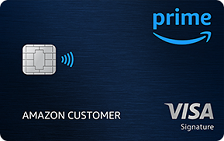
Prime Visa

Prime Visa
Excellent-Good
BestCards refers to a variation of FICO Score 9, which is one of many different types of credit scores. A financial institution may use a different score when deciding whether to approve you for a credit card. Please note that the range shown here is our own estimation and not a guarantee of credit needed to be approved for any given card. Recommended Credit: Excellent / Good
Visa Processing Network
None Annual Fee

Prime Visa

  • 18.74% to 26.74% variable Regular Purchase APR
  • 18.74% to 26.74% variable Balance Transfer APR
  • 29.49% variable based on the Prime Rate Cash Advance APR

At a Glance

The Prime Visa offers cardholders impressive rewards on all Amazon.com and Whole Foods purchases, as well as elevated cash back at gas stations, drug stores, restaurants, transit, commuting, and more.

  • Best Benefits
  • Rates & Fees
  • Why Should You Apply?
  • Instant Amazon.com gift card on approval
  • Earn 5% Back at Amazon.com and Whole Foods Market with an eligible Prime membership, plus 5% Back on purchases made through Chase Travel.
  • Earn 2% Back at restaurants, gas stations, and drugstores, plus 2% Back on local transit and commuting, including rideshare.
  • Earn 1% Back on all other purchases
  • No foreign transaction fees
  • No annual fee
  • Regular Purchase APR: 18.74% to 26.74% variable
  • Intro Balance Transfer APR: N/A
  • Balance Transfer APR: 18.74% to 26.74% variable
  • Balance Transfer Transaction Fee: Either $5 or 5% of the amount of each transfer, whichever is greater
  • Cash Advance APR: 29.49% variable based on the Prime Rate
  • Cash Advance Transaction Fee: Either $10 or 5% of the amount of each cash advance, whichever is greater
  • Late Payment Penalty Fee: Up to $39
  • Return Payment Penalty Fee: Up to $39
  • Minimum Deposit Required: N/A
  • You frequently shop at Amazon or Whole Foods
  • You have an existing Amazon Prime membership
  • You want a card with no foreign transaction fees and Visa concierge services for your travel plans
  • You want a flexible rewards program, including savings at gas stations dining
  • You want the excellent customer service Amazon is known for

The Amazon Prime Rewards Visa Signature is a great way to save on a new iPhone – and especially so if you plan to buy your phone off the online giant’s website. Cardholders earn 5% back on all purchases at Amazon and Whole Foods (non-Prime members earn 3% back), as well as 2% cash back at all drug stores, gas stations, and restaurants, and 1% on all other purchases. That 5% back on Amazon is a great incentive – as is the typical Amazon welcome offer – an instant Amazon.com gift card on approval.

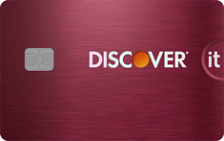
Discover it® Cash Back

Discover it® Cash Back
Excellent-Good
BestCards refers to a variation of FICO Score 9, which is one of many different types of credit scores. A financial institution may use a different score when deciding whether to approve you for a credit card. Please note that the range shown here is our own estimation and not a guarantee of credit needed to be approved for any given card. Recommended Credit: Excellent / Good
Discover Processing Network
None Annual Fee

Discover it® Cash Back

  • 17.24% to 28.24% variable based on creditworthiness and Prime Rate Regular Purchase APR
  • 17.24% to 28.24% variable based on creditworthiness and Prime Rate Balance Transfer APR
  • 29.99% variable based on the Prime Rate Cash Advance APR
  • 0% for 18 months from account opening Intro Purchase APR

At a Glance

The Discover It Cash Back Card is a cash back credit card that offers enhanced earning potential in a selection of rotating categories. Cardholders earn 5% back on purchases in categories that rotate each quarter, and 1% on all other purchases. The card also features 0% intro APR for the first 15 months on purchases and balance transfers, Discover’s 100% U.S.-based customer service, Discover’s bonus cash back match, and no annual fee or foreign transaction fees.

  • Best Benefits
  • Rates & Fees
  • Why Should You Apply?
  • 5% cash back in rotating categories each quarter, up to the quarterly maximum, when you activate
  • Earn 1% cash back on all other purchases automatically
  • Discover matches all of the cash back earned by the cardholder at the end of the first year automatically; there is no limit to how much cash back is matched
  • Cash back rewards never expire, earn unlimited cash back
  • Use rewards at Amazon checkout
  • No annual fee
  • Intro Purchase APR: 0% for 18 months from account opening
  • Regular Purchase APR: 17.24% to 28.24% variable based on creditworthiness and Prime Rate
  • Intro Balance Transfer APR: 0% for 18 months from date of first transfer
  • Balance Transfer APR: 17.24% to 28.24% variable based on creditworthiness and Prime Rate
  • Balance Transfer Transaction Fee: 3% of the amount of each transfer posted at the promotional rate. After that, 5% of the amount of each transfer
  • Cash Advance APR: 29.99% variable based on the Prime Rate
  • Cash Advance Transaction Fee: $10 or 5% of the amount of each cash advance, whichever is greater
  • Late Payment Penalty Fee: None the first time you pay late. After that, up to $41
  • Return Payment Penalty Fee: Up to $41
  • You want to earn 5% back on select category purchases each quarter, including restaurants, gas stations, select rideshares, and online shopping
  • You don’t want to pay an annual fee or foreign transaction fees
  • You want 100% U.S.-based customer service
  • You don’t mind rotating categories changing every three months

The Discover It Cash Back is another great option for buying an iPhone, thanks to its quarterly rotating categories. Cardholders earn 5% cash back on the first $1,500 in combined quarterly spending on rotating categories like Amazon, restaurants, gas stations, PayPal, and more.

Even better, new Discover Card accounts enjoy 0% intro APR for around 18 months on purchases and transfers, plus provides Discover’s Cash Back Match. After year one Discover will automatically match your cash back dollar for dollar.  Not bad, huh?

Anyways, back to the 5% rotating cash back. Here’s the current Discover Cash Back Calendar:

Date 5% Cash Back Category
Q1 January – March 2023 Grocery stores, drug stores, and select streaming services
Q2 April – June 2023 Restaurants and wholesale clubs
Q3 July – September 2023 Gas stations and digital wallets
Q4 October – December 2023 Amazon.com and Target

Summing It Up

Always be proactive when it comes to getting the best bang for your buck on expensive tech purchases – like a new Apple iPhone or iPad. Pay close attention to things like APR, annual fees, and rewards points. As always, never spend more than you can afford to – and try to pay your balance in full every month. 

Related Article: Best Credit Cards To Use at Costco


How the iPhone Upgrade Program Could Damage Your Credit Score

How the iPhone Upgrade Program Could Damage Your Credit Score

Last updated on April 14th, 2023

Think twice before you sign the dotted line, joining Apple’s upgrade program could result in multiple hard inquiries and cause your credit score to take a hit.  With the speculation of the iPhone 12 already underway and rumored to have highly coveted updates, more and more people are turning to Apple’s iPhone Update Program specifically in regards to buying the iPhone 11. While there’s no inherent issue with the program itself – Apple-fans need to be made aware of the ramifications it could have on their credit.

What is the iPhone Upgrade Program?

The Apple iPhone Upgrade Program allows participants to automatically upgrade to the latest iPhone after making 12 payments on their current iPhone – a convenient and potentially cost-effective way to ensure that you’re never “stuck” with last year’s model. The program features 0% financing for 24-months and no added fees, meaning you won’t be penalized a single cent for splitting up your iPhone payments rather than buying it in one lump sum. An added plus, enrolling in the program directly with the iPhone manufacturer (rather than a phone carrier), frees iPhone owners to bounce between carriers. No longer will Apple-fans be tied to a 2-year contract with a bad phone plan.

Why is the Program So Popular All of a Sudden?

Apple launched the iPhone Upgrade Program back in 2015 but have quickly become a hot topic synonymous with searches on ‘iPhone 11’. Although the program has been around for several years, the incremental changes of the last few iPhone generations have led to a resurgence of the program’s mention in the media. Influencers and tech bloggers continually insist that a future iPhone model will be the one to wait for. As such, many Apple-fans feel comforted by the iPhone Upgrade Program as a way to enjoy the moderate improvements of the newly released iPhone while forsaking the financial risk of owning what will eventually be an outdated model.

How the iPhone Upgrade Program Could Affect Your Credit

It’s easy to see how the announcement of the iPhone 11 would have consumers clamoring to join this program, but with the added temptation of opening an Apple Card to pay for it – it could cause long-standing damage to your upcoming financial goals if you require your credit card to be in tip-top shape. If you’re one of the many iPhone owners who have opted to go this route, keep in mind that joining the upgrade program is a loan through a bank (Citizens One) and not simply an I.O.U. to Apple. Per the upgrade program’s Terms & Conditions, enrolling takes more than a credit card and could result in a hard inquiry on your credit history. “The iPhone Upgrade Program is available to qualify end-user customers who finance and activate an eligible iPhone…You will be required to apply for and enter into a 24-month 0% APR installment loan” Besides the fact that a loan such as this one would have no positive impact on your credit as opening the Apple Card might, there’s also the inherent risk that accompanies all financial applications that you might not be approved. Even scarier still is that each the program could result in a hard inquiry every year that you are in the program (up the discretion of Citizens Bank should they decide they need more detailed information regarding your credit history). If you were also planning on signing up for the iPhone payment plan or the Apple Card, you’ll need to mentally brace yourself for up to two additional hard pulls on your credit. (Read more to learn whether it would be worth it to open an Apple Card to buy the new iPhone).

Credit Cards for Booking Your Dream Vacation to Hawaii

Credit Cards for Booking Your Dream Vacation to Hawaii

Last updated on April 13th, 2023

There are countless blogs explaining what to do when you get to your holiday spot, but not as many that offer advice on how to pay for the trip itself. At BestCards.com, we understand how tough it can be to book a dream vacation – that’s why we’ve devised a guide on how to book your Hawaiian getaway.

“Get Me to Hawaii” Credit Cards for Dream Vacations

Perhaps the hardest part about booking a dream vacation to Hawaii is figuring out how to get the most bang for your buck – and that starts with booking flights. Flying to Hawaii isn’t cheap (otherwise everyone would likely be there), but there are plenty of airlines that can get you there.

Premium Travel Rewards Credit Cards

Fortunately, when it comes to booking flights to Hawaii, there are plenty of great airline rewards credit cards that can help you save money on the cost of flights. First among these cards are the usual suspects, including the American Express Platinum Card and the Chase Sapphire Reserve. Both cards fit into the ultra-premium category and offer excellent earning potential. The Platinum Card earns a whopping 5x points on travel purchases booked through American Express, whereas the Reserve earns 3x points on travel. These cards also come with a massive raft of perks, including TSA Pre✓® and lounge access, meaning they remove much of the stress of traveling. Unfortunately, however, these cards also come with an ultra-premium annual fee of between $450 to $550, firmly placing them out of the reach of many travelers – notably many young families.

The Hawaiian Airlines® World Elite Mastercard®

For those with a much less exotic budget, there are still tons of great airline rewards cards that offer significant perks to the Hawaii-bound traveler. Take the Hawaiian Airlines® World Elite Mastercard®, for instance. Hawaiian Airlines is an excellent carrier, and for many would seem like an obvious choice of airline to fly to the Aloha Islands. The airline’s World Elite Mastercard, from Barclays, earns triple miles for every dollar spent with Hawaiian Airlines, as well as a considerable bonus of 60,000 miles when you make just $2,000 in purchases within the first 90 days. Since flights to Hawaii typically run into the thousands of dollars, booking a family vacation with the Hawaiian Airlines® World Elite Mastercard is more than enough to trigger this great bonus – so you’ll be able to plan another trek to Hawaii for free at a later date. HawaiianMiles can be redeemed for flights to Hawaii from Mainland U.S. for as little as 20,000 miles, meaning up to three people can fly one-way with bonus flights! Hawaiian Airlines® World Elite Mastercard® also offers some great flight perks for cardholders that provide substantial value when planning a vacation. New holders receive a one-time 50% discount on a companion fare and an additional $100 companion fare discount on each cardmember anniversary. Cardholders also receive their first checked bag free on Hawaiian Airlines operated flights. HawaiianMiles are redeemable for hotel stays, so the miles accrued in the initial offer spend can also be used for booking your hotel – saving you even more money to use when exploring the islands!

Other Airline Card Options

Two of the best frequent flyer programs available are the Alaska Airlines Mileage Plan™ and JetBlue’s TrueBlue. Both airlines offer flights across North America, although Alaska is the only one of the two with services to Hawaii. This accessibility, combined with the huge mile-earning potential of the Mileage Plan Program, makes flying to the islands with Alaskan Airlines a great choice. This case is further bolstered by the impressive perks of the Alaska Airlines Visa® from Bank of America. Cardholders receive Alaska’s Companion Fare – entitling cardholders to a companion fare of $99 plus taxes – each year of membership. Additionally, they’ll receive one free bag for up to six people on the same reservation for Alaska-operated flights, as well as 50% savings on Alaska Airlines lounge access. The Alaska Airlines card is great if you plan to fly from the west coast; for everyone else, however, the perks of the card are limited. Fortunately, JetBlue also offers superb value – especially when it comes to transferring rewards points. Since Hawaiian Airlines are a code-share partner of JetBlue, TrueBlue members can transfer existing points to Hawaiian Airlines flights, opening up travel to the 50th state for those loyal to the blue brand! JetBlue offers two cards that are great for those who frequently travel: the JetBlue Card and the JetBlue Plus Card, both of which offer significant points earning potential, as well as no expiration of rewards or blackout dates.

Find the Perfect Rewards Card for Your Next Dream Vacation

In no way is this selection of travel rewards credit cards complete. There are dozens of other great options to consider from major airlines like Delta, United, or American. When you factor in airline alliances, such as Oneworld, SkyTeam, or Star Alliance, the opportunities are even greater. If you are struggling to find a rewards credit card to fit your needs, we’re here to help. BestCards.com has a wide selection of impartial reviews on some of the best credit cards on the market – including travel rewards cards such as the Chase Sapphire Preferred, The American Express Gold Card, or the Orbitz Rewards® Visa®.

How to Freeze Your Credit With TransUnion

how to freeze your credit with transunion

Last updated on July 17th, 2020

Freezing your credit is a great preventative measure, but how does it work?

In the digital age, data breaches are unfortunately becoming a frequent occurrence; fraudsters are finding ways to hack into the databases of some of the biggest banks and credit issuers in order to steal personal information, and consumers are wondering how they can protect themselves from identity theft and credit fraud. Perhaps the best way to safeguard against fraud is by freezing your credit. Also known as a security freeze, this essentially hides your credit history from credit issuers; if a creditor is unable to see your credit file, they will not approve an application because they deem files with no information to be a risk. This means that if your information has been exposed, thieves and scoundrels will not be able to use your information to commit fraud in your name or rack up charges that you will be liable for later. A credit freeze must be requested from each of the three major credit reporting agencies – TransUnion, Equifax, and Experian – in order to be effective, and can be requested in three different ways: online, in writing, and over the phone. We’ll discuss each method for requesting a credit freeze below, with a focus on freezing your credit with TransUnion. Read on for a step-by-step breakdown:

Freeze Your Credit with TransUnion Online:

When you visit the TransUnion website, you’ll see several options in the menu along the top. By clicking “Credit Help” and then subsequently clicking “Credit Freeze,” you will be taken to a page where you can begin the credit freeze process with TransUnion. You’ll see three options for freezing credit – Add a Freeze, Unfreeze, and “Freeze a Loved One’s Credit.” We’ll deal with the first as we break down the steps to freeze your credit online with TransUnion. Once you’ve clicked “Add Freeze,” you’ll land on a page that prompts you for your personal information. You will need to create an account, which you can later use to manage your FCRA Free Freeze, and you’ll have the option to sign up for a newsletter from TransUnion with helpful tips and news about the services you’ve requested, as well as special offers. To complete the three-step signup process, you’ll be required to submit your full legal name, your full address (you’ll be asked if you have lived there for more than six months, or not), your date of birth, your Social Security number, and other pertinent personal information. You will also be asked specific identification questions in order to verify that you are indeed who you say you are; these prompts may include questions regarding your past addresses, time-frames during which your existing credit accounts were established, or approximate payment amounts for your current loans. Once you verify your identity, you will be able to place your credit freeze, at which point you can choose a PIN; if you do not choose your own PIN, you will be assigned one randomly. It is extremely important that you record your PIN, because without it, you will not be able to freeze or unfreeze your credit by phone. The PIN is not needed to freeze or unfreeze using your online account with TransUnion, since you’ll have a password to use to log in, but you will need it otherwise.

Note: When signing up for your TransUnion account, you will see that there are many products offered for credit monitoring. While signing up for a free credit freeze will not cost anything, many of these other products require payment. Be careful to only sign up for the free credit freeze, unless you’d like additional credit monitoring.

Here is a brief breakdown, from TransUnion’s site, that illustrates some of the free and paid services they offer: One of the benefits of using TransUnion’s online services is their mobile app, which allows you to freeze and unfreeze your credit, among other things, on the go. Get the app for Android or Apple: Google Play Apple Store

Freeze Your Credit with TransUnion by Postal Service:

For those who are wary of providing personal information like a Social Security number to an online service due to hacking concerns, there are several other options that will allow you to place a security freeze with TransUnion. While TransUnion acknowledges that freezing your credit by mail is the slowest way to freeze credit, it is also an effective method for placing a security freeze. You’ll need to send a written request with the following information: full legal name (including suffixes – whatever appears on your credit report), full address, date of birth, and Social Security number. You will also need to provide copies of documents that verify your identity; it’s best to include a copy of all of them, so that you don’t need to send additional information later on. You’ll want to include a copy of an identifying document like a driver’s license or passport, and something that is proof of address, like a copy of a utility bill. Send these documents along with your written request to: TransUnion P.O. Box 160 Woodlyn, PA 19094 Once your information has been received and processed, you will be issued a PIN; this PIN will be sent to you by U.S. Postal Service as well. Make sure that you keep your PIN in a safe place, as you’ll need it to unfreeze your credit with TransUnion!

Freeze Your Credit with TransUnion by Phone:

If you’d rather not apply online, but would prefer to not be at the mercy of the U.S. Postal Service, you can also request a credit freeze by calling TransUnion directly. The number to call is: 1-888-909-8872; simply dial the number, and follow the prompts. You will be asked to provide the same personal information that you need in order to request a freeze online or by mail – full legal name, birth date, recent addresses, and your Social Security number as well as other identifying questions. Once you’ve successfully confirmed your identity, you will receive a confirmation that a security freeze with TransUnion has been placed on your account, and you will be mailed a copy of your PIN. While this method is faster than sending your request by snail mail, you are still at the mercy of the postal service, and until you receive your PIN it will be difficult to remove the credit freeze you’ve placed on your file. Because of this, we recommend either freezing your credit online via the TransUnion website, or using their app for speedier service.

Important Things to Remember About Credit Freezes:

  • Freezing your credit with TransUnion is great as a first step, but you won’t be protected completely just yet. To cover all your bases, you will need to complete this process with the other major credit bureaus – Equifax and Experian – before your information will be “offline” and unaccessible.
  • A credit freeze does not affect your credit score.
  • The fastest way to freeze your credit is online, since you receive your PIN immediately rather than wait to receive it in the mail. This is particularly important, since if you freeze your credit you will not be able to unfreeze it again until you receive this PIN. Keep this in mind if you have plans to open another line of credit or get a mortgage, for example, soon.
  • Make sure to keep your PIN in a safe place, where it will not be lost. It’s certainly possible to retrieve a lost PIN, but jumping through more hoops to unfreeze your credit is a hassle that most people want to avoid.
  • Freezing and “thawing” your credit report is free.

How to Freeze Your Credit With Equifax

how to freeze your credit with equifax

Last updated on November 3rd, 2020

Freezing your credit is a great preventative measure, but how does it work?

Experts agree that perhaps the best way for consumers to protect themselves against credit card fraud is by requesting a credit freeze. A credit freeze, also known as a security freeze, makes it difficult for a fraudster to open new lines of credit in your name by effectively hiding your credit file from credit issuers; when your credit is frozen, card issuers will be unable to see your credit history, which leads to the rejection of any application until that information becomes available. Because of this, if you wish to apply for a new credit card or a mortgage while your credit is frozen, you’ll need to lift the security freeze before you can proceed. For a credit freeze to be most effective, it must be requested from each of the three major credit bureaus. A credit freeze can be performed in three ways: online, in writing, and over the phone. We’ll break down each method for requesting a credit freeze below, with a focus on freezing your credit with Equifax. Read on for a step-by-step breakdown:

Freeze Your Credit with Equifax Online:

Typically, freezing your credit with each credit bureau is easiest online. Visit the Equifax website and locate the personal consumer services center here. The following steps serve not only to allow you to request a credit freeze, but also creates a myEquifax™ account, which you can use to manage your credit freeze later. Click on the highlighted section below: This link will take you to the first step of the process, at which time you’ll be prompted to provide the following personal information: First and last name, date of birth, Social Security number, mobile number (Equifax uses this to verify your identity, and to provide service-related alerts. If you do not have a mobile phone, use your home phone number), and finally your current address. Once you’ve filled out the necessary information and verified your identity, you’ll be able to request your credit freeze, at which point you’ll be given a PIN to use when you’d like to lift the freeze. Make sure you record this PIN and keep it in a safe place; if you lose it, “thawing” your credit won’t be impossible, but you will certainly need to jump through more hoops to verify that you are who you say you are and prove that you’re not a fraudster. Equifax says that, if you don’t have your 10-digit PIN that you are issued when you place a security freeze, you will essentially need to create a new account online, or submit a request for a new PIN in writing; detailed instructions, along with a list of documents, is located here.

Freeze Your Credit with Equifax by Postal Service:

If you’d prefer to put your request in writing, you can also set up a security freeze via postal mail. You’ll be required to provide many of the same personal details that you are prompted for when freezing your credit online – full name (including any suffixes), your full address, date of birth, and Social Security or ITIN number – as well as copies of documents that verify your name and address. Equifax asks that you send a copy of documents from two different categories in order to verify your identity: one item to validate ID, and one to validate address. You can decide which item you’d like to send from this list, make a copy, and include it when you mail your documents.

Equifax states on their website that, “when you provide documents, including a letter, to Equifax as part of your dispute, the documents may be submitted to one or more companies whose information are the subject of your dispute.”

Your documents and written credit freeze request should be sent to: Equifax Security Freeze P.O. Box 105788 Atlanta, Georgia 30348-5788 Remember, sending sensitive information by snail mail can still be risky; you will also have to wait to receive your PIN until it has been mailed to you, which can be frustrating for some, which is why we recommend freezing your credit online when possible.

Freeze Your Credit with Equifax by Phone:

If you’re not able to get to a computer and need to freeze your credit in a hurry, your next best bet will be to call Equifax directly. Call 1-800-685-1111 – unless you live in New York, in which case you’ll need to call 1-800-349-9960 – and follow the prompts. You’ll be asked to provide the same information you are asked for with the other methods of freezing your credit, so be prepared to supply your full legal name, street address, state of residence, and Social Security number along with any other personal information that is requested. When you freeze your credit by phone with Equifax, you’ll receive your PIN in the mail.

Important Things to Remember About Credit Freezes:

  1. Freezing your credit with Equifax is great as a first step, but you won’t be protected completely just yet. To cover all your bases, you will need to complete this process with the other major credit bureaus – TransUnion and Experian – before your information will be “offline” and inaccessible.
  2. A credit freeze does not affect your credit score.
  3. The fastest way to freeze your credit is online, since you receive your PIN immediately rather than wait to receive it in the mail. This is particularly important, since if you freeze your credit you will not be able to unfreeze it again until you receive this PIN. Keep this in mind if you have plans to open another line of credit or get a mortgage, for example, soon.
  4. Make sure to keep your PIN in a safe place, where it will not be lost. It’s certainly possible to retrieve a lost PIN, but jumping through more hoops to unfreeze your credit is a hassle that most people want to avoid.
  5. Freezing and “thawing” your credit report is free.

BestCards.com recommends a credit freeze for most people who are not actively applying for a new line of credit. If you don’t want to freeze your credit, you can also opt for a credit lock, or a fraud alert. Read our Credit Basics article to learn more about what a credit freeze is and how it differs from credit locks and fraud alerts.

Stripe Introduces Stripe Corporate Card

Stripe introduces stripe corporate card

Last updated on April 12th, 2023

Seemingly everyone is getting in on the credit card game these days – especially with the highly-publicized launch of the Apple Card earlier this month. Recently, payment giant Stripe – known for its payment processing integrations – launched a new business credit card, the Stripe Corporate Card.

Stripe Corporate Card

The card, currently in the beta stage, is a Visa card the company touts as offering no fees of any kind – including no annual fees, no foreign transaction fees, and especially no late payment fees. According to Christina Cordova, who is overseeing the launch for Stripe, one of the most common causes for late or missed payments in the world of business credit cards is a person switching bank accounts and forgetting to update their new information. She believes that the Stripe Card will have fewer problems, as the company already has access to most of this information (and changes) through its payment-processing business. Unlike many business cards, the Stripe Corporate Card will likely require account holders to pay their entire balance each month. In this respect, the Stripe Card is more akin to a charge card than a standard business rewards card, which will typically allow a business to carry a balance. Charge cards, on the other hand, operate based on repaying the entire amount owed each month. Since Stripe will not charge late fees, however, it will be interesting to see how this dynamic plays out in the real world.

How Does the Stripe Corporate Card Stack Up?

According to Stripe, the card is designed to help companies focus on their business, rather than trying to optimize their points earning potential. Accounts earn 2% cash back on the top two categories they use their card for, which are automatically calculated – and differ from month to month, depending upon their spend. If, for example, a company spends heavily on software and corporate hospitality one month, and then advertising and hardware the next, they can expect Stripe to reward them accordingly, with no extra work or stress on the part of the cardholder. All other purchases with the card earn 1% cash back. The Stripe Corporate Card also claims that cash back rewards never expire, as they will be credited directly to the account holder’s monthly bill, meaning businesses never need to worry about missing out on their bonuses. As the Stripe Corporate Card is rewards card, account holders who are lucky enough to get their hands on the card can expect some impressive business perks. These perks include an exceptional introductory offer: $50,000 in free payment processing from Stripe should once they make $5,000 in purchases. This initial offer doesn’t appear to have a set time frame for the spend, meaning this is likely a goal everyone can reach. Beyond the excellent intro offer, the Stripe Corporate Card comes with a huge raft of additional benefits, including:

  • $5,000 in AWS credits
  • $150 in Google Ads credits
  • $436 each month, for the first year, in Zendesk credits
  • 50% off Expensify for the first 6 months
  • 40% off the first year for Hubspot
  • $2,000 in credits for up to 5 people for 20 months with Airtable
  • 50% cash back with Notion, up to $5,000
  • 3 months free of Gusto

Quite frankly, the list of benefits Stripe are offering with this card are too numerous, but they are well worth it.

Other Features of the Stripe Business Card

Since the Stripe Corporate Card is a business card through and through, account holders can expect seamless integrations with a variety of the finance software businesses use every day. The card will integrate with not only Quickbooks, the go-to source for accounting and invoicing for most companies, as well as with Expensify – an application for receipt scanning, business travel, and expense management. While currently in the beta stage, Stripe also states the card will integrate with Xero, a cloud-based accounting platform, and Bench, another bookkeeping platform, in the future. The card will also feature both custom spend controls and real-time expense reporting, allowing companies to monitor how authorized users use their cards. These features, Stripe claims, will enable pinpoint account controls, going so far as to allow a business to set authorization rules for specific merchant categories. Stripe states that these controls are designed to give companies the ultimate in account management – in essence becoming the card Stripe dreamed of having themselves.

Should You Consider the Stripe Card?

So, should your company consider signing up for the Stripe Corporate Card beta trial? If you are a U.S. based corporation who currently uses Stripe for payment processing, the answer is a firm “maybe.” In reality, It depends on what your biggest spends are. If, for instance, the most significant corporate expense for your company is travel, there are plenty of great alternatives out there that offer much more impressive rewards. The American Express Business Gold Card, for example, offers 4x points on travel expenses over the Stripe’s potential 2% cash back. Further, while the Gold card features a $295 annual fee, for a firm with employees traveling often, it’s a drop in the bucket compared to what they can earn. Likewise, if a company plans to carry a balance, especially more substantial purchases, the Stripe Card isn’t a great option. There are plenty of great business rewards cards out there that offer similar rewards but allow companies to carry a balance. The Ink Business Unlimited Card from Chase, for instance, earns a flat-rate 1.5% cash back on all purchases – which is comparable to the Stripe Corporate Card – but also comes with the added benefit of 0% intro APR on balance transfers for the first year. That’s not to say that the upcoming Stripe Corporate Card isn’t a solid choice. After all, Stripe already is a powerful name in the payment processing field. As many companies already use their services, getting the new card is significantly easier, with fewer details being required for existing partners. But for others, always be sure to review your options before deciding on your next business credit card.

Find Your Perfect Business Card Today

Fortunately, the team at BestCards is here to help you find your ideal business credit card. We have impartial reviews of hundreds of the leading credit cards in every category imaginable.

How to Freeze Your Credit With Experian

how to freeze your credit with experian

Last updated on July 17th, 2020

Freezing your credit is a great preventative measure, but how does it work?

Whether you’ve been the victim of credit card fraud, or are proactively looking for ways to prevent your personal data from being compromised, freezing your credit is widely considered the best way to prevent your credit report from being accessed by fraudsters. Existing credit cards and loans are unaffected by a credit card freeze, which means it’s business as usual for you when you’ve elected to freeze your credit – unless you want to apply for new credit, in which case you’ll need to lift the credit freeze. For a credit freeze to be most effective, it must be done with each of the three major credit bureaus: Equifax, Experian, and TransUnion. Also known as a security freeze, this option can be performed three different ways: online, in writing, and over the phone. We’ll discuss each method for freezing your credit below, with a focus on freezing your credit with Experian. Read on for a step-by-step breakdown:

Freeze Your Credit with Experian Online:

When you visit the Experian website, you’ll need to locate a short form to complete online. As you can see from the screenshot below, you’ll be prompted to enter personal information, including your full first and last name, your full address, your date of birth, and your social security number. By entering your email address, you’re giving them permission to send you a confirmation that the process has been completed once you’ve filled out and submitted the form via email. You’ll also be asked if you’d like to select your own PIN, or alternatively, be assigned a PIN. Remember, this PIN will be important to write down and keep in a safe place – you’ll need to provide it to Experian in order to “thaw,” or lift, your credit freeze. Per Experian’s site:

“Providing a personal identification number is optional: After you place a security freeze on your report, a PIN is needed to remove the freeze from your credit file. You may choose a numeric value from 5 to 10 digits in length.”

Depending on your personal preference, you may wish to create your own – something that will be easier for you to remember than a randomly generated 10-digit number. On the other hand, a randomly generated number will also be more difficult for a fraudster to guess – so it will be paramount to write down your PIN once it’s been issued to you. This way, when you thaw your credit, you’ll be able to do so quickly without a need to provide additional information in order to prove that you are who you say you are. Once you’ve submitted the above information, you’ll be prompted to answer several additional questions that will help to verify your identity. These questions typically ask about past addresses, previous credit accounts, and other financial questions that only you should know the answer to. Once these questions have been answered correctly, a screen will load with a confirmation that your security freeze has been added; your PIN will also be displayed in the body of this message, and you’ll be prompted to either print, or email, your PIN. I usually opt to print, because email can also be hacked – but email is a great way to store this PIN digitally, so if you lose the physical paper you’ve written your PIN on you’ll still be able to access it digitally. Since this process takes place online, freezing your credit via Experian’s website is generally much faster than any other method. The next option to freeze your credit is by snail mail.

Freeze Your Credit with Experian by Postal Service:

Given that fraudsters often access our personal information thanks to data breaches due to poor cybersecurity, it’s understandable that some folks may prefer to freeze their credit without using a website. In fact, Experian is the perfect example for this – in 2017, hackers exploited a website application vulnerability to gain access to the personal information of millions of Americans. For those who would rather not risk using a website to freeze their credit, there are two remaining options for freezing credit. The first is by U.S. postal mail. If you prefer to use mail, and don’t mind waiting for your PIN to arrive by postal carrier, you can send your request directly to: Experian Security Freeze P.O. Box 9554 Allen, TX 75013 When mailing your request, Experian requires the following information, which you’ll need to include in your correspondence in order to freeze your credit by mail: your full legal name (including generational suffixes like Jr or Sr, if applicable), along with your Social Security number, your birthdate, two years’ worth of addresses, a copy of a government-issued ID card like a driver’s license or passport, and some sort of proof of address like a utility bill. While applying for a credit freeze by mail is potentially safer than doing so online, it does pose risks, as you’ll be mailing information like your Social Security number. If someone were to open your mail before it reaches its destination, they’d have all of the necessary information to steal your identity. The chances of this happening, however, are pretty slim – much like the chances of having your information compromised online. Freezing your credit by mail is not as fast as freezing your credit online or by phone; you will need to wait for your correspondence to arrive and be processed, which can take up to three weeks (you’ll be at the mercy of the United States Postal Service, as well processing times at Experian). You also will need to wait for Experian to send you a letter with confirmation that your credit has been frozen, along with your PIN to lift the freeze later on. This could cause issues if you freeze your credit by mail and then realize that you need it “thawed” before you’ve received the necessary information.

Freeze Your Credit with Experian by Phone:

If you prefer, you can also begin the process to freeze your credit by phone. Simply dial 888-397-3742 (888-EXPERIAN) and follow the prompts. You’ll be asked to provide the same personal data you need for the other methods – full legal name, birthdate, recent addresses, and your Social Security number. Once you have successfully confirmed your identity, your credit will be frozen; you’ll receive a PIN by postal mail. You may also unfreeze your credit by phone by following the same steps and providing the PIN you received.

Important Things to Remember About Credit Freezes:

  1. Freezing your credit with Experian is a good first step, but it doesn’t protect you completely. You will need to complete this process with the other major credit bureaus – TransUnion and Equifax – before your information will be “offline” and unaccessible.
  2. A credit freeze will not affect your credit score.
  3. The quickest way to freeze your credit is online, since you receive your PIN immediately (and can choose your own), rather than wait to receive it in the mail. This is particularly important, since if you freeze your credit you will not be able to unfreeze it again until you receive this PIN. Keep this in mind if you have plans to open another line of credit or get a mortgage, for example, soon.
  4. Make sure to keep your PIN in a safe place, where it will not be lost. It’s certainly possible to retrieve a lost PIN, but jumping through more hoops to unfreeze your credit is a hassle that most people want to avoid.
  5. Freezing and “thawing” your credit report is free.

Here at BestCards.com, we strive to bring you the most up-to-date and accurate information regarding credit, credit cards, and how to best use them. For more information on credit freezes, please check out Freezing Your Credit: What You Should Know for a comprehensive breakdown of what a credit freeze is, how it differs from a credit lock and a fraud alert, and when it is best to lift a credit freeze from your account.

What is Debt-to-Income Ratio?

What-is-debt-to-income-ratio

Last updated on February 22nd, 2022

Let’s clear up one major misconception: debt-to-income ratio is not the same thing as credit utilization. Here is what you need to know about debt-to-income ratios:

The Difference between Credit Utilization and Debt-to-Income Ratio

Similar to credit utilization, the debt-to-income ratio is a measurement that lenders use to determine creditworthiness. However, the two formulas tell vastly different stories when it comes to lending potential; credit utilization determines how much of your existing credit is being used, whereas debt-to-income ratio measures how much you can afford to borrow. So, although there are a few overlaps between the two, credit utilization and debt-to-income ratio are not the same thing. The primary difference between the two is that credit utilization only takes credit lines into account – not loans. Card issuers can see how much available credit you’re using – the higher the number meaning the higher the risk. While useful, this percentage only tells one side of the story.

What Is Debt-to-Income Ratio Used For?

While it is important to have an idea of a person’s financial history and payment records, the DTI ratio determines how much of an individual’s income is currently going towards existing debt repayment. It is most commonly used by mortgage lenders and can give them a better idea of how much you can afford to borrow. Lenders want to make sure that your earnings aren’t already tied up in paying off other debts. If your income is already bogged down by car payments, student loans, or other things – the likelihood that you may miss a payment or default entirely is much higher than an individual who was fewer loans, and therefore more disposable income. Unlike credit utilization, the debt-to-income ratio does not affect your credit score in any way.

How To Calculate Debt-to-Income Ratio

Your debt-to-income is a simple formula that shows how much you owe from your monthly expenses compared to how much you earn per month (before taxes). The result will be a percentage that shows how much of your monthly income is currently going towards existing debt – and thus, whether you are able to afford a new loan.

DTI = (Total Monthly Debt Payments / Gross Monthly Income) x 100

  1. First, you must identify your monthly expenses and the minimum payment required. Add all the amounts from each bill to generate your “Total Monthly Debt”.

Common types of monthly bills include:

  • Rent of Mortgage
  • Car Loan
  • Student Loans
  • Alimony/Child Support
  • Insurance
  • Credit Card Payments
  1. Next, divide the sum of your monthly debts by the amount of your monthly income before taxes are taken.
  2. The dividend will be a decimal, simply multiply that by 100 in order to identify your debt-to-income percentage.

Example: You earn $5,000 a month but owe $1,000 in rent, $500 in student loans, $200 for car payments. Total Monthly Debt = $1000 + $500 +$200 = $1,700 Monthly Income = $5000 $1,700 / $5000 = .34 Debt-to-Income Ratio = 34%

What is a Good DTI Ratio?

The resulting number from the DTI equation tells what percent of your income is being used towards paying off existing debt. While the exact number of what qualifies as a good debt ratio will vary between lenders, the lower the debt-to-income ratio the better.

  • DTI of 35% or less is typically considered to be a good debt-to-income ratio,
  • DTI between 35-49% could use improvement but may still qualify for a loan
  • DTI of 50% or higher will be considered too risky for most lenders – you will likely miss payments if an unexpected emergency arises

Final Thoughts

The debt-to-income ratio is only one of several equations the lenders will look at during the loan application process. While it’s not something you’ll have to worry about affecting your credit score or your likelihood of being approved for a new credit card, it’s important to understand how opening new lines of credit could affect your DTI ratio. If you are planning to apply for a mortgage in the near future, focus on improving this metric rather than your credit score. While paying off loans in their entirety could have ramifications on your credit score, it might be worth doing if your DTI is high (above 50%).

Freezing Your Credit: What You Should Know

freezing your credit

Last updated on April 3rd, 2024

Credit card fraud is like a bogeyman in the night; it’s scary, it can be embarrassing (and financially devastating) when it affects us, and often we don’t even realize it’s there – so what can be done to prevent it? Several options are designed to protect you as a consumer, including credit locks and fraud alerts, but perhaps the easiest option to avoid credit card fraud is to freeze your credit. Here is what you should know about freezing your credit:

What is a Credit Freeze?

When credit bureaus restrict access to your credit report, it is called a credit freeze. A credit freeze is the best way to prevent your credit report release and the information it contains. The credit freeze process is entirely voluntary. To initiate a freeze, you will need to contact each credit bureau separately.

While reviewing a credit card application (or loan application), if a credit issuer cannot see your report, they will not allow you to open a new account. This benefit is advantageous because it makes it extremely difficult for an identity thief to open a fraudulent account in your name. Thanks to this, a credit freeze is widely considered the most robust protection you can take against fraudsters if your information has been compromised.

How to Freeze Your Credit Report

There are several ways to freeze your credit with all three major credit reporting bureaus: Experian, Equifax, and TransUnion.

Freeze Your Credit Online

Typically, freezing your credit with each credit bureau is the easiest online. This process involves visiting the credit bureau’s website, providing identifying information, and answering challenge questions to ensure you are who you say you are.

Examples of identification required include:

  • Full name and address
  • Social Security Number
  • Date of Birth

Once you provide this information, you can anticipate challenge questions that ask about previous addresses, past credit card accounts, and other financial questions. These are questions to which only you should know the answers.

A confirmation screen will load with a confirmation that your security freeze was successful once you answer all questions. The credit bureau will also display a unique PIN in the body of this message. This PIN is for unfreezing your credit report in the future.

Freeze Your Credit By Mail or Phone

Freezing your credit report by mail or phone is another option. This process is more elaborate, as it involves sending documentation to the credit bureaus for verification. This information includes copies of:

  • S. passport or state ID card
  • Social Security card
  • Proof of address (or up to two years of evidence)

You can contact the three major credit bureaus at the following addresses and phone numbers:

Equifax

  • By Mail: P.O. Box 740256 Atlanta, GA 30374
  • By Phone: 866-349-5191

Experian

  • By Mail: P.O. Box 4500 Allen, TX 75013
  • By Phone: 866-200-6020

TransUnion

  • By Mail: P.O. Box 2000 Chester, PA 19016
  • By Phone: 800-916-8800

How Much Does It Cost to Freeze (or Unfreeze) My Credit?

Until recently, each time you froze or unfroze your credit, you’d need to pay a fee. Luckily, due to increased consumer concern due to a growing number of data breaches, the three major credit bureaus no longer charge any money to freeze or unfreeze your credit.

All you’ll need to do is contact each of the three bureaus individually; bear in mind that each has a slightly different process. The Economic Growth, Regulatory Relief, and Consumer Protection Act became federal law on September 21, 2018, and is the reason that consumers can now freeze and unfreeze their credit reports for free whenever they’d like.

How to Unfreeze Your Credit Report

When you freeze your credit, you must contact each of the credit bureaus; that bureau assigns a unique PIN code; you’ll receive one for each credit bureau. To unfreeze your credit, you must contact each bureau again and supply them with the unique PIN. If you have lost or forgotten your PIN, it will take longer to “thaw” your credit.

Alternatively, with locked credit, you can unlock your credit report at any time, with minimal delay, by using your computer or mobile device to access the credit lock programs you signed up for. You can unlock your credit for as long as you need to, then lock it again immediately, from the comfort of your home or directly from your phone.

What is the Difference Between a Credit Freeze and a Fraud Alert?

Credit Freezes are not the same as a fraud alert. Freezes stop all access to your credit report, while a fraud alert does something very different.

What is a Fraud Alert?

A fraud alert is used to notify lenders to call you to verify your identity before extending new credit. It’s an extra step used to ensure that you are who you say you are; fraud alerts are free and do not affect your credit score.

Additionally, a fraud alert will not block access to your credit report, which is what sets it apart from a credit freeze or a credit lock. A fraud alert can last up to one year, unlike a freeze, which requires you to contact each credit reporting agency to lift.

Additionally, a fraud alert only needs to be added with one credit bureau – they will notify the other two; to place or remove a credit freeze, you are required to contact each credit bureau each time. Experian recommends adding a fraud alert as a first step when you believe you are the victim of fraud or you have noticed unexplained transactions or withdrawals, but cautions that you should consider a credit freeze as a greater precaution.

The Differences Between a Credit Lock and a Credit Freeze

The terms “credit freeze” and “credit lock” are often used interchangeably. While they do offer similar protections, it’s important to note several key differences between the two. Most notably, it’s easier to unlock a credit lock than it is to “thaw” a credit freeze.

Essentially, while a credit lock provides more flexibility than a credit freeze, it is also not as secure. Most experts recommend a credit freeze rather than a credit lock. Another significant distinction between a credit lock and a credit freeze is that a credit lock is not governed by federal law, unlike a freeze. Each credit bureau’s service agreements clarify that there is no guarantee of uninterrupted service or error-free operation with a credit lock.

What Is a Credit Lock?

A credit lock is a security measure that puts a lock on your credit reports; it prevents creditors from accessing your credit report for most applications, but it won’t stop your credit score from changing while the lock is in place. It does permit creditors to see your credit report if they first verify your identity.

A credit lock is a preventative program that you can sign up for from each of the three credit bureaus. Equifax calls the process Lock & Alert. Experian bundles it with other services and charges a fee for it along with identity theft insurance and alerts. TransUnion offers a service called TrueIdentity.

Related Article:  What Information Is On Your Full Credit Report?

Featured photo by smarko/ PixaBay

Credit Card Debt or Student Loans: Which Should You Pay Off First?

Image of student holding a book bag

Last updated on March 8th, 2023

Credit Card Debt vs Student Loans. When you owe money to multiple lenders how do you decide what to pay off first? (Spoiler alert: credit card debt is the winner) Wrangling debt is a huge factor when it comes to whipping your credit score into shape – but having multiple payments can make it difficult to prioritize which bill you should pay off first. If you’re trying to decide between aggressively paying off your credit card debt or your student loans, picking which payments to target requires big-picture thinking and a bit of credit know-how.

Credit Card Debt vs Student Loans

Lenders have historically viewed credit card balances as bad debt, which is debt that doesn’t increase your net worth. If you plan on applying for a major loan in the near future, you’ll definitely want to reduce your credit card debt to become more appealing to credit issuers. Displaying responsible repayment habits can also result in a better credit score in the long run. In direct contrast, student loans are traditionally considered to be good debt, since they’re an investment in your future which typically result in a higher income. These loans usually have lower interest rates and longer payoff periods. It’s not uncommon to find school loans with repayment terms of 25 years or more. Banks and other lenders won’t be frightened of student loans on your record – so there’s no real rush to pay them off.

Why Prioritize Your Credit Card Debt?

Naturally, we’re huge advocates of always paying off your credit card debt (and keeping it down), but there’s a lot more to it than that.

Avoid Interest from High APRs

Credit cards are notorious for having unforgiving APRs. It’s not uncommon to see cards with interest rates over 25% – that’s one-fourth of your entire monthly balance in interest! One of the main reasons to pay off your credit card debt vs. student loans is simply that credit card APRs are usually higher than the interest rates of student loans. For example, say you owe $1000 on your credit card and in student loans. If your credit card has an APR of 25% but your student loans have an interest rate of 5%, you will end up being charged $250 in interest for your credit card compared to only $50 for your loans. Simply put: paying the bill with the highest interest rate will keep money in your pocket in the long run.

Improve Your Credit Score

Credit lenders like to see credit utilization percentages below 30%—the lower, the better. As the second most crucial factor that affects how credit scores are determined, improving this ratio can lead to long-term benefits for the health of your credit. Fortunately, there are multiple ways to accomplish this, which don’t require paying down a significant amount of debt. The key is expanding your credit limit, which you can do by opening a new credit card or asking your credit card issuer for a credit limit increase. In either circumstance, your existing debt percentage will be smaller due to an increase your buying power (a $1000 balance on a card with a $1000 credit limit is a 100% utilization rate and a giant red flag to creditors, whereas a $1000 balance on a card with a $10,000 credit limit is only a 10% utilization rate and potential lenders to breathe easy).

But don’t submit that application for a new card or credit increase request just yet. They could result in a hard inquiry being added to your credit report—something that could end up being very costly if you’re in the market to make a large purchase, like a house or a car, that would require financing. If you find yourself in this camp, the best route would be to go the credit limit increase route and check with your card issuer whether they conduct a hard or a soft pull. If the former, you’ll need to go the slow and steady route of paying down your debt. This method isn’t without its perks, however, as consistently paying off your credit card debt can eventually lead to a credit limit increase – which is great for shopping and your credit score.

The Drawback of Focusing on Credit Card Debt

The cyclical nature of revolving credit can make the benefits of paying off your credit card balance short-lived. Running a large monthly balance every now and again will raise your credit utilization, causing your credit score to drop just as quickly as it rose. While a constantly fluctuating credit score won’t cause long-term damage to your credit score, the act of paying off your credit card balance alone won’t provide long-term gains.

Student Loans are Actually Helping Your Credit Score

Believe it or not, your student loans are actually a good thing. While they may not be included in the credit utilization ratio, each loan is a separate account that can contribute towards:

  • The total number of your accounts
  • The average age of your credit
  • Improving your debt diversity
  • Your payment history

Paying off your student loans prematurely would affect your debt diversity, lower the overall age of your credit history (if they were your oldest accounts), and reduce the total number of accounts in your credit history. If you want to use student loans to improve your credit score, instead of rushing to pay them off, focus on making on-time payments that are above the minimum amount due. Let your student loans run their course while you reap the credit benefits.

United MileagePlus® Miles Don’t Expire Anymore

United mileageplus miles dont expire anymore

Last updated on November 17th, 2021

Many airlines are moving towards rewards that work for – not against – their customers. United is the latest to join the fad, announcing this week that their miles will now never expire.

This Week Onwards, United Miles Don’t Expire

United Airlines’ MileagePlus® program is one of the most popular frequent flyer loyalty programs available today. Members of the program earn miles when they book flights through United or use their United Airlines co-branded credit cards to make purchases, either for flights or other travel-related purchases with United or other Star Alliance or other MileagePlus® partners. Until now, MileagePlus® miles expired after 18 months, which put them in line with American Airlines, whose AAdvantage® miles also expired after 18 months on no activity on the account. Earlier this week, however, United announced that moving forward, miles earned through their rewards program won’t expire, following in the footsteps of other leading American carriers, such as Southwest Rapid Rewards, JetBlue TrueBlue, and Delta SkyMiles. According to Luc Bondar, vice president of loyalty for United, the move was made to provide MileagePlus® members even more value for money. “Our MileagePlus program provides customers more ways to earn and use miles than any other US airline,” he stated in a release. “More customers used miles to book award trips in 2018 than in any year before, and we expect with today’s announcement that even more will use miles to travel the world in the years to come.” Bondar went on to state that providing lifelong miles is a “meaningful benefit” to show their commitment to member loyalty.

Why Do Airline Miles Expire?

With the news that United miles never expire, it’s essential to look at why airline miles expire in the first place. Airlines are a business. While this isn’t a controversial statement in the least, it goes a long way to explain why airline rewards miles expire. Airlines generally want their loyal customers to spend their miles because this means they don’t have to worry about unused miles as a liability on their accounts. Because airlines don’t account for reward miles in costs, they can add potentially significant expenditure to an airline’s end-of-year accounts, particularly if they accrue to the point of extravagant reward flights, such as around-the-world first class fares. The good news for those with frequent flyer miles is that a growing number of airlines – including United – are taking steps to ensure their customer’s miles don’t expire. Most airlines also delay the expiration of a reward member’s miles should they keep their account current. United, for instance, previously allowed points to expire after 18 months of inactivity, meaning all a member needed to do was keep their account active (either by earning, redeeming, transferring, etc.) their miles once every 18 months.

United Co-Branded Credit Cards

For those who are looking to get the most out of their United MileagePlus® program membership, United and Chase offer a variety of cards to suit every budget and travel need:

  • United Club℠ Business Card
  • United Club℠ Card
  • United℠ Explorer Business Card
  • United℠ Explorer Card
  • United℠ TravelBank Credit Card


Is a Secured Airline Credit Card Right for You?

Is-a-secured-airline-credit-card-right-for-you

Last updated on April 12th, 2023

Life happens, and sometimes you just can’t have the best credit. This doesn’t mean, however, that you can’t find an airline rewards card that works for you and understands your financial situation. Today we’ll look at secured airline credit cards, what they require, what they offer, and what to expect.

What is a Secured Airline Credit Card?

What exactly is a secured credit card? Put simply; a secured card is one where a person can receive a line of credit from a lender after they place a security deposit. The secured deposit, usually from a checking or savings account, acts as collateral – allowing those with either poor credit scores or no credit history to receive a credit card where they otherwise would likely face rejection. The secured deposit acts as the credit line, meaning an individual who places a deposit of $500 will have a $500 credit limit on their card.

Now that we have covered secured credit card basics, what exactly is a secured airline credit card? Secured airline credit cards are – you guessed it – a secured card that also offers airline rewards. These cards require the same deposit and credit check of a typically secured card but provide the bonus of letting those looking to either establish a credit history or improve their credit score, earn bonus miles and other travel perks when they spend.

Secured Credit Card with Airline Miles

Many great airline rewards cards require great credit. Unfortunately, many people don’t have the excellent credit score needed to get the travel rewards and bonus miles they crave. Just because a person doesn’t have perfect doesn’t mean they don’t have the same need to travel, either for work or pleasure. A secured airline credit card is an enticing proposition for those who need to repair their credit, but also want to reap the rewards when they travel.

What’s the Best Secured Credit Card with Airline Miles?

While there may not be as many secured airline credit cards as there are traditional airline rewards cards, that’s not to say that there aren’t some very good cards out there. The Aeromexico Visa® Secured card, offered by U.S. Bank, is an ideal choice for those looking to rebuild their credit and earn rewards at the same time. Aeromexico is a SkyTeam alliance member, meaning cardholders can earn bonus miles when flying with Aeromexico, as well as with other SkyTeam alliance members, including Delta Airways, Air France, KLM, and others.

Cardholders have one complimentary checked bag on Aeromexico flights and a companion travel certificate. Another sound option for those seeking a secured credit card with airline miles is the LATAM Visa® Secured card. LATAM Airlines is a Chile-based carrier with subsidiaries and affiliate partners all over Central and South America. LATAM is also a Oneworld member, meaning bonus miles earned through LATAM Pass or by bookings with Oneworld Airlines can be applied towards flights around the globe. This secured card offers great perks and reward miles, including 5,000 bonus miles after the first use of the card.

Check Out Other Secured Airline Card Reviews

No matter what your credit history or credit score, there is likely a lender out there with something to offer. Knowing what the best cards are, however, can be difficult. Fortunately, at BestCards, our team of credit card experts is continually compiling impartial reviews of all the latest and leading rewards credit cards of all shapes and sizes, to help you find a card that is just right. Check out some of our reviews, dive deep into our resources, or catch up on the latest industry news in our blog today.

Advertiser Disclosure

BestCards is an independent, Florida-based credit card comparison platform. Many of the card offers that appear on this site are from companies from which BestCards receives compensation. This compensation may impact how and where products appear on this site (including, for example, the order in which they appear). BestCards does not include all card companies or all card offers available in the marketplace.