3 Things to Know Before Applying for a Store Credit Card

3-things-to-know-before-applying-for-a-store-credit-card

Last updated on September 19th, 2023

Retail cards have a bad rep – but do they deserve it? The problem isn’t with the retail cards themselves but it’s how you’ve been thinking about them. Here are three things you need to know before you apply for a new store credit card:

Store Credit Cards: The Misunderstood Misfits of the Credit Card World

Run a quick search of any store credit card and you’ll be sure to find two or three-star card ratings aplenty. The problem with those reviews is that retailer cards are usually held against a standard they were never intended to meet.

No, they’re not well-rounded. Yes, they have very specific uses (and often even more specific reward redemption options) – but you can’t fault retail credit cards for not being something they never pretended to be.

Retail cards were never designed to replace your go-to cash back card or travel card, they weren’t meant to reward you for your everyday purchases like gas and groceries, and they definitely weren’t meant to give you rewards that you could use anywhere you want. Instead, retail credit cards were designed with the sole intention of offering incentives for shopping at their store and to provide a little kickback as a ‘thank you’ for your loyalty.

Expecting all cards to be all things is unrealistic and it’s important to have the right perspective before deciding if a retail card is “worth it.” Here are the 3 most important things to keep in mind if you’re considering applying for a store credit card:

Retail Credit Cards Are Shamelessly Self-Serving

Don’t expect rewards for anything other than purchases at that retailer. Often the cards will throw you a measly 1X point or 1% cash back on outside purchases to make them seem more versatile – but don’t be fooled. Unless the card offers a signup bonus for using your card elsewhere or there’s a minimum spend requirement you have to meet to unlock some sweet perks (and those perks better be dank) don’t bother ever using your card outside of the store.

If you have a retail card, it will almost never be worthwhile using anywhere else. Additionally, once you’ve earned those rewards, they’re likely only good for once place – you guessed it – that same store. Store cards typically provide rewards in the form of vouchers that reduce your total at checkout, or points that can then be redeemed for vouchers. If you’re looking for flexible rewards or cash back look elsewhere. When it comes to store cards, all roads always lead back to them.

Don’t Sign-Up Just Because it’s “Technically” Free to Own

Many retail cards don’t have an annual fee, but this isn’t because the store is being generous – they’ve smartly removed a major barrier to ownership in a sneaky attempt to lower your resistance. Once they’ve convinced you that there’s no harm in applying for the card, the mentality becomes “if the card doesn’t cost anything, why not?” but falling for this tactic thinking is bound to result in unhappy cardholders and the negative ratings you see online.

One of the most common mistakes people make when signing up for a retail card make is the tendency to think that a retailer card is worth having even if they only make a few purchases from a store per year. Many who follow that train of thought find that their dollars are trapped in a rewards program that they can’t wring any use out of. It’s only after their first few purchases do, they realize the store’s credit cards reward program was far more involved than they initially realized.

In addition to having hyper-specific reward redemption options, store credit card reward programs can be downright confusing. There are point expirations, redemption limitations, and spending minimums to keep track of, membership tiers and stratified earning rates – are you prepared to keep tracking of all these moving parts just because the card was free?

When you sign up for a credit card rewards program, you’re choosing to lock your dollars into that program as well. So not only do you have more limited options when it comes to earning points, but once you have, you’ll have to jump through several hoops in order to redeem them. No matter how “free” or low maintenance a card may seem, it’s essential to figure out the minimum spend needed to unlock the benefits from the store’s rewards program.

Unless You’re Already In the Top-Tier of a Store’s Loyalty Program, You Probably Don’t Spend Enough (Warning: math problems ahead)

In many cases, the specificity of a store’s reward program means that it will take a pretty penny before you see your first reward from a retail card. You’ll have to earn anywhere from 100 to 2,500 points to get a voucher or cash reward – and when you’re only earning pennies on every dollar, only the most avid of customers will really see a return on their spending.

Before you even consider opening a store credit card, it’s important to determine whether you’ll be able to earn anything (rewards-wise) from your existing spending habits. Never ever ever open a credit card with the intention of increasing your spending to make it worth it. A retail credit card should fit into your lifestyle – not the other way around.

Fortunately, determining whether your regular spending habits are enough to justify owning a store card (and initiating a hard pull on your credit history) is quite simple. If you don’t feel like breaking out a calculator, you can easily evaluate your current spending by using the store’s pre-existing membership tiers as a reference point.

A good rule of thumb is that if you’re in the top tier of membership, you probably already spend the amount you’ll need (or close to it) to utilize the benefits of owning the card. To calculate the precise amount, you’d need to spend to make a store card worth it, all you need to know is:

  • The card’s earning rate (how many points you will earn from each transaction)
  • The minimum redemption amount (how many points are required before you can trade them for a cash voucher or coupon)
  • The time frame (the amount of time until points expire)

For example, let’s say that you earn 5% back for every purchase you make using your store card. Those earnings are stored in your account as points, and you’ll need 100 points to earn a $5 gift card.

To figure out your base level of spending, simply divide the Minimum Redemption Amount by the Earning Rate. 100/5% = $2000 minimum spend You would need to spend $2000 in order to earn a $5 discount. Now, to give this monetary value some real meaning, use the points’ expiration period to determine whether your spending fits within the time frame. If points expire every 18 months, you’ll have to spend at least $2000 every 1.5 years to make the card worth it, approximately $111.11 per month ($2000/18 months).

Should You Give Store Cards a Chance?

We won’t sugar coat it: store cards aren’t for everyone (not even for “most”). These cards are not entirely blameless for their less than shining reputation and there are plenty of store cards out there that are just plain bad.

Still, to apply that broad generalization to all of them is unfair. If you’re considering applying for a store card, it should be because you’re a frequent customer and you’re happy to sacrifice other types of rewards.

There are a lot of “ifs” to meet before applying for one seems like a good idea – but they shouldn’t scare you from adding a retail card (or five) to your wallet. It’s important to have the correct perspective when it comes to analyzing a store card in order to spare yourself from future disappointment (and your credit score from an unnecessary hard inquiry).

Related Article: How Bad Credit Can Cause Problems in Everyday Life

Featured image by Thom Bradley/ Burst

Canadian Credit Card Debt Forgiven by J.P. Morgan Chase

This weird move from jp morgan chase could change your life if youre canadian

Last updated on March 8th, 2023

If you’re a Canadian Chase credit cardholder, this could be your happy face. In the world of credit card news, it’s not often that we see a story with a happy ending; read on for some news that may very well put a smile on your face – especially if you’re a Canadian Chase customer! J.P. Morgan Chase Bank has taken an extraordinary step, forgiving all outstanding debt owed by cardholders of the two Canadian credit card offers from Chase, in an effort to ease their exit from the Canadian market. In March of 2018, the US-based bank announced that after thirteen years, they were closing the two Visa card offers they had in place and would leave the Canadian credit card market. All affected accounts were closed by March of 2018, and cardholders of the Amazon.ca Rewards Visa Card and the Marriott Rewards Premier Visa Card were no longer able to use the line of credit associated with their card, although if they had a balance they still received a monthly bill. On August 8 of 2019, that all changed: “Chase made the decision to exit the Canadian credit card market,” the bank said in a statement. “As part of that exit, all credit accounts were closed on or before March 2018. A further business decision has been made to forgive all outstanding balances in order to complete the exit.”

How Do Canadian Cardholders Feel?

Canadian customers who had outstanding balances on their Chase credit cards are ecstatic, and rightfully so. Douglas Turner, a resident of Coe Hill, Ontario, told the Canadian Broadcasting Corporation that he was, “sort of over the moon all last night, with a smile on [his] face.” He says he had a balance of C$6,157 left to pay on his card, and when he received a letter from the bank he worried he’d missed a payment. To his surprise and delight, he was informed that he had not only had his debt wiped, his latest payment had also been reimbursed. “This stuff doesn’t happen with credit cards,” Turner says. “Credit cards are horror stories.” According to the Canadian Bankers Association, most Canadians pay of their credit card balances each month; out of Canadian cardholders who keep a balance, 47% pay more than the minimum payment – and 15% pay it off most of the time. In stark contrast, U.S. consumer debt has risen almost exponentially, topping $4 trillion for the first time in early 2019. It would appear that Chase has decided to consolidate its focus to the U.S. market, as they’ve seen record profits recently and the American bank has made a commitment to open 400 new branches over the next five years.

Why Is Chase Being So Generous?

While Chase has not explained the reasoning behind their unprecedented move, the company has said that this is the best decision both for the bank and for customers, and has hinted that debt forgiveness is cheaper in the long run rather than continuing to process payments or hire a third-party debt collector to do so for them. Typically, a card issuer will sell the debt to a third-party collector in order to recoup some of their losses, but it may be that forgiving this debt would speed the process along as Chase exits the Canadian market. This way, everybody benefits – and the bank is able to stir up some goodwill, at least from their Canadian cardholders. As one might expect, Canadian customers are thrilled by this. Their American counterparts may be slightly less thrilled, though, as this courtesy hasn’t been extended to U.S. cardholders. Time will tell if Chase will be as generous with American debt, the next time they close a credit card offer.

Is the Apple Card Worth It?

Is the apple card worth it

Last updated on July 30th, 2020

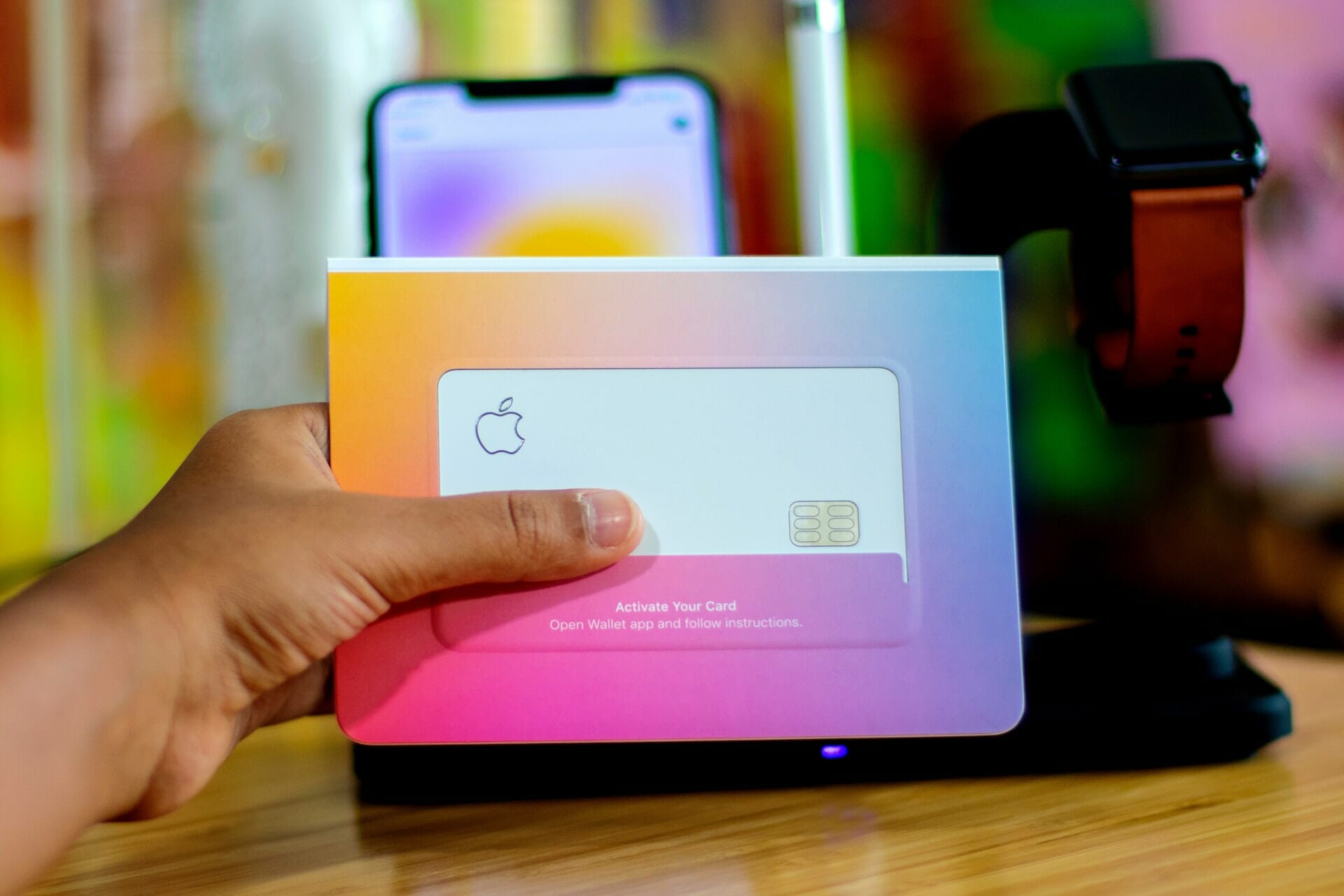
Apple’s Apple Card is one of the most hotly anticipated credit cards of 2019. It is also being touted as a “game-changer” by the California tech giant, but is the Apple Card worth it? Here’s what you need to know about Apple’s foray into the credit card market, how it will likely stack up against other cards, and whether you should consider signing up.

What Is the Apple Card?

First announced back in March, the Apple Card is not Apple’s first venture in the world of electronic payments. Apple Pay, the digital wallet that comes pre-loaded into iPhones, iPads, and so on, has been a staple of the Apple suite of software products for some time now. The Apple Card plays off this technology and tries to take it to the next level. According to Apple, one of the problems with digital wallet technology is that it doesn’t provide consumers with the entire picture when they make purchases – Apple Card will do just that. The card is a venture in collaboration with Goldman Sachs Bank and features the purchasing power and payment processing of Mastercard.

How Does Apple Card Work?

The Apple Card is essentially a digital credit card that is housed directly in a user’s Wallet app. As it is housed electronically, it is used in the exact same manner that a normal called connected to Apple Pay would be, except users have instant insights into how much they are spending through reports and charts, how much interest they can expect to pay if they don’t pay their entire balance, and other neat tricks. The digital nature of the card allows users to pinpoint their spending right down to the exact location, thanks to integration with Apple Maps, making it possible to identify where they are spending far too much (possibly on donuts or late-night tacos, perhaps). Also, the card provides both weekly and monthly spending reports, meaning you are never more than a tap away from a detailed understanding of your money management (or lack thereof). One of the most helpful party tricks of the Apple Card, however, is the interest calculator, which provides real-time insights into how much a cardholder can expect to pay in interest charges should they not pay off their entire balance each month. Apple claims that this feature is designed to help customers make informed decisions about their credit and to help promote credit responsibility, and it’s hard to argue with them.

Rates and Fees

The Apple Card features no annual fee, no foreign transaction fees, no over-the-limit fees, and no penalty APR should a cardholder miss a payment. In terms of APR, the typical APR should be competitive with other cashback credit cards, which is also variable and based on both creditworthiness and the Prime Rate.

Rewards

The Apple Card is a cash-back reward credit card but in a slightly different way. Where typical cashback cards are redeemable through statement credits or as payment once a certain threshold is met, the Apple Card uses “Daily Cash” to provide real-time cashback rewards. Cardholders earn 3% cashback with all purchases made with Apple using the card, 2% cashback whenever the card is used for purchases through Apple Pay, and 1% for everything else. Instead of saving up cashback for later redemption, however, the savings are automatically added back to the card, hence the Daily Cash moniker. This automatic rebate feature seems to be one of the best features of the Apple Card, personally, the one that really sets it apart from the rest. Sure, it’ nice to get cashback in big chunks sometimes, but the thought of constantly getting little small pennies of joy each time a purchase is made isn’t bad either.

Other Card Features

As the Apple Card is essentially a digital credit card, many may be wondering what they can do if they want to use it for a purchase – say at an antique store, for example – but they don’t have the capabilities to take card payments through phones? Fortunately, Apple also wondered this and came up with a solution: a physical card to handle just this type of situation. Apple being Apple, they couldn’t just have a typical credit card. Instead, theirs is a “titanium, laser-etched, Apple-designed credit card.” Sounds fancy, and it is. The physical card is a pretty metal piece that is sure to wow Apple-fanatics and impresses their friends, but it is what the card lacks, which is the significant feature. The titanium card features no card number, no security code, no expiration date, and no signature, making it very difficult for the causal ‘ner do well and credit thief to get a user’s info. The Apple Card will also utilize the iPhone itself, using texting as a faster way of communicating and hopefully eliminating stressful wait times for good.

When Is It Available?

While the announcement in March was that the card would go live in August of 2019, there is no real indication of precisely when the first applicants will be accepted. Currently, several Apple employees are testing the card in their daily lives, but for now, that is the only roll out that has occurred.

Is the Apple Card Worth It?

Apple lauded the upcoming Apple Card as a game-changer in the world of credit cards and finance, and in some ways it is. The card’s digital approach and cash-back-made-simple are both great features – as is the lack of any hidden fees or annual costs. Do these unique features make the card worthwhile? In many ways, yes. Since the card features no annual fees, for those that are approved, the Apple Card is a great way to get cashback for the types of purchases we seemingly make every day. That means you get cash back when you use Apple Pay at the store to buy milk, chips, or anything else, as well as cashback when getting those Candy Crush boosters and paying for the iTunes subscriptions we can’t live without.

Capital One Data Breach: Who’s In Your Wallet?

Capital one whos in your wallet

Last updated on April 5th, 2023

Capital One’s slogan of “What’s in your wallet?” may need an upgrade thanks to the data breach that was reported this week. Who’s in your wallet?

If you’ve seen the news lately, you may have heard about what’s considered to be one of the biggest data breaches in US history to date: a hacker gained access to the personal information of over 106 million individuals who applied for credit through Capital One. Personal data including self-reported income and birth dates were compromised, and approximately 140,000 Social Security numbers, and 80,000 bank account numbers were also stolen. The Virginia-based lender stated that they saw the vulnerability in its system on July 19th, and immediately contacted the FBI and law enforcement; the perpetrator has reportedly been arrested in Seattle. It’s estimated that the hack took place between March 12 and July 17 of 2019; Capital One has stated that it is unlikely that the information that was swiped has been used for fraud, but investigations are still ongoing. Capital One has also said that it appears that the data stolen dates back to 2005, so this breach may affect customers who have not applied for a Capital One card recently. This isn’t the first major data breach to affect credit card users in the United States; in 2017, Equifax saw hackers breach their system and steal the personal information (including Social Security numbers and home addresses) of almost 148 million Americans between May and July of that year. The Capital One breach coincides with an FTC (Federal Trade Commission) and Consumer Financial Protection Bureau settlement with Equifax, who will be required to pay at least $575 million as recompense for what was widely considered a preventable breach. Capital One may soon find itself in the same boat once the dust settles, but in the meantime, what can we do to protect ourselves when we learn that a credit issuer, bank, or bureau that we use has had a data leak?

How To Beef Up Personal Data Security

Our experts recommend five immediate steps to take in order to protect yourself when you’ve experienced credit card fraud. These steps are also important to consider when you’re the victim of a hack like the one Capital One is currently dealing with, but there’s more you can do to protect yourself. Contact Capital One immediately if you bank with them to see if you’re affected by this. If you think your data may have been exposed thanks to this data breach and you’re unsure of what to do next, BestCards.com is here to help! We break it down for you:

1) Freeze Your Credit

Security experts agree that a credit freeze is the best recourse to take as a first step in the event that your personal information may have been stolen thanks to a data breach like the one Capital One has experienced. Often, you’ll read that the first step should be a fraud alert, but a credit freeze is actually much more effective.

What’s a credit freeze? A credit freeze prevents loans and other services from being opened in your name without your consent. Freezing your credit does not affect your credit score, and it’s now a free service provided by each of the three credit-reporting bureaus that can be accessed either online or over the phone. In order to freeze your credit, the FTC says you’ll need to gather your name and address, date of birth, Social Security number, and other personal information. Once you’ve contacted each credit bureau, you’ll receive a unique PIN which can be used to reverse your credit freeze the next time you need to apply for credit.

After a data breach of this sort, this option is more effective than a fraud alert, since a fraud alert is simply a red flag that alerts the company you’re banking with that you may have been the victim of fraud, while a credit freeze actually prevents anyone from using your data to apply for credit in the first place. It’s best to both freeze your credit and alert the issuer about possible fraud

2) Change Your Passwords

Perhaps the easiest step to take to protect yourself is to change the passwords for the accounts you think may have been compromised. Not only can you make it that much more difficult for someone to access your account, but you can also create a stronger password while you’re at it. Many people opt for passwords that are easy to remember, and use them across different platforms so they don’t have to remember individual logins – but this also means that many of our passwords are also easy to guess. Update your password and consider using a password aggregator that features a random generator such as LastPass, Keeper, Dashlane, or KeePass. These services will help you to generate unique, complex passwords that will be difficult to guess and keep thieves away from your personal data.

3) Be Wary of Scams

In the wake of a hack of this magnitude, crooks and cons will often try to capitalize on the confusion that inevitably follows a data breach. This means that there may be an uptick in the number of Phishing attacks, as ne’er-do-wells may pose as legitimate, trusted companies in an attempt to collect additional information to be used for fraud. Ignore unsolicited requests for information – personal or otherwise – and be wary of clicking links that are sent to your email by accounts that may present themselves as genuine. If the card issuer or bank doesn’t request to contact you directly, don’t respond to the email. Capital One has asked that any consumers who believe they receive a fraudulent email that is phishing for data to forward the email to: [email protected]. Remember, it pays to be vigilant, so if you receive an email (or a phone call) and you’re not sure if it’s a legitimate request or if you’re suspicious, contact your bank or the company that is claiming to contact you so that you can ensure you’re not accidentally giving away personal information. Another easy way to monitor your accounts is to sign up for credit monitoring. Credit monitoring services can help you keep an eye on your accounts by sending you alerts when any account is opened in your name, or even in the name of a family member. There are free sites, like Credit Karma, that offer complimentary credit monitoring, but for services that are more thorough, you’ll end up paying anywhere from $10 to $30 each month. When you consider the alternative, this may be worth it. Only time will tell just how much data was compromised in the Capital One breach. If you recently applied for a Capital One card, or you have an account with Capital One, you may be anxious to find out more. Follow the above steps to ease your mind, and make sure you contact a representative at Capital One to find out what they can do to help with this process.

Free Trial Forgetfulness – How To Automatically Cancel Free Trials Before They Renew

Free Trial Forgetfulness – How To Automatically Cancel Free Trials Before They Renew

Last updated on December 19th, 2023

Free trials are an essential part of the customer acquisition process for brands big and small. After all, how can you attract new, loyal customers without letting them sample the product first? But what happens when the free trial lapses? We’ve all experienced “Free Trial Forgetfulness” – how can you cancel a free trial subscription, even after you’ve forgotten you signed up for it?

Table of Contents

At a Glance

  • Free trials are a great way to sample an app, service, or product, but forgetting to cancel can cost you serious money.
  • Download apps or set reminders to keep you informed about your free trials.
  • Use virtual cards to avoid recurring purchases.

What Are Free Trial Subscriptions?

In the ancient times of the 20th century, businesses offered trial subscriptions through magazine or newspaper advertisements and television ads. Sometimes, they would even send physical samples before collecting any payment information. With the advent of the Internet, this marketing concept has evolved. Nowadays, we are constantly bombarded with emails and social media ads promoting free trial programs for various services, ranging from Netflix to grocery delivery and dog toys.

Free trials have gained popularity among consumers who want to test products and services before committing to them. Whether it’s a streaming service, a fitness app, or a software subscription, free trials allow users to explore the features and benefits without having to make an upfront payment. However, one common issue many people face is forgetting to cancel these trials before automatically renewing.

Forgetting to cancel a free trial can result in unexpected charges on your credit card, which affects numerous individuals. In fact, a recent study revealed that almost 40% of consumers have neglected to cancel a free trial before it transitions into a paid subscription.

Why It’s Important to Cancel Free Trials Before They Renew

Canceling free trials before they renew is crucial to avoid unwanted charges and unnecessary expenses. When you sign up for a free trial, you typically provide your credit card information as payment once the trial period ends. If you forget to cancel the trial, the company will automatically charge your credit card for the subscription fee, ranging from a few dollars to a significant amount, depending on the service.

By canceling the trial before it renews, you take control of your finances and ensure that you only pay for the services you want to use. It’s important to be proactive and not rely on the company to remind you to cancel, as they often have different cancellation policies and may not provide sufficient notifications before the renewal date.

Businesses secretly want you to sign up for their trial period and conveniently forget about it, allowing them to collect your money effortlessly. This practice, “Free Trial Forgetfulness,” is a lucrative business model for companies. When you enroll in a program and provide your information, you essentially enter into a contract, making it your responsibility to cancel the subscription if you no longer wish to use it.

How to Cancel Free Trials Before They Auto-Renew

Reminder Apps

Some popular reminder apps, like Todoist and Wunderlist, allow you to set reminders for specific dates and times to be notified when it’s time to cancel a trial. Some credit card management apps, such as Mint or Wallet, also provide features that can track your subscriptions and send you alerts before they renew. By utilizing these reminder apps and tools, you can proactively manage your free trials and avoid the hassle of forgetting to cancel.

Virtual Cards

Virtual cards are digital payment cards that provide an advanced layer of protection by working for set transactions only. Unlike traditional credit, debit, or prepaid cards, which are physical cards made of plastic, virtual cards exist solely in digital form. They are generated by financial institutions or card issuers and are linked to your existing credit card or bank account.

When you use a virtual credit card for online purchases, a unique card number, expiration date, and security code are generated. These virtual details are separate from your credit card information, ensuring your sensitive financial data remains protected.

These virtual cards are great for “Free Trial Forgetfulness,” as the virtual number will only work for one transaction. Because of this, virtual cards are a natural defense against recurring payments on your credit or debit card. These payments can stack and cost you significant money on your monthly expenses.

Cancelling Popular Services

Still looking for some more specific advice regarding canceling a subscription or free trial? Here’s how to cancel your free trial with seven popular premium apps and services available:

  1. Netflix: Visit the “Account” section of your profile and select “Cancel Membership” under the “Membership & Billing” section. Follow the prompts to cancel, and your subscription will be automatically canceled at the end of the billing period.
  2. Amazon Prime: Go to the “Manage Your Prime Membership” page on Amazon’s website. Click on the “End Membership” button, and your Prime subscription will be canceled automatically when the current membership period ends.
  3. Spotify: Open the Spotify app and go to your account’s “Your Library” tab. Tap on the gear icon in the top-right corner to access settings. Scroll down to “Subscription” and select “Cancel Subscription.” Your Spotify Premium subscription will be automatically canceled at the end of the billing cycle.
  4. Apple TV: Visit your account and choose the “Cancel” option under the “Account” page. Follow the instructions on the screen to cancel.
  5. Audible: Select the “Cancel” option under your profile’s “Account” page. Follow the instructions on the screen to cancel your trial.
  6. Hulu: Log into your profile and choose the “Cancel” option under the “Account” page. Follow the instructions on the screen to cancel your free trial.
  7. YouTube TV: Sign in to your account and visit your profile. From there, go to “Settings” and “Membership.” Select “Manage” and click “Cancel” to end your trial.

Conclusion

Free trials can be a great way to explore new products and services, but forgetting to cancel before they renew can lead to unwanted charges and frustration. By automating the cancellation process, using reminder apps and tools, and staying organized, you can avoid the issue of free trial forgetfulness.

Remember to always be proactive and take control of your subscriptions. By being mindful of your trial periods and cancellation deadlines, you can ensure that you are only paying for the services you truly want and avoid any unnecessary expenses.

Related Article: Ultimate Guide to Merchant Category Codes

Featured image by  Gerd Altmann/PixaBay

Sallie Mae Aims to Help Students And Graduates Build Credit With Three New Cards

Sallie mae aims to help students and graduates build credit with three new cards

Last updated on November 30th, 2020

Sallie Mae rolls out three brand new credit cards that help build credit and with students in mind: Ignite, Accelerate, and Evolve. Which is right for you?

Most American college students are familiar with the name “Sallie Mae,” often spoken in a hushed whisper by students and graduates who face large loans to pay down once they graduate from university and other graduate programs. If you attended college in the last two or three decades, odds are you’ve borrowed from Sallie Mae. Best known for servicing federal education loans, they are the largest and most reputable student loans company, offering both undergraduate and graduate students options to finance their education without breaking the bank. Paying down student debt can be intimidating, which is why Sallie Mae gets a “bad rap” among many students; but, the company does offer some of the best options for students who want flexibility with repayment. As of this summer, Sallie Mae expanded those options by adding three credit card programs that offer powerful tools to help students, recent graduates, and everyone else build their credit while simultaneously earning cash back rewards. Meant to replace the Sallie Mae Mastercard, these offers are unique in that they are designed to have unique incentive structures that often target college students directly; some of these bonus programs are not available from any other card issuer. If you’d like to learn more about Sallie Mae’s newest credit cards, you’ve come to the right place!

Ignite℠, Accelerate℠, and Evolve℠

Students often struggle to find cash back rewards cards that are a good fit for them, since building credit history takes time, and many high-tiered rewards programs require excellent credit. Sallie Mae has introduced three different rewards credit card options, all of which fall under the umbrella of “cash back rewards.” Students and recent grads can pick from the Ignite℠, the Accelerate℠, and the Evolve℠ cards; while each offer is different, all three cards share some great perks that are perfect for students and recent grads who are looking to build their credit history. Each card rewards the user with a different bonus tier, based on their financial history and behavior while using the card. Users who regularly make payments on time will see the rewards they earn begin to increase!

Breaking down the offers:

Sallie Mae Ignite℠ Card

Perfect for students, the Sallie Mae Ignite℠ Card is a cash-back rewards credit card that offers competitive interest rates as well as special bonuses that can be earned when the cardholder demonstrates responsible financial behavior. Highlights include:

  • Unlimited 1% cash back on all everyday purchases – whether you’re going to Starbucks to fuel an all-nighter before an exam, paying your phone bill, or buying groceries, you’ll earn cash back with this card.
  • 0% purchase APR for the first six months after account opening
  • Competitive, low APR of 15.24% up to 25.24% (based on your creditworthiness and the Prime Rate)
  • No annual fee

What sets the Sallie Mae Ignite℠ Card apart from the other offers from this lender is the bonus offer for responsible financial behavior: Make six consecutive on-time payments and you’ll qualify for an extra 25% cash back bonus; additional rewards can be unlocked when you continue to make on-time payments, at the discretion of the card issuer.

Sallie Mae Accelerate℠ Card

The Sallie Mae Accelerate℠ Card stands out from other cash back cards because, as of this writing, it’s the only credit card currently on the market that will reward the user with a bonus when they use it to pay down a student loan. Designed specifically for recent graduates, anyone can take advantage of the cash-back rewards that come with this card, but those with student debt will be best served with their Accelerate℠ card. Highlights include:

  • Unlimited 1.25% cash back on all everyday purchases – you’ll earn rewards whether you’re buying your morning coffee, grabbing a snack or fuel at the gas station, or seeing a movie with your friends.
  • A generous introductory APR offer of 0% for the first twelve months that the account is open
  • A competitive, low APR of 15.24% up to 25.24% (based on your creditworthiness and the Prime Rate)
  • No annual fee

What sets the Sallie Mae Accelerate℠ Card apart from the other offers from this lender (and most other credit card offers out there) is a special cash back bonus of 25% on any cash back rewards that are used to pay down student debt. Additionally, Sallie Mae rewards you for making monthly payments on time every month: the more you consistently demonstrate financial responsibility, the more rewards you’ll earn.

Sallie Mae Evolve℠ Card

Finally, the Sallie Mae Evolve℠ Card is another great offer that anyone – student, recent grad, or otherwise – can take advantage of. Earn unlimited rewards with special bonuses for spending in two categories, unlock additional rewards, and build your credit, all at the same time – this is a convenient, easy-to-use rewards program fit for everyone. Highlights include:

  • Unlimited 1.25% cash back on all purchases – you’ll love the idea of earning unlimited cash back on every single purchase they make, every day.
  • A generous introductory APR offer of 0% for the first twelve months that the account is open
  • A competitive, low APR of 15.24% up to 25.24% (based on your creditworthiness and the Prime Rate)
  • No annual fee

What sets the Sallie Mae Evolve℠ Card apart from Sallie Mae’s other offers is the bonus offer that accompanies your unlimited cash back rewards. When you spend, you’ll see a special bonus of 25% cash back, earned from the top two purchase categories each month, applied to your statement. Additionally, when you demonstrate financial responsibility, you have the opportunity to unlock more rewards to redeem with your card.

Sallie Mae’s Card Perks

Sallie Mae’s credit cards all come with a suite of convenient (and free) tools for cardholders. When you download their app to access your account from a smartphone or tablet device, you can quickly pay bills, set up alerts, and view transactions. In the instance that your card has been lost or stolen, you can easily pause your account using the app, which also makes disputing fraudulent charges hassle-free. In fact, with each of these card offerings from Sallie Mae, you won’t ever be held responsible for purchases you didn’t make, as long as you report them in a timely fashion. Using the online portal and the app, you can track your rewards by setting a daily, weekly, or even monthly spending alert that can be used to gain insight into your own spending habits. Working towards a great credit score is convenient and easy; Sallie Mae will even give you free access to your FICO score so you can keep tabs on your progress. Another great feature for students and recent grads: When you pay your monthly cell phone bill with the Sallie Mae Ignite, Accelerate, and Evolve cards, you’ll not only earn cash back rewards, but you’ll receive up to $600, per claim, in cell phone protection. Thanks to Sallie Mae, if you drop your phone on the way to class, or it gets stolen, you’ll be covered.

Final Thoughts

Sallie Mae has rolled out some great options for students and recent grads who are interested in earning rewards while they begin the process of building their credit history. Finding the right card can take time, and it’s important to research other student cards so that you can make the right choice and find what is best for you. Check out the reviews on BestCards.com to get an idea of where to start!

Citi to Bring Big Credit Card Changes This Fall

Citi to bring big credit card changes this fall

Last updated on August 18th, 2020

Citibank is going to introduce sweeping changes to its credit card rewards programs, and while the shake-up over at Citi may leave many cardholders in shock, there will be some changes for the good, as well. Depending on what card you have, you may notice a big change to what rewards you can earn, as well as how they can be redeemed. These changes apply to several different cards, and will primarily affect several popular travel protections. If you’ve just made a purchase with your Citi card, don’t fret – these changes won’t roll out until September 22, 2019 – but Citi has already removed all mention of them from their credit card benefits page.

What’s changing?

While these updates are relevant for everyone who’s interested in applying for a Citibank credit card, they’ll be of particular interest to current cardholders, since their card usage will be affected directly. What card features will no longer be available to Citi cardholders as of September, 2019? Read on for a comprehensive breakdown of these winds of change.

Price Rewind

The Price Rewind program is among Citi’s greatest customer benefits; particularly useful when a lower price is available for an item that you’ve already purchased, Price Rewind allows customers to submit a claim detailing the new price and then be reimbursed for the difference. Thanks to this program, cardholders have been able to make purchases worry-free since it eliminates the doubt many of us experience when we make large purchases: Did we pay too much, did we get the right price? What if it goes on sale after I buy it? Unfortunately, Citi cardholders will no longer benefit from this program beginning in late September. It’s likely that the advent of smartphones at least partially is to blame for Citi rewinding their Price Rewind program, since technology makes it very easy to take advantage of this perk.

The following travel protections are taking flight:

  • Worldwide Car Rental Insurance
  • Trip Cancellation & Trip Interruption Protection
  • Baggage Delay Protection
  • Lost Baggage Protection
  • Trip Delay Protection
  • Worldwide Travel Accident Insurance

A few other benefits you’ll miss:

  • 90 Day Return Protection
  • Roadside Assistance Dispatch Service
  • Damage and Theft Purchase Protection
  • Travel and Emergency Assistance
  • Extended Warranties

When you consider that many of the perks that Citi is removing are now standard with other issuers, it could spell trouble for Citibank if this update to their policy causes a mass exodus to their competitors. That said, Citi is introducing a brand new benefit for cardholders: Pay With Points.

What is Pay With Points?

Beginning in July of 2019, Citi rewards program members will have a new option to redeem their Thank You rewards points. Pay With Points will allow consumers to use their Thank You points to pay for certain eligible purchases across dining, shopping, and entertainment. Eligible purchase categories include dining, grocery, gas, utilities, entertainment, drugstore purchases and even retail purchases at clothing and department stores.

How it works:

When you make an eligible purchase in one of the categories described above, you’ll earn Thank You points. One point is equal to 0.8 cents when redeemed with Pay With Points. Once you’ve earned points, they can be applied to recent purchases as a statement credit quickly and conveniently, particularly if you have a smartphone on hand: Perhaps the best feature of this program is that, when you set up notifications on the Citi Mobile® App and make a purchase that qualifies for Pay With Points, you’ll automatically get a push notification and/or email that lets you have enough points to cover the item’s cost. At this point, you simply log onto the app on your smartphone, select the purchase, and apply points. Alternatively, you can access your online or mobile account, select an eligible purchase from your card statement, and Pay with Points online from the comfort of your home. After July, it will be easier for Citi cardholders to redeem Thank You points on an ongoing basis thanks to this new program. When a lender flags your credit card account as delinquent due to a series of missed payments, issuers are likely to make changes to your terms. When you signed up for your credit card, you also agreed to a penalty APR that is utilized in the instance that you make a late payment or miss one entirely. Penalty APRs can apply to both new purchases as well as the full balance on a card, and typically average at 29%. Penalty APRs usually apply for at least 60 days after a missed payment, and that time frame can be extended at the bank’s discretion so it’s very important to ensure that you fulfill your monthly obligations when it comes to paying off each statement. Banks and card issuers will evaluate the number of missed payments on your account as well as your overall creditworthiness, and this information will help them determine whether they will apply the penalty APR, and for how long.

Big changes mean big decisions

Citi cardholders will experience a pretty consequential loss of value when it comes to cardmember benefits, thanks to the sweeping changes Citibank is implementing come fall. If you’re a current cardholder, contact Citi to find out how your card may be affected, since some cards will be affected more than others. Make sure you plan for these changes, and look into credit card rewards programs from other card issuers – you may find better value elsewhere, for the time being. Fans of Citi credit cards will have to decide if the new Pay With Points program is attractive enough to keep their interest once Price Rewind and travel benefits disappear from all Citi rewards cards.

Columbia Care Unveils Cannabis Credit Card

Columbia care unveils cannabis credit card

Last updated on April 13th, 2023

At BestCards.com, we pride ourselves on staying up to date with all the latest trends in the world of credit cards. Sometimes, however, there are curve balls we don’t see coming. Such is the case with the new credit card on offer from Columbia Care, Inc. Columbia Care is a multistate medical company – and while a healthcare business getting into the credit card game may sound strange, it is even odder when you consider that Columbia Care is in the medical marijuana industry. Here is what you need to know about Columbia Care’s new cannabis credit card.

Why a Cannabis Credit Card?

With so many retailers already offering store cards and rewards credit cards, it seems that a cannabis credit card was the next logical step. This new service, known as the Columbia National Credit card, has already been successfully trialed in New York State, where initial testing occurred in the latter half of 2018. This trial run had impressive results according to a press release from Columbia Care. The company states that the trial saw an 18% increase in the average basket size for in-store customer purchases, as well as an increase in both repeat visits and the use of the company’s home delivery service. Home delivery was by far the most significant growth metric, with home basket sizes 40% larger than in-store basket size and deliveries accounting for 10% of the overall medicinal cannabis business.

“Expanding the Cannabis Market”

Nicholas Vita, the CEO of Columbia Care, Inc. said in a company release that the goal of the company is to expand the entire national medicinal cannabis market. Of the new credit card, he says that: “this is exactly the type of industry-wide challenge our team excels at solving. “By launching the first credit card in the country that can be used by consumers and industry participants to purchase cannabis products, we now exclusively offer an important capability that will serve Columbia Care’s national growth initiatives, including home delivery, automatic fulfillment, and e-commerce.”

Where is Columbia National Credit available for Medical Cannabis Patients?

The Columbia National Credit card recently expanded from New York after its successful trial period. The cannabis credit card is now also available for use at Columbia Care’s Pennsylvania and Delaware dispensaries, with further rollout to Illinois and Arizona by the end of June 2019. The company hopes to have nationwide acceptance of the card at all its dispensaries by the end of 2019.

Where Can the Card Be Used?

Currently, the Columbia National Credit card is only available for use at the company’s dispensaries, but there is hope that eventually, the card may have a broader reach. According to Vita, Columbia Care is presently evaluating strategic and targeted partnerships, which it hopes will help position the card as the premier credit payment option in the entire cannabis industry. And while it currently is the only credit card in the whole cannabis industry, if successful, this space may become saturated very quickly.

What Are the Benefits of the Columbia National Credit Card?

So, what are the benefits of the new cannabis credit card for those who apply? The card offers medical marijuana patients another option when it comes to paying for their medicine. According to Vita, when given numerous payment options, some customers prefer paying with credit. This preference is something that the cannabis industry has failed to consider, and now, Columbia Care is looking to fill that gap. That’s not to say that it was as easy as merely creating a credit card aimed at medicinal marijuana patients. First, the company had to navigate the complexities of the financial industry – something even trickier when it came to marijuana. The result, however, is something that many are hailing across the medical marijuana landscape. Megan Fox, the spokesperson for the National Cannabis Industry Association, praised the new card, citing the lack of a reliable electronic form of payment has been something that has plagued the industry for years due to federal policies. Beyond the convenience of a new and easy way to pay for medical marijuana at licensed dispensaries, the new Columbia National Credit card also offers cardholders some nice perks. These member benefits include:

  • No annual fee
  • Exclusive member access to sales and other offers
  • Members-only events
  • A cardholder priority phone number
  • Online account management and payments
  • No interest or fees if members make payments on time

The card also features a variable APR, which, abed on the creditworthiness and the Prime Rate, offers cardholders competitive rates when compared to other store credit cards.

Looking for the Best Impartial Credit Card Reviews? Look No Further.

While a medicinal marijuana credit card may not be everyone’s cup of tea, there truly is a credit card to suit the needs of every consumer. If you are looking for the best credit cards available on the market today, make sure to check out some of the reviews on BestCards.com. We have a comprehensive collection of all the leading credit cards, including impartial reviews and a detailed run-down of all the key facts and figures you need to make an informed decision. Whether you are looking for an airline rewards card, a hotel rewards card, a cash back credit card, or even a secured credit card to help boost your poor credit score, at BestCards.com we are here to help you choose the ideal card.

Mastercard’s True Name™ Card Makes Life Easier for the Transgender and Nonbinary Community

mastercard true name

Last updated on February 15th, 2022

A person’s name holds a lot of power; it’s their identity, who they are. When a given name does not reflect an individual’s true identity, it can be a source of anxiety and stress. Mastercard aims to make it easier for transgender and non-binary individuals to use their chosen name, rather than their deadname, in everyday life.

In time for WorldPride and the 50th anniversary of the Stonewall Riots, Mastercard recently unveiled the True Name™ credit card, which will allow all non-binary and transgender customers to put their chosen name, rather than their legal name, on their card. This is the first move by a major credit card issuer to allow customers to personally select the name they want to use on their credit card. Previously, cardholders have had no choice but to use their birth name, which can be a point of sensitivity for many people who identify as non-binary or transgender.

The LGBTQIA+ community faces many challenges and prejudices, and often the name that appears on important documents like birth certificates, passports and driving licenses as well as credit, debit and prepaid cards is not the name that the person they are issued to wants to use.

A legal (birth) name that has been changed is often called a deadname, a term that is used most often by someone who is transgender and has elected to go by their chosen name instead of the name given when they were born. This deadname can serve as a source of sensitivity and insecurity, since it misrepresents the true identity of the individual when shopping and going about daily life. This sensitivity is compounded when someone who has changed their name needs to use a credit card that misidentifies them when they are required to prove that the credit card they are using is, in fact, theirs. This situation is one that all too often leads to a string of uncomfortable, personal questions that are not only emotionally draining but can lead to stereotyping, prejudice and even violence.

Mastercard aims to ease this pain point for the transgender and non-binary community by creating a product that will allow for true names to appear on cards without the requirement of a legal name change. The cost, complexity, and anxiety associated with an official name or gender change can be a huge challenge, one that many transgender individuals choose to avoid due to the inconvenience (and the amount of time this can take). According to a recent survey, nearly one-third of participating individuals indicated that when they used IDs that feature a name or gender that does not match their presentation, negativity that includes harassment, denial of services, and even physical attacks occurred. It can be embarrassing when a person is confronted at a store because their ID and credit card names don’t match.

This sort of discrimination also has carried through to credit cards and other payment mechanisms, either due to lack of empathy from card issuers and banks or lack of awareness of the issue. Luckily, more LGBTQIA+ voices are heard every day, and change is on its way. In March of 2017, HSBC implemented gender-neutral titles as a way of improving the banking experience for its customers; unfortunately, this is not a standard across the industry. Mastercard is making a commitment to bring this change to life with their True Name™ credit card; watch the video below:

“We are allies of the LGBTQIA+ community, which means if we see a need or if this community is not being served in the most inclusive way, we want to be a force for change to help address and alleviate unnecessary pain points,” Randall Tucker, Chief Diversity and Inclusion Officer for Mastercard, says. “This translates not only for our Mastercard employee community but for our cardholders and the communities in which we operate more broadly. Our vision is that every card should be for everyone.”

This announcement was made in conjunction with a statement that, along with the New York City Commission on Human Rights, Mastercard will “champion the power of acceptance to create and unveil an all-inclusive version of the iconic street sign at the corner of Gay and Christopher Streets in New York’s West Village.” The card was rolled out during an #AcceptanceMatters Panel hosted by MasterCard and the New York City Commission on Human Rights during the WorldPride 2019 celebrations. Mastercard cardholders who will benefit from the ability to use a chosen name on their credit card can expect to see the Mastercard True Name™ Credit Card hit the world markets in early 2020, according to the company. It is the goal that this initiative will spark conversation within the industry and other card issuers will begin to apply these standards.

We at BestCards look forward to seeing this inclusivity become the norm, both in the credit card industry and in daily life.

Digital Wallets 101

digital wallets 101

Last updated on April 13th, 2023

The traditional leather wallet, pocketbook or purse accompanies us to work, to the mall, to the grocery store – wherever we go, our wallet goes with us too, except for when we leave it at home, or when we lose it. Without a physical debit or credit card, can you purchase any of the necessities you’ll spend money on over the course of an average day like gas, lunch, a snack at work, groceries? The answer may lie with digital wallets. Consumers expect their smartphones and tablets to make life easier, as more and more apps are available to help us simplify and improve everything from tracking expenses, booking flights and getting directions, to ordering food or even groceries to be delivered to our homes. In fact, paying for items online is becoming increasingly common; purchases can be made at millions of online stores. Using a digital wallet to make these purchases – both online, and in person – is not only fast and convenient, but it’s a safe way to make transactions without exposing your personal information. You won’t even need a physical credit card, as your account will be linked to your digital wallet.

What is a digital wallet?

Simply put, a digital wallet is an electronic device or an online service that enables the user to make electronic purchases online (over the Internet), or with a smartphone or other device in-person at a brick and mortar store. Often known as an “e-wallet,” a digital wallet provides a convenient, hassle-free method of payment for all kinds of goods and services. Think of it as a digital version of your credit and debit cards, stored in an app or online service that is easily accessible. Most people want flexibility when it comes to making payments, and a digital wallet affords us all a safe and easy way to pay for a variety of things.

How does a digital wallet work?

There are three major components that make up a digital wallet: the system (the electronic infrastructure provided by the issuer), the application (app) or software, and the device used by the owner of the wallet. A great example of a digital wallet is Apple Pay®, which allows its users to make payments in person, via iOS apps, and on the web; Apple® makes it easy, since their digital wallet can be used with many of their products including the iPhone, iPad, desktop Mac and even the Apple Watch. In this case, Apple’s technology would be the system; the devices listed above come with the app included in the iOS (the app/software), and the iPhone or iPad would be the device. As you could imagine, this means that paying for items with the digital wallet from Apple extremely convenient when you use their other products. When you sign up for your digital wallet service, you’ll be asked to enter personal information like your address, your credit or debit card number, and other relevant info. This payment information is stored in the app itself, not on your phone or computer. As an additional precaution, many of these apps require secondary authorization like a PIN or passcode, or a fingerprint. The app assigns each credit and debit card entered a unique virtual card number that is associated only with the digital wallet and mobile device you are using. The encrypted account information can only be accessed by the user, and if you lose your phone or tablet, you can lock your digital wallet remotely by signing into the service you use from a desktop or another device. This ensures that your information is protected, and that potential thieves will have a difficult time grabbing your information.

How do I get a digital wallet?

Digital wallets are fairly easy to obtain and are available to consumers free of charge. Many of us already use smartphones on a daily basis, and you may be surprised to discover that your device already has a digital wallet app on it. If not, you can download one from your online app store and follow the instructions to add your credit or debit information. Your credit card issuer may also offer their own version of a digital wallet service through their banking app, and of course you can utilize online searches through Google or Bing to find digital wallet providers. If doing all of this online makes you uncomfortable, you can also sign up for a digital wallet in person. Some banks, and many stores make this easy when you get to the register or teller, with applications ready for you to fill out and further instructions that detail how to set up a digital wallet account.

How do I use it?

An e-wallet is extremely easy to use. If you’re linking it to a smartphone, simply hold your device near a compatible payment terminal to make a purchase; alternatively, you can use an app for the transaction if you’re shopping online. Many of these digital wallet services make use of Magnetic Secure Transmission (MST), which is a technology that allows your digital wallet to communicate with most traditional payment terminals and even some ATMS. Look for stores and merchants that feature the contactless symbol, or who accept payments through your app or digital wallet service. Often, the service will provide a list of participating stores.

How safe are digital wallets?

While you’re not technically paying for a cash advance, you are withdrawing money against your credit card account, and that’s money that you’ll have to pay back. As mentioned above, cash advances bear high APRs, transaction fees, and no grace periods, so you will almost always end up paying more than what you took out.

What is the difference between a digital wallet and a mobile wallet? And, are mobile wallets safe too?

While the term “digital wallet” is often used interchangeably with “mobile wallet,” there is one important, albeit slight, difference between the two: A digital wallet is accessible via desktop, laptop or mobile device, while a mobile wallet is typically housed in an app on a mobile device like a smartphone or tablet. Don’t worry, though – mobile wallets are just as safe to use as digital wallets are, too – they function the same way, and are also encrypted and secure.

Final Thoughts

Digital wallet systems enable the widespread use of mobile and online payments via digital transaction systems, connecting the you and I (the consumers) with retail vendors, banking systems, and financers. As our technologies advance, so do the ways we’re able to pay for goods and services – and it’s never been easier for people to buy online. With a digital wallet, it doesn’t matter if you forget your credit card debit card, or cash at home – you’ll have an easy solution at your fingertips (or on your mobile device)!

Things You Should Not Pay for With a Credit Card

things you should not pay for with a credit card

Last updated on November 4th, 2021

Credit cards make life easier. They also make life harder. Although you could save time and even get something in return by making a purchase with a card, it’s not always the best decision. You may be enticed with points or cash back. In addition, using your card as much as possible could help you reach a big signup bonus. But some purchases, or expenses, could come back to haunt you, and it can be difficult to shake them loose. Although everyone lives under different circumstances, there are a handful of transactions that everyone should generally avoid making with a credit card. Read more about them below.

Never Use Your Credit Card to Pay for These Six Things

mortgage credit card

Mortgages, Auto Loans, and Student Loans

Mortgages, auto loans, and student loans are practically guaranteed to be huge sums of money, and you may have high monthly payments depending on the terms of your loan agreement. It may be tempting to use a credit card – especially if you can earn rewards – but there are a few issues. First, the companies that service these loans generally do not allow credit cards as a form of payment. 

You can use third-party businesses that pay on your behalf and allow your credit card to be charged, but they’ll add on a convenience fee for their services. Second, you’ll be using up your credit limit in a hurry, especially if you don’t fully pay off your card’s balance every month. And third, these loans already accrue interest, so if you’re letting balances revolve on your card, you’re accumulating interest on top of more interest. In short, you’re needlessly paying more than you have to. Unless you’re certain you won’t dig yourself into a hole by using a credit card, it’s best to steer clear of that option.

School Tuition

Schools may allow you to pay for tuition costs with a credit card, but, again, you’ll be making the wrong decision if your card has a high-interest rate and can’t fully pay the balance each billing period. Plus, schools will likely charge additional convenience fees. These fees are usually small percentage amounts – think 2%-3% – but depending on the tuition sum, those percentages can add up to considerable additional charges. Consider taking out a student loan instead, which will have a much lower interest rate.

Hospital Bills

Like school tuition, hospital bills are best paid with direct funds. Most medical costs are high and putting them on a card means decreasing your utilization ratio, which can hurt your credit score. If you’re not liquid enough to cover a hospital bill, contact the facility’s financial office and inquire about arranging a payment plan instead.

Down Payments

Whether it’s a house or a car, you should always be able to cover a down payment with cash on hand. If you’re relying on a credit card to meet the down payment amount, it just means you’re not ready to afford what you’re about to purchase. Take the time to save money instead and save yourself the regret later on.

Cash Advances

While you’re not technically paying for a cash advance, you are withdrawing money against your credit card account, and that’s money that you’ll have to pay back. As mentioned above, cash advances bear high APRs, transaction fees, and no grace periods, so you will almost always end up paying more than what you took out.

Bail Bonds

A bail bond is likely to be processed as a cash advance if you purchase it with a credit card. Therefore, expect a cash advance fee and a higher APR than what’s in place for regular purchases. Plus, you’ll have no grace period, meaning interest immediately begins to accrue.

Final Thoughts

As you may have gathered, the primary reasons you should not pay for any of the above costs with a credit card is because you’ll run up your credit limit, you’ll risk carrying a balance that can quickly snowball, and you’ll end up paying more in the long run through finance charges and fees. If you make time to evaluate your financial situation and consider all your options before you take on a big expense, you’ll be less likely to make a rash decision that sounds feasible in the moment but will have negative consequences down the road.

Related Article: What Is the Average Credit Card APR?

How to Prepare Before Applying for a Credit Card

how to prepare before applying for a credit card

Last updated on April 14th, 2023

People apply for credit cards every day, but it’s by no means a casual decision. Between affecting your credit to potentially sinking you in debt, there are pitfalls that you’ll want to be prepared to avoid before you make the move to apply. Other considerations are in order, such as how appealing you’ll look to an issuer and how you should manage your budget before and after receiving additional buying power. Read on to learn how you should equip yourself as intelligently as possible.

Understand How Credit Cards and Credit in General Work

This should go without saying, but you need to have at least a basic familiarity of how to use a credit card. It may sound silly, but it’s common for people to apply for one without knowing about paying down a balance or being charged interest. If you need a refresher – or if you’re just starting out – head over to our Credit Cards 101 guide to be aware of the fundamentals.

Check Your Finances

This is the most important factor you should consider before applying for a credit card. If you’re in a financial hard spot like owning a lot of debt or having trouble making payments, you won’t be in a favorable position to apply for a new line of credit. Besides, lenders will look at your credit history and if they don’t like what they see, they will deny your application. Therefore, take the following into account during your planning stage:

  • Reduce your debt as much as possible. The less you owe to other creditors or lenders, the more flexibility you’ll have with a new credit line. If you have several accounts, try to have their balances as close to $0 as possible. It’s not a bad thing to have numerous lines of credit – it can actually be beneficial – as long as they haven’t been opened within a short timespan or are at risk of becoming delinquent.
  • Have or develop a budget. Chances are you already have other recurring expenses like utility bills, school tuition, or groceries. Make a list of what you regularly spend your money on and what you have left over. Doing so will give you a clear picture of how you can apply that extra money to future credit card payments.
  • Evaluate your spending habits. What do you normally spend your funds on other than necessary costs? Are you a frugal shopper or do you have expensive taste? It’s important to think about how you spend your money, as well as how much you spend, before you gain access to more buying freedom.
  • Have a steady source of income. The saying goes, “You have to spend money to make money”, but the opposite is also true. If you’re in between jobs or living paycheck to paycheck, it may not be the right time to apply for a credit card.

Check Your Credit Report and Credit Score

After you’ve made sure you’re financially stable enough to live comfortably with a new credit card, you should check your credit history. Credit card issuers will thoroughly inspect your credit report and weigh the decision of your application on your credit score, so being familiar with both beforehand will help you know whether it’s the right time to apply for a card or not. Your credit report is prepared by three different reporting agencies: Experian, Equifax, and TransUnion. Federal law allows you to obtain one free report from each company per year, and you can do so at AnnualCreditReport.com. Thoroughly inspect your report and review any open accounts you may have, how much you owe on each, and be especially aware of any adverse actions listed. While you’re at it, you should also look out for any inaccurate information. If you spot any inaccuracies in your credit report, you can dispute them. Your credit score is not provided in your credit report, but there are ways of viewing it. The FICO Score is the most widely used metric among issuers, so you can purchase access to yours through the company’s site. You should also check if you have existing credit accounts that provide your FICO score for free, as it’s a common add-on nowadays. Once you’ve gone through your credit history and score, you’ll feel more confident about your chances of getting approved for a credit card and how you’ll be able to manage it.

Know What You’re Going to Use Your Card For

Asides from casual shopping, you might have a specific reason for getting a credit card. Maybe you’re a small business owner who needs a line of credit to cover regular expenses, or perhaps you’re eyeing a vacation that you can pay for with a new travel card. There’s nothing wrong with having a card to buy something that you want occasionally, but it helps to have a purpose for each of your credit cards.

Know Which Card You’re Applying For

Tying into the above advice, you’ll make your life easier by already having a credit card in mind that you’d like to apply for. If you have a general set of attributes that you’re looking for but don’t have a specific card picked out, you can always browse and compare through our vast selection of cards from several issuers.

See if You’re Prequalified

Being prequalified for a credit card increases your chances of being approved because it essentially informs you that you fall into the required credit score range for a card. If you’re a member of a bank you may receive targeted offers either through your online account or via mail. Alternatively, you can always go to an issuer’s site and use its checking tools if you’re looking for a specific card. Being prequalified won’t hurt your credit score, as issuers typically only do a soft pull to vet you, but if you go through with the application the issuer will proceed to do a hard pull. With a prequalification in place, however, you’ll at least know that you have a high likelihood of being approved, therefore the ensuing hard pull won’t be “wasted”, so to speak.

Know What the Credit Card Application Asks For

You should be able to come up with the information that a credit card application requires as you see it, though it won’t hurt to know what you’ll be asked for in advance. You’ll need to provide your name, address, proof of citizenship or residence, phone number, date of birth, social security number, employment status, and income and financial assets information. These requirements may vary from issuer to issuer, but you can expect to be asked for most if not all of them on a standard application.

Don’t Apply for Too Many Credit Cards at a Time

Once you’ve gone through all your information and confirmed that you’re in good standing to apply for a credit card, the last piece of advice is to use your applying power wisely. If you apply for, say, two credit cards within a short timespan you may be approved for them, but if you increase that number it’ll reflect badly on your credit report. Applying for too many cards consecutively will be interpreted by card issuers as having a desperate need for money, and your ability to pay back borrowed funds won’t look favorable in their eyes. Therefore it’s important to know which card you want to apply for, why, and how you’ll use it. Doing so can make you realize that you won’t need more than one or two credit cards for your needs and wants.

Advertiser Disclosure

BestCards is an independent, Florida-based credit card comparison platform. Many of the card offers that appear on this site are from companies from which BestCards receives compensation. This compensation may impact how and where products appear on this site (including, for example, the order in which they appear). BestCards does not include all card companies or all card offers available in the marketplace.