Mastercard Tests USDC for Cryptocurrency Payments

mastercard-tests-usdc-for-cryptocurrency-payments stablecoin

Last updated on September 7th, 2021

Mastercard has announced plans for a trial of USDC as a potential gamechanger in its goal of making cryptocurrency payments a reality by the end of 2021. The new pilot program will include key partners, like Evolve Bank & Trust and Paxos Trust, and will seek to provide more cryptocurrencies access to its future crypto payments plans.

Mastercard Testing USDC for Crypto Payments

Mastercard is testing USDC stablecoin for payments as the payment network looks to find a suitable way to allow its cardholders to pay for goods using cryptocurrency. The news of the USDC token testing is the latest step for Mastercard in its plans to enable cardholders to use digital assets as a payment method.

What Is the USDC Token?

The USDC token (also known as USD Coin) Is a stablecoin that is pegged to the value of the U.S. dollar. The coin is managed by Circle and runs on the blockchains of Stellar, Ethereum, Solana, and others. Circle claims that the USDC token is backed 1:1 by U.S. dollars held in reserve, making the token a stable option for cryptocurrency payments.

Stablecoin Pilot Program Details

The pilot program of testing USDC token as a viable crypto payment option will involve a small handful of partner companies and will see payments made through cryptocurrencies (like Bitcoin, Ethereum, and others) converted into the USDC stablecoin and then U.S. dollars (or another foreign fiat currency). This process adds several additional steps to the cryptocurrency payment process but may provide greater access to other cryptocurrencies than ever before.

Commenting in a press release that accompanied the news of the USDC token trial, Mastercard executives stated that the trial would provide a stepping stone to greater cryptocurrency acceptance. “Today, not all crypto companies have the foundational infrastructure to convert cryptocurrency to traditional fiat currency, and we’re making it easier,” said Raj Dhamodharan, Mastercard’s executive vice president of digital asset and blockchain products.

Mastercard’s Crypto Payment Timetable

Mastercard first set out its goals for cryptocurrency payments in February. The company’s stated goal is to allow crypto payments across its network by the end of 2021. Speaking about the company’s vision then, Dhamodharan stated that “Mastercard isn’t here to recommend you start using cryptocurrencies. But we are here to enable customers, merchants, and businesses to move digital value.”

Related Article: Mastercard Hails Crypto Plans as “Act of Brilliance”

Featured image by xresch / PixaBay

Mastercard Facing India Ban on Credit Cards

mastercard-facing-india-ban-on-credit-cards

Last updated on January 29th, 2024

India’s Reserve Bank has banned Mastercard from issuing new debit or credit cards in the country. The ban, which doesn’t impact current Mastercard holders, came because of data storage regulation violations, of which American Express and Discover also fell victim.

India Bans Mastercard

Mastercard is facing a ban on the issuance of new credit cards in India. The Reserve Bank of India (RBI) due to violations of data storing rules. The violations, which require foreign card payment networks to store Indian payments data in India, were also breached by American Express and Diners Club approximately three months ago. The ban will not impact customers who already hold a Mastercard debit or credit card in India.

The change in data storing rules occurred in 2019, causing intense lobbying efforts from Amex, Visa, Mastercard, and Discover – all U.S.-based companies. The companies argued the new rules would increase their infrastructure costs and stretch their fraud protection services thin.

However, the major difference in the cases of Amex and Diners Club (Discover) from that of Mastercard is the stake Mastercard holds in the Indian marketplace. Mastercard partners with many of India’s leading banks to issue credit and debit cards, with the company announcing $1 billion in investment over six years just two years ago.

Mastercard Faces Intense Domestic Pressure from RuPay

The new ban opens the door for Visa to score new partnerships and increase their stake in the Indian marketplace. U.S. payment networks have faced stiff competition from domestic payment platforms in recent years, with RuPay and Unified Payment Interface (UPI).

RuPay, the largest competitor to the major card issuers, is an Indian multinational financial services and payment service system, accepted at over 42.4 million POS locations and 190 million ATM locations worldwide.

Featured image by sarangib / PixaBay

How to Add an Authorized User to Your Credit Card

how to add an authorized user to your credit card

Last updated on April 3rd, 2024

If you are a primary cardholder, adding an authorized user on your credit card account can be as beneficial to your credit score as it can be harmful. While the process itself is relatively easy, the effects of having one on your credit card can leave marks on your credit report for years to come, so finding a trustworthy person is key. If you’re curious about how to add an authorized user to your credit card and what it can mean for you, read on.

What is an Authorized User?

In the world of credit cards, an authorized user is a secondary user for a credit card that receives a card with their own name on it. The purchases they make with this card reflect on the same statement as the primary account holder and shares the same credit limit.

It’s worth noting that there are a few differences between being an authorized user on a credit card and being a joint account holder. Authorized users can be added to a credit card at any time, do not have to go through a credit check, and are not financially responsible for paying any debts owed. Joint account holders, on the other hand, must apply at the same time as the other users and have the same legal responsibility to pay back balances on the card.

A couple with a joint account who breaks up may not be able to have as clean of a break as they’d like, as both parties are still liable for the balance on the card. Any negative effects as a result of using the card will also remain on both partners’ credit reports until the credit reporting time limit has expired, which is 7 years for most negative info per the Fair Credit Reporting Act.

How Do I Add an Authorized User To My Credit Card?

There are surprisingly very few steps involved when you want to add this user type to your credit card. Many major credit card issuers can assist you in the process over the phone or online in just a matter of minutes.

To complete the process of adding an authorized user to an existing credit card account, all you need to do is provide their personal information. Once submitted, the authorized user will receive a credit card in their name in the mail complete with the terms and conditions and (in some cases, most of but not all of) the buying power of the primary account holder’s card. That said, there are pros and cons to this process that you should be aware of as the primary account holder.

What Are The Benefits of Adding an Authorized User To My Credit Card Account?

Adding an authorized user to your credit card is a very generous gesture. Without so much as filling out an application themselves, the family member, employee, or another person that you choose to add to your account will gain access to a line of credit and be able to make purchases with a credit card even if they were declined their own separate card in the past.

Depending on the card, their purchases may also earn rewards points and cash back benefits that you can capitalize on down the road. Adding an authorized user provides access to cash back cards and other lucrative rewards cards (such as those from American Express), without the rigorous credit score requirements.

Authorized users can also build a positive credit history with no credit history needed. An authorized user’s credit score may improve over time if they and the primary account holder show responsible spending habits. This ability to build credit can help users get access to their own credit cards in the future, plus better mortgage rates or card loan terms.

Keep in mind that not all issuers give information about authorized users to the three major credit bureaus though, so if you are hoping to help someone gain their financial footing, check your account information, or with your credit card issuer first. before adding another user.

What Are The Negatives of Adding an Authorized User To My Credit Card Account?

In certain situations, adding this type of user to your credit card can have quite negative effects for both you and them. Any mistakes that you make while using your credit card will damage the authorized users’ credit score, such as having a high credit utilization ratio (spending close to your credit limit) and outright missing payments. The primary account holder is responsible for all of the charges and fees with the card, including the annual fee and foreign transaction fees, even if they aren’t making purchases with it.

If you don’t trust the authorized user you want to add to your credit card, other financial products may be a better option. Someone with a poor credit score that was unable to qualify for their own unsecured credit card may still be able to qualify for a secured card.

Before you add an authorized user to your credit card, consider the good and bad of the other person’s financial habits and how it would affect your own credit score. So long as you trust them wholeheartedly, they’ll only be helping you earn points on your card at an even faster pace.

Related Article: Do Credit Card Perks Also Apply for Authorized Users?

Featured image by PhotoDune

Goldman Sachs Rumored to Launch “Apple Pay Later”

apple pay later buy now pay later bnpl

Last updated on April 20th, 2023

Goldman Sachs and Apple are seeking to enter the Buy Now, Pay Later (BNPL) market. A new report is stating that the California tech behemoth is seeking to diversify its financial offerings with a new service within the Apple Wallet ecosystem. Here is what we know so far about Apple’s new financing service, how it works, and when we can expect it to launch.

Apple Set to Launch Buy Now, Pay later Service

The BNPL market seemingly gets more crowded every week. Last week, Splitit launched a new BNPL service that allows in-store financing without taking on new debt or loans. However, even bigger news for fans of BNPL services is coming out this week – with potentially game-changing implications for the sector.

Apple and Goldman Sachs are reportedly launching a BNPL service internally known as Apple Pay Later. The news, first reported by Bloomberg Wealth, states that this new service will allow Apple Pay users to make purchases and pay them off over time, with Goldman Sachs acting as the lender for the loans.

Interestingly, Apple Pay Later will not require an Apple Card to use, an unnamed source in the report stated. Not tying the BNPL service to the Apple Card is a smart move by the tech giant. It encourages iPhone users to adopt the Apple Wallet and payment ecosystem – further strengthening the company’s financial portfolio.

Apple actually benefits financially from users making purchases with Apple Pay, regardless of whether or not they use the its own credit card. The company receives a percentage of all transactions made using its proprietary service – with the company raking in over $50 billion a year from it alone.

How Apple Pay Later Works

Apple Pay Later will take two forms: “Apple Pay in 4” and “Apple Pay Monthly Installments.” The first plan allows users to finance a purchase in four equal installments. The monthly installments version of the plan lets users pay down a purchase over a longer term – likely over set periods such as six, 12, or 24 months.

The Bloomberg article also reports that Apple’s new payments offering will eliminate some of the fees typically associated with BNPL services, but the exact nature of those fees is currently unknown. There is also currently no set launch date for this new service.

Related Article: Apple Card Now Reporting to All Major Credit Bureaus

Featured image by Nietjuh / PixaBay

U.S. Consumer Borrowing Sees Record Jump in Growth

u-s-consumer-borrowing-sees-record-jump-in-growth

Last updated on July 31st, 2023

Consumer confidence is showing signs of growth, thanks to a record spike in lending in May. The most recent U.S. consumer lending report highlights huge growth in both revolving – and non-revolving – lines of credit, following a decline from the previous month.

Federal Reserve Report Highlights Big Jump in Credit Lending

U.S. consumers are making the most of the ending of many coronavirus restrictions with record levels of new credit. According to the most recent Federal Reserve data, Americans opened a record amount of new credit, nearly doubling April’s tally.

Non-revolving credit saw the largest jump, with consumer borrowing jumping to $26.1 billion in May, the highest amount on record. Non-revolving credit includes any financing with a set loan end date. These credit accounts include auto and boat loans, mortgages, and student loans.

Revolving credit, including credit cards, rose by $9.2 billion in May. That consumer borrowing gain follows a decline in April. Overall, total credit rose $35.3 billion from April according to the Federal Reserve – a 10% climb on an annualized basis.

Goldman Sachs Study Shows Consumers Worry About Debt

The rise in consumer lending comes on the heels of a recent Goldman Sachs report that debt repayment was the number one financial concern among Americans. The quarterly Consumer Sentiment Study highlighted the concerns many have about debt. Many turn towards personal loans or new balance transfer credit cards to help pay down existing debt burdens.

The report also shows that most Americans (63% of respondents) believe that the next six months will see either good business conditions (27%) or stable business conditions (36%). The same study also shows that 84% of Americans think they will save the same or more during the next six months, indicating consumer confidence is continuing to grow.

Related Article: How to Quickly Eliminate Credit Card Debt

Featured image by geralt/PixaBay

Citi and Capital One Credit Cards: Visa or Mastercard?

citi capital one credit cards visa mastercard

Last updated on August 24th, 2023

Knowing the payment network on your credit card might seem frivolous – especially since most cards feature the network image prominently. Not all cards do this, however. For example, are Citi or Capital One credit cards Visa or Mastercard? The answer might not be as straightforward as you’d think.

Are Capital One and Citi Credit Cards Visa or Mastercard?

Most credit cards feature the payment network prominently on the bottom right of the card. The logos most seen on the card are usually either Mastercard or Visa – the two largest payment networks by the total number of places accepted worldwide. The Visa network is the largest payment network in the world, with more than 336 million Visa credit cards in circulation – over 100 million more than Mastercard in second.

Both Citi and Capital One credit cards don’t feature a payment network, however. So which network do they use – Visa or Mastercard? The answer is both.

Which is Which?

Capital One credit cards can be either a Visa or Mastercard since the bank uses both card networks. The same logic also applies to Citibank credit cards, though most Citi cards will use the Mastercard payment network. Some cards feature one specific network, while others depend on when the card is issued.

The Costco Anywhere Visa® Card by Citi, for example, will always be a Visa. Similarly, the Capital One® Walmart Rewards™ Card, BuyPower Business Card, and the American Airlines AAdvantage® MileUp Card will always bear the Mastercard logo.

With other cards, the situation is less clear. The Capital One® Savor® Cash Rewards, QuicksilverOne®, and Platinum Card are examples of Capital One cards without a payment network displayed. The same applies to Citi’s AT&T Access Card and its Expedia Rewards credit cards. These cards can be either a Visa or Mastercard credit card, but the differences aren’t as noticeable as you might expect.

The protections and security that both Visa and Mastercard provide are essentially the same. Both offer Zero Fraud Liability protection, for example, plus extended warranty coverage and rental car insurance. Both are accepted globally, with cardholders struggling to find a merchant that doesn’t accept Visa or Mastercard in most destinations worldwide.

How to See What Payment Network Your Credit Card Uses

Which credit card network your new Capital One or Citi credit card will use isn’t apparent until you receive your new card. Once you get your new Citi or Capital One card, your guide to benefits should spell out which payment network your new card is on. What network your card uses is not based on credit score, rewards, credit limits, or other factors.

Another way to figure out your credit card network is by examining your card number. The first digit in a credit card number identifies the payment network that processes its transactions. Also known as the Major Industry Identifier (MII), it provides information on your card’s payment network:

  • 3: American Express
  • 4: Visa
  • 5: Mastercard
  • 6: Discover

No matter what your payment network, Capital One and Citi offer some of the most popular credit cards on the market today. Both issuers provide valuable rewards, lucrative sign-up bonuses, and lengthy 0% intro APR offers, making their products incredibly enticing.

Related Article: Who Can Apply for a U.S. Credit Card?

Featured image by geralt / PixaBay

The Most Anticipated Crypto Rewards Cards

Most Anticpated Crypto Rewards Card

Last updated on May 2nd, 2022

Cryptocurrencies like bitcoin are among the hottest trends in finance. These crypto coins provide exciting avenues of growth, plus security elements that aren’t available with fiat money, like the U.S. dollar. Crypto rewards credit and debit cards are one aspect of the crypto game that provide the most excitement, with new cards being announced every month. 

At BestCards, credit card discussions extend well beyond the end of the business day. Our staff are always discussing what to look for in a credit card, and rarely is there a 100% consensus. 

Here are the most anticipated crypto credit and debit card picks  from our senior editorial staff, Allan and Cory:

Cory's Crypto Debit & Credit Card Picks:

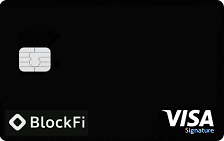
BlockFi Rewards Visa® Signature Credit Card

BlockFi Rewards Visa® Signature Credit Card

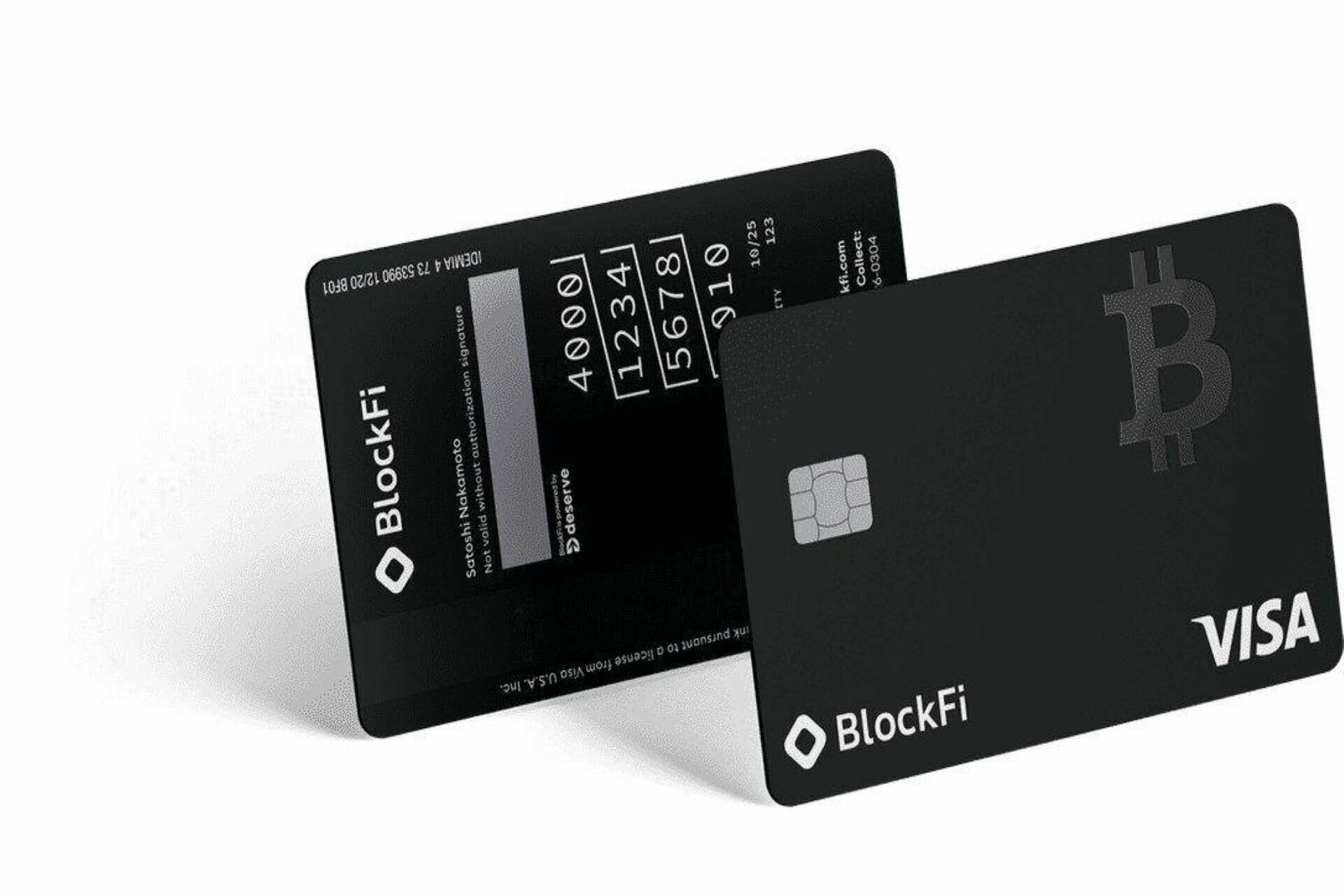
BlockFi just went live to some of the first names on the waiting list, but in my opinion it is still a hotly anticipated card. The card earns an unlimited 1.5% cash back in Bitcoin (BTC) – a rate that jumps to 2% back in BTC after making $50,000 in purchases each calendar year. Even better? The 3.5% BTC back for the first 3 months.

crypto com visa card 224x141

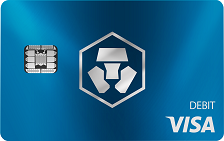
Crypto.com Visa Card

The Crypto.com Visa Card is a prepaid crypto card that offers cash back crypto rewards with every purchase and more. The card rewards those with the highest CRO stakes with the biggest perks - perks that rival ultra-premium luxury cards like the Platinum Card from Amex or the Chase Sapphire Reserve. Read our full review for the mind-blowing specs.

blank card image

SALT Crypto Credit Card

The Salt Card is new - how new? There isn't even a definitive card image yet. Despite this, I am really interested in this card, as it is a mix of a crypto rewards credit card, a secured card, and a charge card. The card will use your crypto stake to act as a credit line, making it an easier credit option for those who love crypto - but are new to credit.

"What do you think about my picks? Do I know my blockchain from my bitcoin? Check me out on Twitter and let me know!"
cory
Cory
Senior Editor

Allan's Crypto Card Picks:

fold visa crypto

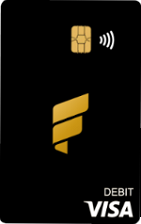
Fold Visa® Prepaid Card

Fold bets big on Bitcoin, allowing you to earn rewards in the form of BTC. In addition to spending anywhere Visa is accepted with the Fold Card, you can also purchase gift cards within the Fold App that earn additional rewards. The big incentive, however: a daily wheel you can spin for a chance at even more earnings. The wheel’s prizes change regularly and can include anything between a deposit match, 100% back on your purchase’s earnings, and even an entire bitcoin.

Gemini Card

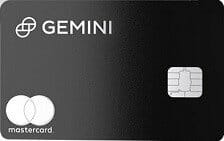
Unlike the first two picks, Gemini offers a credit card – not a prepaid debit card. The product is designed to integrate seamlessly with the Gemini crypto exchange, which was founded by Cameron and Tyler Winklevoss. Among the Gemini Credit Card’s perks are no annual fee, up to 3% back on dining (plus 2% back on groceries and 1% on all other purchases), customized metal cards, and real-time rewards. The card is set to launch this summer, with a waitlist currently accepting entries.

coinbase

Coinbase Card

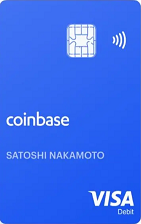
The Coinbase Card makes a big statement by earning up to 4% back in rewards on purchases. You can change the assets you spend and earn within the Coinbase app – including BTC, XLM, and others – and you’ll be notified if spending with any particular crypto incurs extra fees. Currently the Coinbase Card is still on waitlist status, though the service has started rolling out cards to existing users.

With cryptocurrency there is so much excitement it's hard to pick three cards. Did I miss any you prefer? Let me know on social media."
allan
Allan
Managing Edtor

Before You Go, Check Out BestCards Membership

As exciting a crypto is – earning rewards for your everyday shopping is even better! That’s why we thought we’d mention our new Membership platform, which offers deals, savings, reporting – and earning!

The BestCards Membership portal has thousands of deals from the leading merchants, travel sites, entertainment providers, restaurants, delivery services, and more! Our Membership program lets you save money when you book travel, make reservations, or shop online – you might even earn some cash back too!

Select merchant offers through the Membership Portal entitle the user to a cash back payout, meaning shopping with BestCards might make you money. The portal also allows users to save offers for later, view their deals history with comprehensive reporting, and more. Members can even earn additional rewards when they sign-up new members through referrals – and those users make eligible purchases through BestCards, helping you earn even more cash back!

The BestCards Membership platform offers much more than deals, however. Save your favorite credit cards and see how they can help you save. Or, compare card offers to find the right one for you. You can even leave cardholders reviews, save cards, and browse through BestCards.com’s over 900 credit card reviews.

Featured image by Icons8_team / PixaBay

Emirates Launches Emirates Pay for Flight Purchases

emirates-launches-emirates-pay-for-flight-purchases

Last updated on August 22nd, 2022

Emirates Pay is the world’s first airline payment platform that doesn’t require a credit card or debit card to book. The new technology lets Emirates customers book effortlessly, giving a potential glimpse at the future of digital payments.

Emirates Pay Streamlines How Customers Shop for Flights

Emirates now features a new account-based payment method for purchasing flight tickets, which doesn’t require a credit card when booking. The new Emirates Pay program lets customers in Germany and the United Kingdom purchase flights via the Emirates website without a credit or debit card.

Emirates Pay operates through a white-label payment solution created through a partnership of Deutsche Bank and the International Air Transport Association (IATA). The platform is based on real-time payments and Open Banking/Request-to-Pay schemes. This process provides all the necessary account and payment information, which, in turn, allows customers to approve transactions through their mobile (or online) banking.

“Simplicity and Security”

Emirates is the first airline to take advantage of the new payment technology. Speaking in a press release coinciding with the launch, Michael Doersam, Chief Financial Officer at Emirates said: “We’re pleased to be the first airline to roll out this new account-based solution for our customers. Our aim is to provide our customers with choice, convenience, and the best possible experiences at every touchpoint.

“Customers who don’t have a credit card, and those already using direct payments for other purchases, will welcome the simplicity and security of this method when making travel purchases. When it comes to payments solutions, we’ve always kept close to the latest innovations so that we can offer our customers in different markets the most secure and convenient options.”

Christof Hofmann, Global Head of Corporate & Payment Solutions at Deutsche Bank, added: “The launch of Emirates Pay not only sends a very positive message to all of us that the airline industry is putting COVID behind but more importantly that Emirates is clearly focused on improving client experience at the transactional level when moving into a brighter, post COVID world.”

About Emirates

Emirates is the flag carrier of the United Arab Emirates – and the largest airline in the country. The airline flies to over 157 destinations worldwide and features a codeshare agreement with several leading carriers, including Qantas, Thai Airways, TAP Portugal, Korean Air, LATAM, JetBlue, and more. Emirates also features two co-branded credit cards for the U.S. market: the  Emirates Skywards Rewards World Elite Mastercard® and the Emirates Skywards Premium World Elite Mastercard®, both from Barclays.

Related Article: The Ultimate Guide to Airline Credit Cards

Featured image by adege  / PixaBay

U.S. House Considering Changes to Credit Reporting

u-s-house-considering-changes-to-credit-reporting

Last updated on October 16th, 2023

The U.S. House of Representatives recently examined the issue of credit reporting in the United States. The hearing sought to explore the expert testimony of a National Consumer Law Center attorney who believes the current private credit reporting system is broken and biased against millions of Americans. Here is what you need to know about the House hearing – and the potential for a new public credit reporting agency.

House Hearing Into Private Credit Reporting Bureaus

The U.S. House heard testimony regarding concerns about the current state of credit reporting in the United States. The hearing sought to understand better the issues millions of Americans face when checking their credit scores and the highly influential role the three major credit bureaus – Experian, Equifax, and TransUnion) play in our everyday lives.

“Good credit is a gateway to wealth,” said Maxine Waters (D-Calif), the chair of the House Committee on Financial Services. “Yet, for far too long, our credit reporting system has kept people of color and low-income persons from access to capital to start a small business; access to mortgage loans to become homeowners, and access to credit to meet financial emergencies.”

Waters highlighted the case of an Arizona man who sued TransUnion when the bureau reported him as being on a terrorist watchlist when attempting to purchase a car. The U.S. Supreme Court recently ruled that the man’s suit could go forward in a narrow decision.

That case, Waters argues, highlights the potential harm credit mistakes can make, with more common errors leading to high interest rates and fees, mortgage denials, and other financial issues. Mistakes can also keep renters from securing apartments, insurance denials, and more.

A New Public Credit Reporting Bureau Proposed

So, what is the solution for the confusing (and frustrating) credit reporting system in the United States? According to one consumer protection expert, it is a new public credit bureau.

The hearing saw testimony from Chi Chi Wu, staff attorney of the National Consumer Law Center in Boston, MA. Wu, a consumer protection advocate, believes replacing the current credit scoring and reporting system with a public credit registry is the best option for Americans.

In his testimony, Wu argued that the for-profit nature of the three major credit bureaus creates economic disparity.  “The fact that these are private, profit-seeking companies explains why the credit bureaus are constantly expanding their products into uses, such as employment, insurance, and tenant screening, that ultimately harm Americans and contribute to the massive inequality in our nation” he said.

A public credit reporting bureau, overseen by the Consumer Finance Protection Bureau (CFPB), could help protect consumers from the profiteering of the private credit bureaus. “They (a new public credit bureau) would be responsive to public pressure and government oversight,” Wu added. “They could also be charged with developing credit scoring models to reduce the yawning racial and economic inequality in this country.”

Other Proposals

Wu also proposed several other potential changes to credit reporting during his testimony. These proposals include:

  • No longer allowing employers to check the credit score of potential hires.
  • Reducing the impact of missed payments on credit scores from seven years to four years.
  • Limit the reporting of medical debt for one year to give consumers more time resolve issues with hospitals and other medical practitioners.
  • A moratorium on the reporting of negative credit information during the coronavirus pandemic and other future disasters.

How Likely Are Changes to U.S. Credit Reporting?

The likelihood of major changes to U.S. credit reporting is unlikely – at least soon. The for-profit nature of the major credit bureaus means they will fight any changes tooth and nail with expensive lobbying campaigns and potential legal action.

In the meantime, consumers should follow best practices to ensure any negative damage to their credit score is limited. Reports last year indicated that many Americans lack basic knowledge of what impacts their credit scores. Fortunately, there are practical steps you can take to boost your credit knowledge and protect your credit score.

Credit Score Resources

Here are some useful resources regarding credit scores, credit repair, and credit protections that can help:

Featured image by Jackelberry / PixaBay

BlockFi Rewards Bitcoin Credit Card Now Live

blockfi bitcoin credit card now live

Last updated on April 12th, 2023

The BlockFi Rewards Visa Signature credit card has been attracting headlines ever since it was first announced. The card is now live, with those on the waitlist being invited to apply for the card this week. Here is everything you need to know about the launch of the new BlockFi Rewards crypto credit card:

BlockFi Credit Card Now Live for Applications

The hotly anticipated BlockFi credit card is now live for select waitlist members. The card, the BlockFi Rewards Visa® Signature, features an unlimited 1.5% cash back in Bitcoin (BTC) – a rate that jumps to 2% back in BTC after making $50,000 in purchases each calendar year.

BlockFi announced the waitlist for the crypto credit card in December 2020. Since then, more than 400,000 people have signed up, making the BlockFi Card one of the most anticipated crypto rewards credit cards of 2021. However, the wait is now over, with those first in line now gaining the ability to apply for the new card.

The BlockFi Card is also offering a lucrative sign-up bonus for successful new applicants. New cardholders enjoy 3.5% back in Bitcoin for the first three months after opening an account. Keep in mind though that BlockFi caps this offer at $100 in BTC.

Other features of the new BlockFi Rewards Visa include:

  • No foreign transaction fees
  • Visa’s Luxury Hotel Collection access
  • Visa Signature Concierge
  • Silvercar luxury rental car savings

“The Crypto Industry Has Come a Long Way”

Both BlockFi and Visa are excited about the future of crypto rewards – and the role the BlockFi Rewards Visa Signature will play in them. “The crypto industry has come a long way since the first Bitcoin payment transaction 11 years ago,” said Flori Marquez, BlockFi’s SVP of Operations and co-founder. “Today, nearly everyone knows about the important role crypto plays in reshaping the financial space, and our new credit card is set to be another game-changer. This card will make it easier than ever for people to earn Bitcoin back while making day-to-day purchases.”

Terry Angelos, SVP and Global Head of Fintech at Visa, echoes those sentiments. “Crypto rewards programs are a compelling way to engage consumers in the crypto economy,” he said in a release announcing the BlockFi bitcoin card’s launch. “We’re excited to see programs like the BlockFi Rewards Visa® Card, which offer rewards that are relevant to the growing community of digital currency adopters.”

Related Article: SALT Announces SALT Crypto Credit Card

Featured image by BlockFi

Splitit Launches In-Store BNPL Service

splitit instore buy now pay later

Last updated on April 24th, 2023

Splitit is a Buy Now, Pay Later service that works with a user’s existing credit cards. This process allows for greater access to financing but without the worries of added debt or interest charges. Splitit now also offers an in-store payment option, Splitit InStore, thanks to Google Pay and Apple Pay connectivity.

Splitit Launches In-Store Buy Now, Pay Later Service

Buy Now, Pay Later services are quickly becoming an essential part of shopping for many consumers. These Buy Now, Pay Later (BNPL) services take the worry out of financing purchases by offering a form of credit where a customer can offset the initial cost for several months – or even years.

Splitit is one such BNPL service, but with a twist. The Splitit service works with a user’s existing credit cards, letting customers use their current credit limits without worrying about carrying new debt or paying interest.

Greater Access to Financing, Online and In-Store

Originally, Splitit only worked for purchases made online. Now, however, Splitit works in-store as well, thanks to new Apple Pay and Google Pay connectivity. The new Splitit InStore works through a pay-by-link with a Splitit QR code or through a text message or email when shopping in-store with retailers that accept contactless payments.

According to a press release touting the launch, “Splitit InStore provides an installment option the retail sales associate can initiate for shoppers when making larger value purchases, such as home furnishings, jewelry, luxury retail, and sporting goods.” This process serves the dual purpose of providing customers with improved access to higher-priced items while also providing stores with better opportunities at landing high-end sales and commissions.

The Splitit InStore service is available on any connected device. Additionally, stores offer the service at the moment of purchase with no application or sign-up required by the shopper.

“Online shopping has transformed the way we shop for furniture. But consumers still want to see, feel and experience our furniture firsthand,” said David Hilst, owner of several La-Z-Boy Furniture Galleries stores in Illinois and Indiana, on the new service. “Splitit delivers a seamless in-store experience. We can meet the shopper in the store and offer an installment option instantly – it’s the best online experience in an offline environment. You don’t get this with other financing options.”

Other BNPL Services with In-Store Financing

Splitit InStore isn’t the only BNPL offering in-store financing, however. Afterpay, another popular BNPL provider, also provides this service through its Afterpay Card.

The Afterpay Card is a prepaid Mastercard debit card that synchs with a user’s Apple Pay or Google Pay. Once the BNPL card is added to the mobile wallet, users can open their digital wallet, select the “cards” tab, and view their available Afterpay balance. From there, they go ahead and pay as they would with any other contactless card – but with the added benefit of buying now and paying later

Related Article: Shopify Launches New Buy Now, Pay Later Service

Featured image by Splitit

Visa to Purchase Fintech Tink for $2.1 Billion

visa-to-purchase-fintech-tink-for-2-1-billion

Last updated on February 20th, 2024

Visa is seeking to jump back into the fintech marketplace following the failed buyout of Plaid late last year. The company is now seeking to finalize a $1.2 billion acquisition of Tink, a Swedish-based financial technology startup in the “open banking” market.

Visa Seeks to Buy Fintech Tink for $2.1 Billion

Visa has agreed to purchase Swedish fintech startup Tink. The purchase, valued at approximately 1.8 billion euros ($2.1 billion), would see Visa renew interest in the digital banking space – something it has previously sought to enter last year.

The potential purchase of Tink by Visa follows on the heels of a previously failed bid to purchase another fintech, Plaid. That acquisition, valued at $5.3 billion, was abandoned after the U.S. Department of Justice declared an intention to sue Visa over the merger, which the DOJ called a “monopoly in online debit transactions.”

Both Plaid and Tink operate in the same market, known as “open banking,” which facilitates the use of open APIs allowing third-party developers to create and build applications and services around existing banks. While open banking has enjoyed impressive success in the EU, it is still in its early stages in the U.S.

Visa “Fostering Innovation”

Announcing the acquisition, Visa’s CEO, Al Kelly, sees the merger as an excellent opportunity for the company’s fintech future. “Visa is committed to doing all we can to foster innovation and empower consumers in support of Europe’s open banking goals,” he said.  “By bringing together Visa’s network of networks and Tink’s open banking capabilities, we will deliver increased value to European consumers and businesses with tools to make their financial lives more simple, reliable, and secure.”

About Tink

Tink is a leading open banking platform in Europe that enables banks, fintechs, and startups to develop data-driven financial services. Tink allows customers to access aggregated financial data through one API, initiate payments, enrich transactions, verify account ownership, and build personal finance management tools. Currently, Tink connects to more than 3,400 banks that reach over 250 million bank customers across Europe.

Featured photo by geralt / PixaBay

Advertiser Disclosure

BestCards is an independent, Florida-based credit card comparison platform. Many of the card offers that appear on this site are from companies from which BestCards receives compensation. This compensation may impact how and where products appear on this site (including, for example, the order in which they appear). BestCards does not include all card companies or all card offers available in the marketplace.