How to Repair Your Credit from Your Couch

how-to-repair-your-credit-from-your-couch

Last updated on February 20th, 2024

Finding yourself in quarantine with nothing to do? Why not consider taking some steps to boost your credit score and improve your finances? Here are four helpful suggestions on how to repair your credit from your couch.

Monitor Your Credit Report

When repairing credit, the first thing a person should do is check their credit report and credit score. Your credit report details your complete credit history, allowing lenders to see how good of a borrower you have proven to be. If they don’t like what they see, your chances of boosting your credit could go up in smoke. Because of the importance of credit reports, you must make sure everything in yours is correct.

There are plenty of free credit score apps, plus quality paid services from leading names such as MyFICO, and TransUnion. While free services provide insight into your credit score, paid plans give you all the information on your credit report. These paid services also allow you to easily spot and dispute inaccuracies in your report, as well as comprehensive fraud monitoring and unlimited access to your credit reports 24/7.

Increase Your Credit Limits

Part of understanding what your credit score is means knowing what factors impact your credit score the most. The FICO Score is the most popular scoring model, favored by over 90% of lenders.

FICO prioritizes five factors when determining a credit score:

  • Payment history
  • Credit utilization
  • Credit history
  • Types of credit
  • New applications

Of these five factors, payment history and credit utilization are the most important, counting for 65% of your credit score. While payment history is relatively self-explanatory, credit utilization is slightly trickier.

Credit utilization refers to the total amount of your available credit you actually use versus your total credit limit. If you have a $1,000 credit limit, for instance, but use just $450 of it, that is a credit utilization rate of 45%. Ideally, you want to keep your credit use below 30% for maintaining credit – and below 10% for building credit.

Reduce Credit Utilization with a Secured Card

Repairing credit is all about getting the figures right. One of the easiest ways to decrease credit utilization is to increase your overall credit limit. One way to do this is to contact your current credit card companies and ask for a credit limit increase. For those with a good payment history and a long relationship, it might be as simple as a brief phone call. For those with imperfect credit, however, a secured credit card offers an excellent alternative.

Secured credit cards work by requiring a cash deposit. This deposit acts as the security for the lending risk and as the credit limit. The higher the deposit, the higher the credit limit. Because these cards require a deposit, they are much easier to get than other types of credit cards, making them great for quickly building credit.

Cards like the OpenSky Secured Visa require no credit check, meaning getting the card can’t hurt your credit score – only help it. Placing a large deposit on the card can quickly increase your available credit, and (with responsible budgeting and spending) reduce your credit utilization – quickly.

Consolidate Existing Debt

One of the biggest issues Americans face when repairing their credit is high-interest payments. Most credit cards feature an APR in the 15% to 25% range – or higher. Because of the burden credit card debt causes, paying off outstanding balances can seem impossible.

One of the easiest ways to reduce debt burdens is through consolidation. There are a variety of debt consolidation groups available, with rates considerably lower than what typically comes from a credit card. Groups like American Debt Enders are great for helping people find solutions for too much debt, for instance.

For those looking for a different approach, products like the Upgrade Card are another option. Upgrade works by extending a line of credit of up to $20,000 through their Visa credit card. The cardholder can then use that credit to pay off existing debts, consolidating them into one payment. Upgrade then converts the new balance into an installment payment plan of up to 60 months. Even better, interest rates with the card start as low as 6.99% – considerably lower than most credit cards on the market today.

Consider a Personal Loan

Like the Upgrade Card, personal loans typically offer lower interest rates than credit cards. These loans are another option for people looking to reduce their monthly payments and free up some of their budget for other things (including paying debt).

Many consolidations or personal loans are easy to apply for from your phone, laptop, or tablet, with decisions made in minutes. They also usually offer quick turnaround times, meaning the money can be in your bank account within the same day – or a few days at most. Some popular personal loan options include OppLoans, Smarter Loans, and Even Financial.


How to Bounce Back from a Subprime Credit Score

how-to-bounce-back-from-a-subprime-credit-score

Last updated on September 21st, 2023

Subprime credit is a serious problem for many Americans, keeping them from homeownership and a variety of other life milestones. Many people don’t realize just how prevalent bad credit is in America. Here are some sobering stats about bad credit – and how to bounce back from a subprime credit score.

34.8% of Americans Have Bad Credit

According to Experian, one of the three big credit report bureaus, a whopping 34.8% of American adults have a subprime credit score. A subprime credit score is a score between 300 and 689 on the FICO scoring model, which 90% of lenders prefer to use to judge an applicant’s creditworthiness. This accounts for both “bad” credit scores (300 to 629) and “fair” credit scores (630 to 699).

Another 10% of Americans Have No Credit

Surprisingly, another study shows that 10% of American adults – or 26 million people – have no credit at all. According to the Consumer Financial Protection Bureau (CFPB), these people are known as “credit invisible.”

No credit doesn’t necessarily mean a person has never had credit. No credit score also does not mean no credit history. Rather, a person with no credit history experiences one or more of the following:

  • No credit accounts open during the last seven years
  • Limited credit history, but not enough to create a credit score
  • No credit experience at all

The Dangers of Subprime Credit Scores

Having a subprime credit score can impact many aspects of your day-to-day life. Those with bad credit receive significantly higher interest rates on everything from credit cards to auto loans to mortgages. Throughout a 30-year fixed mortgage, for example, the difference between a bad – and good – credit score can equate to hundreds of thousands of dollars in interest.

Bad credit also impacts things like apartment hunting and even job applications. This is because potential landlords and employers can view your credit report. If they see bad credit and a series of late payments, you might lose that new apartment or dream job.

People in certain socio-economic communities are at greater risk from both subprime credit and credit invisibility. Groups at the greatest risk include Hispanic and African American communities, as well as those in low-income areas.

Subprime Borrowers Don’t Have Much More Debt Than People with Excellent Credit

Despite the dangers that subprime credit presents from a borrowing standpoint, people with bad credit don’t have that much more debt than other Americans with good or excellent credit scores. The average credit card debt amount for a subprime borrower is approximately $6,500. The average credit card debt for a person with good credit is only slightly lower, at roughly $6,200. Subprime borrowers also owe less on installments like mortgages and personal loans, but these may reflect the difficulty in obtaining those loans for people with a poor credit score.

The Good News Is That Subprime Credit Is Reversible

While bad credit is a reality for a considerable percentage of Americans, it can change with patience, persistence, and hard work.

Here are five tips to quickly rebuild your credit score:

Check Your Credit Report

One of the simplest ways to begin improving your credit score is by signing up for a credit monitoring service. Using a monitoring service, like MyFICO or TransUnion, allows you to inspect your report and make sure everything it contains is accurate.

Dispute Negative Remarks and Late Payments

If you see anything incorrect on your report, make sure you dispute it as quickly as possible. Sometimes payments go unreported, leading to accounts ending up in collections. Proving these mistakes were not your fault can boost your credit score fast by removing missed payments and other damaging remarks.

Contact Lenders About Consolidation or Refinancing of Debt

Those struggling with existing debt should also consider applying for a debt consolidation loan to eliminate multiple monthly payments. Alternatively, discussing refinancing options with your existing lenders can be a painless way of reducing your monthly payments – just make sure to be nice!

Get Additional Credit Cards

Adding more credit might seem counter-intuitive, but another credit card can help increase your credit quickly. There are two types of credit cards for people with subprime credit: “fresh start” unsecured cards and secured credit cards.

Secured Cards for Bad Credit

Secured credit cards are an excellent option for those looking to repair their credit score. The reason for this is because they are easier to receive than most unsecured credit cards. A secured card requires a deposit, which acts as the “security” for the account. This security makes lenders more willing to provide credit for those with subprime credit scores – and those with no credit score at all.

Because the security deposit on these cards also acts as the credit line, secured cards make perfect sense for people that want the flexibility to determine their own credit limit. A larger credit limit, for instance, allows you to lower your credit utilization significantly, while also increasing your overall credit limit – both which will increase your credit score. Of course, not everyone can afford a large deposit, so secured cards also make sense for those who plan on making a much smaller deposit – often as low as $200.

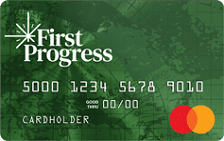
Some secured cards, like the First Progress Platinum Prestige Mastercard®, feature an APR under 10%. This interest rate is exceptional for any credit card – at any credit score – so to find it on a credit builder card is impressive.

Related Article: What are the best secured cards of 2020?

Unsecured Credit Cards for Bad Credit

For those who either prefer not to opt with a secured card or who simply cannot afford the deposit requirement, there are also a variety of unsecured credit cards for people with bad credit scores.

One of the benefits of some unsecured cards is the ability to receive a credit limit increase with responsible use. Two cards that offer this perk, the Reflex Mastercard and the First Access Visa Card, feature modest credit limits of $300, which the bank may increase in time.

Other popular options include the Indigo® Platinum Mastercard® and the Milestone® Gold Mastercard®  which offer pre-qualification, saving you the headache of potential rejection.

For those struggling to find a credit card for their damaged credit score, the Group One Platinum Card is a worthwhile option that offers ease of acceptance. This card offers a $750 unsecured line of credit to the Horizon Outlet – an online shopping portal. The shop provides an impressive list of products, meaning the cards provide excellent value.

The beauty of all these cards, however, is that they report to the major credit bureaus every month. This means if you pay your balance and keep your credit utilization low, you can quickly raise your credit score by 10, 20, or even 30 points in as little as six months. That, in turn, can open the door to better credit options, lower interest rates, and reduced debts.

Related Article: 5 Tips to Manage Your Finances After Losing Your Job

Does a Negative Balance Hurt Your Credit Score?

does-a-negative-balance-hurt-your-credit-score

Last updated on August 24th, 2023

Receiving a credit card statement usually raises feelings of dread. The most common worry is, “how much did I spend?” Sometimes, however, credit card statements come with a “-“ next to the current balance. This is known as a “negative balance.”  But what does that mean, and does a negative balance hurt your credit score?

What Is a Negative Balance?

In most instances, a negative balance is a bad thing. After all, negative doesn’t sound too positive, does it? A negative balance with a credit card, however, is not so bad, after all. A negative balance simply means your lender owes you money – not the other way around.

When you use your credit card to make payments, you end up with a positive balance. This means that you owe the bank money for the purchases you made. But if you pay too much on that balance, you may overpay, leading to a credit on your account.

Most credit card companies try to prevent negative balances, with online payments playing a significant role in this effort. Overpayment still occurs sometimes, however. Beyond overpaying, statement credits are another common reason for a negative balance.

Does a Negative Balance Harm Your Credit Score?

A negative balance on your credit card will not hurt your credit score. Your score will experience the same benefits as having a balance of zero. That said, you probably want to avoid this scenario, as it might mean less money in your bank account for other purchases or bills.

What Happens When Your Credit Card Company Owes You money?

If your credit card balance is negative, there are several scenarios for what happens to that money. These include:

  • Cover for future purchases: If you have a $25 credit, for example, and make $50 in purchases, your next statement might be for $25.
  • Deposits into bank accounts: Your issuer may deposit the additional funds into an associated bank account, with advance notice.
  • Check: Your issuer may send you a check. This is likely the case after months of inactivity on the account.

The exact nature of the rebate depends on the issuer. Many banks will only provide a cash refund if they are contacted by phone, for instance. Ultimately, however, your money will find its way back to you.

Related Article:  The Best Ways to Fix Your Credit

How Bad Is My Credit Score?

how bad is my credit score

Last updated on September 21st, 2023

Bad credit scores impact many aspects of daily life. Having a low credit score can keep you from obtaining a mortgage, finding an apartment to rent, or even preventing you from getting a credit card. While those with an excellent or low credit score likely know where they stand, for those in between the situation gets murkier. Do you ever find yourself wondering, “Just how bad is my credit score?” Here’s what you need to know:

What Is a Bad Credit Score?

Credit scores range from about 300 to 850 – depending on the credit scoring model used – with a higher score meaning better credit. There are two major credit scoring systems, FICO and VantageScore. FICO is the oldest – and most widely-used – scoring model, while VantageScore is a relatively new model.

What is a Bad FICO Score?

A credit score between 300 and 579 is considered “bad” in the FICO Score model. According to Experian, one of the three major credit reporting bureaus (the others being Equifax and TransUnion), 16% of Americans suffer from a bad credit score. Of those with poor credit, the vast majority have a credit score in the 500s. Only those with severely damaged credit, or no credit history at all, will have a score in the 300s.

What is a Bad VantageScore?

VantageScore differs from FICO in that it places greater emphasis on newer credit. That said, the model is similar regarding the range of scores, though the model breaks them down into “poor” and “very poor.” A Vantage Score of 300 to 499 is very poor, while a score between 500 to 600 is considered poor.

What Are the Negatives of Having Bad Credit?

Poor credit makes it much tougher to get approved for loans. Bad credit scores make banks unlikely to accept applications for credit cards, personal loans, mortgages, and auto loans. Where those with a bad score can find a lender, they will only offer higher interest rates. With high interest, the cost of servicing those loans can quickly overwhelm a budget, leading to financial hardships.

Bad credit also impacts other areas of life. Employers and landlords can access an applicant’s credit report to gauge their suitability for a job or apartment. Poor credit can make it difficult to land a dream job or get that new apartment because they pose too much of a risk. Poor credit also raises insurance premiums – and can cause insurers to cancel policies.

What Factors Impact Your Credit Score?

What are the items and factors that influence FICO scores? And what factors influence a VantageScore?

FICO Score

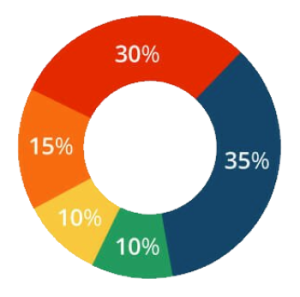
FICO places significant weight on payment history, as this is the biggest indicator of a person’s ability to repay any new credit they may receive. Nearly as important is the amount of available credit that individual is currently utilizing, which makes up 30% of the score. Of less significance (but still important) are the types of credit a person has, the number of hard inquiries they have in the past 12 months, and the length of their overall credit history.

fico credit factors
FICO Scoring Factor % of Score
Payment history/ late payments 35%
Total amount owed on credit accounts 30%
Average length of credit history 15%
Types of credit accounts 10%
New credit applications (hard inquiries) 10%

VantageScore

The VantageScore model places a much greater emphasis on types of credit (or credit mix) than FICO. Equally important, however, is payment history.

what makes up your vanatgescore?
VantageScore factor % of Score
Payment history/ late payments 40%
Credit depth 21%
Credit utilization 20%
Total balances 11%
Recent credit 5%
Available credit 3%

What Can I Do to Fix My Bad Credit?

While bad credit is a serious financial issue, it is also one that is fixable. Here are some of the proactive steps you can take to improve your finances and boost your credit score.

Use a Credit Monitoring Service

One of the simplest ways to begin improving your credit score is by signing up for a credit monitoring service. Using a monitoring service, like MyFICO or TransUnion, can help you see exactly what your credit score is and provide you with concrete steps to boosting it – fast.

Consolidate or Refinance Your Debts

Those struggling with debt should also consider applying for a debt consolidation loan to eliminate multiple monthly payments into one, simple-to-manage payment. Alternatively, discuss refinancing options with your current lenders to try and reduce your monthly payments.

Find a Fresh Start Unsecured Credit Card

While not every bank is willing to take a chance on someone with bad credit, there are still some good credit card offers for those repairing their credit score. Known as “subprime” credit cards, or “fresh-start” cards, these cards typically come with higher interest rates and lower credit limits.

Using these cards sparingly and paying the balance in full each month, however, can quickly boost your credit score. Even better, some cards, like the Reflex Platinum Mastercard®, offer the chance of a  higher credit limit with responsible use.

Some of the best unsecured credit cards for bad credit include:

Surge® Platinum Mastercard® Applied Bank® Unsecured Classic Visa® Card FIT™ Platinum Mastercard®
Card type Unsecured Unsecured Unsecured
Starting limit Up to $1,000 $300 $400

Get a Secured Credit Card

Those struggling to get an unsecured credit card may also decide on a secured credit card to boost their poor credit.  Secured credit cards differ from unsecured cards in that they require a deposit that acts as both collateral for the credit line, and as the credit limit. A $200 deposit, for instance, yields a $200 credit limit.

Secured cards are great because they are among the easiest credit cards to get, making them perfect for those with poor credit. And, with proper use, you can boost your credit score quickly.

The best way to use a secured card is only to use the card for smaller purchases. This practice keeps the credit utilization rate low – ideally below 10%. Keeping your credit use under 10% is the fastest way to raise your score. Equally important, however, is paying the statement balance in full each month – doing so can help you upgrade to an unsecured card in no time.

Some cards, however, like the First Progress Platinum Prestige Mastercard® Secured Credit Card, offer exceptionally-low APRs, making them perfect for building credit and carrying a balance.

Some of the top secured credit cards for bad credit scores are:

Card Features Annual fee
First Progress Platinum Elite Mastercard® Secured Credit Card
  • Receive Your Card More Quickly with New Expedited Processing Option
  • No Credit History or Minimum Credit Score Required for Approval
  • Quick and Complete Online Application; No credit inquiry required!
  • Includes Free Real-Time Access to Your Credit Score and Ongoing Credit Monitoring powered by Experian
$29
OpenSky® Secured Visa®
  • No credit check to apply and find out instantly if you are approved
  • OpenSky gives everyone an opportunity to improve their credit with an 85% average approval rate for the past 5 years
  • Get considered for a credit line increase after 6 months, with no additional deposit required
  • You could be eligible for the OpenSky Gold Unsecured Card after as few as 6 months
  • Reports to all 3 major credit bureaus monthly, unlike a prepaid or debit card
$35
Self Visa® Credit Card
  • Get the savings plan that helps build credit today
  • Start with a Credit Builder Account that reports monthly payments to all 3 major credit bureaus
  • No credit score is needed to get started
  • Your money is secured and protected in a bank account
$25
First Progress Platinum Select Mastercard® Secured Credit Card
  • Receive Your Card More Quickly with New Expedited Processing Option
  • No Credit History or Minimum Credit Score Required for Approval
  • Quick and Complete Online Application; No credit inquiry required!
  • Includes Free Real-Time Access to Your Credit Score and Ongoing Credit Monitoring powered by Experian
  • Full-Feature Platinum Mastercard® Secured Credit Card; Try our new Mobile App for Android users!
  • Good for Car Rental, Hotels; Anywhere Credit Cards Are Accepted!
$39

Summing It Up

A bad credit score can severely impact your life – but only if you let it. While poor credit is a problem, it is one with a simple solution that takes time and patience to achieve.

Actively monitoring your credit score, improving it with debt consolidation, and learning good financial habits are essential to eliminating the issue of bad credit once and for all. Get the right credit card, keep your credit utilization low and pay your balance on time, and your poor credit score will soar in no time!

Related Article: Easiest Credit Cards to Get with Bad Credit

FICO and VanatgeScore images courtesy of RewardsExpert.co

How to Ask Discover for Additional Offers

how-to-ask-discover-for-additional-offers

Last updated on August 24th, 2023

Discover is known for its quality selection of credit cards – all of which feature no annual fee. The bank is also famous for its customer service. Featuring friendly, U.S.-based representatives, the customer-centric focus of the Discover brand continues to entice applicants. One of the lesser-known perks of Discover is asking for a bonus. Here is what you need to know about asking Discover for additional offers, like 0% APR on your card.

Additional Offers to Qualifying Cardholders

Discover does not advertise additional offers, but they are known to provide them occasionally for those cardholders who ask. Previous examples of Discover bonuses for existing customers include an extra 3% cashback bonus on purchases, 7% cash back on revolving categories with the Discover It Cash Back card, and 0% APR. Of course, these offers are only available to select cardholders. But you never know unless you ask.

The latest reports indicate the current additional offer is 0% APR for around 12 months. This offer seems to only apply for new transactions, however.

How to Ask Discover for Additional Offers

Current Discover customers can contact an account representative to see if they qualify. When speaking with a Discover representative, ask if there are any promotional offers available, including 0% APR. As with reconsideration lines for credit card companies, you might need to haggle or negotiate, but Discover tends to be generous with their customers.

Not everyone will qualify, however. Common reasons for Discover rejecting extra perks concern credit scores, credit limits, or account age. If you call and do not get the answer you expect, don’t be afraid to call back and speak with another representative. Who knows, you may have better luck.

What to Do If You Can’t Get an Additional Bonus

For those who can’t receive a bonus offer, your best prospects are to keep using your Discover It card and building up a relationship with the company. Also, keep an eye on your credit score with a credit monitoring service to ensure your credit report is accurate. In time, Discover may contact you for a special bonus.

Related Article: 4 Tips for Building Credit In Your 20s

What Are the Best Secured Cards for Rebuilding Credit?

What Are the Best Secured Cards for Re building Credit

Last updated on August 23rd, 2023

When people want to rebuild their credit they usually look for personal loans to pay off debt or consolidate existing credit card balances. They may also consider using a credit repair service, or a credit reporting service. One credit repair route that they should consider carefully, however, is secured credit cards. Secured cards allow build your credit history, boost your credit score, and enjoy the purchasing power a real credit card. So, what are the best secured credit cards for rebuilding your credit?

The Best Secured Credit Cards for Repairing Your Credit Score

One of the most crucial aspects of rebuilding credit is creating a history of on-time payments and responsible use of credit products. While many might shy away from them, secured credit cards are an excellent option for those looking to bounce back from bankruptcy, default, or any other credit issues.

What Makes a Good Secured Credit Card?

When looking for a secured credit card for rebuilding credit, there are certain things to consider. First, note the minimum deposit. This deposit is what makes a secured card “secured.” The minimum deposit varies significantly and can make the difference between a good option and a bad one. Look for a secured card with a minimum deposit of $200. This deposit level makes the card much more affordable for those with limited access to funds.

Here’s what to look for in a secured card:

The Most Important Things to Look for:
Security deposit Secured credit cards require a deposit to open. This deposit acts as the collateral for the loan (it "secures" the loan, hence "secured card") and the credit limit. If you deposit $200, your credit limit will be $200, for example. Most secured cards require a deposit of around $200 to open, but some, like Self, only require $100.
Annual fee Having to pay an annual fee for a secured credit card doesn’t automatically make it unfavorable, though there are many available that waive said charge. If you find a credit card with the limit, APR, and perks that you prefer, paying an annual fee isn’t a bad thing if the benefits are greater than the cost. Depending on your creditworthiness, you may be able to find a secured credit card that balances both of these aspects perfectly.
Application eligibility The best credit card applications use language that is clear and easy to understand. Select card applications may charge a processing fee, for example, that other similar cards don’t.

This threshold is removed completely when applying for certain secured credit cards, as the deposit you’ll be making covers the risk that the issuer is taking on. While not the case for all secured credit cards, there are some available to you even with a really bad credit rating.
Other Things to Look For:
Upgrade If you use your secured credit card responsibly and pay off your balance each month, in a few years or sooner, you may qualify for an unsecured credit card. These financial products do not require a deposit on your part, and generally offer a better APR and much more enticing benefits, such as a higher return on travel rewards points and cash back on dining and entertainment purchases. Some issuers may automatically switch you over to an unsecured credit card after you’ve established your credit and improved your score. Often you will have to apply for these cards on your own, though you’ll be in a better position to qualify for the unsecured card that you want with your improved credit score in hand.
Credit tools The time that you’ll be spending establishing or building up your credit with the responsible use of a secured credit card is not the time that you should be forgetting to make even a single account payment. Doing so may hurt your credit score and increase the time that it will take you to eventually qualify for an unsecured credit card. Nearly all credit card issuers and financial institutions offer nowadays offer online banking features to help account holders keep track of their expenses 24/7. There are also mobile apps that can be installed on your smartphone and other online electronic devices from these institutions that will alert you if you are approaching your limit or have a payment due soon, making the process of building your credit more convenient than ever before.
Rewards It’s not unheard of to come across secured credit cards that offer cash back rewards, though they are more difficult to find than their unsecured counterparts. Finding one with these benefits can serve as another incentive to use the card responsibly, aside from showing your creditworthiness to the three credit bureaus.

The Best Secured Credit Cards

Paying your statement valance in full each month is one of the best ways to repair a bad credit score quickly. Sometimes, however, you can’t pay your entire credit card statement. When this scenario arises, make sure you have a secured card that offers the versatility to carry a balance from month-to-month.

First Progress Prestige Secured Mastercard®

First Progress Prestige Secured Mastercard®
Poor-No Credit Required
BestCards refers to a variation of FICO Score 9, which is one of many different types of credit scores. A financial institution may use a different score when deciding whether to approve you for a credit card. Please note that the range shown here is our own estimation and not a guarantee of credit needed to be approved for any given card. Recommended Credit: Poor / No Credit Required
Mastercard Processing Network
$49 Annual Fee

First Progress Prestige Secured Mastercard®

  • 13.49% variable based on the Prime Rate Regular Purchase APR
  • 22.49% variable based on the Prime Rate Cash Advance APR

At a Glance

The First Progress Prestige Secured Mastercard® offers an excellent rate, robust Mastercard security, and the ability to rebuild or establish credit¹ – all in one package.

  • Best Benefits
  • Rates & Fees
  • Why Should You Apply?
  • Now offering Up To 10% Cash Back at select merchants with First Progress! Plus, 1% back when you make payments!^^
    A $200 refundable deposit is your first step toward better credit!
    Apply with no impact to your credit!2
    Build your credit history across 3 major credit reporting agencies: Equifax, Experian and TransUnion.¹
    All credit types welcome to apply!
    ¹Cardholders who keep their balance low and pay their credit card bill on time every month typically do see an increase in their credit score.
    2We may pull a soft inquiry of your credit. Soft inquiries do not impact your credit score.
    ^^The 10% cash back rate is available only at a limited number of participating merchants. Offer percentages vary by merchant and are subject to change. See First Progress Rewards Program Terms & Conditions for details.
    *See Important Disclosures for complete offer details
  • Regular Purchase APR: 13.49% variable based on the Prime Rate
  • Cash Advance APR: 22.49% variable based on the Prime Rate
  • Cash Advance Transaction Fee: Either $10 or 3% of the amount of each cash advance, whichever is greater
  • Annual Fee: $49
  • Foreign Transaction Fee: 3% of the transaction amount
  • Late Payment Penalty Fee: Up to $41
  • Return Payment Penalty Fee: Up to $30
  • Minimum Deposit Required: $200
  • You're looking to rebuild a damaged credit score
  • You plan to carry a balance
  • You prefer the versatility of a credit card vs. a debit card or prepaid cards
  • You want the freedom to use your card virtually anywhere worldwide
First Progress Prestige Secured Mastercard®

First Progress Prestige Secured Mastercard®

Terms & Conditions

The First Progress Platinum Prestige is one of the best credit cards for carrying a balance. The card, which features a modest $49 annual fee, has Firs Progress’ lowest variable-rate APR.. Most secured cards have an interest rate double the Prestige’s figure, making it an excellent option to consider. First Progress actually offers three secured credit cards:

First Progress Platinum Elite First Progress Platinum Select First Progress Platinum Prestige
Annual fee $29 $39 $49
Credit needed None None None
Rewards Does not earn rewards 1% cash back rewards 1% cash back rewards

Since there are three cards from First Progress, how can you tell which is right for you? Here’s a basic breakdown of how the three credit cards differ:

Annual fee The larger the annual fee you pay with your First Progress, the lower your APR, with the Prestige having the lowest APR and the highest annual fee, followed by the Select and finally the Elite.
Starting credit limit First Progress charges the annual fee on the first billing statement. This means that the card's starting credit limit will not match the cash deposit until that fee is repaid.
Credit check First Progress credit cards do not require a credit inquiry, or hard pull. No credit check means those with bad credit can access a card with no negative impacts or checks.

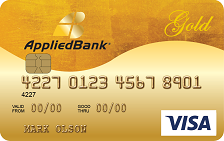
Applied Bank® Secured Visa® Gold Preferred® Credit Card

Applied Bank® Secured Visa® Gold Preferred® Credit Card
Fair-Poor
BestCards refers to a variation of FICO Score 9, which is one of many different types of credit scores. A financial institution may use a different score when deciding whether to approve you for a credit card. Please note that the range shown here is our own estimation and not a guarantee of credit needed to be approved for any given card. Recommended Credit: Fair / Poor
Visa Processing Network
$48 Annual Fee

Applied Bank® Secured Visa® Gold Preferred® Credit Card

  • 9.99% Fixed Rate Regular Purchase APR
  • 9.99% Fixed Rate Cash Advance APR

At a Glance

The Applied Bank® Secured Visa® Gold Preferred® Card offers those with limited credit history or a poor credit score the chance to receive a full-fledged Visa card without the need for a credit check. The card also boasts and impressively low fixed APR on purchases and cash advances – all for the modest annual fee of $48.

  • Best Benefits
  • Rates & Fees
  • Why Should You Apply?
  • Better than Prepaid...Go with a Secured Card! Load One Time - Keep On Using
  • Absolutely No Credit Check or Minimum Credit Score Required
  • Automatic Reporting to All Three National Credit Bureaus
  • 9.99% Low Fixed APR - Your Rate Won’t Go Up Even if You Are Late
  • Activate Today with a $200 Minimum Deposit - Maximum $1,000
  • Increase Your Credit Limit up to $5,000 by Adding Additional Deposits Anytime
  • Regular Purchase APR: 9.99% Fixed Rate
  • Cash Advance APR: 9.99% Fixed Rate
  • Cash Advance Transaction Fee: Either $5 or 5% of the amount of each cash advance, whichever is greater
  • Annual Fee: $48
  • Foreign Transaction Fee: 3% of the transaction amount in U.S. dollars
  • Late Payment Penalty Fee: Up to $38
  • Return Payment Penalty Fee: Up to $38
  • Minimum Deposit Required: $200
  • You have bad credit, limited credit, or no credit history at all
  • You want a card that automatically reports to all the major credit bureaus
  • You are tired of spending money on reloadable prepaid cards
  • You can make a minimum deposit of at least $200
Applied Bank® Secured Visa® Gold Preferred® Credit Card

Applied Bank® Secured Visa® Gold Preferred® Credit Card

Terms & Conditions

The Applied Bank Gold Preferred Secured Visa offers the same low APR as the First Progress Platinum Prestige and a similar annual fee ($48 per year). Thanks to monthly reporting to all the major credit bureaus, the Applied Bank Card is an ideal companion for those looking to build credit – but carry a small balance. Applied Bank makes it easy to build your credit with no credit check and no minimum credit score requirement. Simply apply for the Applied Bank® Secured Visa® and submit a deposit of between $200 and $1,000 – that’s it! 

The Best Secured Card Without a Credit Check

Carrying a balance is not advisable for those trying to rebuild their credit score. And, while paying interest and keeping a balance is a reality for many people, if you do not have to – don’t. Those who will pay their statement balance in full each month can pay less attention to the APR, and more to the annual fee.

opensky® Plus Secured Visa® Credit Card

opensky® Plus Secured Visa® Credit Card
Fair-Poor-No Credit Required
BestCards refers to a variation of FICO Score 9, which is one of many different types of credit scores. A financial institution may use a different score when deciding whether to approve you for a credit card. Please note that the range shown here is our own estimation and not a guarantee of credit needed to be approved for any given card. Recommended Credit: Fair / Poor / No Credit Required
Visa Processing Network
$0 Annual Fee

opensky® Plus Secured Visa® Credit Card

  • 28.24% (Variable) Regular Purchase APR
  • 28.24% (Variable) Cash Advance APR

At a Glance

Building credit without hidden fees is a breeze with the opensky® Plus Secured Visa® Credit Card. You can build credit, graduate to unsecured credit, and boost your financial knowledge base while paying $0 in annual fees.

  • Best Benefits
  • Rates & Fees
  • Why Should You Apply?
  • No annual fee – keep more money in your pocket!
  • No credit check required – 89% approval rate with zero credit risk to apply!
  • Earn up to 10% cash back on everyday purchases
  • Boost your credit score fast—2 out of 3 opensky® cardholders see an average increase of 47 points after 6 months
  • Track your progress with free access to your FICO® score in our mobile app
  • Build your credit history with reporting to all three major credit bureaus: Experian, Equifax, and TransUnion
  • Seamless payments—add your card to Apple Pay, Google Pay, and Samsung Pay
  • Start with as little as $300 – Secure your line with a refundable security deposit
  • Fast and easy application—apply in minutes with our mobile-first experience
  • Flexible payment options—pick a due date that works for you
  • More time to fund—spread your security deposit over 60 days with layaway
  • Join 1.6 million+ cardholders who have used opensky® to build better credit!
  • Regular Purchase APR: 28.24% (Variable)
  • Cash Advance APR: 28.24% (Variable)
  • Cash Advance Transaction Fee: Either $10 or 3% of the amount of each cash advance, whichever is greater
  • Annual Fee: $0
  • Foreign Transaction Fee: 3% of the transaction amount in U.S. dollars
  • Late Payment Penalty Fee: Up to $41
  • Return Payment Penalty Fee: Up to $40
  • Minimum Deposit Required: $300
  • You want a secured credit card but don't want to pay an annual fee
  • You have at least $300 available for a security deposit (up to $3,000)
  • You are serious about building credit and plan to pay on-time each month
  • You want to graduate to unsecured credit
opensky® Plus Secured Visa® Credit Card

opensky® Plus Secured Visa® Credit Card

Terms & Conditions

The OpenSky® Plus Secured Visa® Credit Card is one of the most popular secured cards on the market – and it’s easy to see why. The card features no annual fee and the usual purchasing power and security that comes from a full-fledged Visa credit card. The real value of the OpenSky Secured, however, comes from the fact that there is no credit check required to apply. No credit check means applying for the card will not hurt your credit score. This feature lets you build credit quickly – and without any initial harm to your credit score.

Like First Progress, OpenSky also has another credit card option. Here’s how the two OpenSky Visa credit cards compare:

OpenSky® Secured Visa®
OpenSky® Plus Secured Visa®
Annual fee $35 $0
Upgrade to unsecured? Chance to receive an OpenSky Gold Unsecured Card after as few as 6 months Chance to receive an OpenSky Gold Unsecured Card after as few as 6 months
Reports credit? Yes, to all 3 major credit bureaus monthly Yes, to all 3 major credit bureaus monthly

Conclusion

Finding the ideal secured card to rebuild your credit can be challenging but paying attention to the tips provided can increase your chances significantly. Always take note of the annual fee, the minimum deposit, and the perks the card offers. If you want a higher credit line, consider saving for an additional deposit amount – typically up to $2,000, depending on credit card issuers. For those who still need to carry a balance, prioritize the APR, and stick with a card that provides the lowest possible interest rates. For those who want to protect their credit score, consider a card that does not require a credit check.

Related Article: Easiest Credit Cards to Get with Bad Credit

Photo by Moritz Mentges on Unsplash

5 Tips for Maintaining a Good Credit Score

5-tips-for-maintaining-a-good-credit-score

Last updated on August 24th, 2023

Good-to-great credit can make your life much easier. A favorable credit score can get you the best rates, the biggest bonuses, and the top selection of credit card offers available. Part of the process of getting the ideal credit score, however, is keeping it. Already have great credit? Here are five tips for maintaining a good credit score.

Tips for Maintaining a Good Credit Score

Maintaining a strong credit profile isn’t as hard as you might think. Here are some evergreen tips for keeping a good credit score:

Always Pay on Time

Payment history makes up 35% of a FICO credit score. That is by far the most substantial portion of what goes into your score. This makes paying your credit card bill on time each month vital if you want to maintain a good credit score.

Of course, making your payments before the due date is good practice for all accounts, not just credit cards. And, since missed payments linger on credit reports for seven years, making sure you pay promptly is rule number one.

Keep Your Credit Utilization Low

Credit utilization has one of the most significant impacts on your credit score. According to the FICO model, credit utilization (or the amount of money you owe compared to your credit limit) makes up a whopping 30% of your credit score determination.

The higher your credit card balance, the higher your credit utilization – it is that simple. Keeping your credit usage down below 30% is optimal for maintaining a good credit score. This means only spending $3,000 of your credit if your card’s limit is $10,000. If you want to improve your score, try aiming for a credit utilization ratio of less than 10%.

Restructure Your Debt

Part of keeping utilization low is restructuring your existing debt into more manageable payments. One way to do this is through refinancing with popular lenders like Even Financial. Another option might be to contact your lenders to see if they offer to refinance programs you can take advantage of.

Finally, you may choose to utilize a loan/ credit card hybrid product, like the Upgrade Card. These products work by extending a line of credit, which you can use to pay off debt and consolidate them into one payment. You then pay that new debt off at an interest rate up to 10% lower than traditional credit cards, saving you considerable time and money. Even better, these cards work like regular credit cards, too, meaning you can use them anywhere Visa is accepted.

Limit New Credit Applications

While on-time payments and credit utilization are the most important aspects of maintaining a good credit score, keeping new inquiries down is also crucial. When lenders inspect your credit report when considering applications, this is known as a hard inquiry.

Hard Inquiries impact your credit score, and too many can be a red flag for future lenders. Too many new applications might be a sign you are stretching yourself too thin financially. Because of this, try to limit new credit applications to only a few per year.

Don’t Close Old Accounts

Like limiting new credit applications, keeping old accounts active also plays a significant role in maintaining a good credit score. The average age of your credit has some bearing on your credit score, on par with a number of hard inquiries.

Closing a credit account reduces the average age of all your accounts. This can make you seem less experienced as a borrower to lenders. And, since closed accounts drop off a credit report after ten years, closing an account is like throwing away built-up financial equity.

Closing an account also reduces your overall available credit. This, in turn, can reduce your credit utilization. The result is a knock-on effect that can cause your score to plummet.

The Takeaway

The most important parts of maintaining your good credit score are straightforward. Pay your bills when they are due, and only use your credit when you need to. Following the above advice, however, can make your life with credit significantly more comfortable – and can save you money in the long run, too! Here’s  a quick guide for everything discussed above:

① Check your credit score The first thing you should do is check your credit score to see where you stand. You might already know your credit score is bad, but how far down on the scale, does it go? Knowing how fast you can improve your credit from “bad” to “fair” is crucial to making a financial plan of attack.
② Get a credit card for subprime credit Part of boosting your credit score is increasing your use of credit. For those with bad credit, this may seem counter-intuitive. Fortunately, there are many unsecured credit cards for poor credit and secured cards that can help you repair your credit score.
③ Pay on time each month As seen in the scoring models, payment history is the biggest factor in your credit score. Because payment history is so important, paying your credit card bill on time each month is essential to boosting sub-prime credit. Missed payments stay on a credit report for seven years.
④ Keep your credit use low Credit utilization is as important as paying on time. Credit utilization shows lenders how you use your credit. Those who keep their credit use below 30% can expect their score to improve, while those who use less than 10% can expect a much faster score rise.

Related Article: Easiest Credit Cards to Get with Bad Credit

What Are the Best Unsecured Cards for Rebuilding Credit?

image of laptop with credit cards

Last updated on September 21st, 2023

Finding the perfect credit card is tough at the best of time, so when your credit is damaged, it can seem almost impossible. One of the best ways to fix your credit is through an unsecured credit card. Unsecured cards are what people usually think of when imagining a credit card.  These types of cards don’t need a security deposit, instead offering a line of credit with no initial cost to the applicant. But what are the best unsecured credit cards for bad credit, and how do they help you rebuild your credit score?

The Best Unsecured Cards for Repairing You Credit Score

When investigating credit cards for building credit, the first consideration should be just how low is your credit score? Knowing whether you have a bad credit score or a fair credit score can significantly alter the credit cards available to you.

“Guaranteed Approval” Credit Cards for Bad Credit

Those with badly impacted credit will struggle to get a credit card without needing a deposit. Fortunately, there are a few “second chance” credit cards that offer the ability to rebuild credit and don’t require a deposit, meaning they are not secured cards.

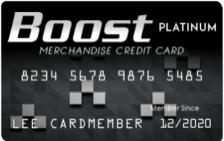
BOOST Platinum Card

BOOST Platinum Card
Fair-Poor-No Credit Required
BestCards refers to a variation of FICO Score 9, which is one of many different types of credit scores. A financial institution may use a different score when deciding whether to approve you for a credit card. Please note that the range shown here is our own estimation and not a guarantee of credit needed to be approved for any given card. Recommended Credit: Fair / Poor / No Credit Required
None Processing Network
None Annual Fee

BOOST Platinum Card

  • 0% Regular Purchase APR

At a Glance

The BOOST Platinum Card is a basic store card offer from Horizon Financial Services. The BOOST Card is perfect for consumers seeking to make purchases without a credit card. This card features a no interest on purchases, a credit limit of $750*, and no credit check.

  • Best Benefits
  • Rates & Fees
  • Why Should You Apply?
  • No Sign Up Fees!
  • Bad Credit, No Credit? No Problem!
  • Fast and Easy Application
  • No Employment or Credit Check
  • Regular Purchase APR: 0%
  • You have poor credit or no credit history at all
  • You want a store card without a credit or employment check
  • You want additional perks, like credit monitoring or roadside and legal assistance

While there is no such thing as a “guaranteed approval” unsecured credit card, the Boost Platinum Card is as close as it comes to it. This card offers a $750 unsecured line of credit to the Horizon Outlet – an online shopping portal. The shop provides an impressive list of products, meaning the cards provide excellent value.

What makes this card so useful, however, is that it regularly reports activity to one of the three major credit bureaus: Experian, Equifax, ad TransUnion. With on-time payments, cardholders can quickly build a positive credit history and raise their score. This, in turn, can lead to better credit card options in the future.

Get a Pre-Qualified and the Chance to Increase Your Credit Line

Part of boosting a credit score is increasing the amount of available credit. Many unsecured credit cards for rebuilding credit offer smaller credit limits with the chance to receive an increase with demonstrated financial responsibility. This requires paying on time and not receiving any penalty fees.

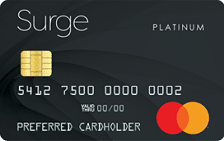
Surge® Platinum Mastercard®

Surge® Platinum Mastercard®
Fair-Poor
BestCards refers to a variation of FICO Score 9, which is one of many different types of credit scores. A financial institution may use a different score when deciding whether to approve you for a credit card. Please note that the range shown here is our own estimation and not a guarantee of credit needed to be approved for any given card. Recommended Credit: Fair / Poor
Mastercard Processing Network
$75 – $125 Annual Fee

Surge® Platinum Mastercard®

  • 35.90% (Fixed) Regular Purchase APR
  • See website for details* Cash Advance APR
  • See website for details* Intro Purchase APR

At a Glance

The Surge Mastercard® can be an ideal pre-qualification option if you need to repair or continue building your less-than-perfect credit score. Though it bears annual and maintenance fees, it does, however, provide attractive perks for qualified cardholders.

  • Best Benefits
  • Rates & Fees
  • Why Should You Apply?
  • Up to $1,000 Initial Credit Limit • See if you Pre-Qualify with No Impact to your Credit Score • Less than perfect credit? We understand. The Surge Mastercard is ideal for people looking to rebuild their credit. • Unsecured credit card requires No Security Deposit • Perfect card for everyday purchases and unexpected expenses • Monthly reporting to the three major credit bureaus • Use your card everywhere Mastercard is accepted at millions of locations • Enjoy peace of mind with Mastercard Zero Liability Protection for unauthorized purchases (subject to Mastercard guidelines) • Apply with Confidence! There is no impact to your credit score if you’re not approved. See terms.
  • Intro Purchase APR: See website for details*
  • Regular Purchase APR: 35.90% (Fixed)
  • Cash Advance APR: See website for details*
  • Cash Advance Transaction Fee: Either $10 or 3% of the amount of each cash advance, whichever is greater
  • Annual Fee: $75 – $125
  • Foreign Transaction Fee: 3% of each transaction in U.S. dollars
  • Late Payment Penalty Fee: Up to $41
  • Return Payment Penalty Fee: Up to $41
  • You have fair or poor credit and need to build or repair your credit ratings
  • You prefer a pre-qualification card that will immediately inform you whether you would be approved prior to applying
  • You don’t want a secured credit card or can’t afford a security deposit
  • You want a card that reports activity to the three major credit bureaus
  • You want the security of an optional credit protection program
Surge® Platinum Mastercard®

Surge® Platinum Mastercard®

Terms & Conditions

One of the most popular credit card offers in this category is the Surge® Platinum Mastercard® from Celtic Bank. The card comes with an initial credit limit that ranges from $300 to $1,000, which Celtic Bank might increase should you make your payments on time for the first six months. Plus, new Surgecardholders enjoy no monthly maintenance fees for the first year.

In addition, the card issuer performs automatic account reviews free of charge. Doing so can result in a credit limit increase, thereby boosting your purchasing power and your available credit – two important factors in calculating your credit score.

Another popular option in unsecured credit cards for rebuilding credit category is the Indigo Mastercard. The card features a fixed APR on purchases, a low foreign transaction fee, and regular reporting to the major credit bureaus. In time, using the card responsibly can even result in a credit line increase.

Indigo® Mastercard® for Less than Perfect Credit

Indigo® Mastercard® for Less than Perfect Credit
Fair-Poor
BestCards refers to a variation of FICO Score 9, which is one of many different types of credit scores. A financial institution may use a different score when deciding whether to approve you for a credit card. Please note that the range shown here is our own estimation and not a guarantee of credit needed to be approved for any given card. Recommended Credit: Fair / Poor
Mastercard Processing Network
$175 the first year; $49 thereafter. Monthly fee: $0 the first year (billed $0 each month); $150 annually thereafter (billed $12.50 each month) Annual Fee

Indigo® Mastercard® for Less than Perfect Credit

  • 35.9% Regular Purchase APR
  • 35.9% Cash Advance APR

At a Glance

The Indigo Mastercard is rapidly becoming recognized as a top credit card option for applicants with less-than-perfect credit. It is a great resource for anyone who wants to establish, build, or repair their credit score. What’s more, benefits of the Indigo Mastercard include 24/7 mobile account access, chip card technology, and more.

  • Best Benefits
  • Rates & Fees
  • Why Should You Apply?
  • Get the credit limit you deserve—$700 guaranteed if approved
  • Apply with Confidence! There is no impact to your credit score if you’re not approved. See terms.
  • Get the credit you deserve, even with less-than-perfect history.
  • Trusted by more than a million customers with reporting to all three major credit bureaus so you get credit for all of your hard work.
  • Zero Fraud Liability – Peace of mind that comes with having a Mastercard.
  • Don’t Have Perfect Credit? No Problem!
  • No security deposit, just purchasing power
  • Regular Purchase APR: 35.9%
  • Cash Advance APR: 35.9%
  • Cash Advance Transaction Fee: Either $5 or 5% of the amount of each cash advance, whichever is greater (not to exceed $100)
  • Penalty APR: 29.9%
  • Annual Fee: $175 the first year; $49 thereafter. Monthly fee: $0 the first year (billed $0 each month); $150 annually thereafter (billed $12.50 each month)
  • Foreign Transaction Fee: 1% of the transaction amount in U.S. dollars
  • Late Payment Penalty Fee: Up to $41
  • Return Payment Penalty Fee: Up to $41
  • Over Limit Penalty Fee: Up to $41
  • You want to build or repair your credit score with a decent credit line
  • You have a history of poor credit and have been declined by other credit card issuers
  • You want a credit card whose application will not impact your credit score
  • You don’t want a secured credit card or can’t afford a security deposit
  • You would like to show some personality with several card designs
  • You would like a tool for building credit that is accepted worldwide – anywhere Mastercard is accepted
Indigo® Mastercard® for Less than Perfect Credit

Indigo® Mastercard® for Less than Perfect Credit

Terms & Conditions

Other Options Like Indigo and Reflex

Fortiva® Mastercard® Surge® Platinum Mastercard® Aspire® Cashback Rewards Total Visa® Card
Credit needed Bad - Fair Bad - Fair Bad - Fair Bad - Fair
Pre-qualify Yes Yes Yes Yes
Initial credit limit $350 $300 $350 $300
Annual fee $49 to $175 the first year; up to $49 thereafter $75 to $99 $49 to $175 the first year; up to $49 thereafter $75 1st year, $48 after*
Rewards N/A N/A 3% back on gas, groceries and utilities; 1% back on all other eligible purchases 1% cash back

Summing It Up

Finding an unsecured credit card to rebuild your credit can be tough, but there are plenty of great options available. By making on-time payments and focusing on your goal to rebuild your credit score, you can quickly boost your score – and get a credit limit increase.

Related Article: What Are the Easiest Credit Cards for Bad Credit to Get?

Photo by Dylan Gillis on Unsplash

Chase Tightening Rules on Business Credit Card Applications

chase-tightening-rules-on-business-credit-card-applications

Last updated on September 21st, 2023

Chase Bank is making it more difficult for those looking to get a new small business credit card. According to numerous reports, the bank is now requiring users to register and log in to the Chase website before submitting business credit card applications.

Chase has taken steps to curb the practice of credit card churning, which is when individuals open and close multiple credit card accounts to maximize signup bonuses. Whether this is another instance of the bank’s efforts is not known, but some of the common reasons for business application rejections points to this being the cause.

Reasons for Rejections Indicate an Attack on Churning

According to some users on popular site, Doctor of Credit, Chase is citing insufficient funds and the lack of a business structure as reasons for rejecting business credit card applications. This would indicate that the bank views these applications as predatory, rather than ordinary small business owners.

The news relates to a broader attempt by the industry to cut down on the negative impact of churners. We have covered the efforts by both Chase and American Express to claw back rewards in the past. This effort is likely another step in that process.

The Coronavirus Impact on Credit Cards

Of course, the news of Chase tightening the rules for applications follows closely on the heels of the bank reducing credit limits on some customer’s consumer credit card accounts. JPMorgan Chase has been taking proactive steps to insulate their finances during the coronavirus (COVID-19) pandemic. Reducing credit limits for some customers is one way the bank is protecting itself from potential defaults.

About Chase Bank

JPMorgan Chase & Co. is one of the largest financial institutions in the world. The bank is also the second-largest credit card issuer by total accounts in the United States. To date, Chase has approximately 83 million credit cards in circulation, second only to Citibank. Chase offers some of the most popular credit cards on the market today, including the Chase Sapphire Reserve and the Chase Freedom Unlimited. The bank also issues several co-branded cards with leading brands like Amazon, Marriott, Southwest, and more.

Related Article: What Are the Easiest Credit Cards for Bad Credit to Get?

5 Tips to Manage Your Finances After Losing Your Job

5-tips-to-manage-your-finances-after-losing-your-job

Last updated on February 20th, 2024

The realities of life in a COVID-19 world are startling. Record numbers of Americans are finding their hours cut dramatically, or out of work entirely. Because of the havoc wrought by the coronavirus pandemic, taking care of your finances has never been more critical. This is especially true for those experiencing job loss. Here are five tips for helping you manage your finances after losing your job.

Examine Your Budget

The first thing you should do if you find yourself unemployed is to scrutinize your current budget. See what you are currently spending most of your money on each month and try to divide those costs into separate categories. These groups might include:

  • Bills (internet, cable, phone bills, etc.)
  • Housing (including mortgage or rent)
  • Groceries
  • Nice-to-Haves (pool cleaning, gym memberships, dining out, etc.)

Of course, budgeting isn’t limited to what you’re spending money on but also where your money is coming from. Carefully look at how much you have in savings and checking accounts, plus investments. You should also immediately research and apply for unemployment benefits or any other government assistance programs for which you qualify.

Once you understand what your budget looks like, cut back on all your spending that is not essential. This slashing of costs should include those items in your nice-to-have categories. Cutting costs can significantly improve your financial situation.

Consider Consolidating Existing Debts

Debts, such as mortgages, personal loans, and credit cards, can pose threats to personal finance. This is especially true if you are out of work. The first thing you should do is contact your lender to see if there are any forbearance options available to you.

Debt consolidation is another excellent option. It involves opening a new line of credit to pay off existing loans, and combining them into one, easily manageable payment. There is a vast number of debt consolidation programs available, with some of the more popular options being:

Tackle Credit Card Debt

The average credit card debt for an American is around $5,700, according to the Survey of Consumer Finances conducted by the U.S. Federal Reserve. When unemployed, servicing a debt that large can seem impossible. In these circumstances, refinancing credit card debt is essential.

Balance transfer cards are a popular option for combining card debts and repaying them at a reduced interest rate (typically 0% for a set time). Once these introductory 0% APR periods end, however, balance transfer cards don’t offer the same level of savings, which can lead to a vicious cycle of debt.

Hybrid installment credit cards, like the Upgrade Card, provide a sensible solution to the issue of eliminating credit card debt with a lower rate than found on a balance transfer card.

Upgrade Card works by providing up to $20,000 in initial credit lines. This credit line operates just like a regular credit card. Rather uniquely, however, cardholders can also transfer that line of credit into existing accounts to pay off balances, consolidating them into one small payment. This balance is converted into installment payments of between 12 and 60 months, payable at an extremely low interest rate, starting at just 8.99%.

Studies show that hybrid cards, like the Upgrade Card, can reduce the time – and money – needed to repay a credit card balance significantly.

Related Article: Is Now the Right Time to Eliminate Your Credit Card Debt?

Check Eligibility for Government Programs

Losing your job can have severe ramifications for necessities like healthcare. Fortunately, there are steps you can take concerning concerning insurance and the like. Check to see if you are eligible for COBRA Health Coverage. This program offers short-term coverage for qualified plans for those who are experiencing a “qualifying event.” These events include:

  • Job loss
  • Reduction in hours
  • Transition in jobs
  • Death
  • Divorce

Keep Your Head Up

The most important thing you can do if you lose your job is to keep your head up. This is especially true when it comes to managing your finances after being let go. Staying positive is critical, as getting down can negatively impact every phase of your potential recovery. It’s important to remember that you aren’t alone in experiencing these events and that there are systems in place to help you get by. Even more importantly, you have friends and family who are there for you and will help you succeed.

4 Tips for Building Credit In Your 20s

4-tips-for-building-credit-in-your-20s

Last updated on February 2nd, 2024

Building a good credit score is one of the best things you can do in your 20s. An excellent credit score later in life can help you secure the best rates on mortgages, personal loans, and even the top sign-up bonuses on rewards credit cards. Wondering how to get your credit up to speed? Here are four simple tips for building credit in your 20s.

Tip #1: Find the Perfect Starter Credit Card

When trying to build your credit score, getting a credit card should be primary on your list of things to do. What type of credit card should you look for, however?

The first thought that pops into a person’s mind is likely an impressive rewards card, like the American Express Platinum Card or the Chase Sapphire Reserve. Not so fast, say industry experts.

Secured Credit Cards

Experts (including the BestCards team) widely hail secured credit cards as a top entry into the world of credit cards. Why? Secured cards are much easier to get than traditional unsecured credit cards, giving those new to credit a chance to gain experience – and banks the security of an initial deposit.

The security deposit for a secured card also acts as the credit limit. This unique feature allows applicants to essentially choose what their opening credit line will be, usually starting as low as $200 and as high as up to $5,000.

When looking for a secured card, pay close attention to the annual fee, the APR, and the other fees associated with the card. Aim for an annual fee below $50, though the cards with the best interest rates typically fall within this price range. Some secured cards also offer the chance to progress from a secured to unsecured option with on-time payments and a demonstration of financial responsibility.


Unsecured Credit Cards

For those who want to avoid a secured card (or simply don’t have the available funds for a security deposit), there are some excellent unsecured card options for those new to credit. Typically, these cards feature higher interest rates and smaller credit limits, but they require no deposit. Many even come with the prospect of higher credit limits with on-time payments.

There are a few of these cards from major issuers, though the Platinum Mastercard from Capital One is a notable example. Other popular options include the Merrick Bank Double Your Line™ Platinum Visa®,  the Reflex Platinum  Mastercard® and Indigo® Platinum Mastercard® from Celtic Bank, as well as the Milestone® Gold Mastercard® from the Bank of Missouri.

Tip #2: Always Pay On-Time

Getting a credit card is only the first hurdle in building your credit in your 20s. The next two steps represent the grunt work in increasing your credit score.

Part of raising a credit score is demonstrating good financial habits. How do you do that? First, you should always pay your bills on time. Additionally, you should always aim to pay your statement balances in full each month.

Payment history accounts for 35% of what makes up your FICO score. FICO is one of the most popular scoring models for credit scores and provides lenders with an idea of how big of a risk a credit applicant poses when lending.

Because payment history is the most significant factor of a credit score, you should pay on time every month. Even one missed payment can harm your score – especially so early in the game. And, since late payments remain on a credit report for seven years, those marks can hurt you well into your later years.

Tip #3: Keep Your Credit Utilization Low

Equally essential to building your credit score in your 20s is paying your balances in-full each month. Credit utilization – or the amount of available credit you use – makes up another 30% of the FICO scorecard. Quickly raising a credit score means ideally keeping your credit utilization below 10%.

Of course, not many people can afford to pay off their credit card balance in full every month, which is why secured cards like the Oakstone Platinum Secured Mastercard® are so impressive for those new to credit. Those who plan on carrying a balance should aim to keep their credit utilization below 30%. Keeping the ratio below 30% will help you maintain (and build) your credit score while reducing the amount of interest you will have to pay in the long-term.

One of the best ways to keep credit utilization low is to only use your credit card for small purchases and incidentals. Only using your card for paying for things like snacks can help train you to use the card responsibly until you have a higher credit limit or more disposable income.

Tip #4: Tackle Those Loans

Student loans are one of the most significant financial issues facing people in their 20s. And, while not everyone will find themselves buried under a mountain of student debt, enough will to warrant some advice.

Student loans operate as installment debt, meaning it is another form of credit on your credit report. This can be a good thing, since “credit mix” accounts for 10% of your FICO score. Of course, this credit mix only works if you start paying off your loan balances.

There are a variety of services online that provide refinancing for student loans, but since many students likely have their loans serviced through the federal government, this may not be an option. Federal student loans are not eligible for refinancing but are eligible for consolidation. Those with loans can also appeal for Income-Based Repayment (IBR), Income Contingent Repayment (ICR), or Pay As You Earn (PAYE). All of these programs are offered through the Federal Student Loans website and can save you money now while building a positive payment history at the same time.

For private loans, there are other options available to help you pay off your student loans fast. Many of these helpful tips can also apply to federal loans, further supercharging your repayment plans.

Summing It Up

The best way to build your credit in your 20s is through learning the financial habits you need to succeed. These habits include paying your statements on time, staying on top of your installment loans, and ensuring your credit use is within your financial means.

Part of this process involves finding the right credit card to begin your credit journey. Fortunately, we have several articles to help you find your ideal entry-level credit card. Looking for a secured credit card? Here are top picks to consider. Or, maybe you’re looking for an unsecured credit card option for no credit or bad credit?

No matter what option you choose, however, the road to excellent credit requires patience and practice. With discipline, however, you can watch your credit score soar, making your 30s that much more financially stable!


Is Now the Right Time to Pay Off Credit Card Debt?

is-now-the-right-time-to-eliminate-your-credit-card-debt

Last updated on August 24th, 2023

The coronavirus pandemic has thrown the world into disarray. All aspects of daily life, from work to pay, are reeling from the COVID-19 virus – with no end in sight. One of the most significant areas of disruption is personal finance. Tens of millions of Americans currently find themselves furloughed, laid off, or facing the prospects of zero-hour contracts. Given the economic uncertainty, it may seem strange, but is now the right time to pay off credit card debt?

The Case for Consolidating Your Debts Today

While many might balk at the idea of consolidating their credit card debts and paying them off right away, the coronavirus pandemic has shown that the personal finances many thought were strong simply were not. And, while banks are providing relief from payments for customers, this is only a short-term solution. Eliminating pesky balances, such as credit card debt, is an excellent way to shore up family finances and provide some breathing space during uncertain times. One of the most popular methods for this is balance transfer credit cards. These cards operate by transferring part – or all – of an existing balance to the new credit card, then paying it all off at a lower interest rate.

Why Balance Transfer Cards Just Don’t Work

Balance transfer cards do typically feature an APR that is lower than, say, a rewards credit card. They also usually offer a 0% introductory APR promotion for a period of between 6 to 18 months. Once this period ends, however, the card’s “low APR” is still significantly higher than an installment loan – often by as much as 20%.

Is the Upgrade Card a Game Changer?

One of the more intriguing credit card offers covered by BestCards is the Upgrade Card. The card isn’t like anything else on the market today, combining aspects of a traditional credit card and an installment loan.

Upgrade Cash Rewards Visa®

Upgrade Cash Rewards Visa®
Excellent-Good-Fair
BestCards refers to a variation of FICO Score 9, which is one of many different types of credit scores. A financial institution may use a different score when deciding whether to approve you for a credit card. Please note that the range shown here is our own estimation and not a guarantee of credit needed to be approved for any given card. Recommended Credit: Excellent / Good / Fair
Visa Processing Network
None Annual Fee

Upgrade Cash Rewards Visa®

  • 14.99%-29.99% variable based on creditworthiness and the Prime Rate Regular Purchase APR
  • 14.99% to 29.99% Balance Transfer APR

At a Glance

The Upgrade Cash Rewards Visa® offers no fees, low rates, cash back, and credit lines from $500 to $25,000 in one unique package. The card provides consumers the flexibility and predictability to quickly pay down balances and get debt-free. The Upgrade credit card is one of the lowest regular APR credit cards on the market for those with excellent credit scores, putting it firmly on any list of the best balance transfer credit card deals – or any list of the best credit cards in the U.S.

  • Best Benefits
  • Rates & Fees
  • Why Should You Apply?
  • $200 bonus after opening a Rewards Checking Preferred account and making 3 debit card transactions*
  • 1.5% unlimited cash back on every purchase
  • No annual fee
  • See if you qualify in seconds with no impact to your credit score
  • Combine the flexibility of a card with the predictability of a personal loan
  • Enjoy Visa Signature benefits, like Roadside Dispatch, Price Protection, Extended Warranty Protection, and more
  • Shop smarter with Upgrade Shopping! Get exclusive savings at stores, restaurants, and more
  • Contactless payments with Apple Pay® and Google Wallet™ bull; Mobile app to access your account anytime, anywhere
  • Use your card anywhere Visa is accepted
  • Relax knowing that you are protected in case of unauthorized transactions with Visa’s Zero Liability Policy
  • Regular Purchase APR: 14.99%-29.99% variable based on creditworthiness and the Prime Rate
  • Balance Transfer APR: 14.99% to 29.99%
  • Balance Transfer Transaction Fee: Up to 5%
  • Foreign Transaction Fee: Up to 3%
  • Late Payment Penalty Fee: May apply
  • You struggle to pay off your credit card balances
  • You want a structured repayment plan
  • You can reliably pay off your statement balances to earn cash back for your purchases
  • You have a desire to get debt-free quickly
  • You hate penalty or other hidden fees

Upgrade works by offering an initial credit limit of up to $20,000. This credit line operates just like a regular credit card and can be used anywhere in the world Visa is accepted. But, uniquely, cardholders can also transfer some – or all – of the credit line into existing accounts to pay off those balances, consolidating them into one simple payment. Where the Upgrade Card differs from balance transfer cards, however, is the balance is converted into installment payments of between 12 and 60 months. Even better, the card features an APR starting as low as 8.99%.

Does Upgrade Really Offer Savings Versus Traditional Credit Cards?

Given the bold claims of the Upgrade Card, the BestCards team analyzed the evidence to see how effective the card is versus one’s average credit card. Surprisingly, the math showed similar results to those on the company’s website. These results indicate that paying off a $10,000 balance using just minimum payments was not only quicker with Upgrade, but also significantly cheaper, as well.  The average cardholder with an excellent credit score can repay that $10,000 debt in as few as two years – saving over 25 years and $12,000 versus traditional credit cards.

Other Things to Know About the Card

The other major talking point for the Upgrade Card is the lack of fees of any variety. This includes:

  • Annual fees
  • Monthly fees
  • Late fees
  • Penalty APR
  • Over-the-limit fees

The card also boasts no foreign transaction fees, which is a pleasant surprise for those who also want to use the card as a travel card to take advantage of the exceptional interest rates.

Should You Refinance to Pay Off Credit Card Debt?

Given the financial uncertainty of the times, plus average credit card debt of around $8,000 per American, now might be the ideal time to reevaluate how balances and debts are being financed. The Upgrade Card is an intriguing offer for those with good-to-excellent credit that want to quickly eliminate debt with minimal payments.

For more information, please check out our comprehensive Upgrade Card review.

Advertiser Disclosure

BestCards is an independent, Florida-based credit card comparison platform. Many of the card offers that appear on this site are from companies from which BestCards receives compensation. This compensation may impact how and where products appear on this site (including, for example, the order in which they appear). BestCards does not include all card companies or all card offers available in the marketplace.