Can Your Credit Card Company Reverse Payments?

can-your-credit-card-company-reverse-payments

Last updated on August 24th, 2023

One of the best benefits of a credit card is the extra security it provides. Credit cards do not only protect you from identity theft, however. Your humble piece of plastic (or metal) also keeps you safe from fraud, shoddy merchandise, or other seller errors. Here’s what you need to know about payment reversals and chargebacks: Can credit card companies reverse payments?

Credit Card Payment Reversals

Simply put, yes, credit card companies can reverse your payments. When an issuer or bank (or cardholder, for that matter) decides to decline payment, it is known as a payment reversal.

Payment reversal can occur for a couple of reasons, including refunds for sold-out products, incorrect information, or customer disputes.

Authorization Reversals

Authorization reversal is another common form of payment reversal. This type comes from your card issuer and often concerns the way issuer handles payments.

Credit card payments travel through what’s known as an “Automated Clearing House” (ACH). The ACH is an electronic funds transfer system that handles transactions. Unfortunately, ACH is sometimes slower than banks would like, so many actions are pre-authorized.

Because of this pre-authorization, specific details of a transaction might be incorrect, such as the price or the actual item being purchased. When a reversal occurs, the merchant (or bank) reverses the charge, thereby releasing the payment hold and freeing up the funds on the customer’s credit card.

Chargebacks

Chargebacks are the most common type of credit card payment reversal. A chargeback occurs when a credit cardholder calls their bank to dispute a charge on their account. The Fair Credit Billing Act provides consumers with protections from fraudulent charges, faulty goods, or other service issues. Chargebacks are one of these protections, and they allow you to get your money back.

When you dispute a charge with your card issuer, the law requires them to withhold payment for any goods or services you are challenging. This process involves placing a hold on the purchase – in other words, the chargeback.

How to Do a Chargeback

To dispute a charge, cardholders will need to file a claim with their card issuer. The bank will then investigate the charge with the payment network and merchant. Each payment network has a different timeframe in which cardholders can file for a chargeback:

  • Visa: 120 days to submit a chargeback request.
  • Mastercard: 120 days to file a payment reversal claim.
  • Discover: 90 days to file a payment reversal request.
  • American Express: 90 days to file a payment reversal claim.

Both American Express and Discover are slightly different than Visa and Mastercard with chargebacks, as they are both card issuers and payment networks. In many cases, these issuers work with in-house information and can make a decision instantly. Banks want to keep customers happy, so they will always try to speed up dispute investigations.

What to Do If Your Chargeback Claim Fails

If your bank or card issuer declined your payment reversal claim, you still have options. The laws of your state may provide resources for those who fail with billing disputes. In fact, many state laws provide more robust protections than federal law.

Related Article: What Happens If You Exceed Your Credit Limit?

What Are Catalog Credit Cards?

what-are-catalog-credit-cards

Last updated on September 20th, 2023

Building credit is challenging. Repairing credit is just as tough, if not more so. Many lenders are wary of applicants with bad credit or no credit at all. Catalog cards are a great way to establish a strong credit history or repair credit without a security deposit. What is a catalog card, and why should you apply for one? Here’s what you need to know.

What Are Catalog Cards?

When you have bad credit, finding a credit card can be tricky. You might find offers that feature the following branding: “guaranteed approval credit cards,” guaranteed approval store credit cards,” “guaranteed approval unsecured credit cards,” or “instant approval store credit cards for bad credit.” These terms likely refer to catalog cards.

Catalog cards are a unique type of retail payment card. These cards provide a line of unsecured credit at an individual online store – or online catalog. They are not like traditional credit cards because they are not issued by a bank like Chase or Capital One.

There are a variety of catalog cards, including the Fingerhut Card, the Group One Platinum Card, and Unique Platinum Card. The Group One Card (like other Horizon Financial Services cards) offers a $750 initial credit line at the Horizon Outlet.

Thehorizonoutlet com is an online shopping site that offers a wide selection of goods, including:

Clothing Home goods Electronics Jewelry

Cardholders with catalog cards simply use their card to make purchases and then pay their monthly bill like they would with any other payment card.

Cards like the Group One Card Card offer quick approval, a fast and easy application process, and no credit check.

Using a card, like Horizon or the Group One Platinum, lets consumers build a positive credit history, thanks to regular reporting one of the major credit bureaus: Experian, Equifax, and TransUnion. Even better, there’s no security deposit requirement, as is the case with secured credit cards.

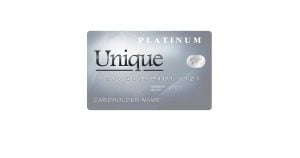
The Unique Platinum Card is another example of a good catalog card. From Unique Card Services, the card is like the Horizon card offerings but with a larger initial credit limit. The Unique Platinum Card comes with an initial credit line of $1,000. This is $250 more than what Horizon offers. Additionally, the card’s store – My Unique Outlet – has a massive selection of name-brand electronics, fragrances, and supplies for the home and kitchen. And like other catalog cards, applicants for the Unique Card won’t be turned away for bad credit or no credit.

Why Choose a Catalog Card?

Catalog cards are a great choice for those with bad credit, limited credit history – or no credit history at all. Why choose a catalog store card? Here are three of the top reasons to consider a catalog card:

Avoid Multiple Rejections

There is no such thing as credit cards that offer guaranteed approval. Applicants might even struggle to get a secured card with a bad credit score.

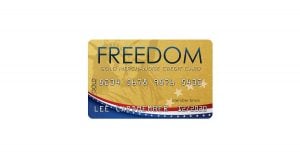
Catalog cards, like the Freedom  Gold Card and Group One Platinum Card, are among the easiest cards to get approved for – no matter what your credit score is. Choosing to get one of these cards takes out the frustration and potential side effects repeated rejections can cause.

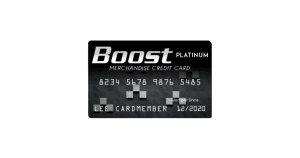
While the number of new credit inquiries on your credit report isn’t a significant factor in what makes up a FICO Score, it still has an impact. Too many applications in a short period can lower your credit score. Take the hassle out of building credit by applying for a card with excellent approval odds, like the Boost Platinum, Freedom Gold, or Group One Card.

Prove Financial Responsibility

Building credit requires good financial habits. People with excellent credit have a track record of consistent, on-time payments and responsible spending. Gaining this reputation takes time and effort. Catalog store cards, like the Freedom Gold Card or Unique Platinum Card, allow those with bad credit to prove their financial responsibility with every monthly payment.

Payment history makes up a whopping 35% of a FICO Score – making it the most critical factor in determining your credit score. Use your Group One or Horizon Card to make on-time payments each month, and your credit score can rise significantly in the long run. This, in turn, can show other lenders that you should be considered for additional credit cards, loans, or mortgages in the future.

Flexible Payment Options

Catalog cards, like the Unique Platinum Card, offer different payment options from traditional credit cards. The Unique Platinum  and Group One Platinum Cards both provide customers with 0% APR on purchases. This lack of an interest rate on purchases helps those repairing their credit by reducing their monthly payments.

Additional Protections

A great reason to consider a Horizon merchandise card is the number of additional protections the card program provides. The Horizon platform contains a number of features typically found with full-fledged credit cards. These features include:

Horizon Benefits
My Privacy Protection Users receive access to unlimited privacy protection when using their card within Horizon’s online portal.
My Roadside Protection Members have access to up to three service calls or towing requests per year (up to 15 miles, and not to exceed the operator cost of $50) free of charge.
Identity IQ Cardholders receive 24/7 credit monitoring access through Identity IQ.
My Universal RX Members receive up to 50% off at over 55,000 pharmacies nationwide. Check www.memberbenefitaccess.com or call Member Services for selected medications and changes
My Legal Assistance Cardholders receive one free 30-minute consultation with a specialized legal professional in your area (excluding criminal defense).

Conclusion

Catalog cards aren’t the most well-known type of payment card, but they offer an excellent opportunity for those looking to repair their credit. For this reason, catalog cards are often referred to as “second chance credit cards.” Making on-time payments can steadily raise your credit score and help you practice the techniques needed to succeed. As with all credit cards, however, be sure to read the terms and conditions before applying.

Related Article: Easiest Credit Cards to Get with Bad Credit

New Chase Get More Now Spotify Premium Offer

new-chase-get-more-now-spotify-premium-offer

Last updated on July 31st, 2020

Chase is now allowing its credit card customers to enroll in select rewards programs for additional benefits and discounts. The new offers apply to all Chase credit card users (with a few co-branded exceptions) and provide statement credits, extra cash back, and more. Here is what you need to know about the new Chase Get More Now benefits – which include Spotify Premium, Groupon, and ShopRunner.

Chase Get More Now Spotify Offer

The Chase Get More Now website is currently offering cardholders a 5% statement credit for six months of Spotify Premium membership. After enrolling, cardholders earn a 5% statement credit for the cost of a Spotify Premium membership for the first six months of membership.

Some reports from Chase cardholders indicate that the bank is targeting select users for a free six-month Spotify Premium trial, but that does not reflect on the Get More Now page. Instead, the users are receiving emails from Chase.

A Spotify Premium membership is currently $9.99 per month for individuals (there is also a Family plan and a Student plan, each with a distinct price), so the 5% statement credit is roughly a $0.50 per month value.  Cardholders must enroll before 9/30/20.

Earn 10% Back in Groupon Bucks for 12 Months

Chase is also advertising a deal with Groupon. Cardholders that enroll with Groupon will earn 10% back in Groupon Bucks for the first 12 months on select categories. The eligible categories for 10% back include:

  • Online learning
  • Home and garden
  • Personalized items

It’s important to note that Chase limits the amount a cardholder can earn each month to $50. Cardholders also need to enroll by 2/28/21.

Free ShopRunner Membership

Finally, Chase is providing all cardholders with complimentary ShopRunner membership for one year through Get More Now. ShopRunner offers free two-day shipping and returns with over 100 online retailers. ShopRunner is currently also free to American Express cardholders and with other services, such as PayPal. It is still, however, free, so it’s worth the signup.  Chase cardholders must sign up for this offer by 2/28/21.

Related Article: Citi ThankYou Points Bonus Offer for Select Cardholders

How to Protect Your Small Business Financially During a Crisis

how-to-protect-your-small-business-during-a-crisis

Last updated on April 2nd, 2024

Small business finances are often closely tied to the funds and credit scores of their owners. When a pandemic, like the COVID-19 (coronavirus) strikes, it can leave companies – and their management – financially stretched. Fortunately, there are things you can do to protect yourself – and your business – during these tough times. Here’s how to safeguard your small business financially during a crisis like the coronavirus pandemic.

Separate Your Personal Credit from Your Business Credit

Small business credit differs from personal credit. Despite this, however, companies can use a personal credit score to apply for business credit cards or loans.

Why use your personal credit for your business? If your company is new, it likely doesn’t have a long enough credit history to gain the funding it needs. In instances like these, using your personal credit score is an easy way to access the loans and credit cards you need to succeed.

While using your personal credit to get business credit cards provides benefits, it can leave you overextended. Where possible, separate your personal and business credit. When your company experiences hardship due to pandemics or crises, your personal credit score won’t suffer.

Work Closely with Your Local Bank

For a small business, selecting a local bank or credit union may be a better option than a national bank. Because smaller banks have a local focus, they are more forgiving than national banks in times of financial crisis.

Building a close relationship with your local credit union or bank can pay significant dividends when companies find themselves feeling the effects of events like the COVID-19 pandemic.

Take the time to speak with your account officer regularly. Keep them up to date on your financial situation. As Andrew King of the Bastille Group states, “there is nothing more important than real relationships.”

Contact Creditors Quickly

Communication is key. Communication is especially crucial during a crisis. Most lenders are reacting to the COVID-19 pandemic with financial relief for those impacted. To receive these payment relief offers, however, you must contact your lenders.

If your business is struggling due to the economic slowdown, communicate with your lenders early and often. Financial institutions, like banks, credit unions, and other lenders, make their money through your payments. If you can’t pay, it’s in their best interest to help you. Contact your bank when financial issues arise – if you lose, they lose.

Closely Monitor Your Cash Flow

Cash flow is the net amount of cash going in – and out – of your business. Keep a close eye on your finances, with a particular eye to your credit utilization with credit cards. Because credit cards offer easy access to funds, they can leave companies overstretched if they over-rely on them during a pandemic or crisis.

Make sure your spending matches your incoming cash flow and that you can cover your debts. Reducing your expenditures can help maintain your business’s bottom line – and protect your company during a crisis.

Conclusion

Pandemics are frightening, and not just because of the damage they cause to human lives. These crises also have severe financial ramifications for individuals and small businesses. Fortunately, there are proactive steps you can take to safeguard not only yourself, but also your company.

The most basic steps you can take include separating your personal finances from those of your business and not using personal credit cards for business. Other measures include forging strong relationships with your lenders, keeping them up to date on your company’s situation, and being practical by contacting them when problems arise.

Related Article: Here Is What Happens If You Don’t Pay Your Credit Card Bill


What Credit Cards Can I Get with Bad Credit?

what-credit-cards-can-i-get-with-bad-credit

Last updated on August 24th, 2023

Having bad credit disqualifies many people from such significant events as getting a mortgage or even finding their dream apartment. Fortunately, having bad credit doesn’t mean you can’t qualify for loans or credit cards to repair your damaged credit score. So, what credit cards can you get with bad credit?

Secured Credit Cards for Bad Credit Scores

Credit cards for bad credit break down into two distinct categories: unsecured cards and secured cards. Secured credit cards are the most accessible type of credit card to get because they require a security deposit and often do not require a credit check.

This security deposit requirement is what makes these cards “secure.” Applicants apply with a cash deposit (usually a minimum of $200 to $300), and the lender then opens the card account. The security deposit acts as both collateral and the credit limit. This means the more money you deposit, the higher your credit limit.

Why Use a Secured Card?

Secured cards are great for repairing credit. Since they are easy to obtain, they offer a simple way to increase the amount of available credit you have. Most secured cards also don’t conduct a hard inquiry when you apply. These two factors can help you quickly raise your credit score by several points.

What Are the Best Secured Credit Cards for Bad Credit?

Choosing a secured credit card is an excellent option for people with bad credit. Many secured cards offer a lifeline to those with a history of late, or missed, payments, bankruptcies, repossessions, or other financial mishaps.

Here are some of the most popular secured cards for people with bad credit (or no credit):

opensky® Secured Visa® Credit Card

opensky® Secured Visa® Credit Card
Poor-No Credit Required
BestCards refers to a variation of FICO Score 9, which is one of many different types of credit scores. A financial institution may use a different score when deciding whether to approve you for a credit card. Please note that the range shown here is our own estimation and not a guarantee of credit needed to be approved for any given card. Recommended Credit: Poor / No Credit Required
Visa Processing Network
$35 Annual Fee

opensky® Secured Visa® Credit Card

  • 23.89% (variable) Regular Purchase APR
  • 23.89% (variable) Cash Advance APR

At a Glance

The opensky® Secured Visa® is a secured credit card that offers requires a low minimum deposit and features no credit checks for approval. The card, issued by Capital Bank, provides an easy route to better credit by offering credit limits as low as $200, a moderate fixed-rate APR, and a reasonable $35 annual fee.

  • Best Benefits
  • Rates & Fees
  • Why Should You Apply?
  • Earn up to 10% cash back on everyday purchases
  • No credit check required – 89% approval rate with zero credit risk to apply!
  • Boost your credit score fast—2 out of 3 opensky® cardholders see an average increase of 47 points after 6 months
  • Track your progress with free access to your FICO® score in our mobile app
  • Build your credit history with reporting to all three major credit bureaus: Experian, Equifax, and TransUnion
  • Seamless payments—add your card to Apple Pay, Google Pay, and Samsung Pay
  • Start with just $200—secure your credit line with a refundable deposit
  • Fast and easy application—apply in minutes with our mobile-first experience
  • Flexible payment options—pick a due date that works for you
  • More time to fund—spread your security deposit over 60 days with layaway
  • Join 1.6 million+ cardholders who have used opensky® to build better credit!
  • Regular Purchase APR: 23.89% (variable)
  • Cash Advance APR: 23.89% (variable)
  • Cash Advance Transaction Fee: Either $6 or 5% of the amount of each cash advance, whichever is greater.
  • Annual Fee: $35
  • Foreign Transaction Fee: 3% of each transaction in U.S. dollars
  • Late Payment Penalty Fee: Up to $41
  • Return Payment Penalty Fee: Up to $25
  • Minimum Deposit Required: $200
  • You’re struggling to get accepted for other secured credit cards
  • You don’t have a credit history
  • You have bad credit and want to improve your credit score
  • You have a large deposit and want a quick pick-me-up for their credit score
  • You want access to a useful knowledge base of credit information and resources
opensky® Secured Visa® Credit Card

opensky® Secured Visa® Credit Card

Terms & Conditions

The OpenSky® Secured Visa® is one of the most popular secured cards due to its easy application process. Besides no credit check, the card features a low, $35 annual fee, a wealth of credit repair information through its Knowledge Center, and an adjustable credit line.

First Progress

First Progress is another popular issuer that specializes in secured cards. The lender offers three cards aimed at different types of credit card users. These cards offer different APRs and annual fees. The First Progress Platinum Prestige, for example, offers a low 9.99% APR and $49 annual fee. The low rate makes it perfect for anyone planning to carry a balance.

 The Platinum Elite is geared towards those new to credit, featuring a 19.99% APR and a low $29 annual fee. The Platinum Select is the mid-range card, with a 13.99% APR and a $39 annual fee. This middle card is perfect for those who want the versatility to carry a balance, but not the higher yearly fee.

First Progress Platinum Elite First Progress Platinum Select First Progress Platinum Prestige
Annual fee $29 $39 $49
Credit needed None None None
Rewards Does not earn rewards 1% cash back rewards 1% cash back rewards

 Other Options to Consider

Other popular secured cards include the Discover It Secured (which earns 2% cash back at gas stations and restaurants on up to $1,000 in combined purchases each quarter), Applied Bank’s Applied Bank Secured Visa® Gold Preferred® Card, the PCB Secured Visa, the Secured Mastercard from Capital One, and the Citi® Secured Mastercard®.

For those seeking a 0% introductory APR, the Assent Platinum 0% Intro Rate Mastercard® Secured Credit Card comes with zero interest for the first six months on purchases – and a great low APR of 12.99% after that.

Related Article: Can You Raise Your Credit Score 100 Points In a Month?

Unsecured Credit Cards for Bad Credit Scores

The other type of credit card for bad credit is an unsecured card. Unsecured credit cards differ from secured cards in that they don’t require a security deposit. An unsecured card is what people most associate with a traditional credit card. You apply, and if approved, your bank grants you a credit line you can use to make purchases.

Because these cards don’t require a deposit, they will result in a hard inquiry when you apply. This means applying for a card like this can impact your credit score – albeit not significantly. Additionally, these cards are typically more challenging to get than secured cards, meaning the bank might reject your application if you do not meet their requirements.

Why Choose an Unsecured Card?

While unsecured credit cards pose a higher risk of rejection, they still offer many practical benefits compared to secured cards. These include no security deposit and the chance of a credit line increase after demonstrating financial responsibility over time.

What Are the Best Unsecured Cards for Bad Credit?

Unsecured cards for bad credit break down into two distinct categories themselves: “guaranteed approval” credit cards and credit repair cards.

Guaranteed Approval Credit Cards

While “guaranteed approval” isn’t 100% accurate, these cards are much easier to get than many other credit repair cards on the market. The two best examples of these easy-to-get cards are the Principal Platinum and the Group One Platinum Card. Both cards offer a $750 unsecured line of credit cardholders can use at the Horizon Outlet. The outlet is an online marketplace that features thousands of products, like Amazon.

Here are the top merchandise cards:

Why Choose a Merchandise or Catalog Card?

The benefit of cards like the Horizon cards or others, like Unique or Buy on Trust, is that they regularly report to one of the three major credit bureaus: Experian, Equifax, and TransUnion. Make your payments on time each month, and your bad credit score can quickly climb.

The Unique Platinum Card comes with an initial credit line of $1,000. This is $250 more than what Horizon offers. Additionally, the card’s store – My Unique Outlet – has a massive selection of name-brand electronics, fragrances, and supplies for the home and kitchen. And like other catalog cards, applicants for the Unique Card won’t be turned away for bad credit or no credit.

Buy On Trust is a pay-over-time credit account that lets consumers shop the biggest names in electronics from leading electronics vendor, Best Buy. They can buy now and pay later – with no credit needed.

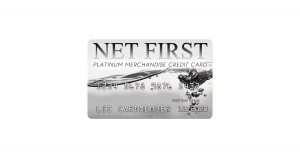
The various cards that work at the Horizon Outlet, the Freedom Gold, Boost, NetFirst, and Group One Platinum, also provide access to a catalog of impressive products. Horizon cards also have a suite of other benefits, including:

Horizon Benefits
My Privacy Protection Users receive access to unlimited privacy protection when using their card within Horizon’s online portal.
My Roadside Protection Members have access to up to three service calls or towing requests per year (up to 15 miles, and not to exceed the operator cost of $50) free of charge.
Identity IQ Cardholders receive 24/7 credit monitoring access through Identity IQ.
My Universal RX Members receive up to 50% off at over 55,000 pharmacies nationwide. Check www.memberbenefitaccess.com or call Member Services for selected medications and changes
My Legal Assistance Cardholders receive one free 30-minute consultation with a specialized legal professional in your area (excluding criminal defense).


Credit Repair Credit Cards

The other type of credit card for bad credit is credit repair credit card. These cards are specially designed for people with bad credit, fair credit, or even no credit history. These cards offer the chance at a credit limit increase after several months of on-time payments.

Surge® Platinum Mastercard® Applied Bank® Unsecured Classic Visa® Card FIT™ Platinum Mastercard®
Card type Unsecured Unsecured Unsecured
Starting limit Up to $1,000 $300 $400


The Milestone Gold Mastercard and Indigo Platinum Mastercard are two other examples of credit cards for bad credit. Both cards offer a fixed-rate APR, meaning cardholders won’t have to worry about the interest rate changing multiple times. Other popular options come from lenders like Credit One and the Mercury Mastercard.

Milestone® Mastercard® Indigo® Mastercard® for Less than Perfect Credit
Annual fee $35 to $99 annual fee $175-$199
Pre-qualify? Yes No
Starting limit $300 $700
Monthly reporting to credit bureaus? Yes Yes
Rewards? N/A N/A

Conclusion

Bad credit doesn’t mean you can’t get credit. A subprime credit score means you need to work on repairing your credit with the right credit cards. Using the options above can help you quickly repair your credit if you follow the correct advice. This advice includes:

① Check your credit score The first thing you should do is check your credit score to see where you stand. You might already know your credit score is bad, but how far down on the scale, does it go? Knowing how fast you can improve your credit from “bad” to “fair” is crucial to making a financial plan of attack.
② Get a credit card for subprime credit Part of boosting your credit score is increasing your use of credit. For those with bad credit, this may seem counter-intuitive. Fortunately, there are many unsecured credit cards for poor credit and secured cards that can help you repair your credit score.
③ Pay on time each month As seen in the scoring models, payment history is the biggest factor in your credit score. Because payment history is so important, paying your credit card bill on time each month is essential to boosting sub-prime credit. Missed payments stay on a credit report for seven years.
④ Keep your credit use low Credit utilization is as important as paying on time. Credit utilization shows lenders how you use your credit. Those who keep their credit use below 30% can expect their score to improve, while those who use less than 10% can expect a much faster score rise.

Thanks to monthly reporting by the major credit bureaus, once your credit improves, you’ll qualify for better credit card offers, a higher credit line, better loan rates, and even mortgages.

Related Article:  What Are the Easiest Credit Cards for Bad Credit to Get?

BMO Harris Bank Adds Mastercard True Name to Credit Cards

bmo-harris-bank-adds-mastercard-true-name-to-credit-cards

Last updated on July 27th, 2020

The Mastercard True Name program has been around for a while, but not every bank has allowed transgender and non-binary cardholders to use their chosen name on their products. Recently, BMO Harris Bank became the latest financial institution to partner with the True Name program. Here’s what you need to know:

BMO Harris Partners with True Name

According to a press release, BMO Harris is making it easier for transgender and non-binary customers to use their chosen name, rather than their legal name, on their own credit cards.

BMO Harris was the first national bank to offer this option to banking customers. The bank began accepting changes to debit and ATM cards in December 2019. However, it is now extending this option to other accounts – including BMO Harris credit cards.

What Is Mastercard True Name?

The Mastercard True Name program launched in the summer of 2019. The program and feature seek to address concerns of misrepresentation for those in the LGBTQIA+ community.

Mastercard states that its commitment to inclusion is etched in the very fabric of the company. The True Name feature is simply the newest effort to demonstrate their celebration of acceptance and identity.

The process allows transgender and non-binary individuals to alter the name on their bank cards without the need for a legally binding change. BMO Harris has been one of the most progressive of the larger corporations in embracing the LGBTQ community – a positive trend which has seen support for LGBTQ-owned businesses grow exponentially in recent years.

“Breaking Down Barriers…to Serve the Needs of Our Customers”

Mastercard and BMO Harris view the program as easing a significant point of pain for many in the LGBTQIA+ community. According to research from the National Center for Transgender Equality, an identification card that doesn’t match its owner’s representation may cause them to experience higher levels of discrimination and harassment.

“Breaking down barriers to inclusion and supporting our customers requires a commitment to creating products that not only represent our BMO values but also serve the needs of our customers,” said Denise Press, head of retail and small business payments for BMO Harris Bank.

Related Article: 4 Tips for Building Credit In Your 20s

Uber Card No Longer Accepting New Applications

uber-card-no-longer-accepting-new-applications

Last updated on September 18th, 2020

Barclays only relaunched the Uber Credit Card in late October of last year, but it appears it may already be gone. While the card offers impressive rewards and is excellent for navigating a COVID-19 landscape, it seems Barclays is no longer accepting new applications for the card. Here’s what you need to know about Barclays removing the Uber Credit Card – and whether it’s gone for good.

“Temporary Removal”

According to Barclays, the card’s issuer, the removal is only temporary. The bank claims the card’s withdrawal is due to “market conditions”. However, it is providing no time-frame for reintroduction. Due to the effects of COVID-19, rideshare companies like Uber are struggling to contend with travel restrictions and stay-at-home orders. While food deliveries are thriving, the Uber Card’s redemption options offer less value than other competitors.

Uber Card Struggling Against New Competition

The relaunch of the Uber Card in late 2019 attracted a fair amount of interest. The card earns 5% cash back on Uber rides, Uber Eats orders, and JUMP. The card also features 3% cash back on travel and dining purchases. The major letdown, however, is that cash rewards apply only as Uber Cash – and not statement credits.

While the value of a credit card that offers rewards on food delivery delivers exceptional potential during the coronavirus lockdown, the mandatory Uber Cash redemption limits the card’s appeal. The new U.S. Bank Altitude Go Visa Signature provides much more versatility – also for no annual fee.

Is the U.S. Bank Altitude Go a Better Choice?

The Altitude Go Visa Signature is a new credit card from U.S. Bank. The card earns 4X points per $1 on takeout, dining, and food delivery services, plus 2X on groceries, gas, and streaming services purchases. The real value with the Altitude Go, however, is the broader amount of rewards redemption options. Given that the card earns 4X points on not just Uber Eats, but also Grubhub, and other services, it offers real competition to the Uber Visa.

Related Article: New U.S. Bank Altitude Go Card Now Available

Why Was My Credit Card Declined?

why-was-my-credit-card-decline

Last updated on September 20th, 2023

Imagine preparing to make a purchase at your favorite store – only to find out your card is declined during the transaction. A bank declining your credit card is frustrating and stressful – not to mention embarrassing. But what causes your card issuer to shut down a purchase? Here are five of the most common reasons why your credit card was declined.

Five Reasons Why Your Credit Card Was Declined

Sometimes, an issuer may decline a credit card payment simply because you entered the wrong information. Beyond an incorrect security code, however, here are five other very typical reasons why your bank would decline your credit card:

Over Your Credit Limit

While charge cards, like the Platinum Card from Amex, have no set credit limit, traditional credit cards do. A credit limit is the maximum allowable amount you can borrow through your bank or lender. Reaching this limit means you are maxed out – and it might cause your payment to be turned down.

Once you reach your credit limit, you can’t make purchases or cash advances until you pay off some of the balance – thereby freeing up some available credit.

Pending Transactions

Pending transactions are another common reason for declined payments. Making large purchases can result in temporary holds on your account until the payment clears. Merchants do this to ensure they receive payment for expensive items.

Hotels also place holds on credit cards to ensure a guest can pay for their room and any additional services. Car rental companies also place holds, meaning further expensive purchases might result in rejection and declined payments.

Credit Card Fraud

Fraud is a pervasive problem, and banks take it very seriously. If your bank or lender flags a purchase as potentially suspicious, they might decline the charge and lock your account until they can investigate it further.

While having your card blocked due to a fraud claim is frustrating, it is easy to clear up. Calling your bank, lender, or other financial institutions via the toll-free number on the back of the card is the quickest route to resolving these problems. An easy way to avoid payment problems due to fraud is always remembering to carry cash or another payment method – just in case. Alternatively, you can always call your bank ahead of time and inform a representative that you will be making a substantial transaction, thereby clearing up any potential confusion and frustration.

Card is Expired

Most card issuers are great about sending you a new card before your current one expires. If, however, you don’t receive a new one, or it gets lost in the mail, you might be making purchases with a card that already expired.

Always ensure that your card is valid, that your bank has your up-to-date contact info, and that you receive a new card a month or so before it expires.

Card Was Closed

Sometimes someone else closes your card account without your knowledge. Account closures happen for several reasons, including:

  • A mistake by the issuer
  • Inactivity by the account holder – usually for a year or more
  • Breaking the issuer’s card agreement and terms of use agreement
  • The primary account holder removed you as an authorized user

If your card is declined due to account closure, there aren’t many steps you can take. You might be able to contact the bank and ask for it to be reopened, but if not, you’ll need to use another payment method.

Related Article: Retail Credit Cards: Your Ultimate Guide

How to Recover After a Credit Card Application Rejection

6 ways to recover after a credit card application rejection

Last updated on April 14th, 2023

A credit card application rejection can feel painful, but there are many ways to bounce back from defeat. Instead of taking things personally, consider these ways to recover after a credit card application rejection:

What to Do After a Credit Card Application Rejection

So, what should you do after you get rejected for a credit card?

Don’t Immediately Apply for Another Credit Card

Your gut reaction after getting a credit card rejection may be to go fill out multiple credit applications and hope that one will accept you, but doing so will actually make it more difficult for you to be approved by an issuer in the future.

Credit card companies examining your credit history may be less likely to grant you a card if they see too many inquiries on your credit in a short period as it may be a sign that you depend on credit cards too much and maybe a lending risk.

Related Article: What Credit Cards Can I Get with Bad Credit?

Learn Why Your Application Was Rejected

With credit card issuers, you don’t have to guess what they are thinking. They will tell you. All you must do is examine your adverse action notice. You may not know what an adverse reaction notice even is, but this simple letter solves many of the frustrations felt after you’ve applied for a credit card only to be shot down.

The Fair Credit Reporting Act of 1970 grants insight into the credit card approval process as it requires a credit card issuer to send you an adverse action notice when you are denied credit. This notification is generally posted within ten business days. It includes the specific reasons that you were denied credit, information about the credit bureau that supplied the credit report used to make this decision, and how to obtain that report.

Guessing that your bad credit score or high credit utilization ratio is the reason that financial institutions declined you isn’t nearly as helpful as actually knowing why, and this notification is how you find out.

Closely Examine Your Finances

If you didn’t already get one before applying for a new credit card, you should get a copy of your credit report and check your credit history. The adverse action notice sent to you by the issuer as mentioned above will give instructions on how to get one. Still, you can contact any of the three credit bureaus- TransUnion, Equifax, and Experian- to get a copy yourself.

With your credit report in hand, you will be able to identify how your spending habits are affecting your credit score. It may be because your credit card balances and auto loan balances are too high, or your credit scores are too low. Your credit history may show numerous credit cards in your name, or it may indicate that you have a limited credit history (known as having a thin file), which can also be a reason that your application was declined. It’s tricky in that regard.

Related Article: How Bad Credit Can Cause Problems in Everyday Life

Review Your Application and Plead Your Case

If, after you have carefully read your adverse action notice, credit report, and application, you are still unable to figure out why your recent credit card application was rejected, it may be time to contact the issuer directly.

Nowadays, this can commonly be done via email, live online chat, or phone. In any of those situations, it is essential to have as much information about your case as possible beforehand and to remain calm.

It is unlikely that the person on the other end of the line was the one that categorically rejected your application, so contacting them in any way other than politely isn’t a solution. Slinging obscenities and demanding to speak with a manager has a higher chance of ending up with you on hold until you come to your senses instead of triggering an immediate resolution, so please keep that in mind.

Your credit card application may have been declined because of a simple clerical or computing error on the issuer’s end that can be corrected instantly. Still, you won’t be able to find that out quickly with the help of a representative if you’re demeaning to them.

Improve Your Credit

While the knee-jerk reaction of applying for a dozen other credit cards after your credit card rejection is frowned upon, it doesn’t mean that you are forever unable to apply for a credit card. On the contrary, once you are better informed about your creditworthiness, you will be able to improve your credit score and, in turn, improve your chances of being accepted the next time that you apply for a credit card.

One easy way to build credit is to open a secured credit card account. Though the limit for these cards is generally lower than an unsecured credit card, the important part is that your behavior will be reported to the three credit bureaus. Showing responsible spending habits over time will make you less risky issuers and more likely to be accepted the next time that you apply for a credit card.

Using a secured card in conjunction with sound financial techniques is essential for quickly fixing your credit and moving on to an unsecured credit card. These practices include:

  • Reducing your overall credit use to less than 30%
  • Paying your credit card bill every month
  • Removing late payments from your credit report

Related Article: What’s the Fastest Way to Repair Bad Credit?

Conclusion

Credit card rejections happen for several reasons. While getting a rejection letter from a bank is upsetting, it isn’t the end of the world.

Carefully read the reasons for the rejection and what the lender recommends. Use credit monitoring services and check your credit report for more information. If you find mistakes or errors on your credit report, contest them.

Related Article: How to Choose a Secured Credit Card

What’s the Fastest Way to Repair Bad Credit?

whats-the-fastest-way-to-repair-bad-credit

Last updated on September 21st, 2023

Your credit score is one of the most important pieces of information you have. Your credit score determines your eligibility for mortgages, personal loans, and credit cards. If you have a bad credit score, however, don’t worry. There are steps you can take to rebuild bad or poor credit. So, what’s the fastest way to repair your bad credit? And can you boost your it in a month or less?

Can You Improve Your Credit Score in 30 Days?

While most experts believe it can take months to significantly repair your credit, you may see results in as little as one month. Boosting your credit score in 30 days is tough, however – but not impossible. Here’s how to do it:

Remove Late Payments

Payment history is the single most crucial factor in determining your credit score. It also plays a big role in how your credit report looks to anyone who inspects it. Late payments can lower your credit score by 100 points or more. The scary thing about late payments is that they remain on your credit report for years. This means it takes time – and a long string of on-time payments – to remove the smudge.

The good news is that late payments are removable from credit reports – but it takes persistence and some luck. Calling your creditors and asking for a “goodwill adjustment” is your best bet. If they refuse this adjustment, try negotiating an automatic payment plan for late payment remark removal.

Reduce Your Credit Utilization

Credit usage – also known as credit utilization – is another critical factor that makes up your credit score. Keeping your credit utilization under 30% is essential for maintaining a good credit score. The lower you go, however, the better the results.

Try to reduce your credit card spending under 30% of your limit – or less than 10% if possible, as this is the optimal percentage. This action can lead to a quick jump in your credit score as early as the next reporting cycle.

Increase Your Overall Credit

The more credit available to you, the better. When you have more available credit, and your credit utilization is low, lenders see you as financially stable. This reflects well on you and makes you an attractive, low-risk borrower in their eyes. It also plays a key role in repairing your bad credit score.

Increasing your overall credit lines can be difficult if you have bad credit, however. Fortunately, secured credit cards offer an easy way into higher credit lines. This type of card requires a security deposit to open, but often the application does not include a hard inquiry into your report. This makes them the easiest credit cards to get. And, since the deposit equals the credit limit, you can add as much as you want – giving you the power to set your own spending threshold.

Related Article: What Are the Easiest Credit Cards to Get for Bad Credit?

Two of the best secured cards to consider are the OpenSky Visa and the First Progress Platinum Prestige. The OpenSky is a perennial favorite in the secured card space due to its modest $35 annual fee, credit-building knowledge base, and no required credit check.

The First Progress Platinum Prestige has a higher annual fee than the OpenSky Visa ($49), but it more than makes up for this with its excellent regular APR. The card has a variable APR of just 9.99% – almost half that of the OpenSky. For those planning on potentially carrying a balance from time to time, the First Progress is a top choice.

More Information:

Raise Your Credit Limits

Closely linked with applying for additional credit to repair imperfect credit is raising your limits with existing cards. This may initially be difficult, depending on your current credit score, payment history, and existing stable of credit cards. You should first call your issuer to discuss a credit limit increase – and don’t be afraid to negotiate.

How to Repair Bad Credit: Conclusion

The fastest – and most consistent – way to repair bad credit is through sound financial practices. These include making on-time payments every month, using as little of your available credit as possible, and increasing your overall credit limits.

The last step is best accomplished using secured cards, as they are easily accessible and don’t always require a credit check. Raising your credit limits, in combination with lowering your spending, can raise your score by 20, 30, or even 50 points within a month.

Despite this, however, you’ll need to maintain these good habits to see further gains to your score.

Related Article: What are the best secured cards of 2020?

What Happens If You Exceed Your Credit Limit?
what-happens-if-you-exceed-your-credit-limit

Last updated on February 20th, 2024

Credit cards are a lifesaver when cash isn’t an option for making payments. Many Americans have multiple credit cards that earn rewards or offer a low APR to finance larger purchases. But what happens if you lose track of your spending and go over your card’s credit limit? Here is what to expect if you exceed your credit limit.

Can You Go Over Your Credit Limit?

First things first: can you exceed your credit limit? Yes and no. In most cases, you cannot go over your credit limit – after all, that’s why it’s called a limit.  Because of these limits to credit lines, if you go over with a purchase, your credit card will likely be declined.

Over-the-Limit Fees

In some cases, you can go over your credit limit, but your bank will assess an over-the-limit fee. These fees apply to charges that exceed the credit limit, and cardholders must opt-in.

Over-the-limit fees are part of an agreement between the bank and the account holder when a credit card account opens. The bank must provide a notice allowing you to select overage fees if you go over the limit. Choosing this additional protection is not a requirement for the approval of a credit card application, though.

It’s worth noting that even if you choose to add an over-the-limit protection plan to your card account, your bank must approve all purchases. This means your bank might still decline charges – even if you have over-the-limit coverage.

How Much Are Over-the-Limit Fees?

As of 2020, the CARD Act states your bank can charge up to $29 for your first over-the-limit penalty, and up to $40 for all subsequent charges during the next six months.

Interest Charges Causing You to Go Over Your Credit Limit

Besides purchases, there are other reasons you might exceed your card’s credit limit. If you purchase at the same time an interest charge is added to your account, the purchase may push you over your limit. In instances like these, your bank may approve the purchase – even if you don’t have over-the-limit coverage. If you pass your credit limit due to interest charges, you won’t have to worry about penalty fees. However, you will still have to contend with the interest charge.

Why You Should Never Max Out Your Credit Card

Just because you can go over your credit limit doesn’t mean you should. Maxing out your credit cards can be disastrous for your credit score – and your finances overall.

According to FICO, the credit scoring system more than 90% of lenders use, maxing out your credit cards could drop your credit score by as much as 120 points. And, because credit utilization accounts for 30% of your FICO Score, the damage to your credit can take years to repair.

Can You Lose Your House Because of Credit Card Debt?

can-you-lose-your-house-because-of-credit-card-debt

Last updated on January 29th, 2024

Credit card debt is a serious problem in the United States. According to recent data, U.S. household debt is currently at a staggering $14.3 trillion. And while credit card debt is declining, Americans still hold over $760 billion in combined debt for that category. But given the issues that too much debt can cause – such as interest payments and defaults – can you lose your house because of credit card debt?

Credit Card Debt is Unsecured Debt

The answer to this question is: Maybe. Fortunately, losing your home due to unpaid credit card debt is highly unlikely.

Credit card debt is a type of unsecured debt. This type of debt differs from things such as mortgages or car loans, which are attached to an item (your house or your car). With secured debts, defaults mean the lender can seize those items right away.

Debt Collectors and Default Judgments

Because credit card debt is unsecured, credit card companies can’t take your possessions. Instead, they need to file a lawsuit to obtain a judgment. Most credit card companies work with debtors to help them repay their loans.

If a cardholder fails to respond to repeated requests, the bank may sell the debt to a debt collection agency. These companies make their money off debt repayments, so they are more likely to hound you. They might even take you to court to seek repayment.

Many debtors ignore these lawsuits, resulting in something called a “default judgment.” A default judgment is an assumption of guilt since the defendant did not appear to defend themselves. In these situations, the court may award the debt collector a financial sum – and the ability to come after your assets, such as your home, car, or other property.

How to Protect Yourself from Credit Card Debt

While you probably won’t lose your house because of unpaid credit card debt, it is a possibility. So, how can you protect yourself from credit card deb and its long-term consequencest?

Ask Your Bank for Relief

The best first step you can take is to ask your bank for help. Most credit card lenders are more than willing to help customers that fall behind on their payments. After all, it is in their best interest to help you pay – that’s how they make their money.

Banks offer a variety of credit card relief programs, including:

  • Deferred payments: Allow cardholders to roll over this month’s payment into next month, buying them time
  • Payment extensions: Give cardholders longer to pay a due balance without late fees
  • Forbearance: Allow month(s) of no payments, though the account still incurs interest
  • Due date changes: Change the statement date to better align with your finances
  • Fee waivers: Banks may eliminate late fees or annual fees

Related Article: What Types of Credit Card Relief Do Banks Offer?

Monitor Your Credit Report

Keeping a close eye on your credit report is essential.  Less reputable debt collectors might try to use “zombie debt” to make a quick buck. What is zombie debt? It is old debt that is forgotten, written off, or paid off. Creditors might bring these debts back through error or fraud and can collect on this debt illegally.

By tracking your credit reports from the major credit bureaus (Equifax, Experian, and TransUnion), you can ensure that everything is up to date. This practice can keep the zombie debt collectors at bay.

Contact a Credit Counselor or Financial Attorney

Contacting a licensed credit counselor is another way to help protect your property from credit card debt’s side effects. Institutions, like The National Foundation for Credit Counseling, are non-profit organizations that help consumers tackle their debt with debt management plans and other advice.

If none of these plans work, your final option may be to contact a reputable bankruptcy lawyer. Many bankruptcy lawyers have a deep understanding of the issues involved with credit card debt and personal finance. They can help you develop a plan of action to improve your financial situation – and your credit score.

Related Article: What’s the Best Card for Rebuilding Credit? Mercury Mastercard vs Reflex Platinum Mastercard

Advertiser Disclosure

BestCards is an independent, Florida-based credit card comparison platform. Many of the card offers that appear on this site are from companies from which BestCards receives compensation. This compensation may impact how and where products appear on this site (including, for example, the order in which they appear). BestCards does not include all card companies or all card offers available in the marketplace.