
The Ultimate Best Western Rewards Guide

best western ultimate guide

Last updated on April 3rd, 2024

Best Western Rewards is the loyalty program of the Best Western portfolio of hotels and suites. The program, formerly called the Gold Crown Club, was rechristened “Best Western Rewards” in 2008. Best Western operates more than 4,100 properties worldwide, including over 2,000 in North America alone.

What Hotels Are in the Best Western Portfolio?

The following hotels and resorts make up the Best Western portfolio and participate in the Best Western Rewards program:

Aiden Best Western Best Western Premier Best Western Plus
Best Western Signature Collection BW Premier Collection Executive Residency Glo by Best Western
Sadie SureStay Plus SureStay Collection Vib

How to Earn Points with Best Western

The easiest way to earning Best Western Rewards points is through booking eligible stays at participating Best Western properties worldwide.

Eligible stays are defined as stays that are not booked through a tour operator, through a discount travel website or app (such as Orbitz, Travelocity, Hotels.com, Priceline, etc.), or with other discounted rates – including employee rates.

Status Bonuses

The amount of points a guest earns with eligible stays at Best Western varies depending upon their membership tier in the Rewards program. These points-earning rates break down as follows:

Status tier Blue Gold Platinum Diamond Diamond Select
Qualifications to achieve status tier N/A 5 nights, 3 stays or 5,000 points 7 nights, 5 stays or 7,500 points 15 nights, 10 stays or 15,000 points 25 nights, 20 stays or 25,000 points
Bonus points for eligible stays 10X points 10% 15% 30% 50%
Points never expire ✔️ ✔️ ✔️ ✔️ ✔️
No blackout dates ✔️ ✔️ ✔️ ✔️ ✔️
Exclusive reservation line ✔️ ✔️ ✔️ ✔️ ✔️
Free night redemptions count toward elite status ✔️ ✔️ ✔️ ✔️ ✔️
Early check-in ✔️ ✔️ ✔️ ✔️ ✔️
Late checkout ✔️ ✔️ ✔️ ✔️ ✔️
Exclusive member rates ✔️ ✔️ ✔️ ✔️ ✔️
Complimentary water and points upon arrival ✔️ ✔️ ✔️ ✔️
Current status level maintained through March 31, 2024 ✔️ ✔️ ✔️ ✔️

*See below for more information on these elite tiers

Travel Partners

Best Western has partnerships with over 30 airlines and frequent flyer programs worldwide, meaning Rewards members can earn points when booking flights through select partners. Best Western Partners currently include Avios, Aeroplan, AAdvantage, Asia Miles, and more.  Best Western Rewards members can earn bonus points when they book with select car rental companies, including Alamo, Avis, Budget, and more. 

Shopping

Best Western Rewards does not have a shopping portal where members can earn additional points. That doesn’t mean, however, that members cannot earn points with purchases. Members can earn points when shopping with Teleflora, Vinesse Wine Club, or Diners Club.

What Are Best Western Rewards Points Worth?

Do Best Western Rewards points offer greater value for money than other loyalty programs? Here is the current list of hotel points valuations:

How to Redeem Points with Best Western

The easiest way to redeem Best Western Rewards points is through booking stays with Best Western properties around the globe. To book, all you need to do is visit the Best Western Free Night page and enter the details of your trip. Reward nights vary along with room rates – based on the city and date of stay – with free nights in Los Angeles starting from 8,000 points and nights in New York City or Miami starting from around 20,000 points per night.

Other ways to redeem points include:

Best Wesrern vouchers Charitable donations Gift cards
Entertainment and travel Merchandise Pool or share points

Transfer Points to Travel Partners

Rewards points also transfer to the frequent flyer rewards programs of over 30 different airlines.  All a rewards member needs to do is log in to their Rewards account, visit the Redeem Points portal and transfer points.

The following is a list of airlines and frequent flyer programs that are partners with Best Western:

Airline program Points transfer rate with other programs (BW/partner)
Aeroplan 5:1
Alaska Mileage Plan 5:1
Asia Miles 5:1
Asiana Airlines Asiana Club 5:1
Air France / KLM Flying Blue 6:1
Avianca LifeMiles 5:1
Southwest Rapid Rewards 5:1.2
Aeromexico Club Premier 5:1.6
Aer Lingus AerClub 5:1
British Airways Executive Club 5:1
Iberia Plus Avios 5:1
MilleMiglia 6:1
Vueling Club 5:1

Best Western Rewards Membership Tiers

Here is a more detailed breakdown of each tier in the Best Western Rewards program:

Blue

Blue is the introductory level in the Best Western Rewards program and offers the base level of benefits and perks.

Blue Benefits

  • 10 points per $1 spent at Best Western
  • No blackout dates
  • Points never expire
  • Access to the exclusive reservation line
  • Free nights count towards elite tier status
  • Early check-in/late check-out

Gold

Gold is the first elite tier in the Best Western Rewards program that offers perks beyond what regular (Blue) members can expect. Gold status requires a minimum of either ten nights at Best Western, seven qualifying stays, or 10,000 points. Best Western Rewards Cardholders also receive complimentary Gold status.

Gold Benefits

Gold members can expect the following perks beyond what Blue members receive:

  • 10% bonus points on stays
  • Choice of a thank you gift or points upon arrival
  • Free room upgrades

Platinum

Platinum is the next tier in the Best Western loyalty program and offers enhanced perks beyond those of Gold members. Platinum status requires a minimum of either 15 nights at Best Western, ten qualifying stays, or 15,000 points. Best Western Premium Rewards Cardholders also receive complimentary Platinum status.

Platinum Benefits

Platinum members can expect 15% bonus points on stays, in addition to those experienced by Gold members.

Diamond

Diamond is the second-highest tier in the loyalty program and offers further enhancements than those Diamond members can expect. Diamond requires a minimum of either 30 nights, 20 qualifying stays, or 30,000 points.

Diamond Benefits

Diamond members can expect 30% bonus points on stays and all other Platinum benefits.

Diamond Select

Diamond is the top tier in the loyalty program and offers additional benefits from those Diamond members can expect. Diamond Select requires either 50 nights at Best Western, 40 qualifying stays or 50,000 points

Diamond Select Benefits

Diamond members can expect 50% bonus points on stays and all other perks available to all other tiers in the program.

Current Best Western Credit Cards

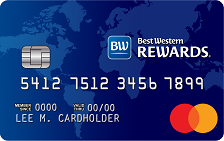
Best Western currently offers two co-branded credit cards. These cards are versatile travel credit cards that earn additional points per dollar spent on qualifying purchases:

Check out more

Travel Rewards Credit Cards

Citi Wins Battle for New Wayfair Credit Cards

citi-wins-battle-for-new-wayfair-credit-cards

Last updated on January 29th, 2024

Citigroup has won the right to issue two new credit cards from Wayfair, edging out Alliance Data Systems, according to a report from CNBC. Here’s what you need to know about the new Wayfair credit cards from Citi, including a closed-loop store card and a co-branded retail Mastercard.

Citi Cashing in On Coronavirus E-Commerce Success

E-commerce has been a significant beneficiary of the coronavirus pandemic. Due to the difficulty and perceived danger of shopping in physical stores, online sales have grown steadily. Now, Citi is increasing its retail card stake, winning the right to issue two credit card products for online retailer, Wayfair.

The new cards will both earn 5% back on purchases made with the online-retailing giant. One card, a closed-loop retail card, will work only with purchases made directly with Wayfair. The other card, a co-branded retail card, will feature the Mastercard payment network. That card, which would be accepted in 212 nations worldwide, will earn cash back in select categories:

  • 5% back on Wayfair purchases
  • 3% back on grocery store purchases
  • 2% back on online purchases
  • 1% back on all other purchases.

Both cards are expected to feature a variable APR of around 26% and allow cardholders to defer payments on select Wayfair purchases for between six and 24 months.

"As retail continues to move online, we are thrilled to partner with Wayfair to provide customers with seamless, convenient financing,"
citigroup
Craig Vallorano
Head of Retail Services, Citigroup

Wayfair Experiencing Significant Growth During COVID-19

Getting a stake in Wayfair’s success is a major coup for Citi. Wayfair has experienced exceptional growth over the pandemic lockdown, with an 84% jump in sales in Q2 2020. The second quarter of 2020 was the first time the company turned a profit since going public back in 2014. Wayfair stock prices are also high, rising by 192% so far in 2020.

American Express Updating Cash Advance Language

american-express-updating-cash-advance-language

Last updated on September 19th, 2023

American Express is making changes to its cash advance terms, effective November 2020. Here’s what you need to know about the new Amex cash advance terms, including what will now qualify as a cash advance.

New Amex Cash Advance Terms Begin November 2020

Starting November 1, 2020, American Express is adding “precious metal products” as an acceptable form of cash advance on cards that use their payment network. Precious metals, such as gold, silver, platinum, and palladium, are covered under currency code ISO 4217. Digital currencies, such as the popular Bitcoin, are also covered under the terms.

The official wording of American Express’ new cash advance terms reads as follows:

“A cash advance is a charge to get cash or cash equivalents, including travelers’ cheques, gift cheques, foreign currency, money orders, digital currency, casino gaming chips, race track wagers, similar offline and online betting transactions, and digital precious metals products.”

Many banks, credit unions, and payment networks classify digital currency as an acceptable form of a cash advance, so it makes sense that Amex, the third-largest payment network, follows suit.

What Is a Cash Advance?

Cash advances are a common feature of most credit cards. A cash advance is a form of short-term loan. Cardholders can borrow money from their credit limit, with higher-than-average interest rates. Lenders typically restrict the total amount of cash a cardholder can receive in advance and charge a fee per transaction. This fee is usually either a flat amount or a percentage of the transaction. The greater amount between these two is usually being the chosen fee.

Beyond credit cards, other popular forms of cash advance include:

  • Borrowing from a 401(k) retirement fund
  • Home equity lines of credit (HELOC)
  • Liquidation of certificates of deposit (CDs)

Cash advances are advantageous thanks to their ease of access, but they have several potentially negative aspects. The high interest rates, often around 24%, are much higher those of a personal loan, for example. Cash advances also reduce access to credit by lowering your overall available credit. Morever, the fees charged add extra costs. Even though a cash advance is always an option when you’re running low on funds, there are typically more convenient – and cheaper – alternatives that you can consider.

Related Article: The Ultimate Guide to Gambling & Credit Cards

New Freedom Flex Card From Chase Now Live

chase-freedom-flex-now-live

The Chase Freedom Flex World Elite Mastercard is now live for new applicants. The card, the successor to the ever-popular Chase Freedom, combines the best of the Freedom with all-new enhanced earning potential. Here’s everything you need to know about the new Freedom Flex, the launch, and whether you should consider swapping your Freedom for the Freedom Flex.

New Chase Freedom Flex At a Glance

The Freedom Flex earns the same rotating 5% cash back that Chase fans have come to expect, plus the following enhanced cash back categories:

  • 5% back on travel booked through the Chase Ultimate Rewards portal
  • 3% back on dining (including takeout and delivery)
  • 3% back on drugstore purchases

Chase 5% Cash Back Calendar for 2020

Like the Freedom, the Freedom Flex earns 5% back on the first $1,500 in purchases at a rotating selection of merchants every quarter. The Chase 5% Calendar for 2020 looks like this:

The Freedom Flex officially launched on September 15th, with current Chase cardholders now able to request a change of product to the new card. Those customers who wish to retain their current Freedom Card can still do so, however.

Initial reports of those who made the switch to the Freedom Flex are that the card is not working with mobile wallets yet, including Apple Pay, Google Pay, Samsung Pay, or Chase Pay. This issue, however, will likely be resolved quickly – meaning users should not worry too much.

New Freedom Unlimited Features Also Live

The Chase Freedom Unlimited is now also showing its refreshed features. The old Freedom Unlimited earned a flat rate of 1.5% cash back on all purchases. The new perks mean it now earns the same 5% back on travel via Ultimate Rewards and 3% back on dining and drugstores as the Flex, with the unlimited 1.5% cash back still remaining.

Related Article: Chase, Discover, & ABOC 5% Cash Back Calendars 2020

Amex and Delta Hoping for Pent-Up Travel Demand

amex-and-delta-hoping-for-pent-up-travel-demand

Both American Express and Delta Air Lines see a demand for travel through continued use of their co-branded credit cards. Is there a pent-up demand for travel among consumers, however? And if so, when will the airline industry recover from its coronavirus slump?

Delta Air Lines Confident of Future Growth Thanks to Credit Card Demand

The coronavirus pandemic is changing the landscape of the credit card industry. More and more issuers are swapping out travel-centric card perks for “at-home” benefits to attract – and retain – consumers.

Despite this trend towards everyday value, many travel cardholders are not only holding on to their co-branded airline credit cards but also continuing to rack up miles with their daily spending. According to Delta Air Lines and American Express, that trend is an encouraging sign of things to come.

“A Really, Really Encouraging Sign”

During an investor presentation in Atlanta, Delta CFO, Paul Jacobson, stated that he sees the continued use of co-branded airline cards as a sign of pent-up travel demand waiting to break free:

“That’s actually a really, really encouraging sign… “If I thought the pandemic was going to last three years and I wasn’t really going to be able to fly anywhere, I would probably shift my spend away from accruing miles and put it on somewhere else,”
delta logo
Paul Jacobson
Chief Financial Officer, Delta Air Lines

Amex Sees Continued Strength In Travel Credit Cards

Those sentiments were further echoed by Amex’s CEO, Stephen Squeri, in a financial reporting conference call in July. “Once consumers feel safe again, you will have this unbelievable pent-up demand for people to want to get out and travel,” he told investors then.

Squeri noted that American Express’ co-branded credit cards, which includes airline and hotel credit cards with major names like Delta and Hilton, are performing better than expected – and better than many of the company’s other credit card products.

The belief within Amex is that consumers are shifting their focus to obtaining elite status in loyalty programs, such as Delta’s SkyMiles frequent flyer program. This thought process is based on the premium benefits that come with elite tiers, including access to flight upgrades, lounge access, and other perks that can make travel both safer and more comfortable.

When Will the Travel Recover?

How long this desire to travel will remain pent-up is unknown. According to the U.S. Travel Association, domestic flights are down by more than 60% as of last month, as travelers are still wary of a second wave of the coronavirus.

Still, the Travel Association is optimistic that consumer confidence will eventually bounce back. The group launched a new campaign, “Let’s Go There,” earlier this month to encourage Americans to plan (or at least consider) future travel. The goal of the program is to remind weary Americans that “better days are ahead.”

About Delta Air Lines Credit Cards

Delta Air Lines currently offers seven co-branded airline cards through American Express. These cards run from no-annual-fee cards, like the Blue SkyMiles Card, to ultra-premium versions, like the impressive Delta Reserve and Delta Reserve for Business Cards:

Related Article: The Ultimate Guide to the SkyTeam Alliance

Does Credit Card Forbearance Hurt Your Credit Score?

does-credit-card-forbearance-hurt-your-credit-score

Last updated on January 31st, 2024

Forbearance is a term that has become increasingly visible during the coronavirus pandemic. With millions of Americans still struggling to pay their bills on time, it’s critical to understand how these assistance plans impact all aspects of personal finance. So, does credit card forbearance hurt your credit score?

What Does Forbearance Mean?

Forbearance is a term referring to financial hardship assistance provided by a lender. When a borrower (be it for a mortgage, student loan, auto loan, or credit card) cannot make their regular payments, the bank may offer temporary assistance to let them regroup financially.

Forbearance, therefore, applies to most forms of temporary assistance, including lower monthly payments or even a pause in all payments for a set period.

What Types of Credit Card Hardship Assistance Are There?

Forbearance, or hardship assistance, has especially come to the fore during the coronavirus (COVID-19) pandemic. Nearly every credit card issuer is providing some form of assistance to consumers facing hardships due to the economic impact of the coronavirus.

Some of the forbearance and coronavirus hardship assistance programs available to American consumers include:

  • Deferred payments (either with or without interest)
  • Delayed payments for the next month
  • Waiving of fees (including late fees or annual fees)


How Does Forbearance Impact Your Credit Score?

The good news about credit card forbearance is that it won’t impact your credit score directly. While an account is in forbearance, you won’t experience any adverse effects, provided you keep up with the minimum obligations your card issuer requires.

If your hardship assistance plan requires a reduced payment, ensure you always make that payment, just as you usually would with any other credit account.

While a credit card hardship plan won’t hurt your credit score directly, it opens the door for making common mistakes. These slip-ups, like failing to keep track of your spending, or overall credit usage, can torpedo your credit score.

Both overspending and too much credit usage can harm the two most critical factors in a FICO Score: credit utilization and payment history. Because these two factors account for two-thirds of your total credit score makeup, make sure you always pay close attention to your finances and spending.

Things to Consider Before Asking for Payment Assistance or Relief

Never be afraid to ask for assistance from your bank, including forbearance options. It’s in the best interest of all credit card lenders to work with their customers to help them make their payments. After all, if a credit card account goes to collections, the bank stands to lose out on a considerable amount of money.

Before agreeing to any hardship or forbearance plan, however, make sure you fully understand the program, the terms of it, and any other relevant information. Some good questions to ask the lender include:

  • What happens if you miss a payment?
  • What types of fees can you expect (if any)?
  • How long does their relief program last for? Is it month-to-month, does it extend for several months?
  • Can you continue with the assistance program if your financial situation doesn’t improve?
  • Will your credit card have a hold on it while in the program, or can you use it as usual?

Conclusion

When times get tough, financial hardship programs, like forbearance, can help you recover financially. These forbearance programs have no direct impact on your credit score but may allow a sense of complacency. That complacency, in turn, can potentially lead to missed payments and overspending – and a credit score drop.

Related Article: How to Negotiate a Lower Credit Card Interest Rate

JetBlue Introduces 24 New Routes

etblue-introduces-24-new-routes

Last updated on April 24th, 2023

On Wednesday of this week, United Airlines announced seven new routes from four U.S. hubs. Now, JetBlue is getting in on the action, announcing 24 routes for over a dozen new locations in the mainland United States, Puerto Rico, Mexico, Central America, and the Caribbean. Here are all the details of JetBlue’s new flight routes.

JetBlue Increases Footprint in Northeast

The launch of two dozen new JetBlue routes includes seven new destinations from Newark’s Liberty International Airport. The inclusion of these new routes coincides with a budding relationship with American Airlines.

The JetBlue-American Airlines partnership, which continues to grow, includes full integration of JetBlue and American Airlines website booking capabilities, streamlining connectivity between the airlines’ complementary routes, and an expansion of network capacity.

The news appears to increase JetBlue’s aspirations of a larger footprint in the Northeast – and especially the New York Metropolitan Area.

Complete List of New JetBlue Routes

Here’s a rundown of all the new JetBlue routes, and when they launch:

From Newark Liberty International Airport (EWR) to:

  • Aruba Queen Beatrix International Airport (AUA) – Daily, starting November 19, 2020
  • Cancun International Airport (CUN) – Twice daily, starting November 19, 2020
  • Montego Bay, Jamaica Sangster International Airport (MBJ) – Daily, starting November 19, 2020
  • Nassau, Bahamas Lynden Pindling International Airport (NAS) – Daily, starting November 19, 2020
  • Turks and Caicos Providenciales International Airport (PLS) – Daily, starting November 19, 2020
  • Punta Cana, Dominican Republic, Punta Cana International Airport (PUJ) – Daily, starting November 19, 2020
  • Sint Maarten Princess Juliana International Airport (SXM) – Daily, starting November 19, 2020

Mint fares are available on select flights to and from Aruba, Sint Maarten, and Newark.

From Los Angeles International Airport (LAX) to:

  • Charleston International Airport (CHS) – Daily, starting December 18, 2020
  • Cancún International Airport (CUN) – Twice daily, starting November 19, 2020
  • Liberia, Costa Rica Daniel Oduber Quirós International Airport (LIR) – Twice weekly, starting December 18, 2020
  • Palm Beach International Airport (PBI) – Daily, starting November 19, 2020
  • Raleigh–Durham International Airport (RDU) – Daily, starting December 18, 2020
  • Richmond International Airport (RIC) – Daily, starting December 18, 2020
  • San José, Costa Rica Juan Santamaría International Airport (SJO) – Daily, starting December 18, 2020

Mint fares are available on select flights to and from Liberia, Palm Beach, and LAX.

From Fort Lauderdale-Hollywood International Airport (FLL) to:

  • Bozeman Yellowstone International Airport (BZN) – Twice weekly, starting December 18, 2020
  • Palm Springs International Airport (PSP) – Twice weekly, starting December 18, 2020

From Tampa International Airport (TPA) to:

  • Cancun International Airport (CUN) – Daily, starting November 19, 2020
  • Richmond International Airport (RIC) – Daily, starting November 19, 2020

From Fort Myers Southwest Florida International Airport (RSW) to:

  • Raleigh–Durham International Airport (RDU) – Daily, starting November 19, 2020

From San Juan Luis Muñoz Marín International Airport (SJU) to:

  • Raleigh–Durham International Airport (RDU) – Daily, starting November 19, 2020

From Cancun International Airport (CUN) to:

  • Raleigh–Durham International Airport (RDU) – Daily, starting November 19, 2020
  • San Francisco International Airport (SFO) – Twice daily, starting November 19, 2020

From Montego Bay, Jamaica Sangster International Airport (MBJ) to:

  • Raleigh–Durham International Airport (RDU) – Daily, starting November 19, 2020

From Las Vegas McCarran International Airport (LAS) to:

  • Richmond International Airport (RIC) – Daily, starting December 18, 2020

“Adjusting to New Customer Behaviors”

JetBlue’s Head of Revenue and Planning, Scott Laurence, hailed the launch of new routes in a press release to investors:

“This is the latest example of JetBlue’s ability to be nimble and play offense as we quickly adjust to new customer behaviors and booking patterns,” he stated. “This latest series of new routes – even in the current environment – advances our revised network strategy, returns more aircraft to the skies, and doubles down on our ability to generate more cash sooner.”

Other recent moves by the airline include the extension of the American Airlines partnership and the launch of new credit cards for the Puerto Rico marketplace.

Related Article: The Ultimate JetBlue TrueBlue Program Guide

Verizon Visa Card Finally Live for New Applicants

verizon-visa-card-finally-live-for-new-applicants

Last updated on April 24th, 2023

After months of early access. The new Verizon Visa Card from Verizon and Synchrony is finally available to all. Here’s what you need to know about the card’s launch – and if it’s worth applying for right away.

New Verizon Visa Card Now Open to Applicants

The Verizon Visa Credit Card is finally live for new applicants. The card, issued through Synchrony Bank, earns cash back on all purchases, with additional bonuses for purchases in select categories:

  • 4% back on grocery store and gas station purchases
  • 3% cash back on dining and restaurant purchases, including takeout
  • 2% back on Verizon purchases

While the Verizon Visa Card has cash back rewards, they aren’t cash back in your typical sense. Instead, cash back takes the form of Verizon Dollars. Verizon Dollars are the currency of the Verizon Up Rewards Program that applies towards purchases with Verizon, including new phones, services, and billing.

Other Noteworthy Features of the Verizon Card

Some of the more noteworthy features of the Verizon Card include:

  • No annual fee
  • No foreign transaction fees
  • Two complimentary TravelPass vouchers each year of card membership. TravelPass provides Verizon customers the ability to use domestic talk, text, and data in over 186 countries outside the U.S.
  • No limits on the amount of Verizon Dollars users can earn
  • Verizon Dollar rewards never expire

Does the New Verizon Visa Card Make Sense for You?

Now that the Verizon Visa is available, should you apply? If you don’t currently have Verizon as your service provider, the obvious answer is probably not. That decision is made even easier by the fact that non-Verizon customers can’t apply.

For current Verizon customers, however, the answer is slightly less straightforward. The card earns a very impressive 4% back on groceries and gas – plus 3% back on dining. The cash back, however, is converted into Verizon Up Dollars, which have almost zero value outside of Verizon device and service purchases. However, if you are a frequent user of the rewards program, having and using the card will surely boost your earning and redeeming capabilities.

Because of the reduced award options, the card only really makes sense for those who want to ensure they get the most Verizon bang for their buck. For those individuals, the Verizon Visa is an impressive card – and slick looking, to boot.

Related Article: New U.S. Bank Altitude Go Card Now Available

When Should You Downgrade Your Credit Card?

when-should-you-downgrade-your-credit-card

Last updated on February 20th, 2024

While credit card rewards and points are great, sometimes the annual fee just isn’t worth it. In these instances, downgrading to another card may be preferable. Here’s how to downgrade your credit card, when you should consider doing so, and the benefits (plus the downsides) of the process.

What are the Benefits of Downgrading a Credit Card?

Downgrading a credit card can have some significant benefits:

Eliminating Annual Fees

The primary benefit of downgrading a credit card is reducing or eliminating the annual fees you pay. Many premium rewards credit cards come with an annual fee of anywhere between $95 and over $550. These cards also come with impressive signup bonuses, including bonus points or airline miles, for meeting minimum spending requirements.

Most of these premium rewards cards feature in a lineup of several similar cards from the same card issuers. Chase, for instance, offers several tiers of hotel credit cards for Marriott, as well as airline cards with Southwest Airlines and United Airlines.

People who want to get the most out of their credit card might consider applying for one of these premium credit cards, then downgrading to a card with a lower annual fee – or no annual fee at all. This practice can help them save money in the long term while maintaining their lucrative rewards.

Downgrading can also benefit those who previously wanted a card with a high annual fee but now find themselves not using said card at the level that yearly charge requires to make sense.

Avoiding a Negative Credit Score Impact

Closing a credit card account can negatively impact a credit score. When a credit card is closed, that account no longer applies to a person’s credit utilization. This effect, in turn, can raise a person’s overall credit use significantly.

Additionally, closing card accounts lowers the average age of a person’s credit history – also a negative. While the average age of credit is in no way as critical an impactor as credit utilization to a FICO Score (or VantageScore), these two negatives can reduce the creditworthiness of an individual.

For these reasons, downgrading a card with an annual fee to one with no annual fee can help save money and a person’s credit score.

Related Article: Will Paying Off Credit Cards Hurt Your Credit Score?

How to Downgrade a Credit Card

Downgrading a credit card is a fairly straightforward process:

  • Check the issuer’s credit card selection to see if there is a no annual fee option available within the same product line
  • Ensure that any rewards will transfer to the new card
  • If rewards do not transfer, make sure all points/miles/etc. are used before making the switch to a new card
  • Contact the credit card issuer and request a change

When contacting an issuer, make sure to have the name of the card to change, as well as the understanding that any product changes (the technical term) may not be approved.

Some issuers will not allow customers to switch products within the first year – like Chase. Others, like American Express, may forbid switching from a credit card to a charge card.

Related Article: How to Upgrade Your Credit Card

Other Things to Consider Before Downgrading a Card

While downgrading a credit card is a simple process, there are things to consider. Beyond a card issuer rejecting a card switch request, there are other potential negatives for a credit card downgrade.

One of those potential negatives is the issuer reclaiming any rewards or points the account holds. This reclamation is known as a “clawback,” and many issuers use the practice to scare off potential credit card churners.

Finally, too many card downgrades may sour the relationship between the borrower and the bank that issues the cards. Like a clawback, banks might view too many account downgrades and credit card swaps as attempts to game the system. This, in turn, may lead to the bank denying future credit card applications – or even closing accounts with little notice.

Conclusion

Rewards credit cards come in all shapes and sizes. However, the more impressive the bonuses and rewards, the bigger the annual fee. When a card’s yearly cost outweighs the value a cardholder gets from it, downgrading to a no-annual-fee version in the same product line is a great alternative.

Never be afraid to switch to a better-suited version of a credit card. When downgrading a credit card, make sure to understand the process – and potential pitfalls – ahead of time. Always remember that, while banks are happy to help a customer get the product that is right for them, they don’t tolerate customers abusing the system and taking advantage of issuers.

United Airlines Announces New Routes

united-airlines-announces-new-routes

United Airlines is rolling out seven new routes for travelers to enjoy. The airline, a founding member of the Star Alliance, is one of the world’s largest carriers, meaning the new routes open an even more extensive selection of global destinations.

What Are United Airlines’ New Routes?

So, what are the new destinations? The new United Airline routes are as follows:

From Washington-Dulles International Airport (IAD):

  • Accra, Ghana –  3X services per week, starting Spring 2021
  • Lagos, Nigeria – 3X services per week, starting Spring 2021

From Newark Liberty International Airport (EWR):

  • Johannesburg, South Africa – Daily, starting Spring 2021
  • Kahului, Hawaii – 4X per week, starting Summer 2021

From O’Hare International Airport (ORD):

  • New Delhi, India – Daily, starting Winter 2020
  • Kona, Hawaii – 4X per week, starting Summer 2021

From San Francisco International Airport (SFO):

  • Bangalore, India – Daily, starting Spring 2021

New Routes Follow Social Media Teases

The announcement of the new United routes comes after a series of teases on social media. United has issued a variety of tweets over the previous few days, hinting at new routes. The social media campaign appears to have been a success, with hundreds of comments, shares, and likes made on the popular social platform.

united_airlines_routes

New Routes Provide Exceptional Value for MileagePlus Members

The additional service routes also significantly improve the reach of United, as well as the travel options for United co-branded airline credit cards. The addition of Kona, Hawaii, for example, provides greater integration with Hawaiian Airlines, a non-alliance partner with United Airlines. Other noteworthy United partners outside of the Star Alliance include Aer Lingus of Ireland, Air Dolomiti of Italy, an Azul, Brazil’s low-cost carrier.

United Airlines Credit Cards

United Airlines currently features four personal credit cards: three with Chase Bank and one through First Hawaiian Bank:

There is also a small business credit card, the United℠ Business Card, through Chase.

Other Recent United Moves of Note

United Airlines is one of several U.S. carriers making the news during the coronavirus pandemic. The airline has made several significant moves designed to attract customers back to the fragile airline economy.

These moves include removing change fees on domestic travel, introducing bonus transfer values with other loyalty programs, and reinvigorating their credit card lineup.

Related Article: The Ultimate Guide to the United MileagePlus Program

Hilton Honors Launches New Double Rewards Promotion

hilton-honors-launches-new-double-rewards-promotion

Last updated on August 22nd, 2022

Were you thinking about taking a weekend getaway? There’s a new Hilton promotion offering double points for a limited time only. Here’s all you need to know about the Double Rewards Promotion from Hilton.

New Hilton Honors Double Rewards Promotion

Hilton Honors members now earn double points on eligible stays between September 8 through December 31, 2020.

To take advantage of the new limited-time offer, Honors members must register for the Double Rewards Promotion on the dedicated Hilton page. Once enrolled, members earn both double points on eligible stays and double qualifying night credits. The addition of double night credits makes it easy to reach the next tier of Hilton Honors elite status.

What Do the Official Terms State?

Were you wondering about the fine print with the new Double Rewards Promotion?  Fortunately, there isn’t too much secret language that should deter members from treating themselves to a bonus getaway.

According to the official Hilton terms and conditions, Honors members earn their base points and one qualifying night for every eligible night they stay at any Hilton property between September 8 and December 31, 2020. They’ll receive their double points bonus (on nights and points) within six to eight weeks of the stay.

One of the nice features of this bonus is that double qualifying nights will be eligible for rollover night credits. However, they also only apply to an Honors member’s 2020 elite tier status. Fortunately, those nights do count towards the Hilton Honors lifetime qualifying nights tally (1,000 nights).

Other important terms and conditions:

  • The offer is not valid for groups and cannot be combined with other select offers or promotions
  • In-room Wi-Fi, fitness center access, and bottled water benefits may not be complimentary at properties with a resort charge.

Earn Even More with Hilton Honors Credit Cards

Hilton Honors members who want to supercharge their points earning potential can do so with a co-branded hotel card through American Express. There are several options through the issuer, including the no-annual-fee Hilton Honors Credit Card.

For those who want to earn even more, Amex also offers two premium cards:

While both these cards feature an annual fee ($95 and $450, respectively), they also come with impressive perks. The Aspire, for example, earns 14X points on Hilton purchases, 7X points on travel booked through Amextravel.com, car rentals, and U.S. dining, and comes with complimentary Diamond elite status in the Honors program.

For businesses, the Hilton Honors American Express Business also can help small companies maximize their rewards and save money on regular business travel.

Related Article: The Ultimate Guide to Hotel Rewards Programs and Hotel Credit Cards

Will Paying Off Credit Cards Hurt Your Credit Score?

will-paying-off-credit-cards-hurt-your-credit-score

Last updated on August 24th, 2023

Maintaining a good credit score is an essential part of a solid personal finance plan. Also important is paying off any debts you may owe. What happens, however, if you pay off your debt and your credit score falls sharply? Here’s what you need to know about paying off your credit card debt and a dropping credit score.

Can Paying Off Your Credit Card Hurt Your Credit Score?

It seems counter-intuitive that paying off a credit card bill can hurt your credit score – and that’s because it can’t. Still, many consumers who remove all their credit card debt are finding their credit scores falling, but why?

The reason doesn’t have anything to do with the debt itself. After all, paying down debt also reduces your credit utilization. Keeping your credit utilization below 30% is key to maintaining (and raising) your credit score. The reason why consumers who pay off their debt are finding their scores plummet is that they are also closing their credit card accounts.

How Can Closing a Credit Card Account Hurt Your Credit Score?

When an individual closes a credit card account, it impacts their credit score in two ways.

First, closing an account increases the person’s credit utilization. When a credit card account is closed, it no longer counts towards overall credit use, thus harming a credit score.

Since credit utilization is the second most crucial impactor of a credit score (after payment history), keeping accounts active is essential for raising a credit score. Even if the credit card account has a zero balance, keeping it open is best for maintaining a good credit score.

Second, closing a credit card account impacts the average age of a person’s credit. While the average age of credit is nowhere near as important a factor as credit utilization, it still can lower a credit score in the short term.  

What Do the Credit Bureaus Say?

Opting to keep a credit account open with a zero balance might sound strange, but it is something the major credit bureaus (Experian, Equifax, and TransUnion) encourage.

VantageScore

“Having a zero balance does not cause any negative impact to your score. You get the maximum value for having your utilization at zero — for having all that credit available to you,”
vantagescore
Sarah Davies
SVP, Analytics at VantageScore

VantageScore is the second-most-popular credit scoring model, behind Fico Score. The VantageScore model was the creation of the three biggest credit reporting agencies as an additional resource for lenders.

Experian

“Some mistakenly believe that closing their credit card accounts once they are paid off will help their credit scores, but closing a revolving account reduces your available credit. If you still have a balance on one or more other credit card accounts, closing an account with a zero balance will cause your overall utilization to increase — and that will cause your credit scores to go down, at least temporarily.”

Should You Always Leave Old Credit Accounts Open?

Since closing accounts can hurt a credit score, you should always keep all your accounts active. However, it isn’t always that simple.

As popular earned-wage access app Earnin notes, sometimes, closing a newer credit card account can actually raise your average age of credit. Just make sure to never close your oldest card accounts – these cards will have the biggest impacts on your average age of credit. 

Before keeping any account open – even with a zero balance – always ensure to consider every aspect of the account. The most important consideration is the cost of keeping the account active.

If a credit card has an annual fee, it might be more of a financial burden to keep the account open than it is to take a short-term credit score hit. In instances where a card has an annual fee, check with the issuer to see if there is a no-annual-fee version of the card. If there is a fee-free version, consider downgrading. If not, take the time to think if the annual cost of keeping the credit card active is worth it.pop

Conclusion

Summing it all up, paying off your credit card balance won’t hurt your credit score, per se. Instead, it’s the myriad of other factors associated with paying off debt that impact your FICO or VantageScore scores.

Keeping your accounts active – even with a zero balance – can help maintain (and improve) your credit score but must be weighed carefully against the negatives, such as any annual fees for keeping a credit card account.

If you pay off your credit card in full, keep the account active, and still find your score dropping, consider checking your credit report to see if any other factors are harming your score.

Advertiser Disclosure

BestCards is an independent, Florida-based credit card comparison platform. Many of the card offers that appear on this site are from companies from which BestCards receives compensation. This compensation may impact how and where products appear on this site (including, for example, the order in which they appear). BestCards does not include all card companies or all card offers available in the marketplace.