
Federal Reserve Continues to Keep Interest Rates Low

federal-reserve-keeps-interest-rates-low

Last updated on June 8th, 2021

The U.S. Federal Reserve is looking to maintain near-record low interest rates to encourage lending during the coronavirus pandemic. The Fed’s board recently met to reconsider their current fiscal stimulus efforts. Here are the details of the meeting and what consumers can expect going forward.

Federal Reserve Votes to Maintain Prime Rate

The Federal Reserve is seeking to continue the recovery of the U.S. economy from the damage wrought by the coronavirus pandemic. During the November meeting, members of the Federal Open Market Committee (FOMC) voted to keep its target federal funds rate at the current level: 0% to 0.25%.

Fed Not Ruling Out More Assistance

While the prime rate remains at rock-bottom lows, the Federal Reserve is not ruling out further action to bolster the U.S. economy. “The Committee would be prepared to adjust the stance of monetary policy as appropriate if risks emerge that could impede the attainment of the Committee’s goals,” the Fed stated in a press release following the meeting.

That sentiment was echoed by Fed Chair Jerome Powell in a later press conference. Powell reiterated that “it may take continued support from both fiscal and monetary stimulus considering the extent of the downturn,” while also noting the “crucial difference” the CARES Act had on boosting the economy at the height of the COVID-19 pandemic this summer.

Powell remains optimistic for the future, however. The Fed’s chair notes that the economic recovery from the coronavirus pandemic will be stronger than that experienced after the Great Recession for 2008 – but only with more significant financial support from the government.

"The path of the economy will depend significantly on the course of the virus. The ongoing public health crisis will continue to weigh on economic activity, employment, and inflation in the near term, and poses considerable risks to the economic outlook over the medium term."

What Does the News Mean for Credit Cardholders?

Maintaining the prime rate at such a low level is great news for credit cardholders. Consumers are currently enjoying interest rates significantly lower than this time last year.

The average APR on all credit cards is currently around 20.2%. That interest rate was almost a full point higher in 2019, at approximately 21.4% in November of last year. Of course, those with excellent credit can anticipate rates significantly lower than the national average. According to BestCards data, the average APR for excellent credit scores is currently around 14.5%.

Low rates make this an ideal time to consider a new credit card. Even individuals with bad credit – or no credit history – can expect rates significantly lower than in recent years.

Related Article: What Is the Average Credit Card APR? November 2020

Featured photo by Matthew Henry / Burst

How Fintech Is Disrupting the Traditional Credit Cards Market

fintech credit cards disrupting

Last updated on February 20th, 2024

The rapid growth of the fintech sector is reshaping how we bank, invest, and even look at traditional banks. These companies are also shifting how we perceive – and use – credit cards in our daily lives. But what changes are these companies really offering? Here is how the fintech revolution is disrupting the traditional credit cards market.

A (Very) Brief History of Fintech

Fintech companies (short for financial technology) are not a new phenomenon. The roots of fintech lie in the 1950s and the introduction of the first credit cards. The industry saw further evolution in the 1960s, introducing ATMs and electronic stock trading in the 1970s. However, what is commonly considered fintech is more closely associated with the digital boom and rise of the World Wide Web in the 1990s and 2000s.

Where fintech in the 1950s introduced credit cards, the most recent trend in financial technology is disrupting the credit card status quo.

According to experts, banking and finance are two industries that are especially susceptible to disruption – and credit cards issued by fintech banks certainly fit this bill. Fintech (and neobank) credit cards are unique products that seek to change how consumers view – and use – credit card products in everyday life.

Apple Card: An Excellent Example of the Changing Face of Credit Cards

The Apple Card is probably the most recognizable addition to the fintech credit card lineup. The Apple Card is a joint venture between Apple and Goldman Sachs. Apple’s main selling points are the easy application process (through the Apple Wallet on a user’s iPhone), the simplicity of having a digital credit card that works seamlessly with Apple Pay, and a slick titanium card for in-store purchases.

The card is more than a cool design, however. The genius of the Apple Card is how it closely monitors a user’s spending. Individual transactions are broken down by category, highlighting the cardholder’s spending patterns. Beyond quickly categorizing, however, the Apple Card also maps purchases, so users can see where they’re spending money and easily track any suspicious activity.

How Fintech Is Shaping the Future of Credit Cards

This monitoring and digital technology emphasis are two key ways in which fintech companies are changing traditional credit card norms. These tools provide a streamlined, safer environment for users that also meshes with the modern consumer’s digital lifestyle. Fintech credit cards, however, are more than just software. They alter the credit card industry by offering better rewards for everyday use and for cleaner credit profiles.

Attracting a Younger, Less Credit-Savvy Crowd

As fintech sector authority Fintechtris notes, most non-cash transactions for Millennials and Gen Z occur via debit cards. This reliance on debit over credit is traceable to various factors, including the Great Recession of 2008, the current COVID-19 pandemic, and an overall lower credit profile for these groups.

Financial technology companies are taking a unique approach to these trends. Instead of casting younger users with lower credit scores, fintech companies and neobanks are expanding credit cards’ reach by providing higher rewards, increasing credit building opportunities, and combining the best of debit and credit in one package (such as with the new SoFi Credit Card).

Two of the best examples of this credit-building outreach are the Petal 1 Visa and the Deserve EDU Mastercard. Both cards offer the ability to boost credit without the need for an annual fee. The Deserve card is especially useful in this aspect. It features a non-traditional approval and credit vetting process, making applications much easier for those without a good credit score or credit history.

Bigger, Broader Rewards

Neobanks and fintech companies are also reshaping how credit cards offer rewards. Consumers are increasingly using their credit cards for more than the traditional reward categories of dining and travel.

Financial technology companies are opening credit card points and cash back in ways increasingly popular with the broader public. The most common of these rewards is cash back, with nearly every fintech card offering a base earning rate of 1% cash back. Many of these cards also provide enhanced rewards rates based on spending, referrals, or even on-time payments.

Rewards categories are also shifting, emphasizing everyday spending areas like groceries, streaming services, rideshares, and delivery services. The coronavirus pandemic is showcasing this shift. More issuers, like American Express, are opting to move towards “at home” benefits that mirror the offerings of more digital-oriented credit cards, like Apple Card, Petal 2, and others.

Reshaping How Credit Works Across the Spectrum

While fintech startups offer exciting new opportunities for those with no credit history, that’s not to say that this is the only consumer sector benefiting from the neobank and fintech credit card revolution. Companies like consumer and small business lender, Upgrade, are also changing how individuals pay down debt.

The Upgrade Card, launched in 2017, is a widely popular low APR credit card that offers exceptional interest rates and the ability to pay down balances in installments. Since launch, more than 10 million consumers have applied for the card, with over $3.5 billion in credit issued.

The Brex Business Credit Card offers another new approach to credit. Brex targets its card towards small businesses, startups, and entrepreneurs, with the major selling points being significantly larger credit limits and rewards than other small business credit cards.

Conclusion

While the fintech credit card boom has some of the trappings of a fad, the reality is that many of the innovations of the neobank credit card revolution are here to stay. American Express is already set to maintain many of the new “at home” consumer perks it offers due to the COVID-19 pandemic, and many other issuers look to be following suit.

The changes, however, owe as much to fintech as they do the novel coronavirus. These digital banking, lending, and investment firms play a critical role in shaping how credit cards are marketed and whom they are targeted to. Is there room for industry titans, like the Platinum Card and the Chase Sapphire Reserve? Of course. But, for the everyday consumer looking for a streamlined way to save, track, and spend, the disruptions caused by fintech are a welcome change of scenery to the landscape.

Related Article: Upgrade Card Now Offers Cash Back Rewards

Featured photo by Sarah Pflug / Burst

HSBC Making Changes to Premier Mastercard

hsbc-making-changes-to-premier-mastercard

Last updated on April 25th, 2022

The HSBC Premier World Elite Mastercard is the upper-echelon travel card in the HSBC credit card lineup. Now, HSBC is making further enhancements to the card to provide even greater value to frequent travelers. Here’s what you need to know about the changes to the HSBC Premier World Elite Mastercard – and when they take effect.

HSBC Making Changes to Ultra-Premium Premier Card

The COVID-19 pandemic has seen credit card issuers of all sizes make changes to their premium travel cards to entice existing cardholders to maintain their accounts during a travel lull. HSBC is the latest issuer seeking to provide better value for money with its HSBC Premier World Elite Mastercard.

While the Premier Card already offers triple points on travel and double points on dining – as well as a 35,000-point signup bonus (worth upwards of $500), more could be done to make the $395 annual fee worthwhile (This annual fee is waived for HSBC Premier checking customers). HSBC is recognizing this and will roll out new changes to the card on January 1, 2021.

Premier Changes Start January 2021

So, what are these changes? For starters, the current $100 statement credit for travel will be replaced by a new travel credit worth up to $400. This new credit system breaks down to $100 in travel credits when the cardholder spends $2,000 through the HSBC travel portal.

The Premier Card already provided lounge access, but HSBC is upgrading this, too. Instead of two visits, Premier World Elite Mastercard holders can enjoy unlimited lounge access via the LoungeKey network. This unlimited-access perk extends to both the cardholder and one guest.

HSBC is also introducing a limited-time bonus spending category: “home and health.” Cardholders earn 2X points on eligible purchases (including groceries, gas, healthcare, pharmacy, home improvement) from 01/01/2021 – 06/30/2021.

Other notable changes include:

  • The addition of Travel Services Medical Protection Insurance
  • Replacing a $50 Uber/Lyft statement credit with a $120 credit for Lyft/Uber
  • Surprise “Luxury Thank You Gifts” after spending $50,000, $75,000, and $100,000 on the card annually

Related Article: Citi® Double Cash Card Will Now Be a World Elite Mastercard

Featured photo by Matthew Henry / Burst

SoFi Credit Card Now Live to Applicants

sofi-credit-card-now-live-to-applicants

Last updated on April 25th, 2022

SoFi, a leading online financing company, first announced plans for a credit card this past summer. That card, the Sofi Credit Card, is now open for new applicants. Here’s what you need to know about the new SoFi Credit Card launch – and if you should consider applying.

New SoFi Credit Card Features

The SoFi Credit Card is a no-annual-fee World Elite Mastercard. World Elite Mastercard is the top end of the Mastercard lineup, offering various benefits – including up to $1,000 in cell phone protection. The card also features 2% cash back earned on all purchases and boasts no foreign transaction fees.

2% Cash Back

The 2% cash back structure from SoFi is similar to the Citi® Double Cash Card – 18 month BT offer. Cardholders get an unlimited 1% cash back on purchases automatically – and another 1% back bonus when they apply their cash back to an eligible SoFi account.

While the card has no signup bonuses to speak of, it does come with one rather tempting offer. Cardholders that make 12 on-time payments with their SoFi Card will receive a 1% APR reduction. The typical APR with the SoFi Card varies from 12.99% to 24.99% based on creditworthiness, so this 1% APR deduction can make a real impact on those looking to pay off debt.

Is the SoFi Card Worth It?

So, is the SoFi Credit Card worth considering? If you are already a SoFi customer – either with savings, investment, or loan accounts – the answer is probably yes. The 2% cash back is redeemable towards paying down SoFi loan balances, investing, or applying it to savings accounts.

For those without a SoFi account, the card has no real value. 1% cash back just isn’t worth it – especially when there are plenty of debit accounts from other banks that offer similar savings (like Discover’s Cashback Checking). Of course, SoFi isn’t targeting these individuals – as the initial launch is only available to current SoFi customers.

Related Article: Citi® Double Cash Will Now Be a World Elite Mastercard

Featured photo by Tumisu/ Pixabay

The Ultimate Spirit Airlines Free Spirit Guide

spirit airlines free spirit guide

Last updated on April 18th, 2024

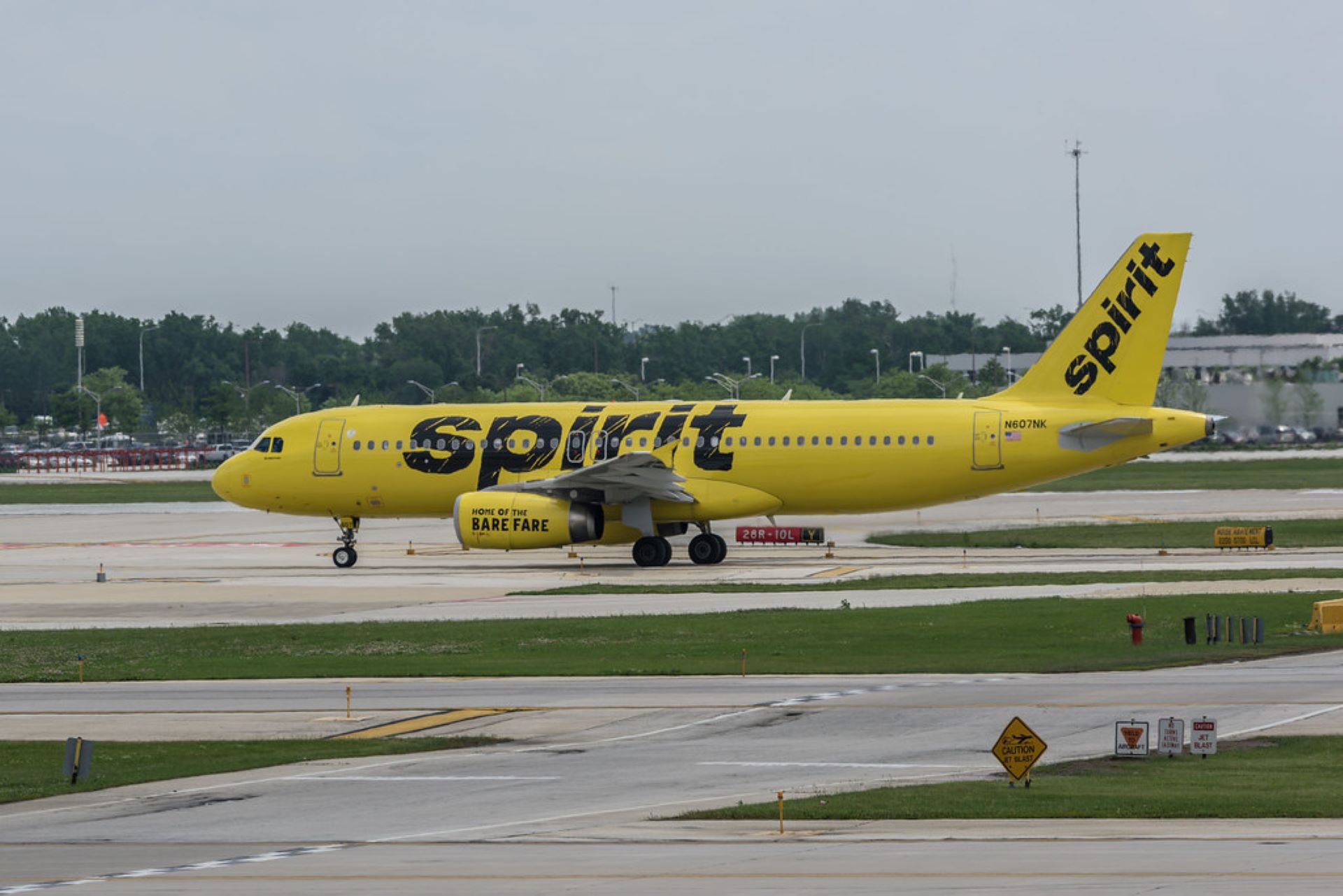
Spirit Airlines is an ultra low-cost U.S. carrier known for its “bare fares.” The airline specializes in extremely low fares and no-frills flights to over 75 destinations across North, South, and Central America, as well as the Caribbean. The airline’s new loyalty program, Free Spirit, offers perks , travel credits, and provides value for frequent Spirit passengers. Here is everything you need to know in BestCards’ Ultimate Guide to the Free Spirit frequent flyer program.

What Is Free Spirit?

Spirit Airlines is the eighth-largest carrier in the United States and flies to 77 destinations in the U.S., Mexico, Central and South America, and the Caribbean.

Like other frequent flyer programs, Free Spirit is free to join, with the airline offering an easy signup process on its website. While it isn’t as luxurious or robust as other loyalty programs, those who prefer to fly with the low-cost carrier – especially those flying to Spirit’s international destinations – will still find significant value in the program.

How to Earn Free Spirit Points

Spirit bases Free Spirit points on Status Qualifying Points (SQPs). Members earn SQPs by flying with Spirit. Reaching set levels of SQPs entitles a Free Spirit member to additional benefits. Currently, there are two tiers in the Free Spirit frequent flyer program:

  • Silver: 2,000 SQPs in a single calendar year
  • Gold: 5,000 SQPs in a single calendar year

Silver and Gold status in the Free Spirit loyalty program entitles members to additional points on eligible purchases. 

Silver membership, for instance, entitles the member to 8X points on Spirit ticker purchases and 16X points per dollar spent on extras – including additional carry-on or checked baggage, in-flight purchases, and more.

Gold status entitles members to even more frequent flyer points. Gold members earn 10X points on flight fares and 20X points on Extras. 

Earn Points with Co-Branded Credit Cards

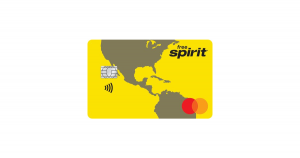
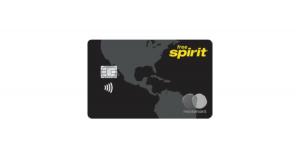
Spirit Airlines currently offers four co-branded airline credit cards. Two, issued by Bank of America, earn up to 3X points for every dollar spent – making them one of the easiest ways to amass a haul of frequent flyer miles quickly. The cards (the Free Spirit® Travel World Mastercard® and Free Spirit® Travel More World Elite Mastercard®) also come with bonus points, anniversary gifts, priority boarding, and more.

The other two Free Spirit credit cards are issued by First Bank and Trust and Mercury Finance – the issuer of the popular Mercury Mastercard.  The Free Spirit Points Mastercard and Points World Mastercard offer loyalty program members lucrative rewards but don’t have the high credit score requirements of the Bank of America cards. 

Earn Points with Spirit Airlines Partners

Free Spirit members can also earn points by spending money with select Spirit partners. Spirit offers a wide range of partner brands and companies, including:

Avis Spirit Cruises EA+ Rocket Mortgage
Budget Free Spirit Dining Mags for Points Thrifty Car Rental
Dollar Car Rental Free Spirit Online Mall Payless Ticket Club
Hertz Free Spirit Points Points for Thoughts Vinesse Wine Club

The best value with Spirit partners comes from the in-house airline companies. These include Spirit Cruises, which offers up to 10,000 points when booking cruises. Spirit Dining, the airline’s in-house dining rewards program, offers a 1,000-point bonus when signing up and using the service within 30 days.

Booking with Choice Hotels also provides excellent value – especially for those who frequently travel and want to keep their frequent flyer points active. Members can earn 250 points per day when staying at eligible Choice properties.

Do Free Spirit Points Expire?

Points in the Free Spirit frequent flyer program expire after three months of account inactivity. That expiration period is among the shortest in the industry – but don’t worry. There are several ways to keep a Free Spirit account active:

  • Earn at least one point every three months
  • Use one of Spirit’s partner services via the airline’s website at least once every three months
  • Make at least one transaction with a Spirit Airlines World Mastercard each month

How to Redeem Points with Spirit

edeeming Free Spirit miles for award flights is somewhat tricky. This difficulty stems from the various ways reward flights break down in the program. Spirit Airlines offers four types of mileage on award flights:

  • Off-Peak Flights: Only available when booking award flights with the Spirit Airlines World Mastercard
  • Standard Flights: The primary tier of award flights. These flights are only available on certain days of the week and at select points in the year.
  • Peak Flights: Offers more availability than Standard fares, but still subject to blackout dates.
  • Premium Flights: The most expensive mileage tier offering the best award flight options.

Within these flight types, there are different fares based on the region you are flying to. Spirit bases its regions on a set distance from gate to gate. Here is an example award chart based on Free Spirit’s miles needed to book award flights:

Region Miles needed (one way)
Off-peak Standard Peak Premium
Region 1

(0 to 1,249 mi)
2,500 10,000 15,000 25,000
Region 2

(1,250 to 1,749 mi)
5,000 12,500 17,500 27,500
Region 3

(1,750 to 2,499 mi)
7,500 15,000 20,000 37,500
Region 4

(2,500+ mi)
12,500 20,000 25,000 45,000

What Are Free Spirit Points Worth?

How much your Free Spirit points are worth depends on when are where you plan to book award flights. Here is an average valuation of airline miles:

Program Value (cents/point)
Air Canada (Aeroplan) 1.5
American Airlines (AAdvantage) 1.5
Alaska Airlines (Mileage Plan) 1.4
Avianca (LifeMiles) 1.5
British Airways (Avios) 1.3
Delta Air Lines (SkyMiles) 1.2
Frontier (Frontier Miles) 1.2
Hawaiian Airlines (HawaiianMiles) 0.9
JetBlue (TrueBlue) 1.4
KLM/ Air France (Flying Blue) 1.2
Korean Air (SkyPass) 1.6
Lufthansa (Miles & More) 1.5
Southwest (Rapid Rewards) 1.5
Spirit Airlines (Free Spirit) 0.8
United Airlines (MileagePlus) 1.2
Virgin Atlantic (Flying Club) 1.5

Free Spirit Elite Membership Tiers

The Free Spirit program has two tiers of membership:

Silver

Silver is the entry-level tier in the Free Spirit program. Gaining Silver status requires 2,000 SQPs within a calendar year and offers the following perks:

  • Earn 8X points on fares and 16X on extras
  • Ability to host a points pool with friends and family
  • Redemption fee waiver when redeeming Free Spirirt points
  • Free seat selection at check-in (excluding exit rows and premium Big Front Seats)
  • Free exit row seat selection  up to three hours before departure
  • Shortcut boarding
  • Complimentary same-day standby
  • Dedicated customer service phone number

Gold

Gold is the second tier in the frequent flyer program. This level offers a higher level of perk and requires over double the SQPs of Silver. To reach Gold status, Free Spirit members need 5,000 SQPs.  Gold entitles holders to the following perks (on top of all Silver benefits):

  • Earn 10X points on fares and 20X on all extras
  • Free seat selection at booking, including the exit row (excluding premium Big Front Seats)
  • Complimentary snacks and drinks on board
  • One free carry-on bag
  • One free checked bag
  • Free Spirit Airlines Flight Flex (allowing members to change itinerary online up to 24 hours before departure)

Current Spirit Airlines Credit Cards:

Check out more

Travel Rewards Credit Cards
The Two Biggest Credit Cards Traps to Avoid for Those New to Credit

biggest-credit-cards-traps-to-avoid-for-those-new-to-credit

Last updated on August 24th, 2023

Getting your first credit card is an exciting experience. Credit might offer one of the first tastes of adulthood – a chance to establish your financial roots in a new country, or even the first step in building credit for purchasing a home. Unfortunately, for many, a first credit card can also lead to some avoidable credit card traps.

Missing Payments

It’s tough to come up with a credit card mistake bigger than a missed payment. Missed payments can cause a variety of issues that can quickly lead to serious financial problems.

Fortunately, missing a credit card payment is avoidable. Most issuers send an accountholder their statement around 21 days (or three weeks) before its due date.

Most card companies also offer a grace period. A grace period is a set window of time (usually around 14 days) after the due date before penalties are assessed. What types of penalties? Here are some of the most common:

Penalty APR

When you miss a card payment, your issuer can assess a penalty interest rate. Penalty APRs typically are around 29.99% – far higher than the regular interest rates for all cards apart from some credit repair cards for bad credit.

While a penalty APR won’t impact someone who pays their bill in full every month, if you carry a balance, a penalty rate can inflate your card balance quickly. Even worse, penalty APRs can run for six, nine, or even twelve months.

Late Fees

Missing a card payment may also result in a late fee. Once the grace period ends, your card company can charge a late fee of up to $28. If you miss another payment within six months, that fee increases up to $39 (and sometimes higher).

Other Impacts from Missed Payments

Your credit score takes the biggest hit from a missed payment. Most lenders prefer to use the FICO scoring model. Since 35% of a FICO credit score is made up of the payment history, one missed payment can have long-term ramifications.

Falling behind on payments for 30 days results in a credit score hit. Missed payments stay on a credit report for seven years. It takes a long string of on-time payments to counteract the damage of a single slip-up, so be wary – and avoid missing your credit card payments at all costs.

Trying to Open Too Many Account Quickly

Another fundamental credit mistake to avoid is accumulating too much credit too quickly. Too many credit checks in a short period can drop your credit score for months – or up to two years.

The basic premise of credit is exciting: A bank says, “we trust you and think you are a good bet – here’s a line of credit to spend as you please.” Add to that impressive signup bonuses, bonus points, rewards, and other promotions, and the thrill of just one credit card isn’t enough.

Seeking credit too quickly, however, can impact your credit score negatively. Hard inquiries, the credit pull most card issuers require when applying, stay on a credit report for 24 months. However, the major effects dissipate after a few months.

Too Much Credit = Too Much Debt

Perhaps the biggest credit card trap for first-time credit card holders, however, is getting too many cards and maxing them out. Those new to credit may lack the financial skillset needed to use credit products correctly. They may see a blank check and forget that debt needs repaying.

When those without experience enjoy new credit a little too much, soaring debt is the result. Even those who mean well and try to budget can find themselves barely afloat in a sea of credit card debt.

Use Common Sense to Avoid Credit Card Traps

The critical takeaway from this article is that simple credit card traps are easy to fall into. Fortunately, using common sense can greatly assist in getting the most out of a new credit card.

Avoid the desire to spend the entire credit line – don’t max your card out. Instead, try to keep your credit use within reasonable limits – less than 30% is ideal. This will show lenders that you know how to use your credit responsibly.

Make sure to note your billing statement due dates carefully – and set up automatic payments, if possible. This step will help you avoid late or missed payments. Also, keep up to date on your latest credit card terms and conditions. Don’t let an unknown fee surprise you.

Related Article: 10 Common Credit Card Traps to Avoid

Featured photo by Pexels / Pixabay

Capital One Walmart Rewards Limited-Time Signup Bonus
capital-one-walmart-rewards-features-limited-time-signup-bonus

Last updated on February 9th, 2024

With the holiday season fast approaching, credit card issuers are beginning to sweeten their card offers. Capital One is the latest issuer aiming to lure new applicants, with its Capital One Walmart Rewards Card offering a limited-time signup bonus.
Capital One Offers New Signup Bonus for Walmart Rewards Credit Card

The Capital One® Walmart Rewards™ Card already offers an impressive introductory bonus of 5% back in-store at Walmart for the first 12 months. Capital One is upping the signup benefits by providing a cash back bonus after meeting a minimum spending goal in the first 90 days.

New Walmart Rewards Cardholders can receive a $50 bonus after spending $300 within the first three months from account approval. This new bonus runs for a limited time only, with different dates depending on where you apply.
The $50 bonus after spending $300 bonus runs from 11/1/2020 – 12/26/2020 for those applying in-store at any Walmart location. Those applying online have a smaller window to take advantage of the bonus offer: starting 11/17/2020 – 12/01/2020.

About the Capital One Walmart Rewards Card
The Capital One Walmart Rewards Card is a robust rewards credit card for the frequent Walmart shopper. The card provides unlimited 5% cash back on Walmart.com purchases. It also offers unlimited 2% back in-store at Walmart and Walmart or Murphy USA fuel centers. Lastly, if offers 2% back on dining and travel, and 1% back everywhere else.


Other Options for Walmart Savings

There are additional options for saving at Walmart this holiday season. In particular, shoppers have two excellent cash back cards from which to choose.

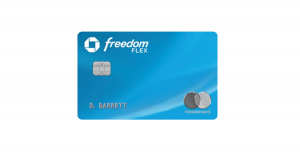
The Chase Freedom Flex Card is one of the best cash back credit cards on the market. The card offers 5% back on select categories each quarter, with 1% back on all other purchases. For Q4 2020, cardholders earn 5% back on the first $1,500 in spending at either Walmart or through PayPal.

For those looking to do their holiday shopping online, the Discover It Cash Back provides 5% back at select retailers each quarter, with Q4 options including Walmart.com, Target.com, and Amazon.com.  Finally, the ABOC Platinum Rewards Card, from Amalgamated Bank of Chicago, offers 5X points on qualifying department and electronics stores, superstores, Amazon.com, and other major online retailers – including Walmart purchases (in-store and online).

Featured photo by jimarojfm/ Pixabay

Amex Offering Free Uber Eats Membership

amex-offering-free-ubereats-membership

Last updated on January 31st, 2024

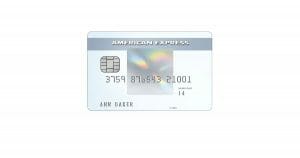
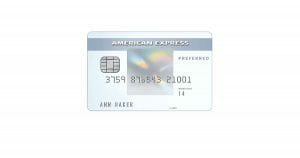
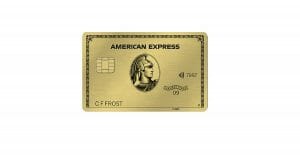
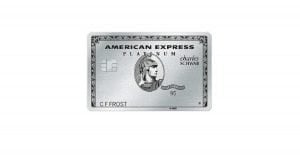
American Express is continuing the revamp of the perks it offers on its leading cards. Now, the issuer is rolling out statement credits and a free year of premium Uber Eats service for select cardholders. Here’s what you need to know about the new American Express Uber Eats offer for Gold, Green, and Platinum cardholders.

Complimentary Year of Eats Pass from Uber Eats

American Express is offering Amex Green Card, Gold Card, and Platinum cardholders the opportunity to enjoy a free year of Uber Eats through its Eats Pass premium service. Usually a $9.99 monthly charge, this promotional offer has a cash value of up to $119.

Taking part in the free one-year Eats Pass offer is straightforward. All an eligible Amex cardholder must do is:

  • Make sure they have the up-to-date Uber Eats app (available on all mobile app stores).
  • Open the app and add their eligible Amex card to their wallet.
  • Claim the complimentary Eats Pass membership from Uber Eats and confirm their enrollment.

Details of Uber Eats or Uber Statement Credits for Amex Gold Card

The announcement of the removal of airline statement credits from the American Express Gold Card has caused some consternation among current cardholders. American Express will provide additional value, however, to make up for it. The issuer plans to offer a $10 monthly statement credit for Uber or Uber Eats to Gold cardholders.

Amex Gold Card accounts will receive a $10 statement credit each month. This credit will go towards purchases with either Uber rideshare services or the company’s Uber Eats food delivery service. This monthly credit has an overall value of $120 per year. The Uber credits offer is in addition to the $10 Grubhub credit existing cardholders already enjoy.

“Lifestyles Have Shifted”

The new American Express Uber Eats offers are the latest change in the card benefits the issuer provides. Since the coronavirus pandemic onset, Amex has been leading the way with “at home” perks, such as Calm complimentary subscriptions.

Rachel Stocks, Amex’s EVP of Global Premium Products and Benefits, sees this as the company proactively offering better value to consumers.

“We know our card members’ lifestyles have shifted over the past several months, with many traveling locally and bringing dining experiences home through their favorite food delivery services,” she said in a recent interview. “The new Uber offerings coming to the Gold Card will provide card members with rich and relevant value to enhance their lifestyles today and in the future.”

The Platinum Card Also Offers Uber Perks

While the Uber Eats statement credit is new to the Gold Card, The Platinum Card from American Express already provides a tasty statement credit towards the food delivery service.

The Platinum Card provides a $15 statement credit towards Uber Cash (the rewards currency of Uber) every month, with a $20 bonus each December. Overall, the Uber Cash credits amount to a $200 perk for Platinum Cardholders.

Featured photo by Sarah Pflug / Burst

The Ultimate Guide to Using PayPal Pay with Rewards

paypal pay with rewards guide

Last updated on August 24th, 2023

Rewards programs with major credit card issuers are great, but sometimes it can be difficult to put those points to use. One way to maximize the flexibility of rewards is by linking an eligible credit card to PayPal through its Pay with Rewards program. What is PayPal’s Pay with Rewards and how does it work? Here’s everything you need to know in our Ultimate Guide to Pay with Rewards from PayPal. 

What Is PayPal Pay with Rewards?

Pay with Rewards is a flexible rewards platform that allows select credit cardholders to use their rewards points to make purchases anywhere in the world that PayPal is accepted. The payment platform, which partners with major issuers like Chase, Citi, Amex, Discover, and more, allows cardholders the ability to pay for purchases entirely with their points or partially with their rewards.

When eligible cardholders link their rewards card as the payment method with PayPal, not only do they increase the flexibility of their payment options; but they also provide the cardholder with a “budget extension,” since they can use both points and cash to make purchases. This, in turn, can allow them to access more expensive items than they previously could.

Perks of Linking a Credit Card to PayPal

PayPal offers benefits for customers beyond the standard protections of their card issuer. These benefits include:

  • Free return shipping on online purchases
  • Purchase protection if items arrive damaged, incomplete, or other than advertised
  • One Touch™ checkout

The biggest of these perks is the “Return Shipping on Us” feature. This benefit gives customers the peace of mind that they won’t be responsible for the shipping cost if an item doesn’t fit, is damaged, or isn’t what they were looking for.

Which Card Issuers Partner with Pay with Rewards?

So, which credit card issuers and programs partner with PayPal? Currently, five issuers (two of which are also payment networks) are part of the Pay with Rewards network, but that is expected to grow soon.

Chase

JPMorgan Chase is one such Pay with Rewards partner. Chase card members can add an eligible Chase credit card to their PayPal account to pay with rewards.

Only Chase credit cards that earn Ultimate Rewards points are eligible for linking with the Pay with Rewards program. Currently, the only personal credit cards from Chase that earn Ultimate Rewards are:

Note: Chase Freedom no longer available for new applicants

How to Link Your Chase Credit Card

Adding an eligible Chase credit card to PayPal is a straightforward process:

  • Register a new PayPal account (if not already an account holder)
  • Link Chase Pay to the PayPal account
  • Choose the eligible Chase card as the payment option when shopping online with PayPal
  • Check the “Use Ultimate Rewards Points” option when checking out
  • Receive a statement credit for your purchase

Chase notes that redeeming Ultimate Rewards points through PayPal gives a point valuation of $0.008/ point – far lower than the value of rewards points for travel via the Ultimate Rewards portal, or even cash back.

Citi

Citibank is another PayPal partner. As with Chase, Citi credit cardholders can link eligible Citi cards with PayPal’s Pay with Rewards. In this case, they would be using Citi ThankYou Rewards.

Again, only credit cards that earn Citi ThankYou Points are eligible for the Pay with Rewards program. Current personal cards suitable for this purpose include:

How to Link Your Citi Credit Card

Adding an eligible Citi card to PayPal requires the following steps:

  • Register a new PayPal account (if not already an account holder)
  • Add the eligible Citi card to the payment methods
  • Check the “Link Your ThankYou Rewards Points” option under the eligible Citi card
  • Click “Get Started” and agree to the terms and conditions
  • Pay with the Citi card and use eligible ThankYou Rewards points

Citi states that using ThankYou points for PayPal offers a value of one cent per point – the same value when using points for statement credits.

Capital One

Capital One is the latest issuer to join the PayPal Pay with Rewards program. Like Chase and Citi, Capital One customers who have an eligible credit card can link that card as a payment method within PayPal and use their rewards points to make purchases.

Eligible Capital One rewards credit cards include:

  • How to Link an Eligible Capital One Credit Card
  • Register a new PayPal account (if not already an account holder)
  • Download the latest version of the Capital One Mobile app 
  • Text “PAYPAL” to 80101
  • Set the eligible card as the preferred payment method
  • Pay with the eligible Capital One Rewards card when checking out via PayPal

Discover

Unlike other issuers, all Discover credit cards are eligible for the PayPal Pay with Rewards program. This simplicity is one of Discover’s hallmarks – and one of the reasons customers consistently praise this issuer.

Current Discover credit cards:

How to Link Your Discover Card

  • Register a new PayPal account (if not already an account holder)
  • Link your Discover card with PayPal as a saved payment method
  • When shopping online, use PayPal to make the purchase and select the saved Discover credit card as the payment method
  • Select the desired amount of Cashback Bonus to apply to the purchase

Discover, like Citi, states that using Cashback Bonus points towards PayPal purchases provides a value of one cent per point ($0.01/pt.) – the same value cardholders get for statement credits as cash back.

American Express

The last issuer that currently partners with PayPal for the Pay with Rewards program is American Express. Once again, only cards that earn Membership Rewards points are eligible for the Pay with Rewards program. Current Amex cards that apply include:

How to Link an Eligible Amex Card

  • Register a new PayPal account (if not already an account holder)
  • Log in to your PayPal account and go to “Wallet.”
  • Click “Link Your Membership Rewards” under the eligible American Express card used for enrolling
  • Click “Get Started,” then “Agree and Link.”

Once linked, Amex cardholders can use their Membership Rewards points as a payment option when shopping online or at other eligible locations. Members can also see their available points balance within the PayPal interface.

Future Pay with Rewards Partners

While Citi, Chase, Capital One, Discover, and American Express currently partner with PayPal, the popular payment method has big plans for its Pay with Rewards program. 

PayPal is already listing Scorecard as a future partner, which is excellent news for many credit union customers across the United States. Scorecard Rewards is a leading rewards and loyalty program for hundreds of credit unions across the U.S. and their rewards credit cardholders.

Featured photo by mohamed_hassan / Pixabay

Capital One Joins PayPal Pay with Rewards Program

paypal pay with rewards program

Last updated on November 2nd, 2020

Capital One is the latest credit card issuer to join forces with PayPal’s “Pay with Rewards” program. The issuer joins other big names such as Chase, Discover, and American Express in offering greater flexibility for their cardholders.

Use Capital One Rewards with PayPal

Using PayPal to shop online adds an additional layer of protection – and offers greater flexibility. Now, Capital One cardholders can use their Capital One Rewards to shop online anywhere that accepts PayPal.

Adding an eligible Capital One credit card allows cardholders the ability to stretch their budgets on purchases, since they can opt to pay entirely with their Rewards – or partially with a mix of points and cash.

Eligible Capital One personal credit cards (those that earn Rewards points) include:

How to Add an Eligible Card to PayPal

Setting up Pay with Rewards with an eligible Capital One rewards card is simple:

  • Download the latest version of the Capital One mobile app (available in both the Apple App Store of Google Play Store)
  • Text “PAYPAL” to 80101
  • Set the eligible card as the preferred payment method
  • Check out using PayPal when shopping online

What Is Pay with Rewards?

Pay with Rewards is PayPal’s flexible rewards platform that allows select credit cardholders to use their rewards points to make purchases anywhere in the world that PayPal is accepted. The program allows cardholders the ability to pay for purchases entirely with their points or partially with their rewards.

The Pay with Rewards program also provides benefits for customers beyond the standard protections of their card issuer. These benefits include:

  • Free return shipping on online purchases
  • Purchase protection if items arrive damaged, incomplete, or other than advertised
  • One Touch™ checkout

Related Article: The Best Online Shopping Credit Cards of 2020

Featured photo by GDJ / Pixabay

Chase Sapphire Now Offers Peloton Statement Credits

chase sapphire peloton statement credit offer

Last updated on January 29th, 2024

Chase is looking to add even more value to their Sapphire card range with new statement credits for cardholders. Select Chase cardholders can now earn up to $120 in statement credits for Peloton Digital Memberships. Here are all the details:

New Peloton Credits Offer for Chase Sapphire Cards

Chase is partnering with Peloton, the world’s leading interactive fitness platform, to offer Peloton Digital Membership credits. Chase Sapphire Preferred, Sapphire Reserve, and J.P. Morgan Reserve cardholders can now claim up to $120 in statement credits to use through the end of 2021.

Chase Sapphire Reserve®

Earn up to $120 in statement credits on Peloton Digital and All-Access Memberships

chase sapphire preferred visa signature review

Chase Sapphire Preferred®

Earn up to $60 in statement credits on Peloton Digital and All-Access Memberships

$120 statement credit also applies to J.P. Morgan Reserve Cardholders

To participate in this offer, eligible Chase credit card accounts must sign up for the Peloton Digital Membership service on the official offer page and link their eligible Chase credit card as the preferred payment method.

Keep in mind that this offer only applies when using the eligible Chase card for payment. Changing payment methods during the promotion will result in the new card being charged the full monthly membership fee.

Peloton Offer Terms and Fine Print

  • Through third-party services, including Google Play Store or Apple App Store, membership purchases do not qualify for the offer.
  • This Peloton statement credit offer is only available through 12/31/2021. Cardholders don’t need to use their Peloton statement credits for consecutive months.
  • The statement credit offer is available to new, existing, and former Peloton Digital Membership subscribers.
  • Purchase of a Peloton Bike or Tread required for new subscribers.
  • Members can pause their Peloton membership, may reinstate it later, and use their eligible statement credits – through 12/31/2021.
  • After redeeming the full statement credit balance, cardholders will continue to be charged for the Peloton Digital Membership unless they cancel or pause their account.

“We Can’t Wait to Welcome Sapphire Cardmembers”

Karina Kogan, Peloton’s senior vice president of marketing, hailed the new partnership in a joint press release from Chase and Peloton:

"Peloton is all about celebrating milestones. It doesn't matter if it's your first, tenth, or thousandth ride, run, or flow. The Peloton community is there cheering you on with high fives and pushing you to be the best version of yourself. We have thousands of classes across more than ten fitness disciplines, taught by world-class instructors, where we can move together as a community. We can't wait to welcome Sapphire cardmembers who may be new to the Peloton community and glad we're able to offer our existing members this wonderful benefit."
Karina Kogan
SVP and Head of Global Product Marketing, Peloton

Other Changes to Chase Sapphire Cards

The addition of Peloton statement credits is the latest in a string of changes to Chase Sapphire cards.  

Recently, Chase began offering additional points on grocery store purchases to both Sapphire Reserve and Sapphire Preferred cardholders.

Sapphire cardholders also enjoy Chase’s “Pay Yourself Back” program, which allows select customers the chance to redeem Chase Ultimate Rewards points towards statement credits for the following purchases:

  • Dining
  • Groceries
  • Home Improvement Stores

The “Pay Yourself Back” program also allows cardholders to use their rewards points for charitable donations to eligible charities, including Habitat for Humanity, NAACP, the American Red Cross, and more.

About Peloton

Peloton is a leading interactive fitness platform with a loyal global community of more than three million members. The company pioneered connected, technology-enabled fitness and the streaming of immersive, instructor-led boutique classes for its members anytime, anywhere. Peloton makes fitness entertaining, approachable, effective, and convenient, while fostering social connections that encourage its Members to be the best versions of themselves.

Related Article: The Best Online Shopping Credit Cards of 2020

Featured photo by Free-Photos/ Pixabay

Barclays Joins with AARP to Issue Credit Cards

barclays-joins-with-aarp-to-issue-credit-cards

Last updated on November 2nd, 2020

Barclays is joining forces with AARP to launch a range of co-branded credit cards starting next year. The joint venture also involves Barclays purchasing the existing AARP portfolio from Chase. Here are all the details of the new Barclays and AARP credit card partnership.

Barclays Purchasing AARP Portfolio

AARP is a leading non-profit, non-partisan organization for Americans over the age of 50. Formerly the American Association for Retired Persons, AARP boasts a membership of over 38 million Americans.

AARP currently offers a co-branded credit card through Chase, the AARP® Credit Card from Chase. That card is a decent cash back credit card, providing 3% cash back on gas station and restaurant purchases.

Barclays is now partnering with AARP to issue a suite of new co-branded credit cards starting in Spring 2021. At this time, however, the precise nature of what these credit cards will offer is unknown. The new partnership will also see Barclays purchasing the existing AARP credit card portfolio from JPMorgan Chase.

Whether Chase will allow existing AARP credit cardholders to convert their current accounts to another Chase card is also unknown. Once the portfolio moves to the Barclays umbrella, new cards will be issued, and existing cardholders will have a new account opened in their name (if they do not cancel). This change will have an impact on their credit report, lowering their average age of credit.

About AARP

AARP is a leading U.S.-based interest group that focuses on issues affecting individuals over the age of fifty. The group’s two publications – a magazine and bulletin – are the two largest-circulation publications in the United States.

About Barclays

Barclays is one of the world’s largest financial institutions, with over $1.5 trillion in assets as of 2019. The bank has its headquarters in London, where it traces its roots as far back as 1690. The bank has subsidiaries across the globe, including the United States.

Related Article: Goldman Sachs to Acquire GM Credit Card Portfolio  

Featured photo by Nicole De Khors / Burst

Advertiser Disclosure

BestCards is an independent, Florida-based credit card comparison platform. Many of the card offers that appear on this site are from companies from which BestCards receives compensation. This compensation may impact how and where products appear on this site (including, for example, the order in which they appear). BestCards does not include all card companies or all card offers available in the marketplace.