Visa Benefits Changing February 2021

visa-benefits-changing-february-2021

Last updated on February 8th, 2024

Numerous reports are emerging of banks notifying customers of upcoming changes to their Visa credit cards in 2021. These changes will impact the Visa benefits that come from Visa-branded credit cards, including Visa Platinum and Visa Signature cards.

Banks Alerting Customers of Changes to Visa Benefits

Multiple banks are alerting customers that their Visa benefits will change beginning February 1, 2021. On that date, impacted cardholders will lose the following Visa card benefits:

  • Auto Rental Collision Damage Waiver
  • Extended warranty protection
  • Purchase protection

Visa’s Auto Rental Collision Damage Waiver provides collision and theft coverage when cardholders use a Visa card to pay for the entire cost of car rental. Extended warranty protection offers additional coverage for U.S. manufacturer warranties, while purchase protection provides other safeguards for cardholders from lost, damaged, or incorrect items.

Here is an example of the language being used when notifying impacted customers:

“Effective February 1, 2021, the following benefits will no longer be available: Auto Rental Collision Damage Waiver, Extended Warranty Protection, and Purchase Security.”

Which Issuers Are Notifying Customers of Changes?

While the changes aren’t impacting every card that features the Visa name, many basic Visa cards will experience a drop in card benefits come February 2021. Some of the issuers currently notifying customers of the changes include:

Many premium credit cards will maintain their Visa benefits after February 1, 2021. Banks typically negotiate these products separately, meaning they are not subject to the same limitations of more mainstream cards. The Costco Visa from Citi, for example, will retain these benefits while other Citi credit cards may lose them.

BestCards will continuously provide updates as more details become available.

Related Article:  Credit Card Purchase Protection: Everything You Need to Know

Featured photo by Shopify Partners / burst

Citi Limited-Time ThankYou Point Gift Card Offer

citi thankyou gift card offer

Last updated on April 27th, 2022

Citi is emailing cardholders with a special discount on gift cards when using ThankYou reward points – but for one day only. Here is what we know about Citi’s ThankYou Points gift card promotion:

20% Extra Value for Gift Cards On November 30th

Citi is offering cardholders 20% more value when redeeming their ThankYou points for select gift cards on November 30th. The issuer is notifying eligible cardholders of this offer via email, with the official language stating, “Use 20% fewer points on select gift cards.”

Increased Value On Gift Cards

Redeeming reward points for gift cards typically offers lower value-for-money than other award options, such as travel. The additional 20% one-day offer from Citi, however, increases that value to approximately 1.25 cents-per-point. This new, one-day valuation means that a $125 gift card will be available for what would typically cost $100 in points.

While Citi offers a vast selection of gift cards to choose from (a full list is available here), the options that apply towards the 20% discount are limited:

  • Apple
  • Happy Dining
  • Fandango
  • PetSmart
  • TopGolf

Eligible Citi Credit Cards

Not all Citi credit cards earn ThankYou rewards. Currently, only four cards earn points through the program:

If you hold one of these cards, check your associated email to see if your card is eligible for the 20% discount offer.

About Citi

Citi, a leading global bank, has approximately 200 million customer accounts and does business in more than 160 countries worldwide. Citibank is the fourth-largest bank in the U.S. by total assets – and the third-largest issuer of credit cards. Over 68 million Citi credit cards are currently in circulation, including co-branded credit cards with names like Bloomingdale’s, Macy’s, American Airlines, and more.

Related Article: Citi Announces New Holiday Shopping Cash Back Offer

Featured photo by Sarah Pflug / Burst

How to Choose the Perfect Rewards Credit Card

how-to-choose-the-perfect-rewards-credit-card

Last updated on August 24th, 2023

With so many credit card offers on the market today, how do you choose the ideal card? Finding the right credit card is as easy as asking the right questions and seeing which offers fit your specific needs. Here are some tips for choosing the perfect rewards credit card:

Is a Rewards Credit card Right for You?

Rewards credit cards are among the most popular card types on the market. The reason for this popularity s the sheer versatility of these rewards – be they miles, points, or cash back.

But that access to rewards comes at a cost – not an annual fee (though one may apply), but rather a cost to your credit report. Beyond a potential annual fee, credit cards with rewards require a “good” or “excellent” credit score to apply.

Where Do You Spend Your Money?

Beyond credit score, the most important thing to consider when choosing a new rewards credit card is where you plan to use it. Rewards cards come in several types and amounts. There are retail cards for big brands and department stores; cash back cards that offer enhanced rewards on specific categories; airline and hotel credit cards that reward you for current and future travels, and more.

For instance, if you plan to use the card to pay for vacations, a travel credit card might be your best bet. Cards like the Chase Sapphire Preferred might be a good bet. With a $95 annual fee, the card earns 5X Ultimate Rewards points on Chase travel bookings, 3X on dining and 2X on all other travel purchases, and 1X on everything else.

If you prefer more flexibility with your bonus categories, why not consider the Citi Custom Cash℠ Card? The Custom Cash earns 5% back on your highest spending category up to $500 each billing period, with the following eligible categories:

Dining Fitness clubs Grocery stores
Drugstores Gas stations Home improvement stores
Travel & transit (select) Live entertainment Streaming service (select)

All other purchases with the card earn unlimited 1% cash back, with no caps on that earning.

Or, if you prefer to shop but don’t want to be tied down to a store card from one brand, why not look at the U.S. Bank Shopper Cash Rewards™? Unlike most retail cards – which offer around 5% back on stores associated with a single brand – the Shopper Cash Rewards earns 6% cash back at not one – not -two – not even three retailers, but rather 24 brands! Yes, you read that right – here are the eligible stores:

Ace Hardware Home Depot QVC
Amazon.com IKEA Restoration Hardware
Anthropologie Kohl’s Target
Apple Lowe’s Walmart
Bed, Bath, & Beyond Lululemon Wayfair.com
Best Buy Macy’s Williams Sonoma
Chewy.com Menards Pottery Barn
Crate & Barrel Nordstrom Disney

Related Article: How to Maximize Cash Back

Are You Willing to Pay an Annual Fee?

If “where do I plan to use this credit card?” and “do I qualify?” are your first questions to consider, “how often do I plan to use it?” should be next on the list. Knowing how often you plan to use a rewards credit card can help you decide if it’s worth paying an annual fee for the card.

Take the previously mentioned Sapphire Preferred from Chase. Beyond UR points, the Preferred version of the Chase Sapphire also provides an impressive selection of premium features, including:

  • $50 annual Ultimate Rewards Hotel Credit
  • DoorDash DashPass membership
  • $10 GoPuff monthly statement credit
  • Instacart+ membership

The Preferred’s annual fee is understandable for cardmembers who plan to use the statement credits (especially the food delivery credits). If you don’t plan on activating those rewards, it just isn’t worth the fees. Here is how the Sapphire Reserve compares to other cards:

Citi Premier® Citi Custom Cash℠ Chase Sapphire Preferred
Rewards Earn 3X points on dining, groceries, gas stations, air travel, and hotel stays, plus 1X on all other purchases Earn 5% on purchases on your highest eligible spend category each billing cycle up to $500 spent, plus 1% on all other purchases Earn 5X on travel purchased through Chase Ultimate Rewards, 2X on all other travel purchases, 3X on dining, 3X on groceries and streaming services, and 1X on all other purchases
Other $100 annual hotel credit 0% intro APR for 15 months from account opening on purchases and balance transfers $50 annual hotel credit
Annual fee $95 $0 $95

The same principle applies to cash back cards. The Blue Cash Preferred Card from American Express offers 6% back on U.S. streaming services and U.S. supermarkets, plus 3% back on gas stations and transit. However, those impressive rewards come with a $95 annual fee (which is waived for the first year).

If you don’t plan on using your card that much, consider the Citi® Double Cash Card– from Citi. That card offers an unlimited 2% cash back on all purchases – unlimited 1% cash back when you buy, plus an additional 1% as you pay for those purchases – a 0% introductory APR offer, and more, for no annual fee.

How Can You Redeem the Rewards?

Finally, always know your redemption options when choosing your next rewards credit card. How can you cash out your rewards? Do points or miles expire? Can you transfer your points to another program? These are all examples of the types of questions you should ask yourself. Doing so will set you up to take full advantage of what a rewards credit card offers.

Most rewards credit cards give similar award options. These redemption choices include:

  • Statement credits
  • Gift cards
  • Merchandise purchasable via online shopping portals
  • Charitable donations
  • Travel that can be booked via online portals

As with hotel cards and airline credit cards, some specialized rewards cards also allow accounts to transfer rewards to other loyalty programs. Moving these points or miles to other programs comes with additional questions, such as how much those points are worth after transferring? If you fly with Delta, for example, but prefer to use points with Marriott, how much value will those rewards retail after moving SkyMiles to Marriot Bonvoy points?

Related Article: 2023 Discover & Chase Freedom 5% Cash Back Calendar

Featured photo by TheDigitalArtist / PixaBay

Should You Open a Store Card This Holiday Season?

should-you-open-a-store-card-this-holiday-season

Last updated on September 20th, 2023

The holiday season is upon us. During this period, the allure of store card offers is difficult to overlook. From savings in-store to free shipping, these store card offers have the possibility of saving shoppers serious money. So, should you open a store card this holiday season? The answer may not be so simple. Here’s why you should think twice:

Drawbacks of Store Cards

Despite their appeal at the moment of checkout, store cards tend to come with a number of drawbacks for the unequipped consumer. These negatives include:

Lower Credit Limits

Retail store cards typically feature lower credit limits than other forms of credit cards. Many store cards start successful applicants with credit lines of $1,000 or less, versus regular credit cards which can offer credit limits of $5,000 or more.

The main weak point of a lower credit limit is a higher credit utilization ratio. Credit utilization refers to the percentage of available credit that a cardholder uses. Having a credit utilization rate above 30% can lower a person’s credit score – making retail cards challenging to use successfully.

Higher APR

Store credit cards also have higher interest rates than other types of credit cards. According to the most recent data, the average APR for a retail credit card is currently 25.42%. The average APR for a cash back credit card, on the other hand, is 18.36%.

Higher interest rates make credit cards more expensive when carrying a balance. Because of the high APR with store cards (sometimes rising to up to 30%), it is advisable to never maintain a balance with a store credit card. Even small rollover balances can lead to a false sense of security and thinking that it’s okay to continue using it. Such thinking can eventually cause the card’s balance to snowball into a considerable amount of debt.

Closed-Loop

Many store credit cards are known as “closed-loop” credit cards. A closed-loop card is a type of credit card that you can only use to make purchases at one retailer. Another term for a closed-loop credit card is a single purpose credit card.

Closed-loop store cards are easily identifiable because they do not feature a payment network on the card itself. Open-loop credit cards (the typical card we often associate with credit cards) feature a payment network’s logo (like Visa, Mastercard, or American Express) on the front or back of the card. You will also know of the card’s payment network in the cardholder agreement that comes with opening an account.

If a store card is closed-loop, that means you will only be able to use it at that store – and nowhere else. While a store-only credit card is great if you make frequent purchases with that merchant, they lack usefulness elsewhere.

Alternatives to Store Cards

Because of the potential negatives that come with a store card, it is usually better to consider alternative credit card options. These choices include:

Cash Back Cards

Cash back credit cards are usually a better option than a store card. These cash back cards allow the cardholder to earn rewards on a broader array of purchases, with select categories earning enhanced rewards in many instances.

The Citi® Double Cash Card – 18 month BT offer is an excellent example of a versatile cash back credit card. All purchases with the Double Cash earn 2% cash back – 1% when making the purchase and another 1% back after paying off the balance on that purchase. There are no limits to the total amount of cash back a cardholder can earn – and most purchases are eligible for the 2% back.

Other cards, like the Upgrade Visa with Cash Rewards, offer a mix of rewards and a low APR. The Upgrade Card offers 1.5% cash back on all eligible purchases, plus a great APR starting in the single digits.

Retail Cards

Not all store cards are created equal. While many store cards are closed-loop, some offer an open-loop alternative. For instance, fans of IKEA can use their IKEA® Visa® Credit Card for purchases at the Swedish home good store – and anywhere in the world where Visa is accepted.

While open-loop retail cards can be used anywhere the payment network is accepted, they are like store cards in that the rewards only apply to the co-branded store. For example, the Belk Rewards Mastercard® allows you to use the card practically anywhere, though you may only redeem your rewards for Belk discounts. Similarly, rewards with the Athleta VisaOld Navy Visa, or the Forever 21 Visa only apply to redemptions with those brands.

Are There Any Benefits of a Store Card?

Closed-loop store cards may have drawbacks, but they do have redeeming qualities. These store cards offer the following benefits for potential applicants:

Lower Credit Score Requirements

Store cards are easier to get than many other credit cards. Store cards usually require a fair credit score. This lower credit score threshold makes them a good option for people new to credit.

Discounts

Many store cards offer in-store discounts, which are ideal for those who prefer to shop at a specific brand or retailer.

Reward Programs

Despite the lower credit score threshold, store cards offer rewards programs that provide savings and points. These are applicable towards gifts, discounts, free shipping, and other perks throughout the year.

Related Article: Retail Credit Cards: Your Ultimate Guide

Featured photo by Sarah Pflug / Burst

Portland Startup Turns Credit Card Rewards to Stock

portland-startup-turns-credit-card-rewards-to-stock

Last updated on April 12th, 2023

A Portland, Oregon startup has a fresh approach to credit card rewards. Bumped, a marketing technology firm, is receiving further funding for its credit card rewards program, which offers company stock instead of airline miles or other awards.

Startup Bumped Offers Stock for Credit Card Points

Bumped is a marketing technology startup looking to redefine what credit card rewards can offer. In a novel approach to rewards, the firm plans to offer stock in companies instead of other options, like merchandise, travel, or gift cards.

The startup has now added $16 million in backing from Silicon Valley venture capitalists – adding to the $14 million it raised two years prior. The $30 million in total capital is impressive by the standards of Oregon startups.

How Does Bumped’s Stock Credit Card Rewards Program Work?

So, how does the credit card rewards-to-stock program from Bumped work? The rewards program does not require a specific credit card. Although there are no particular credit card requirements, potential clients must sign up for a Bumped brokerage account. According to Bumped’s website, possible stock options include Apple, Nike, Gap, and more. Bumped charges fees on its exchange-traded funds.

“A Powerful Entry Point to the Stock Market”

The business model of Bumped is enticing credit card users to apply their rewards to stock – and then shape their spending to boost the performance of those stocks.

Bumped’s founder and CEO, David Nelsen, believes the startup is ideal for consumers looking to get into investments. “Bumped creates a simple but powerful entry point to the stock market,” Nelsen said in an announcement, “giving users the opportunity to not only make the most of their money now but to prepare for the future as well.”

Related Article: Is Now the Right Time to Pay Off Credit Card Debt?

Featured photo by Shopify partners / Burst

The Best Unsecured Credit Card Options for Poor Credit 

The-best-unsecured-credit-card-options-for-poor-credit

Last updated on December 24th, 2020

Hoping to improve your credit score but not sure where to start? While credit card options for people with poor credit, bad credit, or no credit might be limited, there are still great offers available – both secured and unsecured.

What Is a Poor Credit Score?

So, what exactly is a poor or bad credit score? A bad credit score is typically any credit score of 579 or below. Poor credit scores are much lower than the national average and usually mean those with bad scores are denied most credit cards for which they apply. Those with bad or poor credit usually have very limited credit options and must either enlist the help of a cosigner or get a secured card, which requires a security deposit.

Should You Get a Secured Credit Card?

Secured credit cards are the most common way to rebuild credit. Secured cards are a type of credit card that operate like unsecured credit cards but are “secured” with a deposit. This security deposit, which is placed into an account linked with the card, also acts as the credit limit. The deposit also provides higher approval odds for people with limited credit history. If you make your payments on time, your deposit is safe, but if you miss payments, your lender may recoup their losses by taking your deposit and closing the account.

Almost every credit card issuer reports to the three major credit bureaus: Equifax, Experian, and TransUnion. This means if you make your payments on time and use your credit responsibly, you can quickly build up your credit score and advance up the credit card ladder to more lucrative rewards and cash back credit cards down the line.

When Does It Make Sense to Apply for an Unsecured Credit Card?

If you have a poor credit score, your best bet may be to try applying for a secured credit card. What happens, however, if you can’t? While secured credit cards make the most sense, they may not be an option for some people.

Perhaps, for example, your personal finances simply won’t allow for a security deposit. Since many secured cards require a minimum deposit of $200 to $300 (though some rise as high as $500), they might rule out some potential applicants – especially those with already tight finances.

In situations like these, unsecured credit cards for poor credit make perfect sense. Unsecured, credit rebuilding cards, like the Indigo Platinum Mastercard or the Milestone Gold Mastercard, make perfect sense – and are an excellent option – for individuals looking to rebuild their credit without the need for a security deposit. The Indigo Card has long been recognized as one of the premier credit cards for those with less than perfect credit and offers a demonstrated path to credit repair for thousands of Americans.

The Indigo credit card offers manageable spending limits and 24/7 account management. While the spending limits with the card never increase (if, for example, you receive a $300 credit limit, that will stay your credit limit for the length of your membership), this is a card that provides the foundation for a brighter credit future. Like the Indigo Card, the Milestone Gold Mastercard is another credit card ideal if you are hoping to boost your credit score but don’t want to pay a security deposit.

Just like with Indigo, the application process with Milestone is both fast and easy. And like the Indigo, the credit limits with the Milestone certainly won’t match something like the American Express Gold Card, but then again, that shouldn’t be expected.

The Benefits of Unsecured Credit Cards for Poor Credit

Credit cards for bad credit, such as the Indigo Credit Card, the Milestone Card, and even the Horizon Gold Card, are more than credit cards; they are tools for rebuilding damaged credit. Rebuilding credit requires time, patience, and financial responsibility.

Cards, like the three mentioned above, provide the tools needed to rebuild credit scores. Smaller credit limits allow cardholders to learn financially respirable credit practices, such as only using what they can afford to pay back, financial planning, and keeping credit use to a minimum. Credit use means the percentage of your available credit that you use.

If, for example, you have a $1,000 credit limit, spending $300 each billing period would be a credit usage rate of 30%. You should try to keep your credit use below 30%, though keeping it below 10% is ideal. Credit cards with low credit limits, such as the Horizon Card, the Indigo Card, or the Milestone Card, assist in the credit rebuilding process by training you to use your credit sparingly, thus establishing and reinforcing the best credit practices.

Unsecured credit cards for bad credit are also a great way to break out from the secured card bubble and practice good financial habits without the safety net of a security deposit. Secured cards are great, but once you rebuild your credit, you likely will be looking to apply for rewards cards that offer generous perks. The Indigo credit card (or even the Milestone credit card) is an effective way to practice the techniques learned through secured cards – just without the training wheels a security deposit provides.

Things to Consider Before Applying for a Credit Card

Before you apply for an unsecured credit card for people with bad credit, always make sure to do your homework first. Unsecured cards, like the Indigo Platinum Card or the Milestone Gold Card, usually charge an annual fee instead of a security deposit. The annual fee for both cards varies, depending on the credit limit provided, but is usually between $35 to $99 per year, though the typical annual fee with both cards is around $59.

An annual fee of $59 may seem steep, but if you don’t have the choice of keeping $300 tied to an account for a security deposit, $59 paid over 12 months equals less than $5 per month, which is much more reasonable.

If you don’t want to pay an annual fee and don’t have the cash flow needed to place a deposit on a secured card, the Horizon Gold Card is a great option to consider. The card offers a generous $750 credit limit, which is only spendable at the Horizon Outlet. The card requires a $5 verification fee, but features no APR on purchases, meaning holders can use the card to shop with Horizon and make the minimum payment without fear of racking up interest charges.

Find the Best Credit Card for Rebuilding Your Credit Today

No matter what your past credit history or credit score, there’s a credit card available out there with something to offer everyone. Knowing what the best cards are, however, can be tough. Fortunately, at BestCards.com, our team of experts dives deep into the world of credit cards, bringing you the best card options for every credit score.

If you want to rebuild your credit, we have the resources you need: Comprehensive and impartial reviews, informative articles, and analysis of the latest news and trends – all designed to give you the clearest picture possible. So, what are you waiting for? Check out some of our in-depth reviews and find your next credit card today.

Related Article:  How Bad Is My Credit Score?

Are There Shopping Credit Cards for Bad Credit?

retail credit cards for bad credit

Last updated on August 24th, 2023

The holiday season means the annual time for gift-giving has arrived. Many consumers enjoy the holiday season as the perfect time to maximize their credit card rewards and boost their credit scores. But what happens if you have no credit history? Or if your credit score is bad/poor? Are there any shopping credit cards for bad credit scores? The answer is “yes” – and here are two great options to consider:

What Is the Most Important Thing to Look for in a Credit Card for Bad Credit – or No Credit Score?

Having a bad credit score – or no credit history at all – makes building a good credit score complicated. Because both FICO and VantageScore base their models on payment history, choosing a credit card that regularly reports to all the major credit bureaus is essential.

Many store credit cards report to some credit bureaus, but not all. Others might not regularly report, meaning a history of on-time payments can’t boost your credit score quickly. Before applying for a credit card for bad credit, make sure to check reviews to ensure the issuer reports your payment history regularly.

What Are the Best Shopping Credit Cards for Poor Credit?

Just because you have subprime (fair) or deep subprime (bar or none) credit, it doesn’t mean you can’t get a credit card for taking care of your online shopping needs. While options are more limited than in other circumstances, there are good credit card offers in the form of catalog cards.

Catalog cards are a unique type of retail payment card. These cards provide a line of unsecured credit at an individual online store or online catalog. They are not traditional credit cards because they are not issued by a bank like Chase, Bank of America, or Capital One.

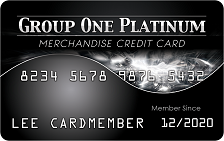
The Group One Platinum is one of the most accessible cards to get for those with bad credit scores. The Group One card offers a $750 unsecured credit line, meaning successful applicants don’t have to worry about the security deposit requirement that comes with a secured credit card.

The Group One card is like other catalog credit cards in that it offers a line of credit that holders can use at its online store, the Horizon Outlet. That online shopping portal (www.horizonoutlet.com) provides a huge selection of products, including men’s, women’s, and children’s clothing, home goods, toys, jewelry, sporting goods, and more.

The Group One Platinum issuer, Horizon Card Services, reports to a major credit bureau regularly, which can help users raise their credit score. And, since catalog cards are like charge cards, they don’t impact a user’s credit utilization rate. These two factors make catalog cards like the Group One excellent for establishing a good credit history and boosting your credit score.

Group One Platinum Card

Group One Platinum Card
Poor-No Credit Required
BestCards refers to a variation of FICO Score 9, which is one of many different types of credit scores. A financial institution may use a different score when deciding whether to approve you for a credit card. Please note that the range shown here is our own estimation and not a guarantee of credit needed to be approved for any given card. Recommended Credit: Poor / No Credit Required
None Processing Network
None Annual Fee

Group One Platinum Card

At a Glance

The Group One Platinum Card is a retail card made for repairing bad credit and is one of the better cards for no credit score at all. It requires no credit check, so you can easily apply no matter what shape your score is in. Moreover, the lack of APRs and a $750 credit limit* makes payments on the card simple and manageable. You can use it to purchase a variety of items through the Horizon Outlet, improve your credit, and access member benefits like legal services and discounts on prescriptions.

  • Best Benefits
  • Rates & Fees
  • Why Should You Apply?
  • $750 credit limit*
  • No employment or credit check to apply
  • Fast and easy application
  • *usable only at theHorizonOutlet.com
  • You need a card that doesn’t require a credit or employment check
  • You have no credit history or need to build up a poor credit score
  • You enjoy the convenience of online shopping and don’t mind paying the monthly membership fee
  • You can take advantage of the perks offered with the card, such as legal aid and prescription discounts

As with other products from Horizon Card Services, the Group One Platinum Card boasts:

  • No credit check needed
  • No employment check required
  • Quick approval
  • Instant $750 credit limit
  • Regular reporting to a major credit bureau
  • 0% APR on purchases

Other Options to Consider

The Fingerhut Card – issued by WebBank – offers a credit line towards online purchases. The Fingerhut online shopping store offers products from hundreds of leading brands. Examples of Fingerhut brands include Teleflora, Panasonic, and more. Unlike Group One, however, the initial credit limit with the Fingerhut card is just $250. Horizon Outlet cards grant double that initial limit.

For those who want to take the longer route to credit repair, Fingerhut may be the better option. Access to credit limit increases means the card offers long-term value – but less value than the Group One at the start. The first few credit increases through Fingerhut will only reach the same limit Group One gives you right off the bat. This means the Group One Card is your best bet for shopping.

Related Article: Fingerhut vs. Horizon Gold Card: Which Is Best for Bad Credit?

Featured photo by Shopify Partners / Burst

American Airlines Eliminates More Fees for Travelers

american-airlines-eliminates-more-fees

American Airlines is one of many U.S. carriers seeking to entice travelers to fly during the coronavirus pandemic. Now, the airline is eliminating fees for several typical award charges. Here are all the details:

American Airlines/AAdvantage Award and Change Fees Waived

American Airlines is eliminating fees on award tickets, reinstatement fees, and more. The carrier issued a press release stating that, as of November 11, 2020, AAdvantage members can expect:

  • Booking award tickets through all American Airlines channels without an award service charge
  • No longer having to pay a reinstatement fee when re-depositing AAdvantage miles when they cancel eligible award tickets
  • No phone ticketing fees when booking flights

American is also extending the validity of AAdvantage miles through June 30, 2021. AAdvantage miles never expire for members under the age of 21.

“Flexibility Has Never Mattered More”

In the press release, the President of AAdvantage, Rick Elieson, noted that the AAdvantage frequent flyer program’s goal was to provide the utmost flexibility and versatility for members. “Flexibility in travel has never mattered more to our AAdvantage members,” said Elieson. “Our goal is to make it as easy to travel as possible and give them a loyalty program that suits their needs in our ever-changing world.”

American Cutting 100,000 Flights in December

News of the changes to the fees structure comes on the heels of an announcement that the airline is slashing over 100,000 flights in December. The cause of the December schedule reduction is a lull in demand from travelers.

American Airlines spokeswoman, Nichelle Tait, says COVID-19 is to blame for the drop in demand for flights. “To match low demand resulting from coronavirus (COVID-19), we continue to operate a reduced schedule,” she told the Dallas Morning News.

About American Airlines

American Airlines is one of the world’s largest airlines and a founding member of the Oneworld alliance of carriers. The airline also operates the AAdvantage frequent flyer program, which offers exceptional value for the American Airlines frequent traveler, as well as those who often fly with Oneworld partners like British Airways, Japan Airlines, Qantas, etc.

American also has several co-branded credit cards with Barclays and Citibank. These cards offer impressive initial bonuses and earn additional miles per dollar spent on select purchases. Current AAdvantage credit cards include:

Related Article: The Ultimate Guide to the AAdvantage Program

Featured photo by Thom Bradley / Burst

Citi Announces New Holiday Shopping Cash Back Offer

citi-holiday-shopping-cash-back-offer

Last updated on January 2nd, 2024

The coronavirus pandemic is reshaping how Americans shop. Now, Citi is seeking to rewards cardholders who plan to shop online this holiday season with a special 5% cash back bonus. Here’s what you need to know about Citi’s limited-time-only holiday cash back bonus offer.

Citi Cash Back Holiday Shopping Offer Details

Citibank research indicates that 40% of U.S. consumers plan to do their holiday shopping online this year due to the COVID-19 pandemic. That impressive figure jumps to 49% for consumers between the ages of 18 and 24. Knowing that holiday finances are always stretched, Citi is now rewarding U.S.-branded personal and small business credit cardholders with a unique, limited-time, cash back bonus.

Eligible U.S.-branded Citi credit card accounts have the chance to earn 5% cash back on up to $500 in online spending from November 24th-30th. All Citi cardholders need to do to take advantage of the new offer is:

  • Visit citi.com/giving between November 16th-30th and enroll;
  • Make online purchases between November 24th-30th to earn the credit.

The 5% cash back bonus applies towards a statement credit on the eligible Citi personal or business credit card account.

“Online Sales Expected to Set New Records”

The Citi cash back bonus is excellent news for U.S. consumers already feeling the financial pinch due to the coronavirus pandemic’s economic impact. While signs of economic recovery are appearing, many Americans are looking for ways to offset holiday shopping costs.

“There’s no question that this year’s holiday season will be different than in years past,” said Mary Hines, Citi’s U.S. Consumer Chief Marketing Officer. “And with online holiday sales expected to set new records, it’s important for us to give back to our customers with this 5% offer on online spend and provide value when and where it matters most.”

Other Citi Research Findings

  • The value of gifts: Two-thirds of respondents (66%) agree that giving gifts is more important this year than in years past. Of these, 46% say it’s more important because it can help bring joy to themselves and/or others during a challenging year.
  • New traditions: Because of the pandemic, consumers are adopting new holiday traditions, with 23% saying that they’ll be leaving surprise holiday gifts on doorsteps and 22% engaging in video chat gift openings.
  • Seeing the upside: 80% of respondents see the bright side during this time and are happy to do without a holiday stressor this season. Most often cited on the not-missed list are holiday crowds (46%), cleaning for guests (34%), preparing large meals (34%), and unpleasant relatives (27%).
Featured photo by Shopify Partners / Burst

American Express Customers Stockpiling Travel Points

american express customers stockpiling travel points

Last updated on February 20th, 2024

As the coronavirus pandemic continues, American Express has recorded a trend of travel cardholders stockpiling points for future travel instead of redeeming for other alternatives. Despite efforts by the card issuer to steer customers towards “at home” perks and everyday award options, the pattern nevertheless continues. Here’s what you need to know:

Amex Cardholders Stockpiling Points

Earlier this year, Delta CEO Paul Jacobson noted a pent-up travel demand from account holders of American Express and Delta SkyMiles credit cards. The reasoning he provided for this innate travel demand was continued spending with – and applications for – the co-branded credit cards.

American Express CEO, Stephen Squeri, echoed those sentiments. Squeri noted that American Express’ co-branded credit cards, which include airline and hotel credit cards with notable names like Delta and Hilton, are performing better than expected. In addition, these cards were performing better than many of the company’s other credit card products.

It appears that pent-up frustration with a lack of travel opportunities is continuing.

In a recent virtual conference call, Amex’s CFO, Jeff Campbell, noted that Amex travel cardholders are stockpiling their points instead of using them for other awards, such as merchandise, gift cards, or cash back statement credits. Interestingly, the points stockpiling doesn’t only apply to co-branded Amex travel cards, but also to Amex’s premium charge cards, including the Platinum Card, Gold Card, and Amex Green Card.

“They’re not choosing to redeem them for online retail, which they could – they’re just stocking up the points to travel.”
amex app logo
Jeff Campbell
Chief Financial Officer, American Express

Changed to American Express Credit Cards Due to Coronavirus

American Express has been one of the most proactive card issuers during the coronavirus (COVID-19) pandemic.

The issuer has sought to make its premium cards – like the $550-annual-fee Platinum Card – worth retaining in a period of diminishing travel opportunities and growing restrictions. Amex’s new “at home” features include:

  • A free, one-year trial of Blinkist for all Amex cardholders
  • Free Calm membership for Amex cardholders
  • Statement credits for streaming services for Platinum, Gold, and Green cardholders

These changes are having some success, but Campbell believes that travel is still the king when redeeming points. “We’d be crazy to dramatically pivot the whole company because of what we view as a fairly temporary change in the way people are going to spend,” he said on the call. “The human urge to travel – to gather, to explore – is insatiable.”

Featured photo by Sarah Pflug / Burst

Best Credit Cards for Walmart’s Deals for Days

best Credit Cards for Walmart’s Deals for Days

Last updated on April 3rd, 2024

With Amazon bringing in billions in revenue each year from its wildly successful Prime Day, it’s understandable that other brands are seeking to get in on the holiday shopping action. The latest offering comes from Walmart, with its new “Deals for Days” sale, The even runs throughout November. Here are the best credit cards to help you save during Walmart’s Deals for Days sale – and throughout the holiday season:

What Is Walmart’s “Deals for Days” Program?

The Deals for Days sale is Walmart’s answer to the overwhelming success of Amazon’s Prime Day. The program runs throughout November, offering extended savings on select products.

The Deals for Days sale began on November 4, with the superstore offering savings on electronics, toys, and home goods products. All told, the event will run over six separate days:

The first event runs on 11/4 and 11/7, with savings on the items mentioned above: toys, electronics, and home products. Event two takes place on 11/11 and 11/14, featuring deals on technology. Savings on event two include deals on TVs, tablets, phones, computers, and more.

The final event takes place during the traditional Black Friday period. Running on 11/25 (the day before Thanksgiving) and 11/27 (Black Friday), offers deals on electronics, toys, apparel, home goods, decorations, and home décor.

The Best Credit Cards for Walmart’s Deals for Days Sale

Here are our top credit cards for Walmart’s Deals for Days promotion in 2020:

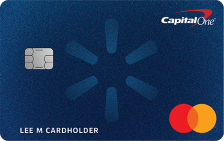
Capital One® Walmart Rewards™ Card

The Walmart Rewards Card from Capital One is pretty much a no-brainer for this list. The card is an excellent option for the Deals for Days shopper who wants to maximize their cash back rewards.

Cardholders earn 5% back on purchases at Walmart.com (including grocery pickup and delivery); 2% back in-store, plus at Murphy USA or Walmart Fuel Stations; and 1% back everywhere else. There is no limit to the amount of cash back customers can earn, and the cash back never expires.

The real steal with the Walmart Rewards Card is the introductory offer. New accounts earn the same 5% back on in-store shopping as online. This means that the card is just as versatile at your local Walmart Supercenter as it is on your phone, tablet, or laptop. Add in no annual fee and this is a card offer that’s tough to pass up.

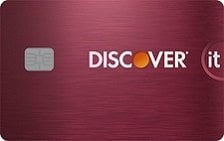
Discover It Cash Back

Plan on shopping online and not in-store? The Discover It Cash Back is an excellent option to consider.

The Discover It Cash Back offers 5% back on rotating categories, with the current categories being the first $1,500 spent at Walmart.com (plus Amazon.com and Target.com).

The great thing about Discover It is that Discover instantly matches the total amount of cash back you earn after year one. Thanks to this program, known as the Discover Cashback Match, all spending on Walmart’s Deals for Days promotion is doubled (if you are a new account) – so 5% back becomes 10% back this time next year!

If you are looking for a new credit card that rewards all year round, you can’t do much better with enhanced savings during Black Friday and Cyber Monday than the Discover It.

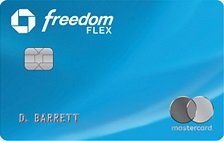
Chase Freedom Flex World Elite Mastercard

Like Discover, The Freedom Flex from Chase also offers 5% cash back at rotating categories. And, like Discover, one of those categories for Q4 2020 is Walmart. The other 5% category for the rest of 2020 is PayPal.

This 1-2 punch of Walmart and PayPal makes the Freedom Flex arguably the best non-Walmart-branded credit card for the Deals for Days sale. Why? The PayPal payment platform‘s versatility means it is useful for making purchases online when shopping with Walmart, earning you 5% back. Prefer to shop in-store? That gets you 5% back, too.

Not bad for a no-annual-fee credit card that also provides 3% back on dining and drugstore purchases. The card also offers 5% back on groceries for the first year for new applicants.

Featured photo by Victoria Borodinova/ Pixabay

Citi Celebrates Trans Awareness Week

Citi Celebrates Trans Awareness Week

Continuing from the rollout of Mastercard’s True Name feature on its card products, Citi is now launching a major marketing campaign for Trans Awareness Week, seeking to further advance the movement toward equality and inclusion.

New Citi Campaign Seeks to Highlight Inclusivity and Awareness

The new campaign is being launched in tandem with Trans Awareness Week, featuring real people from across the gender diversity spectrum – both in front and behind the camera. The 360-campaign encompasses print, broadcast, digital, and other ads – including at Citi Bike stations in New York City.

To fully celebrate Trans Awareness Week, Citi is ensuring individuals from across the gender diversity spectrum are fully represented. This inclusiveness includes examples like Bianca Cline – a trans cinematographer — who served as the director of photography for the broadcast spots and was crucial in authentically capturing the individuals portrayed in the ads.

Transgender representation in advertising has been virtually non-existent, with only 0.3% of advertising featuring transgender people. Citi’s campaign aims to help the transgender and non-binary community feel recognized, accepted, and empowered – something the corporation feels is a meaningful extension of its commitment to advocating for LGBTQ+ equality.

citi celebrates trans awareness week

Mastercard’s True Name Program

Citi’s Trans Awareness Week campaign follows closely on the heels of the bank partnering with Mastercard’s True Name™ program.

The Mastercard True Name™ feature allows all non-binary and transgender customers to place their chosen name, rather than their birth or legal name, on their card. Until now, cardholders have had no choice but to use their birth name, which is often a point of sensitivity for many who identify as non-binary or transgender. Only in instances of a legal name change were alterations permissible.

“I remember the first time I heard a stranger refer to me as he, and the first time I received mail with a Mr. in front of my name. It’s so validating,” said Asha Doucet, a trans actor starring in the aforementioned campaign’s TV ad. “But the reality is that so many trans/non-binary people have yet to feel that validation. And it is a lengthy and often disheartening process to get a name or gender change on our government IDs. But the fact that Citi is allowing trans/non-binary people to get that validation and to feel seen by allowing name changes on their bank cards is amazing. Not much feels better than being acknowledged for who you are.”

About Citi

Citi, a leading global bank, has approximately 200 million customer accounts and does business in more than 160 countries worldwide. Citibank is the fourth-largest bank in the U.S. by total assets – and the third-largest issuer of credit cards. Over 68 million Citi credit cards are currently in circulation, including co-branded credit cards with names like AT&T, Macy’s, Bloomingdale’s, American Airlines, and more.

Related Article: The Best Charity Credit Cards for Movember 2020

Featured photo by lachrimae72 / Pixabay

Advertiser Disclosure

BestCards is an independent, Florida-based credit card comparison platform. Many of the card offers that appear on this site are from companies from which BestCards receives compensation. This compensation may impact how and where products appear on this site (including, for example, the order in which they appear). BestCards does not include all card companies or all card offers available in the marketplace.