Do Credit Cards Offer Holiday Returns Protection?

do-credit-cards-offer-on-holiday-returns-protection

Last updated on August 24th, 2023

What protections do credit cards offer for holiday gifts that are damaged, defective, or just not what you were looking for? Here are three of the benefits a credit card offers for returning Christmas or holiday presents this year.

Credit Card Return Protection

Credit card return protection is a unique perk that is quickly disappearing. This feature allows a cardholder to return a purchase that might not be otherwise covered by the retailer. Like price protection, return protection is being phased out by many credit card issuers. Discover eliminated return protection in 2017, while Visa never offered the perk.

Typically, issuers limit the time window in which a cardholder must seek a refund. Issuers also set limits on the value of the refund covered. Limits total returns of $1,000 per year are commonplace. Check your cardmember agreement and terms and conditions to see if your credit card features return protection, as it may be an extra perk from some banks.

Keep in mind that a credit card return isn’t instantaneous. Funds may not return to the account for several business days – or up to a week after the refund occurs. The refund may also not appear on your credit card statement for some time if the transaction took place at the end of a billing period.

Purchase Protection

Purchase protection is another perk that is disappearing. This feature provides credit cardholders with the security to receive a refund if their product is defective, damaged, lost, or stolen. Some credit card issuers might not offer a refund for damaged or faulty goods. Instead, they offer a like-for-like replacement for the product.

To make a purchase protection claim, you’ll need several pieces of information to provide to your bank or card issuer. This information will speed up the claim process and save you headaches. Examples of information you may need to submit includes:

  • The billing statement from the period when the purchase was made
  • The receipt from the merchant
  • A police report detailing the theft
  • Repair estimates
  • An insurance claim for losses

Price Protection

What happens if you purchase a gift but then find it cheaper elsewhere? In these instances, price protection is your best option for recouping the extra costs. While price protection is also disappearing from many card issuers, others are keeping – and even adding – the feature.

Capital One added price protection to its personal credit cards in July, while both Visa and Mastercard offer this feature on all their small business credit cards. Specific cards that come with price protection include the Rakuten Cash Back Visa Platinum Card and the Wells Fargo Visa Signature Card.

Why Are Credit Card Protections Disappearing?

Why are protections such as purchase protection, price protection, and return protection disappearing from payment network perks? The reason is that many banks offer this feature already, making it redundant for Visa or Mastercard to provide it. Additionally, many of these features are available from third-party sites, such as payment services like PayPal.

Related Article: Everything You Need to Know About Chargebacks

Featured photo by Matthew Henry / Burst

SoFi Launches SoFi Member Rewards Program

sofi launches sofi member rewards program

Last updated on April 14th, 2023

Fintech company, SoFi, has launched SoFi Member Rewards for its members. What is the platform, which for now is invite-only, and what does it offer? Here is everything you need to know about the new SoFi Member Rewards program:

What Is SoFi Member Rewards?

SoFi Rewards is a member rewards program that turns points into cash via SoFi Money. Points are earnable through several methods, including:

  • Signing up for SoFi credit monitoring
  • Checking the SoFi app (with double points earned when checking the app on multiple days in a row)
  • Linking non-SoFi accounts to SoFi Relay
  • Managing transactions tracked through SoFi Relay
  • Using the direct deposit feature with SoFi Money accounts
  • Using SoFi Money for P2P payments
  • Setting up Bill Pay through SoFi Money
  • Activating a SoFi Money debit card
  • Making purchases with a SoFi Credit Card

Once they earn points, SoFi Member Rewards members can use those points towards various SoFi products. Redemption options include using the money to help pay down SoFi loans, turning points into cash via SoFi Money, investing points into stocks through SoFi Active Invest, or statement credits towards the company’s co-branded credit card. SoFi points never expire.

Who Can Join?

The new SoFi Member Rewards program is now live. However, only a select few current customers have received access to it.

The new Member Rewards program is currently invite-only. Select members can join the program through the company’s app (available in both the App Store and Google Play Store). It is unknown at this time when the full roll-out of the Member Rewards program will take place.

About SoFi

SoFi, also known as Social Finance, Inc., is an online personal finance company specializing in student loan financing. The company also offers mortgages, personal loans, and banking options to U.S. consumers. The fintech brand also provides a credit card. The recently-launched SoFi Credit Card allows SoFi customers to earn cash back on eligible purchases. These rewards can then be put back towards existing loan balances.

Related Article: SoFi or Upgrade Card: Which Is Right for You?

Featured photo by geralt / PixaBay

Credit or Debit: Are Credit Cards Safer Than Debit Cards?

Credit or debit. What payment card is safer for making purchases?

Last updated on April 3rd, 2024

As similar as they might look, debit and credit cards play very different functions, so you should be strategic when using them. You must also factor safety into your decision-making to avoid fraud and unauthorized transactions. Let’s take a deep dive into the major differences between debit vs. credit cards.  

Table of Contents

Which Is Best To Use When…

  • Making Purchases Online: When online shopping, use a credit card. The rewards, protections, and security are worth it. 
  • Withdrawing cash from an ATM: A credit card will likely charge you a fee for withdrawing cash from an ATM. To avoid this, you should always use your debit card to get cash. Be sure to check for a skimmer before you insert your card. 
  • When shopping at a small business: Sometimes, you will incur a surcharge for using a credit card at a small business or when making a small transaction (typically under $5 or $10). If this is the case, you should use your debit card. 
  • When getting gas: One of the most common places for card skimmers is gas pumps. Try always to use your credit card when filling up your tank. 

How Do Credit And Debit Cards Differ?

When you’re standing at the checkout counter at the grocery store, withdrawing cash from an ATM, or getting takeout from your favorite restaurant, which card do you pull out of your wallet, credit or debit? Maybe you’re always grabbing your credit card to rack up points and miles, or you are worried about charging too much on a credit card, so you stick to a debit card to control your spending.

Debit cards are quickly becoming more than just a way to spend funds in your checking account. But how do debit cards compare with credit cards regarding purchase protection, building credit, rewards, and other key categories?

Fraud And Purchase Protection

Fraud and purchase protections are crucial for any consumer when purchasing. Credit cards are clear winners when it comes to protection, both because of industry standards and federal legislation. Credit card purchase protection is a valuable perk of many credit cards.

Although rules and regulations are depending on the card, you can get coverage for stolen or damaged items within a specific amount of time from your purchase date. Some premium cards also offer return coverage, cell phone protection, travel insurance protection, and more.

Fraud is handled differently between the two cards, but more on that in a bit. The bottom line is that credit cards provide more protection than debit cards.

Earning Rewards

Some debit cards offer rewards programs similar to credit cards. However, if you’re interested in accumulating a lot of rewards through points, miles, or cash back, you are better off with a credit card.

Building Credit

More often than not, a debit card will not help you build credit. Because a debit card is linked to your checking account, when you make a purchase using your card, you’re simply deducting that money from your available funds, not from a lender.

Credit cards work differently. Your credit card will have a predetermined credit limit. In essence, you are borrowing money from a lender against your credit limit each time you make a purchase. Then, when your statement is due, you use your checking account to pay the lender back. You get charged interest if you don’t pay the total amount by the due date. Your account activity, like your credit utilization ratio, on-time payments, and more, gets reported to the three main credit bureaus (Experian, Equifax, and TransUnion). These factors make up your credit score.

A few different debit cards have been designed to help consumers build credit, but the primary way to build credit is actually using credit. Credit-building debit cards could be a helpful choice for those with bad credit or no credit.

Fees

Another significant difference between credit vs. debit is the fees associated with holding and using the card. Some credit cards charge annual fees, interest, foreign transaction fees, cash advance fees, or balance transfer fees. If you don’t know which fees your card charges, you can quickly become inundated with charges you weren’t expecting. Most debit cards are free to use but will likely still charge foreign transaction fees.

Credit or Debit: Differences in Fraud Protection Legislation Between Debit And Credit Cards

It’s everyone’s worst nightmare: your wallet has been stolen, or your card information got leaked in a data breach. Someone has your card numbers and is attempting to make unauthorized purchases on your account. There are two laws that protect consumers in cases of fraud: the Fair Credit Billing Act (FCBA) for credit cards and the Electronic Funds Transfer Act (EFTA) for debit cards. There are some significant differences between the two, so it’s important to understand which is better to use and when.

Electronic Funds Transfer Act: Debit Card Fraud

The EFTA was passed in 1978 to help protect the rights and liabilities of consumers. However, this law is not comprehensive regarding coverage for fraud on your debit card. The most important determination of how much you are held liable for when experiencing fraud is when you report it and whether you physically lost the card or it was stolen online.

If you have physically had your card lost or stolen, and you report it before any unauthorized transactions, you have zero liability for any purchases made after you report. If you report it within two days, you have a $50 liability limit. If you wait 60 days to report, your liability limit goes up to $500. If you haven’t reported a lost or stolen card in more than 60 days, you have no protections and have unlimited liability for unauthorized transactions.

If your card number was stolen online but not physically lost or stolen, you have 60 days to report fraudulent transactions with zero liability. Those 60 days start from the date of the first fraudulent transaction.

Fair Credit Billing Act: Credit Card Fraud

The law states that you are not held liable for those charges if you report your card lost or stolen before any unauthorized transactions on your account. If you fail to report it, you are only liable to a maximum of $50. However, zero fraud liability comes standard on many credit cards. There are also many ways to help prevent credit card fraud, like freezing your credit, which isn’t possible with a debit card.

It’s important to note that not only are the laws different, but the stolen money itself is different. When fraud occurs on your debit card, that money has been taken out of your account. When it happens on your credit card, you haven’t paid off that balance yet, so you haven’t truly lost money. The card issuer can likely give you a statement credit to cover the fraudulent charges, and you don’t have to go through the battle of getting a deposit into your checking account. Depending on the amount of the fraudulent charge, you could have serious financial consequences before you get reimbursed on your debit card.

Conclusion

Credit cards are often safer and more beneficial than debit cards. There are a few situations when a debit card can be sound, but overall, use your credit card for most purchases.

In the showdown of which is better, credit or debit, the winner is credit. However, if you can’t access a credit card, compare the best debit and prepaid cards. These debit cards can potentially offer similar protections and rewards without a hard pull on your credit score.

Related Article: Debit Card Rewards Programs: Everything You Need to Know

Featured photo by StockSnap/PixaBay

Chase First Banking Teaches Kids About Finances

chase-first-banking-teaches-kids-about-finances

Last updated on April 25th, 2023

Achieving a good credit score requires demonstrating financial responsibility. Chase is now seeking to help families instill the basics of sound finances early in life, thanks to their First Banking program. What is Chase First Banking, and how does it compare to other banking options for teenagers, such as Greenlight?

Chase First Banking

Chase First Banking is a joint venture between JPMorgan Chase Bank and Greenlight – a company on a mission to help parents raise financially smart kids. First Banking is a checking account that allows parents to work with their children to impart the importance of money management, including spending, financial monitoring, and savings goals.

How Does Chase First Banking Work?

The First Banking service operates within the existing Chase Mobile banking app. Parents can open an account for their children and then control their financial habits through the app. This process involves assigning chores to show kids how they can earn their money and then set spending limits on using those funds.

Children have access to their account through the Chase Mobile app, allowing them to decide which chores to complete, track their spending, and see when their allowance is paid. Kids also receive their own personal debit card.

Launched in Conjunction with Greenlight

Financial tech company, Greenlight, is an integral partner in the Chase First Banking project. Greenlight is a company “on a mission to shine a light on the world of money for kids and parents.” The service, which costs $4.99 per month, allows parents to set up checking accounts for children of any age and provides an array of tools to help kids master their financial responsibilities.

“Teaching Important Financial Skills”

According to Chase, the program seeks to capitalize on the fact that most kids learn about money when shopping with their families.

“Families are juggling so many more responsibilities today than ever before,” said Allison Beer, Head of Digital for Consumer & Community Banking at JPMorgan Chase. “To help, we’ve made it easy for parents to manage kids’ allowances, keep track of chores, and teach important financial skills from within the Chase Mobile app.”

“Having this account is like having a financial health learner’s permit: kids can learn how to manage money, and parents have the ability to guide their experience safely and in real-time,” adds Kavita Kamdar, Head of Chase First Banking, JPMorgan Chase.

Related Article: Family Finances – 5 Lessons to Teach Your Kids About Credit Cards

Featured photo by  Samantha Hurley / Burst

How to Disinfect Your Debit and Credit Cards

how-to-disinfect-your-debit-and-credit-cards

Last updated on February 20th, 2024

As the coronavirus pandemic continues to impact everyday life, keeping surfaces clean is essential to stopping the virus’s spread. Can you protect yourself by disinfecting your credit cards and debit cards regularly According to experts, the answer is yes. Here are the best ways to disinfect your credit cards.

The Top Methods for Disinfecting Your Credit Cards

Here are three of the easiest ways to remove viruses and bacteria from credit cards and other payment methods:

Disinfectant Wipes

One of the simplest and fastest ways to disinfect or clean a credit card is by using a disinfectant wipe. Many disinfectant wipes on the market advertise a 99.9% effectiveness against bacteria on surfaces, meaning most substances found on credit cards don’t stand a chance versus these products.

But will viruses – like the novel coronavirus – remain after wiping down your credit card with these disinfectant wipes? According to leading scientists, the answer is no:

“The mere force of the friction of cleaning will wipe away the virus or damage the viral membrane and inactivate the virus,” says Dr. Stephen Thomas, professor of medicine and chief of the infectious disease division at SUNY Upstate Medical University. “The soap or chloride-based cleaners will further damage the virus, making it nonfunctional.”

Soap and Water

Using soap and water is another quick method of disinfecting a credit card. Soap and water may actually be more effective than a disinfectant wipe because it can get into the nooks and crannies that wipes might miss. If you choose to clean your credit card with soapy water, make sure to avoid prolonged soaking, as it may cause premature wear to the surface of the card.

UV Sterilization

UV sterilization devices can eliminate the risk of coronavirus, bacteria, or other viruses on credit cards, debit cards, or even keys. UV disinfection systems use ultraviolet radiation to penetrate the cell wall of viruses, bacteria, and other organisms to destroy the cell’s reproductive abilities.

These devices are readily available from Amazon or other retailers but might not be necessary. According to Paul Pottinger, professor of medicine and director of the Infectious Diseases Training Program at the University of Washington, “just clean(ing) your hands after each transaction, either with soap and water or an alcohol-based hand rub,” is enough to protect yourself.

Other Things to Consider

Before disinfecting your credit cards, take some time to round up other objects you should also consider cleaning. If you keep your cards in your wallet, think about cleaning that, too. You should also avoid scrubbing your EMV chip and magnetic strip, as these are more prone to wear and tear. Damaging these elements may make using your credit card more challenging.

Use Contactless Payments and Mobile Wallets to Avoid Spreading Germs

One of the best ways to avoid bacteria and viruses on surfaces is by using contactless payments when making purchases in stores. Many credit card companies are rolling-out mobile wallet compatibility for their card products – letting holders sync their card account to Apple Pay, Google Pay, Samsung Pay, PayPal, and other digital payment methods.

Once a credit card is added to a mobile wallet, the consumer simply holds their phone, smartwatch, or another compatible device to the card reader terminal at the in-store retailer and pays. There is no need for physical contact with chip readers or store staff.

Featured photo by Shopify Partners / Burst

What Information Is On Your Full Credit Report?

what-information-is-on-your-full-credit-report

Last updated on April 3rd, 2024

Credit reports play a critical role in our everyday financial lives. These reports can influence the decisions of lenders, insurers, landlords, and utility companies on whether to provide vital services and lines of credit. But exactly what information is contained in your credit report? Here is all the information you can potentially find in this important document.

Identification

The first type of information in a person’s full credit report is identification information. This section of data is known as “Personally Identifiable Information” (PII). ID information includes a variety of data, including:

  • Name
  • Address
  • Employment
  • Date of Birth (DOB)
  • Social Security Number (SSN)

Other information that may be found in the PII section includes credit freezes, power of attorney comments, or instances of fraud. Data in the PII section of a person’s full credit report doesn’t factor into their credit score.

Credit Account Info

Account details are the second type of data found in a person’s credit report. Account information is provided to the credit bureaus via the bank or credit issuers and includes credit cards, mortgages, auto loans, personal loans, HELOCs, and student loans.

Lenders report the following information to credit bureaus and reporting agencies:

  • Date of account opening
  • Credit limits
  • Loan amount
  • Payment history
  • Account balances

Not all account information may be visible on this section of your credit report. Some closed accounts may drop off the report after a handful of years. Other lenders may not report to all the three major credit bureaus (Experian, Equifax, and TransUnion).

Credit Inquiries

All credit reports detail the individual’s recent credit inquiries. These inquiries fall into two categories: hard inquiries and soft inquiries.

Soft inquiries occur when you check your credit score through free apps, like Credit Karma. Other soft inquiries occur when banks issue prequalification offers or pre-approval mail offers for credit cards. These soft credit checks have no impact on your credit score.

Hard inquiries occur when you apply for credit, like credit cards, mortgages, auto loans, or other credit products. These hard credit checks allow a potential lender to pull and see your full credit report. Hard inquiries have a slight negative impact on a person’s credit score, though this hit subsides after several months. The record of a hard inquiry, however, stays on a person’s credit report for up to 24 months.

Related Article: Everything You Need to Know About Hard Inquiries
Other Information

Credit reports also list other critical information beyond the specific credit account information you may expect. Your credit report may contain information relating to events you wouldn’t normally consider relevant, such as collections accounts from:

  • Unpaid traffic tickets or fines
  • Past due accounts from cable companies, utility companies, or other vendors
  • Unpaid medical bills

Of course, credit reports also list collections accounts relating to past due credit accounts. These collections reports identify potential issues relating to an individual’s ability (or willingness) to make timely payments on their future credit accounts.

Credit reports also contain information about past bankruptcies, including the date of the bankruptcy and chapter type. This information is available through public records.

Related Article: Best Soft Pull Credit Cards of 2020

Featured photo by cafecredit / Creative Commons

The Best Credit Cards for Investments

Best Credit Cards for Investing

Last updated on April 3rd, 2024

 Credit cards and investments might seem like an odd pairing, but they have plenty in common. When used correctly, a rewards credit card can help you save money, earn rewards, and pile those rewards into lucrative savings, investment, retirement, or another wealth-management account. Want to learn more about the best investing credit cards? Here are five of our favorite credit cards for investors – or those considering getting involved in the investment game:

The Five Best Credit Cards for Investing 

Here are our top five credit cards for investing of 2020:

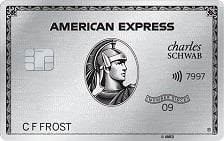
American Express Platinum Card® for Schwab

The Platinum Card for Schwab is an ultra-premium travel card with special Charles Schwab-oriented perks. The card is like the regular Platinum Card, but with specific redemption options for Schwab investment and wealth customers.

The Platinum Card for Schwab comes with a lucrative signup bonus of 60,000 Amex Membership Rewards points after spending $5,000 on purchases within the first three months. Those 60,000 points equate to $750 worth of investments when deposited into a Schwab account – making the 60,000 points worth approximately 15% in cash back – not a bad value for money.

The Platinum Card for Schwab also features additional statement credits when associated Schwab investment accounts reach specific levels:

  • $100 statement credit if qualifying Schwab holdings are equal to or greater than $250,000
  • $200 statement credit if qualifying Schwab holdings are equal to or greater than $1,000,000

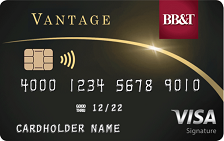
BB&T Vantage® Visa Signature® Credit Card

The BB&T Vantage Visa Signature Card is a versatile cash back rewards card that waives the annual fee for select consumers. The Vantage typically features a $125 annual fee, but BB&T waives that charge for existing BB&T Wealth investment customers.

The Vantage Visa Signature earns an unlimited 1.5% cash back on all eligible purchases. Those rewards apply to statement credits, travel booked through the BB&T portal, or other typical award options. Cash back can also be pumped into existing investment accounts. This is an excellent option for redeeming rewards for BB&T Wealth customers, as it also applies towards existing securities, annuities or funds, or as a cash fund towards future investments.

Other notable features of the BB&T Vantage Visa Signature Card include trip cancellation and interruption insurance, no foreign transaction fees, no balance transfer fees, and no cash advance fees.

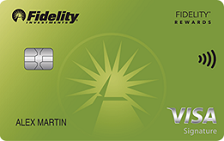
Fidelity® Rewards Visa Signature® Card

The Fidelity® Rewards Visa Signature® Card is a cash back credit card aimed at those with existing Fidelity® brokerage accounts. Cardholders earn a flat rate of 2% cash back on every eligible net purchase. The 2% back makes the card an excellent everyday-use card, as it doesn’t confine spending bonuses to specific categories. This is 0.5% more than what you find with the BB&T Vantage, the TD Ameritrade Card (no longer available to new applicants), and Schwab’s other credit card, the Schwab Investor Card from American Express.

Cash back is applicable for deposits into existing Fidelity® investment accounts. There are seven options for funds to apply rewards to, including:

  • 529 College Savings plans
  • Brokerage accounts
  • Cash management accounts
  • Charitable Giving accounts
  • Fidelity® Go accounts
  • Fidelity® HAS accounts
  • Retirement accounts

Other ways to redeem rewards include gift cards and merchandise from leading brands and merchants, plus travel (airfare, hotels, and rental cars).

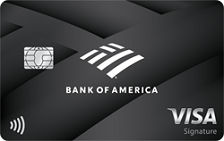
Bank of America® Premium Rewards® Card

The Bank of America Premium Rewards Card is a versatile, all-around rewards card that frequently features on many “best of” lists. The card isn’t an investing card in the truest sense of the word. Rather, it offers the option of redeeming rewards points towards Merrill® (formerly Merrill Lynch) accounts, including 529 accounts.

The card earns an impressive 2X points per dollar on dining and travel, and 1.5X points on all other purchases. New accounts can also earn 50,000 bonus points after spending $3,000 in purchases within the first 90 days of opening an account. That signup bonus has a cash back equivalent of 6% back, which is exceptional value – especially if those rewards are deposited into an eligible Merrill investment account.

Other card features include:

  • No foreign transaction fees
  • TSA Pre✓ ® or Global Entry Application statement credits every four years
  • $100 Airline Incidental statement credit each year

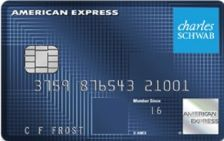
Schwab Investor Card® from American Express

The Schwab Investor Card® from American Express is a no-fuss cash back rewards card with some nice perks. The card earns a flat-rate 1.5% cashback on all purchases.

New account holders also benefit from a $100 statement credit should they use their card to make at least $1,000 in purchases within the first 90 days of opening an account.

Other perks include a 0% introductory APR for six months on purchases and balance transfers, access to Amex’s 24/7 dining and events assistance, and comprehensive security, fraud, and travel protections – all for no annual fee.

UBS Launches Credit Card Made of Corn

ubs-launches-credit-card-made-of-corn

Swiss banking giant, UBS, is launching a new credit card made of corn. The Optimus Foundation Credit Card Eco is an international credit card that the bank claims is 80% biodegradable. Is the future of credit cards eco-friendly? UBS thinks so. Here’s why:

New Optimus Foundation Credit Card Eco from UBS

UBS prides itself on working towards sustainability in all its products. Now, the Swiss bank is launching a credit card made from plastic substitute, PLA. PLA, or polylactic acid, is a plastic alternative made from fermented plant starch – typically corn.

The new Optimus Foundation Credit Card Eco is a PLA-based credit card launched through its charity arm, the Optimus Foundation. The Eco is mostly made of PLA, meaning the card is 80% biodegradable.

UBS Donating Some Proceeds to Charity

UBS is also hoping the card can fund further eco-friendly developments in the future. The bank is donating 0.75% of annual credit card spending from the new card to the Optimus Foundation. UBS supports programs that improve children’s health, education, and protection in a long-term and lasting way through its charitable foundation.

A “Transition to a More Sustainable Society”

UBS is hailing the launch of its new eco-friendly corn-based credit card. The bank, the first Swiss bank to launch a sustainable credit card, issued a press release detailing the launch and its future goals:

"The transition to a more sustainable society is one of the greatest challenges of our time. UBS wants to be part of the solution and lead the way with innovative ideas. Our new cards, which are made without plastic, are contributing to this. What pleases me the most: our customers are helping to ensure the well-being of future generations every time they use the new Optimus Foundation Credit Card."
ubs logo
Karin Oertli
COO Personal, and Corporate Banking and Region Switzerland, UBS

The Optimus Foundation Credit Card Eco is currently only available for applicants in Switzerland. However, the success of the program may have far-reaching impacts on the future of credit cards worldwide.

Related Article: Portland Startup Turns Credit Card Rewards to Stock

Featured photo by Matthew Henry / Burst

Citi Product Change Rules Altered Due to COVID-19

citi-product-change-rules-altered-due-to-covid

Last updated on February 20th, 2024

The coronavirus is changing how people use credit cards. Now, the pandemic is changing how card issuers handle customer requests. Citi is the latest bank to transform its customer service protocols, with the lender changing how clients can change credit card products.  

Citi Alters Card Product Change Rules Due to COVID-19

Multiple reports indicate that Citibank is changing how current cardholders can change from one product to another. Citi credit cardholders can now use the bank’s live chat feature to request a product change. For example, if a customer wishes to upgrade from the Citi Prestige® Card to the Citi Premier® Card, they can now do so without having to pick up the phone.

Previously, Citi required credit cardholders to call customer service representatives to change credit cards. The COVID-19 pandemic, however, is forcing a rethink of this policy. With so many staff working remotely, call wait times are surging. In response to this challenge, the switch to live chat features seemed inevitable.

Rules for Changing Cit Credit Cards

Citi has specific rules regarding changing credit cards, especially when downgrading a card. These restrictions include:

  • The current Citi credit card must be at least 12 months old before downgrading
  • Product changes usually must be within the same product family
  • Card changes may take up to 51 days

Beyond the first point, the other two rules are not set in stone. Some Citi representatives will allow changes to different cards outside the current credit card’s product family. Industry site Doctor of Credit recommends ending your current session with Citi representatives and trying again f you don’t get the result you are seeking.

Examples of Citi credit cards within the same family include the three cards that earn ThankYou Rewards points (except the AT&T Access Card):

This principle also applies to Citi’s American Airlines AAdvantage personal credit cards.

Featured photo by Sarah Pflug / Burst

Mastercard Holiday Survey Highlights Conscientious Shopping Trend

mastercard-holiday-shopping-survey

Last updated on July 31st, 2023

A new study from Mastercard is highlighting a more conscious approach to holiday shopping this year. Here are the results of the Mastercard SpendingPulse survey and what it means for retailers this holiday season:

Mastercard Holiday Shopping Survey Results

Mastercard monitors consumer spending trends through its Mastercard SpendingPulse™ reports. This year’s season is the longest to date, running from October 11th through December 24th – according to Mastercard. For the “expanded holiday season” of 2020, the payment network anticipates a significant increase in online spending, with an even steeper increase in consumer mindfulness.

Consumers Plan to Shop with Their Hearts

The latest SpendingPulse report notes that 75% of respondents claim they will be more mindful of where they spend their holiday money. Those shoppers say they will shop at retailers who share their personal values, with most (78%) prioritizing small businesses over big box stores.

Other areas where consumers are most likely to spend their holiday shopping funds include:

  • Minority-owned businesses: 68%
  • Women-owned businesses: 68%
  • Black-owned businesses: 66%

Holiday Shopping Is Shifting Online for 2020

Beyond a more conscientious approach to shopping, Mastercard is also noting a trend towards contactless payments. Approximately 66% of respondents say they plan to use contactless payment – like mobile wallets – when shopping this year. They also said they would prioritize shops that offer that flexibility.

Most of those surveyed plan to do most of their shopping online – with 55% of respondents prioritizing online purchases over in-store shopping.

Other Report Findings

Other findings from the recent Mastercard survey include:

  • E-commerce sales are expected to rise by 34.6% this holidays season
  • Furniture sales are up 20.1%
  • Hardware sales are up 11.5%
  • Grocery store purchases are up 7.1%

About Mastercard SpendingPulse™

Mastercard SpendingPulse reports on national retail sales across all payment types in select markets around the world. The findings are based on aggregate sales activity in the Mastercard payments network, coupled with survey-based estimates for certain other payment forms, such as cash and checks.

This year’s Mastercard Holiday Shopping Survey was conducted in conjuncture with Harris Poll. The survey contacted 2,017 respondents across the United States between October 8th-13th, 2020. All respondents were screened for credit card use before being surveyed.

Related Article: The Best Credit Cards for the Holidays for 2020

Featured photo by: mohamed_hassan/ PixaBay

PNC Bank to Acquire BBVA for $11 Billion

pnc bank purchasing bbva

Last updated on April 24th, 2023

PNC Bank, one of the largest banks in the United States, is set to buy rival BBVA’s USA operations in a deal worth $11 billion. Here are all the details of the sale, which still requires regulatory approval.

PNC – BBVA Purchase Details

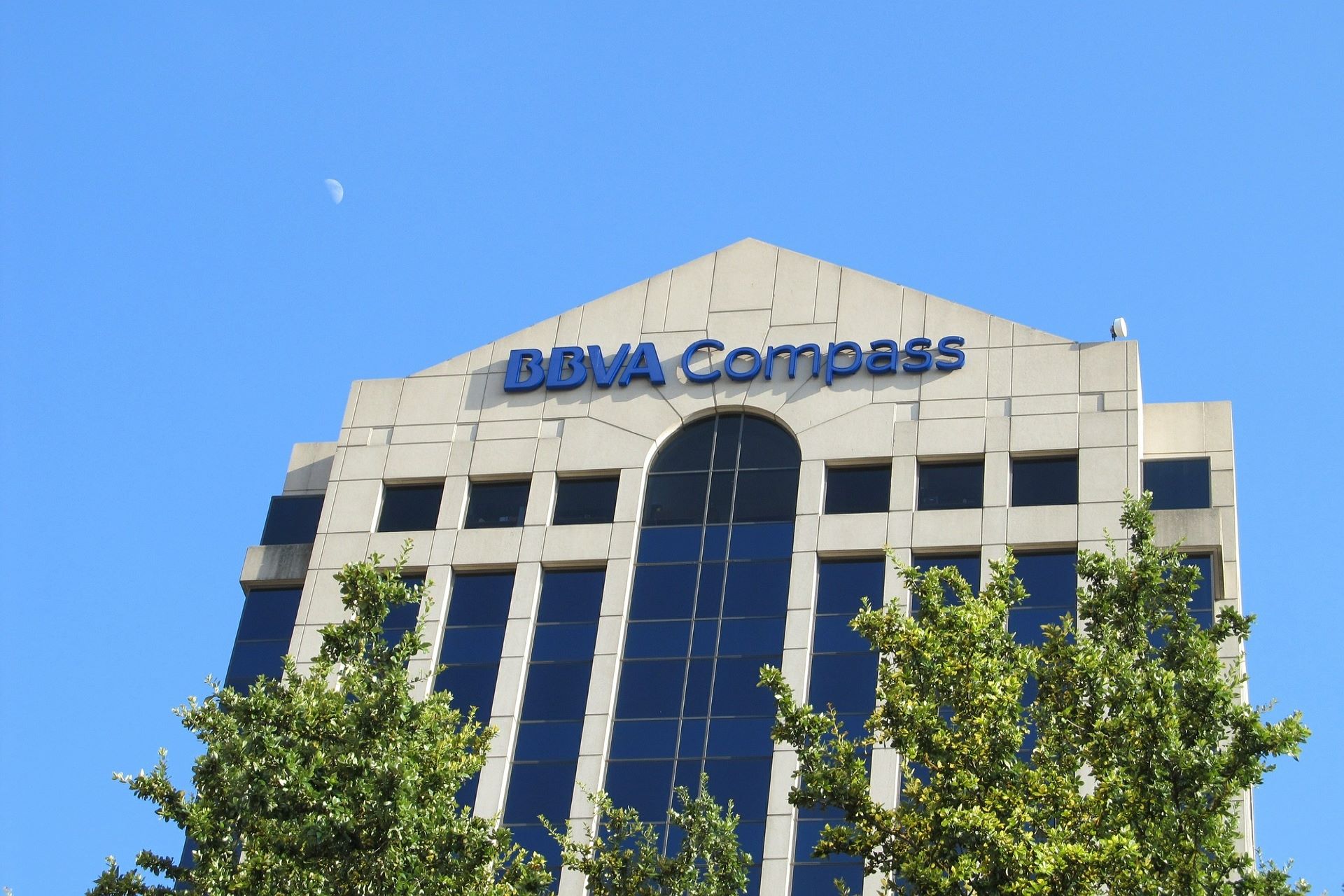
PNC Bank, already the seventh-largest bank in the United States by assets, looks set to grow even further. According to the Wall Street Journal, PNC Financial Services Group, Inc. has an agreement in place to purchase the U.S. arm of BBVA. The deal, which requires approval from U.S. banking regulators, will see PNC take over BBVA USA for approximately $11.6 billion.

BBVA USA is the American subsidiary of Banco Bilbao Vizcaya Argentaria (BBVA), one of Spain’s – and the world’s – largest banks. The U.S. arm of BBVA chiefly operates in Alabama (where it is headquartered), Arizona, California, Colorado, Florida, New Mexico, and Texas.

BBVA USA is one of the largest banks in Alabama, Arizona, and Texas, with over $100 billion in total assets and 637 branches in the seven states it serves. PNC, for its part, currently operates over 2,000 branches nationwide.

When Will the Merger Finalize?

Once banking regulators give final approval, the deal is expected to finalize around the middle of next year. The switchover from BBVA to PNC Bank branding is likely to occur later in 2021.

“(Our) Number One Pick”

Speaking after the news emerged, PNC’s CFO, Rob Reilly, noted that BBVA was the bank’s “number one pick” when it came to new acquisitions.

“We’ve been in Birmingham since the National City acquisition back in 2009, and everything about the city we’ve been exposed to, we really like,” he stated. “Birmingham’s a fantastic city, very dynamic, and it’s going to be a very meaningful part of this new PNC as we look to execute our strategy and grow and frankly, compete more equally with the large national banks. It’s an important part of PNC, and following this transaction, it’s going to become an extremely important part.”

What Does This Mean for BBVA Customers?

So, what does the merger mean for current BBVA customers – including credit cardholders? According to PNC, no decisions are finalized for existing BBVA branches or products. More information will become available in early-to-mid 2021 as the sale closes.

Related Article: How Fintech Is Disrupting the Traditional Credit Cards Market

Featured photo by 272447 / PixaBay

SoFi or Upgrade Card: Which Is Right for You?

sofi-or-upgrade-card-which-is-right-for-you

Last updated on January 31st, 2024

The SoFi Credit Card is a rewards card that allows cardholders to pay off their existing debt faster than other debt-repayment options. The card is similar in design and approach to the Upgrade Visa Card with Cash Rewards – another excellent low APR and debt consolidation credit card. But which option is best for you?

Why Choose the SoFi Credit Card?

The SoFi Credit Card is a new addition to the low-APR balance transfer card market. The card, from digital finance company, SoFi, allows cardholders to pay down their debt through cash back rewards. The card earns up to 2% back on purchases. Cardholders can put the rewards towards SoFi student loans or personal loans. In addition, they can deposit the cash back to SoFi Money or Invest accounts.

Why Choose the Upgrade Card?

The Upgrade Card is one of the most popular low-APR credit card products available today. Upgrade has issued more than $3.5 billion in total credit since 2017. The card’s success is due in no small part to an exceptional APR – plus other great features.

Interest rates with the card start as low as 8.99%, and Upgrade combines balances into an installment plan of up to 60 months. The Upgrade Card also offers cash back rewards, with holders earning an unlimited 1.5% back on all eligible purchases.

Upgrade vs. SoFi: Which Is Right for You?

So, Upgrade or SoFi: which is the best option for you?

For people who already bank with SoFi, including holding loans through the company, the SoFi Credit Card is something of a no-brainer. The 2% back on SoFi loans is a great rewards rate, but the cash back rewards are not worthwhile for all other consumers. In addition, the card is currently only available for existing customers. Others who are interested need to join a waitlist.

The Upgrade Visa Card with Cash Rewards is an excellent option for those who don’t bank with SoFi, but still want to easily pay down an existing balance. The extremely low APR provides the ideal basis for debt consolidation for those with excellent credit scores.

The repayment format with the Upgrade is also a major perk. Installment plans of up to 60 months provide the platform for a much easier repayment strategy that can help save significant money over time. The unlimited 1.5% cash back with the card is also superior to the SoFi Card’s rate in almost every instance (minus redeeming for payments on SoFi loans or accounts).

Upgrade also promotes financial responsibility by rewarding the 1.5% cash back after a cardholder pays off their purchase through their statement balance.

That’s not to say there are no downsides with the Upgrade Card. Those with less-than-stellar credit won’t receive the same great rate as those with exceptional credit. Further, the Upgrade Card’s APR rises significantly higher than the SoFi Card’s.

Conclusion

Ultimately, the best debt-repayment credit card depends on your unique circumstances. The SoFi Card is an excellent option for those already within the SoFi ecosystem. The Upgrade Card, on the other hand, is ideal for those who don’t have a SoFi loan or money account and prefer the simplicity of installment plans when repaying debt.

Both cards offer enticing cash back rewards, with the SoFi Card offering a higher earning rate with associated accounts and the Upgrade Card with Cash Rewards providing a lower rate – but with the same value across the board and not based on loan products.

Featured photo by Shopify Partners / Burst

Advertiser Disclosure

BestCards is an independent, Florida-based credit card comparison platform. Many of the card offers that appear on this site are from companies from which BestCards receives compensation. This compensation may impact how and where products appear on this site (including, for example, the order in which they appear). BestCards does not include all card companies or all card offers available in the marketplace.