Petal Offers “Pay More Than the Minimum” Sweepstakes

petal-pay-more-than-the-minimum-sweepstakes

Last updated on March 1st, 2023

Paying just the minimum balance due each month on your credit card can lead to significant interest charges. Petal, a leading fintech credit card issuer, is hoping to promote better credit usage through its Pay More Than the Minimum campaign. Here is what you need to know about the Petal sweepstakes, who is eligible, and how to take part:

Petal Pay More Than the Minimum Promotion

Petal is encouraging its cardholders to pay more than the minimum on their credit card statement balances. According to the company, “Petal members who pay more than the minimum on their monthly billing cycle will be entered into a sweepstakes to have their credit card bill paid off, up to $500.”

All an eligible Petal credit cardholder needs to do is pay at least one penny more than their minimum balance due on their billing statement for their December 2020 Petal credit card. Doing so entitles them to an entry into a sweepstakes, with 100 card members winning the big $500 prize.

The sweepstakes runs from January 7, 2021 and ends at 10:59:59 PM Eastern Time (ET) on January 26, 2021. Petal will announce 50 sweepstakes winners in January, and the remaining 50 in February.

Cardholders can also enter the sweepstakes by completing and submitting a designated online survey through SurveyMonkey during the promotional period.

Why Paying More Than the Minimum Is So Important

Paying only the minimum balance due can save you from missed payments and keep your account in good standing. This practice, however, can also lead to mounting interest payments and increased debt.

Virtually all credit card experts agree that paying more than your minimum balance due is essential for a healthy credit score. When you avoid paying down your debts, you may save money in the short-term, but you’ll spend more in the long-term.

Paying off credit card interest with only the minimum payment can take years – and cost you plenty. This practice can also eat into your available credit, raise your credit utilization, and lower your credit score.

About Petal

Petal is a leading fintech company that seeks to provide greater financial opportunities for millions of American consumers. The company currently offers two credit cards: the Petal 1 “No Annual Fee” Visa Credit Card and the Petal® 2 “Cash Back, No Fees” Visa® Card. Both are issued through WebBank. The cards feature no annual fees, no foreign transaction fees, and better interest rates than many other subprime credit cards.

Related Article: Petal Launches Rebranded Petal 2, New Petal 1 Cards

Featured photo by Cobanams / PixaBay

Amex Platinum Card Limited-Time Statement Credit Offer

Amex Platinum Card Limited-Time Statement Credit Offer

Last updated on February 20th, 2024

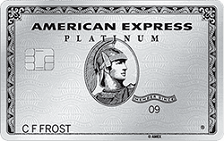
The Platinum Card from American Express is one of the most versatile premium credit cards on the market. The card offers value for those who like to make use of the myriad statement credits it provides. Now, Amex is upping the ante by providing even more value. For a limited time only, the American Express Platinum Card is giving cardholders the chance to earn up to $1,880 in statement credits.

American Express Platinum Card Limited-Time Statement Credit Offers

American Express spent the better part of 2020 looking to add value to its premium, Membership Rewards cards. The coronavirus pandemic significantly impacted the value of the travel perks for which Amex cards are known.

The American Express product refreshes anticipated late last year are now starting to become apparent. The issuer is now launching a massive assortment of statement credits to its already impressive Platinum Card. These new, limited-time credits include the following:

Platinum Card Statement Credit Offers Available Through June 2021

amex platinum
The Platinum Card® from American Express

PayPal Statement Credits

American Express Platinum cardholders receive up to $180 in statement credits on eligible purchases made through PayPal. This statement credit offer breaks down to up to $30 per month through June 30, 2021.

Hotel Statement Credits

Another significant change to the Amex Platinum Card is a property credit of $250 or more after booking eligible stays through Amex Travel at participating Fine Hotels + Resorts® properties. Instead of the statement credit, cardholders can also opt for a one-time complimentary night at participating resorts and hotels.

American Express Gold cardholders can receive a complimentary night or a property credit of $150 or more after booking eligible stays through Amex Travel.

Food & Beverage Statement Credits

Platinum Cardholders can earn up to $260 back in statement credits at select food and beverage retailers:

  • Goldbelly: Spend $100 or more on eligible regional and artisanal foods through Goldbelly and receive a $50 statement credit. This offer is good for up to three uses.
  • Home Chef: Spend $50 or more on eligible Home Chef purchases and receive a $50 statement credit. This offer is valid only once.
  • Instacart: Spend $250 or more on Instacart groceries or deliveries and receive a $50 statement credit. This offer is good for up to two uses.
  • Wine Insiders: Spend $30 or more on eligible purchases and receive a $30 statement credit. This offer is good for up to two uses.

Retail Statement Credits

Amex Platinum cardholders can also earn up to $400 in statement credits through select retail partners, including:

  • Best Buy: Spend $50 or more on eligible purchases at BestBuy.com and receive a $50 statement credit. This offer is valid up to two times.
  • The Home Depot: Spend $50 or more on eligible purchases at HomeDepot.com and receive a $50 statement credit. This offer is valid up to two times.
  • Samsung: Spend $1,000 or more on eligible Samsung purchases and receive a $200 statement credit. This offer is valid only once.

Other Amex Platinum Statement Credits

  • Avis Rental Cars: Spend $75 or more on eligible purchases or car rentals with Avis and receive a $75 statement credit. This offer is good for up to two uses.
  • Equinox: Spend $780 or more on eligible purchases or virtual personal training with Equinox and receive a $130 statement credit. This offer is good for up to five uses – worth up to $650.
  • Scribd: Spend $9.99 or more and get a $9.99 credit – up to five times.
  • The Container Store: Spend $150 or more on eligible purchases and receive a $50 statement credit. This offer is good for up to two uses.

Limited-Time Only American Express Statement Credit Fine Print

American Express Platinum Cardholders must enroll in the new Amex statement credit offers to take part. Cardholders must log in to their account or visit the American Express Offers site to register. Offer expires June 30, 2021.

Other Amex Platinum Offers

American Express is also launching new travel benefits for holders of the Platinum Card. These include:

Pay with Points: Cardholders can use Pay with Points to earn double Membership Rewards points on prepaid car rental bookings through AmexTravel.com.

Flight Savings: Platinum Cardholders have access to cheaper fares on select seats, flights, and routes through participating airlines. Cardholders can save up to 20% off the publicly listed flight price for eligible flights and seats booked between January 10, 2021, and March 31, 2021, for travel from January 10, 2021, through May 31, 2021.

Featured photo by Matthew Henry / Burst

How Many Credit Cards Should You Have?

Last updated on August 24th, 2023

Credit cards are an excellent credit tool. They can help you build credit, finance costlier items, and even save you money through lucrative rewards. Like everything else, however, too much can be a bad thing. So, what is the right number of credit cards to own – how many credit cards should you have?

The Ideal Number of Credit Cards

One of the more commonly asked questions about credit is “is there such a thing as having too many cards?” Simply put, there is no set answer to this question.

Opening one or two credit card accounts is a good way to control spending and build credit. Having multiple (or even dozens) of cards might be ideal for people who want to maximize their savings and earn impressive rewards points or miles.

The Average Number of Credit Cards in 2020

According to Experian, one of the three major consumer credit bureaus, the average American had 5.4 credit cards in 2020. This number breaks down to three credit cards and 2.4 closed-loop store cards. That three open-loop credit card tally is similar to another poll by Gallup, which found Americans hold approximately 3.7 credit cards.

Can You Have Too Many?

So, is there a number of credit cards you should aim for? Not really. Nor is there a set number that becomes too high for any one person. That said, there are important things to consider before adding – or dropping – a credit card from your wallet.

Average Age of Credit

If you think your wallet is a bit stuffed, closing extra accounts seems like a no-brainer. Unfortunately, this action can drop your credit score significantly.

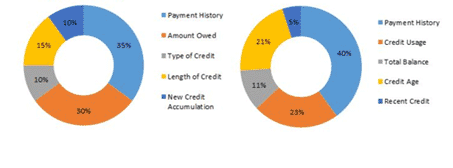
Average age of credit is one of the factors that make up a person’s credit score. Credit history length consists of 15% of your FICO Score and 21% of VantageScore 3.0.

If there are cards you don’t use, your best course of action is to pay off the balance and keep the accounts open. Use these for small, one-time purchases. You can also put a subscription service charge on them. That way they’ll remain active without too much maintenance on your part. Just don’t forget to pay off your balance!

What Factors Impact Your Credit Score?

FICO Score vs. VantageScore

Credit Utilization

Keeping these accounts open will boost your average age of credit and lower your utilization ratio. Also called credit usage, it is the second-most significant impactor of a FICO Score, at 30%. This factor makes up an equally impressive 23% of a VantageScore number.

Keeping your utilization below 30% of your overall limit is key to raising – and maintaining – a good credit score. By keeping old accounts open and utilization as low as possible, you can significantly improve your financial profile with lenders.

Conclusion

So, in short, the answer is depends on you, your goals, and your needs.

Ideally, you should never have more payment cards than you can handle. They are financial tools and, as such, they require knowledge and discipline to use successfully.

If you are new to credit, stick with one or two cards and learn the ropes before venturing into lucrative rewards cards and expensive annual fees. If you are more experienced, feel free to open more accounts – just make sure to keep an eye on the annual fees, card balances, and your credit utilization.

Ultimately, the number of cards you hold is a personal preference. Just follow the basic finance rules: Don’t spend more than you can afford, and pay your bills on time each month.

Related Article: How to Build Your Credit Score to Buy Your First Home

Featured photo by geralt / PixaBay

Where Does Stolen Credit Card Data End Up?

where-does-stolen-credit-card-data-end-up

Last updated on August 24th, 2023

The holiday season is one of the most prolific times of the year for hackers and data thieves. Here is what happens when your credit card info is stolen – and where your stolen credit card data ends up.

How Is Credit Card Data Stolen?

Most credit card data is stolen through two methods: hacking or skimming. Hacking occurs when a website containing sensitive information is compromised.  There have been plenty of hacking incidents, including the Capital One breach that impacted over 106 million customers. Skimming (or, more correctly, “e-skimming”) is like hacking but involves altering payment platforms’ code to capture customers’ credit card details.

Where Does Stolen Credit Card Information End Up?

So, once your credit card information is stolen, where does it end up? According to Greg Foss, Senior Cybersecurity Strategist at VMware Carbon Black, the answer is the dark web and popular marketplace forums.

Popular dark web marketplaces offer buyers stolen credit and personal information for around $10 per card. Cards with higher credit limits can fetch more, though the average is about $10 to $20. Prospective buyers can also purchase stolen PayPal credentials at a much lower price – averaging just $2 per account.

These dark web sites take a forum not unfamiliar to everyday consumers. According to Foss, these forums offer the stolen credit card data in a “shopping cart” format, with buyers selecting the accounts they want, then checking out.

Social Security Numbers Are Also In Danger

The extra worrying aspect of these stolen data dumps is that they often include information beyond credit cards – such as Social Security numbers. “While there are other services that specialize in the aggregation and resale of (such as Social Security number and date of birth) data, many carding forums also provide this information in conjunction with credit cards,” Foss said.

How Can You Protect Yourself Online?

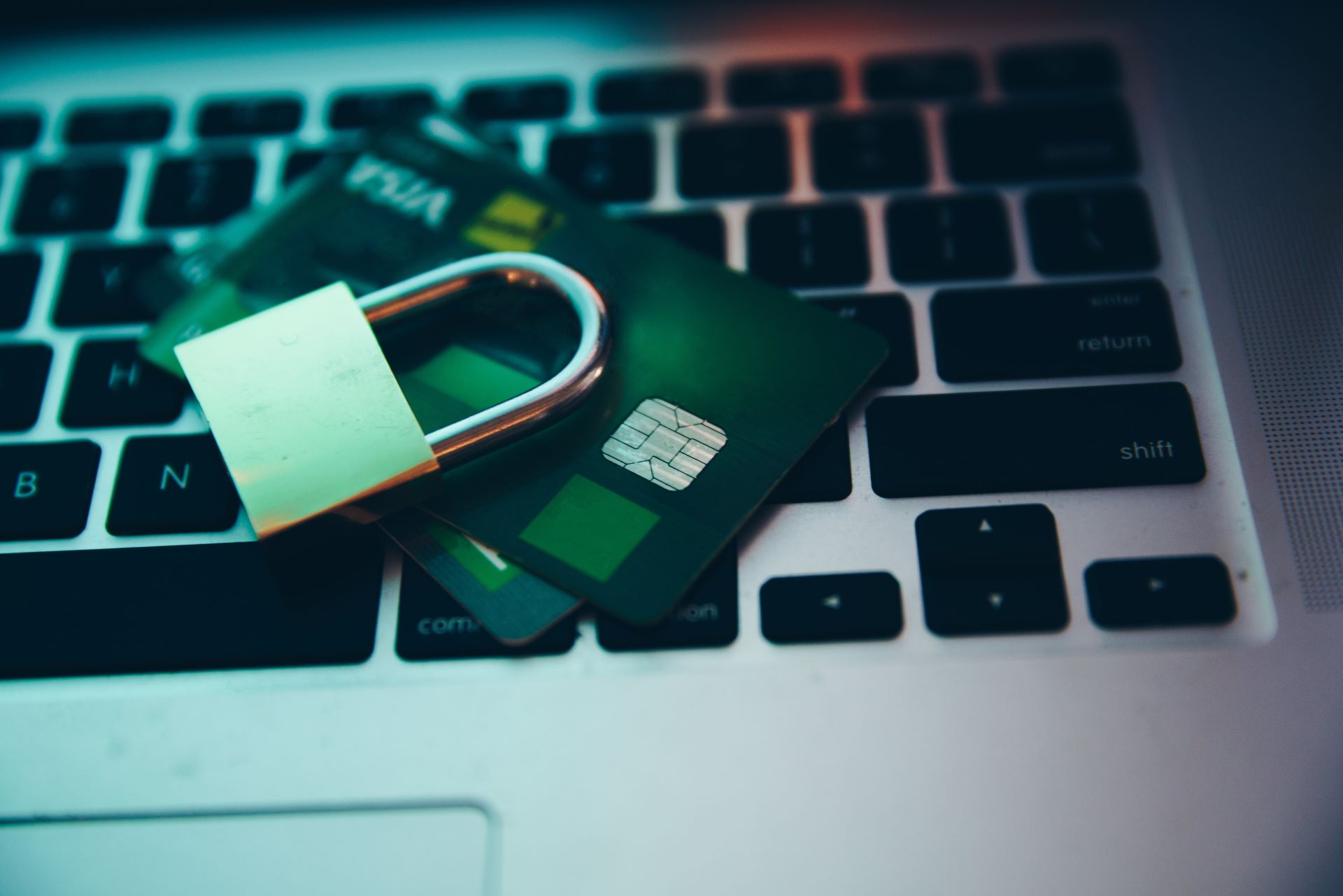
Over 30 million credit card records were sold on the dark web in 2019, according to reports. What can you do to help keep yourself protected from potential fraud? There are various ways to safeguard your information when shopping online, such as using a virtual credit card.  Virtual credit cards are temporary credit card numbers that a user generates to make online purchases more secure. Since these cards are easily removed or canceled, they serve an excellent way to prevent information or financial loss due to an online merchant’s hacking.

Other ways to protect yourself online include:

  • Make sure you are on the correct website by verifying the address
  • Shop only on sites that feature HTTPS security
  • Change your passwords frequently
  • Monitor your credit reports

Related Article: Ten Ways to Stay Protected Against Credit Card Fraud

Featured photo by Nicole De Khors / Burst

How to Build Your Credit Score to Buy Your First Home

how-to-build-your-credit-score-to-buy-your-first-home

Last updated on February 20th, 2024

Is your New Year’s resolution to finally take the step towards becoming a homeowner? If so, you’ll likely need to build your credit score to qualify for a mortgage. Here is how to build credit to buy your first home.

Building Credit to Achieve Homeownership

Homeownership is one of the most common financial and personal goals of many Americans. However, buying a house, condo, or another property is an expensive proposition.

Home loans make this high cost achievable for millions of people every year. However, loans come with many of the same hurdles found in credit cards, auto loans, and other credit types. And, like different types of credit, building up your credit score to achieve the goal of homeownership takes time, patience, and knowledge.

What Credit Score Do You Need to Get a Home Loan?

First things first: What credit score do you need to reach before you can get a mortgage? According to Quicken, the minimum credit score required to qualify for a mortgage varies, but generally must be above a FICO Score of 500.

The credit score requirements for a home mortgage depend on the loan insurer, like FHA loans from the Federal Housing Administration, VA loans through the U.S. Department of Veterans Affairs, or conventional loans through lenders (like Quicken) or banks.

Here are the current minimum FICO credit score requirements for obtaining a home loan:

  • Conventional loan – 620 minimum FICO Score
  • FHA loan with 3.5% down payment – 580 minimum FICO Score
  • FHA loan with 10% down payment – 500 minimum FICO Score
  • VA loan – No federal minimum credit score requirement (many lenders require a FICO score of at least 620)

How to Build Your Credit Score to Buy Your First Home

Building credit to buy a home takes time. Ideally, this process should take between six months to one year, but it depends on your starting point – and determination.

Here are a few tips to help you quickly build your credit score:

Know Your Credit Score

Keeping up-to-date with your financial standing is essential for building a good credit score. Credit monitoring is even more critical for those looking to buy a home, as it instills confidence and reinforces the knowledge required to not only obtain a mortgage – but to handle it effectively, too.

There are many free credit monitoring services available, including those from banks and credit card lenders. There are also more thorough, paid services through FICO (MyFICO), Credit Karma, and more.

Related Article: Free Credit Score Monitoring from Card Issuers

Build Credit with a Credit Card

Once you know where your credit score stands, you can start to build that number through responsible credit use.

The easiest way to establish – and build – credit is through a credit card. Because there are plenty of credit cards for all credit scores (including secured cards or credit cards for bad credit), credit cards are the perfect way to raise your credit score quickly.

When choosing a credit card to build credit, here are a few things to look out for:

  • When looking for a secured card, pay close attention to the annual fee, the APR, and the other fees associated with the card. Aim for an annual fee below $50, though the cards with the best interest rates typically fall within this cost range.
  • Make sure your security deposit matches your expected credit card use. Do not place a $200 minimum deposit and max the card out, for example. Aim to use 30% of your available credit (or less) every month.
  • Always pay on time. Payment history accounts for 35% of what makes up your FICO score. Even one missed payment can harm your score.

Build a Good Credit Mix

Lenders prefer to lend to borrowers with a robust combination of credit types. This fact is especially true when it comes to home loans and mortgages.

A “good credit mix” means a borrower has a demonstrable history with a variety of loan products. Since this is your first home, you may not have experience with home loans. Therefore, the best way to build a good credit mix is by having open – and current – loans like credit cards, student loans, personal loans, or auto loans.

A good mix of credit types shows a potential mortgage lender that you understand credit – and that they can trust you with an expensive installment loan.

Related Article: What Exactly Is a Good Credit Mix?

Other Things to Consider When Planning to Buy Your First Home

Buying a home does not just mean finding the right property and getting approved for the loan. There are other considerations to keep in mind when going through the home buying process. These considerations include:

  • Saving for the down payment: All mortgages require a down payment. While FHA loans may allow down payments of as little as 3.5% on a home worth $100,000, that amount is $3,500. With the U.S. median home price currently at $320,000, saving $11,200 – or more – is a big hurdle to clear.
  • Closing costs: Closing costs are another consideration to make. These fees are somewhat negotiable but can cost around 5% of the house’s sale price. These fees cover taxes, escrow, insurance, and other documentation and legal costs.
  • Home repairs: The average homeowner may spend up to 5% of the home’s value on repairs within the first few years.

Related Article: Credit Tips: How Long Does It Take to Rebuild Your Credit Score?

Featured photo by Shopify / Burst

New BlockFi Credit Card Earns Bitcoin Rewards

blockfi-credit-card-earns-bitcoin-rewards

Last updated on April 24th, 2023

Bank cards that earn Bitcoin rewards are all the rage, it seems. Instead of airline miles or points for hotel stays, these fintech cards earn cryptocurrency with every purchase. The latest card in this fast-developing category is the BlockFi Bitcoin Rewards Credit Card.

Details About the New BlockFi Bitcoin Credit Card

The BlockFi Bitcoin Rewards Credit Card is the product of a venture between Visa and fintech/cryptocurrency company, BlockFi. The card, which will feature a $200 annual fee, will be issued through Evolve Bank & Trust.

The BlockFi Bitcoin Rewards Card will earn 1.5% cash back. However, rater then traditional cash back, the money takes the form of Bitcoin – the world’s most valuable digital asset and commodity. Interestingly, new accounts can also earn $250 in Bitcoin after making $3,000 in purchases with the card within the first three months of opening an account.

Speaking with Bloomberg, BlockFi’s founder and CEO, Zac Prince, hailed the partnership. “(We’re) excited to add credit cards to our suite of products and expand Bitcoin’s accessibility to a broader set of consumers,” he said.

The timeframe for the launch of the new BlockFi credit card is currently unknown. However, the BlockFi site has a waitlist available for anyone who is interested in opening a card account.

Visa’s Fintech Fast Track Program

The co-venture between Visa and BlockFi is not the payment network’s first foray into Bitcoin or cryptocurrency. Visa currently operates a Fintech Fast Track program that seeks to speed up the integration process of fintech companies into the traditional credit card space.

Visa unveiled plans for a cryptocurrency debit card in April. Created by San Francisco startup, Fold, that project allows cardholders to earn up to 10% back on select purchases as Bitcoin. The Fold Card was like the Coinbase Card, which the company also announced earlier this year.

About BlockFi

BlockFi Lending is a financial services company. It specializes in providing credit services to markets with limited access to simple products like a savings account. The company offers a variety of services, including cryptocurrency trading. BlockFi features market-leading rates with institutional-quality benefits not found with other startups.

Related Article: Portland Startup Turns Credit Card Rewards to Stock

Featured photo by Sarah Pflug / Burst

Everything To Know About EMV Chip Credit Cards

everything-to-know-about-emv-chip-credit-cards

Last updated on February 20th, 2024

An estimated 850 million-plus EMV chip debit and credit cards have been issued to Americans since their introduction in 2017. EMV chips are a unique technology that provides a wealth of benefits, including more secure transactions, contactless payments, and more. Here’s everything you need to know about EMV chip credit cards and the benefits they provide to consumers.

How Do EMV Chips Work?

EMV chip cards were first introduced in Europe in 1996. “EMV” is an abbreviation for Europay, Mastercard and Visa, the three creators of the original chip card. The goal of EMV technology is to combat mounting losses related to the use of counterfeit and stolen credit cards.

Do All Credit Cards Have EMV Chips?

While EMV chips are becoming more popular among U.S. banks and credit card issuers, not every debit or credit card features an EMV chip – yet.

EMV chips first arrived in the United States in 2017, but the technology has a much longer history in Europe, Asia, and other parts of the world. Many issuers have updated their credit and debit cards to embrace the new technology, but the price of upgrading all credit cards to feature EMV chips means some cards still rely on magnetic strips solely.

What Are the Benefits of EMV Chip Technology?

Given the costs of upgrading to the new technology, what are the benefits of using EMV chips when making purchases?

Greater Security

EMV chips are more secure than magnetic strips. Magnetic strips on traditional credit cards store an unchanging set of data. If an identity thief can copy a credit card’s magnetic stripe, they can replicate that data repeatedly, leading to fraudulent charges.

The EMV chip, on the other hand, only deals with purchases. The chip technology creates a unique code for every transaction, meaning a thief stealing the data from a chip transaction can’t duplicate the code for future purchases.

Easier International Purchasing

The United States is the only significant market still relying on older magnetic stripe technology. Many European and Asian countries adopted EMV technology years ago to help combat fraud.

Using a credit card with an EMV chip makes using credit cards abroad a breeze. Cardholders won’t have to worry about a foreign merchant’s card reader being incompatible with their card – while also enjoying enhanced security against identity theft.

Contactless Payments

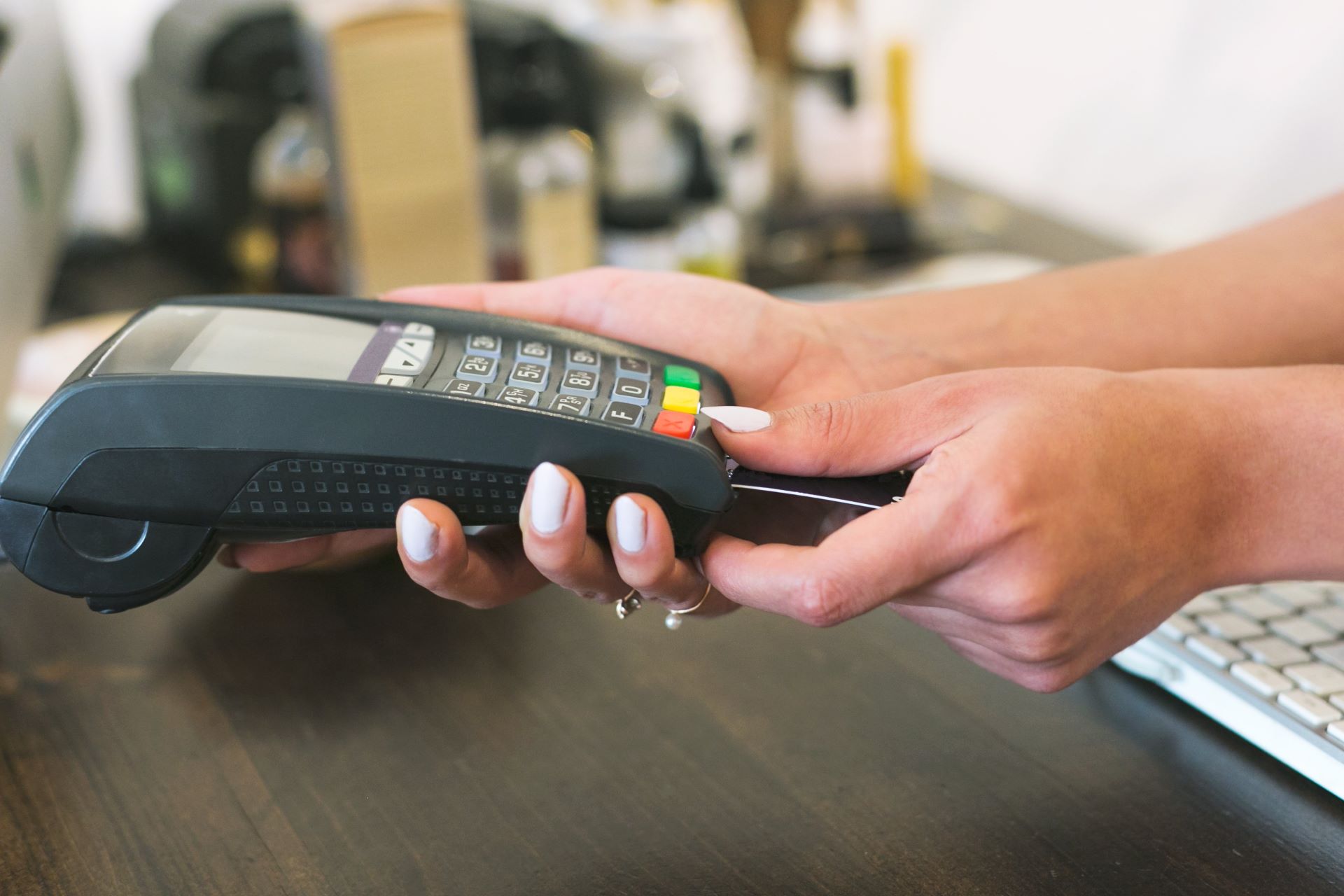
EMV chips allow for purchases either through dipping (or inserting) the card into a card reader terminal, swiping the magnetic strip, or through contactless payments.

Contactless payments are also a popular payment method gaining more traction thanks to the coronavirus (COVID-19) pandemic. Contactless payments work by integrating a credit card through a mobile wallet, like Google Pay, Apple Pay, Samsung Pay, PayPal, Amazon Pay, and more. These payments can also be made by tapping the card’s EMV chip against the card reader at any eligible merchant.

Featured photo by Nicole De Khors / Burst

Chase and Air Canada Set to Launch New Credit Card

chase-and-air-canada-set-to-launch-new-credit-card

Last updated on March 20th, 2025

Chase and Air Canada have a new agreement to launch an Aeroplan credit card for the U.S. marketplace. The expected launch date for the new credit card is late 2021. Here are all the available details of the new Air Canada credit card from Chase.

New Air Canada Credit Card from Chase

Air Canada and Chase are joining forces to launch a new co-branded airline credit card. The new credit card will earn points in Air Canada’s Aeroplan frequent flyer program – and part of the Star Alliance. While details of the new card remain scant, it is known that the card will launch in “late 2021.”

However, it is known that Aeroplan will now qualify as a Chase Ultimate Rewards transfer partner. Currently, Ultimate Rewards cardholders can transfer their valuable points to 17 partners at a 1:1 ratio:

Adding Air Canada will provide Chase cardholders significant value – especially with Air Canada’s impressive selection of routes to Asia and Europe from its Canadian hubs.

TD Aeroplan Visa Signature®

The new Chase Air Canada credit card will replace the current TD Aeroplan Visa Signature® Card from TD Bank. An airline card with a $95 annual fee, the TD Bank Aeroplan Visa offers 2X Aeroplan miles for Air Canada purchases and a single mile per dollar for all other purchases. The TD Bank card also features no foreign transaction fees and a decent signup bonus.

About Aeroplan

Aeroplan is Air Canada’s frequent flyer program, with miles earned redeemable for flights with Air Canada or any member of the Star Alliance of airlines, of which Air Canada is a member. The Star Alliance offers service to well over 1,000 destinations worldwide – meaning miles earned pack a serious punch. Aeroplan also offers several credit cards for Canadian travelers through CIBC, TD, and Amex Canada.

Related Article: The Ultimate Guide to Airline Credit Cards

Featured photo by Nel_Botha-NZ / PixaBay

Older Point-of-Sale Terminals Have Vulnerabilities Against Hackers

older-point-of-sale-terminals-vulnerable-to-hackers

Last updated on February 20th, 2024

Point-of-sale vulnerabilities can affect millions of terminals for merchants and customers. This threat of attack potentially places consumers at risk of data theft and credit card fraud. This claim is the assessment of cybersecurity experts at the recent Black Hat EU security conference. Here is what you need to know:

Cybersecurity Experts Highlight Mobile Payment Threats

Speaking at the recent Black Hat Europe security conference, cybersecurity researchers Timur Yunosov and Aleksei Stennikov highlighted a growing threat by data thieves to mobile payment devices. The experts identified point-of-sale payment terminals as the biggest threat – especially those made by Verifone and Ingenico.

Older Point-of-Sale Terminals in Danger of Hacking

The main issue with point-of-sale (POS) devices is their reliance on default passwords. These passwords provide physical access to information via a “service menu.” Service menus provide basic functions that are vulnerable to malware. Thus, this weakness makes them easy targets for hackers. POS terminals encrypt credit card data. However, that encryption occurs on the same terminal that is already potentially compromised with malware.

According to both experts, a hacker would only need five-to-ten minutes alone with a POS terminal to infect it with malware – potentially harming all customers using that device. Fortunately, many of these issues no longer pose a threat and are already fixed.

Only Legacy Point-of-Sale Vulnerabilities Impacted

A Verifone spokesperson was quick to note that a security patch already exists for the issue. In addition, many of the concerns relate to legacy devices. “The security firm has validated that our latest patches and software updates, which are available to all customers, remedy these vulnerabilities. Customers are currently in different phases of implementing these patches or software updates,” the spokesperson said in a statement to Forbes.

Ingenico, for its part, also stated the vulnerabilities are known – and no fraud has occurred to date. A spokesperson told Forbes that, “Different vulnerabilities impacting Ingenico POS Telium 2 terminal solutions have been identified. Proper security measures have been developed immediately to include suitable corrections after the vulnerabilities have been identified.” They continued, “Ingenico has not been made aware of any fraudulent access to payments data resulting from these vulnerabilities, already fully corrected.”

Featured photo by Sarah Pflug / Burst

American Express Product Refresh Expected in 2021

american-express-product-refreshes-expected-in-2021

Last updated on February 20th, 2024

American Express is planning to continue refreshing its credit and charge card products in 2021. The news is just one of  multiple announcements from a recent investors’ call held by members of the financial powerhouse.

Amex CEO Hails Success of Coronavirus At-Home Perks

Speaking at the December 8 earnings call, American Express CEO Steve Squeri identified a product refresh and cardholder retention as two of the company’s top plans in 2021.

Speaking with investors, Squeri highlighted the success Amex is having with at-home benefits that have been launched since the outbreak of the coronavirus pandemic. Those at-home perks include statement credits for streaming services and mobile phone service provider purchases. It has even offered a free Uber Eats premium membership to cardholders.

According to Squeri, the success of the revamp program has been overwhelming:

You mentioned streaming, and you mentioned wireless. 75% of our customers that had Platinum cards in the U.S. took advantage of those credits. 60% of our small business customers, 40% of our co-brand customers, 90% of our international Platinum cardholders took advantage of value injection. And one of the statistics, as we looked at our Platinum cardholders, we had people — so 11% of our Platinum cardholders had not put wireless on their card, and 9% had not put streaming on their card. And so, we now have that from a recurring perspective, and we feel really good about that.

American Express Product Refresh Vital to Customer Retention

These product refreshes have helped retain premium cardholders during a time of travel upheaval. Given the success of the program, and the retention of highly valued Platinum cardholders, future updates appear to go together with the company’s retention goals.

Those plans to retain as much of its client base as possible were also front-and-center in the call. “I think from a card existing cardholder perspective, we’re going to be very focused on retention,” Squeri told investors. “We’ve had retention levels that are, you know, probably better than we’ve ever had. Certainly, better than we had in 2019. And we will continue to do that through…product refreshes.”

Related Article: Upgrade Card Now Offers Cash Back Rewards

Featured photo by cocoparisienne / PixaBay

Capital One Takes On Buy Now, Pay Later Financing

capital-one-takes-on-buy-now-pay-later-firms

Last updated on April 5th, 2023

Capital One is reportedly no longer allowing “transactions identified as point-of-sale loans charged on its credit cards, regardless of the point-of-sale lender.” The bank – the third-largest issuer of credit cards in the United States – says the move is a step to distance itself from Buy Now, Pay Later (BNPL) financing structures.

Capital One Blocking Buy Now, Pay Later Transactions

BNPL is a popular form of alternative financing that is quickly gaining prominence. These services work as a type of credit where a customer can offset the initial cost for several months – or even years.

When a person opts for a BNPL option and applies, a financing company will pay the consumer’s purchase cost. These companies sometimes require a percentage of the purchase to be paid upfront, while others may finance the entire charge.

Capital One is the first major credit card issuer to take a stand against BNPL services, however. The bank is seeking to stop people from using their Capital One credit card to pay off these debts, citing the risk to customers’ financial well-being as the primary reason.

The Dangers of By Now, Pay Later Services

While BNPL services are experiencing significant growth, there are worries about consumers’ risk from these types of loans. “These kinds of transactions can be risky for customers and the banks that serve them,” a Capital One spokesperson said in an email to the Financial Post.

The allure of BNPL financing is the 0% introductory APR they provide. Once these initial periods end, however, the interest rates rise considerably. Many services charge an APR of around 30%, which is significantly higher than most credit cards. The result is a danger for consumers falling deep into debt – especially if they cannot pay off balances in time.

About Capital One

Capital One is a leading bank and credit card issuer, with over 62 million credit cards currently in circulation. Capital One is a unique issuer in that it offers credit card products to fit nearly every credit profile.

Related Article: Buy Now, Pay Later: Is It Worth It?

Featured photo by Pixabay

PayPal Allowing Split Payments For Some Sites?

paypal-allowing-split-payments

Last updated on April 21st, 2023

According to the rewards forum, Doctor of Credit, PayPal is allowing split payments on select companies’ websites. The unique feature allows PayPal users to split payments between two different card accounts. Here are all the available details:

PayPal Allowing Split Payments with Some Retailers?

The Doctor of Credit report shows that using multiple credit cards through PayPal currently applies to PayPal digital gifts and purchases made through AliExpress. The original post hypothesizes that the feature may be limited to charities only (for security measures), but this is unknown.

Other retailers currently offer split payments when making purchases online. Both Apple and Dell allow customers to use two different credit cards or other payment methods when making purchases online – as does clothier J.Crew.

Related Article: The Ultimate Guide to Using PayPal Pay with Rewards

New Feature Different Than PayPal Bill Split

The news of a potential split payment system within PayPal differs from the service’s existing “Bill Split” feature. That feature allows friends and family to divide a single bill, where each can pay their portion.

The Bill Split feature is made up of two different components: Bill Split and Partner Bill Split.

Bill Split

Bill Split is a straightforward process:

  • Pay the bill
  • Click “Send & Request” in the PayPal app or website
  • Click “Request” and select the person to split the charge with

The Bill Split feature is available for past transactions or future transactions.

Partner Bill Split

Partner Bill Split is only available on select websites, such as Fandango. The process is like the regular Bill Split but only works for completed purchases. The process works as follows:

  • Select PayPal at checkout and log in to your account
  • Select or add friends with whom to split the bill
  • Review and update how to split the bill
  • Click “Request Money”

About PayPal

PayPal Holdings, Inc. is an online payments system provider that supports online money transfers and serves as an electronic alternative to traditional paper methods. The mobile wallet technology works seamlessly with many retailers, both through mobile payments and online. The company also offers a credit card, the PayPal Extras Mastercard®, issued by Synchrony Bank.

Related Article: Capital One Joins PayPal Pay with Rewards Program

Featured photo by mohamed_hassan / PixaBay

Advertiser Disclosure

BestCards is an independent, Florida-based credit card comparison platform. Many of the card offers that appear on this site are from companies from which BestCards receives compensation. This compensation may impact how and where products appear on this site (including, for example, the order in which they appear). BestCards does not include all card companies or all card offers available in the marketplace.